REVIEW · MANILA
Manila: Guided Tuk Tuk Ride
Book on GetYourGuide →Operated by V.S Tour Services · Bookable on GetYourGuide
Manila moves fast, and this tour keeps up. You’ll jump into a tuk-tuk setup and head straight toward Divisoria-area markets, where you’ll see how people shop, cook, and snack as part of everyday life. I like that it’s not just sightseeing from a distance—it’s hands-on walking, quick tastings, and neighborhood context from a guide who knows where to take you.
Two things I really like: you ride local vehicles beyond the tuk-tuk (including a jeepney and/or a tricycle setup), and the guide experience is a major part of the value. Guides such as Venus, Floyd, and Frank are repeatedly singled out for making people feel safe, informed, and comfortable asking questions.
One consideration: the route includes walking and time in crowded market areas, so it may not be the right fit if you have high blood pressure or if you’re pregnant.
In This Review
- Key things to know before you go
- Starting at Tutuban Center Mall and riding like a local
- Divisoria wet markets: shopping, seafood, and the pace of daily work
- Chinese shopping stops: why these stores matter on a first day
- Street food and tastings: what to do with a full stomach
- Neighborhood walks: seeing housing and everyday routines responsibly
- Transport variety: tuk-tuk, jeepney, and tricycle for real perspective
- Intramuros as a possible add-on when the market energy shifts
- Price and value: what $66 buys in a 2-hour Manila loop
- Who this tuk-tuk ride suits best (and who should skip it)
- The small details that make the tour easier on you
- Should you book this Manila tuk-tuk guided ride?
- FAQ
- How long is the guided Manila tuk tuk ride?
- How much does the tour cost?
- Where is the meeting point?
- What languages are available?
- How big is the group?
- What transportation is included?
- What will we see and do during the tour?
- Is the tour suitable for solo travelers or couples?
- Is it suitable for everyone?
- Is there free cancellation?
Key things to know before you go
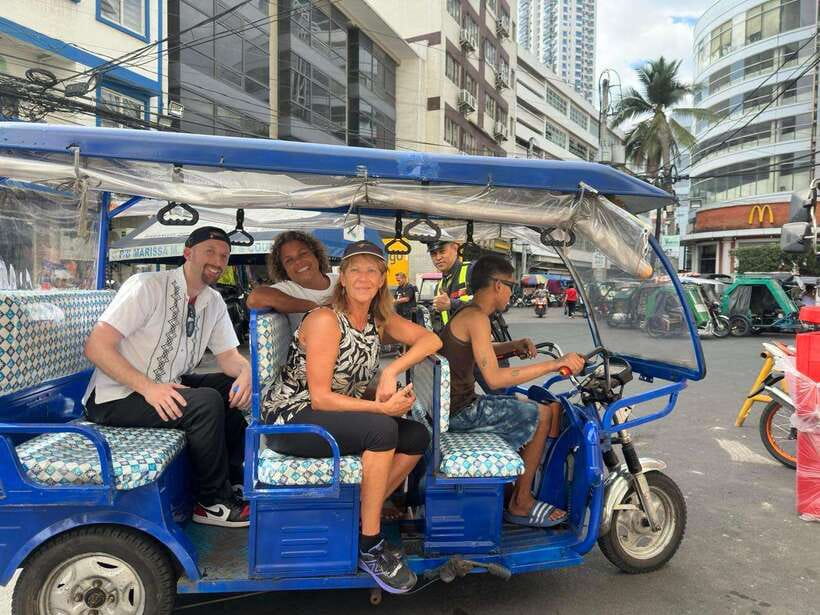
- Three modes of local transport give you quick context for how Manila actually moves
- Divisoria wet markets put you close to the buying-and-selling rhythm of daily life
- Street food tastings are built in, so you can sample without planning every stop yourself
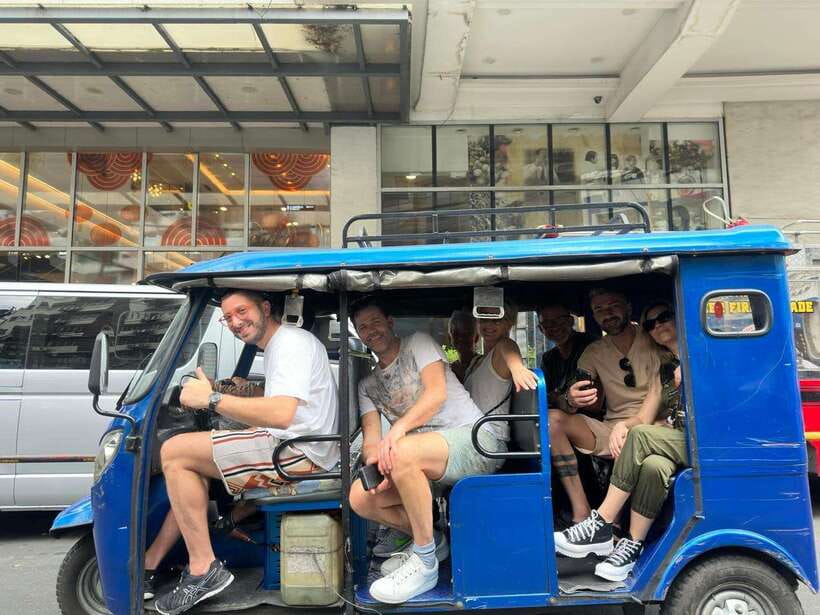
- Small group (up to 12) keeps the tour personal rather than a one-way bus ride
- English live guide helps you understand what you’re seeing as you walk
- Intramuros can be added on select dates, like when markets slow during holidays
Starting at Tutuban Center Mall and riding like a local
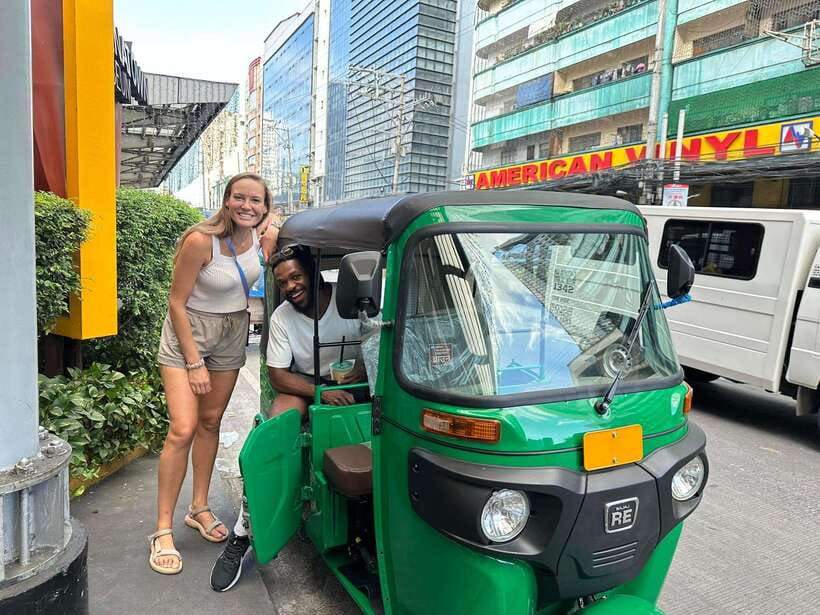
Most good city tours start with one problem: getting you oriented fast. This one starts at Tutuban Center Mall, at the entrance area near the Bonifacio Monument by the Lawson convenience store. It’s a practical meeting point because it’s easy to recognize, and it gets you close to transit before you start exploring on foot.
Then you get into the “Manila” part immediately: short rides in local vehicles. Depending on the day, you might use a jeepney or a “Lamborghini tricycle” style tricycle in addition to the tuk-tuk ride experience. That variety matters because you’re not just traveling—you’re picking up visual clues about class, routes, and street design as you move.
The tour also includes walking throughout the neighborhoods. That’s where the value shows: vehicles give you the fast connections, and walking is where you notice details—how storefronts work, how people carry goods, and how conversations and bargaining fit into the street.
Divisoria wet markets: shopping, seafood, and the pace of daily work
If you want to understand Manila beyond a photo list, Divisoria is a strong starting point. This tour brings you through the kind of market area where people shop for practical needs—produce, seafood, and everyday goods—and where bargaining is normal. You’ll see narrow alleys and packed lanes where vendors and customers constantly shift position, so your guide helps you move efficiently without turning the experience into a traffic jam.
A wet market visit can be surprisingly informative because it shows the logic of freshness. You’re not just looking at items; you’re watching how people choose and compare, how goods are displayed, and how quickly decisions get made. It also gives you a sense of what the city runs on, day after day: supply chains, quick shopping trips, and local eating habits.
One helpful note: market areas can get loud and a little intense, even when everyone is moving with purpose. Wear comfortable shoes you can trust, and keep your phone secured. And if you’re sensitive to crowds or strong smells, give yourself permission to pause—your guide can usually adjust the pace.
Chinese shopping stops: why these stores matter on a first day
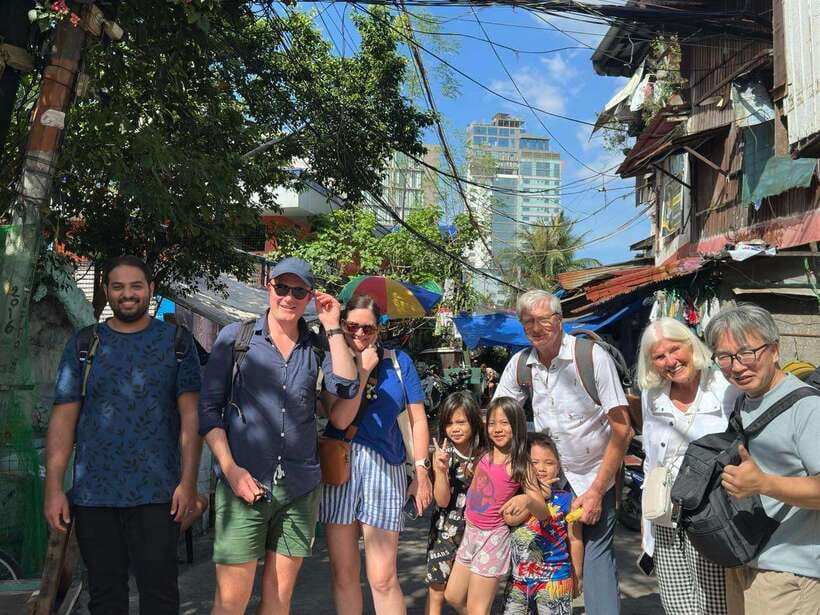
Between the wet market scenes, the tour also includes time at a Chinese shopping store area. That sounds specific, and it is—but it’s also useful. In Manila, shopping isn’t one uniform experience. You’ll notice differences between places where goods are displayed for bargaining and places that feel more like browsing bulk items and ready-to-wear products.
These stops are valuable because they shorten your learning curve. Instead of you guessing where the “real shopping” happens, you’re guided through the types of retail that local communities rely on. You also tend to get better context from your guide about what you’re seeing and why certain areas specialize in certain items.
If you like finding practical souvenirs—things you can actually use at home—this kind of stop can be a win. And even if shopping isn’t your priority, it still helps you understand how Manila’s economy serves the everyday needs of residents.
Street food and tastings: what to do with a full stomach
Street food is one of the best ways to understand a place without needing a reservation. This tour builds in food stalls and food tasting, so you’re sampling while walking rather than adding extra planning later. It’s especially helpful for a first day because you get to learn what locals eat and how street snacks fit into daily routines.
From the way the experience is described, tastings can include items like an egg dessert and drinks that show up during certain runs. The exact menu can shift by day, but the structure stays the same: small stops, guided recommendations, and a chance to taste without feeling like you’re wandering blindly.
A practical strategy: pace yourself. Markets and street food both encourage “one more bite,” and Manila heat can make it easy to overdo it. If you have dietary restrictions, speak up early with your guide. They’ll be able to steer you toward options that match what you want to avoid.
Also, keep cash and small bills ready if you’re planning to buy extras. For tastings, the tour provides guidance, but for additional items you’ll likely handle your own purchases.
Neighborhood walks: seeing housing and everyday routines responsibly

One of the most discussed strengths of this experience is that it doesn’t stay on the main-street version of Manila. The tour focuses on Filipino daily life, including surrounding neighborhood areas where you can see everyday homes and community conditions. You may pass by small poor houses and see the mix of middle-class and working realities that shape the city.
This kind of walking tour can be powerful because it’s direct context. You’re not just hearing stories in a classroom tone—you’re looking at the physical environment where routines happen: where people store goods, how families live close to the street, and how community life weaves through the market economy.
A respectful approach helps. Avoid loud commentary, don’t point at people for photos, and treat what you see with the same basic dignity you’d want if a visitor were looking at your neighborhood. Your guide can also help you understand what’s going on without turning it into a spectacle.
Safety also comes up in guide feedback. Several people mention feeling looked after and safe with the guide leading the group through crowded areas. Still, use common sense: keep an eye on your bag, stay within the group, and don’t lag behind while filming.
Transport variety: tuk-tuk, jeepney, and tricycle for real perspective
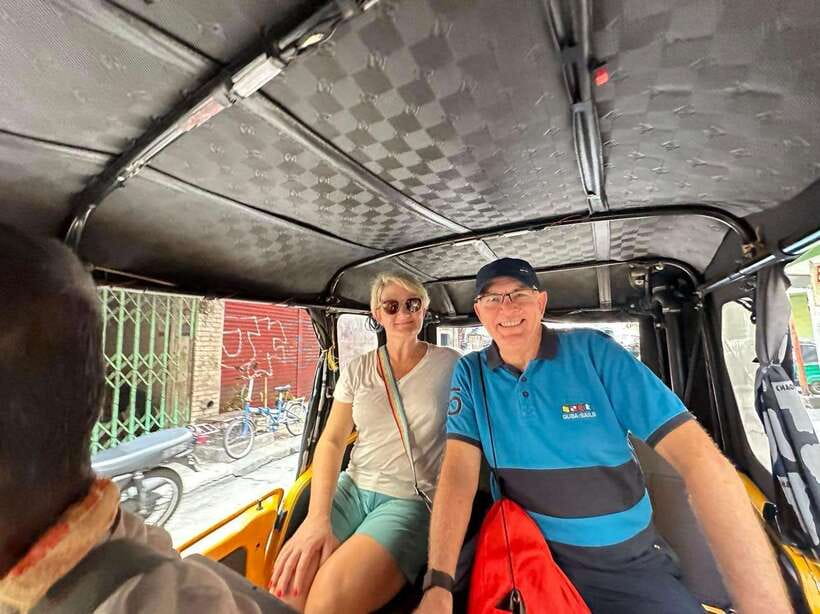
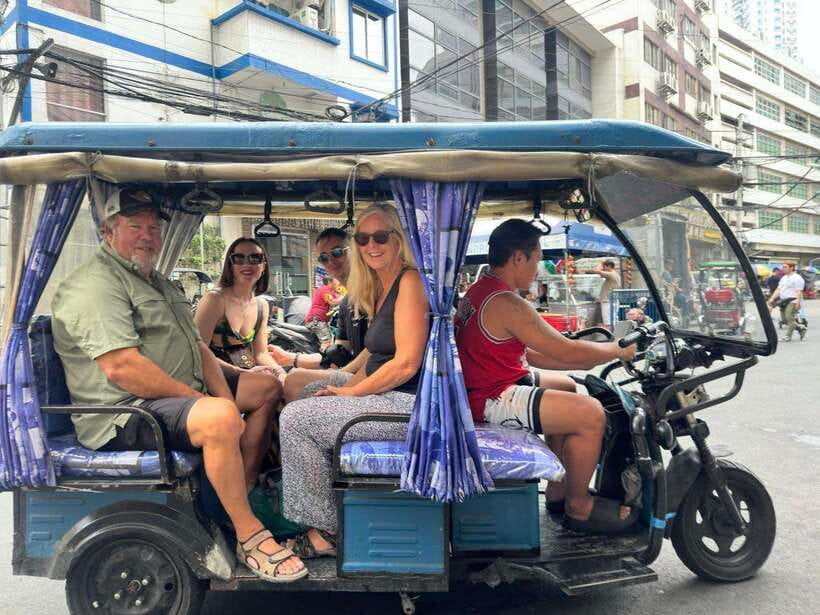
A lot of Manila tours have one transport method and call it a day. This one spreads the experience across multiple vehicles, which changes how you see the city. The tuk-tuk part gives you speed and street-level access. The jeepney ride (or the tricycle alternative) adds a different rhythm—more local, more route-based, and more connected to how people actually commute.
Why it matters: transport isn’t just a ride. It affects timing, the roads you see, and how close you get to street activity. In a short 2-hour window, this mix helps you capture a wider slice of the city’s daily patterns than a single-mode tour could.
It also keeps the energy up. You get movement breaks between walking segments, which helps if you’re not trying to spend your whole day on your feet.
Intramuros as a possible add-on when the market energy shifts
On normal days, the main focus is the Divisoria-area shopping and street-food experience. But there’s a flexible element: on dates when market life may be slower—such as January 1—the guide may add Intramuros to the tour time.
That makes sense. Intramuros can be a contrast experience: less market-driven, more historical and built-environment. For you, it’s a useful bonus if you’re in Manila around holidays and want something extra beyond markets and street food.
If you’re traveling during a public holiday, this is a reason to consider booking. You’re not stuck with only one kind of sightseeing. You’re more likely to get a smarter use of time depending on what’s active that day.
Price and value: what $66 buys in a 2-hour Manila loop
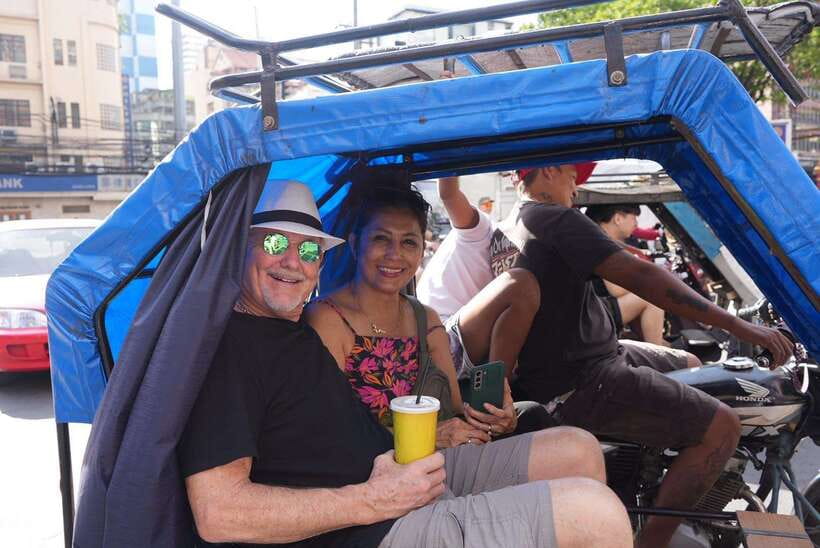
At $66 per person for 2 hours, you’re paying for three main things: a live guide, guided movement through crowded neighborhoods, and multiple modes of local transport. In a city like Manila, that combination is usually where value sits—especially if you don’t want to spend your limited time figuring out logistics and getting out of the tourist bubble.
The small group size (limited to 12 participants) is part of that value. You’re more likely to get questions answered, get help navigating busy areas, and get nudged toward the right food and shopping moments without waiting for a crowd to finish.
Is it a bargain? It can be, depending on your priorities. If you’re the type who wants a guided first day, street-level context, and tastings without planning every step, $66 can feel fair. If you’re on a strict budget and you’re confident navigating markets on your own, you might choose to DIY. But this kind of guided structure reduces the guesswork.
Who this tuk-tuk ride suits best (and who should skip it)
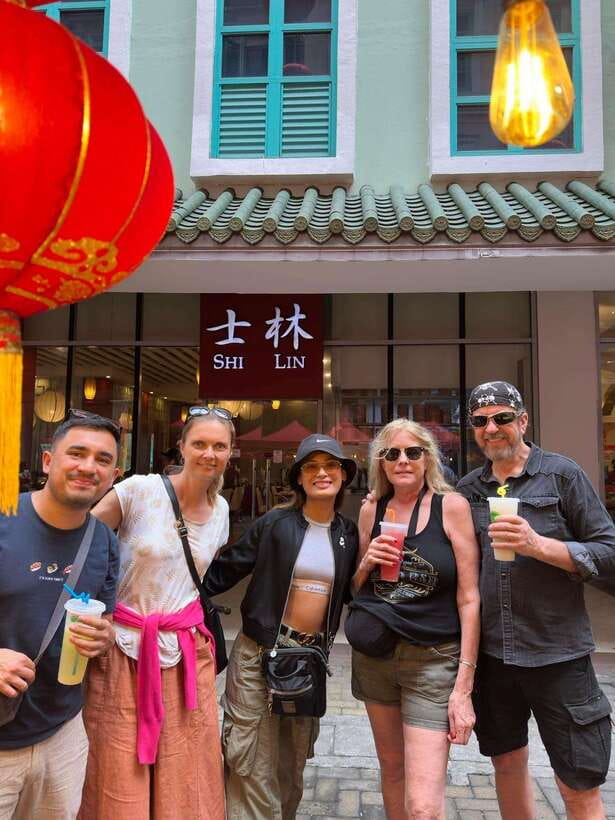
This tour is a strong fit if you want a first-day orientation to Manila that’s grounded in everyday life. The experience welcomes solo travelers, couples, and groups, and the English live guide is designed to keep you understanding what you’re seeing while you’re moving.
You’ll likely enjoy it most if you:
- like markets and street food
- want local transport variety in a short window
- care about learning how different communities live and shop
It may be less suitable if you:
- have high blood pressure (the walking and crowding may be hard)
- are pregnant (the tour notes it is not suitable)
- dislike busy street environments and unpredictable walking pace
The small details that make the tour easier on you
A good guided experience reduces stress, and this one has a few practical advantages built in. The meeting point is clear—Tutuban Center Mall entrance near the Bonifacio Monument by Lawson—so you’re not spending the start of your day hunting down a vague pickup spot.
The guide-led walking also helps you stay oriented. Even if you’re someone who likes to wander, staying with the group is what keeps the route efficient and reduces the odds of getting lost in dense market streets.
Finally, the emphasis on food and daily routines means you’ll come away with more than a set of photos. You’ll understand how shopping, eating, and commuting connect, and that makes your future Manila days feel less confusing.
Should you book this Manila tuk-tuk guided ride?
I’d book it if you want a guided, short, high-impact introduction to Manila’s everyday side: markets, street food tastings, neighborhood context, and local transport variety in one coordinated 2-hour window. The consistent praise for guides like Venus, Floyd, and Frank—especially around warmth, safety, and keeping things engaging—suggests this isn’t the type of tour where you get dropped into a crowd and left to figure it out.
Skip it if you know you’ll struggle with crowding, strong street conditions, or walking time. And if you’re looking for major monuments and long cultural stops every day, you may prefer a different type of tour with more dedicated sightseeing.
If your goal is to get your bearings fast and taste Manila in real street settings, this is a solid choice.
FAQ
How long is the guided Manila tuk tuk ride?
The tour is listed as 2 hours in total.
How much does the tour cost?
The price is $66 per person.
Where is the meeting point?
Meet at the entrance of Tutuban Center Mall, near the Bonifacio Monument by the Lawson convenience store.
What languages are available?
The tour is conducted in English.
How big is the group?
It’s a small group limited to 12 participants.
What transportation is included?
You’ll experience tuk-tuk riding plus jeepney ride or Lamborghini tricycle, along with a walking tour.
What will we see and do during the tour?
You’ll cover market areas such as wet markets (including Divisoria), a Chinese shopping store, and street food stalls, with food tasting and neighborhood walking.
Is the tour suitable for solo travelers or couples?
Yes. The experience welcomes solo travelers, couples, and groups.
Is it suitable for everyone?
No. It’s listed as not suitable for people with high blood pressure and for pregnant women.
Is there free cancellation?
Yes, you can cancel up to 24 hours in advance for a full refund.