REVIEW · MANILA
Manila Tuk-Tuk Adventure Hop-in and Hop-Off
Book on GetYourGuide →Operated by Mstartours · Bookable on GetYourGuide
Manila makes more sense at street level. This Manila Tuk-Tuk Adventure is built for quick, fun seeing, with a three-wheeled ride through Chinatown and local markets plus a live guide who ties it all together. I like the format: a 2-hour hop-in, hop-off style lets you move with the group while still keeping it flexible. I also like the people part, especially the guide Mari, who’s praised for fluent, easy English and for sharing personal, place-based stories that make the history feel human.
There’s one big consideration: this is a moving street tour. It’s not suitable for people with heart problems, wheelchair users, those with high blood pressure, or anyone who gets motion sickness, and you’ll want to check the weather forecast before you go.
In This Review
- Key highlights you’ll feel fast
- HSBC Binondo meet-up: starting in the right neighborhood
- Why a tuk-tuk works for Manila’s streets
- Oldest Chinatown: the merchant stories you came for
- Local markets: everyday Manila beyond the main sights
- Walking tour + admission fee: what you’re actually funding
- The guide effect: Mari’s English and storytelling style
- Price and time value: $63 for 2 hours that add up
- Who this fits (and who should skip it)
- Practical expectations: timing, weather, and what to bring
- Should you book the Manila Tuk-Tuk Adventure?
- FAQ
- How long is the Manila Tuk-Tuk Adventure?
- How much does the tour cost?
- Where is the meeting point?
- What’s included in the price?
- Is hotel pick-up included?
- Is food or drink tasting included?
- Can I pay later?
- What is the cancellation policy?
- Is the tour suitable for wheelchair users or people with heart problems?
Key highlights you’ll feel fast
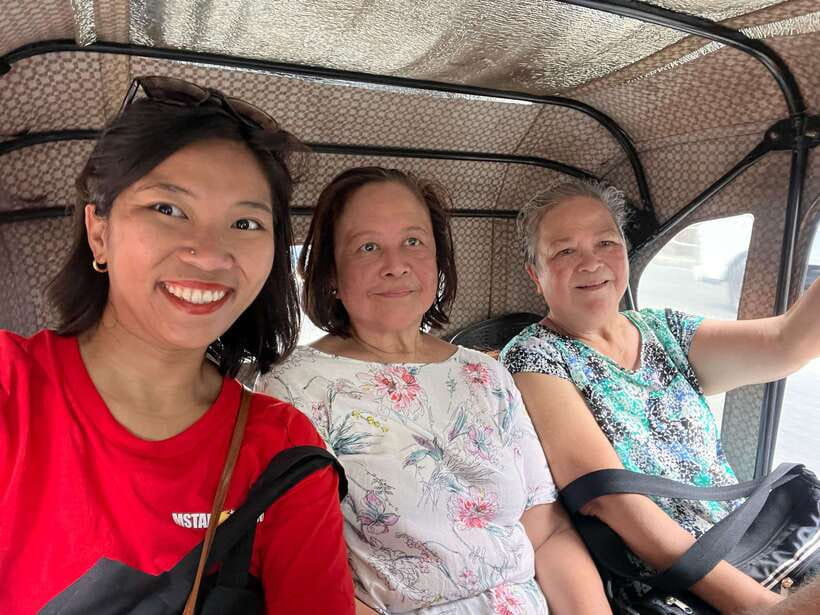
- Tuk-tuk ride with local guidance that turns landmarks into stories
- Oldest Chinatown visit focused on how Chinese merchants helped shape Manila
- Local markets time for everyday sights, not just photo stops
- Walking tour + admission fee built into the 2-hour experience
- Guide Mari gets strong mentions for humor and clear English
HSBC Binondo meet-up: starting in the right neighborhood
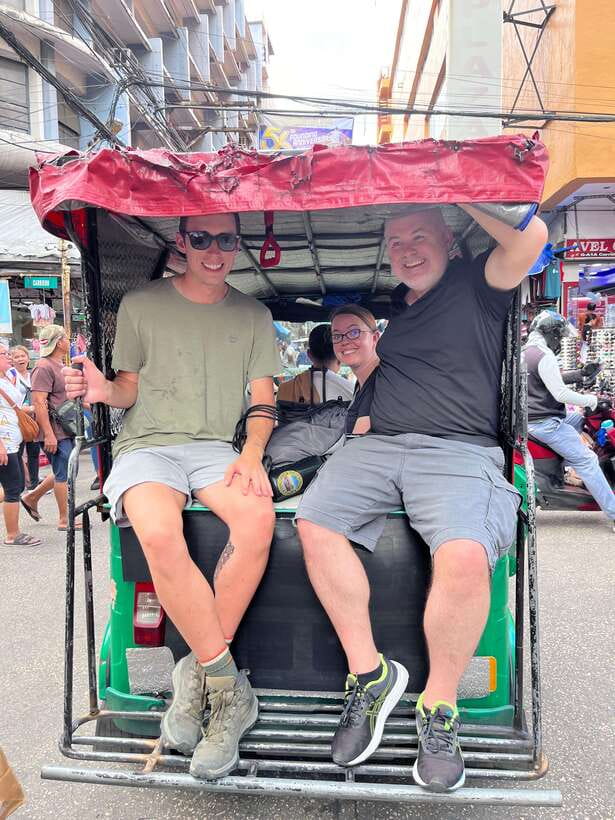
This tour begins at HSBC Bank Binondo Manila, a practical choice because Binondo is where you can feel old Manila’s daily rhythm right away. If you’ve never spent time in Binondo, the meeting point helps you anchor the day: you’re not bouncing around the city first—you start where many people go for Chinatown.
Because the duration is only two hours, the meeting spot matters. Arrive a few minutes early so you’re not rushing when you should be paying attention to the streets, shopfronts, and small details your guide will point out. Even if you hop on and off the route, you’ll still want to be present for the guide’s context, especially around the Chinatown storyline.
Why a tuk-tuk works for Manila’s streets
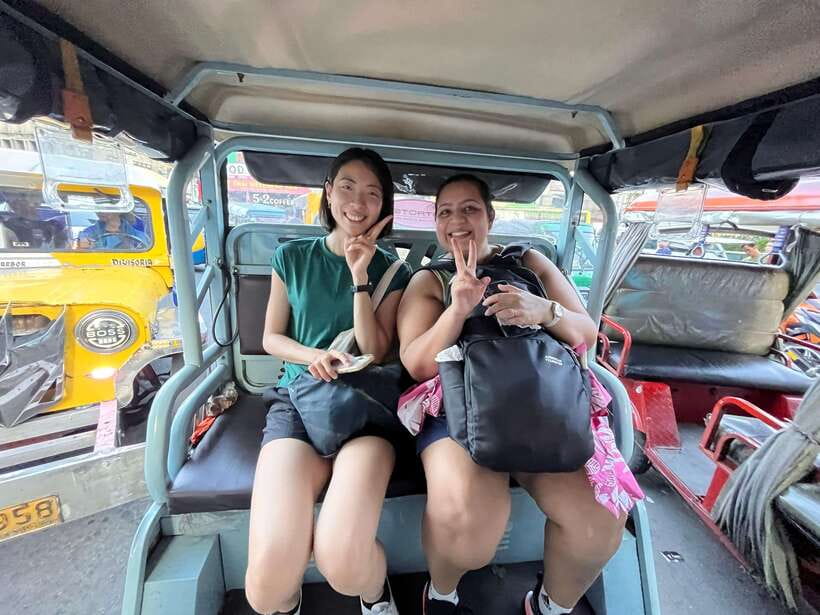
The ride is on eco-friendly, three-wheeled tuk-tuks—an easy match for Manila’s tight lanes and constant motion. A tuk-tuk is slower than you’d expect, which is good here. You’ll actually be able to look, listen, and notice what’s changing block to block.
In a two-hour format, that pacing is the whole point. You’re not trying to cover the entire city. You’re getting a guided loop through the areas the tour highlights: Chinatown and local markets, with time to walk as well. The bottle water included is a small but helpful touch, since you’ll likely be stopping, standing, and moving through crowded sidewalks.
One more smart note: the tour is not designed for comfort-first mobility. If you know you’re sensitive to movement, skip this one. The activity list explicitly says it’s not suitable for motion sickness, and the nature of street riding and short walks makes that a real factor.
Oldest Chinatown: the merchant stories you came for
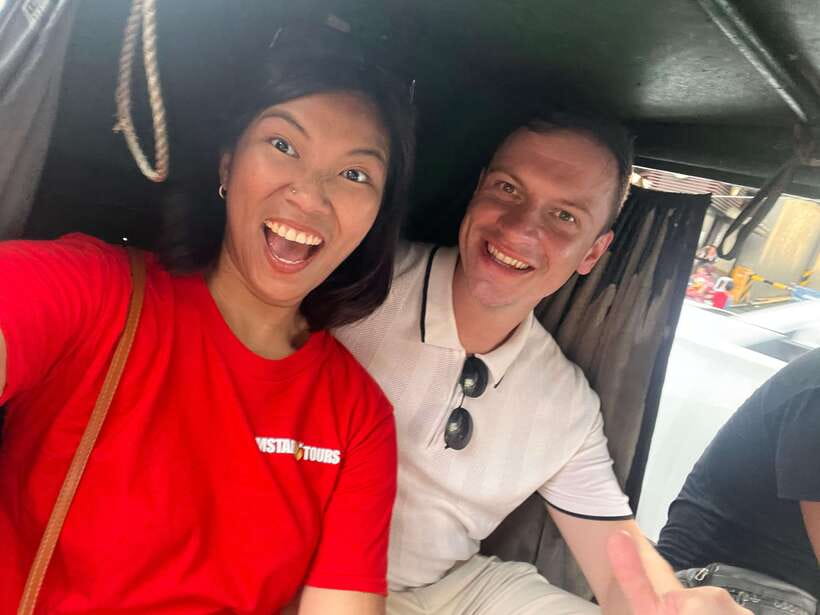
The headline stop is Chinatown, described as the oldest in the world. That’s not just a brag line—it sets the tone for why the guide’s interpretation matters. Here, you’re not just seeing buildings and signs. You’re learning how Chinese merchants settled in the Philippines and helped shape daily life in Manila.
What I like about this focus is that it gives you a reason to pay attention. When someone explains how communities formed, you start recognizing patterns: where people traded, how neighborhood life formed around commerce, and how culture shows up in everyday choices. With a good guide, Chinatown becomes a living map, not a checklist.
You’ll also get the benefit of a walking component alongside the tuk-tuk movement. Short on-foot segments help you connect the story to what you see in front of you. If you’re the type who enjoys understanding why something looks the way it does, this Chinatown stop is the heart of the tour.
Local markets: everyday Manila beyond the main sights
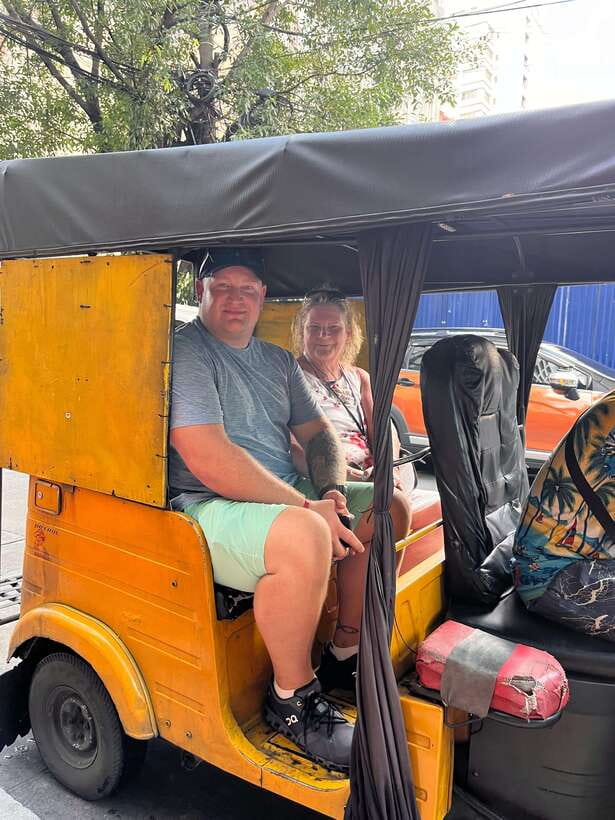
After Chinatown, the tour shifts toward local markets. This is where you’ll feel Manila as it functions for locals—busy stalls, street-level commerce, and the kind of sights you won’t get from a drive-by.
The tour’s market time is valuable for one simple reason: it balances the tour. Chinatown can skew toward architecture and heritage. Markets bring it back to life—what people buy, how vendors interact, and how neighborhoods stay practical.
The experience description also hints at street-food scenes and hidden local stops that some guided routes include. At the same time, the tour clearly lists food and drinks tasting as not included. So don’t plan on getting a full food crawl here. Think of it more as seeing where street eating happens, and deciding for yourself if you want to spend extra.
If you’re traveling with kids or you just want something less formal than a museum day, markets often work better. It’s hands-on in the best way: you can watch, point, and ask questions through the guide.
Walking tour + admission fee: what you’re actually funding
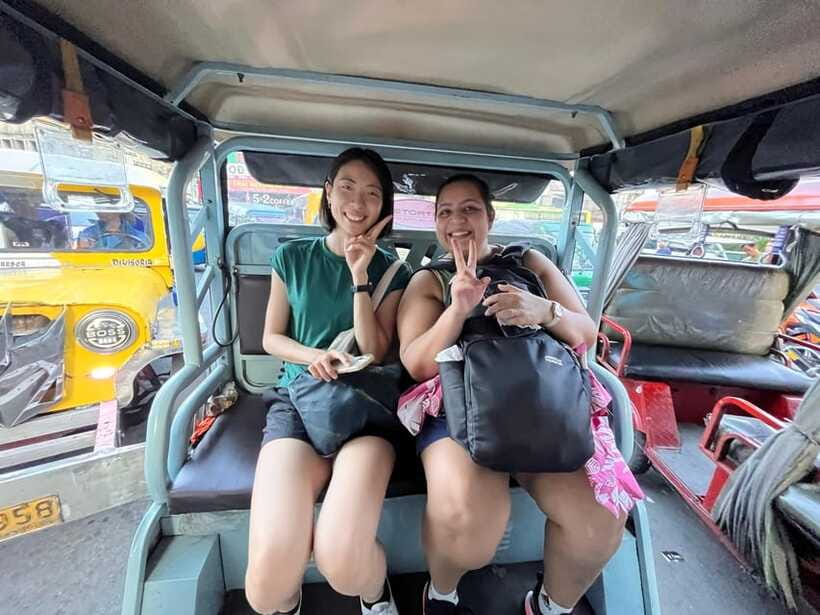
This tour includes a walking tour and an admission fee, plus the tuk-tuk ride and local guidance. That combination is a good sign for value because it usually means more than just transportation and photo stops.
Here’s how to think about it: for a short, two-hour outing, you want the time to be “spent.” Admission fees and a walking segment suggest there’s at least one place on the route that requires entry, rather than only standing on the curb. Walking also means you’re not trapped in a vehicle for the whole experience—your guide can explain details at a human pace.
Also, bottled water is included, which helps you avoid the common tourist problem of turning a city walk into a constant shop stop just to stay hydrated. It’s a small benefit, but it makes the route easier to enjoy.
The guide effect: Mari’s English and storytelling style
One name shows up in the guide feedback: Mari. The praise is consistent: she’s described as kind, cheerful, funny, and full of energy, and she communicates in English that’s easy to follow. There’s also mention of Mari sharing anecdotes about places where she grew up, which is exactly the kind of personal context that makes history lessons stick.
This matters more than it sounds. A tuk-tuk tour can be just a transportation loop, but the difference here is that you’re getting interpretation. When a guide connects the story of Chinese merchants to what you see in the streets, the neighborhood becomes understandable fast.
If you care about small cultural details—how neighborhoods formed, what traditions mean in practice—then choosing a tour with strong guide feedback is a big deal. In this case, the best signals point to Mari as someone who can make a group laugh while still delivering solid information.
Price and time value: $63 for 2 hours that add up
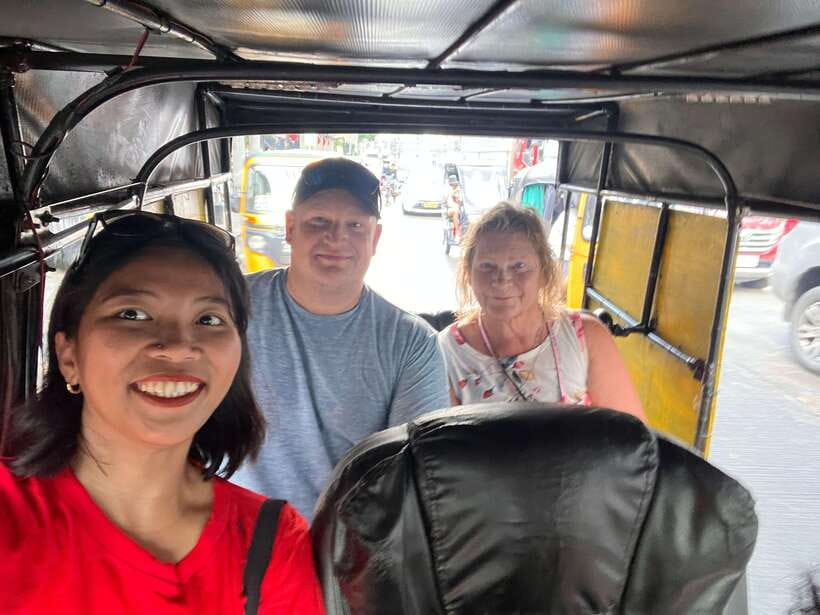
The price is $63 per person for a two-hour experience. That might sound steep or fair depending on what’s included, so let’s break it down the practical way.
Included items:
- Local guided tour
- Tuk-tuk ride
- Bottle water
- Admission fee
- Walking tour
Not included:
- Food and drinks tasting
- Hotel pick-up
So you’re not paying just for a vehicle. You’re paying for a guided route that includes a paid entry component and time on foot. In short tours, that structure often gives better value than cheaper options that rely on you doing all the interpretation yourself.
If you’re comparing, think about your day. You’re buying time, guidance, and access. For only two hours, the tour is designed to be efficient: Chinatown plus markets are the two anchors, and the tuk-tuk helps you travel between them without wasting half your outing in transit.
Who this fits (and who should skip it)

This experience is a good match if you want:
- A short, guided way to understand Manila’s Chinatown area
- Street-level culture, including local markets
- A fun ride that keeps you moving and looking (not sitting in one place)
- A guide who can explain in clear English and make the group comfortable
It’s not a match if you have concerns about physical movement or health conditions. The activity is explicitly not suitable for heart problems, wheelchair users, people with high blood pressure, and those who get motion sickness. Also keep in mind that the tour involves both riding and walking in city streets.
For solo travelers, couples, and families, the structure works because it’s guided and you get a clear route without having to plan every stop. Families especially tend to like when the guide can keep attention and share stories that are easy to follow.
Practical expectations: timing, weather, and what to bring
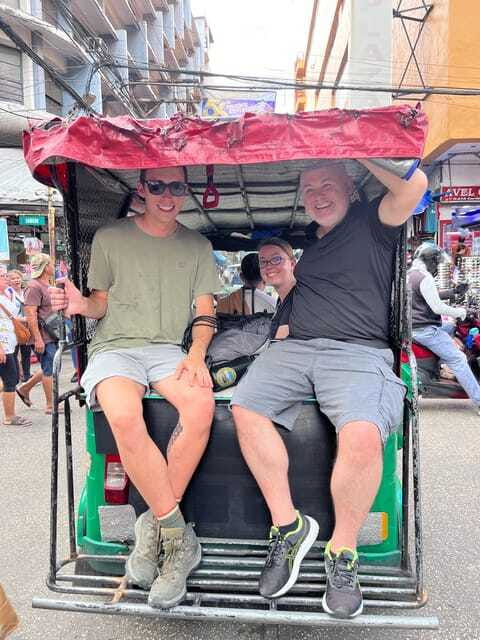
The tour runs for two hours, and you’ll check available starting times before booking. Because it’s outdoors and involves streets and sidewalks, check the weather forecast. Rain or extreme heat can turn a short walking-and-riding tour into an uncomfortable one.
Since bottled water is included, you can pack lighter than you would for a long walking day. For everything else, the best approach is to plan for a city experience: wear comfortable clothes you can move in, and keep your pace flexible so you don’t feel stressed during stops.
One more practical point: there’s no hotel pick-up listed. You’ll need to get to the meeting point at HSBC Bank Binondo Manila on your own.
Should you book the Manila Tuk-Tuk Adventure?
I’d book this if you want a quick, guided way to connect Manila’s Chinatown and market life into one story, especially if you value a friendly guide with strong English and a knack for sharing real anecdotes. The guide feedback around Mari is a strong reason to feel confident you’ll get more than transportation.
I’d skip it if any of the listed health or mobility limitations apply, or if motion sickness is a problem for you. And if your main goal is a long food-focused experience, note that food and drinks tasting is not included, so you’ll need to treat street food as optional add-ons.
If you’re visiting for a short stay and want a cultural route you can understand fast, this is a solid pick. It’s not trying to do everything in two hours. It’s trying to do the right things well: Chinatown, markets, and a guide who makes the streets explain themselves.
FAQ
How long is the Manila Tuk-Tuk Adventure?
The tour duration is 2 hours.
How much does the tour cost?
The price is $63 per person.
Where is the meeting point?
The meeting point is HSBC Bank Binondo Manila.
What’s included in the price?
Included are local guidance, a tuk-tuk ride, bottle water, admission fee, and a walking tour.
Is hotel pick-up included?
No, pick-up from your hotel is not included.
Is food or drink tasting included?
No, food and drinks tasting is not included.
Can I pay later?
Yes. The tour offers reserve now & pay later.
What is the cancellation policy?
You can cancel up to 24 hours in advance for a full refund.
Is the tour suitable for wheelchair users or people with heart problems?
No. It is not suitable for wheelchair users, people with heart problems, people with high blood pressure, or people with motion sickness.