REVIEW · LECCE
Lecce: Guided Tour & Wine Tasting by Rickshaw
Book on GetYourGuide →Operated by Velo Service Lecce · Bookable on GetYourGuide
There’s nothing like cruising Lecce by rickshaw. I love how this 3-hour ride turns the city’s famous baroque look into something you can actually absorb—without walking every step—then ends with a wine tasting selected by a cellarman. The two best parts for me are the electric rickshaw perspective on Lecce’s highlights and the chance to taste three local wines explained in plain language.
I also like that the guide keeps you moving in a tight loop of Lecce’s top sights, so you don’t feel lost or stuck staring at one square too long. One consideration: church entry fees aren’t included, so most stops are about what you can see from the outside and in the spaces the tour covers, not a full interior tour of every monument.
In This Review
- Key Highlights You’ll Care About
- Lecce by Electric Rickshaw: A Different Way to See Apulia
- Where the Tour Starts: Velo Service Lecce and Easy Parking
- Piazza del Duomo: Lecce’s Big Statement Square
- Porta Napoli: The City Entrance That Sets the Mood
- Church of the Holy Cross (Santa Croce): Baroque Where It Gets Artistic
- Piazza Sant’Oronzo: Squares, Churches, and Roman Traces
- Roman Amphitheatre of Lecce: The Feeling of Older Layers
- Winery Stop: Three Wines and Apulia’s Wine-Making Traditions
- Price and Time: Is This Value-Focused Wine Tour Worth It?
- Who This Rickshaw Wine Tour Fits Best
- Should You Book This Lecce Rickshaw Wine Tour?
- FAQ
- How long is the Lecce guided tour and wine tasting by rickshaw?
- Where does the tour start and end?
- What’s included in the price?
- Are church entry fees included?
- How many wines do you taste?
- What languages are available for the live guide?
- Is this tour private or shared?
- Is there a minimum number of adults required?
- Are unaccompanied minors allowed?
- What should the weather plan be?
Key Highlights You’ll Care About
- Electric rickshaw comfort: you sit back while the guide drives through the historic center
- Piazza del Duomo + Porta Napoli: two of Lecce’s biggest visual hits in one compact route
- Santa Croce and Sant’Oronzo: baroque design meets Roman traces
- Roman Amphitheatre remains: you get the setting without needing a long detour
- 3-wine tasting with a cellarman: you’re guided through Apulia’s wine-making tradition, not just handed glasses
Lecce by Electric Rickshaw: A Different Way to See Apulia
Lecce has a way of making you slow down. That’s the good news. The slightly tricky news is that the historic center can feel like a lot of stone—beautiful stone, sure—but still a lot of it when you’re on foot.
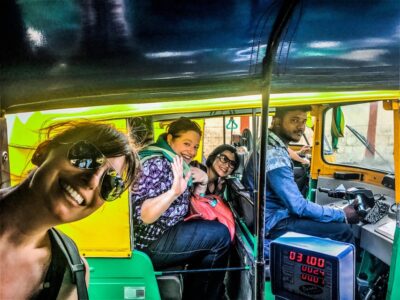
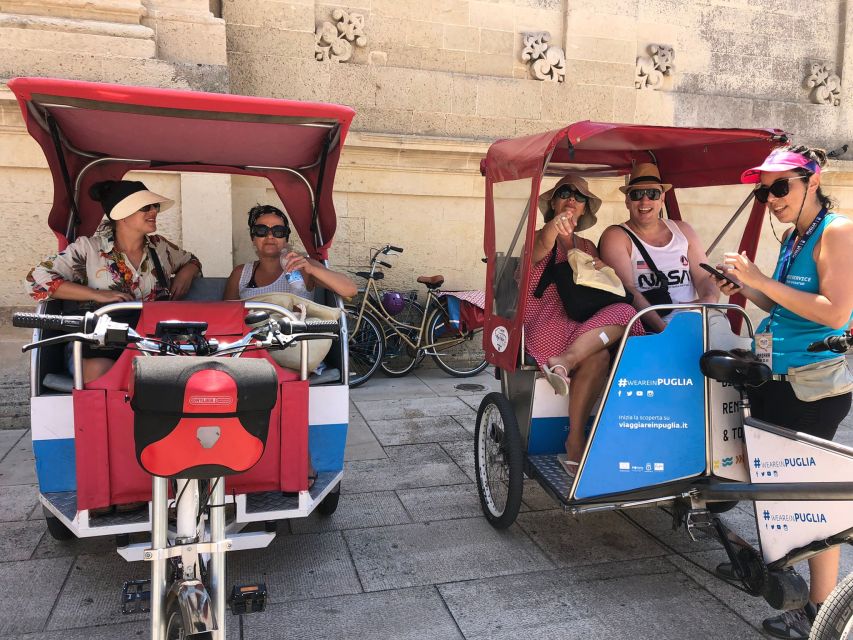
This is where the electric rickshaw ride changes the whole experience. You’re comfortably seated as your guide maneuvers through the streets, which means you can actually look up at the façades and carved details instead of constantly scanning where to step next. And since it’s driven by the guide, it’s not a workout tour. More like a guided sightseeing glide.
I also appreciate the pacing. Three hours sounds short, but the route is designed to hit major landmarks without stretching you thin. You get a clear sense of how Lecce is laid out—especially the way the big squares connect the story of the city.
One small reality check: you’ll still want weather-appropriate clothing. This is an outdoor city tour. When the sky changes, your experience changes with it.
Where the Tour Starts: Velo Service Lecce and Easy Parking
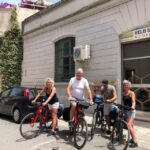
You meet at Velo Service Lecce, near the historic center. The start point is listed at Vico de Argenteris, 16a, and the tour returns there at the end.
If you’re driving, the provider points you to a list of car parks near the Velo Service office and the historic center. That’s useful because Lecce’s old streets aren’t built for car wandering. Having a “park first, explore second” plan makes your day easier.
If you prefer to arrive early, do it. One guide pair—Francesca and Cari—has been praised for being friendly and for allowing an earlier start when possible. That’s the sort of small service detail that makes a guided tour feel smoother from minute one.
Piazza del Duomo: Lecce’s Big Statement Square
Your first major sightseeing stop is Piazza del Duomo, where Lecce shows off its baroque confidence. This is one of the city’s standout squares in Italy, and it’s exactly the kind of place where a rickshaw format helps.
From your seated position, you can take in the scale of the space before the details start crowding your attention. The guide’s explanations and anecdotes matter here because baroque architecture is easy to admire and harder to understand. A good guide helps you notice the carvings, the way the building frames the square, and why this area feels like the heart of the city.
Practical tip for your enjoyment: keep your camera ready, but also pause and look without shooting for a few seconds. The carved stonework rewards slow looking.
Porta Napoli: The City Entrance That Sets the Mood
Next up is Porta Napoli, a monumental entrance into Lecce. This stop works well in a rickshaw tour because you’re not just seeing a gate—you’re seeing how it functions in the urban layout.
Gates like this help you understand how a city once controlled movement and identity. In Lecce, Porta Napoli also acts like a visual cue for the shift from “streetscape” into “historic display.” You feel it as you move through the area, not just as you stand in front of it.
If you like city history that feels connected to the walk-and-look reality, this is a strong moment.
Church of the Holy Cross (Santa Croce): Baroque Where It Gets Artistic
Your route continues to the Church of the Holy Cross (commonly associated with Santa Croce). This stop is described as reflecting the artistic development of Baroque Lecce.
Here’s what that means in practice: baroque in Lecce isn’t just decorative. It’s expressive. The church is part of why Lecce earned nicknames tied to artistic excellence. You’ll likely spend time absorbing the way the design turns stone into storytelling.
This is also a place to know the limitation: church entry fees aren’t included. So plan on using the stop for exterior views and the surrounding experience rather than expecting an inside-the-church visit as part of the price.
If you’re the type who loves interiors, you can still choose to spend extra time before or after the tour on your own, but that’s outside what’s covered here.
Piazza Sant’Oronzo: Squares, Churches, and Roman Traces
Then you reach Piazza Sant’Oronzo, another major hub. Squares in Lecce aren’t just pretty. They’re where the city’s layers overlap—church life, civic life, and the older structure of the Roman period.
Your guide will likely point out the historic buildings and churches around the square. Even when you’re not entering anything, the surrounding architecture helps you “read” the city like a map of time.
And here’s the extra payoff: from Piazza Sant’Oronzo, you’re set up for the Roman connection that comes next. That transition is important. It stops the tour from feeling like separate random stops and instead helps you see how Lecce’s identity mixes centuries.
Roman Amphitheatre of Lecce: The Feeling of Older Layers
One of the last sightseeing stops is the Roman Amphitheatre of Lecce. The tour description specifically mentions the remains of the Roman amphitheater, and that framing is helpful.
Instead of treating it like a standalone Roman monument, you experience it as a part of Lecce’s continuing story—something that’s still visible and meaningful in the modern city.
This is a great stop if you like architecture and urban planning, even when you don’t have the time for a deep archaeological detour. You get the context and the location.
Winery Stop: Three Wines and Apulia’s Wine-Making Traditions
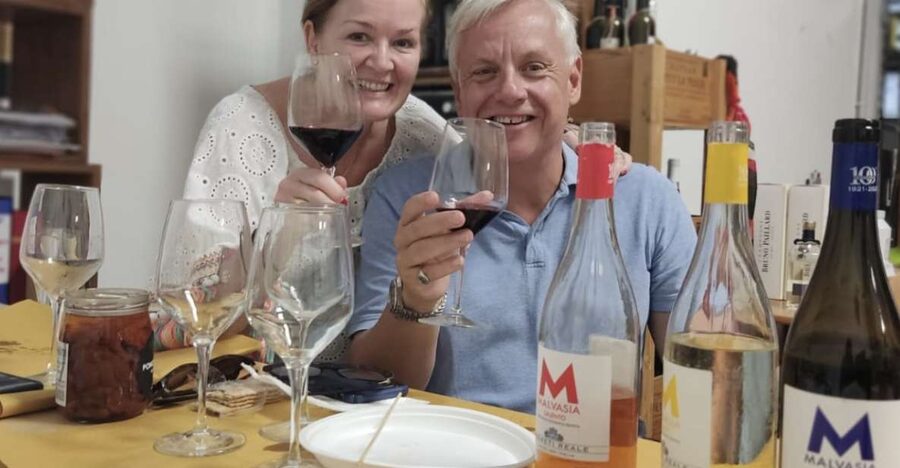
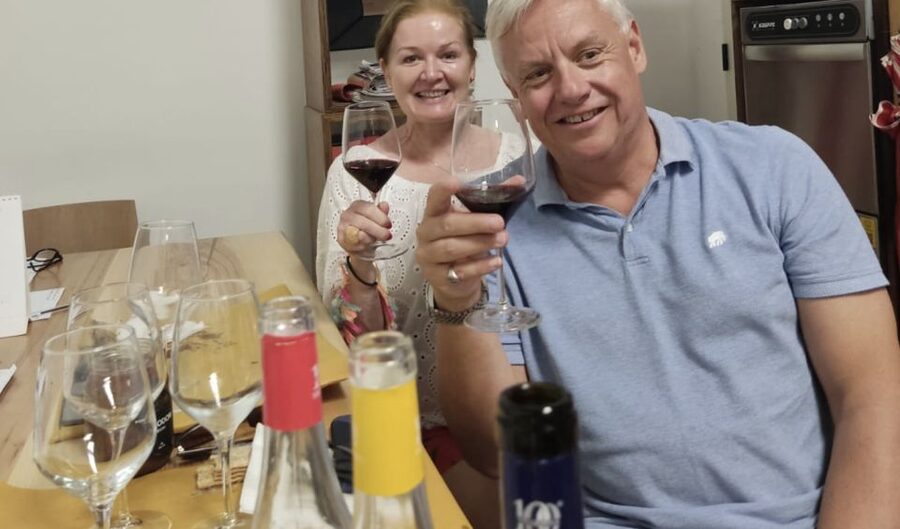
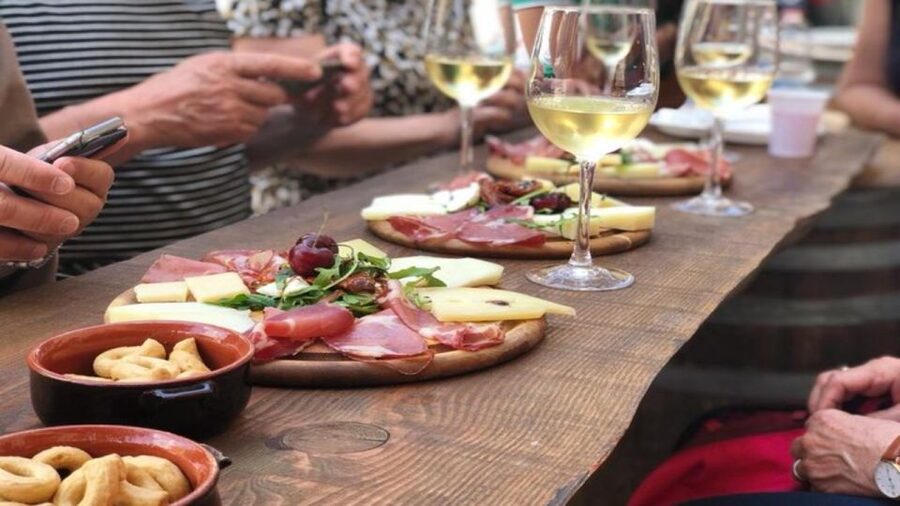
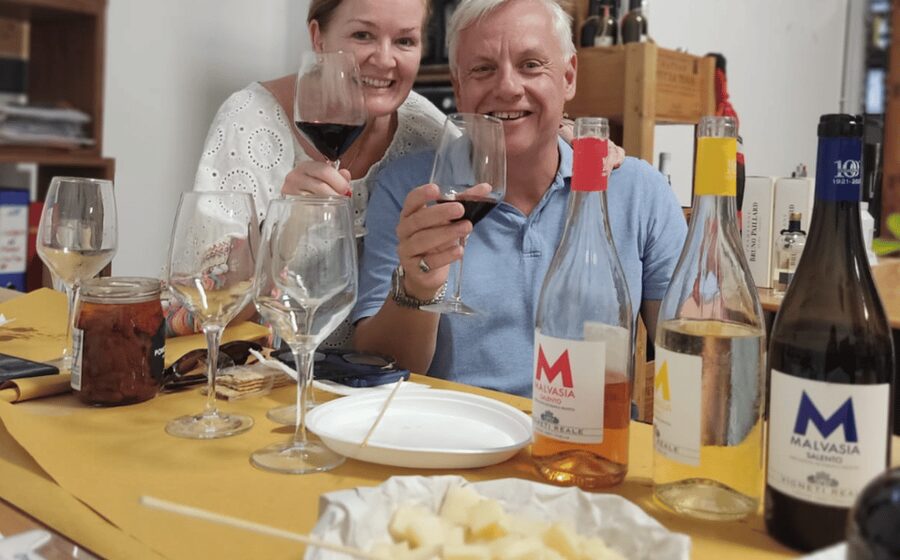
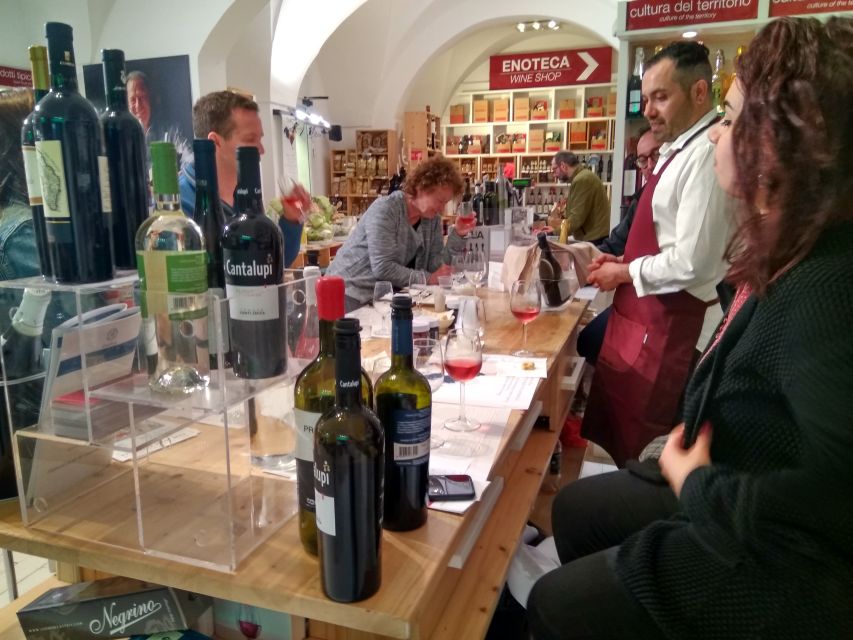
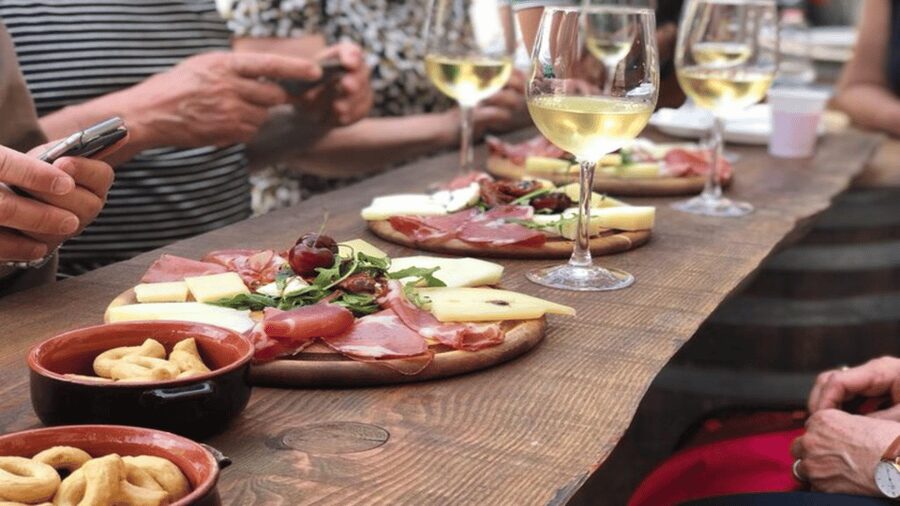
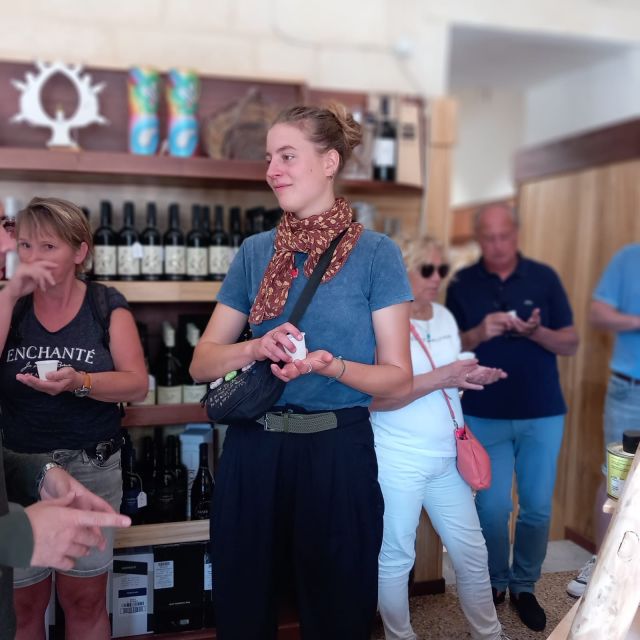
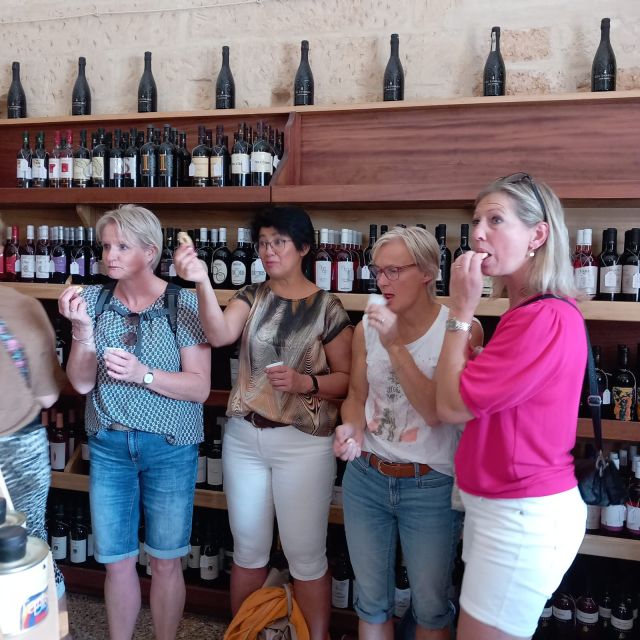
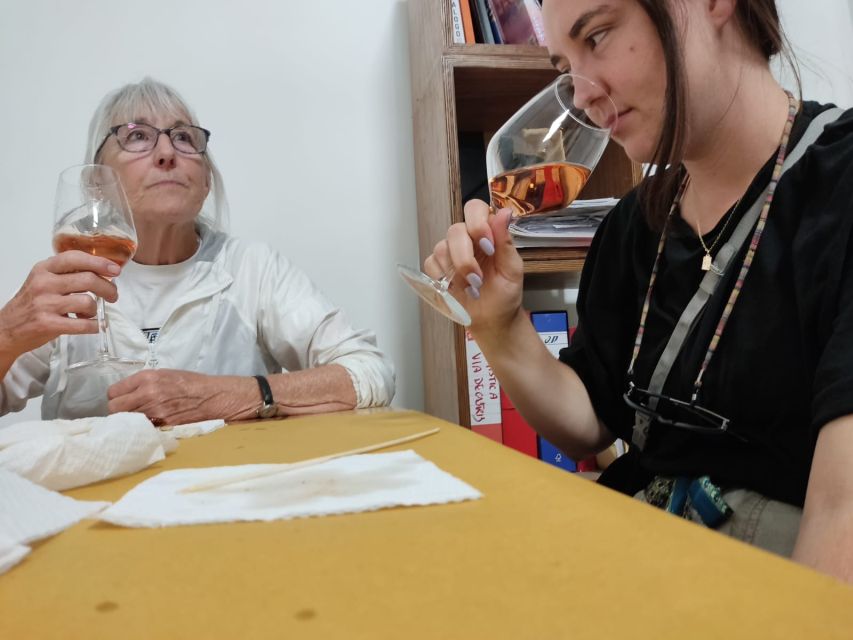
The tour ends at a winery where a cellarman brings you a tasting of three local wines. For me, this is the right kind of final act: you’re leaving Lecce’s baroque stone and heading into something more sensory, warmer, and slower.
What makes this tasting work is the explanation. The cellarman is there to deliver secrets of Apulia’s wine-making tradition. That matters because wine tastings can become repetitive if nobody explains the logic behind what you’re tasting. With a guide-led pairing of story plus sample, you’re more likely to remember what you enjoyed and why.
A practical expectation: you’re tasting three wines. It’s not positioned as a full-day wine immersion, and that’s actually a good thing when you only have a few hours. This tour gives you a taste—literally—and ties it back to region identity.
Price and Time: Is This Value-Focused Wine Tour Worth It?
The price is listed at $90.63 per person for a 3-hour experience. That might sound high until you break down what you’re paying for.
In one package, you get:
- A tour guide
- An electric rickshaw driven by the guide
- Local wines tasting
Then there’s the part people forget to price: the rickshaw time itself. In a historic center, transportation can be the hardest part to manage. Here, the tour handles the moving piece, while you focus on sights and explanations.
So is it good value? For the right traveler, yes. If you want a guided highlight route plus a structured wine tasting, this pricing matches what you’re getting: transportation help, guided context, and tasting included. If you’re the kind of traveler who wants unhurried wandering for your whole afternoon, you might feel the schedule is tighter than you like. But you’ll know that going in because it’s designed as a compact 3-hour loop.
Who This Rickshaw Wine Tour Fits Best
This experience is a strong match if:
- You want to see Lecce’s key baroque sights without doing a long walking day
- You like guided storytelling tied to specific landmarks
- You want a wine tasting that ends your sightseeing with something practical and regional
- You appreciate small-group or private-style touring options
It may be less ideal if:
- You want mostly interior museum-style visits (church entry fees aren’t included)
- You’re planning a slow, DIY day with long breaks and no fixed stops
Language-wise, the tour offers guide support in English, French, Italian, German, and Spanish, and bilingual options are available. That’s a real comfort factor in a place where you’ll get more out of the architecture with the right language.
Should You Book This Lecce Rickshaw Wine Tour?
I’d book it if you want a smart, time-efficient way to experience Lecce’s baroque landmarks and end with a guided wine tasting that makes Apulia feel more real. The combo is practical: you get movement by rickshaw, landmark explanations as you go, and tasting with a cellarman.
If you’re picky about spending lots of time inside churches or you expect a bigger wine flight than three pours, you’ll want to treat this as a highlights-and-samples tour. For everyone else, it’s a fun format with clear value: sit back, look up, learn a bit, taste three wines, and go back to your evening with your bearings set.
FAQ
How long is the Lecce guided tour and wine tasting by rickshaw?
The tour lasts 3 hours.
Where does the tour start and end?
It starts at Velo Service Lecce (meeting point) and the listed starting location is Vico de Argenteris, 16a. The tour ends back at the meeting point.
What’s included in the price?
The price includes a tour guide, an electric rickshaw (driven by the guide), and a local wines tasting.
Are church entry fees included?
No. Church entry fees are not included.
How many wines do you taste?
You taste 3 local wines at the winery.
What languages are available for the live guide?
The live guide is available in German, French, Italian, Spanish, and English. A bilingual tour is also possible.
Is this tour private or shared?
It can run as a private tour or as a small group.
Is there a minimum number of adults required?
Yes. A minimum of 2 adults is required to start the tour.
Are unaccompanied minors allowed?
No. Unaccompanied minors are not allowed.
What should the weather plan be?
You should bring weather-appropriate clothing. In case of bad weather, the booking can be modified.