REVIEW · KYOTO
Private 3-hour Kyoto Arashiyama Rickshaw Tour
Book on Viator →Operated by Ebisuya · Bookable on Viator
One quiet glide can change how you see Arashiyama. I like how this private ride pairs a human-powered rickshaw with real stops at moss and hilltop temples, all in about three hours. The one catch to plan for is that temple admission fees aren’t included, so you’ll likely add a little extra on the day.
You’ll start in the Sagatenryūji area and spend a morning moving at Shinryoku pace: that deep green feeling of Kyoto in late spring to early summer. A strong part of the value is the English-speaking driver/guide and their live commentary, with guides such as Tai Tai, Yoppy, Akihisa, and Takeda mentioned in service stories you can use as a clue that you’re in good hands.
In This Review
- Key things to know before you go
- Why Arashiyama in late spring feels built for Shinryoku
- Private 3-hour rickshaw: comfort, capacity, and what you’re buying
- From Sagatenryūji area to bamboo-world speed
- Gio-ji Temple: moss garden green you can almost smell
- Jojakkoji Temple: stairs, shade, and a hilltop glimpse
- The bamboo forest Shinto shrine: matchmaking in a quiet pocket
- Adashino Nenbutsu-ji and Otagi Nenbutsu-ji: stone figurines with meaning and jokes
- Adashino Nenbutsu-ji: stone figures with history
- Otagi Nenbutsu-ji: humorous faces for kids and adults
- Seiryoji Temple: grandeur plus a story about a special statue
- Hokyoin: calm scenery and two samurai connections
- How the 20-minute stops change the way you experience temples
- Price and value: what $236.44 per person buys you
- What this tour is best for (and who might want something else)
- Should you book this Kyoto Arashiyama rickshaw tour?
- FAQ
- Are temple admission fees included?
- What’s the meeting point, and where does the tour end?
- Is this tour really private?
- Who can ride, and are there any restrictions?
- How do child pricing and seating work?
- Is food included during the tour?
Key things to know before you go
- Shinryoku-focused route: temples and gardens chosen for that cool, leafy green mood.
- Private, 3-hour timing: enough time to move through multiple sites without feeling rushed all day.
- Comfort perks on the ride: warm blanket and seat heater are part of the experience when conditions call for it.
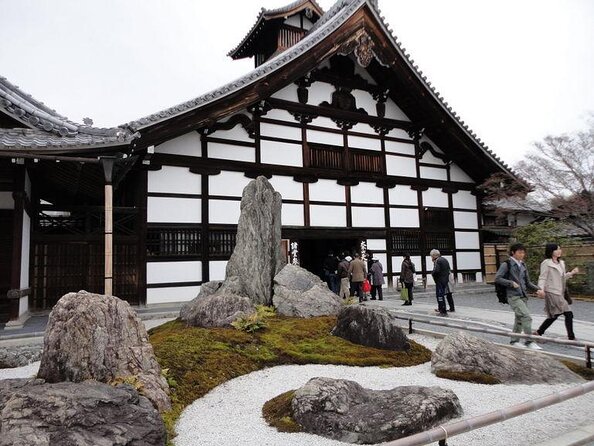
- Temple stops with clear photo moments: moss garden shade, hill stairs, bamboo-forest shrine vibes.
- Figurine temples that work for kids: humorous stone faces at Otagi Nenbutsu-ji add fun to the day.
- Capacity rules you should check: seat width is 74cm, with adult pricing for children 6+.
Why Arashiyama in late spring feels built for Shinryoku
If you love green—real green, not postcard green—Arashiyama is a smart choice. This tour leans into Shinryoku, the Japanese idea of deep green you feel in leaves, shaded temple grounds, and mossy spots where the air stays a touch cooler.
This is also a seasonal window. It’s offered from late spring to early summer, which matters because the route is timed for that lush look and feel. If you’re visiting in peak summer or the middle of winter, you might not get the same mood the tour is designed around.
Private 3-hour rickshaw: comfort, capacity, and what you’re buying
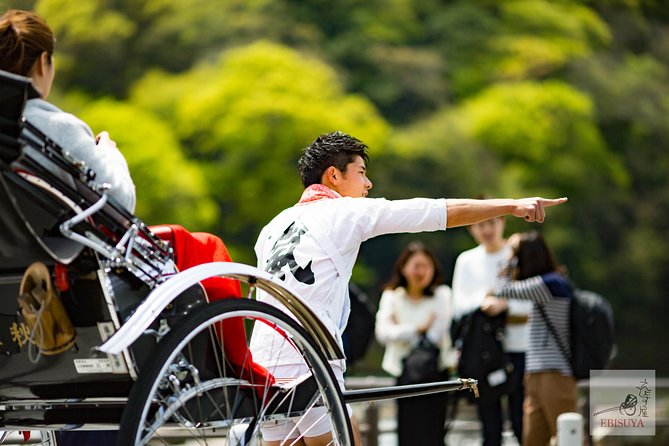
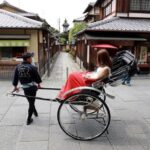
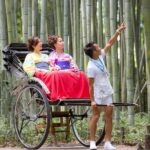
A rickshaw ride in Kyoto is not just transportation—it’s a different pace. You’re seated, you look around more, and your guide can steer you to the right angles for photos and calm viewing, not just quick check-the-box stops.
A few practical points that affect comfort:
- You ride with live commentary from a local English-speaking driver/guide.
- The ride can be made comfortable. Seat heaters and a warm blanket have been part of the experience when the weather is cool.
- Seating is tight but workable: each rickshaw seat measures 74cm wide and can take up to two adults side by side.
Capacity rules matter if you’re traveling with kids. Children 6 years and older need their own seat and pay the adult price. Children 5 and under can ride free if they sit on an adult’s lap (with a limit of one child per adult, and up to two adults and two children per rickshaw).
Also note the pregnancy rule: expecting mothers in their first 16 weeks aren’t permitted to ride a rickshaw. If that applies, you’ll want an alternate plan.
From Sagatenryūji area to bamboo-world speed
Your meeting point is in the Ukyo Ward area near 1-1 Sagatenryūji Susukinobabachō, right around the Arashiyama zone. The tour ends in a different location, so you’ll plan your next activity with that in mind.
What you’ll feel early on is that Arashiyama doesn’t look like one attraction—it’s a neighborhood of small sacred spaces and garden pockets. The rickshaw helps you connect those points without burning time moving between them.
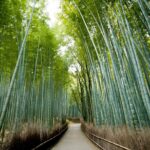
You can also expect classic Arashiyama scenery: bamboo forest sections and shaded temple areas. Even if you’ve seen bamboo online a hundred times, your position on the rickshaw changes the view and the pace of the experience.
Gio-ji Temple: moss garden green you can almost smell
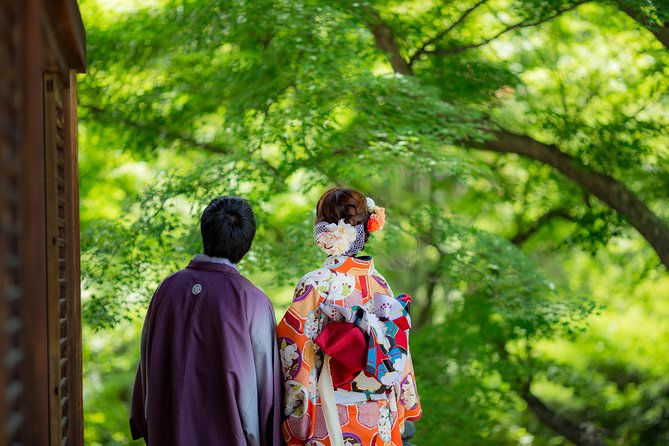
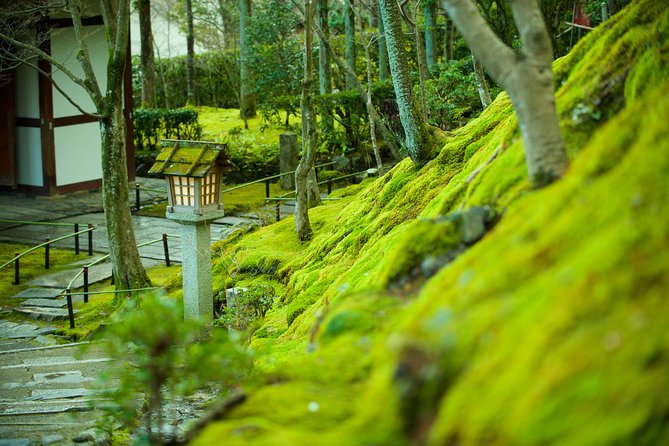
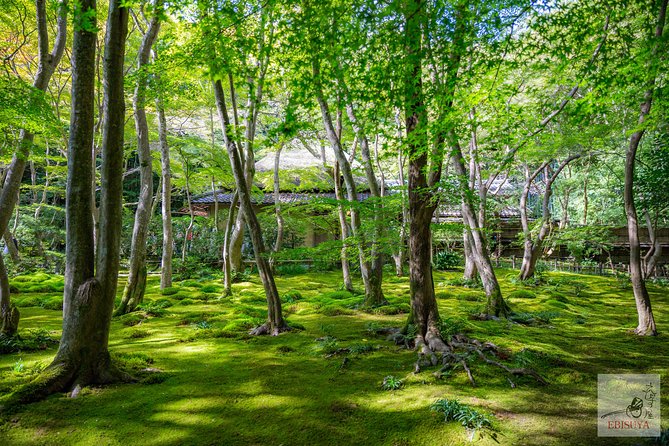
One stop that defines this tour is Gio-ji Temple, known for a moss garden. The key word here is shade. Moss gardens feel magical when the ground stays cool and damp, and Gio-ji is famous for that vivid look even in the quieter, shaded parts of the site.
You’ll get about 20 minutes here. That’s short enough to feel efficient, long enough to walk slowly and notice texture—moss doesn’t read as green from far away. It reads as detail when you pause.
Possible consideration: because temple admissions are not included, you’ll want to budget for entry fees here and at the other sites.
Jojakkoji Temple: stairs, shade, and a hilltop glimpse
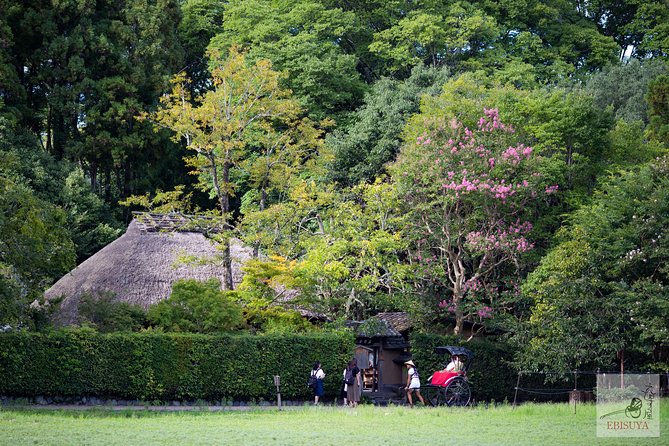
Next up is Jojakkoji Temple. It sits on a hill, so plan for a climb: the route includes many steps under trees before you reach the top and that glimpse over the city.
This is the kind of stop where time management matters. You’ll have about 20 minutes, so you’ll want to treat it as: walk up calmly, pause once at the viewpoint, and don’t wait too long to head back before your rickshaw time window changes.
If you’re traveling with limited mobility, this hill-and-steps format is the main thing to weigh. The tour is designed for most people, but Jojakkoji is a clear example of where your legs will do real work.
The bamboo forest Shinto shrine: matchmaking in a quiet pocket
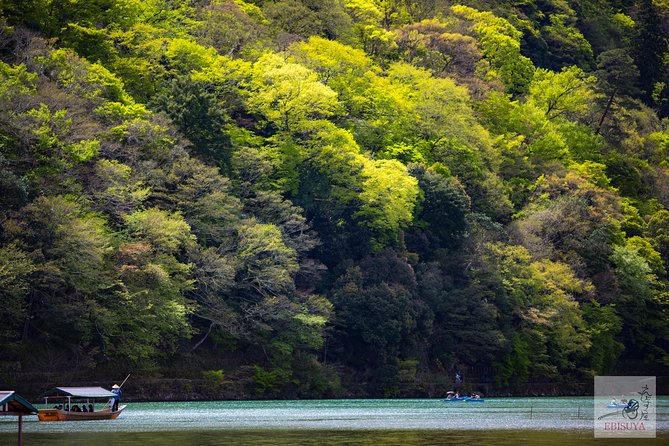
You’ll also see a Shinto shrine tucked into the bamboo forest, including a shrine dedicated to the goddess of matchmaking.
This stop works because it changes the religion flavor of the day. You’re not only moving between Buddhist temple gardens—you’re stepping into a different kind of sacred atmosphere: bamboo hush, shrine seriousness, and a human reason to visit (love, luck, and relationships).
It’s also a great photo moment because bamboo frames the shrine space naturally. Just keep your time tight; you’ll have about 20 minutes there as well.
Adashino Nenbutsu-ji and Otagi Nenbutsu-ji: stone figurines with meaning and jokes
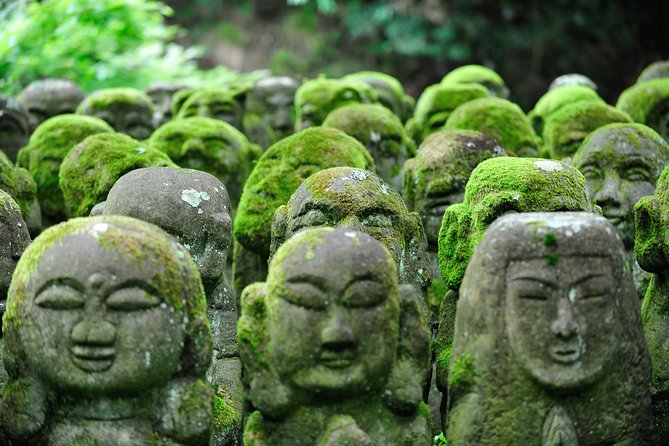
Two of the most memorable temple experiences on this route are the figurine-focused Nenbutsu-ji sites.
Adashino Nenbutsu-ji: stone figures with history
Adashino Nenbutsu-ji Temple is known for its large number of stone figurines, with a meaningful history behind them. What makes this type of stop special isn’t just the quantity—it’s the way stone figures create a feeling of quiet conversation with the past.
You’ll get 20 minutes, which is enough time to walk the main areas without rushing through the details.
Otagi Nenbutsu-ji: humorous faces for kids and adults
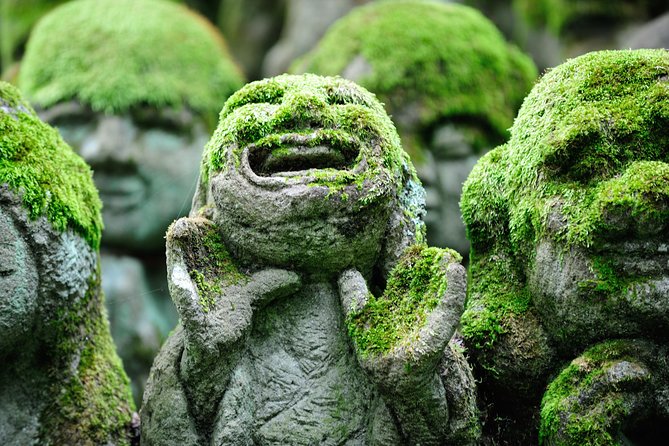
Then comes Otagi Nenbutsu-ji Temple, where the stone figurines are described as humorous, with extra fun for kids. Even if you’re traveling as adults, this is the break-your-serious-mood moment of the day: different expressions, playful posture, and that unusual feeling that art can be funny and sacred at the same time.
Again, think 20 minutes. You’ll want to slow down for a few minutes, otherwise the humor turns into just another photo stop.
Seiryoji Temple: grandeur plus a story about a special statue
Seiryoji Temple adds a different kind of atmosphere: you’ll enjoy the view and grandeur while learning about the eventful journey of a particular Buddhist statue.
This stop is less about a single garden feature and more about how temples can feel like places shaped by time—architecture, setting, and the story attached to a specific figure. Your guide’s live commentary matters a lot here, because the statue story is the thread that connects what you see to what it means.
You’ll have around 20 minutes. If you like understanding what you’re looking at, this is one of the best stops for listening closely rather than only shooting photos.
Hokyoin: calm scenery and two samurai connections
The last temples on the core circuit include Hokyoin. Here you get a relaxing landscape and also a very specific historical note: it’s home to resting places of two samurai with a unique connection.
This is a good finish if you want one last dose of quiet meaning. It’s also a reminder that Arashiyama isn’t just scenery. It’s a place where personal stories, faith, and local history overlap.
You’ll have about 20 minutes here too—enough time to settle, take in the atmosphere, and end your tour feeling like you actually slowed down.
How the 20-minute stops change the way you experience temples
A 3-hour tour with multiple sites is built on short, focused visits. That has two effects.
First, you’ll see more than one kind of Arashiyama feeling: moss shade, hilltop view, bamboo shrine quiet, figurine temple weirdness, and a statue story. Second, you’ll need to choose your “pause points.” When the guide offers context, listen. When you reach the most photo-worthy area, stop your feet and take in details.
If you go in expecting a slow, deep temple sit-down, you may feel the time pressure. But if you want an organized overview with the option to return on your own later, this pacing is a plus.
Price and value: what $236.44 per person buys you
At $236.44 per person, this tour isn’t cheap by Japan standards. The question is whether it feels worth it for you.
Here’s the value math that matters in practice:
- You’re paying for a private rickshaw experience, not a shared bus ride.
- You get a live English-speaking guide and commentary, which can turn temples from scenery into something you actually understand.
- The itinerary is dense: multiple temples and a bamboo-forest shrine within about 3 hours, which is hard to replicate casually unless you’re very confident navigating the area and timing your stops.
If you’re a couple traveling together, your cost becomes easier to swallow because rickshaw seating supports two adults side by side. If you’re traveling solo, it may feel like a premium splurge—and that’s fair to expect from a private human-powered tour.
Also remember that temple admission fees are not included, so the all-in total will be higher. Still, the structure makes it easier to plan your day than improvising temple hopping without a guide.
What this tour is best for (and who might want something else)
This experience is ideal if you want:
- A nature-and-temple morning in Arashiyama without a long day schedule
- Clear guidance in English plus a route that makes sense
- A mix of serene, quirky, and family-friendly temple stops (Otagi’s humorous figures help)
It may be less ideal if:
- You strongly prefer long meditation-style visits
- You dislike steps and hill climbs (Jojakkoji)
- You’re trying to keep total costs very low once you add temple entry fees
For families, the figurine temples can be a win, especially Otagi Nenbutsu-ji, since the humor is part of the design.
Should you book this Kyoto Arashiyama rickshaw tour?
I’d book it if you want Arashiyama with structure: a short, private ride, green-focused temple stops, and an English-speaking guide who explains what you’re seeing while you move at a comfortable pace.
I would not book it if your top priority is minimizing walking and maxing out quiet time in just one or two places. The tour is efficient, not slow. And because temple admissions aren’t included, you should budget a little extra so the day feels smooth.
If your travel style is curious, photo-friendly, and you like understanding context as you go, this is a strong way to get the Arashiyama feeling without spending your whole morning on logistics.
FAQ
Are temple admission fees included?
No. Admission fees to temples and gardens are not included, so you should expect to pay entry fees at some stops.
What’s the meeting point, and where does the tour end?
You’ll meet at 1-1 Sagatenryūji Susukinobabachō, Ukyo Ward, Kyoto 616-8385, Japan. The tour ends in a different location, so your final drop-off point will differ from the start.
Is this tour really private?
Yes. It’s a private tour/activity, meaning only your group participates.
Who can ride, and are there any restrictions?
Expecting mothers in their first 16 weeks of pregnancy aren’t permitted to ride a rickshaw. Most travelers can participate, but the route includes temple steps at Jojakkoji.
How do child pricing and seating work?
Children 6 years and older are required to have a seat and pay the same price as an adult. Children 5 years and under can ride for free if they sit on an adult’s lap (one child per adult, with a limit of max two adults and two children per rickshaw).
Is food included during the tour?
Food and drinks are not included unless specifically specified, so plan on covering meals separately.