REVIEW · KYOTO
Kyoto: Arashiyama Customized Rickshaw Tour & Bamboo Forest
Book on GetYourGuide →Operated by Ebisuya Rickshaw · Bookable on GetYourGuide
One ride in Arashiyama on a rickshaw, and the area clicks into focus. This customizable private tour takes you from Kyoto’s famous Togetsu-kyo Bridge area into the thick bamboo grove via an exclusive rickshaw route, then fans out to shrines and gardens depending on how long you book. It’s a practical way to see the big sights without doing marathon walking.
I like that you can actually tailor the route to your pace and interests. I also like the photo angle: your driver is actively helping with picture stops, and you’ll often come away with a set of images that look like you planned them. One trade-off to plan for: the rickshaw is compact (and only two adults fit per chariot), so families or couples who care a lot about space may prefer booking separate rickshaws when possible.
You’ll meet your guide and chariot right in the Arashiyama flow, where the bamboo forest is only a short ride away. And yes, if the weather turns ugly, you still get protection—blankets and covers are part of the experience.
In This Review
- Key things to know before you ride
- Why Arashiyama on a rickshaw feels different than walking
- Meeting at Togetsu-kyo Bridge: getting started without stress
- The bamboo forest: the exclusive rickshaw path and photo moments
- Nonomiya Shrine: a calm Shinto pause in the Arashiyama rhythm
- Long route highlights: Rakushisya cottage and the Nison-in temple side
- Choosing the right tour length: match time to your walking tolerance
- Comfort and practical reality: narrow seats, weather protection, and what to bring
- Value check: is $51 a good deal?
- Who should book this Arashiyama rickshaw ride
- Should you book this Kyoto Arashiyama Customized Rickshaw Tour?
- FAQ
- Where does the tour start?
- How long is the tour?
- Is this a private tour?
- What languages are available for the guide?
- What’s included in the price?
- Is hotel pickup included?
Key things to know before you ride
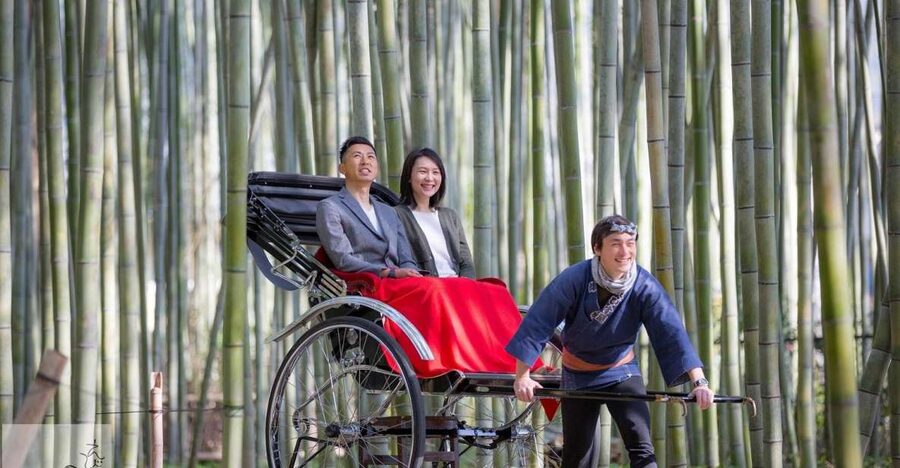
- Exclusive rickshaw path through the bamboo forest for a quieter, more controlled route than you’ll get on foot
- Private and customizable: you choose the rhythm, not a fixed group pace
- Togetsu-kyo Bridge start point puts you at the action fast, with easy access to Arashiyama
- Shrines and gardens included, including Nonomiya Shrine (and more on longer options)
- Photo stops built in, and several guides are especially strong at taking great shots
- Comfort rules matter: compact seating, no selfie sticks, and it’s not ideal for back problems or early pregnancy
Why Arashiyama on a rickshaw feels different than walking
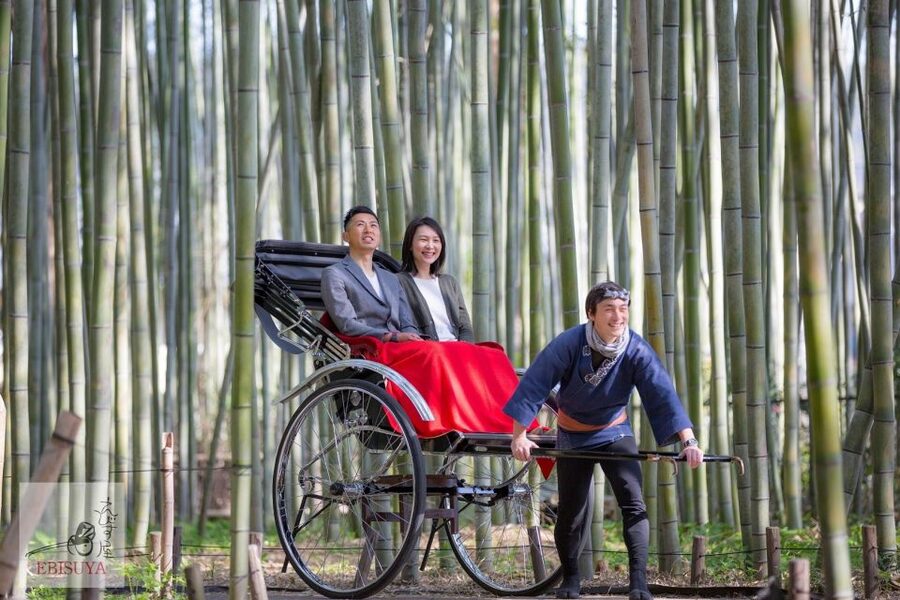
Arashiyama is one of those places where crowds can turn your “wow” moment into a slow shuffle. A rickshaw changes the experience instantly. You’re not fighting for sidewalk space. You’re not weaving around people every two minutes. Instead, you get a smooth, slow glide that lets the sights land.
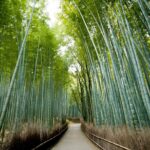
The star is the bamboo forest itself. You’ll see towering stalks up close and the grove’s soft, green hush. But the bigger win is the route: the rickshaw path through the bamboo is set up for vehicles, so you’re often away from the densest foot traffic.
And because it’s private, your guide can steer the ride so you’re not stuck doing only the most obvious photo stops. If you’re into quiet streets, small shrines, and garden-like corners, you’ll get more of that than a standard bus-and-walk day.
Meeting at Togetsu-kyo Bridge: getting started without stress
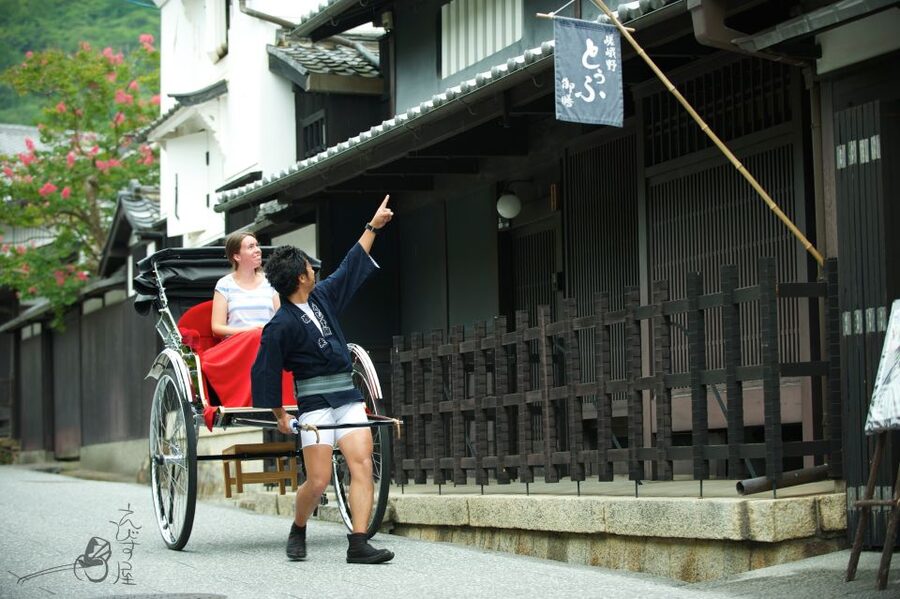
Your guide and chariot wait at Kyoto’s iconic Togetsu-kyo Bridge in Arashiyama. That matters because it anchors the whole tour in a place you can recognize right away. It also keeps your “time to first sight” short.
Meeting point details can vary depending on the option you booked, so don’t wait until the last minute to match up with your exact start spot. The good news: once you’re there, the tour moves quickly into Arashiyama’s scenery.
This is a private group setup, so you don’t have to squeeze into the same pace as strangers. If you’re traveling as a couple, this setup is a big part of the value. If you’re bringing kids, it’s also helpful because the driver can adapt the route to what your group can handle.
The bamboo forest: the exclusive rickshaw path and photo moments
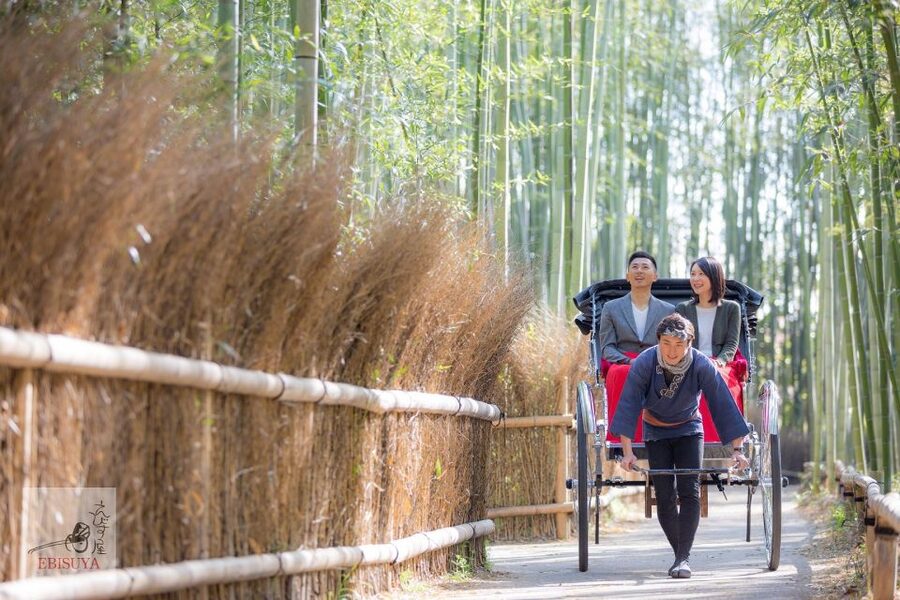
The first “freeze-frame” moment is the bamboo grove: a thick stand of stalks with a pedestrian and rickshaw path cutting through it. Even if you’ve seen bamboo photos before, the scale here feels different in person. The stalks are close enough that you notice the texture, not just the look.
Here’s where this tour earns its keep: the rickshaw path through the bamboo is built for this ride format, so you’re not constantly stopping and starting behind walkers. That keeps the atmosphere calmer and helps you actually enjoy the setting instead of just passing through it.
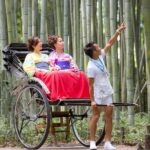
Photo stops are also part of the ride. A recurring theme from guides—like Koki, Ren, Shin, and Lucas—is that they’re paying attention to angles and timing, not just moving you from spot to spot. If you’re not super confident taking photos, this is a nice safety net.
Small practical note: selfie sticks aren’t allowed. So plan to use your phone hand-held, or rely on your guide’s help for the key shots.
Nonomiya Shrine: a calm Shinto pause in the Arashiyama rhythm
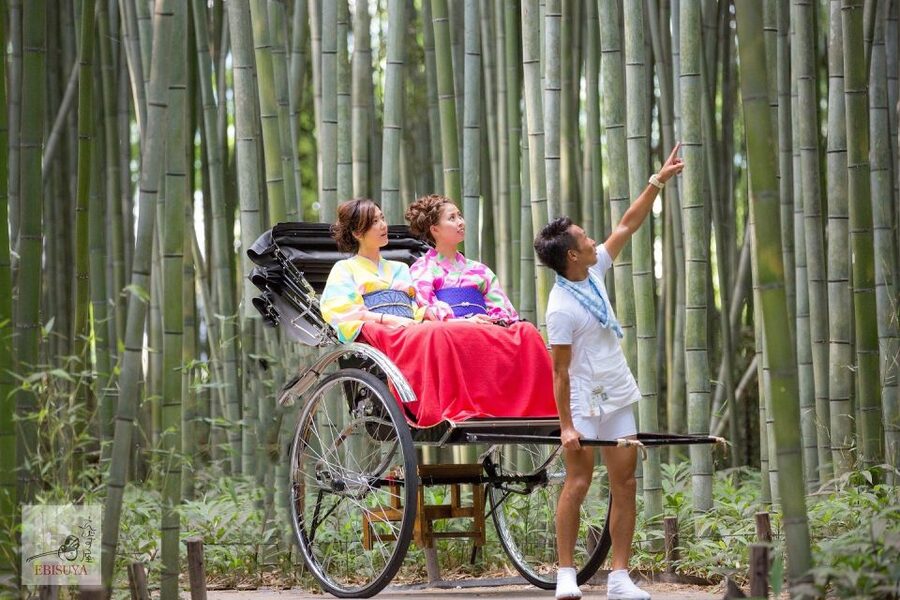
After the bamboo grove, you’ll head toward Nonomiya Shrine, a Shinto site. This stop matters because it breaks the ride’s pacing. Bamboo is nature-first. Shrines shift your focus to culture and place.
Think of it like a course correction for your senses. You’re moving from the hush of tall stalks into a shrine setting where the architecture and rituals feel grounded and specific. Even if shrines aren’t your top interest, Nonomiya gives the tour a “Kyoto flavor” that walking in crowds can dilute.
If you book the shortest option (45 minutes), this is where the tour ends back at the starting point. It’s a good choice if you’re short on time but still want the bamboo experience plus one major cultural stop.
Long route highlights: Rakushisya cottage and the Nison-in temple side
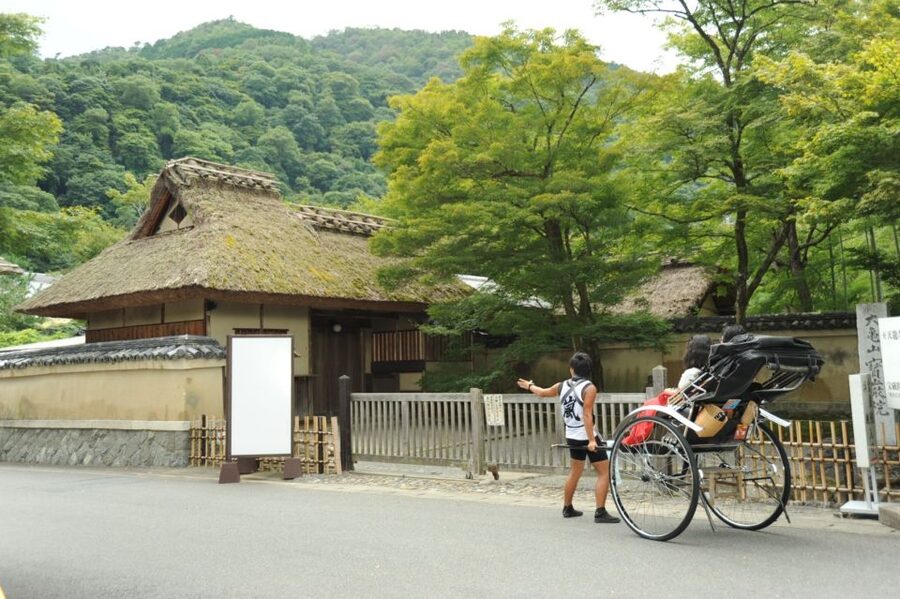
Choose a longer tour—up to 3 hours and 10 minutes—and the route expands beyond the main hits into quieter corners of Arashiyama.
One early add-on is Rakushisya’s cottage, a thatch-roof spot that once belonged to one of Japan’s revered poets and haiku masters. This kind of location is valuable because it connects the landscape to how people have thought and written about it. You’re not just seeing what Kyoto looks like—you’re getting a hint of why Kyoto inspired poetry in the first place.
Next comes more temple and shrine time. The tour description includes Nison-in, a Buddhist site, plus additional Shinto shrines. These longer stops are what make the “customizable” part more meaningful. You can spend extra time where your group is most curious, instead of getting hustled out of every location after only a quick look.
A pattern I’d expect you to notice on these longer rides: you’ll spend more time in the layered feeling of Arashiyama—nature, gardens, shrine spaces, and older structures all in one flow. That’s hard to do well on your own unless you already know where to go and when to arrive.
Choosing the right tour length: match time to your walking tolerance
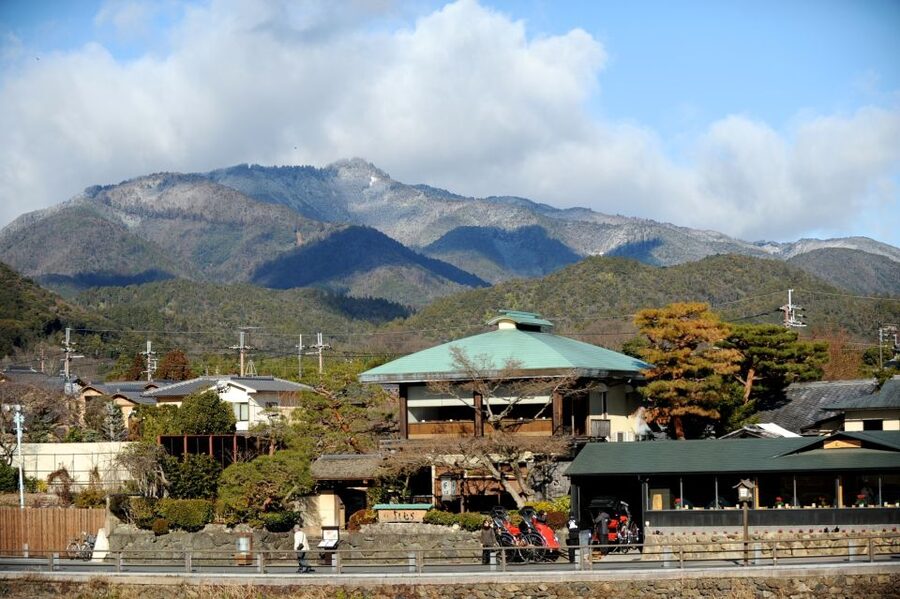
You have four options: 45 minutes, 1 hour 10 minutes, 2 hours 10 minutes, and 3 hours 10 minutes. The big question is how much you want the tour to feel like an activity versus a highlight stop.
- 45 minutes: Best if you mainly want the bamboo forest experience and one anchor stop (Nonomiya Shrine), with a quick return.
- 1 hour 10 minutes: Enough time to slow down and enjoy the scenery without feeling rushed.
- 2 hours 10 minutes: A strong sweet spot for most couples. You can take in the bamboo, a shrine, and extra temple/garden content.
- 3 hours 10 minutes: Best if you want the ride to feel like a full Arashiyama day slice, with more locations and more chances to hit the quieter routes.
If you’re traveling in winter or rainy season, longer can be worth it because the rickshaw keeps you out of harsh weather. You’ll likely appreciate the blanket-and-cover setup that guides use to keep you comfortable.
Comfort and practical reality: narrow seats, weather protection, and what to bring
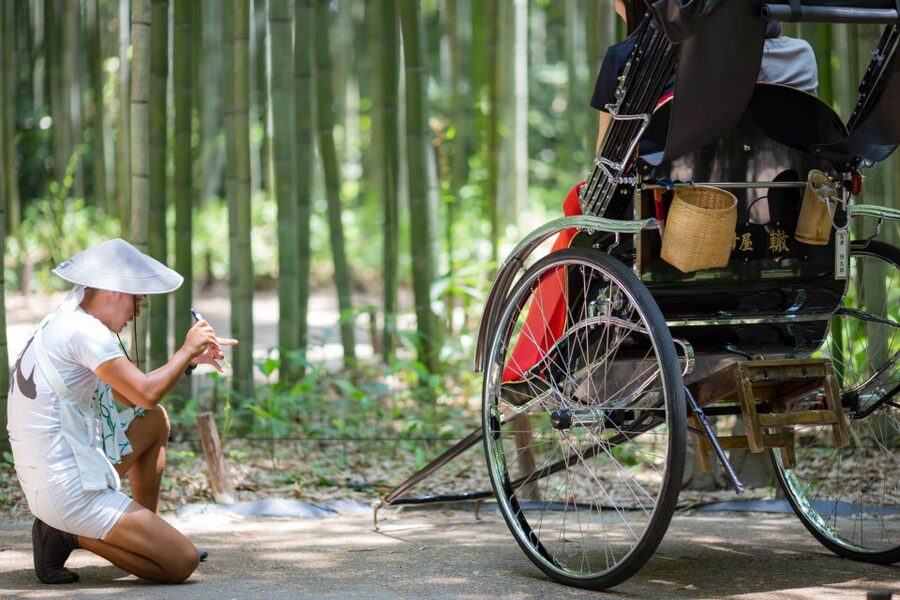
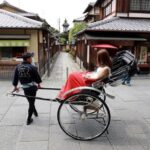
The rickshaw fits up to two adults per chariot. That detail can affect your comfort planning. The chariot is 29.1 inches (74 cm) wide, so if you’re tall, wide-shouldered, or just want maximum space, you might find it more comfortable to book individual rickshaws for each passenger.
Kids are handled in a specific way: up to two children age 5 and under can ride with two adults, but children must ride on an adult’s lap. If a child age 5 will use a seat, it must be booked as an adult full fare guest.
Now, let’s talk about the weather. The tour is out in the open, but you’re not left alone with the elements. I’d expect you to appreciate warm blankets and rain cover protection when conditions are cold or wet. Several guides are known for keeping groups comfortable even when Kyoto is doing its winter/spring weather thing—snow, rain, and all.
A few other important “know before you go” points:
- Not allowed: selfie sticks
- Not suitable for people with back problems
- Not recommended for expecting mothers in their first 16 weeks of pregnancy
- Wheelchair- and stroller-friendly (so this is not a total accessibility bust, but your guide can only work with the physical constraints of the vehicle)
What to bring? Wear shoes you can stand in briefly if needed. And bring a light layer—Kyoto air can feel colder than you expect near the river and bamboo paths.
Value check: is $51 a good deal?
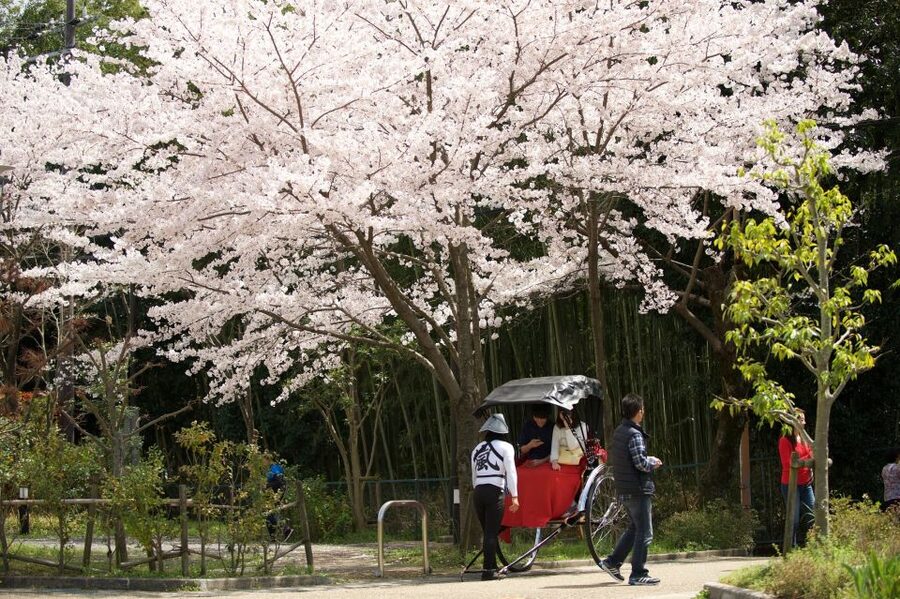
At $51 per person, the question isn’t just cost—it’s trade-offs.
What you’re paying for:
- A private vehicle through a crowded, famous section of town
- Access to the rickshaw route inside the bamboo area, which is a different experience than being a pedestrian
- A local guide who helps you connect what you’re seeing to why it matters
- Photo stops built into the ride, with guides taking the “stand here, look here, now smile” burden off you
What you’re not getting:
- Snacks and drinks aren’t included
- Hotel pickup isn’t included, so you’ll be meeting at Togetsu-kyo and handling the approach yourself
- Your comfort is limited by the rickshaw design (space is tight, and some health situations mean it’s not a good fit)
For many people, this becomes a best-spent money moment because you avoid the worst parts of sightseeing friction: crowd squeeze, constant route decisions, and the time cost of wandering. The bamboo forest is too photo-famous and too narrow in places to “wing it” smoothly if you’re trying to keep the day calm.
If you’re the type who likes to sit down, take it slow, and let someone else handle navigation, this price makes sense. If you love long self-guided walks and you’re on a very tight budget, you might decide you can do Arashiyama by foot for less.
Who should book this Arashiyama rickshaw ride
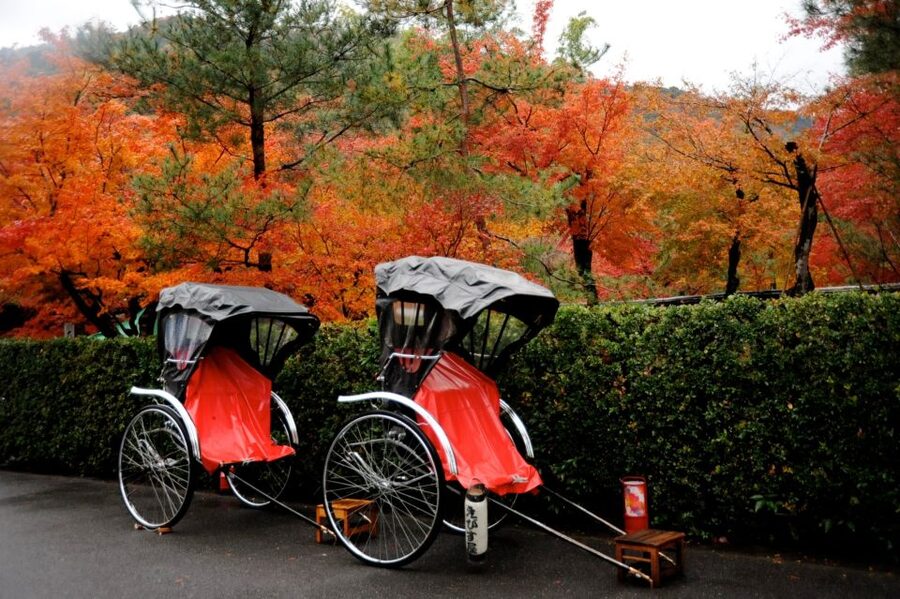
This tour fits best if you want a Kyoto highlight with less stress.
Book it if you:
- Want the bamboo forest experience and care about doing it without crowd chaos
- Like a private format where you can go at your pace
- Appreciate culture stops like Nonomiya Shrine and (on longer tours) Rakushisya’s cottage and Nison-in
- Value a guide who helps with photos—drivers such as Aki, Shin, Koki, and Yuta are frequently praised for conversation and picture quality
You might skip it if:
- You have back problems or strong mobility concerns that the ride format can’t support
- You’re in early pregnancy (first 16 weeks is specifically flagged)
- Your group needs lots of extra space per person in a vehicle
This also works for couples celebrating something. A few guides are known for making birthdays feel special, mostly through extra attention and timing rather than gimmicks.
Should you book this Kyoto Arashiyama Customized Rickshaw Tour?
Yes, if you’re choosing between doing Arashiyama “the hard way” and doing it smoothly. The exclusive bamboo path, the private, customizable approach, and the added shrine/temple stops make it feel more like a guided day slice than a quick photo stop.
If you’re short on time, take the 45-minute or 1 hour 10 minute option. If you want the ride to feel richer—more quiet streets, more cultural stops—go for 2 hours 10 minutes or 3 hours 10 minutes.
One last thought: show up ready to enjoy the scenery. With rickshaws, the magic is the slow pace. If you treat it like a race, you’ll miss what makes Arashiyama work.
FAQ
Where does the tour start?
You meet your guide and chariot at Togetsu-kyo Bridge in Arashiyama. The exact meeting point can vary depending on the option booked.
How long is the tour?
Tour duration options range from 45 minutes to 3 hours 10 minutes, with specific choices at 45 minutes, 1 hour 10 minutes, 2 hours 10 minutes, and 3 hours 10 minutes.
Is this a private tour?
Yes. This is a private group rickshaw tour.
What languages are available for the guide?
The tour guide is available in English and Japanese.
What’s included in the price?
Included: a private rickshaw tour, a local guide, and photo stops at instagrammable spots during the ride.
Is hotel pickup included?
No. Hotel pickup is not included.