REVIEW · KYOTO
Kyoto Arashiyama Rickshaw Tour with Bamboo Forest
Book on Viator →Operated by Ebisuya · Bookable on Viator
That steady bamboo rhythm starts as soon as you step in. This Arashiyama rickshaw tour blends a ride through bamboo paths with guided stops and a short on-foot segment, so you get the views without turning your day into a grind. I really like the early-morning crowd avoidance, but one practical catch: you’ll spend a chunk of time off the rickshaw on uneven ground, including a steep slope.
You’ll also love the way the guides turn the forest into something you can actually photograph and understand. That’s a big part of the value here, even at $86.88 per person, because the ticket covers the rickshaw, fees, taxes, and gratuities—so you’re not constantly doing math while you’re trying to enjoy Kyoto.
In This Review
- Key things I’d plan around
- Why a bamboo-forest rickshaw makes sense in Kyoto
- Getting to the start: Sagatenryūji area and how the timing feels
- The rickshaw route: shade, bamboo lanes, and smart pacing
- Bamboo Forest Street: what you see, why it matters, and the photo payoff
- A quick reality check on crowds and photos
- The short bamboo-street pass: picture time without burning your legs
- The haiku poet cottage stop: Kyoto texture beyond the bamboo
- Guide personalities that show up again and again
- Price and value: $86.88 that usually feels fair
- Who should book this tour (and who should skip it)
- Tips to get better bamboo photos (without stressing)
- Should you book this Arashiyama bamboo forest rickshaw tour with Ebisuya?
- FAQ
- How long is the Kyoto Arashiyama rickshaw tour with bamboo forest?
- What does the tour cost?
- What is included in the price?
- What is not included?
- Where do I meet the guide?
- Can the tour be customized?
- Does the tour run in bad weather?
- Is this a private tour?
- Are children allowed?
- What if I’m late?
Key things I’d plan around
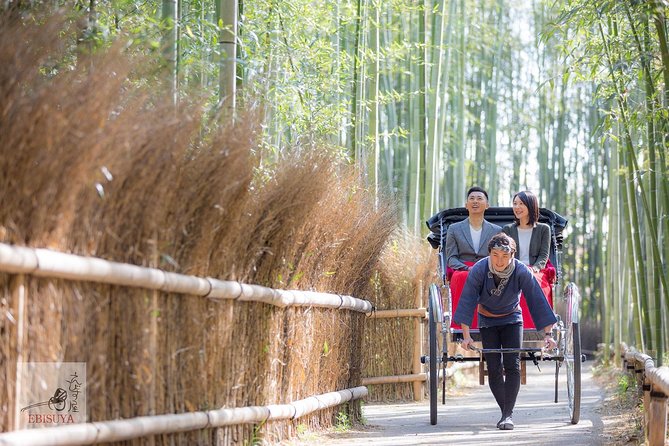
- Rickshaw first, then on foot: you get comfort and shade for most of the route, plus walking only where rickshaws can’t go.
- Photo-focused stops: bamboo grove views plus extra viewpoints where your guide helps you make the shot.
- Early start matters: going before the crush helps you breathe and see more clearly.
- Short but varied route: rickshaw time, then a walk that includes a steep slope.
- Guides make the pacing work: many guides in past tours (like Ocean, Hikaru, Yoshi, and Shota) are praised for English and photo help.
Why a bamboo-forest rickshaw makes sense in Kyoto
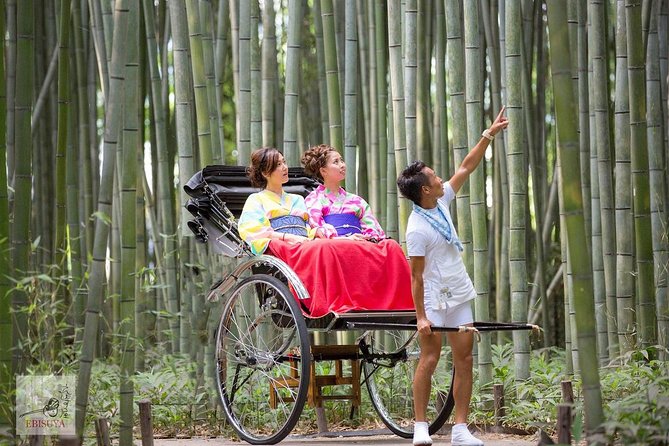
Arashiyama’s bamboo is famous for a reason. Tall stalks, soft light, and that walk-in-a-movie feeling—yet it’s also one of the busiest spots in Kyoto. So the smartest move is to let a rickshaw do the heavy lifting first, then walk only where you actually need your feet.
This tour is built around that logic. You’re pulled through bamboo areas along a path reserved for rickshaws, then you shift to on-foot exploring to reach the sections rickshaws can’t access. The result is a good mix: you’re not stuck in endless walking, but you also don’t feel like you stayed in a vehicle the whole time.
I also like that this isn’t just a “sit and stare” plan. Your guide is part storyteller, part driver, and part photographer-in-chief. Names that show up often in customer notes—Ocean, Kei, Shota, Hikaru, Kazuma, Daichi, and Yoshi—share the same theme: English communication and practical help with pictures.
Getting to the start: Sagatenryūji area and how the timing feels
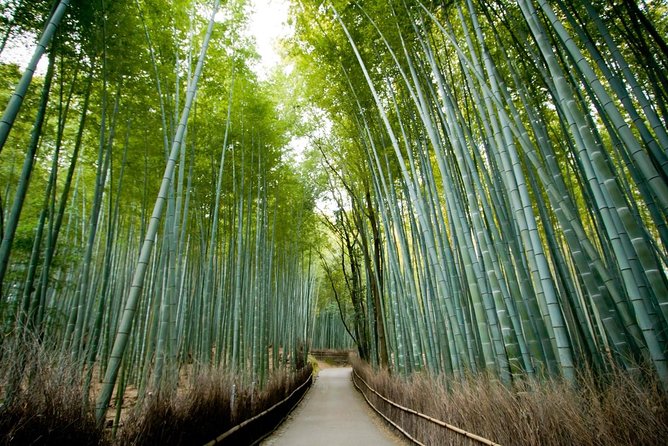
The meeting point is at 1-1 Sagatenryūji Susukinobabachō, Ukyo Ward, Kyoto. That location is close enough to public transportation that you’re not forced into a complicated transfer just to get going.
Most tours run about 1 to 2 hours total, so it’s not a half-day commitment. That matters in Kyoto, where you’ll feel the drag of switching between neighborhoods. Here, you can fit this experience into a morning plan and still have energy left for Arashiyama’s river, temples, or local food afterward.
The time structure is simple: a rickshaw portion first, then a couple of targeted stops and walks. One important practical note: the tour runs rain or shine, so if Kyoto throws weather at you, you won’t be waiting around for a reschedule.
The rickshaw route: shade, bamboo lanes, and smart pacing
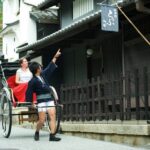
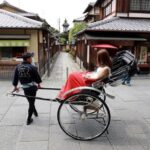
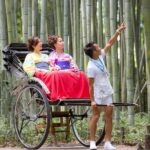
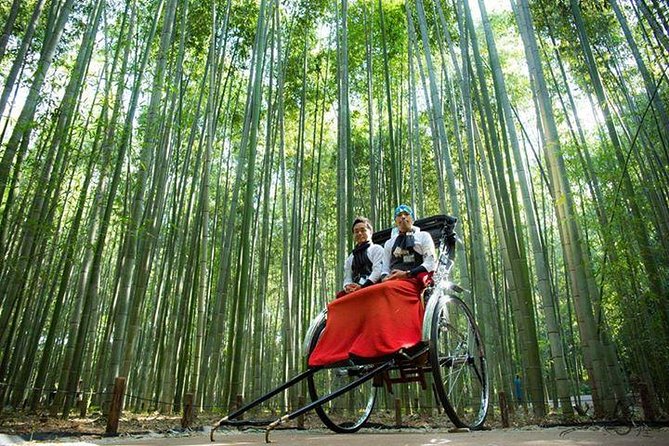
Your ride starts as your guide pulls you through green bamboo on paths set aside for rickshaws. This is where the tour feels different from a standard stroll. You glide through the corridor-like bamboo without constantly stopping to navigate crowds.
You’ll also pass key landmarks along the way:
- Nonomiya Shrine for sights and photo opportunities
- A small park stop that’s built for quick picture breaks
- A focus on “parts of the forest” rather than one single photo spot
If you’re choosing a time, aim for early morning. The tour info is clear that this helps you avoid crowds, and the experience reviews back that up with comments like this is the best way to beat the bamboo-line pressure. In plain terms: fewer people means you can actually see the depth of the bamboo without playing camera traffic cop.
Comfort-wise, rickshaw seats can fit up to two adults side by side. Seat width is listed as 74 cm (29.1 in), so if you’re traveling with a larger group or you’re tall and broad-shouldered, it’s worth considering how snug you’ll feel in a shared seat setup.
Bamboo Forest Street: what you see, why it matters, and the photo payoff
One of the most useful parts of this tour is the way it handles access. There’s a famous bamboo area you can’t reach by rickshaw, so the tour transitions you onto your feet at the right time.
You’ll start with what the guide can access by rickshaw, then you get out at Bamboo Forest Street to walk to the “most famous part” of the bamboo forest. This walk includes going up and down a steep slope, and the walking time listed for this stop is about 30 minutes.
Why is that valuable? Because the most iconic bamboo views aren’t always where the rickshaws can drop you. This tour takes you to the high-impact section on purpose, not by accident. You’re not just seeing bamboo—you’re seeing the bamboo angle that people come to Kyoto for.
You’ll also have a shrine moment right in the middle of the forest scenery. The tour plan references a Shinto shrine located among the bamboo, plus a little park pause for photos. Think of these as contrast points: bamboo rhythm, then a human-scale pause.
A quick reality check on crowds and photos
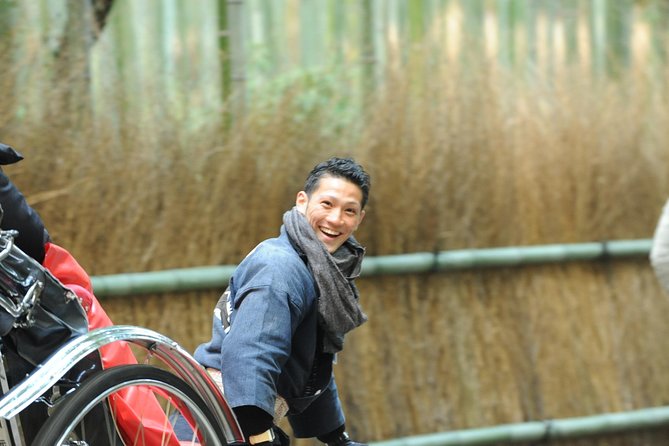
Some people book rickshaw tours specifically to avoid other tourists in their pictures. Early morning helps a lot, but it can still be shared space in a popular area. The good news is your guide’s job is to find angles and timing so your photos look calmer than the actual scene feels up close. Many guides are praised for exactly that kind of on-the-spot photo help, including coaching with iPhone shots.
The short bamboo-street pass: picture time without burning your legs
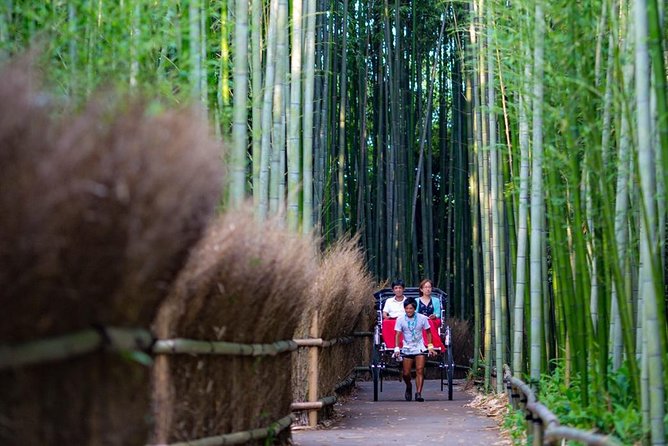
After your steeper walk, you’ll return to the bamboo rhythm with a smaller “pass through” segment on Bamboo Forest Street. This part is shorter—about 10 minutes—and it’s essentially a roaming photo window through the grove.
If you’re traveling with kids or someone who doesn’t love long walking, this is a key pacing feature. You get another batch of bamboo photos while your body isn’t being asked to do the full main hike again.
Also, your guide can adjust the stops depending on the duration you choose. That’s a practical advantage if you want more time for photos, less walking, or an extra attraction nearby.
The haiku poet cottage stop: Kyoto texture beyond the bamboo
The bamboo is the headline, but you don’t leave the day trapped in one scenery type. The tour includes a stop connected to a famous haiku poet, with a traditional pastoral-style cottage and a straw thatched roof.
This is the kind of detail that makes Kyoto feel like Kyoto, not just a photo location. Bamboo in Arashiyama is timeless, but the surrounding cultural markers are what give the whole area its depth. Even with a fast 1–2 hour window, this stop helps the experience feel like a guided visit rather than a transportation service.
Guide personalities that show up again and again
One big reason this tour scores extremely well is the guide factor. Across customer notes, the names keep coming up with similar praise: strong communication in English and fun, energetic guidance.
Here are a few guide examples mentioned often:
- Ocean: praised for being phenomenal and for taking great photos
- Hikaru: noted for English fluency and history explanations
- Yoshi: called friendly and fun, with impressive photo results
- Shota: described as respectful and excellent at explaining the experience
- Kei, Kiko, Aki, Kazuma, Daichi, Shin: repeatedly described as energetic, helpful, and photo-capable
You can’t guarantee the exact guide you’ll get, of course. But you can reasonably expect a tour where the guide is actively managing both the pace and your picture chances—not just steering you from one stop to the next.
Price and value: $86.88 that usually feels fair
At $86.88 per person, this isn’t the cheapest way to see Arashiyama. But it’s also not competing with self-guided walking. You’re paying for:
- The rickshaw ride
- All fees and taxes
- Gratuities (so you aren’t scrambling at the end)
What’s not included: admission fees for temples and shrines, plus transportation to and from the meeting place. In practice, that means your total “day cost” could rise if you add extra shrine/temple time or if certain paid entrances come up during the route you choose.
Where the price tends to feel most justified is when:
- You’re short on time and want the bamboo experience without wasting hours navigating crowds
- You’re traveling as a group and want a private plan where only your group participates
- It’s a hot day and you want the shade and comfort of the rickshaw (some reviews specifically mention the heat comfort factor)
Who should book this tour (and who should skip it)
This tour is a strong fit if you want:
- The bamboo forest with help and structure
- A mix of ride and walking, not all walking
- A guide who can explain what you’re seeing and help with photos
It’s also listed as generally suitable for most travelers. But there are a few clear considerations:
- Pregnancy: not recommended for pregnant travelers in the first 16 weeks.
- Kids: children 6 years and older require a seat and pay the adult price. Children 5 and under can ride free if they sit on an adult’s lap (up to two adults & two children per rickshaw).
- Mobility: there’s a steep slope during the walk segment, so if walking uphill or down uneven ground is a problem, you’ll want to think carefully.
If your goal is maximum photos with minimal crowds, early morning is your best friend. If your goal is zero walking, you’ll want to reconsider, because the tour includes time on foot and includes that steep-slope section.
Tips to get better bamboo photos (without stressing)
You don’t need special gear for bamboo, but a few tactics help:
- Go early for better light and fewer people in the background.
- Use your guide’s photo help: multiple guides are credited with taking amazing photos and coaching how to pose and frame shots.
- Be ready to walk at the stop where rickshaws can’t go—bring shoes that handle up-and-down terrain.
One more pro tip: because the tour is time-bound, you’ll get the best results when you’re ready to move right after stops. If you linger too long in one photo spot, it can shorten your time later.
Should you book this Arashiyama bamboo forest rickshaw tour with Ebisuya?
Book it if you want a guided, photo-friendly way to see Arashiyama bamboo without turning your day into a long slog. The value feels especially solid because the ride, fees, taxes, and gratuities are included in the price, and the structure is tight enough to fit into a Kyoto itinerary.
Consider skipping or adjusting your expectations if you:
- Need a fully non-walking experience (there’s a steep slope on the walk segment)
- Are sensitive to the idea of a busy, famous area even in the morning
- Expect the entire forest experience to be rickshaw-only (the best section requires getting off and walking)
If your plan is Arashiyama early, with a short, focused tour that hands you a bamboo highlight and some Kyoto culture texture, this is a very practical choice.
FAQ
How long is the Kyoto Arashiyama rickshaw tour with bamboo forest?
It takes about 1 to 2 hours in total.
What does the tour cost?
The price listed is $86.88 per person.
What is included in the price?
Included are the rickshaw, all fees and taxes, and gratuities.
What is not included?
Admission fees for temples and shrines are not included, and transportation to and from the meeting place is not included.
Where do I meet the guide?
The meeting point is 1-1 Sagatenryūji Susukinobabachō, Ukyo Ward, Kyoto, 616-8385, Japan.
Can the tour be customized?
Yes. The tour notes say attractions can be customized, and what you choose can depend on the duration selected.
Does the tour run in bad weather?
The tours take place rain or shine.
Is this a private tour?
Yes. It’s listed as private, meaning only your group participates.
Are children allowed?
Yes. Children 6 years and older need a seat and pay the same price as an adult. Children 5 and under can ride free if they sit on an adult’s lap.
What if I’m late?
If you’re late by 10 minutes or more, it results in automatic cancellation, and the time you’re late can be deducted from your tour duration.