REVIEW · KYOTO
Kyoto Sagano Insider: Rickshaw and Walking Tour
Book on Viator →Operated by Ebisuya · Bookable on Viator
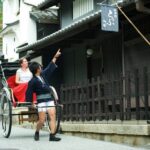
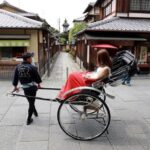
A ride like this changes how fast you see Arashiyama. You get a private rickshaw to zip through the bamboo area, plus a guide who adds context as you pass historical sights, with photo stops built in. In past tours, guides such as Takumi and Atsu were praised for both smooth driving and story-style explanations.
What I like most is the combo of motion and meaning: you’re not just watching bamboo from the edge. You’ll visit inside a traditional Kyoto-style machiya house at Kyoto City Sagatoriimotocho Nami Preservation Hall, and you’ll also get help spotting the best photo angles along the way. Later, the walking portion lets you reach neighborhoods and paths that the rickshaw can’t cover.
One thing to plan for: some temple admission fees are not included, and the tour includes walking up and down a slope. If you’re picky about shoe comfort or you hate unexpected add-on costs, that’s worth thinking through before you book.
In This Review
- Key things to know before you go
- Why a private rickshaw in Arashiyama saves real time
- Meeting point and how the timing usually feels (3 hours 10 min)
- Kyoto City Sagatoriimotocho Nami Preservation Hall: the machiya interior stop
- The bamboo forest rickshaw route: photo stops plus an optional walk
- Otagi Nenbutsu-ji temple: quirky hand-made figurines
- Haiku poet cottage, straw-thatched history, and bamboo-grove shrines
- Arashiyama machiya neighborhoods and the old pilgrim path
- Your guide and driver: bilingual narration and real photo help
- Price and value: what you’re really paying for at $228.62
- Weather, seasons, and what to bring
- Who should book this Arashiyama rickshaw-and-walk tour
- Should you book Kyoto Sagano Insider: Rickshaw and Walking Tour?
- FAQ
- How long is the Kyoto Sagano Insider rickshaw and walking tour?
- Is this rickshaw shared with other groups?
- What’s included, and what temple fees might cost extra?
- Where do we meet for the tour?
- Can children ride, and do they pay?
- Is there any walking besides the rickshaw ride?
Key things to know before you go
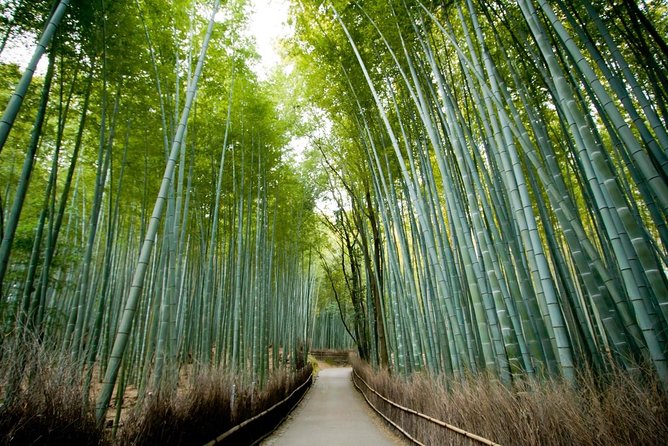
- Private rickshaw means you don’t share your seats and you can keep a steadier pace with your own group
- Machiya house visit at Kyoto City Sagatoriimotocho Nami Preservation Hall (20 minutes, ticket free)
- Bamboo forest photo stops with optional walking in sections the rickshaw can’t reach
- Otagi Nenbutsu-ji temple visit (30 minutes) with quirky hand-made figurines
- A bilingual guide setup: English and Japanese fluent; other languages when available (conversational level)
- Plenty of photo help, based on guide performance and stops designed for pictures
Why a private rickshaw in Arashiyama saves real time
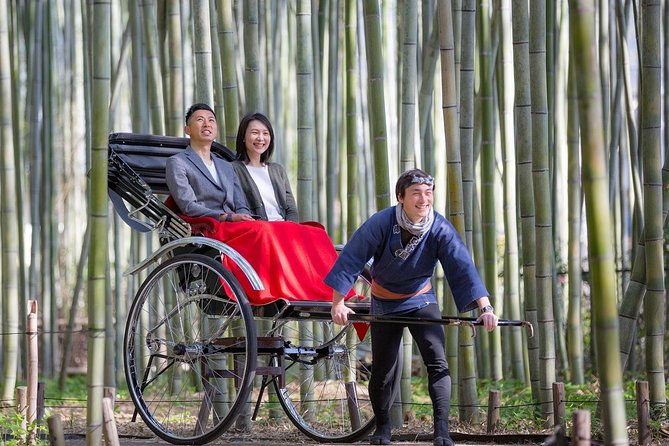
Arashiyama is one of Kyoto’s biggest “wow” districts, and it can get crowded. A rickshaw is a practical cheat code: it gets you deeper into the bamboo area without you spending energy walking every transfer. You also avoid the mental tax of navigating narrow spots on foot while trying to photograph everything.
In this tour, your rickshaw is private. That matters because you can move as a group with less waiting and less awkward timing. It’s also part of why people tend to rate the experience so highly: you’re paying for a guided flow, not just a vehicle ride.
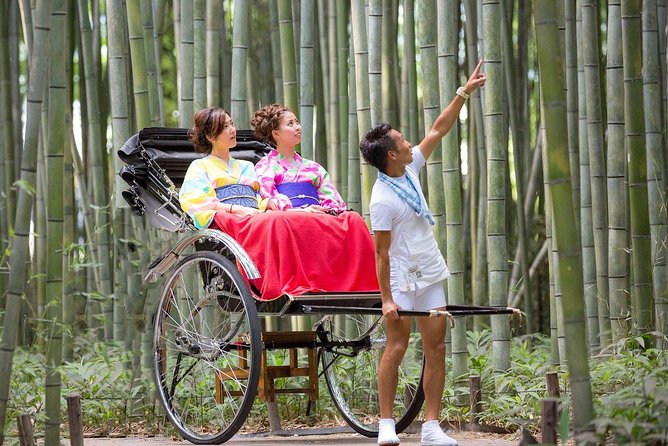
The bamboo forest portion is paired with planned stops so you don’t have to guess where the best shots are. Your guide helps point out photo locations along the route, and the driver provides the steady navigation so you can focus on views and pictures.
Meeting point and how the timing usually feels (3 hours 10 min)
The tour starts at 1-1 Sagatenryūji Susukinobabachō, Ukyo Ward, Kyoto, and it ends back near the meeting point. It runs about 3 hours 10 minutes, so it fits nicely between other Kyoto plans without feeling like a full-day commitment.
One timing note that matters for planning: the selected starting time isn’t automatically guaranteed. You’ll get confirmation by email within 24 hours of booking. If your day is tightly scheduled, it’s smart to wait for that confirmation before you lock in other reservations.
Also, expect some physical effort. The tour includes walking up and down a slope, and there’s an optional walking segment in the bamboo forest area. You don’t need to be an athlete, but comfy shoes aren’t optional here.
Kyoto City Sagatoriimotocho Nami Preservation Hall: the machiya interior stop
A good Kyoto tour doesn’t just point at tradition—it lets you step into it. This stop does that. At Kyoto City Sagatoriimotocho Nami Preservation Hall, you’ll visit inside a traditional Kyoto-style machiya house for about 20 minutes. The ticket is free, which makes the value feel even better.
Why this stop works: machiya are more than pretty walls. They represent the way Kyoto families lived—layout, materials, and the flow of rooms. Having a guide with you changes the visit from sightseeing into understanding what you’re seeing.
The main trade-off is time. Twenty minutes passes quickly, so don’t plan to linger with zero direction. If you want photos inside, ask early when it’s easiest, and keep your pace so you still have time for the rest of the route.
The bamboo forest rickshaw route: photo stops plus an optional walk
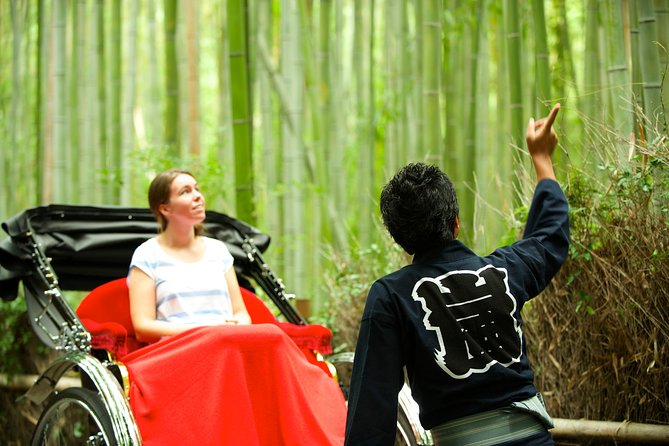
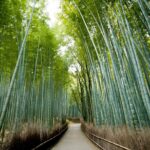
This is the heart of the experience. The rickshaw passes through the bamboo forest and stops for pictures. That’s helpful because bamboo scenery can look similar in every direction, and it’s easy to miss the angles that give you depth and symmetry.
There’s also an optional extra: the rickshaw can’t go everywhere. You have the chance to get off and walk inside part of the bamboo forest that’s inaccessible by rickshaw. This is optional, so you can choose based on your energy level and comfort with uneven paths.
If you’re the kind of person who likes to walk a bit for the best photos, the optional segment can be the payoff. If you’re traveling with someone who prefers less walking, you can skip it and still enjoy the bamboo from the rickshaw route and photo stops.
Otagi Nenbutsu-ji temple: quirky hand-made figurines
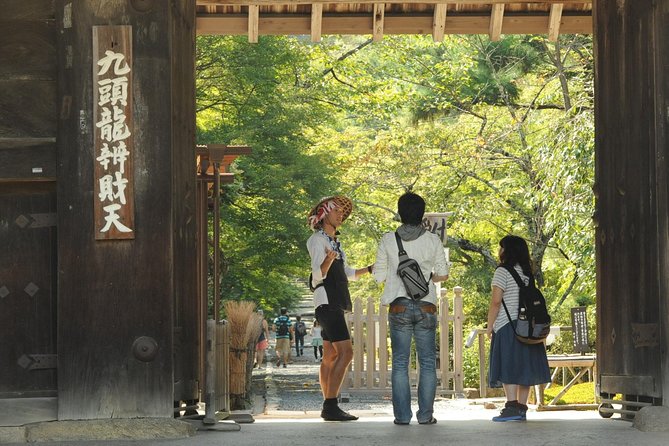
After bamboo, the tour shifts to a temple stop with a totally different vibe: Otagi Nenbutsu-ji. You’ll enter and visit for about 30 minutes. Temple admission fees are not included, so you should plan for that small extra cost.
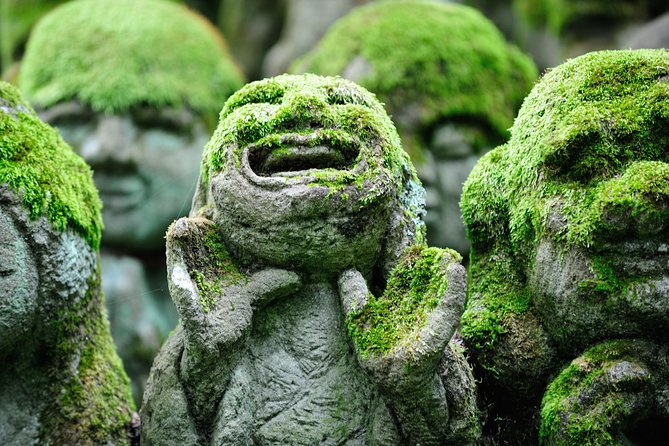
What makes this place memorable is the focus on quirky, hand-made figurines. It’s the kind of site where you’ll either love the weirdness or feel indifferent, but even if it’s not your usual temple style, it’s a change of pace from the bamboo-only story.
The practical tip: treat this as a slower stop. People often rush temples because the rest of the day is moving. Here, 30 minutes is your chance to slow down, look closely, and get a few photos that aren’t just “pretty building” shots.
Haiku poet cottage, straw-thatched history, and bamboo-grove shrines
Between the machiya and the temple, the tour weaves through smaller, more atmospheric stops that add texture. You’ll pass an old traditional cottage with a straw-thatched roof—described as a former home of one of Japan’s famous Haiku poets. Even without deep background knowledge, this kind of spot helps you feel how poetry, seasons, and daily life connected in Kyoto.
Next comes a Shinto shrine nestled in the bamboo grove. In Kyoto, it’s common to mix Buddhism and Shinto across a single day. What makes this work on the tour is contrast: bamboo tells one story, a shrine tells another, and the guide helps you notice the differences instead of just moving past them.
These stops also provide “breathing moments” between bigger attractions. If you’ve been feeling like you’re sprinting from landmark to landmark, these are the gentle pauses that make the whole outing feel less rushed.
Arashiyama machiya neighborhoods and the old pilgrim path
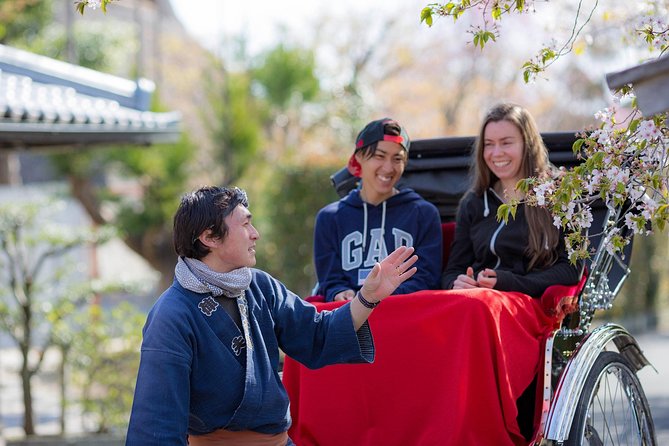
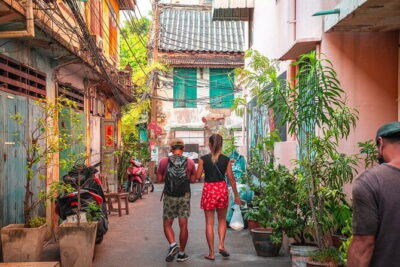
After the more specific sights, you get time in classic Arashiyama town scenes. You’ll walk through typical Arashiyama-style townhouses, neighborhoods, and side streets. Then you reach a preserved district and an old pilgrim path lined with traditional wooden town houses that you won’t find in Kyoto’s downtown areas.
This is where the value of guided context shows up. Without a guide, preserved areas can feel like just another street. With narration, you start noticing what’s been kept intact and why it matters.
The only caution is that walking areas can include slopes. If your legs tire easily, pace yourself through the preserved district and use any short stops to rest and take photos. The payoff is a calmer, older-feeling Kyoto rhythm.
Your guide and driver: bilingual narration and real photo help
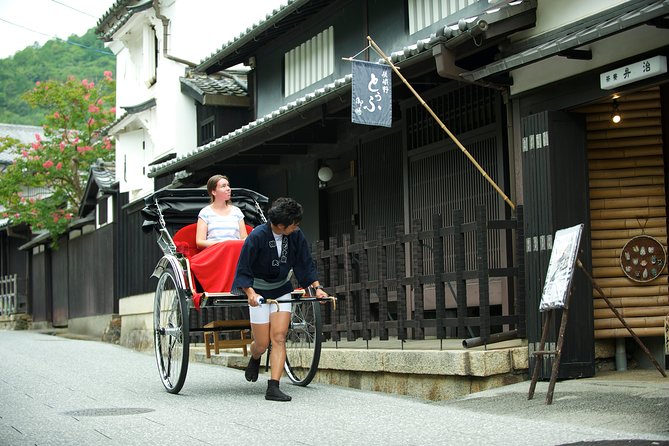
This tour lives or dies by the guide experience, and the performance scores well. The included guide provides context as you pass by historical buildings, and you also get photo stops along the way. In different tours, names like Takumi, Atsu, Yappo, Aki, Yuya, Yoshii, Shota, and Katsuki came up in positive feedback—especially for friendly conversation and picture-taking.
Language support is a real strength. English and Japanese guides are fluent, and Chinese/Korean/Spanish speaking guides are available at a conversational level based on availability. That means you should be able to ask questions without pulling out an entire phrasebook.
Practical photo tip: if you want your own camera used, ask your guide/driver for the exact moment to step into the frame. The best photos from this kind of tour usually come from timing, not from luck.
Price and value: what you’re really paying for at $228.62
At about $228.62 per person, this isn’t a budget activity. But it’s also not paying for just a generic ride through Arashiyama. You’re paying for three things that usually cost extra when you book separately:
- Private rickshaw time (and it’s not shared)
- A guided walking route through specific sights and neighborhoods
- Structured photo stops so you don’t lose time hunting angles
Temple and garden admission fees are not included, and hotel pickup isn’t included. Those are normal for this type of tour, but you should account for them so you aren’t surprised later.
Where it becomes good value is the mix of accessibility and personalization. A rickshaw helps you cover ground without fighting Kyoto’s pace. The guide adds meaning and helps you make better use of short time blocks—like the 20-minute machiya interior visit.
Also, this tour tends to be booked ahead (on average 23 days). If you have a specific time in mind, earlier booking is smart.
Weather, seasons, and what to bring
You’ll spend meaningful time outdoors: bamboo rides, walking side streets, and temple visiting. Bring layers if you can. Rickshaw rides run in different seasons, and rickshaw operations can adapt when it’s cold or rainy, but you still need to be comfortable.
Wear shoes made for slopes and possible uneven ground. Since the tour includes walking up and down a slope, sneakers or supportive walking shoes will save your day.
If you’re planning to bring a camera, this is a tour where photos are part of the product. The stops are designed for pictures, so charge your battery and bring a small lens cleaning cloth. It’s a small thing, but bamboo humidity and temple mist can happen.
Who should book this Arashiyama rickshaw-and-walk tour
Book this if you want:
- A faster way to see Arashiyama without walking every single segment
- Guided context for the “in-between” details like machiya streets and preserved paths
- Help with photo timing and angles during the bamboo ride
- A private setup for just your group
It also works if you prefer not to manage logistics on the fly. Since you meet near public transportation and the tour ends back at the meeting point, you can fit it into a normal Kyoto day plan.
If you dislike walking slopes, you’ll need to decide carefully about the optional bamboo forest walk and the walking portion overall. The good news is that “most people can participate,” but comfort with short, uphill/downhill walking matters.
Should you book Kyoto Sagano Insider: Rickshaw and Walking Tour?
I’d book this when you want the classic Arashiyama experience but don’t want it to feel like a chaotic scramble. The private rickshaw saves energy, the machiya interior stop gives you real Kyoto texture, and the Otagi Nenbutsu-ji temple visit adds a quirky contrast.
Avoid it if you’re very budget-sensitive and don’t want extra temple admission fees, or if you have limited tolerance for slopes. If that’s you, you might prefer a shorter, more strictly vehicle-based plan.
Overall, the combination of private rickshaw, structured photo stops, and guided walking through preserved areas makes this a strong choice for people who like seeing Kyoto with context, not just checklists.
FAQ
How long is the Kyoto Sagano Insider rickshaw and walking tour?
It runs about 3 hours 10 minutes.
Is this rickshaw shared with other groups?
No. This is a private tour, so only your group participates.
What’s included, and what temple fees might cost extra?
Included are the knowledgeable local guide, private rickshaw, and photo stops, plus temple visits. Admission fees to temples and gardens are not included.
Where do we meet for the tour?
The meeting point is 1-1 Sagatenryūji Susukinobabachō, Ukyo Ward, Kyoto, 616-8385, Japan, and the tour ends back at the meeting point.
Can children ride, and do they pay?
Children 6 years and older need a seat and pay the same price as adults. Children 5 years and under can ride for free if they sit on an adult’s lap (one child per adult, max two children per rickshaw).
Is there any walking besides the rickshaw ride?
Yes. The tour includes walking up and down a slope, and there’s also an optional walk inside part of the bamboo forest that the rickshaw can’t access.