REVIEW · KOCHI
Fort Kochi Tour by Tuk Tuk for Cruise Passengers
Book on Viator →Operated by Kochi Tuk Tuk Tours · Bookable on Viator
Fort Kochi in 3 to 4 hours feels like a shortcut through time. This tuk tuk tour for cruise passengers trades car views for lane-by-lane street access, plus it lands you at major sights like the Chinese fishing nets and historic churches without wasting daylight. I love how the route mixes coast, colonial-era landmarks, and local trading stops. I also love that the guide keeps things moving at a cruise-ready pace with a friendly, practical approach. The main drawback to consider: some stops are brief, so if you want to linger inside every church or museum, you may feel slightly rushed.
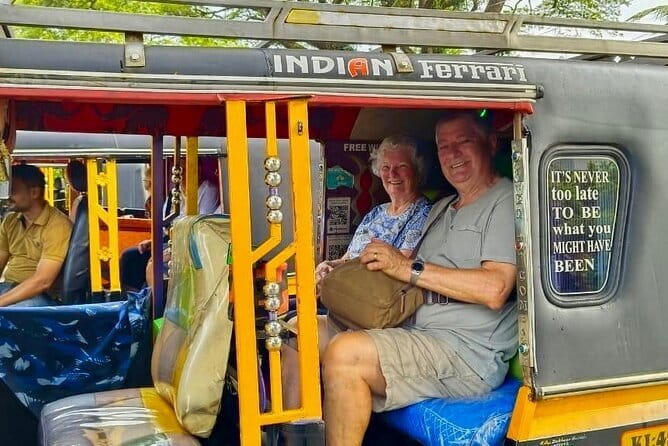
What makes this work particularly well for a cruise day is the pickup from the cruise terminal and the fact that it’s a private tour for your group (up to 3). You get a mobile ticket, a multilingual guide, and even a small photo moment taken as if you are driving the tuk tuk. I’d just plan your expectations for a “see the highlights up close” day, not a slow, unhurried Fort Kochi marathon.
In This Review
- Key Things That Make This Fort Kochi Tuk Tuk Tour Worth It
- Fort Kochi by Tuk Tuk: Built for Cruise-Time, Not Parking-Time
- Chinese Fishing Nets: The 14th-Century Photo Stop That Still Works
- Fort Kochi Beach: Quick Sea Air and Nets Silhouettes
- Dutch Cemetery Road: A Small Stop With Big Perspective
- Mattancherry Palace: Portuguese Gift, Hindu Epics on the Walls
- Church of Saint Francis: One of India’s Oldest European Churches
- Santa Cruz Basilica Cemetery Chapel: Gothic Lines and Stained Glass
- Paradesi Synagogue and Jew Town: Where Shopping and Story Intersect
- Cochin Spice Market: Seeing the Trading Hub Side of Fort Kochi
- Indo-Portuguese Museum: Where the Portuguese Influence Gets Concrete
- What About the Maritime Museum?
- How Long You’ll Spend, and Why That’s the Point
- The Small Extras That Make the Day Feel Like a Win
- Who This Tour Fits Best
- Should You Book This Fort Kochi Tuk Tuk Tour for Your Cruise Day?
Key Things That Make This Fort Kochi Tuk Tuk Tour Worth It

- Cruise terminal pickup means less hassle when your ship schedule is tight
- Private group up to 3 keeps the ride comfortable and personal
- Tickets included for key stops like Chinese fishing nets, Mattancherry Palace, and the Indo-Portuguese Museum
- Mix of Portuguese, Dutch, and local trading stops gives you a clear story of the town
- Long guide hours, short stop times is ideal when you have only 3 to 4 hours
Fort Kochi by Tuk Tuk: Built for Cruise-Time, Not Parking-Time
If your cruise leaves you with a few hours on land, Fort Kochi is the kind of place that can eat your time fast. The lanes are narrow, sights are spread out, and buses or taxis don’t always help you get close. That’s where the tuk tuk format really matters. You’re not just going from Point A to Point B. You’re riding through the streets at the human pace Fort Kochi deserves, and it makes the whole day feel like you’re actually in town, not passing through.
The value starts with the group setup. At about $27.85 per group (up to 3) for a private outing, you’re effectively buying convenience for your size of party. If you’re traveling as a couple or with one friend, this can be a noticeably better deal than joining a larger group where you’re stuck with someone else’s pace.
Then there’s the guide. The tour includes a multilingual guide, and the tone you’ll likely appreciate is practical and warm. In past experiences with drivers named Zakki and Zakeil, the big theme has been local knowledge and an easygoing style—no hard sell, and good patience if you need a moment to re-check where you are or decide what to do next.
You can also read our reviews of more tours and experiences in Kochi.



Chinese Fishing Nets: The 14th-Century Photo Stop That Still Works
The tour’s first anchor is the Chinese fishing nets, one of Fort Kochi’s most recognizable scenes. These nets were introduced by Chinese traders centuries ago, and they still operate using a cantilever system that depends on coordinated group effort. Seeing it up close is different from seeing it in a postcard because you notice the mechanics and the teamwork right away.
You’ll usually get about 30 minutes here, and admission is included. That matters because it prevents a last-minute scramble for entry fees or ticket lines while your cruise clock keeps ticking.
Practical note: the best moments are when the nets and fishermen are active. If you arrive and things are quiet, don’t panic. You’ll still get the view and the explanation of how this system works, and it’s worth taking a few photos from angles that catch both the nets and the sea backdrop.
Fort Kochi Beach: Quick Sea Air and Nets Silhouettes
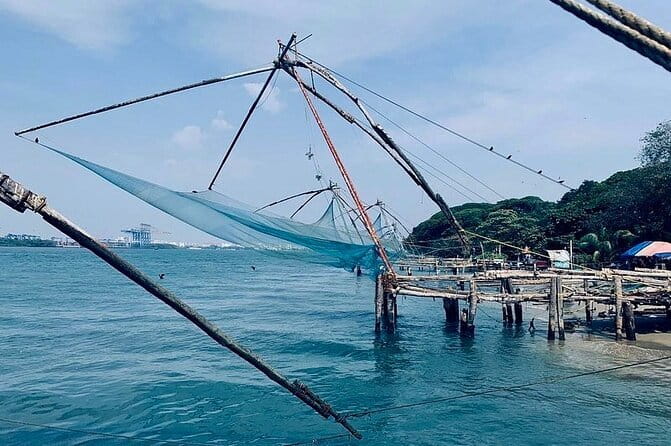
Next comes Fort Kochi Beach, with about 15 minutes on the sand. The payoff is the atmosphere. This is where the famous fishing nets often look like silhouettes against the Arabian Sea, especially around the softer light of late day.
Admission is free, so you’re not paying extra for a short break. In a cruise day schedule, these short pauses matter. A beach stop gives your brain a reset between churches and palaces, and you’ll appreciate it later when you’re trying not to rush through the next site.
If you get even a hint of wind off the water, that’s a nice reminder that Fort Kochi isn’t just a street-photo town. It’s connected to the sea in a way the rest of your itinerary will start to make sense of.
Dutch Cemetery Road: A Small Stop With Big Perspective
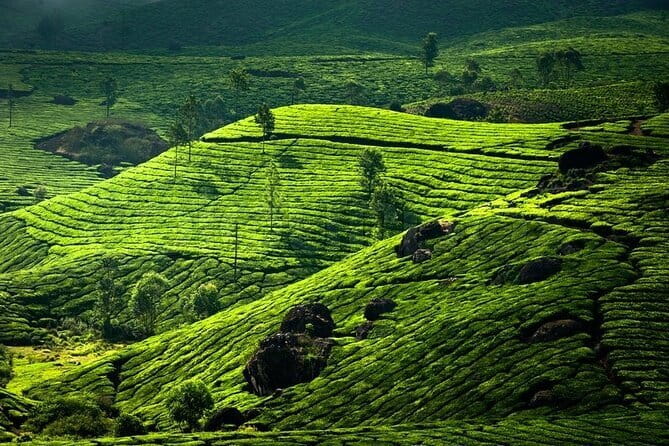
On Dutch Cemetery Road, you’ll see the Dutch Cemetery dating back to 1724. It’s described as the oldest European cemetery in India, and it holds tombstones linked to Dutch and British explorers, merchants, and soldiers. Even with only about 5 minutes, this stop is a powerful “how did this place connect to Europe?” moment.
The value here isn’t big museum time. It’s the contrast. You’ve just seen a fishing tradition tied to Chinese influence. Now you’re looking at a European imprint that shaped trade and settlement patterns. In a few short minutes, you get multiple layers of Fort Kochi’s story without turning the day into a lecture.
Admission is free, so the only thing you’re spending is attention.
Mattancherry Palace: Portuguese Gift, Hindu Epics on the Walls
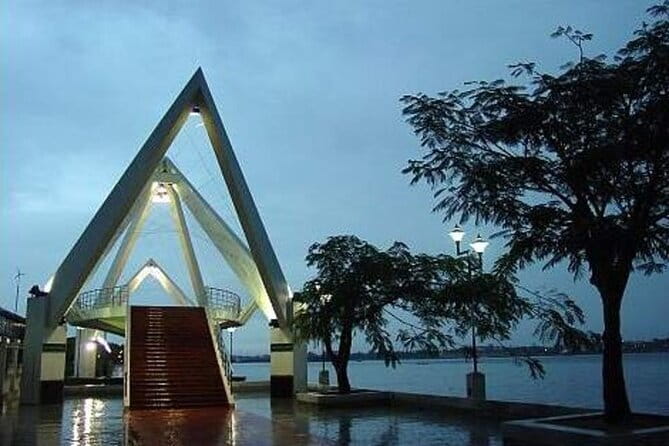
Mattancherry Palace is a highlight stop for many people, and for good reason. Built by the Portuguese in 1555 as a gift to the Raja of Kochi, the palace is especially known for its murals featuring scenes from Hindu legends like the Ramayana and Mahabharata.
You’ll have about 30 minutes, and admission is included. That time window is usually enough to appreciate the main mural themes and understand why this fusion matters. This is where Fort Kochi stops feeling like a list of separate monuments and starts feeling like a conversation between cultures.
What to watch for: don’t only photograph. Let the guide explain the mural scenes in plain language. When you get a few key details, the visuals make more sense, and you’ll feel like you saw the palace rather than just walked past it.




Church of Saint Francis: One of India’s Oldest European Churches
The next stop is Church of Saint Francis, built in 1503. It’s often noted as the oldest European church in India, and it was also the original burial site of Vasco da Gama before his remains were returned.
You’ll get around 20 minutes. Admission is free, which is helpful because it keeps your day focused on the sights that actually require paid entry time. Short church stops can feel fast, but the upside is that you’ll have energy for the next cathedral-style interiors.
Practical tip: churches can be cooler than the street outside. If you feel temperature swings, that’s normal. Keep a light layer if you get cold.
Santa Cruz Basilica Cemetery Chapel: Gothic Lines and Stained Glass

After Saint Francis, you’ll head to the Santa Cruz Basilica Cemetery Chapel. This is associated with Portuguese origins and later became a basilica. Expect Gothic architecture, and pay attention to the stained-glass windows and the decorated interior.
You’ll have about 15 minutes, and admission is free. This stop works well after Saint Francis because your eyes start recognizing different European styles. It’s not just “another old church.” It’s more like a quick architectural comparison, and that helps you absorb it faster during a cruise day.
Paradesi Synagogue and Jew Town: Where Shopping and Story Intersect

Jew Town is part of the atmosphere of Fort Kochi, and the tour includes Paradesi Synagogue—constructed in 1568 and noted as the oldest active synagogue in the Commonwealth. You’ll spend about 15 minutes and admission is free.
This stop is also nicely timed with the surrounding neighborhood feel: spice markets, antique-type shopping streets, and general local trade energy. Even if you don’t buy anything, you’ll come away with a clearer sense of how communities layered into the city’s commercial life.
The practical angle: with short time on shore, having the synagogue visit within a guided loop beats trying to hunt it down on your own. You get context without navigating the maze first.
Cochin Spice Market: Seeing the Trading Hub Side of Fort Kochi
Then comes Cochin Spice Market, with about 15 minutes. Fort Kochi’s spice trade is one reason the town became a magnet for traders over centuries, and you’ll see the variety reflected in what’s sold—cardamom, cinnamon, pepper, and other spices.
Admission is free. The guide helps here, because spices can look like just colors and piles until you understand how the trade works. A good guide points out how you should think about what you’re seeing: aroma, forms, typical uses, and why certain items show up repeatedly in local markets.
Also, one of the most appreciated bits from guide experiences is their patience. Some guides you might encounter—like Shakeer in earlier shopping-focused outings—are known for helping people shop without turning it into a pressured sales session. If you want the market stop as a sensory experience, you can do that. If you want a few purchases, you can do that too, at a pace that doesn’t feel forced.
Indo-Portuguese Museum: Where the Portuguese Influence Gets Concrete
Your final major museum stop is the Indo-Portuguese Museum, housed in the Bishop’s House. This is one of those places that helps you connect dots instead of just checking boxes.
You’ll get about 25 minutes, and admission is included. The museum highlights Portuguese influence in Fort Kochi’s art, culture, and religion, with items like altars, statues, and vestments. It’s a solid way to end the tour because your earlier church and palace stops become more meaningful after you see Portuguese religious and artistic artifacts in one place.
If your energy is running low at this point, that’s normal. Still, even a shorter museum visit here tends to land well, because the objects are tangible and the guide can explain them clearly.
What About the Maritime Museum?
The tour does not include entry into the Maritime Museum, but you’ll have the option to visit it separately if you want. If you’re the type who loves ships, trade routes, and ports, it might be worth adding—just keep in mind your main itinerary is already built around a 3 to 4 hour cruise-day schedule.
If you choose Maritime Museum, ask your guide how it affects timing for the rest of your loop, since some stops are fixed-length.
How Long You’ll Spend, and Why That’s the Point
Overall duration is 3 to 4 hours. The stop timing is intentionally tight—Chinese fishing nets take 30 minutes, the rest range from 5 to 30 minutes. That’s not an accident. It’s designed around what you can realistically do between getting off your ship and getting back before the all-aboard call.
You’ll probably feel you’ve seen a lot, but you won’t feel stranded. The tuk tuk ride helps you move quickly without losing the local street feel. And because it’s private, you can adjust pacing a bit inside that schedule.
The Small Extras That Make the Day Feel Like a Win
A few details included with the tour are more useful than they sound at first:
- Coffee and/or tea: a gentle reset mid-tour.
- A photo taken as if you are driving the tuk tuk: simple, fun, and you don’t need to ask strangers.
- Multilingual guide: helpful if your group language needs flexibility.
- Mobile ticket: reduces paper fiddling during a cruise day.
From the guide experiences shared by people who used drivers like Zakki, Zakiel, and Shakeer, the vibe has consistently been friendly, safe driving, and local insight that helps you interpret what you’re seeing. One person even mentioned that the guide tailored the day to their needs, which is exactly what you want when your time ashore is limited.
Who This Tour Fits Best
This tour is a strong match for:
- Cruise passengers who need a highlights route without stressful navigation
- Couples and small groups (up to 3) looking for a private outing
- People who like a balanced mix of religious sites, colonial-era landmarks, and local markets
- Anyone who wants a guide to connect the dots so the day feels coherent
If you’re the kind of traveler who wants long stays, repeat visits, and lots of time to read every sign, you might find the pacing a bit quick. For that style, you’d be better off pairing Fort Kochi with more time ashore on a non-cruise trip.
Should You Book This Fort Kochi Tuk Tuk Tour for Your Cruise Day?
I’d book it if you want a Fort Kochi day that feels efficient and personal. The price works especially well for small groups, and the mix of stops covers the key “why Fort Kochi matters” themes: sea life, European influence, and trade-driven culture.
I would hesitate only if you know you hate short stop durations. Otherwise, this is the kind of outing that makes a limited landing day feel full.
If you do book, tell your guide what you care about most—churches, markets, or the maritime angle—and you’ll get the best version of the tour for your taste.