REVIEW · KOCHI
Kochi: Tuk-Tuk Tour with Cruise Ship Pickup
Book on GetYourGuide →Operated by Forte Kochi Tuk-Tuk Tour · Bookable on GetYourGuide
Kochi moves fast, but this tuk-tuk tour keeps up. You get an easy cruise-ship pickup at Willingdon Island, then ride with a friendly English-speaking driver who helps you make sense of Fort Kochi and Mattancherry in just five hours. The route is packed with the kind of sights you’d otherwise need two different days to coordinate.
What I like most is how much you cover without feeling rushed: St. Francis CSI Church plus the Jewish Quarter and Jew Town spice area all land in one clear circuit. I also really liked the practical flavor guidance from the guide—food stops and what to try come from local recommendations, not guesswork.
One catch: it’s not suitable for wheelchair users, and you’ll want comfortable shoes because there’s walking between stops and you’ll likely be in sun at times.
In This Review
- Why This Kochi Tuk-Tuk Tour Feels Built for Cruise Days
- Cruise-Ship Friendly Pickup at Willingdon Island
- Chinese Fishing Nets to Fort Kochi Beach: Your First Real Sense of Place
- St. Francis CSI Church and the Dutch Cemetery: Old World Spiritual Layers
- Dhobi Khana Public Laundry: Watching Daily Life at Work
- Santa Cruz Cathedral Basilica: A Colorful Religious Landmark
- Mattancherry Palace and Paradesi Synagogue: Two Big Chapters in One Stretch
- Jew Town and the Spice Market: Trade Culture You Can Taste
- Street Art, Crafts, and Souvenir Stops That Don’t Feel Like Hard Sales
- Food Recommendations from Your Guide: How to Get Real Local Choices
- Time Management: What Five Hours Looks Like in Real Life
- Price and Value: Is $18 a Fair Deal?
- Who This Tour Suits (and Who Might Want a Different Plan)
- Final Call: Should You Book This Kochi Tuk-Tuk Tour?
- FAQ
- How long is the Kochi tuk-tuk tour?
- Where does the pickup happen?
- What are the main sights included?
- Is the tour private or shared?
- Is there a live guide and what language is it in?
- Does the price include meals?
- Are entrance fees included?
- Will I need to wait in line for tickets?
- What should I bring?
- Is this tour suitable for wheelchair users?
Why This Kochi Tuk-Tuk Tour Feels Built for Cruise Days
- Cruise-ready pickup at Willingdon Island with a name placard at the exit gate of the terminal
- A private group setup, so pacing and questions stay under your control
- Fort Kochi to Mattancherry in one loop: Chinese Fishing Nets, churches, cemetery area, palace, synagogue
- Jew Town + spice market time for Kerala trade culture, not just quick photos
- Art, crafts, and souvenir stops plus guide-led food suggestions
- Short, focused sightseeing blocks (most stops are about 15–20 minutes) that fit the cruise timetable
Cruise-Ship Friendly Pickup at Willingdon Island
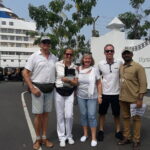
If your ship docks in Kochi and you want a plan that won’t get derailed by traffic or timing, this tour’s structure is the point. Pickup is at Willingdon Island, and the driver meets you at the exit gate of the Cochin International Cruise Terminal with a name placard. That reduces the usual stress of hunting for your transport while everyone else is doing the same.
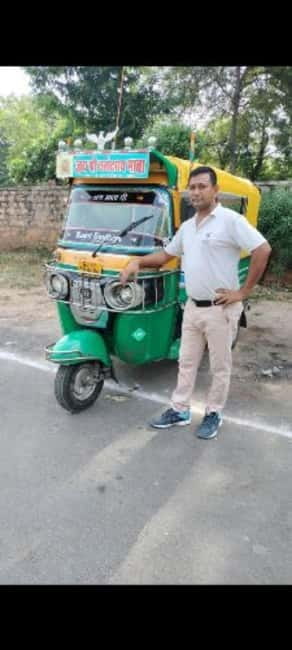
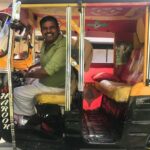
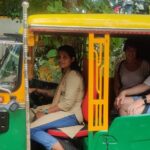
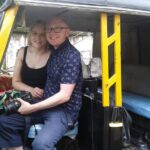
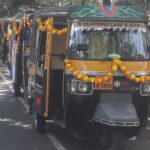
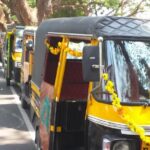
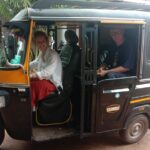
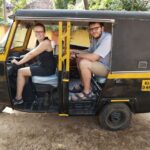
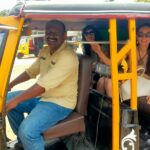
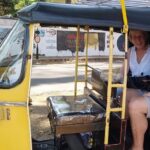
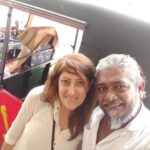
The ride itself is in a traditional tuk-tuk, and you’ll spend short stretches on the road between sights—enough to reset your legs, but not so much that the day turns into commuting. It’s a private group tour with live English guidance, so you can ask what you want to know instead of listening to a fixed script.
A nice bonus: the tour includes skipping the ticket line. That matters in busy ports, because even a small delay can make you feel like you’re racing your own day.
You can also read our reviews of more tours and experiences in Kochi.
Chinese Fishing Nets to Fort Kochi Beach: Your First Real Sense of Place
The first major stop is the Chinese Fishing Nets, with about 20 minutes for sightseeing. Even if you’ve seen pictures before, being there helps you understand why these nets are such a Kochi signature. It’s the kind of coastal landmark that instantly gives you a feel for how the city sits between sea life and long-distance trade routes.
You then head toward Fort Kochi Beach for another short sightseeing window. This is a good moment to slow down and take photos without committing to a long beach detour. Think of it as a visual palate cleanser after a landmark visit—ocean air, wide views, and a chance to spot where your next streets will take you.
If you’re coming during hot weather, treat these early outdoor blocks like a warm-up: wear sunscreen, and keep that hat handy. You’ll thank yourself later when you’re walking through market streets.
St. Francis CSI Church and the Dutch Cemetery: Old World Spiritual Layers
Next up is St. Francis CSI Church, India’s oldest European church. Plan on using your 20 minutes well here. This is one of those places where the setting matters as much as the building. Look for details, notice how the architecture reads, and let the guide connect it to Kochi’s longer European and maritime connections.
After that, you’ll also spend time around the Dutch Cemetery area. This is the kind of stop that can feel quiet compared to markets, but it’s important context. It helps you understand that Kochi didn’t just receive ships—it held onto their stories, people, and communities over time.
Practical note: this is still a walking-and-standing kind of stop. Comfortable shoes help, and keep your phone camera settings ready if the lighting swings between shade and open spaces.
Dhobi Khana Public Laundry: Watching Daily Life at Work
One of the most memorable parts of the tour for many people is the stop at Dhobi khana public laundry. This isn’t a staged photo set. It’s a place tied to everyday life, and it gives you that honest, off-the-postcard view that makes cities feel real.
One rider called it an eye opener, and that reaction makes sense: when you see large-scale laundry work in a public setting, your brain stops treating travel as just scenery. It turns into people, routines, and city infrastructure.
Because it’s a working public area, be respectful with filming and keep an eye on where you step. You’ll likely get a quick orientation from your guide—what you’re seeing, why it matters, and how it fits into Fort Kochi’s neighborhood rhythm.
Santa Cruz Cathedral Basilica: A Colorful Religious Landmark
After the laundry stop, you’ll visit Santa Cruz Cathedral Basilica for about 20 minutes. This is another moment where Kochi’s history shows up in religion and architecture—different influences layered over the same coastline city.
The time here is short, which is exactly right for cruise-day touring. You get enough time to look around, take photos, and understand the basics, without turning your day into a long church crawl.
If you’re the type who likes to linger, keep it in check. Your day still includes Mattancherry Palace, Paradesi Synagogue, and Jew Town markets—so the best strategy is to enjoy, then move on while you still have energy.


Mattancherry Palace and Paradesi Synagogue: Two Big Chapters in One Stretch
Then you head to Mattancherry Palace for about 20 minutes. This stop is valuable because it’s more than a pretty building—it’s tied to how power and trade shaped the region. Palace architecture tends to “read” differently once you’ve already seen the churches and cemetery area. You start seeing the whole city as connected layers, not isolated landmarks.
After that comes Paradesi Synagogue, again with time to slow down and look. This is one of the signature stops of the day: a historic Jewish place of worship tied to Kochi’s commercial history. If you care about how communities move with trade routes, this is the point where the tour really turns from scenery into context.
As you stand in these places, notice how the guide’s role changes. Early on, they help you find and recognize. Here, they connect the dots—how Fort Kochi and Mattancherry became meeting points for different groups over centuries.
Jew Town and the Spice Market: Trade Culture You Can Taste
Next, you spend time in Jew Town, Kochi, followed by the spice market. These stops are where the tour becomes sensory. Streets, shopfronts, and the everyday logic of commerce take over.
Jew Town matters because it keeps the old identity of the area visible. It’s not just a synagogue stop—it’s a neighborhood feel, with streets that still make sense in the context of the community that shaped them.
Then you move into the spice market, where Kerala’s trading past comes through in everyday sights and smells. You’ll have time for shopping and browsing, and the day is designed with souvenir stops in mind. There are also stops for traditional Kerala handicrafts and art, which gives you a chance to pick up small items that don’t feel like generic tourist ware.
Tip: go into the market with a small budget and a simple goal—one or two things you’ll actually use or gift. Markets can stretch your attention fast, especially when you’re also trying to photograph everything.
Street Art, Crafts, and Souvenir Stops That Don’t Feel Like Hard Sales
One of the best parts of the tour is how it mixes “big landmarks” with smaller design-focused moments. You’ll see street art and traditional handicrafts, plus time in artisan shops for souvenirs.
This works because Kochi isn’t only about famous churches or historic synagogues. The city also expresses itself in the way people make things now—signs, murals, crafts, and small objects sold by people who do this work for a living.
You don’t need to be a hardcore shopper to enjoy these stops. Even if you only buy one small item, it gives you something to carry home that feels connected to the places you saw.
Food Recommendations from Your Guide: How to Get Real Local Choices
This tour doesn’t include meals, but it does include local food recommendations. That’s a different kind of value. Instead of spending your cruise-day hours wandering hungry and confused, you can ask what makes sense based on what you’re actually seeing that day.
A useful mindset: treat the guide’s food suggestions like a short list of options, not a strict itinerary. If you see street snacks during your walk, that’s where you can match your tastes—quick bites vs. something more filling.
One rider even asked the guide to take them to a massage stop, and the result was fantastic. That tells me the guide is open to reasonable requests when they fit the schedule, not locked into only the brochure route.
So if you have a personal priority—something like a snack you’ve been craving or a short detour for relaxation—ask early.
Time Management: What Five Hours Looks Like in Real Life
This whole experience is about five hours, and the tour structure reflects that. Most sightseeing windows are around 15–20 minutes, with two tuk-tuk rides of about 25 minutes each during the day.
That timing can feel short if you expect museums or long walks. But for cruise days, short blocks are the smart choice. You get a tour that hits major Kochi themes—Portuguese/European layers, Jewish community landmarks, coastal identity, and spice trade culture—without banking the entire day on one slow stop.
The trade-off is simple: you won’t have time for deep study at every location. Instead, you get a guided orientation, and you can decide later if a second visit is worth extra time.
Price and Value: Is $18 a Fair Deal?
At $18 per person, this tour is priced like a practical orientation, not a luxury sightseeing day. What pushes the value up is that you’re paying for more than a ride:
- Pickup and drop-off from your cruise ship point
- a live English guide
- transport via tuk-tuk
- planned visits through Fort Kochi and Mattancherry plus Jew Town and spice market time
- skip-the-line benefit for your stops
- art/crafts/souvenir stops and food guidance
Meals and drinks are not included, so you’ll still want to budget for snacks or a drink. Also, entrance fees for optional attractions like museums aren’t included. But for the core landmarks on this route, the package is built to keep you moving.
If you’re short on time in Kochi and you want maximum city contrast—coast, churches, synagogue, neighborhood streets, markets—this price tends to make sense. If your priority is long beach time or deep museum hours, you may feel boxed in by the schedule.
Who This Tour Suits (and Who Might Want a Different Plan)
This works especially well for:
- Cruise passengers who need a dependable plan from dock to return
- First-timers who want major Kochi landmarks plus neighborhood market energy
- People who like compact tours with time for shopping and snack decisions
- Anyone who enjoys street life context, not only monuments
It’s less ideal if:
- You use a wheelchair (it’s not suitable for wheelchair users)
- You want mostly museum-level time rather than guided landmark orientation
- You prefer long, slow walking stretches over short sightseeing windows
Final Call: Should You Book This Kochi Tuk-Tuk Tour?
I’d book it if you’re docking in Kochi and want a high-impact day that covers Fort Kochi and Mattancherry without complicated logistics. The cruise pickup at Willingdon Island is a strong reason alone, and the combination of St. Francis Church, Paradesi Synagogue, Jew Town, and the spice market gives you a tour that feels like a real slice of Kochi, not just a checklist of famous stops.
I’d skip it if you know you’ll want long museum hours or lots of wheelchair-friendly flexibility. In that case, you’ll be happier with a different kind of tour that matches how you move and how long you want to stay in one place.
If you do book, come ready with comfortable shoes and a hat. And when you’re with your guide, don’t be shy—ask for food suggestions based on what you like, and if there’s a reasonable add-on like a massage stop, you may be able to fit it in.
FAQ
How long is the Kochi tuk-tuk tour?
It lasts about 5 hours.
Where does the pickup happen?
Pickup is at Willingdon Island, with the driver meeting you at the exit gate of the Cochin International Cruise Terminal with a name placard.
What are the main sights included?
You’ll visit Chinese Fishing Nets, Fort Kochi Beach, St. Francis CSI Church, Dhobi khana public laundry, Santa Cruz Cathedral Basilica, Mattancherry Palace, Paradesi Synagogue, Jew Town, and the spice market, along with art and craft/souvenir stops.
Is the tour private or shared?
It’s a private group.
Is there a live guide and what language is it in?
Yes, it includes a live tour guide in English.
Does the price include meals?
No. Meals and drinks are not included, but the guide provides local food recommendations.
Are entrance fees included?
Entrance fees for optional attractions like museums are not included. The tour includes visits to historical landmarks in Fort Kochi and Mattancherry.
Will I need to wait in line for tickets?
No. It includes skipping the ticket line.
What should I bring?
Wear comfortable shoes and bring a hat. Sunscreen and a camera or phone for photos are recommended.
Is this tour suitable for wheelchair users?
No, it is not suitable for wheelchair users.