REVIEW · KOCHI
Funny and helpful Tuk Tuk Tour in Kochin
Book on Viator →Operated by Friendly Tuk Tuk Tour · Bookable on Viator
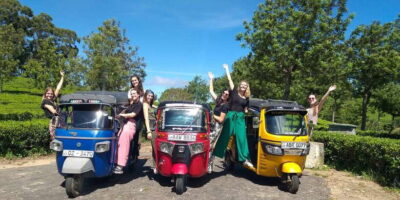
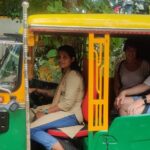
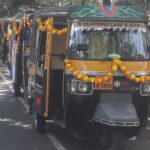
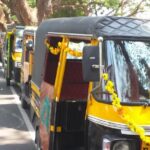
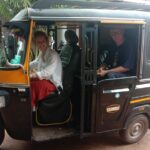
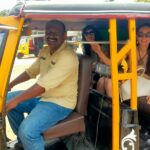
One tuk-tuk can do a lot of Kochi. This private ride turns a tight afternoon into an easy circuit of Fort Kochi classics, with a local driver who explains what you’re looking at and helps you shape the route to your interests. I like that it’s private transportation, so you avoid the awkwardness of waiting on strangers in crowded streets.
Two things I’d highlight: you get a driver-led tour that connects landmarks (nets, churches, synagogues, temples) to the trading and cultural mix that made Kochi what it is. And the timing is smart—3 to 4 hours is long enough to see real highlights, but short enough that the day stays flexible for markets and food.
One consideration: some stops are churches, museums, and places of worship, and plans can shift based on time and what you want to add. Also, if you’re not interested in shopping detours, keep your preferences clear from the start.
In This Review
- Key things that make this tuk-tuk tour worth your time
- A private tuk-tuk orientation around Fort Kochi
- Price and group size: what you’re paying for (and why it can be good value)
- Getting the route right with a driver who will actually listen
- Stop 1 to 4: Chinese Fishing Nets, Fort Kochi Beach, and the Portuguese footprint
- Chinese Fishing Nets: an old trading link made visible
- Fort Kochi Beach: quick reset, sea views, sunset potential
- Church of Saint Francis: Portuguese-Gothic style and Vasco da Gama’s tomb
- Dutch Cemetery: quiet graves and carved stone work
- Stop 5 to 8: Dhobi Khana laundry culture, Santa Cruz Cathedral, the Indo-Portuguese Museum, and Mattancherry Palace
- Dhoby Khana Public Laundry: watching daily life happen
- Santa Cruz Cathedral Basilica: wooden interior details and stained glass
- Indo-Portuguese Museum: artifacts that connect two cultures
- Mattancherry Palace: Dutch-Portuguese-Kerala style in one building
- Stop 9 to 13: Paradesi Synagogue, two temple stops, Jew Town, and the Cochin Spice Market
- Paradesi Synagogue: tiles, chandeliers, and old Torah scrolls
- Cochin Thirumala Devaswom Temple: carved pillars and a calm atmosphere
- Jain Temple: quiet carvings and devotion
- Jew Town: wandering old streets and spotting history in everyday spaces
- Cochin Spice Market: the smell hit and the trade story in motion
- Timing, walking, and comfort for a 3–4 hour loop
- Where it fits in your Kochi plan
- Should you book Friendly Tuk Tuk Tuk Tour in Kochi?
- FAQ
- How long is the tuk-tuk tour in Kochi?
- Is the tour private?
- How much does it cost?
- How many people can be in a group?
- Is pickup included?
- Do I get a ticket on my phone?
- Are entrance fees included?
- What stops are included on the route?
- Can the route be customized?
- What if I need to cancel?
Key things that make this tuk-tuk tour worth your time
- Private tuk-tuk for your group (not a shared van scene), with a local driver guiding the route.
- Customizable itinerary so you can trade time between history stops, viewpoints, and food/spice moments.
- Fort Kochi + Mattancherry highlights in one loop, so you don’t waste half a day crossing town.
- Tight but workable visit windows (about 10–20 minutes per stop) that keep you moving.
- Mobile ticket and pickup available, which makes the whole start smoother.
- Several major entry points are built into the route—but confirm what’s covered for your exact booking.
A private tuk-tuk orientation around Fort Kochi
Kochi can feel like three cities stitched together: old trading streets, church-and-port history, and Kerala neighborhood life. The best way to get your bearings fast is to ride with someone who understands the geography and the stories.
This tour uses a private tuk-tuk, which matters more than it sounds. You’re not negotiating your way through traffic with a map app and then hoping the busyness will loosen up when you reach the sights. Instead, you move stop-to-stop on a route designed for the Fort Kochi area, with extra Mattancherry and Jew Town time folded in.
Your driver isn’t just a driver. The whole concept is learn Kochi from the tuk-tuk driver, with explanations that help you read what’s in front of you: why nets sit offshore in a certain way, why a Portuguese-built structure looks the way it does, and why multiple religions have such visible footprints in close walking distance.
You can also read our reviews of more tours and experiences in Kochi.



Price and group size: what you’re paying for (and why it can be good value)
The price is listed as $16.74 per group. The passenger cap is shown two ways in the details you’ll see: up to 3 in one place and up to four in another. Before you book, check the exact maximum passenger count displayed at checkout.
Either way, this is a per-group model, not per person. So the value depends on how you travel:
- If you’re a couple or small group, this tends to be a strong deal for a guided loop of major sights.
- If you’re traveling solo, you’re still paying for a private vehicle, so it’s worth it only if you want the convenience and driver-led storytelling.
One more practical point: the tour includes information about the places, but entrance charges can be a separate line item depending on the site. Since the route lists several stops with admission tickets marked as included, I’d treat it as partially covered and then confirm your booking terms for the specific attractions you care most about.
Getting the route right with a driver who will actually listen
This kind of tour only works if the driver adapts. Here, customization is explicitly part of the deal. That means you should start with two things in mind:
1) What you want most: churches, synagogues, temples, seafood views, spices, or everyday life.
2) Your walking comfort level. Even with a vehicle, you’ll still spend time on short walks and photo stops.
It’s also where a good driver makes the difference. People who have guided this route (like Shoaib, Haris, Nishad, and Aaru) are praised for clear communication and friendly energy, plus for making sure you’re safe and not rushing through details you want to linger on.
If you’re into food or traditional crafts, I’d ask for one relevant detour that fits your interests. A memorable theme from past experiences is seeing how local staples get made from scratch—like pappadam preparation or sambol-style spice work—rather than only checking boxes at monuments.
Stop 1 to 4: Chinese Fishing Nets, Fort Kochi Beach, and the Portuguese footprint
Chinese Fishing Nets: an old trading link made visible
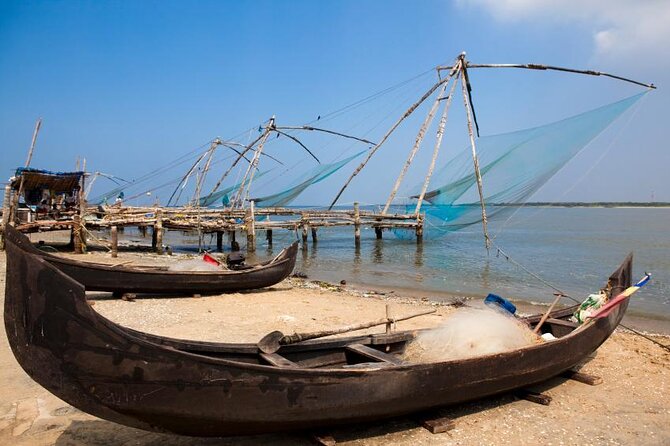
Your first proper landmark is the Chinese Fishing Nets. These massive, stationary nets are a famous Fort Kochi icon and connect to the 14th-century Chinese trade links that shaped the area. What’s worth your attention here isn’t only the photo. Look at how the nets work as part of the shoreline and think about why they stayed so long.
Practical tip: come with a watchful eye. The nets look simple, but once you understand the relationship between shoreline, tide, and fishing gear, they stop being just scenery.



Fort Kochi Beach: quick reset, sea views, sunset potential
Next up is Fort Kochi Beach. This is your breather stop with Arabian Sea views. It’s short (about 20 minutes), so treat it like a calm pause for photos and a quick walk—not a long beach day.
Why it’s smart in a tour like this: you get a coastal reset after the nets, and then you’re ready to move inland again for churches and colonial-era sites.
Church of Saint Francis: Portuguese-Gothic style and Vasco da Gama’s tomb
Then comes the Church of Saint Francis, a 16th-century structure often noted for European-style architecture in India. The standout detail for visitors is how it blends Portuguese and Gothic influences—and the tomb of Vasco da Gama, which makes this stop feel historically weighty even during a short visit.
Consideration: religious sites can have rules about dress and behavior. Wear something respectful and keep your head covered if needed.
Dutch Cemetery: quiet graves and carved stone work
After that, the Dutch Cemetery slows everything down. You’ll see intricately carved tombstones and graves of Dutch and other European settlers, dating to the 17th and 18th centuries. Even with limited time, this stop hits because it’s peaceful and because the setting makes colonial history feel human, not abstract.
Photo note: use a steady pace here. It’s easy to walk fast and miss the stone details.
Stop 5 to 8: Dhobi Khana laundry culture, Santa Cruz Cathedral, the Indo-Portuguese Museum, and Mattancherry Palace
Dhoby Khana Public Laundry: watching daily life happen
Dhoby Khana Public Laundry is one of the most interesting cultural pauses on the route. Dhobis (washermen) have been scrubbing clothes by hand for generations, and watching the process gives you a living window into how daily life works in Kochi.
This is one of those stops that works even if you’re not a history buff. You’ll see skills, rhythms, and local routine—real texture, not only monuments.
Santa Cruz Cathedral Basilica: wooden interior details and stained glass
Santa Cruz Cathedral Basilica brings the Portuguese-era architecture back into focus. This 16th-century basilica was Portuguese-built, later elevated to cathedral status, and visitors tend to notice the ornate woodwork, altars, and stained-glass windows.
The value of adding a cathedral like this on a short tour is contrast. You’re moving from nets and graves into something designed to inspire awe and keep faith visible in architecture.
Indo-Portuguese Museum: artifacts that connect two cultures
Then there’s the Indo-Portuguese Museum. If you like context, this is where the Portuguese influence stops being just architecture and starts becoming artifacts, art, and relics tied to the period of cultural exchange.
Because your stop time is limited (about 20 minutes), aim to focus on what aligns with your curiosity: trade, religion, or everyday objects.
Mattancherry Palace: Dutch-Portuguese-Kerala style in one building
Mattancherry Palace is the next major anchor. The palace is Portuguese-built and gifted to the Kochi Maharaja, and it’s famous for its blend of Dutch, Portuguese, and Kerala architectural styles.
In a tour like this, Mattancherry Palace is more than a pretty building. It’s proof of how Kochi absorbed outside influences while still keeping local design language. That mix is what ties the whole trip together.
Stop 9 to 13: Paradesi Synagogue, two temple stops, Jew Town, and the Cochin Spice Market
Paradesi Synagogue: tiles, chandeliers, and old Torah scrolls
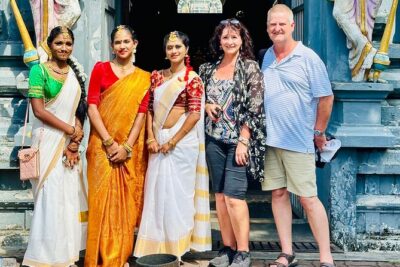
Paradesi Synagogue is a standout stop if you’re curious about Kochi’s Jewish community and early synagogues. You’ll see intricate tiles, ornate chandeliers, and ancient Torah scrolls.
Even if you’re not religious, it’s a great cultural read. The building shows how communities expressed identity through craftsmanship and sacred objects.
Cochin Thirumala Devaswom Temple: carved pillars and a calm atmosphere
Cochin Thirumala Devaswom Temple is another different flavor: traditional Kerala architecture dedicated to Lord Krishna. Expect ornate wood carvings and pillars, plus a sense of calm compared with the busier market streets.
This stop is valuable because it balances the Portuguese and European-era influences with deeper local architectural tradition.
Jain Temple: quiet carvings and devotion
The Jain Temple adds yet another faith perspective. The focus here is on intricate carvings and sculpture work, plus the tranquil feeling of a space built for devotion.
If you’re trying to understand Kochi as a layered city rather than a single-theme destination, these two temple stops help.
Jew Town: wandering old streets and spotting history in everyday spaces
Then you’ll spend time in Jew Town. This is a neighborhood-style wander: colonial-era touches, small shops, and historic landmark areas. It’s ideal when you want to slow down and watch how the streets feel, not just how they look.
Keep your pace easy. Short visit windows can make you feel rushed, especially in narrow lanes.
Cochin Spice Market: the smell hit and the trade story in motion
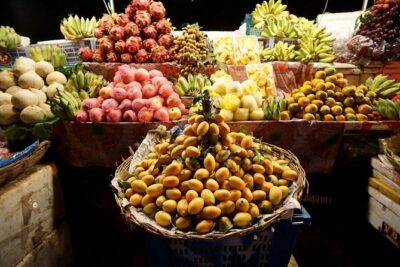
Finally, Cochin Spice Market gives you the sensory payoff. The air filled with spice scents isn’t just a sales pitch—it connects directly to Kochi’s identity as a long-time trading port.
Your stop here is short (about 10 minutes), so go in with a plan:
- If you want to buy, decide what you’re after before you enter.
- If you only want to browse, keep your camera ready and expect smells to be strong.
Timing, walking, and comfort for a 3–4 hour loop
This experience runs about 3 to 4 hours. Each stop is brief, usually around 10 to 20 minutes, so you’ll be moving. That’s the whole trade: you’ll see many highlights, but you won’t have hours inside each site.
To make it easier:
- Wear comfortable shoes. Even short walking segments add up.
- Bring water. Kochi’s warmth can sneak up during a packed loop.
- Keep your phone charged. You’ll want photos at nets, cathedrals, synagogue interiors (where allowed), and carved stonework.
If you want extra time at one place, ask your driver early. The customization option exists so you can protect the stops that matter most to you.
Where it fits in your Kochi plan
This is a great first-day or early-afternoon activity if you want to understand Fort Kochi and Mattancherry without getting lost. It also works well as a history-and-culture add-on even if you’re mostly in Kochi for food.
Pair it with:
- A relaxed dinner afterward in the Fort Kochi area.
- A second, slower walk through one neighborhood you liked best—Jew Town or around the churches—so you can linger where the tuk-tuk stops briefly.
If you’re in Kochi for only a day, this route helps you cover major landmarks efficiently, while still leaving you time for personal exploring.
Should you book Friendly Tuk Tuk Tuk Tour in Kochi?
Book it if you want:
- A private tuk-tuk that’s efficient and driver-guided.
- A quick sampler of Kochi’s main sights across Fort Kochi, Mattancherry, and Jew Town.
- A customizable route that adapts to your interests, not a rigid script.
Skip it or at least reconsider if:
- You hate shopping-style detours. In busy tourist corridors, you may get nudged toward stores. Make your preferences clear early.
- You expect long, sit-down museum time. This is a moving loop, so deep study is limited by design.
Overall, if you want an easy way to read Kochi’s layered culture in a single afternoon, this is a strong choice—especially for couples and small groups who value convenience and a friendly, story-driven guide.
FAQ
How long is the tuk-tuk tour in Kochi?
The tour runs about 3 to 4 hours.
Is the tour private?
Yes. It’s private transportation for just your group.
How much does it cost?
It’s listed at $16.74 per group.
How many people can be in a group?
The details show a group size cap of up to 3 in one place and up to four in another. Check your exact booking page for the final number.
Is pickup included?
Pickup is offered.
Do I get a ticket on my phone?
Yes, the experience includes a mobile ticket.
Are entrance fees included?
The general listing says charges to visit places are not included, but the route notes admission tickets included for several stops. Confirm what’s covered for your selected stops.
What stops are included on the route?
The route includes the Chinese Fishing Nets, Fort Kochi Beach, Church of Saint Francis, Dutch Cemetery, Dhoby Khana Public Laundry, Santa Cruz Cathedral Basilica, Indo-Portuguese Museum, Mattancherry Palace, Paradesi Synagogue, Cochin Thirumala Devaswom Temple, Jain Temple, Jew Town, and the Cochin Spice Market.
Can the route be customized?
Yes. Customizable routes are available based on your interests.
What if I need to cancel?
You can cancel for a full refund if you cancel at least 24 hours before the experience’s start time. If you cancel within 24 hours, the amount paid is not refunded.