REVIEW · CHIANG MAI
Chiang Mai Temples and Market Tuk Tuk Night Tour
Book on Viator →Operated by WanderSiam Chiang Mai · Bookable on Viator
Night temples make Chiang Mai feel calm and special. I like the tuk-tuk ride because it keeps walking light and makes photo stops easy without tiring you out, and I also like that the evening ends in the Night Bazaar with time for real street-food browsing. The temples look especially good after sunset, and a good guide can turn quick stops into stories you’ll remember.
In This Review
- The one thing to watch: extra temple fees and time
- If you’re flexible, this is an easy win
- Key things I’d keep in mind before you go
- Why Chiang Mai’s night temples feel worth your time
- Price and value: what you’re paying $34.23 for
- Meeting point and the evening flow: how it actually feels
- Wat Phra Singh after sunset: Lion Buddha vibes and what to bring
- Wat Phan Tao and Wat Chedi Luang: old structures with big atmosphere
- Wat Lok Molee and the shift toward the Night Bazaar
- Night Bazaar time: street food meal, dessert, and shopping reality
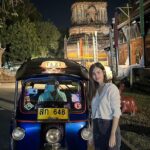
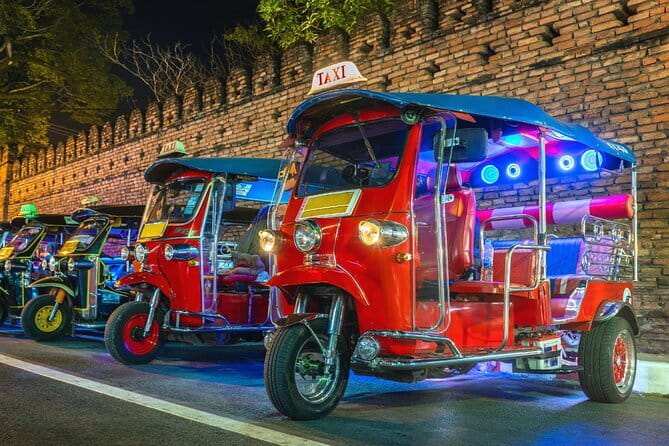
- Tuk-tuk comfort and photo strategy for temple evenings
- Group size, guide style, and why English narration matters
- Who this tour is best for
- Should you book this Chiang Mai Temples and Market Tuk-Tuk Night Tour?
- FAQ
- What is the tour price?
- How long is the tour?
- What entrance fees are not included?
- What’s included in the tour price?
- Where do I meet, and when does it start?
- What happens if it rains?
The one thing to watch: extra temple fees and time
The tour price is fair, but two big temples cost extra: Wat Phra Singh and Wat Chedi Luang each require THB 50 per person, paid in cash the day of the tour. Also, while the tour is listed as about 4 hours, the on-the-street pacing can run shorter depending on the group.
If you’re flexible, this is an easy win
This is the kind of evening plan that works when you want culture without over-planning. You get a guided route around the old city area, temple views in evening light, and then a smooth handoff to dinner and shopping at the market.
You can also read our reviews of more tours and experiences in Chiang Mai.
Key things I’d keep in mind before you go
- Tuk-tuk transport with low walking: you can see a lot without spending the whole evening on your feet
- Temple tickets split into included vs. paid: Wat Phan Tao and Wat Lok Molee are free, but Wat Phra Singh and Wat Chedi Luang cost extra
- Night lighting improves photos: temples look dramatic when lit up after sunset
- Street-food meal plus dessert: you’re not just sightseeing—you get fed
- A small group size: the tour caps at 12 travelers, so the pace stays manageable
- Guide quality matters: names that came up include Tik, Saman, Nancy, and Jane
Why Chiang Mai’s night temples feel worth your time
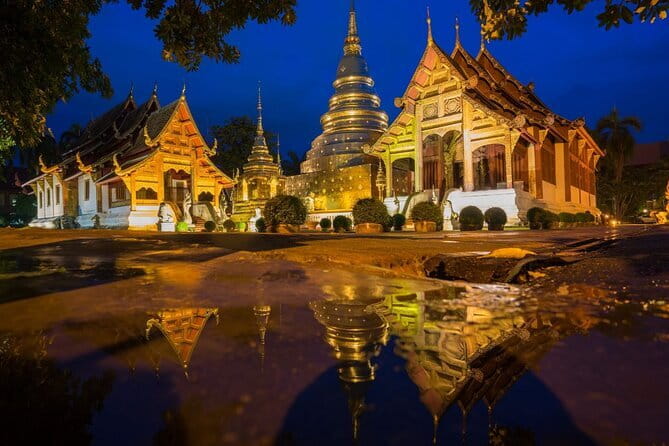
Chiang Mai slows down after dark in a way you don’t get during the heat of the day. That’s the whole point here: you see the same temples most people rush past in daylight, but now they’re lit up and less crowded. The route is built for evening light, plus the added bonus of cooler temperatures.
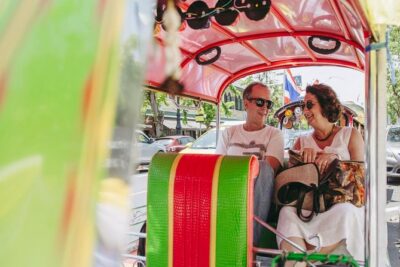
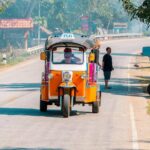
What makes this style of tour work is the way it blends “slow looking” with “easy moving.” Tuk-tuks handle the short hops between sights, so you can pause for photos without turning the evening into a long hike. Then you land at the Night Bazaar when you’re ready to snack and browse.
I also like that the guide does more than point. In the experiences described, guides such as Tik, Saman, Nancy, and Jane focused on Buddhism basics and temple meaning, so you’re not just collecting landmarks—you’re learning what you’re seeing. That sort of context is what turns lit-up stone and gold into something you understand.
Price and value: what you’re paying $34.23 for
At $34.23 per person, this tour is positioned as a budget-friendly “evening package.” Here’s what that money buys you:
- Typical tuk-tuk ride
- English-speaking tour guide
- A street food meal
- Dessert
What it does not include is important. Two temple entrances cost extra:
- Wat Phra Singh: THB 50 per person
- Wat Chedi Luang: THB 50 per person
So you’re really paying for transport, guidance, and the night market food experience, with two extra “pay-as-you-go” temple tickets.
Is it still good value? Usually, yes—because tuk-tuk time plus a guided route plus a meal and dessert would cost more separately. The catch is simply cash planning and time expectations (more on both below).
Meeting point and the evening flow: how it actually feels
The tour starts at 6:30 pm and meets at Burger King – Thapae 2-6 Rachadamnoen Rd in Chiang Mai. It ends at the Chiang Mai Night Bazaar area on Changklan Rd.
You’ll be in a group (up to 12 travelers), which matters because it affects pacing. The route is designed to fit several temple stops and then transition into market time. That’s a lot to do in one evening, so the schedule can feel “tight” depending on how fast everyone moves and how quickly you’re able to enter each site.
One practical detail: there’s a grace period of up to 10 minutes after the scheduled meeting time. If you’re even slightly late, it can change your spot in the group and shorten your comfort margin.
My advice: treat this like a proper night activity. Wear comfortable shoes, bring a light layer (evenings can feel cooler), and keep your cash ready for the two temple fees.

Wat Phra Singh after sunset: Lion Buddha vibes and what to bring
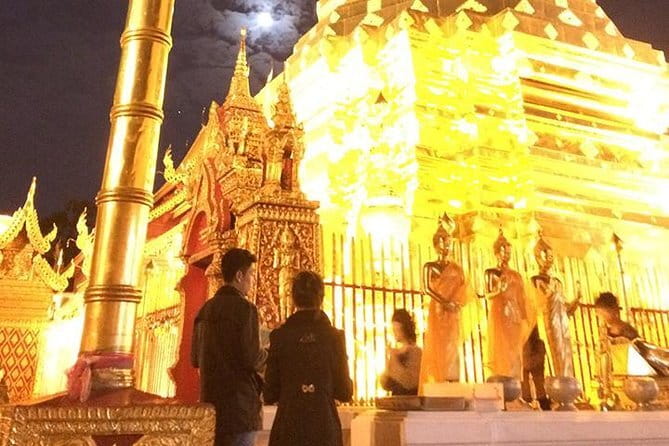
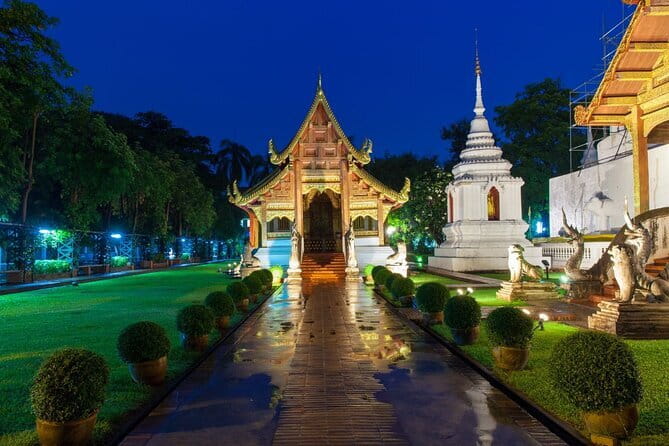
Your first temple stop is Wat Phra Singh, one of the most famous and attractive temples inside the walled old city. It’s also known as the Monastery of the Lion Buddha, and it’s an active temple. That means you’re not just looking at a historic ruin—you’re seeing something used today.
This is also one of the two paid-entry temples on the tour. Plan for THB 50 per person, cash only, paid on the day.
Why this stop matters to you:
- It’s a strong “start point” because the temple is known and visually striking.
- Being an active monastery often makes the atmosphere feel more real, not like a stage set.
- The evening lighting is a big part of why this tour exists in the first place.
Drawback to consider: you’ll want to slow down here. If you rush, you’ll miss details—like how the carvings, gold tones, and evening shadows change how the temple reads from different angles. Give yourself a moment to step back and look, then come in for close-up photos.
Wat Phan Tao and Wat Chedi Luang: old structures with big atmosphere
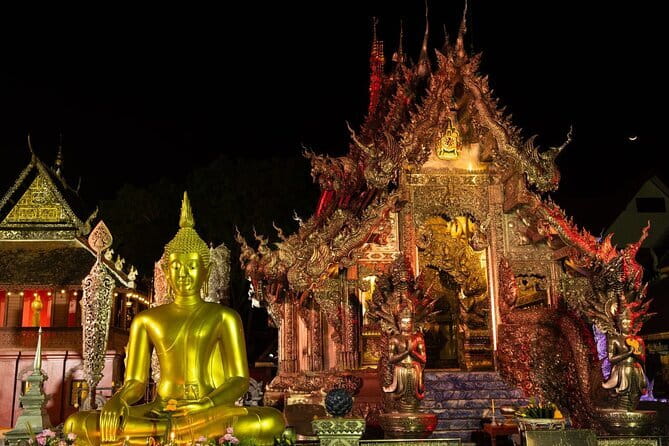
Next up is Wat Phan Tao, one of Chiang Mai’s oldest temples. The first structures are believed to date to the late 14th century, and it’s located in the old walled city right next to Wat Chedi Luang. Admission is free, which is a nice way to balance the paid-entry sites earlier.
In practical terms, Wat Phan Tao helps break the evening into something less rushed: it’s shorter, and you get an additional “old city” viewpoint without extra ticket cost. You’ll likely appreciate that after paying for the first entrance.
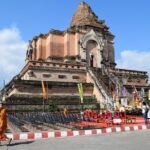
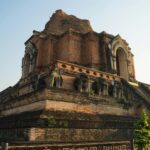
Then you move to Wat Chedi Luang Varavihara, known as the temple of the Great Stupa. This site is famous not just for its age, but for its story: construction is described as running from 1391 to 1475, and the temple collapsed in 1545 due to an earthquake. That gives you a very different visual experience than a fully intact temple complex.
Wat Chedi Luang is the second temple with an extra fee: THB 50 per person, cash on the day.
What you should expect in the photos:
- Ruins and remaining structures look especially dramatic in evening light.
- The guide’s explanation can make the collapse history feel less like “damage” and more like part of the place’s timeline.
If you’re the type who loves learning why a site looks the way it does, this is a good stop. If you just want quick photos, you may want to keep your expectations simple: you’re looking at an important temple site shaped by time, not a freshly restored complex.
Wat Lok Molee and the shift toward the Night Bazaar
After the older-city temples, you head to Wat Lok Molee, which is just outside the old walled city center. It’s described as one of the city’s older temples, and it’s associated with one of the larger and impressive features of the temple. Admission is free.
This stop acts like a palate cleanser. You’ve seen the heavy historic feeling of the old city sites. Lok Molee helps you move through the evening with a little less intensity—still culturally important, but not as ticket-heavy.
Then it’s time for the real payoff: Night Bazaar.
Night Bazaar time: street food meal, dessert, and shopping reality
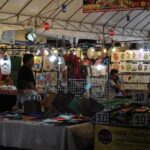
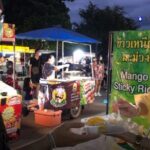
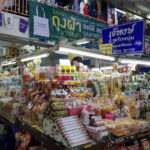
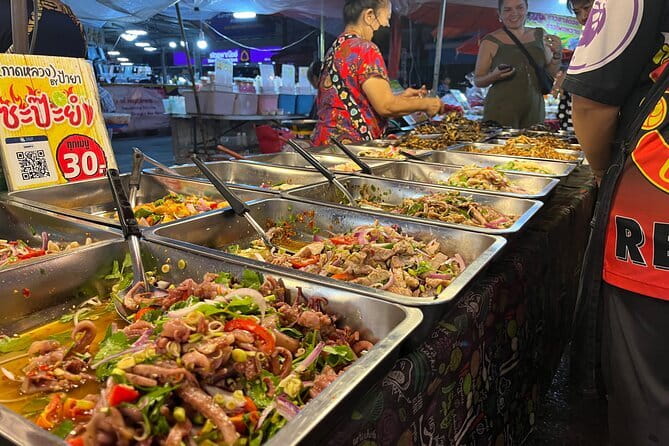
The tour’s final big block is Chiang Mai Night Bazaar, usually the most famous market in town. It’s described as a street-side market with stalls selling mostly clothing and handicrafts, so it’s a good place to pick up gifts without committing to a whole shopping afternoon.
You’ll also have the built-in food moment:
- A street food meal
- Dessert
A key value point here is that your dinner plan is already partially handled. Instead of wandering hungry and guessing, you’re guided into food time during your energy window.
A practical note from what’s been described: suggested dishes include things like Pad Thai and mushroom options. Drinks weren’t automatically included in the same way for everyone, so don’t assume you won’t pay extra for beverages. If drinks matter to you, budget a bit.
Also, keep your shopping mindset simple. Night Bazaar can be busy and broad. Decide what you want before you walk in—something small like a scarf, small artisan items, or a gift—and you’ll get better value for your time.
Tuk-tuk comfort and photo strategy for temple evenings
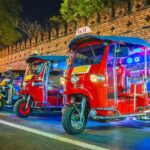
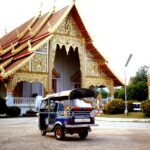
Tuk-tuks are the backbone of this tour, and they’re not just a fun transport gimmick. They help you do three things:
- Move between sites quickly
- Keep energy for temple viewing
- Make photo stops manageable
Still, you’re doing multiple stops in a short window. Here’s how you can make it feel smooth:
- Bring a phone strap or secure grip for night shots (less fumbling)
- Use your guide’s story moment as your “time anchor” for photos
- When you hear about a temple feature, pause before you photograph—look first, then shoot
I also like that the tour design favors evening lighting. If you’ve only seen Chiang Mai temples in daylight, night views can feel like a bonus tour within the tour.
Group size, guide style, and why English narration matters
The tour caps at 12 travelers, which is a sweet spot for a night temple circuit. It keeps the ride from feeling chaotic and helps the guide manage entrances and pacing.
The guide component seems to be a major reason people enjoy this evening. Names that came up include Tik, Saman, Nancy, and Jane, and their explanations focused on temple meaning and Buddhism basics. That makes the whole experience feel less like a checklist.
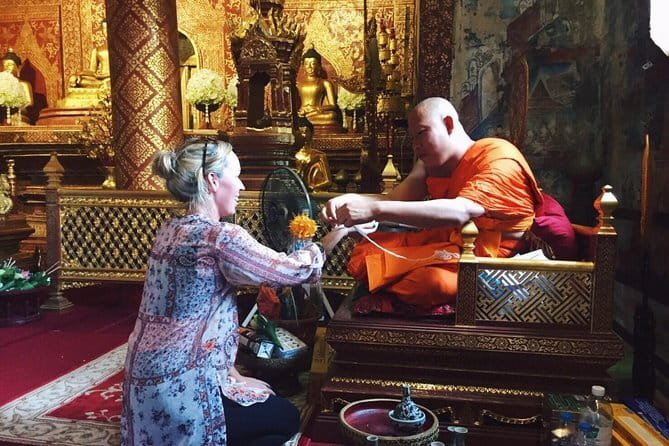
In one described moment, there was mention of a water blessing by a monk. That’s not something I’d count on as a guaranteed event at every stop, but it shows what kind of cultural moments a thoughtful guide may help you recognize.
Who this tour is best for
This tour works especially well if you:
- Want temple sights without a full day plan
- Prefer easy evening walking
- Like understanding what you’re looking at, not just seeing it
- Want an organized dinner start at the Night Bazaar
It may be less ideal if you:
- Need long, unhurried time at each temple and don’t like schedule pressure
- Are very sensitive to timing differences (this tour is listed as about 4 hours, but some evenings can feel shorter)
- Hate the idea of paying two temple entrances in cash during the tour
Should you book this Chiang Mai Temples and Market Tuk-Tuk Night Tour?
If you want a simple, high-reward evening in Chiang Mai, I think it’s an easy “yes,” with two conditions.
First: bring cash for Wat Phra Singh and Wat Chedi Luang (THB 50 each). Plan it early so it doesn’t interrupt your flow. Second: go in ready for an efficient route. It’s designed to stack multiple evening temple stops and then land at Night Bazaar while you still have energy for food and shopping.
If you’re the type who values a good guide—like the ones named Tik, Saman, Nancy, and Jane—this tour is likely to feel much more meaningful than the price suggests. Just keep your expectations aligned with a shared-group evening, and you’ll get exactly what Chiang Mai does best after sunset: beautiful temples, easy transport, and a market finish.
FAQ
What is the tour price?
The Chiang Mai Temples and Market Tuk Tuk Night Tour costs $34.23 per person.
How long is the tour?
The duration is listed as about 4 hours.
What entrance fees are not included?
Entrance fees for Wat Phra Singh and Wat Chedi Luang are not included. Each costs THB 50 per person per temple, and you pay in cash on the day of the tour.
What’s included in the tour price?
It includes a typical tuk-tuk ride, an English-speaking tour guide, a street food meal, and dessert.
Where do I meet, and when does it start?
The meeting point is Burger King – Thapae 2-6 Rachadamnoen Rd. The tour starts at 6:30 pm and ends at Chiang Mai Night Bazaar on Changklan Rd.
What happens if it rains?
The tour operates rain or shine. If there are heavy showers, the guide tries to seek shelter and continues once the weather improves. Cancellations due to weather aren’t eligible for a refund.