REVIEW · CHIANG MAI
Full-Day Guided Tuk Tuk Chiang Mai Adventure and Rafting
Book on Viator →Operated by The Tuk Tuk Club · Bookable on Viator
Drive your own tuk tuk through the countryside. I love the hands-on Tuk Tuk driving time and the mix of temple, elephants, and bamboo rafting in one small-group day. One thing to consider: you’ll need a valid driver’s license and you should be ready for an active, full 10-hour schedule starting at 8:00am.
This is the kind of tour that feels less like sightseeing and more like spending a day out with people who know the area. You’ll practice before you hit the road, then head into Mae Wang District for remote sights and slower Thai pace. The elephants are a highlight too, with feeding and bathing, but no elephant riding is included.
Best fit if you want to drive, not just watch. The day includes lunch and water, and groups are limited to 18, so the atmosphere stays friendly. If you’re hoping for a relaxed, sit-and-smile day, this may feel a bit busy.
In This Review
- Key things that make this tour worth your attention
- Entering the Mae Wang routine: what a full day actually looks like
- Driving your own Tuk Tuk: the training and reality check
- Mae Wang District roads: how the day gets more local
- The mountainside temple stop: monks at work, not just a view
- Elephant feeding and bathing: the part you’ll remember
- Lunch in Mae Wang: vegetarian-friendly, no fuss
- Bamboo rafting: what to wear and what to expect
- Small-group feel: where your time actually goes
- Value and price: is $193.62 a fair deal?
- Who this tour suits best (and who should rethink it)
- A quick “don’t forget” checklist
- Should you book this full-day Tuk Tuk adventure and bamboo rafting?
- FAQ
- Do I need a driver’s license to drive the Tuk Tuk?
- What time does the tour start?
- Is hotel pickup included?
- Does the tour include elephant riding?
- Is lunch included, and can I get a vegetarian option?
- How long is the bamboo rafting portion?
Key things that make this tour worth your attention
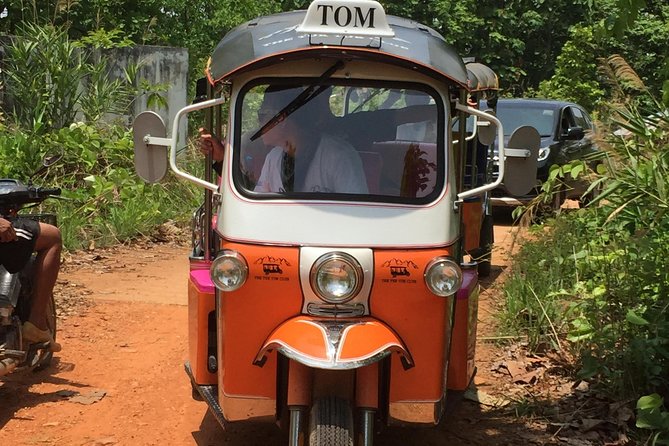
- You drive the Tuk Tuk: training comes first, so you’re not thrown into traffic with zero practice.
- Small group limit (18 people): more personal attention and less waiting around.
- Elephant activities without riding: you can feed and bathe elephants as part of the program, but riding isn’t part of it.
- Bamboo rafting on a real river: you’ll float gently downstream on a bamboo raft.
- Remote Mae Wang District feel: this isn’t just “temples in a box”—it’s rural roads and mountain stops.
- Elephant and rafting means you plan for getting wet: bring running shoes to drive and expect spare clothing to be useful.
Entering the Mae Wang routine: what a full day actually looks like
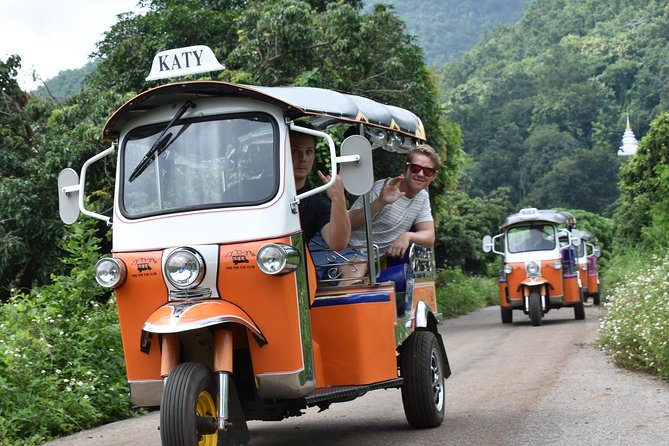
This tour runs about 10 hours, starting at 8:00am. You’ll be out long enough to feel like you’ve left the city behind, but not so long that you end up exhausted before the fun parts. The schedule is built around moving from one specific experience to the next—drive time, a temple stop, elephant activities, then bamboo rafting.
That order matters. You’ll get your Tuk Tuk practice early, so the driving feels doable before you’re focused on elephants and water. Then you end with the river, which is a natural “cooldown” after a warm day of countryside roads.
A small but important detail: this is not hotel pickup. You’ll be picked up from a designated meeting point and have transfers to and from Chiang Mai city. It’s convenient if you’re near public transportation, but you’ll want to plan your morning so you’re on time for the 8:00am start.
You can also read our reviews of more tours and experiences in Chiang Mai.

Driving your own Tuk Tuk: the training and reality check
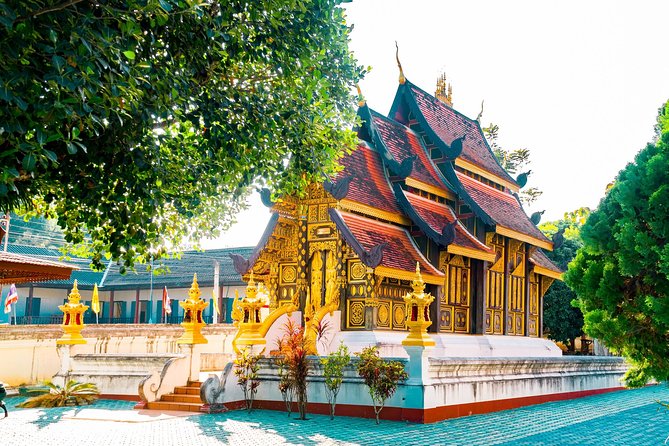
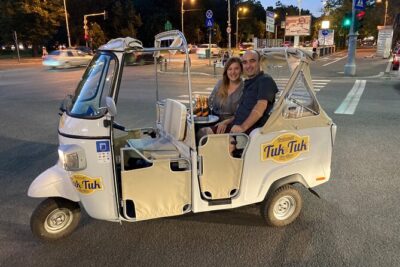
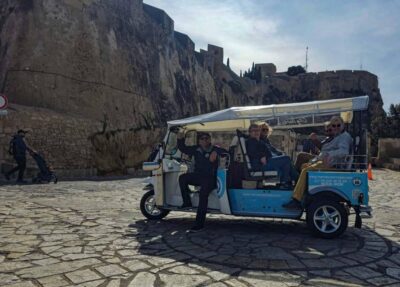
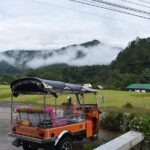
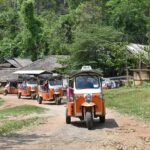
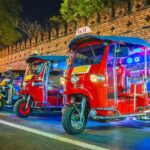
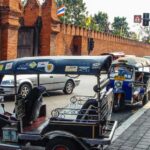
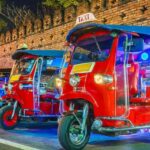
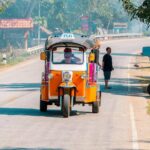
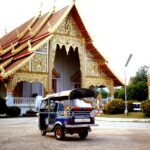
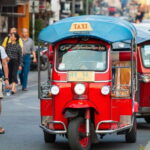
The big draw here is simple: you don’t just ride. You get behind the wheel of your own Tuk Tuk. The Tuk Tuk is described as a specially designed Bangkok style vehicle with space for 3 passengers per Tuk Tuk. That makes it feel personal—your day is built around the vehicle you’re assigned and the route you’re learning.
Before you head out, the tour includes Tuk Tuk driver training. And the training is more than a pep talk. The approach is practical: you learn how the vehicle works, then you practice so you’re comfortable shifting and steering before you’re driving in real road conditions.
One tip that can save you nerves: if you’re used to driving a standard motorcycle or car shifting pattern, you might need a minute to adjust. One solo traveler noted the left-hand shifting felt different at first if you’re coming from the US. You don’t need to be an expert rider—just give yourself those practice minutes and you’ll be fine.
Also, bring the right mindset. This isn’t a theme-park ride. You’re operating a real vehicle in a real area. Wear running shoes/trainers, not sandals or flip flops, and you’ll be more stable when you step on and off or brace yourself during turns.
Mae Wang District roads: how the day gets more local
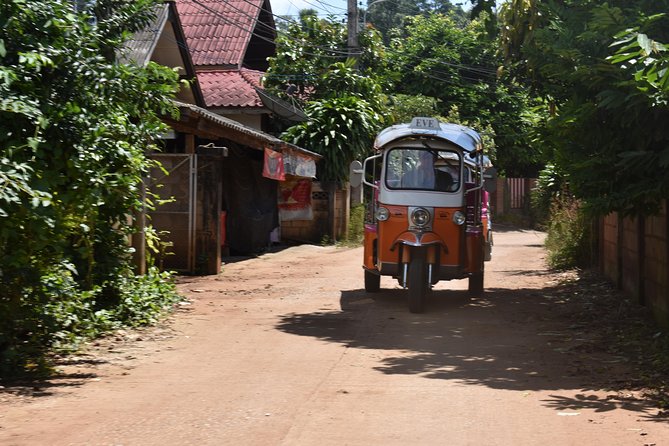
The heart of the tour is Mae Wang District. This is where you stop seeing Chiang Mai as just a city with temples, and you start seeing it as a region with farms, hills, and villages. The driving route is part of the experience, not just transportation between stops.
What I like about this setup is that it changes your perspective. Instead of jumping straight to the postcard scenes, you slowly transition into rural rhythm—smaller roads, fewer big-city interruptions, and sights that feel more like daily life than staged attractions.
This is also where the small group size helps. With a maximum of 18 travelers, you spend less time waiting while the group moves between photo stops, temple areas, and elephant and rafting prep.
The mountainside temple stop: monks at work, not just a view
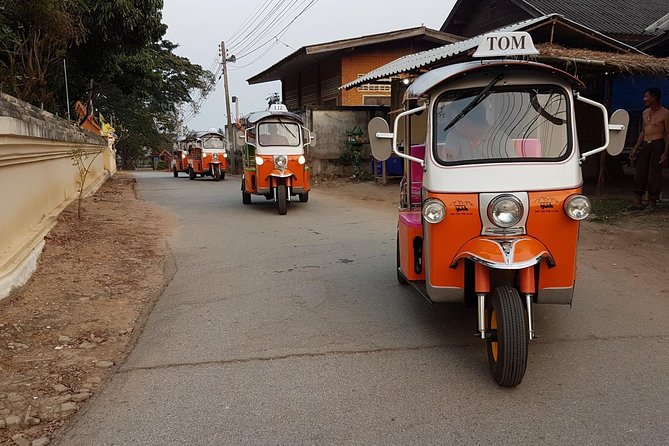
One highlight is the remote mountainside temple. You don’t just visit a point on a map—you’ll see monks at work. That matters because it shifts the temple visit from “look, take photo, move on” into something closer to observing daily routine and community life.
Expect a respectful atmosphere. Even if the details aren’t spelled out in your materials, you can plan for typical temple etiquette: dress appropriately, keep your voice down, and treat the site like an active place rather than a museum.
The temple stop also pairs well with the rest of the day. After driving through the countryside, you get to see the spiritual center of the area up close. It’s one of the best ways to feel the region’s blend of nature and culture in a single morning/afternoon block.
Elephant feeding and bathing: the part you’ll remember
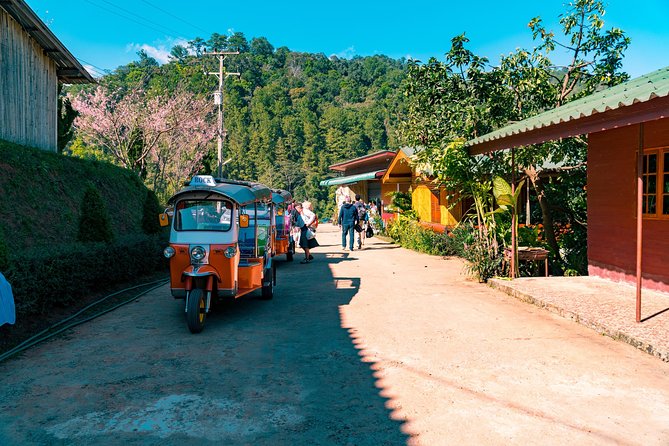
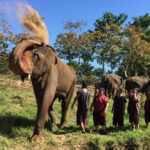
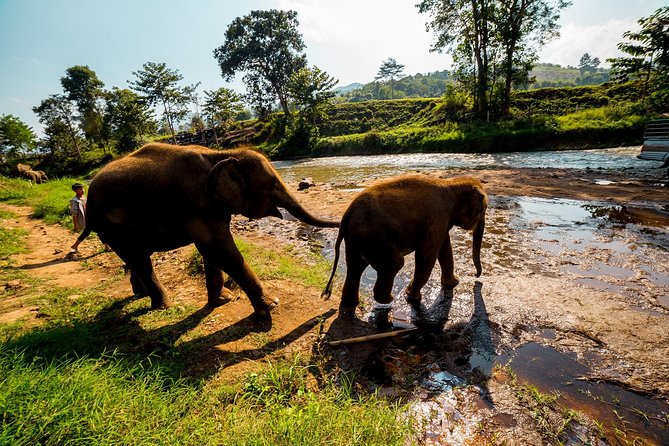
Elephants are a major reason many people book this tour—and for good reason. The day includes all elephant activities, specifically feeding and bathing, and it’s clearly stated that no elephant riding is allowed.
So you should think of this experience differently than some popular “elephant show” formats. You’re not paying for a ride. You’re spending time with the elephants in a care-focused interaction, which is often more meaningful because you can watch behavior and routine rather than just sit on top.
How it feels: it’s lively and hands-on. You’ll be close enough to notice details—how the elephants respond, how caretakers guide the process, and how the whole moment shifts from calm to active as bathing begins. If you care about animal experiences with fewer performance elements, this style tends to fit better.
One real-world consideration: the day includes water activities later (rafting), so treat elephant time as part of your “wet day plan.” If you go in without expecting water, you’ll be surprised by how fast you can end up damp.
Guides can shape the elephant segment a lot, and names like Bigg, Nam, OA, and Mr Big have come up in past days. Since guide assignments can vary by date, don’t bank on one specific person, but do know the program is built around a professional local guide who can explain what you’re seeing.
Lunch in Mae Wang: vegetarian-friendly, no fuss
Lunch is included, with a vegetarian option available if you request it when booking. It’s a good setup for a full-day adventure because you aren’t hunting for food between stops. Having lunch included also helps keep the schedule stable, which matters when you’re spending time with elephants and then heading to the river.
One practical thought: after a morning of driving and temple viewing, you’ll likely feel hungry even if you’re not a big eater. Eat when it’s served, then save your energy for the rafting phase, where you’ll need to stay flexible after you’ve been in the water.
Bamboo rafting: what to wear and what to expect
After elephants, you switch gears to bamboo rafting down a serene river. The description is gentle and downstream, which is exactly what you want after a long day of driving. You’re not wrestling waves—you’re floating.
That said, rafting time can depend on river conditions. At least one past day ran into lower-than-normal river levels due to a serious lack of rain, and the rafting was reported to be shorter than expected. So if you’re booking during the dry season or you’re going when weather has been unusual, don’t be shocked if the raft segment feels brief.
What you can control is how prepared you are. The tour recommends spare clothing after rafting. I’d take that advice seriously. A quick change makes the end of the day feel comfortable instead of “sticky and cold” after the river.
Wear running shoes/trainers for the driving portions. For the rafting segment, if you don’t get wet completely, you’ll still feel the dampness. Plan as if you will.
Small-group feel: where your time actually goes
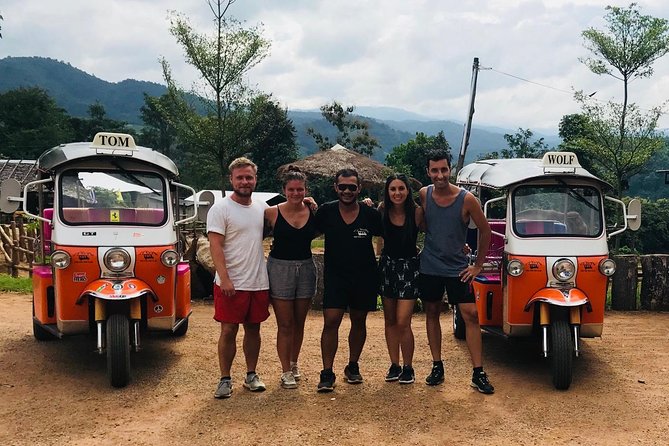
With up to 18 travelers, this tour avoids the big-bus chaos that turns a day into a waiting game. That group size doesn’t just sound nice—it changes how often you can ask questions, take photos at the right moment, and get help if you’re adjusting to driving.
You’ll also get guidance throughout the day from your professional local guide. That matters because you’re not only learning to drive a vehicle; you’re also moving through different environments (temple areas, elephant activity zones, and river rafting).
And yes, the guides can be a huge part of the enjoyment. Past guides included people like Bigg and Nam, known for being friendly, organized, and attentive with photos. Even if you get someone different on your date, expect that the day is managed with care.
Value and price: is $193.62 a fair deal?
At $193.62 per person, this isn’t a budget “cheap day tour.” You’re paying for several things that often cost extra when they’re separate: guide-led logistics, Tuk Tuk training and the vehicle experience, elephant activities (with bathing and feeding), bamboo rafting, and lunch.
So the value comes from the combination and the hands-on element. Many Chiang Mai tours give you one or two major experiences—maybe a temple plus one activity. This bundles driving + temple/monks + elephant care interaction + rafting + lunch into one 10-hour day, with a small group and pickup from a designated meeting point.
Is it worth it? If you want to drive, yes. If you only want to look at sights from the passenger seat, you might feel like the price is paying for something you aren’t using fully. The tour is built for people who are excited to learn, not just people who want a checklist.
Who this tour suits best (and who should rethink it)
This is a strong match if:
- You have the confidence to drive and follow instructions after training.
- You want a hands-on day that includes rural roads and remote temples, not just downtown stops.
- You prefer elephant experiences that do not include riding.
- You enjoy being active and don’t mind getting damp near the end.
You might rethink booking if:
- You don’t have a valid driver’s license (a license from your home country is allowed).
- You want a relaxed, minimal-effort outing.
- You hate early mornings—8:00am is not flexible once you’re on the schedule.
- You have concerns about rafting in less-than-perfect weather conditions (river levels can affect how long you raft).
Also note the practical age rule: the minimum age is 7, and children must be accompanied by an adult. Service animals are allowed, and vegetarian lunch is available if you request it.
A quick “don’t forget” checklist
- Bring a valid driver’s license if you plan to drive.
- Wear trainers/running shoes, not sandals or flip-flops.
- Bring spare clothing for after rafting.
- If you’re requesting a vegetarian lunch, make sure you do it at booking.
- Plan to reach the designated meeting point (hotel pickup isn’t included).
Should you book this full-day Tuk Tuk adventure and bamboo rafting?
If you want a Chiang Mai day that feels like you’re doing something—not just watching—this is a great choice. The driving component is the hook, and the rest of the day supports it: you transition from rural Mae Wang roads to a mountainside temple with monks at work, then to elephant feeding and bathing (without riding), and finally a bamboo raft down the river.
Book it if you’re excited to get hands-on, follow training, and roll with a real outdoor day that can get wet. Skip it if you’re strictly after comfort-only sightseeing or you can’t (or won’t) drive with a valid license.
If that sounds like your travel style, I’d say this one belongs on your shortlist.
FAQ
Do I need a driver’s license to drive the Tuk Tuk?
Yes. You must have a valid driver’s license to drive the Tuk Tuk, and your home country license is fine.
What time does the tour start?
The start time is 8:00am.
Is hotel pickup included?
No. Pickup is offered from a designated meeting point, with transfers to and from Chiang Mai city.
Does the tour include elephant riding?
No. Elephant activities are included, but elephant riding is not allowed.
Is lunch included, and can I get a vegetarian option?
Lunch is included, and a vegetarian option is available if you advise the operator at booking.
How long is the bamboo rafting portion?
The tour includes bamboo rafting, but the exact rafting time isn’t guaranteed in the information provided. River levels can affect how long the rafting is.