REVIEW · CHIANG MAI
11 Day Tuk Tuk Adventure in Northern Thailand
Book on Viator →Operated by The Tuk Tuk Club · Bookable on Viator
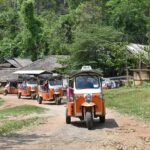
Three wheels beat long bus rides. On this 11-day northern Thailand tuk-tuk adventure, you get the real fun of the road, plus the small-group feel that keeps the days flexible. I especially like the fact that you start with hands-on tuk-tuk training and then spend the trip actively driving, not just riding along. One consideration: you’ll need the right paperwork and confidence for mountain roads, since the trip is built around self-drive time.
You’ll also like the payoff in what’s handled for you. Ten nights in twin-share accommodation, park fees, bottled water, and most meals are included, so you can spend less time budgeting and more time enjoying the route. And there’s a support vehicle running with you throughout, which adds a lot of calm when the roads get long.
Day 1 begins with a transfer out of the city to the Tuk Tuk Club’s training base in Mae Wang (about 60 minutes), followed by a remote hillside temple visit for a blessing. In past groups, the guiding team has included people like Yuth, OA, Boyz, Ou, Worn, Nahm, Bigg, and Yaya, and the common thread is practical help plus a genuinely friendly vibe.
In This Review
- Key points before you go
- Why this 11-day tuk-tuk route feels different from a normal tour
- Price and value: is $2,148.21 worth it?
- Chiang Mai meeting point and the Day 1 training that sets the tone
- Day 2: elephant time and bamboo rafting in the same day
- Days 3 and 4 around the Doi Inthanon area: foothills, trekking, and waterfalls
- Day 5: west to Mae Sariang and the kind of rest most tours skip
- Day 6: over the mountains to Mae Hong Son, with plenty of stops
- Day 7: your free day in Mae Hong Son, and why it’s a gift
- Days 8 and 9: drive to Pai, then choose your pace in a mountain village
- Day 10 and Day 11: back to Mae Wang for the farewell dinner, then to Chiang Mai
- Driving reality check: what you need to bring and how to set yourself up
- Who should book this tuk-tuk adventure (and who should think twice)
- Should you book the 11 Day Tuk Tuk Adventure?
- FAQ
- Where is the meeting point and what time does the tour start?
- How long is the tour, and when does it end?
- Do I need a driving license to drive the tuk-tuk?
- What are the age limits for driving and traveling?
- How many people are in the group?
- What meals are included?
- Is vegetarian food available?
- What accommodation is included?
- Is travel insurance included?
- Not what you asked, so I won’t: Can you change the route if weather is bad?
Key points before you go
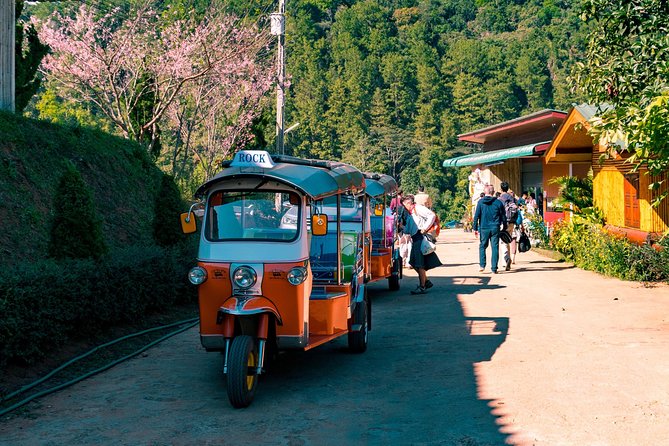
- Small group, max 15 people, with guides focused on keeping your day moving and your tuk-tuk ready
- Tuk-tuk training in Mae Wang before you head into the mountains
- Elephant home + bamboo rafting, so it’s not only temples and viewpoints
- Doi Inthanon area forests, waterfalls, and hill-tribe village time
- Five overnight bases across Chiang Mai and Mae Hong Son provinces, ending in Chiang Mai again
Why this 11-day tuk-tuk route feels different from a normal tour
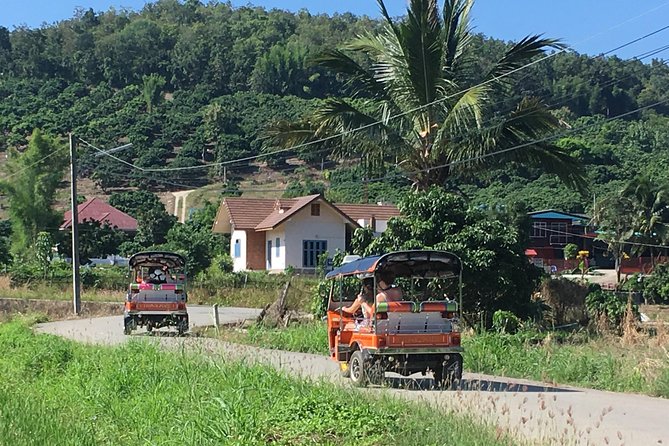
Northern Thailand can be busy when you do it by the typical circuit. This trip changes the pace by giving you a vehicle that you can actually use, which turns the drive into part of the sightseeing instead of dead time. You’ll pass through mountain roads and rural towns where you can stop to enjoy the views whenever it makes sense.
I like how the itinerary is built around variety: training, elephants, trekking and waterfalls, then longer stretches of driving through towns like Mae Sariang, Mae Hong Son, and Pai. It also works because the trip is structured in a way that balances driving days with time to rest and choose what you want to do.
The real value is that you don’t have to plan every day’s logistics yourself. Accommodation is included for 10 nights across five locations, and meals are handled on most days. If you want an authentic northern Thailand feel without a spreadsheet lifestyle, this format helps.
You can also read our reviews of more tours and experiences in Chiang Mai.

Price and value: is $2,148.21 worth it?
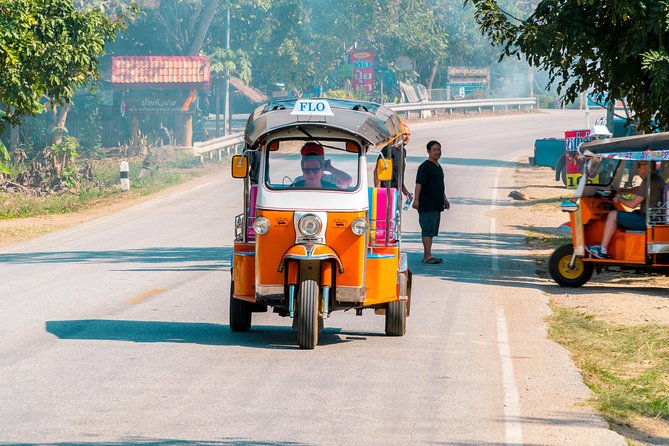
The listed price is $2,148.21 per person for an 11-day trip (10 nights). On paper, that’s not cheap. In practice, it can start to make sense if you price out what’s included: lodging, local guides, national park fees, bottled water, tuk-tuk training, and a support vehicle that stays with you throughout.
You’re also paying for time-saving and decision-saving. Ten breakfasts are included, plus three lunches and five dinners. That matters because northern Thailand touring often means paying out of pocket for both meals and guided stops, especially when you’re moving between regions like Chiang Mai, Mae Hong Son, and Pai.
Finally, you’re paying for the experience design. This is not just a guided van tour with a few photo stops. It’s a self-drive style adventure, with practice time so you can feel comfortable behind the wheel.
Chiang Mai meeting point and the Day 1 training that sets the tone
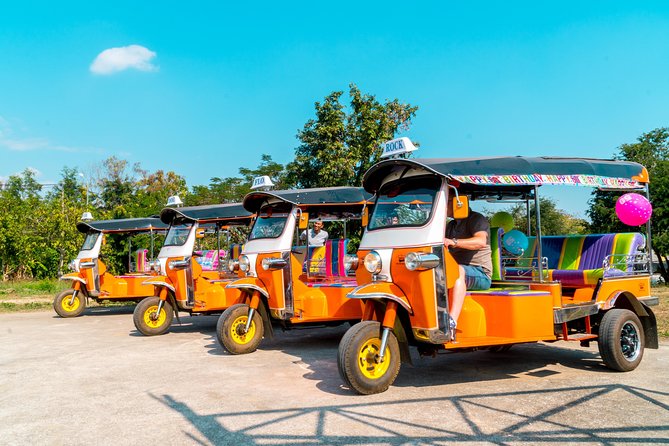
You start at the Chiang Mai Gate Hotel area in Wua Lai Walking Street (10:00 am). From there, you’ll transfer about an hour to Mae Wang, where the training base is set up for a reason: day one is about getting your bearings on a tuk-tuk before you push into mountain roads.
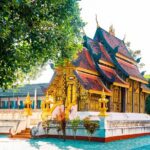
The training isn’t a quick demo. You get detailed guidance on driving the tuk-tuk in a way that prepares you for the conditions you’ll face later. Then you’ll take a breather to visit a remote hillside temple and receive a blessing for the adventure ahead. Even if you’re not a religious traveler, this moment gives the trip a sense of place and ceremony without turning it into a lecture.
It also helps that you’re not arriving totally alone in the countryside. The included support vehicle follows with you throughout the trip, and that shows up in how smoothly the days feel.
Day 2: elephant time and bamboo rafting in the same day
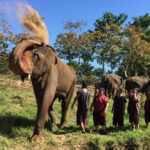
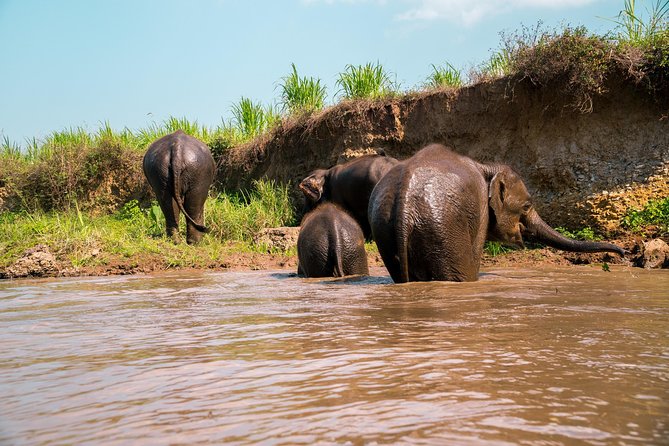
Day 2 is where the adventure widens beyond driving. After more time to practise your skills, you head to a forward-thinking elephant home. You’ll have the chance to meet elephants up close as part of the day’s plan.
Then you finish with something very northern Thailand in feel: bamboo rafting down the local river. It’s a nice contrast to road time because you slow down and let the river and scenery do the work. It also breaks up the trip emotionally—you’re not just ticking off stops, you’re alternating between different types of experiences.
Two practical notes: you’ll want to bring patience for a full day, since elephants plus rafting means you’re moving between activities. Also, snacks and extra drinks aren’t included, so plan to rely on what’s in the itinerary and bottled water you’re provided.
Days 3 and 4 around the Doi Inthanon area: foothills, trekking, and waterfalls
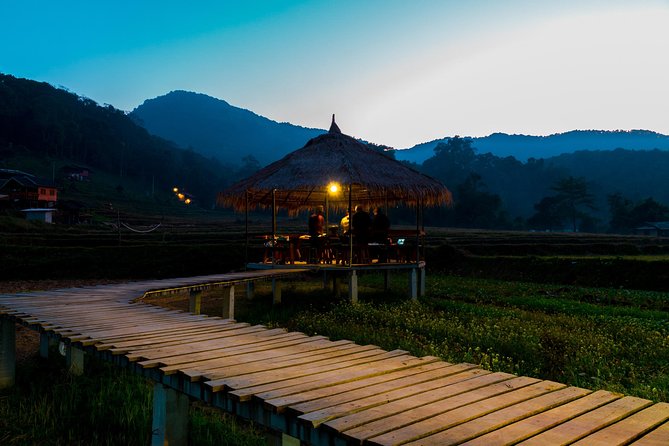
By Day 3, you’ve already done the practice and you’re ready for your first serious driving day into the mountains. You’ll head into the foothills of the Doi Inthanon area and overnight in a small hill-tribe village. This overnight is one of the most memorable parts for people who want more than a viewpoint and a photo.
Day 4 continues with nature and walking. You’ll spend time exploring forests and waterfalls around the Doi Inthanon area, plus there’s an opportunity to explore a hill-tribe village as well. This is where the trip can feel more personal, because you’re not only looking from the outside—you’re spending time in communities and natural settings that change with the terrain.
A possible drawback here is that Day 4 is active. If you’re the type who prefers slow sightseeing only, you’ll still enjoy the waterfalls, but you might want to set your expectations about walking on uneven terrain.


Day 5: west to Mae Sariang and the kind of rest most tours skip
Day 5 shifts gears. You’ll drive west to Mae Sariang, a smaller town that’s a break from the busier main stops. The itinerary gives you an actual decompression moment by letting you relax by the pool next to the river.
This is a smart design choice. After mountain driving and time around natural areas, your body usually wants a calmer day. Mae Sariang provides that without ending the adventure.
If you’re the kind of traveler who gets antsy when there’s too much free time, this day is also a good middle ground: you have travel built in, plus a real option to unwind.
Day 6: over the mountains to Mae Hong Son, with plenty of stops
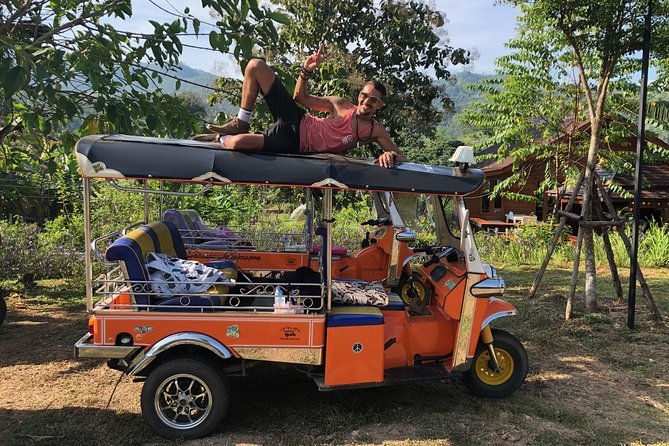
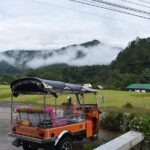
On Day 6 you cross into Mae Hong Son. The day keeps the tuk-tuk theme going, since you’ll drive over the mountains and reach the town that’s famous for its scenery and slower rhythm.
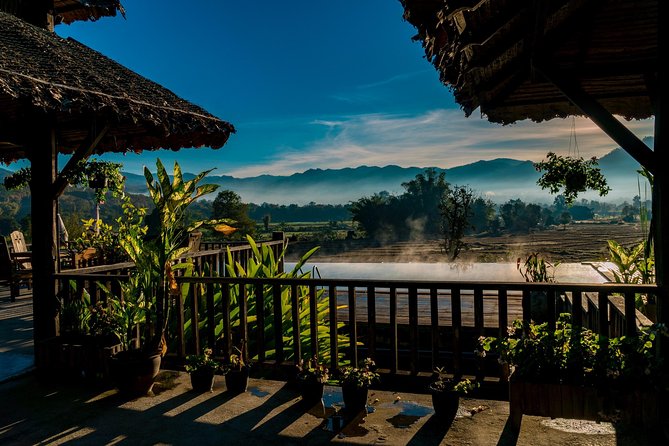
The plan calls for stunning views and lots of stops to experience local life along the way. You’ll end with an overnight at a rural resort set around rice paddies and forest. Even without getting overly technical, that setting matters because it changes what you feel when you arrive: it’s quieter, greener, and less city-like than Chiang Mai.
This is also a day where I’d keep your expectations flexible. Mountain routes can mean longer driving hours and variable weather. The tour is structured to keep you fed, supported, and on schedule, but you’ll still want to be adaptable if conditions change.
Day 7: your free day in Mae Hong Son, and why it’s a gift
Day 7 is your free day. You can rest and relax or explore Mae Hong Son on your own.
This matters because after several drive-heavy days, having a true breathing space makes the trip feel sustainable. You can also return to places you liked earlier or just slow down. In a tour like this, that freedom is not wasted time—it’s how you turn the itinerary into a personal memory.
Days 8 and 9: drive to Pai, then choose your pace in a mountain village
Day 8 moves you from Mae Hong Son to Pai. Expect mountain roads and more chances for impressive views as you drive. The ending is built around recovery too, with time to enjoy the hotel pool.
Day 9 is another choose-your-own rhythm day. You can keep it relaxed or get out and explore Pai. This part of the trip is popular for a reason: Pai has that laid-back mountain feel that works well after the busier driving stretches.
If you like photos, you’ll have them. If you like conversations, you’ll have those too, since Pai-style exploration usually involves walking and stopping rather than rushing in a vehicle.
Day 10 and Day 11: back to Mae Wang for the farewell dinner, then to Chiang Mai
Day 10 returns you to the base camp at Mae Wang, with a farewell dinner marking the end of the driving portion of the adventure. The itinerary mentions amazing rural back roads, which is exactly what you want on the way back—less of the feeling that you’re just retracing steps.
Then Day 11 is the transfer back to Chiang Mai city by minivan. You’re scheduled to arrive late morning to midday, and the trip ends back at the meeting point.
This ending format is practical. It gives you closure without a stressful last-day shuffle. You can also plan a longer Chiang Mai evening once you’re back, since you’re not arriving late at night.
Driving reality check: what you need to bring and how to set yourself up
This trip is built around you being behind the wheel, so don’t treat it like a sightseeing tour where someone else drives. You’ll need a valid driving license plus an International Driving Permit (IDP) to drive a tuk-tuk.
There’s also a clear age rule: you must be at least 18 to drive, and 7 is the minimum age to travel on the tour. So this is best for adults and older teens who can handle driving responsibilities.
One more practical detail: twin-share rooms are included, so you’ll need a travel partner or you might be glad to use the trip’s matching or room arrangement options if your booking provider offers them. (That part isn’t spelled out here, but the accommodation style is.)
Finally, while you’re self-driving, you’re not completely on your own. The support vehicle travels with you. From the way the guide team is described in past groups, the tuk-tuks are also kept clean and ready each morning, with fuel and even chilled items prepared for the day.
Who should book this tuk-tuk adventure (and who should think twice)
Book this if you want northern Thailand by road, not by checklist. It’s ideal for travelers who like active days, mountain driving, and the freedom to stop when something catches your eye. It’s also a great fit if you want a small group of up to 15 people and prefer guides who help with real-world logistics.
You should think twice if you strongly dislike driving on uneven or winding roads. Also consider it carefully if you know you’ll feel stressed by the mix of activities—elephants, rafting, trekking, waterfalls, then more driving.
It’s a good match for couples, friends, and solo travelers who enjoy meeting people in a compact group. If you’re looking for a totally low-effort trip where you barely lift a finger beyond taking photos, a different style tour might suit you better.
Should you book the 11 Day Tuk Tuk Adventure?
Yes, if you want a northern Thailand trip that feels hands-on and personal, with a clear “drive your own vehicle” focus. The value improves when you factor in included lodging across five bases, multiple meals, national park fees, tuk-tuk training, and on-the-road support.
Only book if you’re comfortable meeting the driving requirements (license + IDP) and you’re okay with days that are active and spread out. If those boxes fit you, this itinerary gives you the kind of variety—mountains, elephants, bamboo rafting, hill-tribe village time, Mae Hong Son, and Pai—that you usually only get by combining several separate trips.
FAQ
Where is the meeting point and what time does the tour start?
You meet at Chiang Mai Gate Hotel (Wua Lai Walking Street) at 10:00 am.
How long is the tour, and when does it end?
The tour runs for about 11 days. On the final day, you transfer back to Chiang Mai city by minivan and arrive around late morning to midday, ending back at the meeting point.
Do I need a driving license to drive the tuk-tuk?
Yes. You need a valid driving license and an International Driving Permit (IDP) to drive a tuk-tuk.
What are the age limits for driving and traveling?
The minimum age to drive a tuk-tuk is 18. The minimum age to travel on the tour is 7.
How many people are in the group?
This tour has a maximum of 15 travelers.
What meals are included?
The tour includes 10 breakfasts, 3 lunches, and 5 dinners. Bottled water is also included.
Is vegetarian food available?
Yes. A vegetarian option is available if you advise at the time of booking.
What accommodation is included?
You get 10 nights of twin-share accommodation as per the itinerary.
Is travel insurance included?
No. Travel insurance is not included and it is listed as compulsory.
Not what you asked, so I won’t: Can you change the route if weather is bad?
The route may need adjustment depending on conditions, but specific weather rules or change procedures aren’t listed in the provided details.