REVIEW · CHIANG MAI
Chiang Mai Temples and Market Tuk-Tuk Evening Night Tour
Book on Viator →Operated by WanderSiam · Bookable on Viator
Temple night rides are my favorite kind of chaos. This Chiang Mai tuk-tuk evening tour strings together glowing old-city temples and ends at the Night Bazaar, so you get big sights without the worst heat of the day. I love the pace of hopping between spots in an open-air vehicle, with cool night air doing part of the work for you.
My second favorite thing is the food. You get a simple street-food meal plus dessert, and the market stop turns into a guided way to sample local flavors instead of guessing what to order. The one drawback to plan for: you’ll need extra cash for temple entrance fees at Wat Phra Singh and Wat Chedi Luang.
In This Review
- Key points I’d pack my bag around
- Why an evening temple tour beats the daytime plan
- Price and value: what you get for about $34
- The 4-hour flow: fast temple stops, one smart market landing
- Getting to the start: Burger King Thapae and the reality of a quick meet-up
- Wat Phra Singh at night: the lion Buddha stop
- Wat Phan Tao: older structures with a free-ticket bonus
- Wat Chedi Luang Varavihara: the great stupa ruin that still matters
- Wat Lok Molee: a quieter older temple outside the core
- Night Bazaar: how to eat and shop without turning into a lost tourist
- Guides make or break it: English clarity and teaching style
- Tuk-tuk reality check: cool air is great, but not every vehicle is the same
- Timing and temple-fee math: what to bring so you’re not scrambling
- Should you book this Chiang Mai night temples and market tuk-tuk tour?
- FAQ
- How long is the Chiang Mai Temples and Market Tuk-Tuk Evening Night Tour?
- What time does the tour start, and where do we meet?
- Where does the tour end?
- Are temple entrance fees included in the tour price?
- What food is included?
- Is the guide English-speaking?
- How large is the group?
- Does the tour run in the rain?
- Final call: who wins most from booking
Key points I’d pack my bag around
- Tuk-tuk transport after sunset keeps the day crowd and sun off your schedule
- Multiple temple stops in the old city plus one outside-town break
- Street-food meal, tastings, and dessert make the market stop easy
- English-speaking guide connects what you see to Buddhist practice and Thai culture
- Temple fees aren’t included for two major sites, paid in cash on the day
Why an evening temple tour beats the daytime plan
Chiang Mai temples look different after dark. The lighting softens stone details, and the air feels more human—especially if you’ve already baked through a hot afternoon.
This tour is built for that. You ride between temples, so you’re not spending your precious hours walking in the midday heat. You also get short, focused visits at several sites, which is perfect if you want a fast way to see Chiang Mai’s religious landmarks and still have the energy for the market afterward.
There’s another practical win: evening timing helps you get your bearings. Chiang Mai’s old city can feel like a maze at first. When someone has a plan—and a vehicle—your first night becomes about understanding the layout and culture, not just collecting photos.
You can also read our reviews of more tours and experiences in Chiang Mai.
Price and value: what you get for about $34
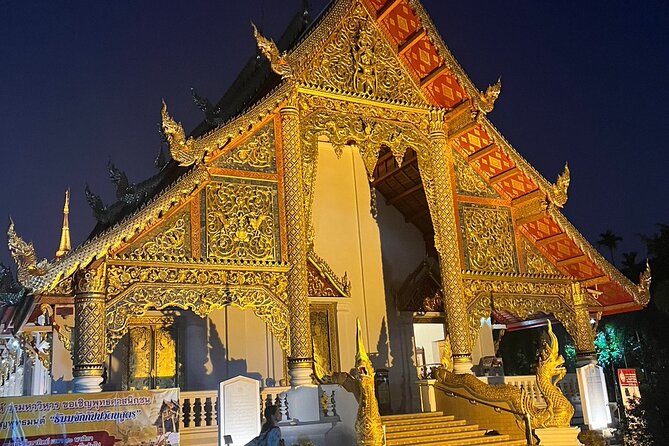
At around $34.24 per person, this is a solid budget-friendly way to combine transport, guiding, and food. The big value pieces included are:
- Tuk-tuk with driver
- English-speaking guide
- Simple street-food meal
- Dessert
- Bottled drinking water
The one part that can change your real out-of-pocket cost is temple entrances. Wat Phra Singh and Wat Chedi Luang cost THB 50 per person per temple, and you pay in cash on the day. Other temples on the route are free.
Do the math in your head before you go. If you’re paying THB 100 total for those two temples, it still usually lands as good value compared with separately paying for entry fees, transport, and a guide. But it’s not a totally “no extra costs” tour—bring some cash so you don’t feel rushed.
The 4-hour flow: fast temple stops, one smart market landing
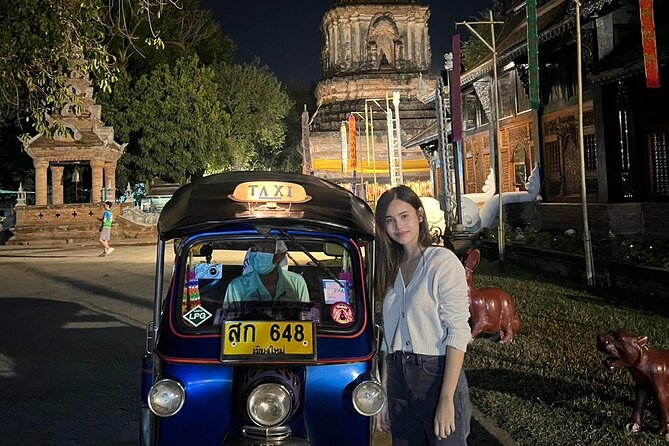
The tour runs about 4 hours starting at 6:30 pm. The structure is simple: a sequence of temple visits (each around 30 minutes) followed by about 1.5 hours at the Night Bazaar.
That “short stop” style is the whole point. You’ll see a range of different temple styles without burning the evening. If you love slow wandering and deep reading time, you may wish you had more than half an hour per stop. If you prefer a guided highlights route, this format is exactly what you want.
It ends at the Chiang Mai Night Bazaar on Changklan Rd. That’s convenient because the market is where the night energy lives—especially for food and souvenirs—without needing to figure out transport right after your temples visit.
Getting to the start: Burger King Thapae and the reality of a quick meet-up
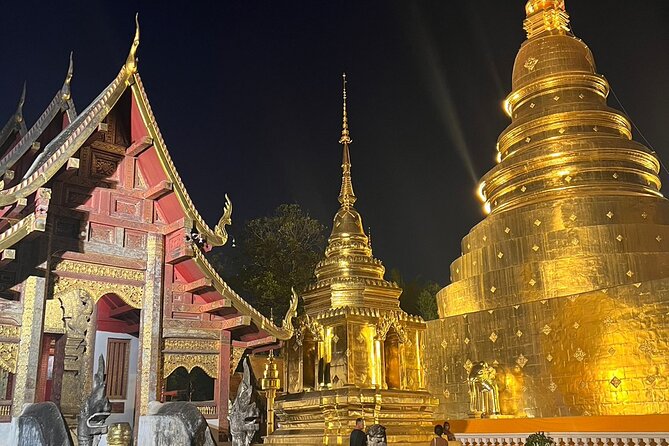
You meet at Burger King near the Thapae area (Thapae 2-6 Rachadamnoen Rd). It’s a spot most people can find, and it’s near public transportation, which helps if you’re coming from elsewhere in town.
One logistical thing to respect: tours are group-based, and you’ll only get a short grace window after the scheduled meeting time. If you tend to run late, I’d plan to arrive early—5 to 10 minutes.
Wat Phra Singh at night: the lion Buddha stop
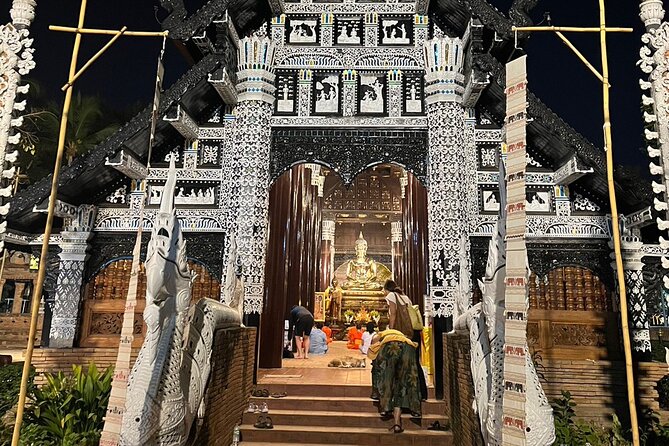
Wat Phra Singh is one of the most famous temples inside Chiang Mai’s walled old city. It’s an active monastery, and it goes by the name Monastery of the Lion Buddha.
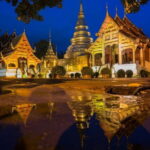
At night, the temple lighting gives the place a calm, focused feel. Your half-hour visit is enough time to:
- spot the standout features and carvings
- get the main photo angles
- learn the basics of why this temple matters
Entrance fee note: this is one of the two sites where you’ll pay THB 50 in cash.
Potential consideration: because this is an active temple, you’ll want to dress respectfully and keep behavior low-key. The tour format helps here—you’re guided through what to do and where to look—so you won’t be guessing.

Wat Phan Tao: older structures with a free-ticket bonus
Next up is Wat Phan Tao, described as one of Chiang Mai’s oldest temples. Its earliest structures are thought to date back to the late 14th century, and it sits within the old walled city just next to Wat Chedi Luang.
What I like about this stop is the “free” element. Not every highlight requires another fee. It also works as a palate cleanser between the more famous sites—still historic, but less intimidating to explore.
At night, it’s also a great place to notice texture and layout without the daytime crush. Your guide can point out what you’re looking at so you’re not just scanning for the next photo.
Entrance fee note: Wat Phan Tao is free on this route.
Wat Chedi Luang Varavihara: the great stupa ruin that still matters
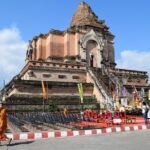
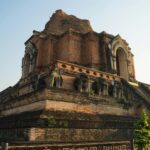
Wat Chedi Luang Varavihara is known as the temple of the Great Stupa. Construction stretched from 1391 to 1475, which alone is a reminder that Chiang Mai’s religious sites are the product of generations, not quick builds.
Then comes the dramatic part: the temple collapsed in 1545 due to an earthquake, leaving a ruin you can still read and interpret with the right context. That’s why the guide matters here. With a good explanation, you don’t just see broken stone—you understand what the site once was and how people adapted after the collapse.
Entrance fee note: this is the other site where you’ll pay THB 50 in cash.
Wat Lok Molee: a quieter older temple outside the core
Wat Lok Molee is outside the old walled center, which makes it a nice shift after two core old-city stops. It’s described as one of the city’s older temples, and it includes one of the largest and impressive chedi areas (the description cuts off mid-word, but the focus is clearly on the scale of the structure).
Why it’s worth the stop: it breaks the pattern of only staying inside the same tight loop of the old city. You get a different angle on the city’s religious footprint, and the tuk-tuk ride helps you transition without losing time.
Entrance fee note: Wat Lok Molee is free.
Night Bazaar: how to eat and shop without turning into a lost tourist
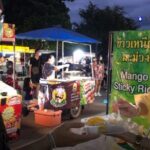
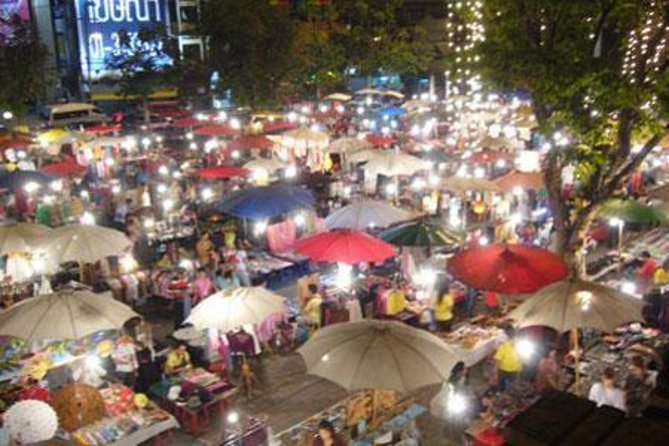
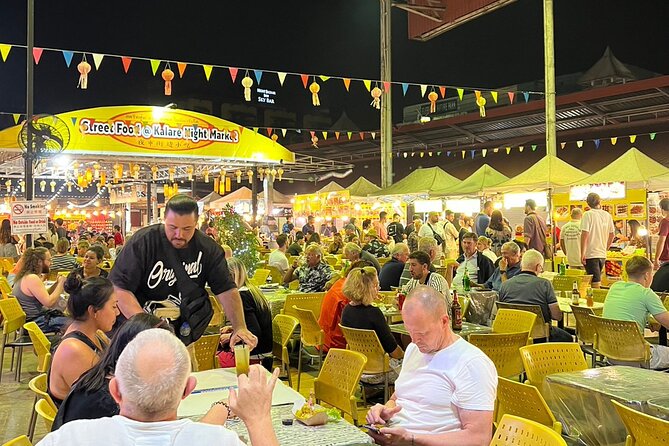
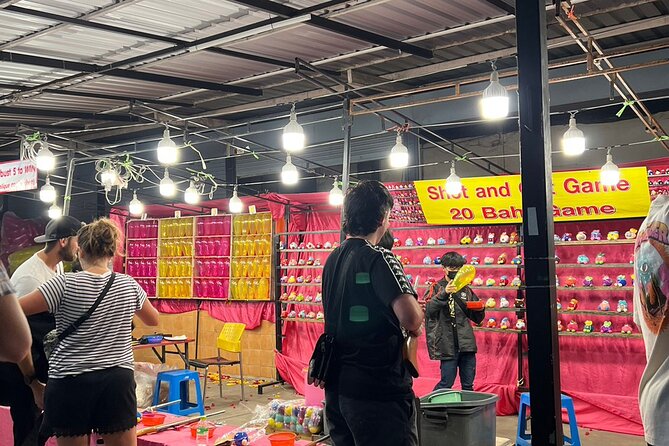
The tour ends at the Chiang Mai Night Bazaar, a well-known market with street-side stalls that focus mostly on clothing and handicrafts.
You’ll have a guided food approach built into this evening. The tour includes a simple street-food meal earlier in the experience, plus street-food tastings and dessert. That means you won’t show up at the market starving and overwhelmed.
Here’s how I’d use the extra market time:
- Take one careful lap to see what looks busy and fresh
- Pick 1–2 snack items you can finish easily
- Save heavier shopping decisions for later after you’ve seen the whole aisle layout
Also, remember this is an active market. If you’re shopping while eating, keep your pace slow. Chiang Mai nights are fun, but crowd flow can change quickly near popular stalls.
Guides make or break it: English clarity and teaching style
This tour lives and dies on the guide. The positive feedback is consistent: guides such as Tik, Nancy, Jane, Saman, Molly, and Maa are often praised for giving context about Buddhism, temple details, and what you’re actually looking at. Some guides also help you with practical things like photo angles.
I also see a clear pattern in the negative feedback: when English is hard to follow, the tour can feel like it’s only about moving between stops instead of understanding them. You can reduce that risk by going in with the right attitude:
- ask one simple question early
- point at something you’re curious about
- keep expectations realistic about a group pace
One more tip: if you care about learning city context, don’t be shy about asking for it. The better guides naturally connect religious sites to the city, but you’ll get more out of it if you steer the conversation.
Tuk-tuk reality check: cool air is great, but not every vehicle is the same
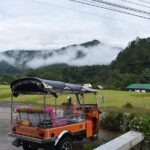
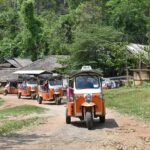
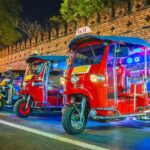
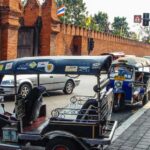
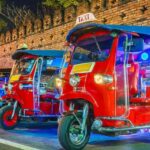
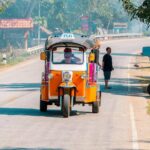
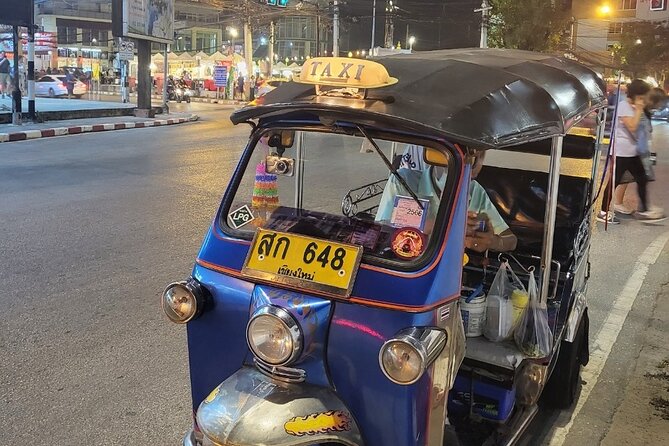
The open-air tuk-tuk concept is a major perk. In the evening, the ride can feel like a welcome break from walking. You get a breeze between temples, and it’s a fast way to cover small distances you’d otherwise slog through on foot.
But there are real-world differences. Some vehicles and setups are more comfortable than others, especially in rain. A couple of negative notes mention issues like limited rain protection and difficulty getting in and out when the tuk-tuk seat is higher or has missing steps.
If rain is in the forecast, I’d treat a poncho/raincoat as part of your outfit, not an afterthought. This tour runs rain or shine, and heavy tropical showers can still roll through fast. The goal is to keep moving when weather improves, not to wait out the entire storm.
Timing and temple-fee math: what to bring so you’re not scrambling
Two temples require cash. Plan for:
- THB 50 per person for Wat Chedi Luang
- THB 50 per person for Wat Phra Singh
Soft drinks and alcoholic beverages aren’t included. You’ll also want to keep a little cash for market snacks or extra shopping beyond what’s included.
Also: this is an evening route with multiple short stops. If you need lots of quiet time, or you want to linger, you might feel “on the go.” The solution is simple: enjoy the guided highlights now, then come back later on your own to the single temple you liked most.
Should you book this Chiang Mai night temples and market tuk-tuk tour?
Book it if you want:
- an efficient way to see several Chiang Mai temples in one evening
- a guided introduction that explains what you’re seeing
- street food included, so your Night Bazaar time is fun instead of stressful
Skip it (or add your own plans) if:
- you hate group pacing and prefer long, slow temple visits
- you dislike tours where not everything is included (especially the two temple entrances)
- you’re very sensitive to language clarity—then you’ll want to choose a departure with a strong guide
If you’re a first-timer, this tour is one of the smarter ways to get your bearings fast—especially because the temples are calmer after sunset and the food at the end gives you a satisfying payoff.
FAQ
How long is the Chiang Mai Temples and Market Tuk-Tuk Evening Night Tour?
It’s about 4 hours (approx.).
What time does the tour start, and where do we meet?
The start time is 6:30 pm, and the meeting point is Burger King at Thapae 2-6 Rachadamnoen Rd, Chiang Mai.
Where does the tour end?
The tour ends at Chiang Mai Night Bazaar on Changklan Rd.
Are temple entrance fees included in the tour price?
No. Entrance fees for Wat Chedi Luang and Wat Phra Singh are not included. Each costs THB 50 per person, paid in cash on the day.
What food is included?
The tour includes a simple street-food meal, dessert, and a bottled bottle of drinking water.
Is the guide English-speaking?
Yes, the tour includes an English speaking guide.
How large is the group?
The maximum number of participants is 12.
Does the tour run in the rain?
Yes, it operates rain or shine. Tropical showers are usually short, and the tour will continue when the weather improves. Cancellations due to weather are not eligible for a refund.
Final call: who wins most from booking
If you want a fun first-night intro to Chiang Mai—temples at night plus a market finish—this tour is a strong fit. Bring cash for the two paid temples, pack a light rain layer, and you’ll get a great evening rhythm out of the old city.