REVIEW · SYRACUSE
Syracuse and Ortygia and Park Neapolis Tuk-Tuk Tour
Book on Viator →Operated by Ape Tour Siracusa · Bookable on Viator
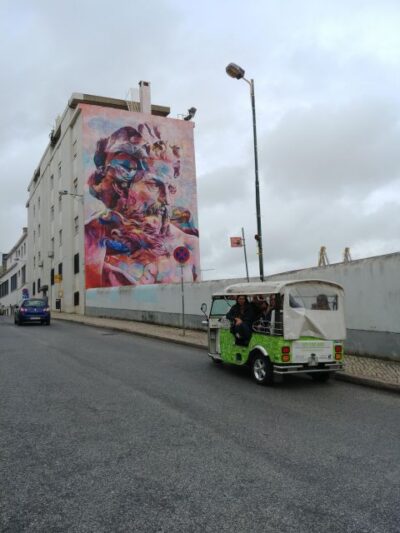
Ortigia hits different at tuk-tuk speed. I love the private tuk-tuk pace for seeing a lot without stress, and I especially enjoyed the way guide Massimo shared site-by-site context even when his English was limited. One thing to plan for: several key sights are quick photo stops, and the big entrance costs come later at Neapolis (plus the cathedral is optional).
You’ll roll through Syracuse’s most photogenic neighborhoods, with stops built for short walks and fast orientation. I also liked that the tour is set up for English communication, with help from a translation app and pre-recorded information when needed.
The route mixes major landmarks with smaller church visits, so you get variety instead of one long museum day. Just know you’ll be doing about 1 hour on your own in the archaeological park, so you should come with comfortable shoes and a basic game plan.
In This Review
- Key highlights you’ll actually feel on the ground
- How the tuk-tuk tour works in Syracuse (and why it helps)
- Piazza Duomo and the former Temple of Athena
- Fonte Aretusa: your calm reset stop
- Maniace Castle: a quick photo pause with big presence
- Temple of Apollo (Tempio di Apollo) photo stop
- Piazza Archimede and the Fountain of Diana
- Chiesa Di San Filippo Apostolo and the Jewish quarter (Giudecca)
- Parrocchia San Giovanni Evangelista e San Marziano: another quick street-level look
- Basilica Santa Lucia al Sepolcro and Caravaggio’s Saint Lucia connection
- Santuario Madonna delle Lacrime: a 1953 event and 1994 inauguration
- Neapolis Archaeological Park: one hour on your own with the Ear of Dionysius
- Price and value: what you’re paying for
- Massimo’s guiding style: English support without the pressure
- Who this tour fits best
- Should you book the Syracuse and Ortygia tuk-tuk tour?
- FAQ
- What is the duration of the Syracuse and Ortigia and Park Neapolis tuk-tuk tour?
- How much does the tour cost?
- Is pickup included?
- Are tickets and entrance fees included?
- Do I need to pay for the cathedral?
- What entrance fees apply to Neapolis Archaeological Park?
- Is the tour offered in English, and is it private?
Key highlights you’ll actually feel on the ground
- Tuk-tuk transportation with pickup so you’re not fighting parking or slow bus timing
- Massimo-style guiding: friendly, practical explanations via translation app and pre-recorded audio
- Ortigia photo-stop flow that keeps you moving while still letting you look up close
- Caravaggio at Basilica Santa Lucia al Sepolcro plus a focused church visit
- Madonna delle Lacrime sanctuary visit tied to the 1953 event and Pope John Paul II’s 1994 inauguration
- Neapolis Archaeological Park for independent exploring with the Ear of Dionysius and the Greek theater in view
How the tuk-tuk tour works in Syracuse (and why it helps)
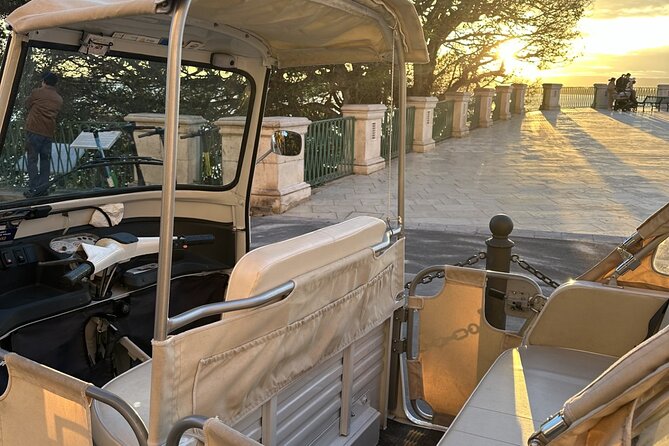
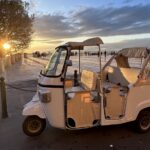
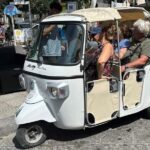
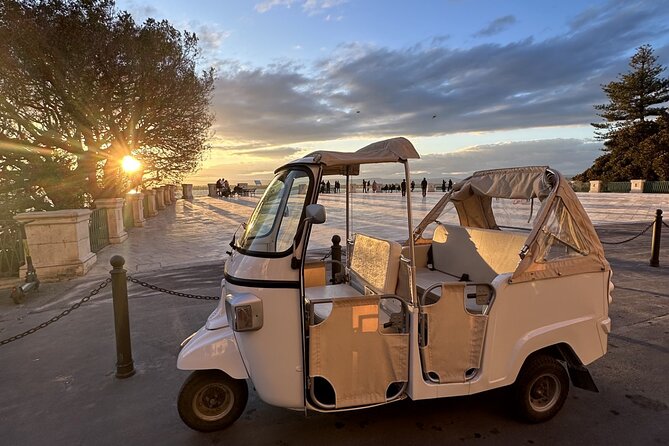
This is a private tour for up to 4 people, run by Ape Tour Siracusa, using a tuk-tuk for the whole sightseeing loop. Pickup is offered after booking confirmation, and the operator coordinates the exact time and meeting spot with you.
Because it’s private, you set the tone. If your group wants extra time photographing a facade or pausing by a fountain, you’re not stuck waiting behind a bigger crowd machine.
The tour runs about 3 hours and uses a mobile ticket, so the logistics stay simple. Also, it’s offered in English, and in practice that may mean a mix of spoken guidance plus tools like translation and pre-recorded explanations.
Piazza Duomo and the former Temple of Athena
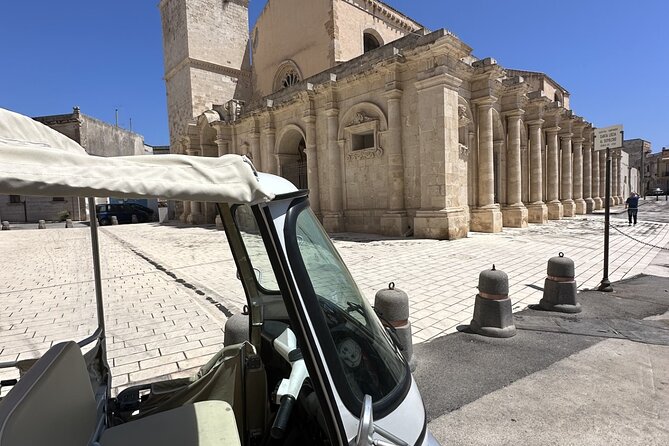
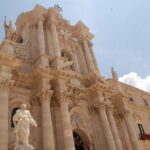
Your first stop is Piazza Duomo, where you can visit the Cathedral of Syracuse. The church sits on the ground of what used to be the Temple of Athena, so you’re seeing layers of the city’s identity in one spot.
The visit window is around 20 minutes, and the admission ticket for the cathedral is optional (listed as €2 per person). If you’re short on time, you can still enjoy the square and architecture without going inside.
A quick practical note: if you plan to enter, try to treat the cathedral visit like a focused look. That’s the right way to enjoy it here, since the tour is designed for efficient movement between several areas.
Fonte Aretusa: your calm reset stop
Next is Fonte Aretusa, with a short stop of about 10 minutes. This is the kind of pause that keeps the whole circuit from feeling like nonstop getting-through.
The fountain area is a natural contrast to the churches and temples you’ll see afterward. Even with the short timing, it gives you a chance to slow down, take a couple photos, and reorient before the heavier landmarks.
If you hate rushing, you can use this stop to mentally switch modes—from walking fast to looking carefully.
Maniace Castle: a quick photo pause with big presence
You’ll get a photo stop at Maniace Castle for about 15 minutes. This is one of those locations where you don’t need a long tour to appreciate the look of the place in the light.
Since it’s a photo stop, expect less of a structured walk and more time for angles. If you like architecture photos, this is a solid moment to get your camera ready before the temple-themed sights.
Temple of Apollo (Tempio di Apollo) photo stop
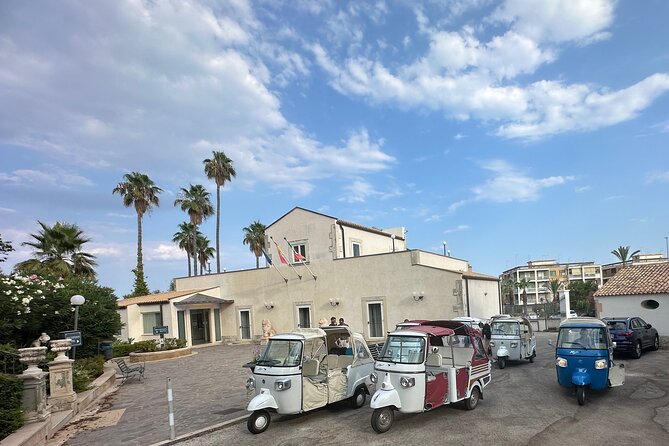
The Tempio di Apollo is the next highlight, also listed as a photo stop with about 10 minutes. The temple is described as a Greek temple dating to the sixth century B.C.
That brief window matters. Here, the value is in grabbing clear views of the columns and imagining the setting in an older era, not in treating it like a full guided lecture.
If you want the most out of these quick stops, plan to do one wide shot for context, then one tighter detail shot. It keeps the time useful.
Piazza Archimede and the Fountain of Diana
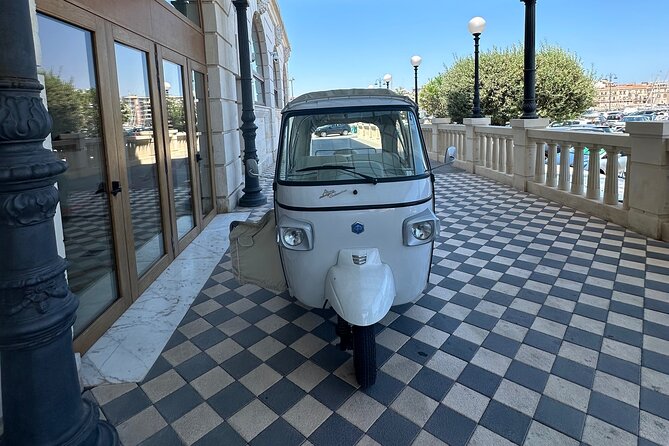
At Piazza Archimede, you’ll stop for about 5 minutes at the fountain connected to Diana, goddess of hunting. This is short, but it’s a nice way to connect the city’s public squares with myth and symbolism.
Think of this stop as orientation + photo fuel. You’ll be glad you paid attention when you later recognize the same idea of gods and stories repeated across the circuit.
Chiesa Di San Filippo Apostolo and the Jewish quarter (Giudecca)
Now you’re entering a more layered part of the walk. The stop is at Chiesa Di San Filippo Apostolo, and the experience includes a photo stop and a look at the Jewish quarter called GIUDECCA.
Timing is about 5 minutes, so it’s not a long history session. Still, even a short visit here is useful because it breaks the pattern of only seeing temples and monuments.
If you like understanding how different communities shaped the same streets, keep your eyes open for street-level cues. This is the kind of stop where a quick glance turns into a better overall mental map of Ortigia.
Parrocchia San Giovanni Evangelista e San Marziano: another quick street-level look
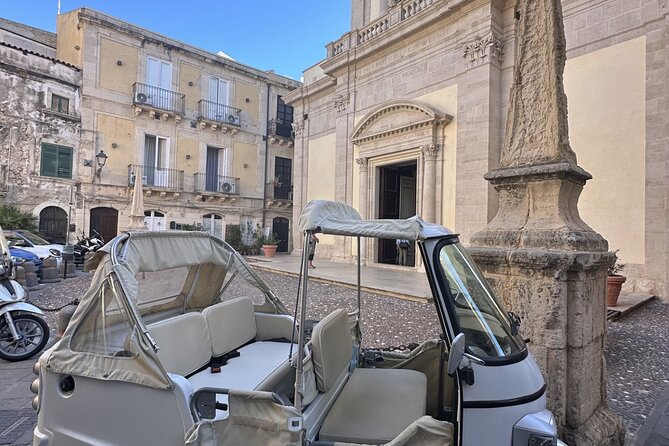
You’ll have another photo stop for around 5 minutes at Parrocchia San Giovanni Evangelista e San Marziano. This is one of the stops that works best if you like church facades and neighborhood character.
Because the time is short, I treat it like a checkpoint. Get one good exterior photo, then shift your focus to where the tour is going next.
Basilica Santa Lucia al Sepolcro and Caravaggio’s Saint Lucia connection
This is one of the more meaningful stops: Basilica Santa Lucia al Sepolcro. You’ll have about 15 minutes for the stop, including a visit, and the church is noted for displaying a Caravaggio painting dedicated to Saint Lucia, patron saint of Syracuse.
This is the kind of place where a quick visit can still land emotionally, because it’s tied to devotion and local identity. And if you’re into Italian art, this is a very practical win: you get a chance to see a major artist connection without needing an all-day museum plan.
If you want to maximize it, look at how the painting sits in the church context. Even if you only have a short time, that framing can make the artwork feel more grounded and less like an isolated famous piece.
Santuario Madonna delle Lacrime: a 1953 event and 1994 inauguration
Next is the Santuario Madonna delle Lacrime. The stop includes a visit about 15 minutes, centered on a painting of the Virgin Mary associated with an event in 1953, and the sanctuary’s inauguration in 1994 by Pope John Paul II.
This stop adds a different mood to the tour. Earlier stops lean toward ancient sites, temples, and myth. Here, you’re in a place built around a modern story of faith and public devotion.
With 15 minutes, you’ll likely get enough time to see the key parts and feel the sanctuary atmosphere, even if you don’t go super deep into long readings.
Neapolis Archaeological Park: one hour on your own with the Ear of Dionysius
The final big portion is Parco Archeologico della Neapolis, with about 1 hour for you to explore independently. You’ll pay the entrance fee directly: adults €15, ages 18–25 €7, and under 18 free admission (the pricing info also includes a repeated €15.00 line, but the key age tiers are clearly listed as above).
In this park, you can see the Greek theater and the Roman amphitheater known as the Ear of Dionysius, and that combination is part of why this stop is worth setting aside time for. Even without a long guided walk, the sightlines and scale do a lot of the teaching for you.
What I suggest before you start walking: decide what you want first. If you’re most excited about the Ear of Dionysius, head there early while you still have energy and light. If your priority is the Greek theater, go straight to that viewpoint and then work outward.
Price and value: what you’re paying for
The price is $282.72 per group (up to 4), for about 3 hours. Transportation is included, and you’re also getting an English-forward experience with support tools.
That matters for value. A group tuk-tuk tour isn’t just about the ride. It’s about having someone help you connect the dots fast: where to look, what you’re seeing, and how the city’s sacred and ancient sites connect.
Your main extra costs are admission tickets:
- Cathedral at Piazza Duomo: optional, listed as €2 per person
- Neapolis Archaeological Park: separate entrance fee as listed above
If you’re traveling as a couple or small group, the per-person math can look much better than buying multiple separate tickets and negotiating transport on your own.
Massimo’s guiding style: English support without the pressure
One of the strongest positives is the guide: Massimo. He’s described as friendly and accommodating, and even with limited English, he managed communication clearly using a translation app and pre-recorded information tied to the stops.
That’s a good model for this kind of tour. You don’t need perfect fluency when explanations are structured and timed to where you are standing.
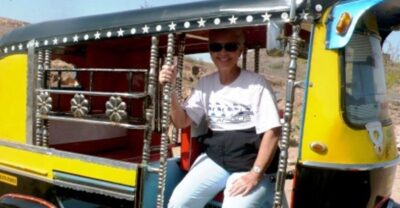
And yes, the tuk-tuk itself gets praise too. It’s a fun detail, but it also has a practical side: when the ride looks good and the guide is prepared, you spend less time dealing with confusion and more time simply enjoying the route.
Who this tour fits best
This tour is a great match if you:
- want an efficient 3-hour way to see Ortigia landmarks without planning every transit step
- like a mix of major sites and quick church visits
- enjoy photo-stop pacing rather than long timed museum-style tours
- are traveling in a small group (up to 4) and want private transport
If you’re looking for a slow, deep, all-day excavation of every site, you might feel the shorter stop times. But if you want a smart overview that still includes meaningful visits like Santa Lucia al Sepolcro and Madonna delle Lacrime, this hits the sweet spot.
Should you book the Syracuse and Ortygia tuk-tuk tour?
I’d book it if your priority is getting a high-quality Syracuse overview in a short window, especially with private tuk-tuk transport and guided support built for English. The mix of ancient connections (Temple of Athena site, Apollo) plus strong church moments (Caravaggio at Santa Lucia) plus a real archaeological ending (Neapolis) gives you variety without feeling scattered.
I’d think twice if your ideal vacation is long stays at sites with no pace changes. A good chunk of the route is photo stops, and the final archaeological park part is on your own, so you’ll want to be comfortable exploring independently for about an hour.
If that sounds like you, this is a fun, efficient way to see Syracuse with less hassle and more focus.
FAQ
What is the duration of the Syracuse and Ortigia and Park Neapolis tuk-tuk tour?
It’s about 3 hours (approx.).
How much does the tour cost?
The price is $282.72 per group for up to 4 people.
Is pickup included?
Pickup is offered. After booking, the provider confirms the pickup time and meeting place with you.
Are tickets and entrance fees included?
No. Admission fees are not included for the cathedral (optional) and for the Neapolis Archaeological Park entrance.
Do I need to pay for the cathedral?
The cathedral visit is optional, with the admission ticket listed as €2 per person.
What entrance fees apply to Neapolis Archaeological Park?
Adults: €15. Ages 18–25: €7. Under 18: free admission.
Is the tour offered in English, and is it private?
Yes, it’s offered in English. It’s also private, meaning only your group participates. Service animals are allowed.