REVIEW · MADRID
Madrid: Tuk Tuk Tour of the Historic Heart and Gran Vía. 1h 15min
Book on GetYourGuide →Operated by TUK TUK ZERO · Bookable on GetYourGuide
Gran Vía, royal power, and tapas streets in one loop. This 75-minute Tuk Tuk tour ties together Madrid’s big symbols, from the Royal Palace and Plaza Mayor to the neighborhoods people actually hang out in, with a guide who keeps things moving. I especially like the practical extras like cold bottled water and the mobile charging spot, plus the visuals and text that help you follow along fast. One heads-up: monument tickets aren’t included, so you may still need to pay entry fees where required.
The route makes sense if you want context without overplanning. You’ll get a quick guided pass through places like Congress of Deputies, Prado, Puerta del Sol, and the Almudena Cathedral area, then end up in the more everyday-feeling streets around La Latina and Mercado de San Miguel. The trade-off is time: it’s built for seeing and understanding, not for long museum stays or lingering for a full tapas crawl.
In This Review
- Key highlights you’ll care about
- Why a Tuk Tuk tour fits Madrid’s top sights in 75 minutes
- Getting to Tuk Tuk Zero: Neptune Fountain meeting point and timing tips
- From Plaza de Santa Ana to the Congress of Deputies: letters, lions, and national power
- Prado and Puerta del Sol: art focus and Spain’s Kilometre Zero meet-up spot
- Plaza Mayor and the La Latina-to-Rastro vibe: Austrias grandeur meets food streets
- Almudena Cathedral and the Royal Palace area: official Madrid, right next to everyday energy
- Mercado San Miguel food stop and Plaza de España: glass-and-iron structure to Cervantes monument
- Gran Vía and Cibeles Fountain: theater boulevard energy and Real Madrid celebration points
- What’s included, what’s not, and how to plan your money
- Who this Tuk Tuk tour is best for
- Should you book this Madrid Tuk Tuk tour?
- FAQ
- How long is the Tuk Tuk tour?
- How much does it cost?
- Where do we meet the tour?
- What languages are available for the live guide?
- Is Wi‑Fi and charging included?
- Are monument tickets included?
Key highlights you’ll care about
- 11-language live guide (Spanish, English, French, German, Japanese, Portuguese, Russian, Traditional Chinese, Italian, Polish, Dutch)
- Neptune Fountain pickup at Plaza de Cánovas del Castillo, right by the Thyssen-Bornemisza Museum area
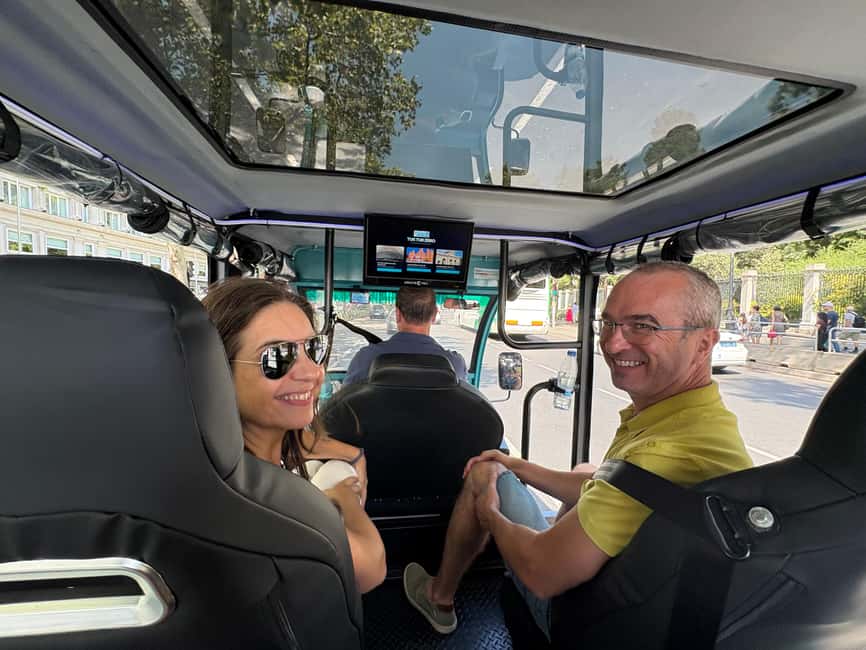
- Phone-friendly comfort with a mobile charging spot, plus chilled bottled water
- Practical, visual storytelling with inclusive visuals plus text and images
- Icon-to-neighborhood mix: Royal Palace and Plaza Mayor, then La Latina and Mercado de San Miguel, then Gran Vía and Cibeles
Why a Tuk Tuk tour fits Madrid’s top sights in 75 minutes
Madrid can feel huge when you’re moving on foot, especially when you’re trying to hit both the grand official side of town and the everyday neighborhoods. This tour is designed as a tight loop, so you can cover a lot of key points without turning the day into a long endurance test.
I like that it links different “modes” of Madrid in the same outing. You start on the Paseo del Prado area near the Neptune Fountain, then work your way through political power (Congress of Deputies), major art (Prado), the city’s famous meeting point (Puerta del Sol), and the Austrias core (Plaza Mayor). After that, you shift gears into the popular, food-and-streets part of town with La Latina and the Mercado San Miguel area, then you move to the big boulevard energy of Gran Vía and end at Cibeles Fountain, where Real Madrid fans gather for celebrations.
Value-wise, the price is set per group (up to 4) and the tour is only 1h 15m. That’s what makes it feel good for families and small groups: it’s not priced like a person-by-person museum ticket, and it’s short enough to fit neatly into a packed travel day.
You can also read our reviews of more tours and experiences in Madrid.



Getting to Tuk Tuk Zero: Neptune Fountain meeting point and timing tips
Your start is at Tuk Tuk Zero in Plaza de Cánovas del Castillo, at the Neptune Fountain. It’s in front of the Thyssen-Bornemisza National Museum, in the street section where parking is allowed. Arrive about 10 minutes early so you don’t stress at the start.
You’ll have easy public transport options once you’re in the square: metro lines 1 and 2 plus several bus stops (including lines 1, 10, 14, 27, and others). That matters because you may finish later near a different part of the city—so knowing you can get back quickly makes the whole outing more relaxing.
If you’re traveling with kids, this is one of those tours that thinks about comfort. There’s a booster seat available in the car, which can make a big difference over short rides when everyone’s trying to see and stay settled.
From Plaza de Santa Ana to the Congress of Deputies: letters, lions, and national power
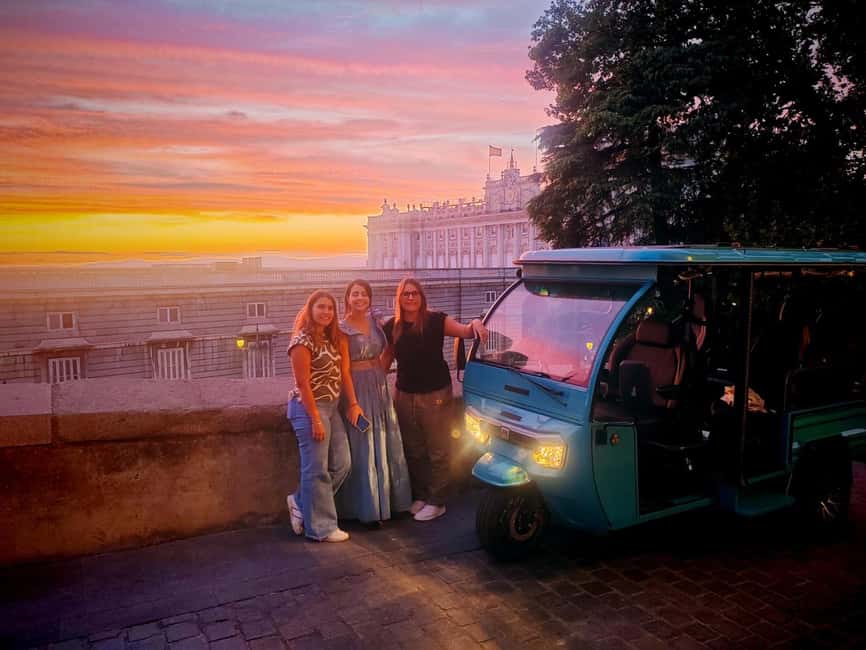
The tour flows quickly from the theater-and-brewery area around Plaza de Santa Ana into the political center. This is where Madrid’s contrast shows up fast: literary streets and performance spaces feel close to the national symbolism of the Congress of Deputies.
At the Plaza de Santa Ana stop, you’re in the literary heart of Madrid, surrounded by theaters and famous breweries. Even if you don’t go inside anywhere, the stop helps you understand why people treat this part of town like a cultural living room.
Then comes Congress of Deputies. The guide points out the seat of national sovereignty, guarded by iconic lions. That detail is worth knowing before you arrive because it changes how you look at the façade: you’re not just passing by a building, you’re seeing a specific symbol of how Spain is governed.
Prado and Puerta del Sol: art focus and Spain’s Kilometre Zero meet-up spot
Next you roll into the art and the “everyone gathers here” zone.
At the Prado Museum area, the tour frames it as the epicenter of world art, with a stroll among painting geniuses. Even on a short tour, this gives you a helpful orientation moment. If you want to go back later for a museum visit, you’ll likely remember the general geography and what kind of masterpieces people come for.
Then the tour hits Puerta del Sol, the famous meeting point with Spain’s Kilometre Zero. The guide also flags the Bear and the Strawberry Tree. Knowing those two things upfront is a big win because they’re the sort of details you’ll spot in photos and signage all over the city once you understand what you’re looking at.
If you’re someone who likes photo stops but hates crowd chaos, this is a good compromise. You get the meaning and the landmarks without turning the day into a parking-lot-level waiting game.
Plaza Mayor and the La Latina-to-Rastro vibe: Austrias grandeur meets food streets
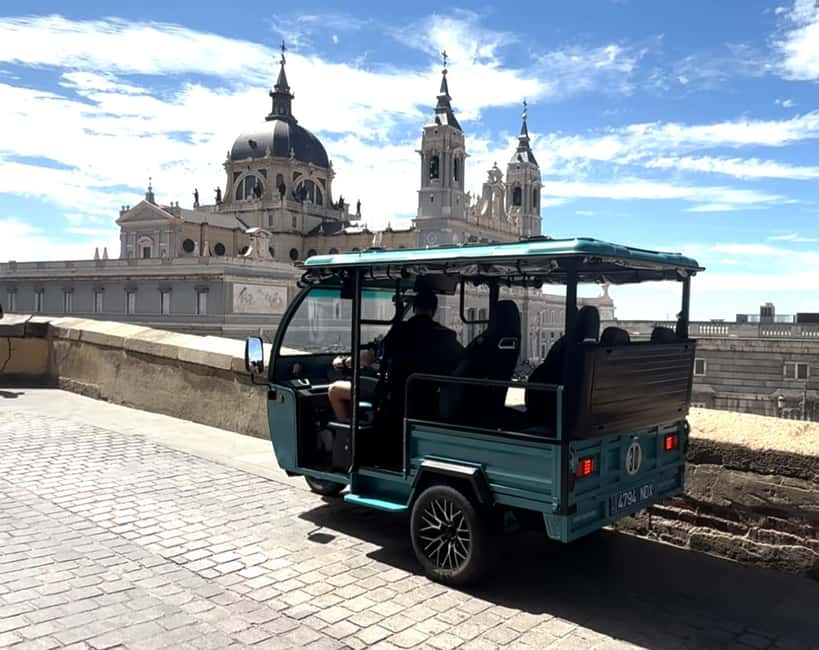
From Puerta del Sol, you head into Plaza Mayor, described as the majestic heart of Madrid de los Austrias. This is one of those places where the building scale hits you immediately. If you’ve never been before, the guided framing helps you see why the square matters beyond looking pretty in postcards.
Then the tour slides into La Latina, which the route describes as the traditional soul of Madrid. This is where the atmosphere changes from “grand square” to “people out and about.” You’re looking for the tapas culture, street parties, and the Rastro. Even if you’re not planning a full market visit, this stop helps you understand where Madrid’s casual energy lives, and it can steer your next food decision.
Practical note: La Latina is the kind of area where you’ll be tempted to wander off. That’s great, just keep in mind this is a guided circuit, so don’t assume you’ll have free time long enough for a full detour.





Almudena Cathedral and the Royal Palace area: official Madrid, right next to everyday energy
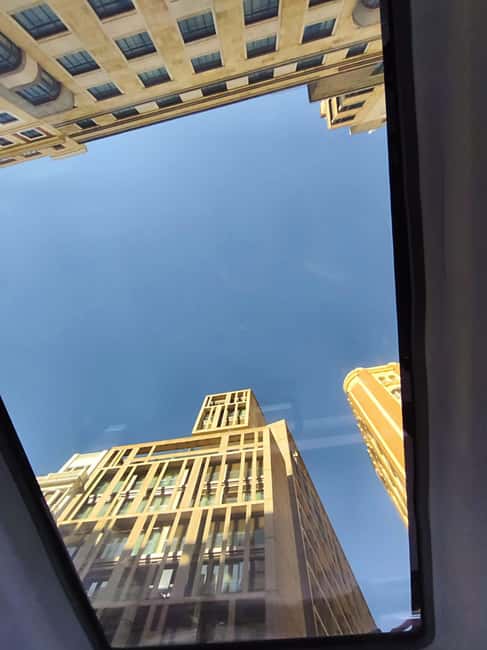
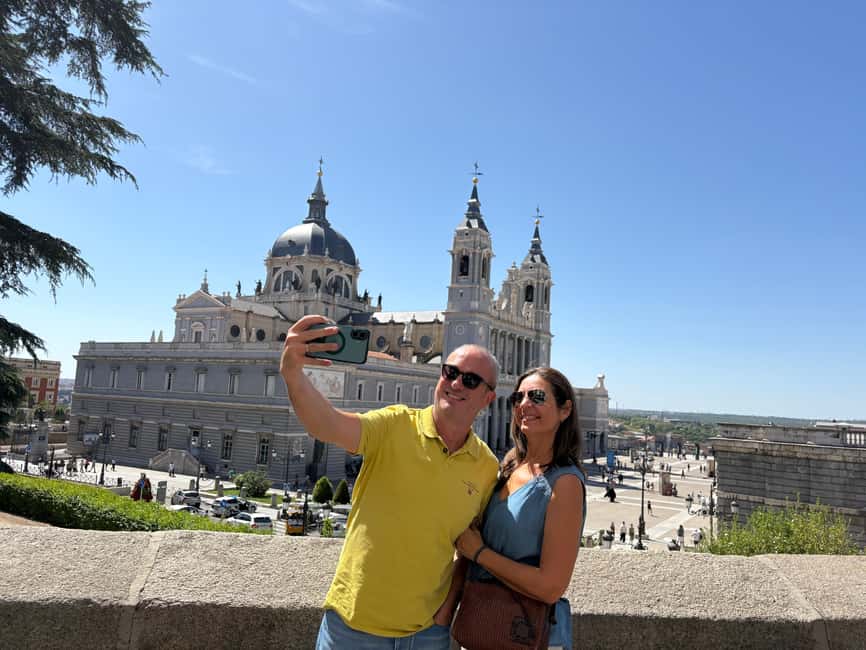
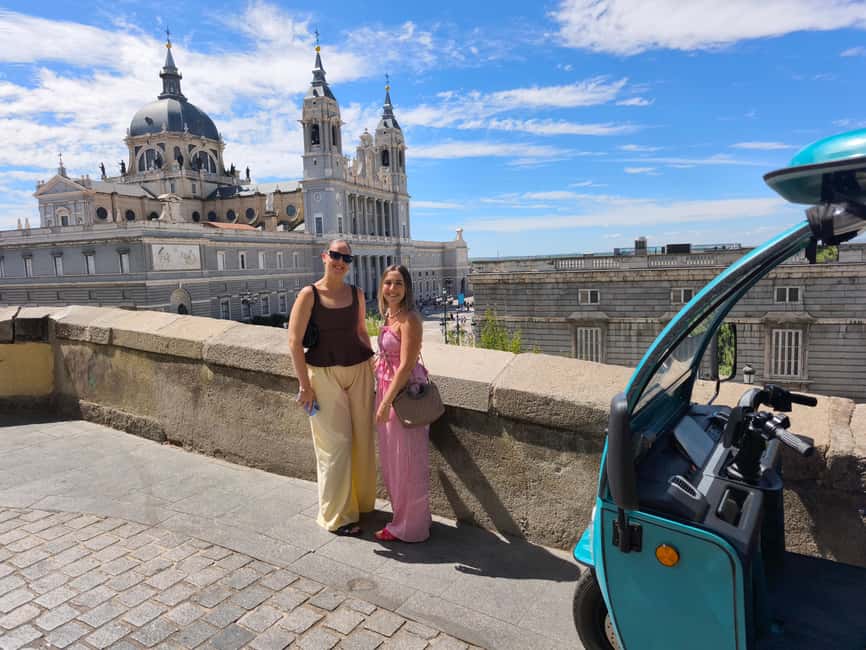
Next up is Cathedral of Santa María la Real de la Almudena, directly across from the Royal Palace area. The tour highlights the cathedral’s mix of styles and its standout presence in the skyline. That makes sense because the tour is trying to connect “royal and political power” with how the city actually moves around it.
Then you get to admire the Royal Palace in Madrid, described as the grand official residence of Spain’s kings. Even from a distance, it’s the kind of sight that makes the rest of the day’s stops feel connected. You started with political symbolism, then came to major art, and now you’re seeing the official residence side of the story.
This is also one of the moments where you’ll want to check your expectations about photos and time. The tour gives you a guided look, but it’s not designed as an all-day palace visit. Tickets aren’t included, so if you want interiors, you’ll need to plan that separately.
Mercado San Miguel food stop and Plaza de España: glass-and-iron structure to Cervantes monument
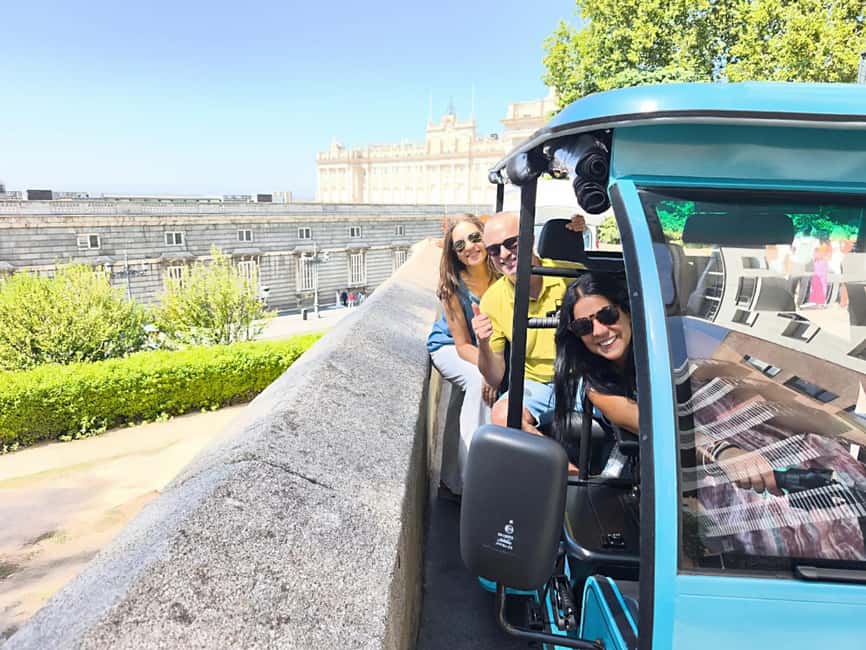
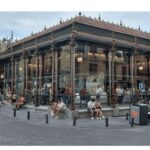
The tour’s food moment lands at Mercado San Miguel. It’s framed as a foodie paradise, with a stunning iron and glass structure. This is the kind of stop that’s easy to enjoy even if you only have time for a snack. The guided context helps you decide what kind of food stop you want next: quick bites for the road, or a slower sit-down later.
After that, you go to Plaza de España, described as a revamped monumental space with the iconic Cervantes monument. This is a good transition stop because it’s both visual and easy to understand. You’ll feel how the city’s “icon stretches” into a broader urban space.
If you’re the type who likes to plan your evening, this part can do that for you. You’ll see where Madrid shifts from squares and institutions into big pedestrian-friendly avenues and gathering points.
Gran Vía and Cibeles Fountain: theater boulevard energy and Real Madrid celebration points
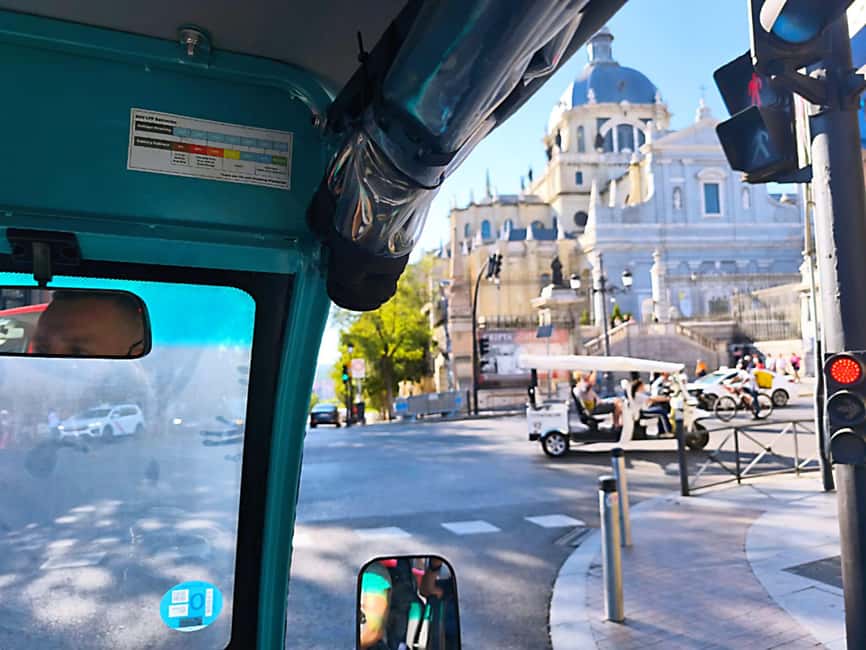
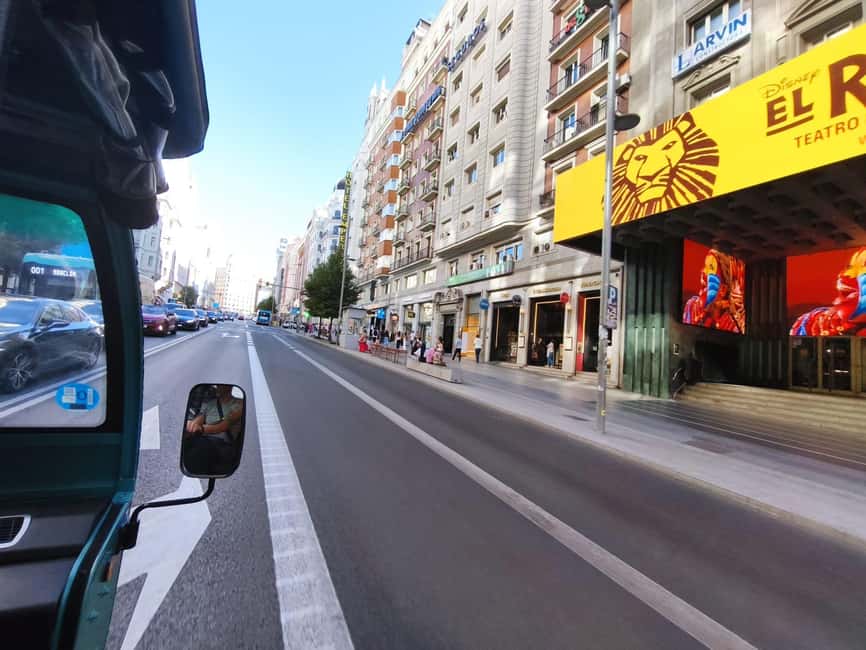
Then you hit Gran Vía, Madrid’s main avenue known for theaters, cinemas, and historic buildings. This is where the city starts to feel like a capital built for big shows and big crowds, but the tour keeps it efficient.
At Cibeles Fountain, you end at one of Madrid’s most recognizable landmarks. The tour notes it as the spot where Real Madrid fans gather to celebrate victories. Even if you’re not traveling during a win, it’s still useful context because it explains why the fountain is more than a pretty photo spot—it’s also a social meeting place when the city celebrates.
You’ll like this ending if you want a strong visual “wrap” to the tour. You’ve gone from official buildings and museum areas to neighborhood streets and food, then landed back at a major Madrid landmark that feels like the city’s public living room.
What’s included, what’s not, and how to plan your money
Included in the price:
- Chilled bottled water
- Mobile phone charging spot
- Inclusive tour experience with visual resources like text and images
- Free Wi‑Fi
- Booster seat for kids
- Wheelchair accessible
- A live guide in 11 languages
Not included:
- Tickets to monuments and attractions
One helpful detail: the tour also includes a skip-the-ticket-line element. Since tickets aren’t included, you’ll still want to be ready to pay for entries you want to go into. But the intent here is to reduce time wasted on queues for the sights where tickets matter.
If you’re building a day around this, I recommend treating it like an orientation plus guided highlights pass. Then pick one or two places you truly want to enter and budget tickets for those.
Who this Tuk Tuk tour is best for
This fits well if you:
- Want a guided overview of Madrid’s most recognizable “high points” without a long walk schedule
- Are traveling with kids and appreciate the booster seat
- Want a guide that can explain landmarks in many languages
- Like practical comfort—water, Wi‑Fi, and phone charging—so you can keep moving and stay connected
It may not be your best choice if you:
- Want a deep museum day or extended time inside multiple monuments
- Plan to do lots of paid entries during the same 75 minutes without adjusting expectations
Should you book this Madrid Tuk Tuk tour?
Yes, if you’re trying to get your bearings fast and you want the city’s big symbols plus real-life neighborhood energy in one short ride. The route makes logical sense: it connects art, politics, the classic squares, and the tapas-and-market areas, then lands on Gran Vía and Cibeles for a satisfying finale.
I’d book it especially if your group is up to four people and you value included comfort extras like cold water and phone charging. If you’re the type who likes a tight plan, this tour gives you exactly that, and then you’re free to choose what to do next based on what you liked most.
Quick decision check:
- If you want guided context with minimal fuss: book.
- If you want slow, ticket-heavy museum time: you’ll probably need to add separate visits later.
FAQ
How long is the Tuk Tuk tour?
It lasts 1h 15min (75 minutes).
How much does it cost?
It’s $70 per group, up to 4 people.
Where do we meet the tour?
Meet at Tuk Tuk Zero at Plaza de Canovas del Castillo (Neptune Fountain), in front of the Thyssen-Bornemisza National Museum, in the street area where parking is allowed. Arrive 10 minutes early.
What languages are available for the live guide?
The tour offers live guiding in Spanish, English, French, German, Japanese, Portuguese, Russian, Traditional Chinese, Italian, Polish, and Dutch.
Is Wi‑Fi and charging included?
Yes. The tour includes a mobile phone charging spot and free Wi‑Fi.
Are monument tickets included?
No. Tickets to monuments and attractions are not included, though the tour includes a skip-the-ticket-line element where relevant.