REVIEW · SIEM REAP
Angkor Wat: Tuk Tuk and Walking Tour
Book on GetYourGuide →Operated by Journey Cambodia · Bookable on GetYourGuide
A day at Angkor turns into a choose-your-own-adventure fast. This 7-hour outing mixes private tuk-tuk comfort with solid on-foot temple time, so you get big Khmer sights like Bayon and Ta Prohm without spending your whole day stuck in traffic or crowds. You’ll also get guide storytelling that connects carved stone to real Khmer life and belief.
I especially like two things about this tour. First, the human touch from guides who can explain more than monuments—names you might see like Sam, Monirom, Poleak, Bun, and Bob come up in past experiences, and the common thread is clear, friendly English plus answers to your questions. Second, I love how Ta Prohm is treated like the star: trees grow through the ruins, corridors feel like a stone maze, and the “jungle temple” mood is the whole point.
One thing to plan for: temple entrance fees and lunch aren’t included in the $49 rate, so your final day budget can jump once you add the Angkor ticket and pay for food. Also, there’s plenty of walking, so wear proper shoes and don’t assume this will feel easy.
In This Review
- Key highlights worth your attention
- From Siem Reap to Angkor’s Eastern Gate by Private Tuk Tuk
- Angkor Thom on Foot: Bayon, Dead Gate, and the Victory Gate Walk
- Ta Prohm Jungle Temple and the Maze-Like Ruins
- Lunch Break: Plan on Paying, and Choose Wisely
- Price and Value: What You Really Get for $49
- What to Wear and Bring for a Temple Day That Moves
- How the Guides Improve Your Angkor Experience
- Should You Book This Angkor Tuk-Tuk and Walking Tour?
- FAQ
- How long is the Angkor Wat tuk-tuk and walking tour?
- What is the price per person?
- Are temple entrance fees included?
- Is lunch included?
- Does the tour include hotel pickup and drop-off?
- What’s included in the tour besides the guide?
- What language is the guide?
- Is the tour suitable for people with mobility impairments?
Key highlights worth your attention
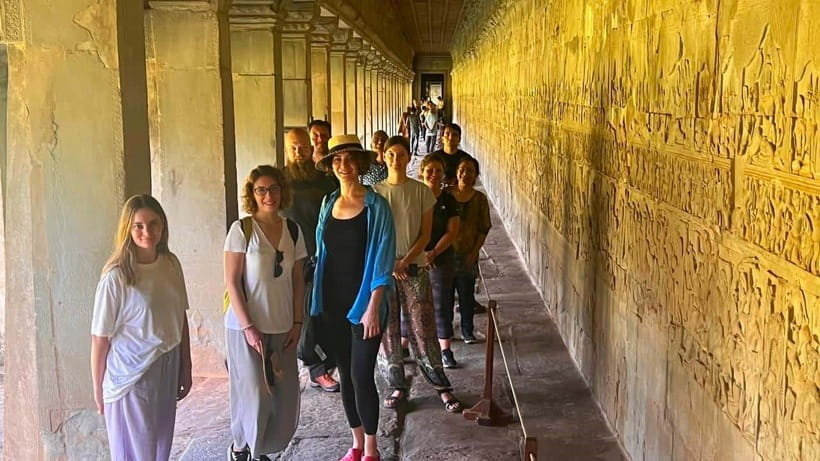
- Private tuk-tuk ride from your Siem Reap hotel to the Angkor circuit, with cold water and soft drinks along the way
- Angkor Thom on foot: Bayon’s giant faces, plus the Dead Gate and walkable sections of old city walls
- Ta Prohm jungle temple: trees through stones, maze-like interior areas, and time on forest tracks
- Skip-the-line temple ticketing so you lose less time waiting
- English live guide who connects the temples to Khmer culture and everyday life stories
From Siem Reap to Angkor’s Eastern Gate by Private Tuk Tuk
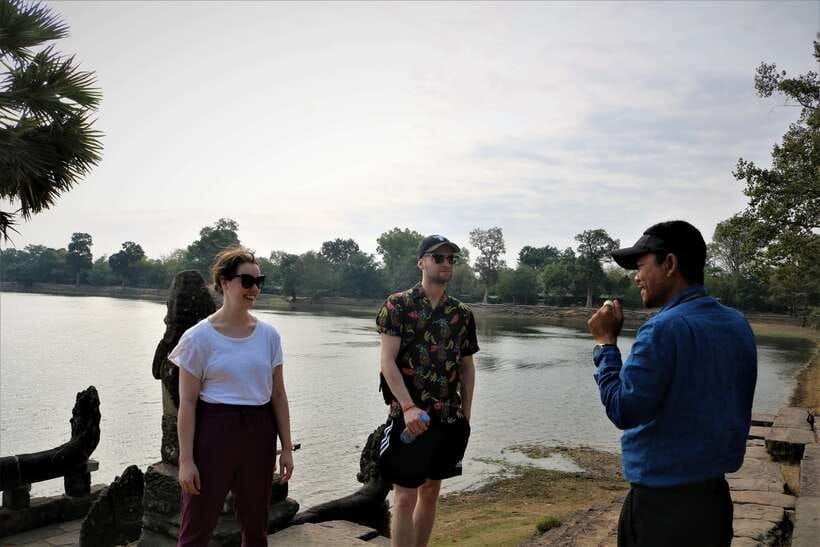
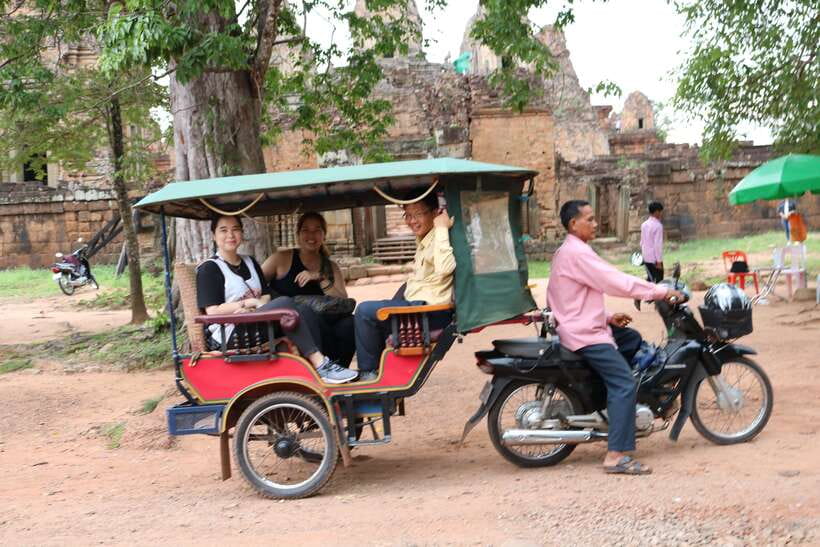
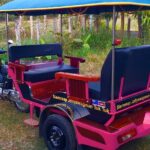
Your day starts with pickup, usually the easiest kind of start: you’re collected at your hotel, then you’re rolling in a private tuk-tuk rather than joining a shuffle of vehicles and wandering. It’s a simple setup, but it matters. In Cambodia heat, anything that keeps the morning smoother is a win.
The route brings you toward Angkor’s area, and the first major moment is arriving at the eastern-side entry point for the day’s sights. After that, the tour stays active: you’ll be off the tuk-tuk for guided walking at key spots, then back on for the next leg. That rhythm is the sweet spot for most people—enough comfort to recharge, enough walking to feel like you’re actually inside the place, not just peeking from a distance.
One practical bonus I like: you’re not left dehydrating. Bottled water and soft drinks are included, and at least one past experience noted the water being kept cool in the tuk-tuk. It doesn’t sound glamorous, but it can be the difference between “great day” and “why did I wear these shoes?”
You can also read our reviews of more tours and experiences in Siem Reap.


Angkor Thom on Foot: Bayon, Dead Gate, and the Victory Gate Walk
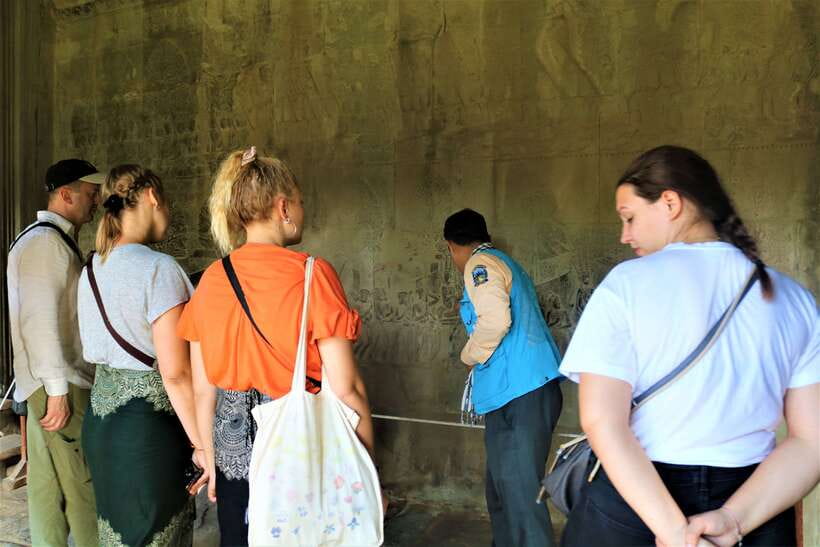
Angkor Thom is where you start to understand how the Khmer capital was designed to feel both grand and guarded. Your guide’s job here is more than pointing at carvings. You’ll learn the bigger story—how this city functioned as the center of power—and then you’ll see it play out in the layout as you walk.
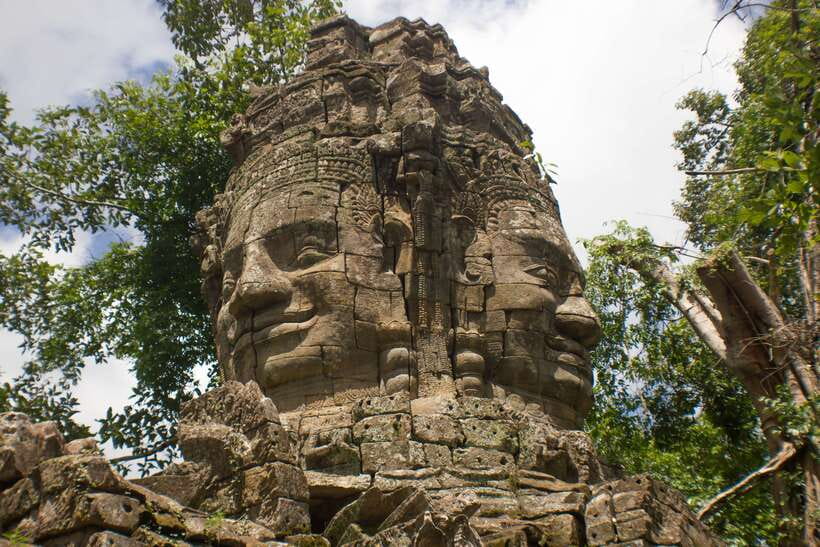
The first signature stop is Bayon, famous for its giant stone faces. Standing among them, you get the real effect: the faces aren’t just decoration. They create a constant presence, as if the temple is watching you from multiple directions. Your guide’s explanations help you read what you’re seeing—why the faces are placed where they are and what they meant to the people who built and used these spaces.
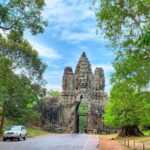
Next comes the Dead Gate, and that name is part warning, part intrigue. You’ll climb as part of this segment, which makes it feel more physical than the flat, photo-stop style of temple wandering. After that, you’ll walk along old city walls and work your way toward the Victory Gate area. It’s the kind of walk that makes Angkor feel like a real city. You can almost picture processions of warriors and ceremonies moving through the same corridors of stone.
The tour’s biggest advantage in this section is pacing. You’re not rushing from one random corner to another. You’re building a route through Angkor Thom with enough context to make sense of it. If you like temples that feel connected—roads, gates, walls, and symbolism all together—this walking loop is one of the strongest parts of the day.
Ta Prohm Jungle Temple and the Maze-Like Ruins
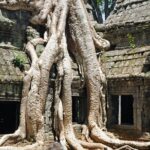
Ta Prohm is the stop you came for if you want Angkor to feel half-explored, like the jungle and the stone are still negotiating. This is the “jungle temple” where trees grow right through ruins, and the atmosphere is why it’s so often photographed.
What I like about how this tour handles Ta Prohm is that you don’t treat it like a quick drive-by. You’ll explore the temple’s interior spaces enough to notice the maze-like feel—tight passages, changing sightlines, and the sense that you could get happily lost if you didn’t have guidance. Your guide helps you move through the complex so you’re not just following crowds to the same two angles.
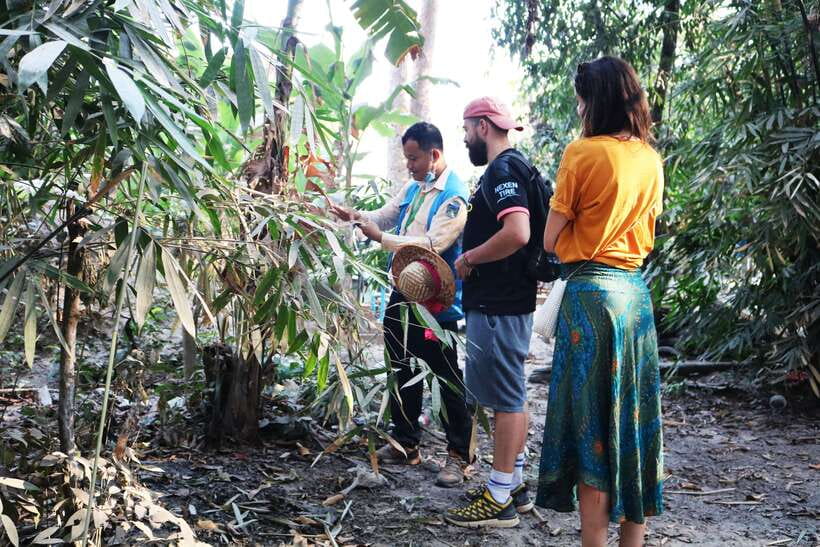
You’ll also spend time on ruins with hidden forest tracks. That matters because it changes the day from “temples only” to “temples + environment.” Angkor isn’t just stone. It’s stone inside a living landscape. (And yes, you’ll want insect repellent here.) The tour’s overall goal is to get you that Ta Prohm mood: the way the site looks like it did when explorers first brought it to wider attention over a century ago.
One more real-world consideration: weather can make paths slick. In a past experience, a guide adjusted the plan when rain turned a nearby detour muddy, moving you back toward the tuk-tuk faster. That’s the kind of flexibility you want on a walking-heavy temple day.
Lunch Break: Plan on Paying, and Choose Wisely
Lunch isn’t included in the $49 price, so you should budget extra. The good news is you won’t be left hanging with hunger. Past days included a stop at a local restaurant for lunch, which turned out tasty and convenient.
Here’s how to make lunch work for you: treat it as recovery time and use it to reset your pace. In Angkor, your biggest enemy is not the temples—it’s fatigue plus heat. A proper break keeps you fresh for the next walk, and it helps you enjoy the finer details instead of rushing through them.
Because lunch cost isn’t specified in the info you have, the best approach is to carry some extra cash and keep it simple: pick a place the guide recommends, order something you’ll actually eat, and don’t try to squeeze in a big sightseeing detour during the meal hour.
Price and Value: What You Really Get for $49
$49 for a 7-hour guided Angkor day with pickup, a private tuk-tuk, bottled water, soft drinks, and professional English guidance is a solid starting value. The part that changes your total cost is that temple entrance fees are separate, listed at $37 per person for a 1-day ticket, and lunch is also not included.
So the real question becomes: does the tour make sense as a package compared to doing it all yourself? For most people, yes—because the included guide time is where the experience turns from sightseeing into understanding. If you’ve ever stared at stone carvings and felt like you were missing the point, you’ll appreciate how guides connect the city layout, gates, and temple symbolism into a story you can follow.
Also consider the small time-saver: skip-the-ticket-line access. Even a short wait in Angkor can drain your morning mood. Cutting that helps you spend more of your day moving through the temples rather than holding a spot in line.
In short, you’re paying for a smoother day: transportation, route direction, and context. Then you pay the temple access fee because that’s how Angkor works—stone isn’t free, and neither is maintaining the sites.

What to Wear and Bring for a Temple Day That Moves
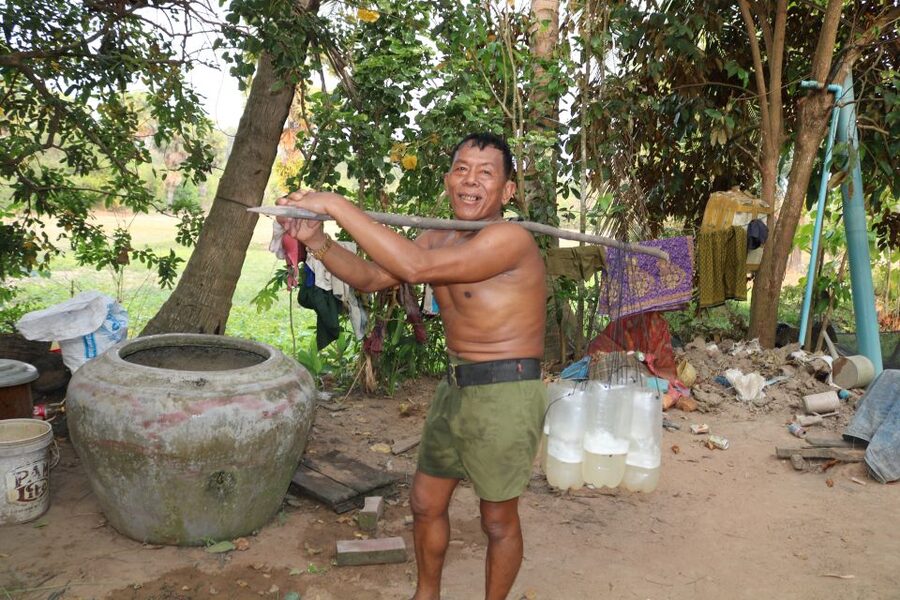
This tour is all about walking, so comfort is not a “nice-to-have.” Wear comfortable shoes with grip. Plan for uneven stone, stairs, and tight temple floors. One past experience estimated around 9 miles of walking in total, which is a strong clue that this isn’t a sit-and-smile day.
Bring insect repellent. You’re walking outdoors and moving through areas where mosquitoes can be a problem, especially near vegetation and shaded temple edges.
Dress rules matter too. Shorts aren’t allowed, so choose long pants or clothing that covers your legs. This isn’t just about rules—it’s also about being able to enter temple areas without getting delayed.
If you’re thinking about mobility, keep it realistic: the tour isn’t suitable for people with mobility impairments, and the climb at Dead Gate plus uneven ground is exactly the kind of setup that can be difficult.
How the Guides Improve Your Angkor Experience
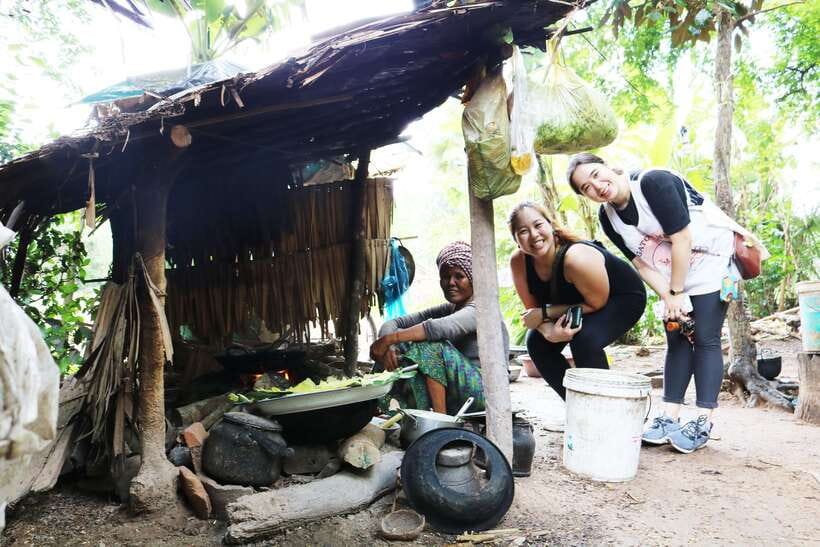
A good guide turns Angkor from a list of famous sites into a route you can understand. What stands out from real-world experiences is that guides don’t only talk about temple facts. They also connect what you’re seeing to Khmer culture and even everyday life.
You might get a guide like Sam, Monirom, Poleak, Bun, or Bob—different people, same goal: help you interpret the stone and the layout while keeping things friendly and practical. That’s a big deal because Angkor’s scale can make it easy to feel overwhelmed. A guide helps you slow down at the right moments and speed up through the sections that are just “get from A to B.”
Timing also seems to be handled well. Past experiences mention tours running on schedule, with guide coordination that keeps the day flowing. In a place like Angkor, timing isn’t just convenience—it affects your energy levels and how much you can enjoy without rushing.
Should You Book This Angkor Tuk-Tuk and Walking Tour?
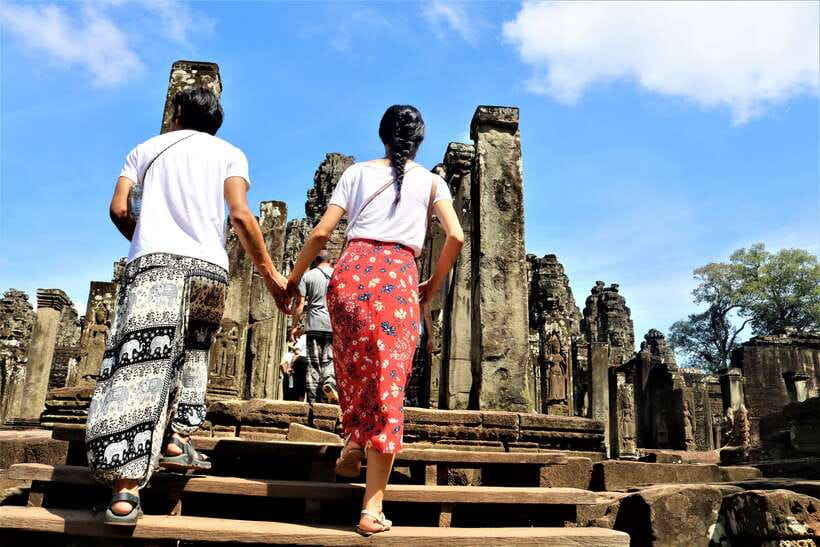
Book it if you want a guided Angkor day that mixes private transport with real walking through the big hitters: Angkor Thom, Bayon, Dead Gate, Victory Gate, and Ta Prohm’s jungle temple atmosphere. The guide-driven storytelling is the difference maker, and the inclusion of water plus skip-the-line access keeps the day from feeling like constant hassle.
Skip it (or choose a different format) if you hate long walking days, need step-free access, or you’re hoping for a low-cost-only plan. The price itself is reasonable, but the temple entrance fees and lunch mean you should budget for the full day. Also, bring the right clothing because shorts aren’t allowed.
If you’re ready for a temple day that feels active, guided, and grounded in how Angkor worked—not just how it looks—this is a strong pick.
FAQ
How long is the Angkor Wat tuk-tuk and walking tour?
It runs for 7 hours.
What is the price per person?
The price is $49 per person.
Are temple entrance fees included?
No. Entrance fees for a 1-day ticket are not included and are listed at $37 per person.
Is lunch included?
No, lunch is not included.
Does the tour include hotel pickup and drop-off?
Yes. You’ll be picked up at your hotel and dropped back off at the end of the tour.
What’s included in the tour besides the guide?
You’ll get bottled water, soft drinks, hotel pickup/drop-off, and transportation by private tuk-tuk. A professional local guide is included, and skip-the-ticket line is included.
What language is the guide?
The live guide speaks English.
Is the tour suitable for people with mobility impairments?
No, it’s listed as not suitable for people with mobility impairments.