REVIEW · VIENTIANE
Vientiane Cuisine & Culture: The Hungry Tuk Tuk
Book on Viator →Operated by BCFamilyTour.com · Bookable on Viator
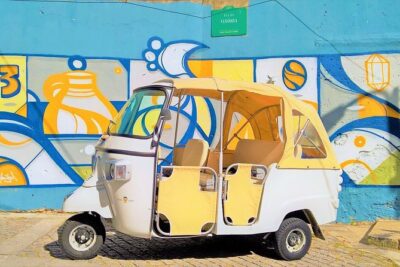
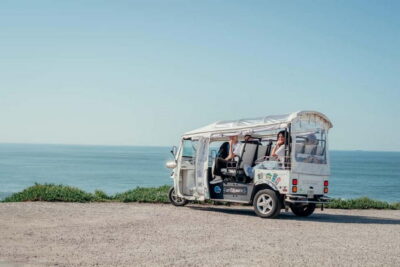
Night food in Vientiane feels like a secret club. This 3-hour small-group tour rides around town by tuk-tuk to tastier-than-average spots, with an English-speaking guide steering you toward Lao dishes you’d probably skip on your own.
I like the mix of traditional and modern Lao food you’re offered, not just one type of snack. I also like that the route includes both “dinner” market time and a later stop for drinks, so you don’t burn the whole evening at stalls. One heads-up: the tuk-tuk ride can run into traffic, so you may catch fumes, and some stops can be closed depending on the night.
In This Review
- Key Things to Know Before You Go
- Vientiane After Dark by Tuk-Tuk: The Real Point of This Tour
- The 3-Hour Plan: What Happens From Pickup to Final Sips
- Start in the Market Zone for Takeaway Dinner Energy
- Then You Ride and Sample Another Food Cluster
- Finish with Dessert and Drinks at a Night Intersection
- What You’ll Eat: Traditional Snacks and Lao Street-Food Oddities
- A practical note on paying out of pocket
- Markets You Can Actually Picture: Where the Night Energy Comes From
- When a market stop might disappoint
- Your Guide: English Explanations, Flexibility, and Food-Matching
- If you have food preferences or allergies
- Price and Value: Is $58.90 Worth It?
- Small Logistics That Matter: Timing, Traffic, and What to Bring
- Traffic and fumes
- Eat-friendly pacing
- Come prepared to pay for drinks
- Small group helps
- Who This Tour Is Perfect For (and Who Should Skip It)
- Should You Book the Hungry Tuk Tuk?
- FAQ
- How long is the Vientiane Cuisine & Culture: The Hungry Tuk Tuk tour?
- Is pickup offered?
- What’s included in the price?
- Is the tour only street food?
- What’s not included?
- How large is the group?
- Can children join?
- Is the experience refundable or changeable?
Key Things to Know Before You Go
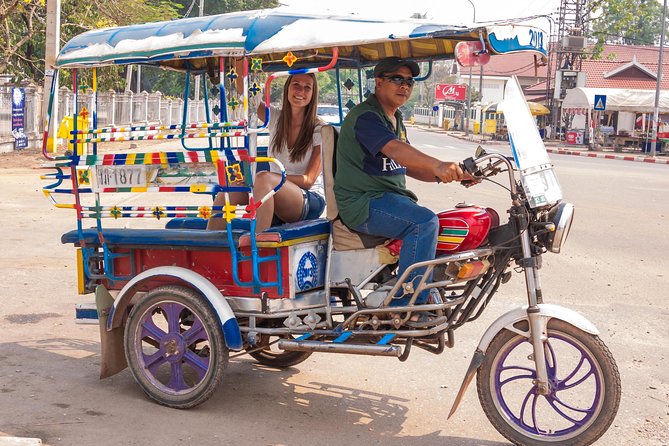
- Tuk-tuk transport is part of the experience, moving you between food clusters without you having to figure out routes.
- You’ll eat in layers: market dinner first, then a dessert and drink kind of finish.
- Expect variety across markets and food types, including items like crickets and caterpillar pupae for the adventurous.
- Guide quality matters: people mention flexible ordering and clear English explanations (names like Noi, Bee, Thony, and Pat show up).
- What’s included vs not included is simple: local foods are covered, but extra drinks and any extra food purchases are on you.
- Plan around closure times: some locations may be shut for the evening, and one review warns Songkran can affect access.
Vientiane After Dark by Tuk-Tuk: The Real Point of This Tour
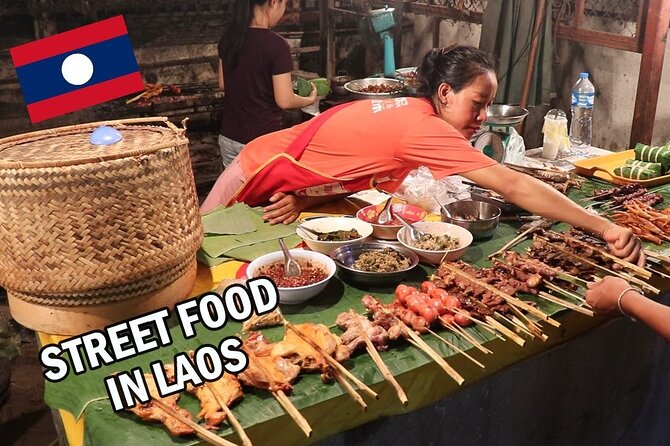
Vientiane at night is where the city’s food culture comes alive. What makes this tour work is the basic rhythm: you don’t just stand and snack in one place. You move by tuk-tuk from one concentrated eating zone to the next, which is the fastest way to try more without exhausting yourself.
That transport piece also changes how you taste. Street food is easier when someone else handles the “which stall, which item, how spicy, how to order” part. An English-speaking guide can steer you toward things that match your comfort level, and that matters in Laos where menus are often more visual than written. Several guide names show up in feedback, including Noi, Neuy Noi, Bee, Thony, Pat, and Mr Nong—good signs that you’re likely to get someone who can explain what you’re eating and why locals like it.
The other major plus is timing. It’s built for an evening when markets are active. You’re not trying to hunt for dinner at a random hour; the tour’s whole design is “eat first, then finish with drinks and dessert-style items.”
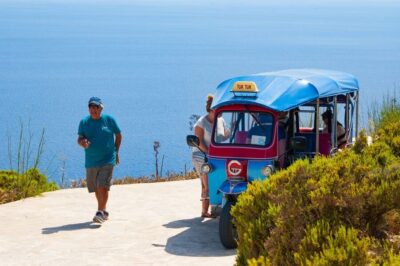
One consideration: tuk-tuks are open-air-ish, and traffic happens. If you’re sensitive to exhaust, go in expecting that you might sit in slow-moving traffic at some point. Bringing a light scarf or just planning for it mentally makes the experience much smoother.
The 3-Hour Plan: What Happens From Pickup to Final Sips
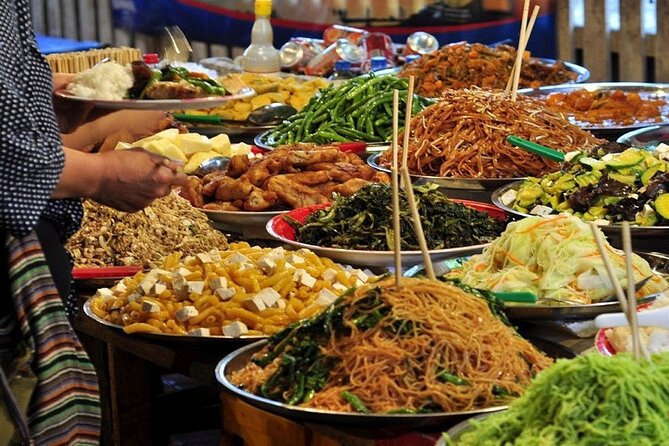
This is an approximately 3-hour evening. Exact routes can vary by day, but the structure stays consistent: dinner at night markets, then a later dessert-and-drinks stop near a downtown intersection.
Here’s the shape of the evening, in plain terms:
Start in the Market Zone for Takeaway Dinner Energy
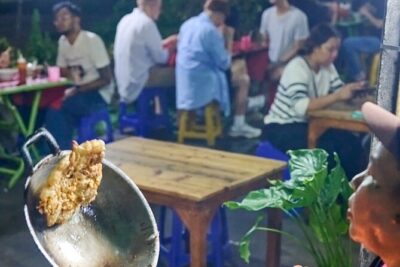
You kick off at a lively night food area where locals grab takeaway dinners. This isn’t a quiet “taste and learn in a museum way.” It’s busy, hot, and social. That’s part of the point. You’ll sample multiple Lao dishes across the market’s energy, with your guide helping you decide what to try so you don’t waste time scanning every stall.
If you like the idea of tasting more than one style—grilled skewers, noodle dishes, sweet treats, salads, and crispy snacks—this first stretch is where you get the biggest payoff.
Then You Ride and Sample Another Food Cluster
Depending on the night, the tour hits two or three market areas. Reviews mention places like ThatLuang Food Market, Sihom Night Market, and Lao Mekong Night Bazaar. Not every group will go to the same exact spots, but the benefit is you don’t just repeat the same menu.
This “cluster hopping” also helps you taste regional variety and cooking styles without needing to research each neighborhood on your own. You also get a quick “how Vientiane works” tour by moving between areas rather than staying parked in one spot.
Finish with Dessert and Drinks at a Night Intersection
After dinner, you stroll to a downtown intersection that becomes a dessert and drink hub at night. Feedback specifically calls out hot soy milk plus fresh juices, and local drink flavors like rosella and longan.
Not every night is guaranteed to include the dessert focus, though. One review says there wasn’t much chance to taste desserts, so if dessert is a must, keep a little flexibility. Still, even when the dessert part is lighter, the drink stop tends to be the relaxing finish where you slow down and let your “I just ate everything” evening catch up.
What You’ll Eat: Traditional Snacks and Lao Street-Food Oddities
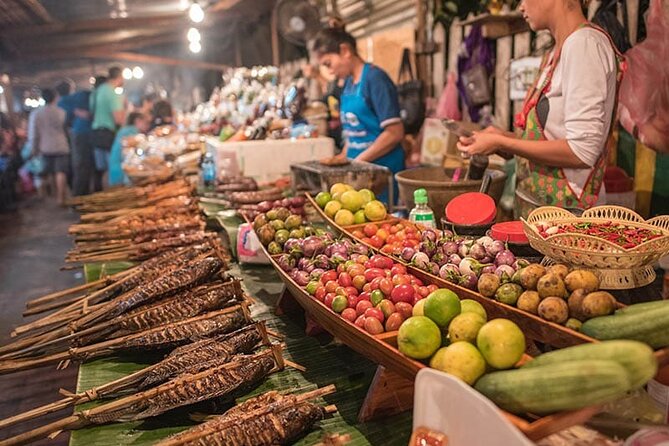
The best part of this tour is the food variety. You sample traditional and modern Lao food, and you’re not limited to one category like noodles only or grilled meat only.
From the dishes mentioned in feedback, you might run into things like:
- fried meal worms and crickets (and notes that they’re cooked differently than in other Southeast Asian cities)
- wood caterpillar pupae
- spicy grilled sticky rice
- mango sticky rice
- papaya salad
- chilli bamboo rolled in banana leaf
- BBQ chicken and BBQ mushroom skewers
- Khao Soi beef noodles
- king prawn and crab
- sweet potato with coconut
- samosas (served multiple times)
- smoothies and juices, including mango and passion fruit
- lime ice cream, plus pancakes and other sweets
If that sounds like a lot, it is. That’s why your guide’s role matters. A good guide helps you pace yourself so you don’t fill up too early on one heavy dish. Several guides are praised for being accommodating and for encouraging people to try different options rather than ordering the safest item everyone else is eating.
You’ll also notice a theme: Lao street food often balances savory and sour-spicy, with sweet finishes. The tour’s layout naturally supports that arc—grilled and snacky first, then sweeter and drinkier at the end.
A practical note on paying out of pocket
The tour covers local foods and water, but it explicitly doesn’t include additional drinks or any extra food you purchase on your own. One review mentions paying out of pocket for some food, so I’d budget a little extra if you’re the type who wants to try everything your eyes land on. Think of the included tastings as the base, not an all-you-can-eat pass.
Markets You Can Actually Picture: Where the Night Energy Comes From
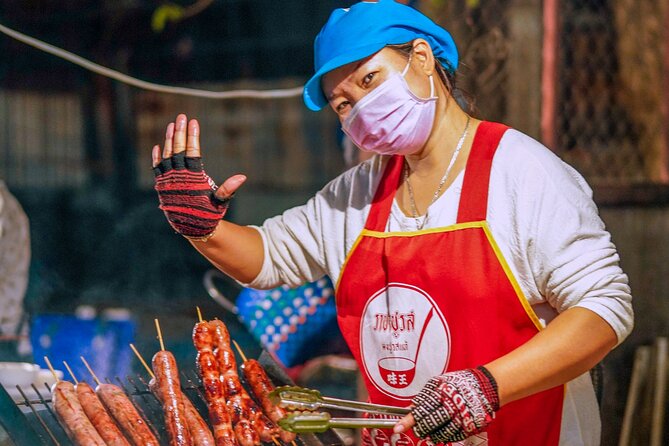
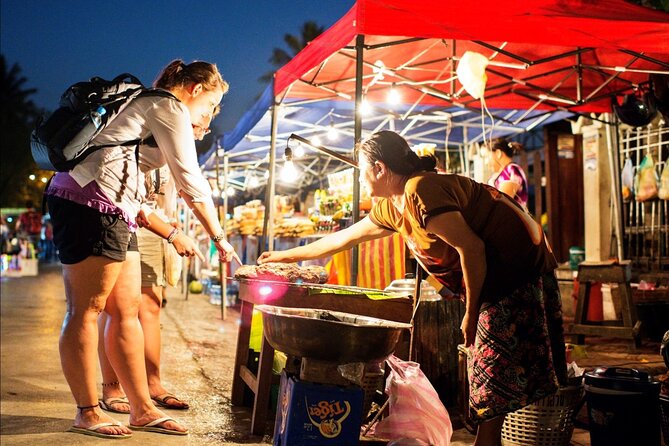
The markets are the heart of the experience, and they’re also where Vientiane’s food culture feels most real. Reviews highlight a few specific night areas, including ThatLuang Food Market, Sihom Night Market, and Lao Mekong Night Bazaar. You’ll also hear about downtown market-style intersections where you can grab takeaway dinners fast.
What I like about this setup: it teaches you how to “read” a market. Even if you’re new to Laos, you learn what kinds of items are moving quickly, what looks cooked fresh, and what tends to come out as shareable street food.
There’s also a chance you’ll go beyond just stall-hopping. The tour description includes sampling at restaurants and mentions factories as part of the experience. That matters because it breaks the stereotype of food tours being only walking through chaos. If you get one of those more structured stops, it’s often where you’ll get better explanation from your guide.
When a market stop might disappoint
Two issues can affect the evening:
1) some locations can be closed for the evening (reported in feedback), and
2) special holidays can shift what’s open (Songkran is called out as a time when many places close).
If you’re traveling near major dates, check timing carefully. For Songkran specifically, plan for reduced access and build in extra “flex time” instead of assuming you’ll hit every planned area.
Your Guide: English Explanations, Flexibility, and Food-Matching
This tour lives or dies on the guide. And in the feedback, the most praised guides share a few consistent traits: clear English, quick explanations about what you’re eating, and flexibility when the plan changes.
For example:
- Noi and Neuy Noi are described as friendly, knowledgeable, and accommodating.
- Bee is praised for hospitality and a good sense of what to eat.
- Thony is credited with a fun, confident vibe plus excellent guidance.
- Pat is mentioned as funny and professional, with stories that add context.
- Mr Nong is described as knowledgeable and proactive about answering questions.
- In one delayed-but-resolved situation, Mr Sivone stepped in and people still rated the food experience positively.
Even if you get a guide who isn’t your style, you’ll still benefit from the “how to taste” coaching: what to try first, what’s worth repeating, and how to sample without taking on a stomach that can’t handle all the chili.
If you have food preferences or allergies
One review specifically mentions allergy consultation. The practical takeaway: if you have any dietary needs, say them early and clearly. Don’t wait until you’re standing in front of a grill. Your guide can only adjust if you give them the information upfront.
Price and Value: Is $58.90 Worth It?
At $58.90 per person for around 3 hours, you’re paying for three things that add up fast in Southeast Asia: transport, an English-speaking guide, and a planned tasting route.
Here’s what’s included:
- tuk-tuk transport
- water
- English speaking guide
- local foods (the tastings)
- a maximum group size of 15
And here’s what’s not included:
- additional drinks or any extra food you choose to buy
So is it worth it? It usually is if:
- you want to try a lot of different Lao items in one evening
- you don’t want to spend your night bargaining over what’s safe or worth it
- you like learning while you eat
If you’re the type who already knows what you want to eat and where to eat it, you could do it on your own for less. But that’s the tradeoff: you’d spend time figuring out routes and translating menus. This tour compresses that effort into one planned evening, and you get someone to steer you through the choices.
Also, consider that some stops may be closed that night. Even with closures, most feedback says the food experience still ends well. Still, if you’re paying with tight expectations, go in with the mindset of tasting the best of what’s available tonight, not a strict checklist.
Small Logistics That Matter: Timing, Traffic, and What to Bring
A few practical tips can make your evening smoother:
Traffic and fumes
One review warns the tuk-tuk can get stuck in rush-hour traffic, which means exhaust exposure. If you’re sensitive, wear something light over your mouth/nose and keep tissues handy.
Eat-friendly pacing
Because you’ll sample many items, bring a stomach mindset, not a “one bite then done” mindset. Even so, you can ask your guide to slow down if you’re full. The best guides are flexible.
Come prepared to pay for drinks
Water is included, but drinks beyond that aren’t. If you like trying multiple beverages, budget for it.
Small group helps
Max 15 travelers means you’re more likely to get personal attention. That makes it easier to adjust for preferences and to get answers from your guide without feeling like part of a herd.
Who This Tour Is Perfect For (and Who Should Skip It)
This tour is a great fit if you want:
- a first evening in Vientiane focused on food and city flavor
- an easy way to navigate between night markets without guessing
- an English guide who explains what you’re eating
- a mix of familiar street food and more adventurous items like insects
It may be less ideal if:
- you strongly prefer dessert and are set on a dessert-heavy ending (since one report says desserts weren’t included)
- you hate any chance of delays or plan changes
- you’re traveling around Songkran when some places may close
If you’re a solo traveler who wants structure, this also works well because the guide builds the sequence for you.
Should You Book the Hungry Tuk Tuk?
I’d book it if you’re excited about Lao street food culture and you want a guided way to sample across markets in one evening. The biggest value is the combo: tuk-tuk transport + an English guide + multiple tastings. That’s how you go from vague curiosity to a full plate of Lao flavors without turning your night into a scavenger hunt.
Skip or think twice if you’re the type who needs everything to match a perfect checklist, especially around special holiday periods. Also keep a little extra cash ready for drinks, and be mentally prepared for traffic in tuk-tuks.
Overall, this is the kind of tour that works best when you go with curiosity, not control.
FAQ
How long is the Vientiane Cuisine & Culture: The Hungry Tuk Tuk tour?
It’s about 3 hours.
Is pickup offered?
Yes, pickup is offered.
What’s included in the price?
Transport by tuk tuk, water, an English speaking guide, and local foods.
Is the tour only street food?
It includes sampling Lao food at restaurants, markets, and factories, not just one type of stop.
What’s not included?
Any additional drinks or food you buy yourself are not included.
How large is the group?
The maximum group size is 15 travelers.
Can children join?
Child rate applies only when sharing with 2 paying adults, and most travelers can participate.
Is the experience refundable or changeable?
No. It’s non-refundable and cannot be changed for any reason.