REVIEW · SIEM REAP
Siem Reap: Personalized Angkor Wat Sunrise/Set by TukTuk/Car
Book on GetYourGuide →Operated by Angkor Locals · Bookable on GetYourGuide
Sunrise at Angkor is a mind-bender. A private Siem Reap circuit lets you pick the temples you care about most, with Angkor Wat timed for sunrise or sunset and Bayon in the mix, plus a guide who helps you understand Khmer carvings as you walk them. My favorite part is how much meaning you get for the money, but the one thing to plan around is that sunrise colors are not guaranteed if it’s cloudy.
This is also built for real life: you get pickup from Krong Siem Reap, you move quickly between sites in a shaded tuk-tuk (with an AC car/van add-on if you want it), and you get cold drinking water at stops. Choose the short or long version based on your energy level, not just the clock.
If you love photos, this tour is a cheat code. Guides like Seyha, Naga, Tom, and John were praised for taking great shots and pointing out where to stand, while drivers kept water and cold towels ready when the heat hits.
In This Review
- Key highlights you’ll actually feel on the day
- How the personalized tuk-tuk plan fits your pace
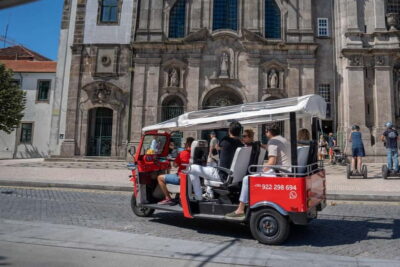
- Tuk-tuk vs AC car/van: a comfort decision, not a small detail
- Angkor Wat Sunrise: what you’re really buying with the early start
- Ta Prohm and Bayon: the temples with built-in drama
- Angkor Thom essentials: Victory Gate, Phimeanakas, Baphuon, and quick pauses that matter
- The timing choice: Express Discovery vs Essential Circuit (and who each suits)
- 3–4 hours: Angkor Wat express discovery
- 6–8 hours: Essential Angkor circuit
- Price and value: why $59 can be a good deal here
- Photo help is part of the package (and it shows up in real feedback)
- Practical rules: what to bring, what to wear, and what not to do
- Who this tour fits best (and who might prefer something else)
- Should you book this private Angkor Wat sunrise/set tour?
- FAQ
- How long is the tour?
- What temples are typically included?
- Is pickup included?
- Do I need to buy a temple pass?
- What about food and drinks?
- Can I choose private, and what languages are available?
- What should I wear and not bring?
Key highlights you’ll actually feel on the day
- Custom temple order based on what you want to prioritize (Angkor Wat, Ta Prohm, Bayon, plus optional quieter spots)
- Sunrise or sunset timing for the classic views, paired with enough time to slow down and explore
- Cold water and cold towels waiting between temple stops, which matters a lot in the midday heat
- Private guide guidance in English (and also Japanese or Spanish), including help with reading carvings and best photo angles
- Fast routing in tuk-tuk or AC vehicle, so you don’t spend your day stuck in the wrong place at the wrong time
- Skip the ticket line so you spend more time inside the temples and less time in queues
How the personalized tuk-tuk plan fits your pace
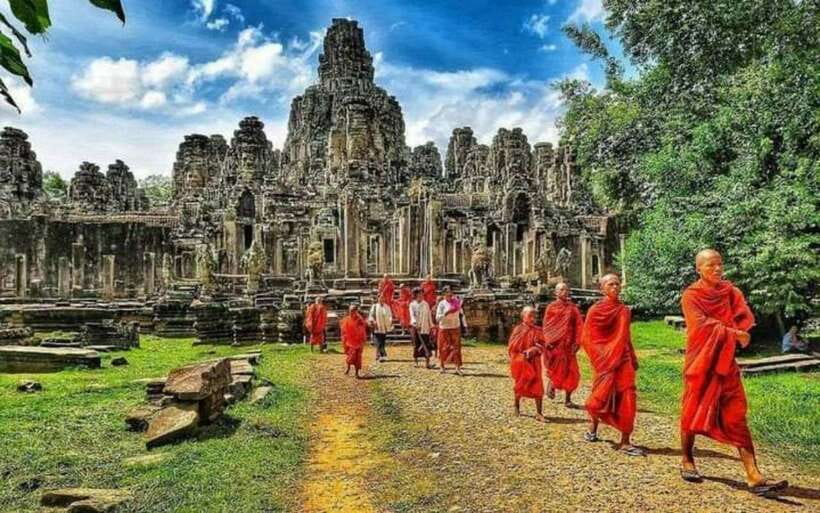
This tour is private, which means you’re not trapped in a fixed group flow. You’re choosing a 3–4 hour express experience or a 6–8 hour essential circuit, and your guide works the route around your preferences. That flexibility is the big value: you can do the iconic trio or swap emphasis if you’re more into jungle ruins than ceremonial gateways, or the other way around.
Pickup is handled from Krong Siem Reap, and you’ll be back in time to avoid that punishing stretch of heat that hits hard mid-day. The private format also helps if you want extra time for photos, or if you’re the type who reads every carving and wants the story behind it instead of a quick walk-through.
The vibe is practical: move, stop, hydrate, learn, photograph, repeat. It’s the kind of structure that keeps a day trip from turning into a blur.
You can also read our reviews of more tours and experiences in Siem Reap.

Tuk-tuk vs AC car/van: a comfort decision, not a small detail
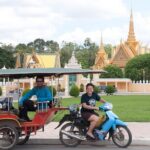
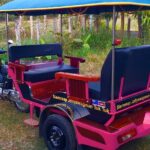
Siem Reap heat is real, and temple time is always outdoors. That’s why I’m glad this experience includes round-trip tuk-tuk plus an AC car/van add-on at checkout. If you’re visiting during warmer months, or you’re sensitive to sun, the AC option can turn a stressful day into a manageable one.
In the reviews, the comfort theme comes up again and again. People praised drivers for having ice-cold water and even cold towels ready during the stops, especially when starting later in the day. That’s not fluff. Cold water at the right moment helps you keep walking instead of burning out.
If you’re choosing between tuk-tuk and car, think like this: tuk-tuk can be faster and fun for the ride, while AC is about protecting your energy so you can enjoy the temples fully. Either way, you’re moving between sites with shade and hydration built into the plan.
Angkor Wat Sunrise: what you’re really buying with the early start
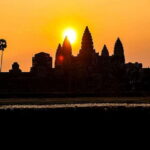
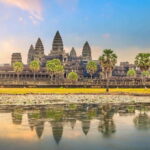
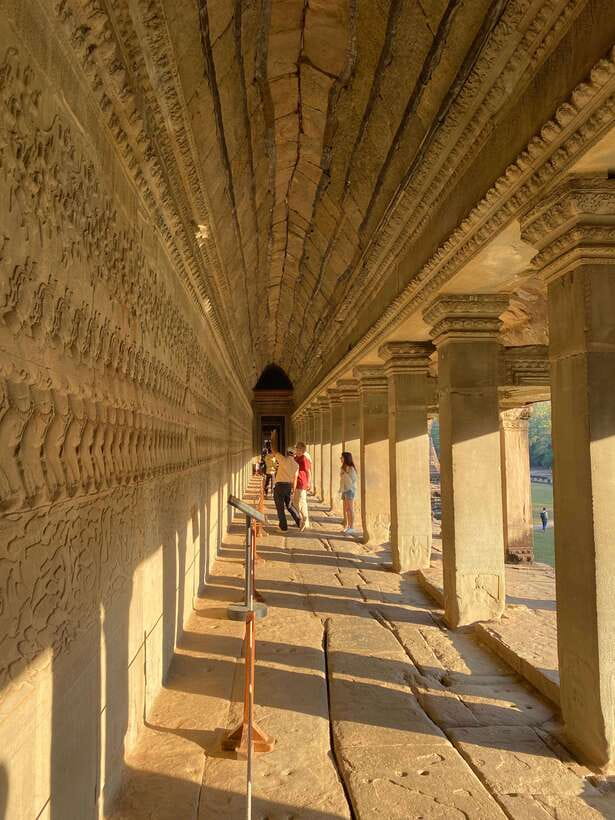
Angkor Wat at sunrise is the headline for a reason: the light hits the stone in a way that makes the temple feel three-dimensional. This tour builds the timing for that moment, with Angkor Wat visited for about 2.5 hours when you select the sunrise option.
But here’s the honest consideration: sunrise is not automatically a perfect sky show. One review pointed out that even in dry-season travel, the morning can be cloudy and the dramatic colors may not show up. If you’re chasing specific sunrise color, you should check the weather forecast the night before and be mentally ready for Plan B light.
What you do get, even on a less colorful morning, is a quieter start and prime viewing time. And because it’s private, your guide can point out where the best views usually land and how to frame the temple features without wasting time searching.
If you love history, sunrise adds something else: you see the temple’s scale before the crowds. That first light makes it easier to understand why Khmer architects designed it as a symbolic cosmos, not just a building.
Ta Prohm and Bayon: the temples with built-in drama
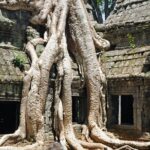
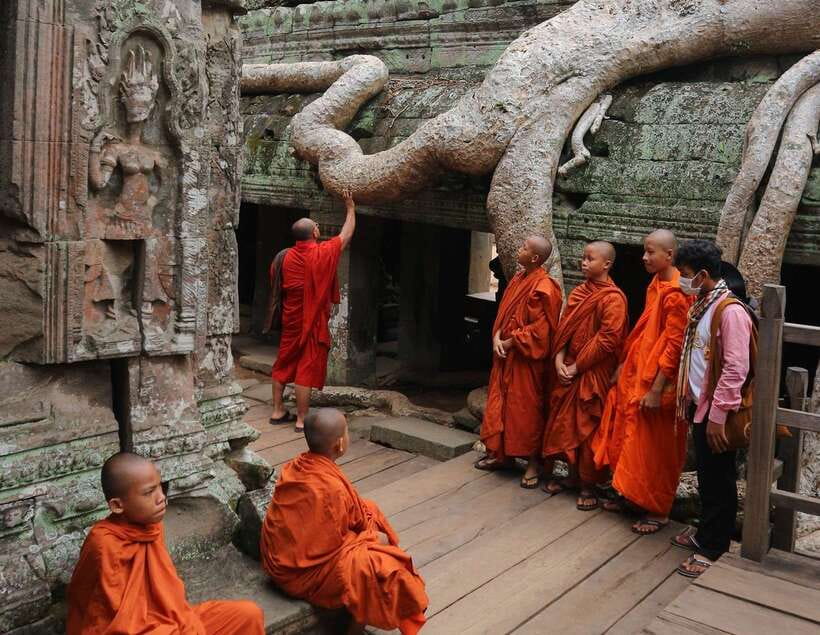
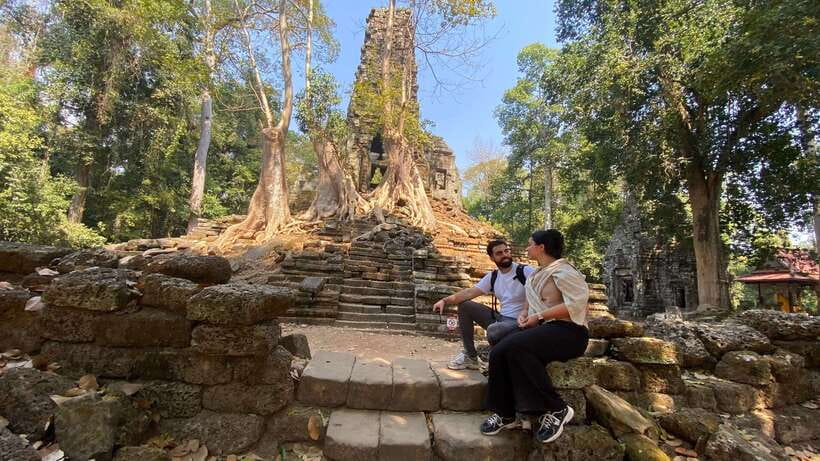
If Angkor Wat is the grand “statement,” Ta Prohm and Bayon are where the place starts to feel personal. Ta Prohm is the jungle-entwined ruin most people recognize from photos, but the best part of going with a guide is learning what you’re looking at instead of guessing.
This experience includes Ta Prohm for about 1 hour, and your guide helps you interpret the temple’s Khmer style and its visual storytelling. It’s also a popular stop for later-day tours—one guide-led experience started around 3 pm, and the heat was intense. The upside: the driver provided ice-cold water before and after, and that support helped keep the experience enjoyable instead of miserable.
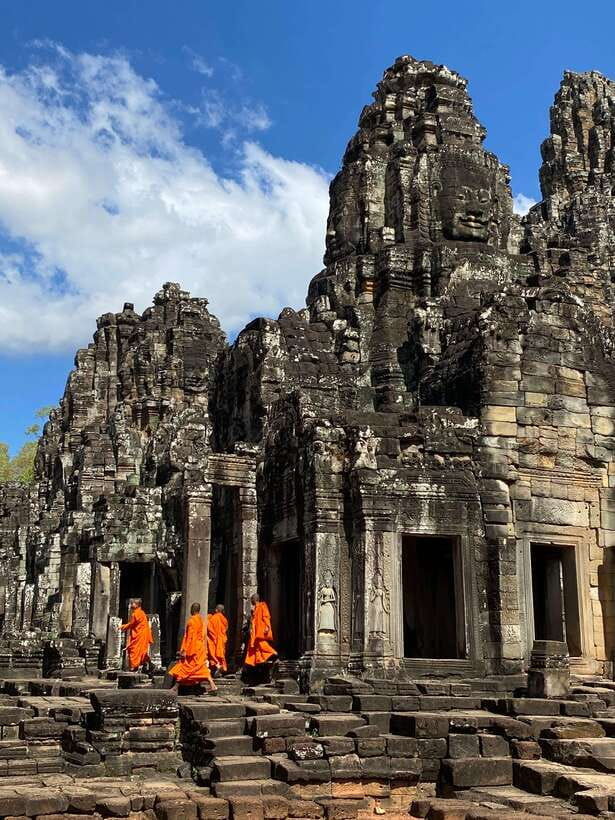
Then comes Bayon, typically around 45 minutes. Bayon is the faces. Your guide’s job here is crucial: they connect the sculptures to the culture and religious ideas behind the site, and they help you understand why certain angles work better for what you’re seeing. People also praised guides for being strong photographers, and at Bayon that matters, because you want the face and stone textures in the same frame.
The result is a day that feels balanced: grand symmetry at Angkor Wat, then human-scale wonder at Ta Prohm and Bayon.
Angkor Thom essentials: Victory Gate, Phimeanakas, Baphuon, and quick pauses that matter
The “small circuit” idea isn’t just about hitting big names. It’s about covering the core Angkor Thom sights in a way that makes the layout make sense.
This tour includes several Angkor Thom stops, such as:
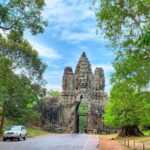
- Victory Gate (about 15 minutes)
- Phimeanakas (about 15 minutes)
- Baphuon (about 15 minutes)
- Bayon (about 45 minutes)
There are also a couple of additional shorter temple pauses in the middle, which help you connect the dots between sections of the complex. I like this style because it prevents that common mistake on Angkor day trips: rushing from one “must-see” photo spot to the next without understanding how the city plan links them.
You’ll also appreciate the short stop lengths because they keep the day moving while still giving you time to walk slowly and look closely. Even if you don’t consider yourself a “history person,” a guide can translate carvings and layout into something you can actually visualize.
One practical note: a review mentioned slippery surfaces after rain and the steepness of stairs. If you have mobility concerns, it’s worth telling your guide early in the day so they can help you choose routes that feel safer and more manageable.

The timing choice: Express Discovery vs Essential Circuit (and who each suits)
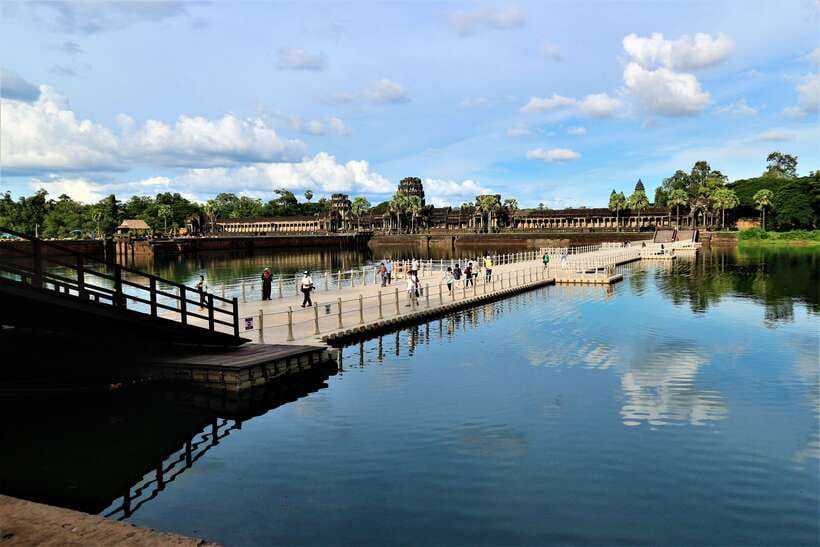
You basically have two ways to shape the day.
3–4 hours: Angkor Wat express discovery
This is perfect when you have limited time but still want the full Angkor Wat impact. You can focus on one major landmark, or you can pair it with Bayon or Ta Prohm depending on how your guide structures the route.
This shorter option is also the best fit for a specialized goal like a sunrise or sunset-centered experience. If you want the iconic mood, but you don’t want the day to stretch into a long, hot crawl, go short.
6–8 hours: Essential Angkor circuit
This is the better choice if you want the whole “must-see” circuit feel without feeling like you’re sprinting. The long version is built around Angkor Wat plus Angkor Thom (including Bayon) and Ta Prohm, with time to explore and photograph.
It also includes a chance to see quieter, lesser-known temples with your guide. That’s where you get a different side of Angkor—still magnificent, but less like a conveyor belt of the same photo.
Who should choose what?
- Choose the 3–4 hour version if you’re short on time, or you want to keep your afternoon flexible.
- Choose the 6–8 hour version if you want context, multiple temple moods, and a day that feels complete.
Price and value: why $59 can be a good deal here
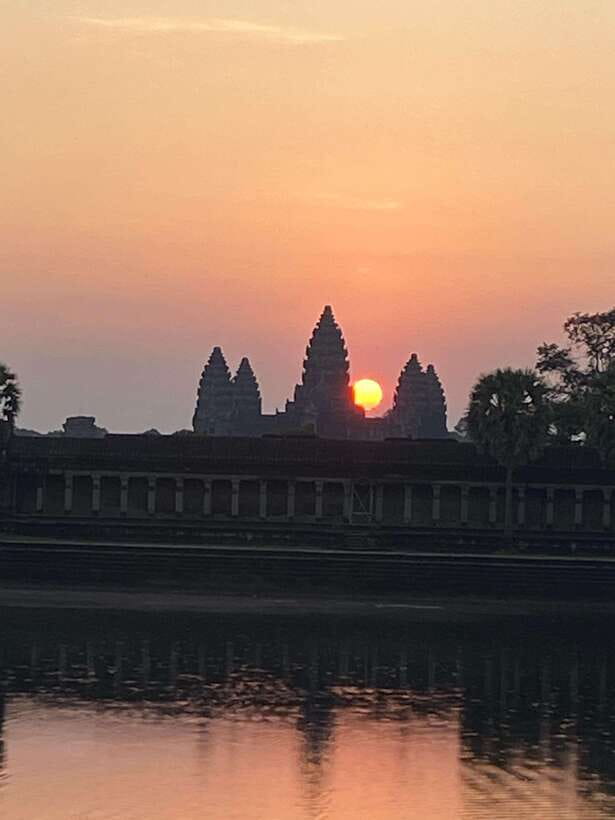
This experience costs $59 per person, and that’s only meaningful when you compare it to what you’re getting.
You’re not just paying for transport. You’re paying for:
- An English-speaking guide (and Japanese or Spanish options)
- Pickup and drop-off
- Round-trip tuk-tuk, with AC car/van available at checkout
- Cold drinking water and cold water on the go
- A private setup that makes it easier to get timing and photo help right
- Skip the ticket line
Temple passes are not included, and food isn’t included, so you’ll want to budget for those. But the guide and time-saving parts are where the value lands, especially if you’re doing sunrise. Getting the timing right at Angkor is hard to do on your own without spending extra time figuring out logistics and locations.
The other thing I like is that the tour structure supports better memories. You spend less time wandering, more time understanding, and you come away with a clearer sense of what each site represents.
Photo help is part of the package (and it shows up in real feedback)
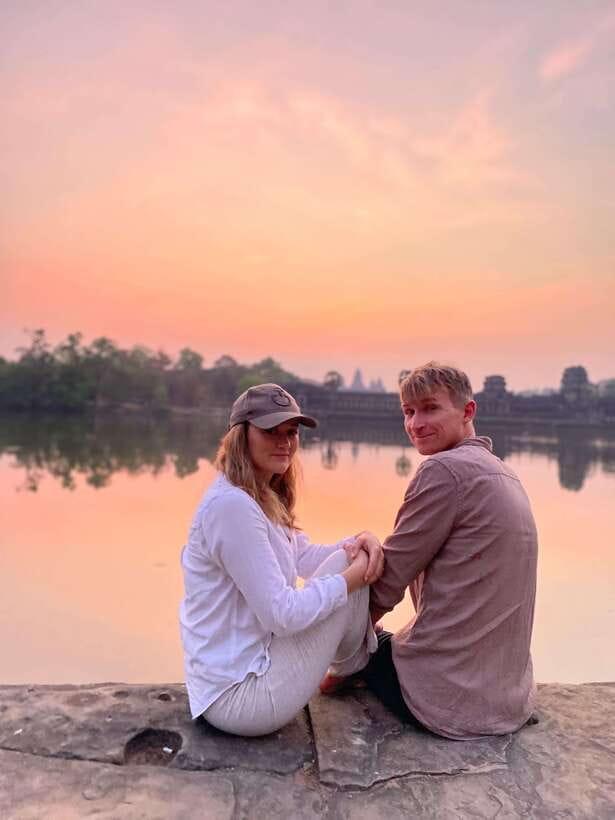
If you care about photos, this tour is friendly to your phone, your camera, and your patience. Multiple guides were praised for helping with images and picking strong angles.
Names that came up often include:
- Naga, described as an iPhone whizz with great photo results
- Tom, who knew angles and spots so well that the day doubled as a photo session
- Ra (Chhim Malaya), who helped explain carvings and also took excellent photos
- John, repeatedly recognized for education plus photos
- Seyha, credited with making the experience memorable and supporting sunrise timing
Even if you’re not chasing Instagram shots, this matters. Better framing turns a chaotic temple environment into something you can actually capture: faces, doorways, symmetry lines, and the layers of stone texture.
And you’ll appreciate the downtime built into the schedule. You’re not forced to rush between stops like a drive-by sightseeing bus.
Practical rules: what to bring, what to wear, and what not to do
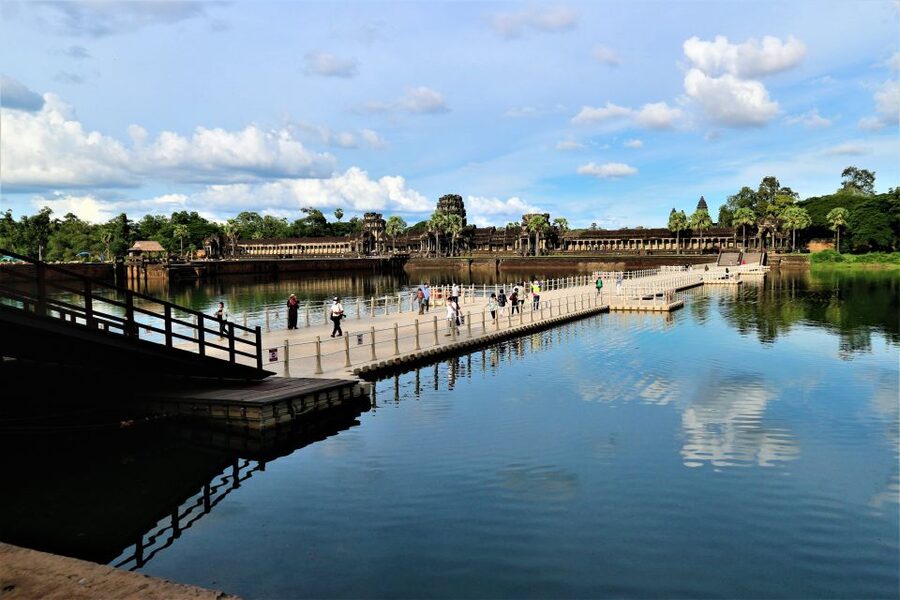
Angkor is outdoors most of the day, so pack for heat and photos. Bring sunglasses, a sun hat, sunscreen, a charged smartphone, and a camera.
Wear rules are strict:
- No shorts
- No short skirts
- No sleeveless shirts
Also, drones are not allowed.
This kind of dress code can surprise people, so I’d treat it as part of your planning. Bring a light layer that covers your shoulders and legs enough to stay comfortable and compliant.
Who this tour fits best (and who might prefer something else)
This is a great fit if you want:
- The big Angkor icons without DIY stress
- A guide to explain carvings, Khmer history, and the logic of the complex
- Private pacing so you can take photos without feeling rushed
- A structured day that protects you from the worst heat windows
It’s also a smart “first Angkor day” plan. Once you understand what you’ve seen, you can explore other temples later with better context.
It may be less ideal if:
- You’re set on a very spontaneous, no-guide schedule
- You have strict mobility limitations and you’re not prepared for stairs and uneven temple paths
- You expect sunrise to be guaranteed with perfect skies (it can be cloudy)
If you do have mobility issues, tell your guide early. One review mentioned the guide helped someone stay stable on slippery areas, but you still want a heads-up so you can navigate comfortably.
Should you book this private Angkor Wat sunrise/set tour?
Yes, if you want an Angkor day that feels guided but not boxed in. The private setup, fast routing, and cold water/towel support are practical perks you feel immediately, especially with sunrise timing or when the afternoon heat hits. The guide quality shows up in real details too: strong English, help with photo angles, and clear explanations at key stops like Ta Prohm and Bayon.
I’d book with a small mindset adjustment: treat sunrise as a chance at magic, not a guaranteed fireworks show. If the sky is cloudy, you’ll still see Angkor Wat in a calmer, more atmospheric light, and a good guide will help you get value from that morning either way.
If your calendar allows only one Angkor day, choose the 6–8 hour essential circuit. If you’re tight on time and want the best shot at a sunrise mood, go with the 3–4 hour express discovery.
FAQ
How long is the tour?
You can choose between about 3–4 hours for the express experience or about 6–8 hours for the essential circuit.
What temples are typically included?
Most options center on Angkor Wat, with either Ta Prohm and Bayon included depending on the route you choose.
Is pickup included?
Yes. Pickup and drop-off are included from accommodations in Krong Siem Reap.
Do I need to buy a temple pass?
Yes. Temple pass fees are not included.
What about food and drinks?
Food and beverages are not included, but cold drinking water is provided during the tour.
Can I choose private, and what languages are available?
This is a private group tour. The live guide is available in English, Japanese, and Spanish.
What should I wear and not bring?
You should avoid shorts, short skirts, and sleeveless shirts. Drones are not allowed. Bring sunscreen, a sun hat, sunglasses, and a charged smartphone.