REVIEW · SIEM REAP
Siem Reap: Angkor Wat Tour Explore The Most Iconic Temples
Book on GetYourGuide →Operated by Angkor Wat Combine Tours · Bookable on GetYourGuide
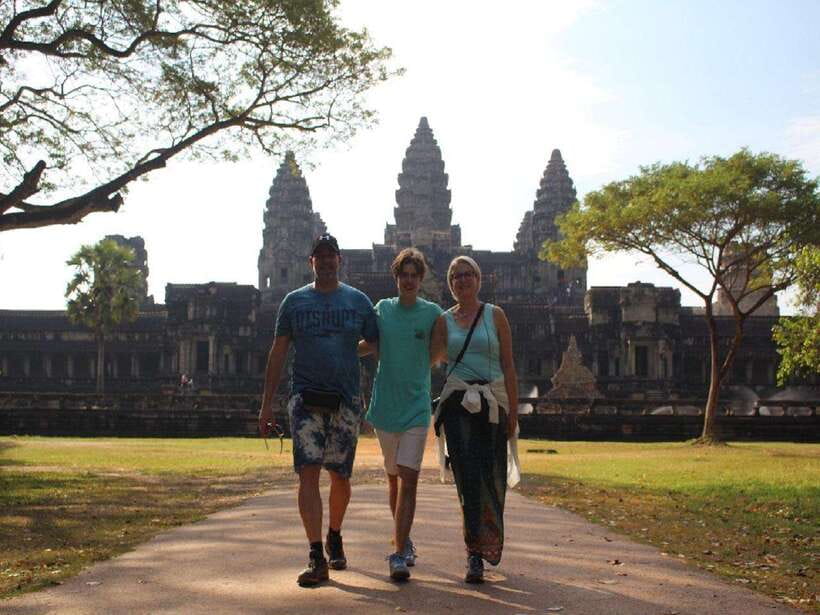
Angkor at sunrise is a fast way to feel Cambodia’s scale. This Siem Reap day tour is built around the big visual moments first, then strings together quieter temples so you’re not just jumping between crowds. I especially like the smooth hotel pickup and the way the route balances must-sees with calmer ruins like Banteay Kdei. Another win is the human touch from drivers and guides named in recent trips, including Ray, Chamrong, Lay, and Paul, who were praised for staying ready and helpful at each stop. One thing to plan around: the temples are uneven, so comfortable walking matters more than anything.
The overall rhythm makes a difference in Angkor, and this tour is timed to help you. You’ll start early for sunrise if you choose that option, then keep moving through major sites while the light and temperatures are still manageable. My only caution is the entry price: you’ll still need to buy the Angkor temple pass separately, so budget for tickets on top of the tour cost.
In This Review
- Key highlights worth shaping your day around
- Price and logistics: what you’re actually paying for
- Morning magic: Angkor Wat sunrise that helps you see it right
- Inside Angkor Wat: from carvings to galleries to the central sanctuary
- Banteay Kdei: the quieter temple stop that changes the pace
- Ta Prohm: jungle roots, movie fame, and real photo time
- Ta Keo: the unfinished temple that feels different on purpose
- Bayon Temple and Angkor Thom: the 54 towers of faces
- Tonle Om Gate: the south gate photo moment before you head back
- Transport comfort during a hot, active day
- What to bring and how to dress for Angkor entry
- Who should book this tour (and who might want another option)
- Should you book this Siem Reap Angkor temples tour?
- FAQ
- Do I need to buy the Angkor Wat temple pass separately?
- How long is the tour, and when do I get picked up?
- What is included in the $24 price?
- What should I wear and bring for the temples?
- Is the tour wheelchair accessible?
- Can I cancel and get a full refund?
Key highlights worth shaping your day around
- Sunrise at Angkor Wat with time for photos before the heaviest crowds
- A pass + entry assist: your driver helps you get the temple tickets in advance of touring
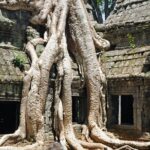
- Jungle-temple atmosphere at Ta Prohm, including the iconic giant tree roots look
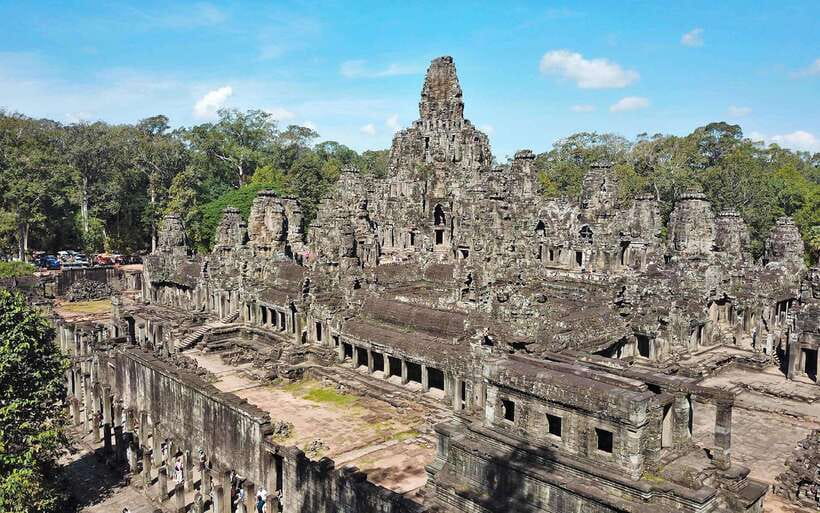
- Bayon’s 200+ stone faces across 54 towers in the heart of Angkor Thom
- A truly unfinished temple at Ta Keo, which changes the feel compared to the more restored sites
- Water and cool towel during a long, hot day so you don’t run dry halfway through
Price and logistics: what you’re actually paying for
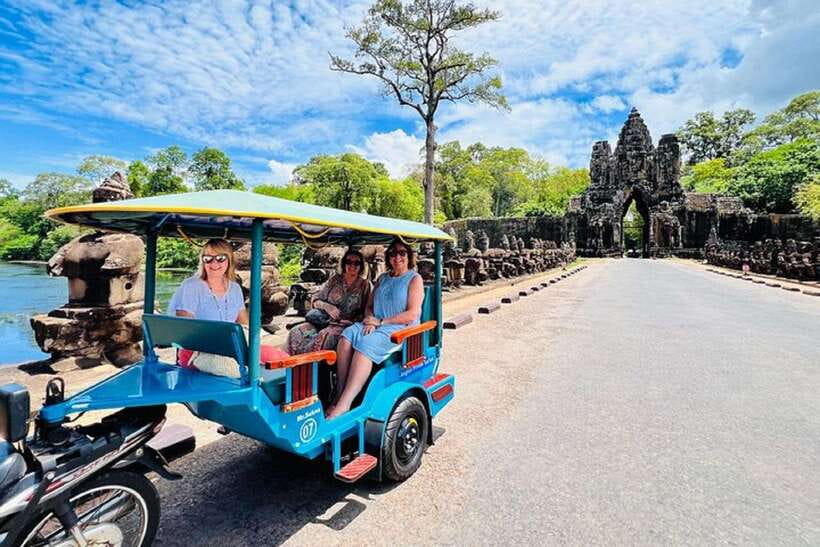
This tour runs about 8 hours and is priced at $24 per group up to 2. That price is attractive because it covers the practical stuff that can eat your day in Siem Reap: hotel pickup and drop-off, private round-trip transportation, and on-trip comfort items like unlimited bottled water and a cool towel. In a place where temple sites are spread out, having someone handle the driving is the real value—not just the temples themselves.
What’s not included is the Angkor Wat Temple Pass (temple tickets). The tour description is clear that you’ll purchase that separately, and your driver will take you to buy it. Plan for that added cost so you’re not surprised when you arrive at the ticket point.
Pickup is also simple. Your ride goes to your hotel, and you can expect the pickup to be about 5 minutes before departure, with a message sent the day before the tour. If you like a day that feels organized from the first minute, that detail matters.
You can also read our reviews of more tours and experiences in Siem Reap.

Morning magic: Angkor Wat sunrise that helps you see it right
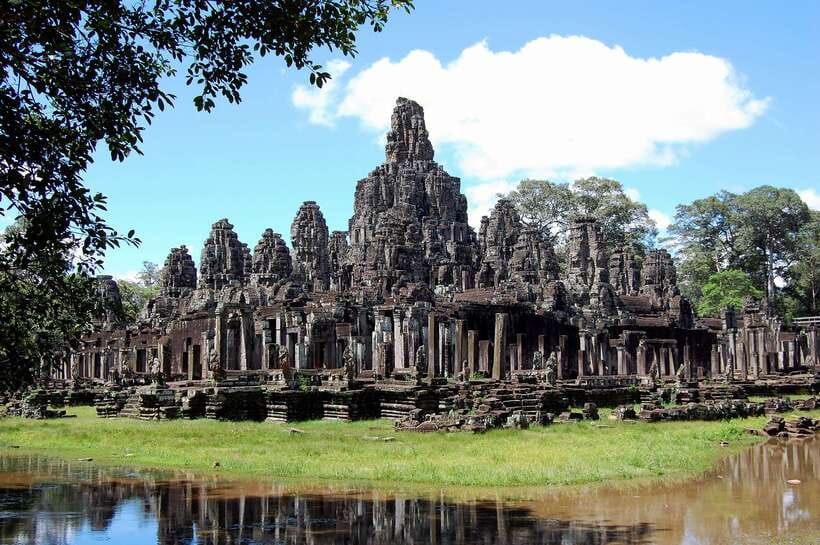
If you book the sunrise option, your day starts with an early pickup from your Siem Reap hotel. You then head to the Angkor Archaeological Park area, buy your entrance tickets, and (for sunrise) head into the park with a focus on experiencing Angkor Wat at sunrise.
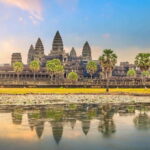
Why sunrise is such a big deal here: Angkor Wat’s towers and moat reflections are at their most photogenic before the heat and before the biggest tour waves. You’ll have time to take photos and orient yourself before the site becomes more packed. It’s also when the colors tend to look softer, and the whole place feels less like a checklist and more like a moment.
The tour also mentions experiencing Angkor Wat through a lesser-visited western entrance for the sunrise experience. That detail may not sound important, but entrance choice changes how quickly you feel the space open up instead of feeling funneled.
Inside Angkor Wat: from carvings to galleries to the central sanctuary
After sunrise, you explore inside Angkor Wat. The tour is set up for the key visual layers:
- intricate bas-reliefs showing Hindu mythology scenes
- sweeping grand galleries
- the central sanctuary area that makes the temple feel monumental
It’s worth knowing what you’re looking at before you arrive. Angkor Wat was built as a Hindu temple for Vishnu and later became a Buddhist site. That shift is part of why the carvings, the layout, and the spiritual atmosphere can feel layered rather than single-purpose.
The practical upside of having a driver route you through the site: Angkor Wat is huge, and it’s easy to waste time choosing which paths to take. Here, you’re moving through the main interior highlights in a way that keeps the day flowing.
Banteay Kdei: the quieter temple stop that changes the pace
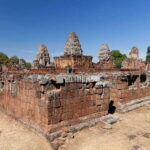
Banteay Kdei comes after the big-name hits. It’s described as a peaceful, lesser-known temple, and it earns that reputation because the vibe is calmer and more serene than the headline temples. The name means Citadel of Chambers, and the temple is a Buddhist monastery built in the late 12th century.
What you’ll notice here is the tone shift. Instead of racing toward the most famous features, you get more of the slow corridor feeling—places where you can take a breather and really look at carvings without shoulder-to-shoulder pressure.
A small drawback to factor in: because it’s quieter and partially in ruins, your experience depends a lot on your own pace. If you love structured highlights with minimal wandering, you may want to treat this stop as a focused walk-through rather than an extended explore.
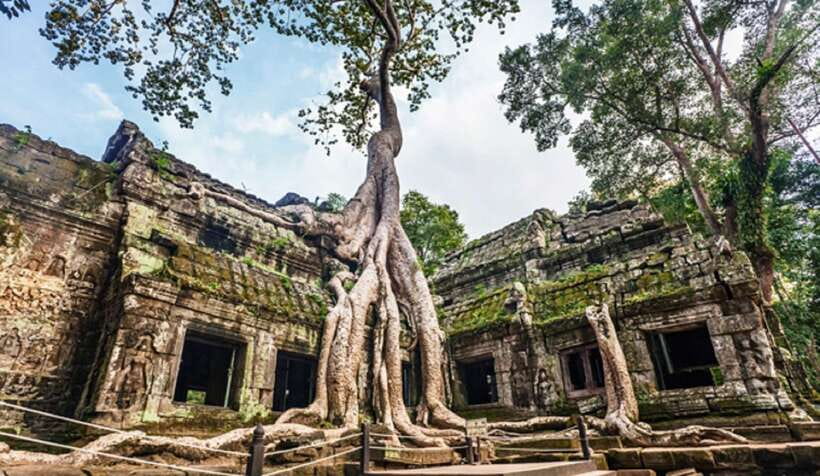
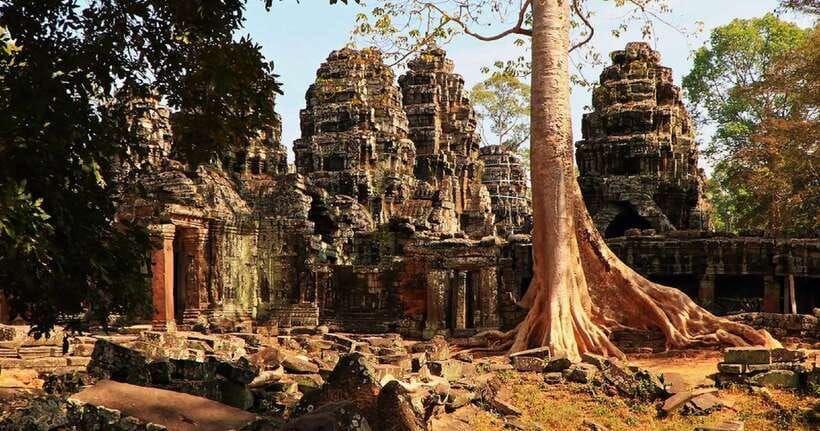
Ta Prohm: jungle roots, movie fame, and real photo time
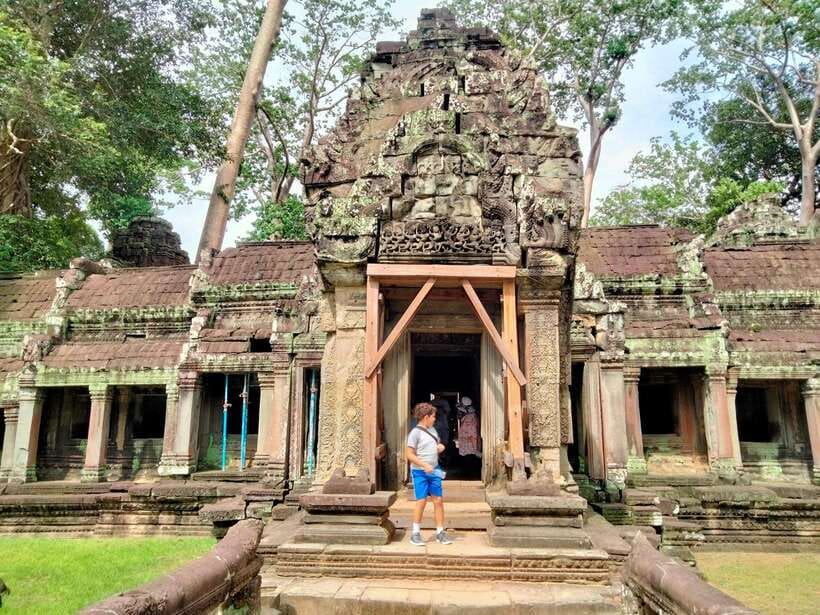
Then comes Ta Prohm, the temple famous for giant tree roots wrapping around the ruins. The tour frames it as a 12th-century temple left largely unrestored, creating that jungle-temple effect.
This stop is where your camera (and your patience) will get a workout. Ta Prohm is photogenic from almost every angle, but the best photos usually need a little repositioning and waiting for crowds to move. The route also helps because you’re arriving with a plan and time set aside, so you’re not scrambling.
It’s also been made world-famous through Tomb Raider, which helps explain why Ta Prohm can feel both ancient and pop-culture familiar. My practical take: go with the expectation that you’ll see people shooting photos. Don’t fight it—use it. You can time your angles when sections empty out, then reset quickly.

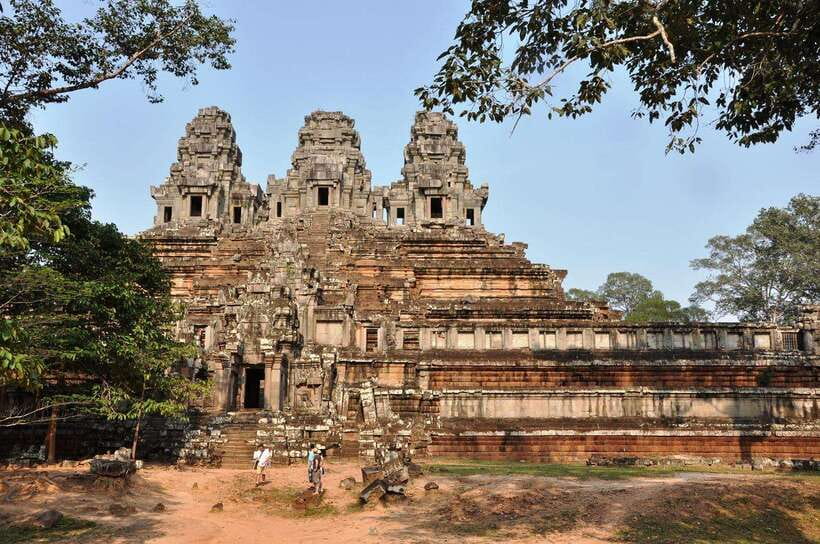
Ta Keo: the unfinished temple that feels different on purpose
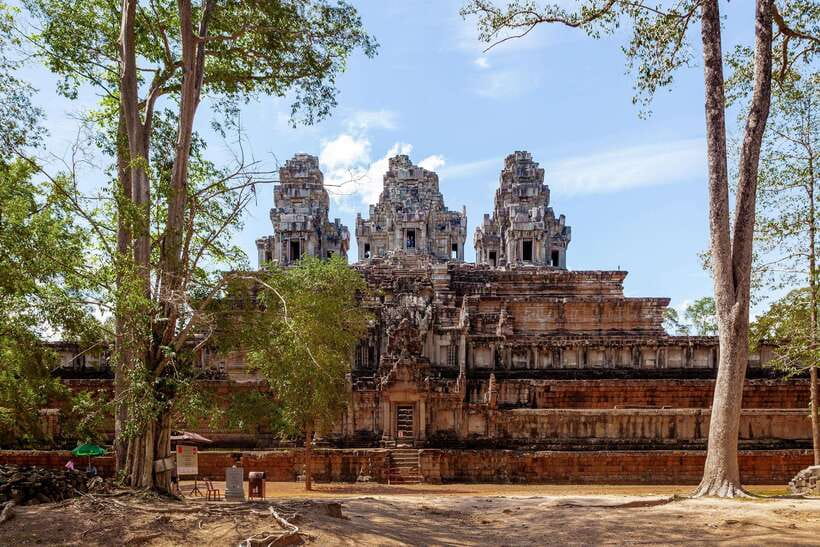
Ta Keo is unique because it was never fully completed. That one detail changes how the temple reads. Instead of feeling like a finished monument, it gives you the sense of a project halted mid-goal—still powerful, but with an unfinished edge.
The tour notes it was built during the late 10th to early 11th century by King Jayavarman V, and later continued by his successors. Standing in a place like this, that timeline matters. You can feel the structure’s intention even if you don’t see every final step.
If you’re someone who likes variety in temple architecture—more than just repeating the same style—Ta Keo is a great mid-to-late day contrast.
Bayon Temple and Angkor Thom: the 54 towers of faces
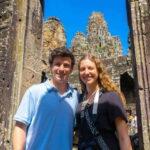
Next up is Bayon Temple, located in the center of Angkor Thom. The headline feature is the 54 towers, each adorned with four massive stone faces of Avalokiteshvara, giving you the famous 200+ face effect.
This stop is not just about spotting the faces. The tour also points out that the site has detailed carvings depicting scenes of daily life and historical battles. That’s a big reason Bayon feels more human than some of the other temples. The faces are iconic, but the carvings are what reward time spent looking carefully.
A practical note: Bayon can get busy, especially because it’s central to Angkor Thom. The value of your tour here is that you’re not trying to navigate the complexity alone while also managing crowds.
Tonle Om Gate: the south gate photo moment before you head back
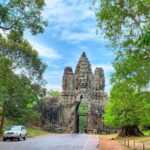
To close, you stop at Tonle Om Gate, described as the South Gate of Angkor Thom. This is a dramatic entrance flanked by a causeway lined with statues of gods and demons, and it’s crowned with four giant stone faces similar in style to those at Bayon.
This final stop is a smart choice because it gives you a “framing” moment. You finish with a gate-and-causeway view that helps you understand how Angkor Thom opens and closes around its core.
It’s also a good place to grab a last set of photos with enough time to walk, reposition, and still keep your day on schedule.
Transport comfort during a hot, active day
This is a full 8-hour temple run, which means transport comfort isn’t a luxury. The tour includes unlimited bottled water and a cool towel, which is exactly what you’ll want once the sun rises and the walking adds up.
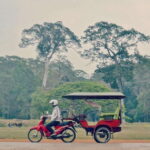
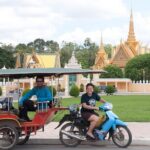
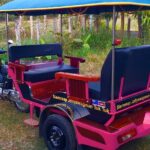
From recent trip experiences, drivers were praised for being patient and attentive—waiting for you outside each temple, keeping an eye on timing, and giving advice that helps you avoid stress. Some people also mentioned the tuk-tuk ride feeling pleasant with airflow, especially on hot days.
One small thing to expect: you’ll be on uneven terrain. The tour is not wheelchair accessible due to uneven temple surfaces. Even if you’re not in a wheelchair, choose shoes with grip and support. Your feet will thank you.
What to bring and how to dress for Angkor entry
This kind of tour is easy to mess up with one preventable detail: clothing. You’ll need to cover your shoulders and knees, so pack a light shirt and long pants or a skirt that fits the rule.
Bring:
- sunglasses
- sunscreen
- cash
And wear:
- comfortable walking shoes
No pets, and no alcohol or drugs, are allowed. That’s basic, but it’s worth remembering if you’re traveling with anything that might surprise you at entry checks.
Who should book this tour (and who might want another option)
This tour is a strong match for you if:
- you want hotel pickup and someone to handle the driving between sites
- you care about seeing the big icons like Angkor Wat and Bayon without getting lost
- you like a mix of loud landmarks and quieter stops like Banteay Kdei
- you prefer a day with practical comfort—water, cool towel, and steady pacing
It might be less ideal if:
- you have very limited mobility due to uneven ground
- you want a relaxed, unstructured day with slow stops and long breaks at fewer sites
The tour is not suitable for babies under 1 year and people over 95 years, according to the provided info.
Should you book this Siem Reap Angkor temples tour?
I’d book it if you’re in Siem Reap for a limited time and you want an efficient route that still includes variety. The big selling point is not just the temple list—it’s how the day is managed: early timing for sunrise, transport set up end-to-end, and real comfort support with water and towels.
One last decision tip: budget separately for the temple pass and plan to dress correctly before you go. Do that, and this tour becomes a very practical way to see Angkor’s most iconic temples without turning the day into logistics.
FAQ
Do I need to buy the Angkor Wat temple pass separately?
Yes. A valid Angkor Temple Pass is required and it must be purchased separately (not included in the tour price). Your driver will help you with buying the entrance tickets.
How long is the tour, and when do I get picked up?
The duration is listed as 8 hours. Pickup is optional, and the pickup time is approximately 5 minutes before departure. You’ll also receive a message one day before the tour.
What is included in the $24 price?
The price includes pick-up and drop-off at your hotel or accommodation, private round-trip transportation, unlimited bottled water, and a cool towel. Meals are not included.
What should I wear and bring for the temples?
You should wear clothing that covers your shoulders and knees, plus comfortable walking shoes. Bring sunglasses, sunscreen, and cash.
Is the tour wheelchair accessible?
No. It is not wheelchair accessible due to uneven temple terrain.
Can I cancel and get a full refund?
Yes. Free cancellation is available up to 24 hours in advance for a full refund.