REVIEW · SIEM REAP
Siem Reap: Angkor Wat Private Tour by Tuk Tuk
Book on GetYourGuide →Operated by Tour Guide Team in Siem Reap · Bookable on GetYourGuide
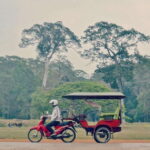
Angkor feels different when you’re on a tuk tuk. This private day in Siem Reap strings together Angkor Wat, Bayon, and Ta Prohm with a friendly, English-speaking driver and cold water when you need it.
I love the way the route balances the big-ticket monuments with smaller stops that feel like you found them on your own. Angkor Wat is the headline, but the day also leans into the “why it matters” stuff like the Khmer rulers behind the buildings and the still-alive religious role of the site.
One consideration: temple tickets aren’t included, and you’ll be moving around a lot in a single day. So come ready for a full circuit, with lunch as a break rather than a reset button.
In This Review
- Key things that make this Angkor tuk-tuk tour worth your time
- Why a private tuk tuk makes Angkor feel more personal
- Angkor Wat: Vishnu, Suryavarman II, and why it still feels alive
- Angkor Thom’s South Gate: the “entry moment” that sets the tone
- Bayon Temple: 216 faces, quiet scale, and a different kind of awe
- Baphuon and Phimeanakas: causeways, climbs, and restoration stories
- Terraces and small temples that break up the big crowds
- Lunch break, then another wave of Hindu temples
- Thommanon and Chau Say Tevoda: the names hide meanings
- Ta Prohm: tree roots, film fame, and why it still works without the movie
- Price and what you truly get for $13
- Timing and pacing: how to survive a full temple day
- Who this tour is best for
- Should you book this Angkor Wat private tuk-tuk tour?
- FAQ
- What temples are included in this private tour?
- Is this tour private or shared?
- How long does the tour take?
- What’s included in the price?
- Are meals included?
- Do I need to buy temple tickets separately?
- Does the tour help you avoid long lines?
- What language does the driver speak?
- Is there free cancellation and a pay-later option?
Key things that make this Angkor tuk-tuk tour worth your time
- Truly private transport: you’re not sharing the tuk-tuk with other groups
- English-speaking driver who can help with pacing and practical needs
- Cold drinking water included to help you stay comfortable during temple time
- Skip-the-line access via a separate entrance
- A smart Angkor route: Angkor Wat → Angkor Thom → Ta Prohm (with key gates and terraces)
- Not just photos: the stops connect to Khmer history, from Suryavarman II to later restorations
Why a private tuk tuk makes Angkor feel more personal
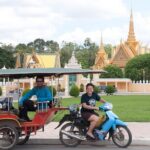
Angkor is huge. Even when you know the names, it’s easy to feel like you’re just getting pushed from one photo spot to the next. A private tuk tuk changes the rhythm. You’re in control of how often you stop, how long you linger, and how quickly you move between temple clusters.
I also like the practical side. The pickup is from your hotel lobby, and you’ll get a dedicated driver to handle the driving and logistics. That matters on a day when you’re walking inside ruins, climbing steps, and weaving through crowds.
The best part of “private” here isn’t just comfort. It’s flexibility—your driver can keep things moving without turning the day into a sprint. Some of the most positive feedback I saw about the drivers focused on being patient, arriving early, and helping people with small moments like photos and water.
You can also read our reviews of more tours and experiences in Siem Reap.

Angkor Wat: Vishnu, Suryavarman II, and why it still feels alive
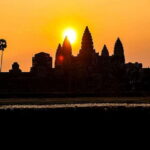
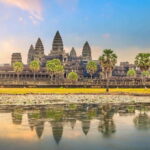
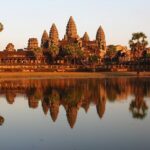
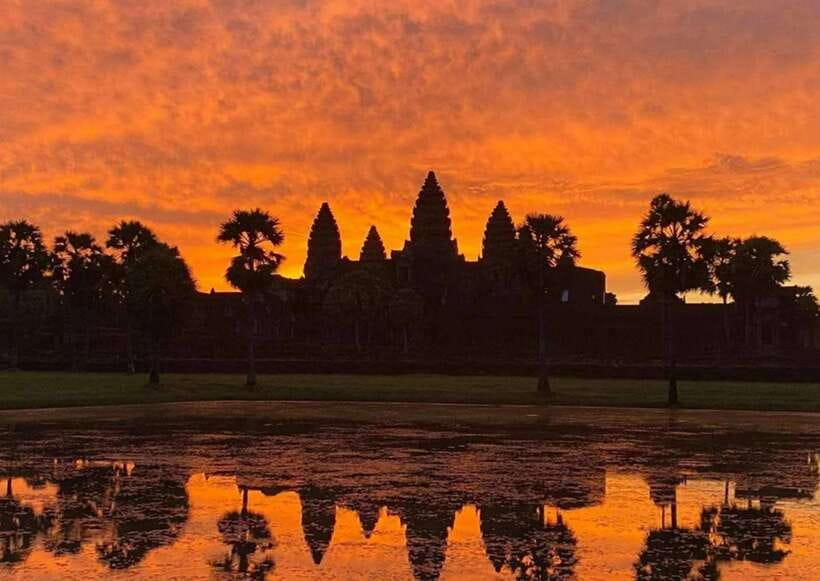
Angkor Wat is the reason many people come to Siem Reap. This tour gives it the time it deserves, with about 3 hours set aside to visit, walk, and take everything in.
Angkor Wat wasn’t only a temple. It was built by Khmer King Suryavarman II in the early 12th century in Yasodharapura, the capital of the Khmer Empire (today’s Angkor). At the start, it was dedicated to Vishnu, which is an important shift because earlier kings followed Shaivism traditions. You can feel that “official statement” character in the way the architecture is designed to impress.
It’s also the best-preserved temple at the Angkor World Heritage Site, and it’s the only one that has remained a significant religious center since its foundation. That’s why this place doesn’t just read like ancient stone—it still carries meaning in the present day. And yes, it’s so iconic it appears as a symbol on Cambodia’s national flag.
Practical tip for your day: treat Angkor Wat like two experiences—first, the big overview moments where you get your bearings, then the slower walk-through where details start to snap into place. With a private driver, you can do both without feeling rushed out the door.
Angkor Thom’s South Gate: the “entry moment” that sets the tone

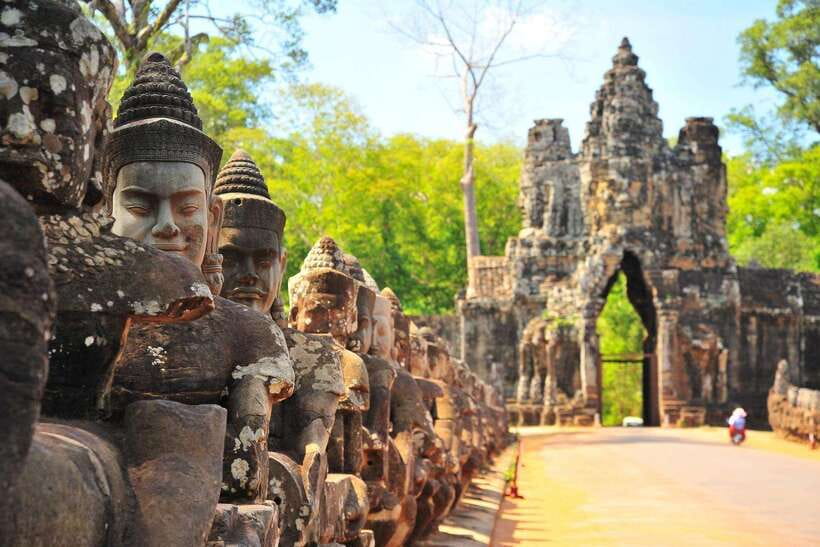
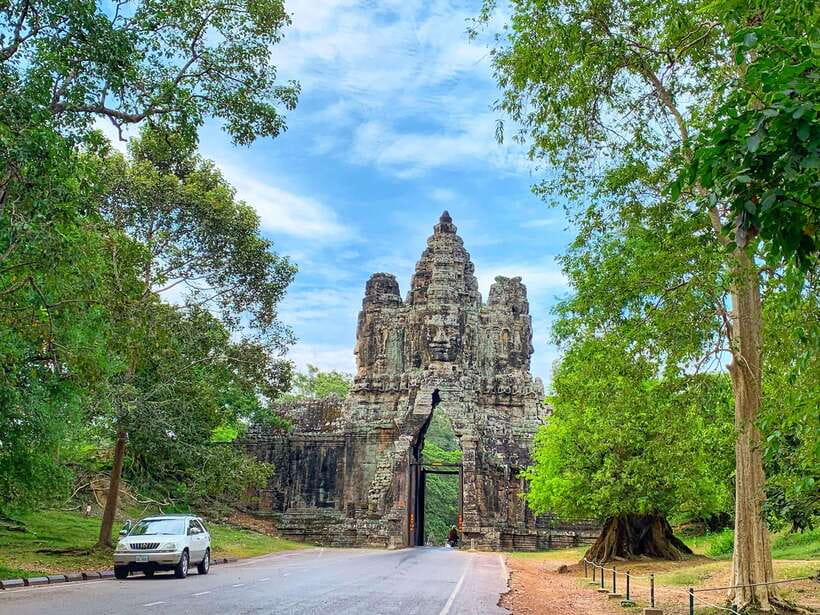
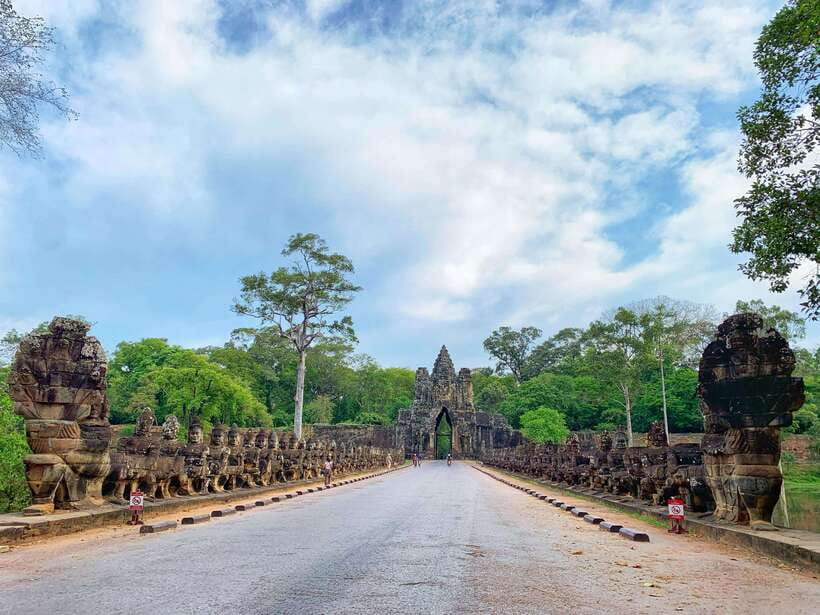
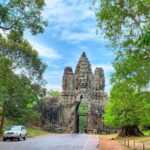
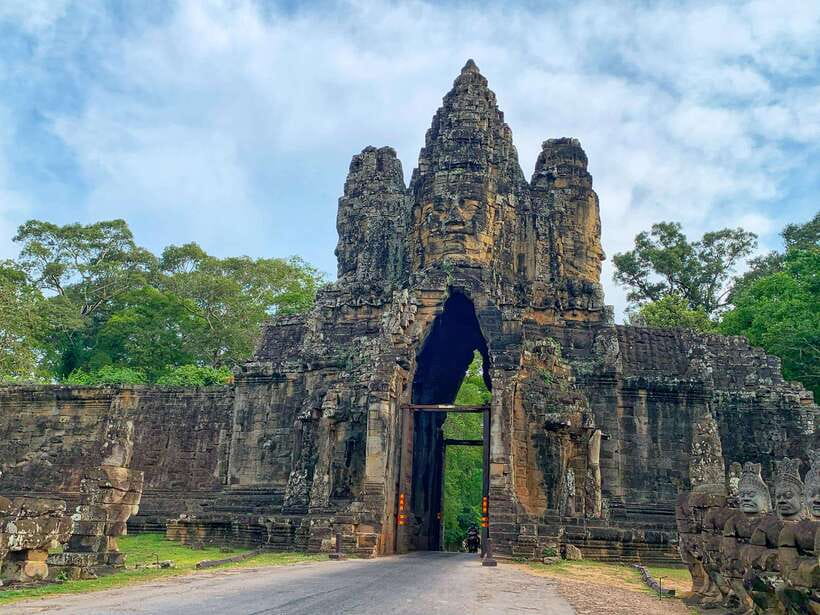
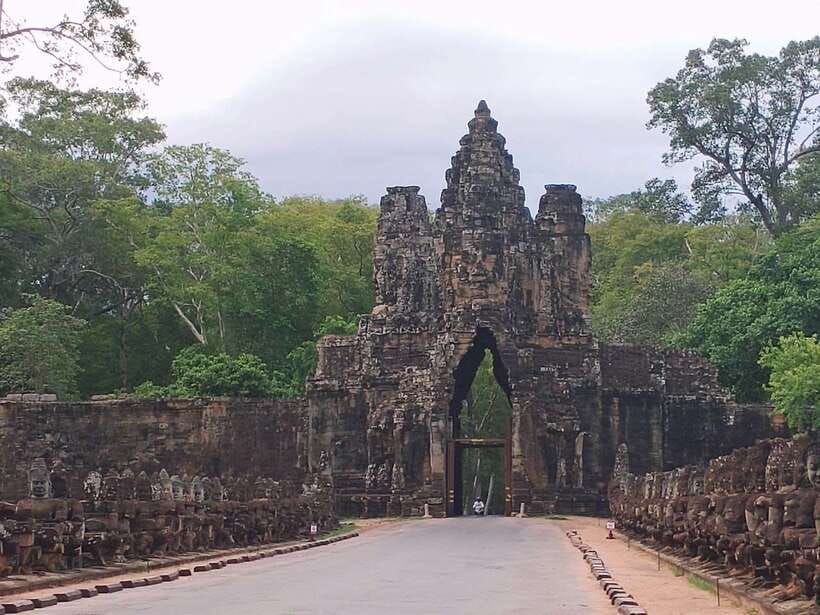
After Angkor Wat, the route heads toward Tonle Om Gate (the Southern Gate) for a short photo stop and walk. Fifteen minutes sounds quick, but this is a smart moment to reset. You’re shifting from one monumental complex to another, and the South Gate helps you transition into the walled city mindset.
From there, you’ll enter Angkor Thom—a massive ancient city protected by a laterite wall. The details are striking: the wall rises about eight meters high, it’s roughly 3 x 3 kilometers, and it’s backed by a moat that still has water. Even if you don’t know every term, the scale communicates power and planning.
The tour route keeps you moving into the center rather than circling randomly. That means you reach the most famous “human face” viewpoint while the day still has momentum.
Bayon Temple: 216 faces, quiet scale, and a different kind of awe
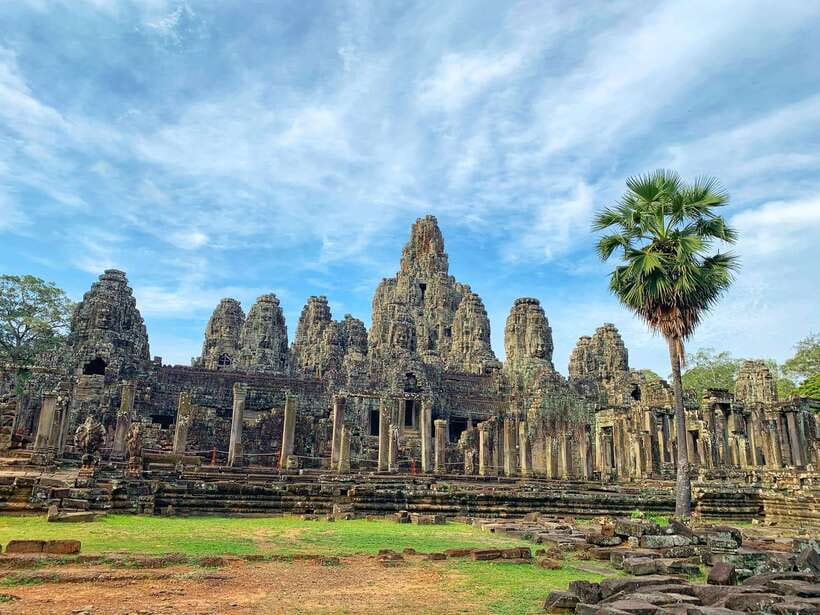
In the center of Angkor Thom sits Bayon, with about 1.5 hours to visit, photo stop, and explore. This is where people often stop using words and start staring.
Bayon is known for its 216 enigmatic faces. They’re everywhere, and they give the temple a strange, timeless watchfulness. The feeling is not loud or theatrical—it’s more like the stones are telling you to slow down and look again.
Bayon is also valuable because it’s the kind of site where context helps. You’re not only seeing “cool carvings.” You’re seeing a Khmer center designed to dominate a city and keep meaning focused at the core. In other words: this stop is about civic power, not only religious architecture.
If you want photos, aim for two phases: one for the wide temple views and one for the tighter face angles. The walking time here is long enough that you can do both.
Baphuon and Phimeanakas: causeways, climbs, and restoration stories
Next comes Baphuon, with about 30 minutes for photos and sightseeing. Baphuon is known for a long causeway and an impressive giant Reclining Buddha. What makes this stop memorable is the restoration story tied to the war—this Buddha was treated like a complicated puzzle, and it was reassembled in 2011 after 37 years of disruption. That history adds weight to the sight. You’re looking at a monument that survived interruption—and then came back.
After Baphuon, the tour includes Phimeanakas (also around 30 minutes). Phimeanakas is described as being hidden in shaded jungle, and the best part is the view you earn after climbing steep steps. Even if your legs complain, this kind of elevated pause is useful. It gives your brain a break from crowded temple galleries.
Two practical thoughts:
- Those short stops can still feel intense if you rush. Use the private format to pace yourself.
- Steps can be part of the plan. Wear footwear that’s comfortable for uneven stone.
Terraces and small temples that break up the big crowds
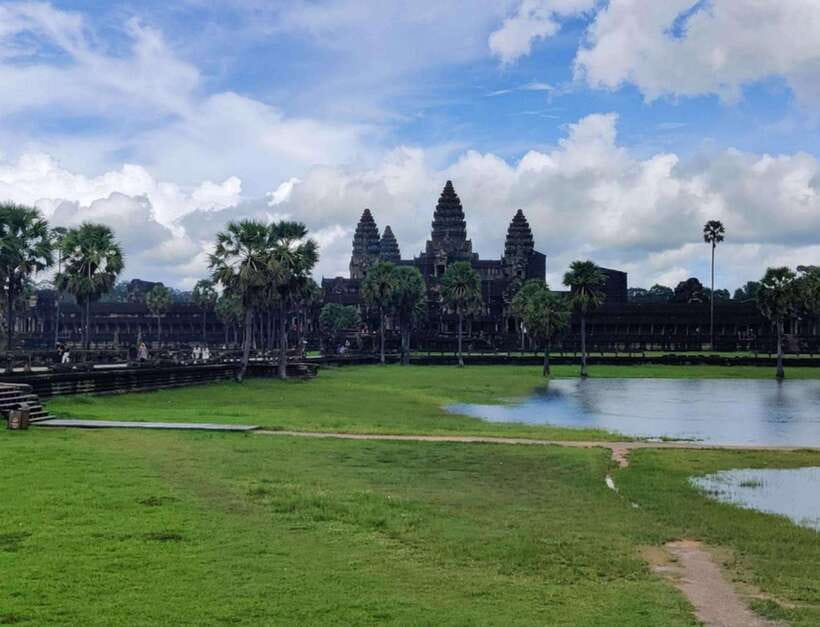
Angkor doesn’t only run on famous names. This tour includes a string of additional sites—each one a chance to see a different style or feel a different scale.
You’ll make stops like:
- Prasat Preah Palilay
- Preah Ponlea Sdach Komlong (Terrace of the Leper King)
- Terrace of the Elephants
Some stops here are listed at about 30 minutes each, often with a photo stop and a walk. That timing can be a good thing. It keeps you from burning hours waiting around one section while you miss other important areas.
The Terrace of the Elephants is especially interesting because it’s also known as the Esplanade of the Royal Palace. That connects the scenery to daily court life, not just ceremonial moments. Even if you don’t read every carving, you’ll get a sense of how much architecture was built to project authority.
Lunch break, then another wave of Hindu temples
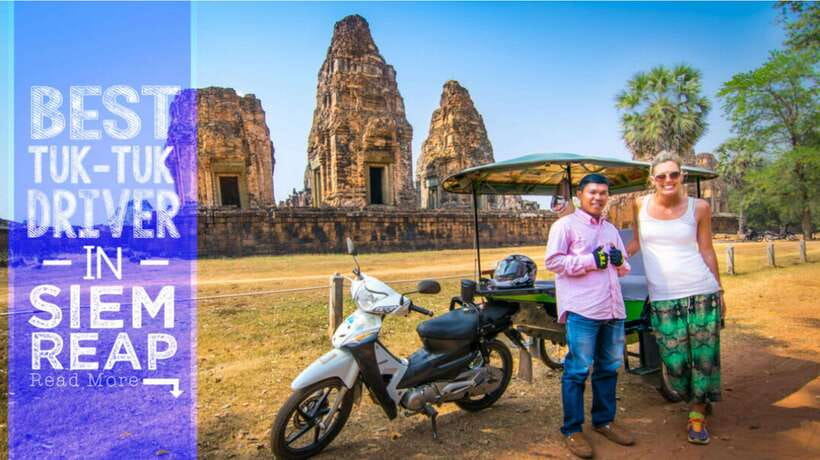
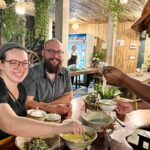
The tour includes a lunch break before the afternoon temple visits. Meals themselves aren’t included, so you’ll want a plan for what you’ll eat or where you’ll buy it during that time. The upside is that lunch gives you a chance to slow down and refill energy before the second half.
After lunch, the itinerary moves back into Hindu temple territory with:
- Thommanon Temple
- Chau Say Tevoda
- and then Ta Prohm
This is a strong choice because it doesn’t just repeat the “biggest hits.” It shows you different expressions from the Angkor period and helps you understand that the area wasn’t built as one single theme—it evolved across reigns and religious priorities.
Thommanon and Chau Say Tevoda: the names hide meanings
Thommanon is described as one of a pair of Hindu temples built during the reign of Suryavarman II at Angkor. The name comes from Pali words: Dhamma (Buddhist teachings) and Nanda (supreme wisdom). That mix of meanings is a neat reminder that Khmer religious history can be layered rather than simple.
Then comes Chau Say Tevoda, located just east of Angkor Thom and directly south of Thommanon across the Victory Way. Built in the mid-12th century, it’s a Hindu temple in the Angkor Wat period and dedicated to Shiva and Vishnu. It’s also noted for unique female sculptures of devatas enshrined in the temple.
These two stops are valuable because they fill in the “in-between” parts of your day. Angkor can be so visually powerful that you forget there were many temples built with specific functions and iconography. Here, you start to see the pattern behind the stone.
Ta Prohm: tree roots, film fame, and why it still works without the movie
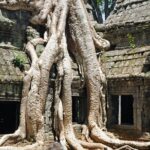
No Angkor afternoon is complete without Ta Prohm. It’s famous in the 21st century for being featured in Tomb Raider, with Angelina Jolie as Lara Croft, but the appeal doesn’t depend on pop culture. Ta Prohm still looks like it grew into its surroundings.
You’ll get about 1 hour here. What makes the place special is the way Spung tree (Tetrameles Nudiflora) roots intertwine with ancient stones covered in moss. It creates frames inside frames—doorways, faces, and angles that feel like an active art installation left outside for centuries.
This is also one of the best stops for photos because you can take wide shots, then step into tighter scenes where the roots act like curtains or walls. A private driver matters here because you can linger without feeling like you’re holding up a big bus.
When you’re done, you’ll drive back to your hotel and get dropped off.
Price and what you truly get for $13
At around $13 per person for a 1-day private Angkor Wat tour by tuk tuk, the value comes from what’s included—not just the transport.
Here’s what you’re getting in your day:
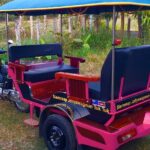
- Private tuk tuk and private driver (licensed)
- 100% private setup for the number of people you book
- Hotel pickup and drop-off from your lobby in Krong Siem Reap
- Cold drinking water
- Toll roads and fee parking
- Gasoline
What’s not included is the big one: temple tickets and meals.
So how do you judge value? If you compare “a private vehicle + a driver all day” against the cost of ticketed admission on top, the $13 looks like a practical deal for having control over your pace. The private format also reduces decision fatigue. You’re not coordinating transport between distant temple zones all day.
The only real financial watch-out is that you still have to plan for the temple ticket cost. The tour helps you with skip-the-line access via a separate entrance, but you’ll still need the required ticket.
Timing and pacing: how to survive a full temple day
A one-day Angkor circuit is always intense. Your itinerary mixes longer blocks (like 3 hours at Angkor Wat) with shorter stops (often 30 minutes), plus a short gate photo moment at the South Gate and a final hour at Ta Prohm.
This pattern matters because it affects your energy:
- Longer time at the top sites lets you go from first impressions to deeper exploration.
- Shorter time at terraces and minor temples keeps the day moving and reduces fatigue drag.
- Ta Prohm’s final hour is a great finish because the visuals keep working even if you’re tired.
Since your driver is English-speaking and the tour is private, you can use the day well. If you want extra photos, ask early enough. If you need to linger somewhere specific, it’s usually easier to do that when you’re not trapped in a group schedule.
And don’t ignore the hydration detail: cold drinking water is included specifically to help you avoid dehydration. Make use of it. Small sips, often, work better than waiting until you’re already worn out.
Who this tour is best for
This Angkor tuk-tuk private tour is a good match if you:
- want a true private day rather than a shared scramble
- like walking temple areas but still want local transport to connect sites
- prefer a calm driver who helps with practical needs like timing and cold water
- want an organized route that hits Angkor Wat, Bayon, and Ta Prohm plus the important in-between stops
It’s also a strong option for solo travelers. The private nature means you can still enjoy photo pauses without feeling awkward waiting for a group to catch up.
Should you book this Angkor Wat private tuk-tuk tour?
Book it if you want a day that feels manageable and personal. The big reasons are the private tuk tuk, hotel pickup/drop-off, cold water, English-speaking driver, and the route’s focus on the highest-impact temples plus key Khmer context.
Pass or rethink it if you’d rather handle temple connections yourself, or if you already know you’ll spend most of your day rushing. And remember: temple tickets and meals are on you, so budget for those before you go.
If your goal is a full Angkor day without the stress of figuring out how to get between sites, this tour makes that easy.
FAQ
What temples are included in this private tour?
The tour visits Angkor Wat, Angkor Thom (including Tonle Om Gate/Southern Gate, Bayon, Baphuon, Phimeanakas, and multiple terraces), plus Thommanon, Chau Say Tevoda, and Ta Prohm.
Is this tour private or shared?
It’s a private tour with 100% private local transportation for the number of people you book. It is not a join tour with other guests.
How long does the tour take?
The duration is listed as 1 day.
What’s included in the price?
Included are the private tuk tuk and private driver, hotel pickup and drop-off, toll roads, fee parking, cold waters, and gasoline. Skip-the-line access is included via a separate entrance.
Are meals included?
No. Meals are not included. The tour includes a lunch break, but you’ll need to cover your lunch.
Do I need to buy temple tickets separately?
Yes. Temple tickets are not included, so you’ll need to purchase them separately.
Does the tour help you avoid long lines?
Yes. It includes skip the line access through a separate entrance.
What language does the driver speak?
The driver is listed as English.
Is there free cancellation and a pay-later option?
Yes. You can cancel up to 24 hours in advance for a full refund, and there’s a reserve now & pay later option that lets you book without paying today.