REVIEW · SIEM REAP
Siem Reap: 3-Hour Behind-the-Scenes Tuk-Tuk Tour
Book on GetYourGuide →Operated by Adventure Travel Co. · Bookable on GetYourGuide
Three hours in Siem Reap beats a long day. I like how this tuk-tuk loop strings together real daily life at Psar Leu and then slows down for a monk blessing at Wat Bo. It also adds stops around local art and craft so you’re not just driving between big-name sights.
One thing to think about first: the tour has a firm dress-and-behavior setup. You’ll want shoulders covered and pants that feel fine for kneeling, and women should not touch monks—so plan outfits accordingly.
In This Review
- Key things worth knowing before you go
- Why a 3-hour tuk-tuk route works so well in Siem Reap
- Starting at Psar Leu: what you’ll actually see (and how to enjoy it)
- Wat Bo and the monk blessing: a meaningful stop with clear rules
- The riverside tree-planting park: good vibes with real community intent
- Riverside conservation + Khmer Ceramics: where craft meets place
- Theam’s House: an artist’s collection in a garden setting
- French-Colonial streets and Siem Reap South Side: your last taste of the city
- Price and value: what $35 buys you in real terms
- Dress code and monk etiquette: small details that can change your day
- Timing, pickup, and how to protect yourself from a missed ride
- Who should book this tour (and who should skip it)
- Should you book the Siem Reap behind-the-scenes tuk-tuk tour?
- FAQ
- How long is the Siem Reap behind-the-scenes tuk-tuk tour?
- Where does the tour start and end?
- Is food included?
- What’s included in the price?
- What language is the guide?
- What should I wear?
- Are women allowed to touch monks?
- Is the tour suitable for wheelchair users?
- Can I cancel for a refund?
Key things worth knowing before you go
- Psar Leu market: everything from food to jewelry, with lots to look at even after the morning rush
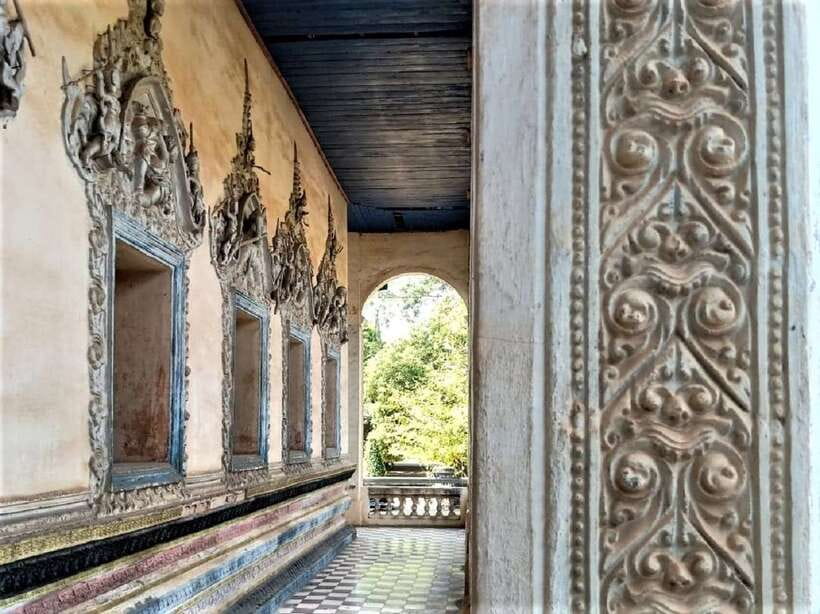
- Wat Bo monk blessing: a traditional blessing for safe travels and prosperity, with a donation
- Riverside work you can feel good about: a tree-planting park plus a conservation area stop
- Khmer Ceramics: see local artisans’ work up close during the route
- Theam’s House gallery: a respected artist’s collection shown in a quiet garden setting
- French-Colonial streets + South Side: finishing with architecture and a different slice of town
Why a 3-hour tuk-tuk route works so well in Siem Reap
Siem Reap is big enough to get interesting fast, but small enough that you can still feel like you’re moving with the city—not against it. A 3-hour tour is a sweet spot: long enough to hit multiple meaningful stops, short enough that you’re not exhausted halfway through.
This route also makes practical sense. You start where locals shop and snack, then you move to places where you’ll understand the city’s spiritual and creative side. That pacing helps you connect the dots instead of checking boxes.
And yes, tuk-tuk travel matters here. In a short window, it’s the easiest way to keep your day from turning into transport time.
You can also read our reviews of more tours and experiences in Siem Reap.

Starting at Psar Leu: what you’ll actually see (and how to enjoy it)
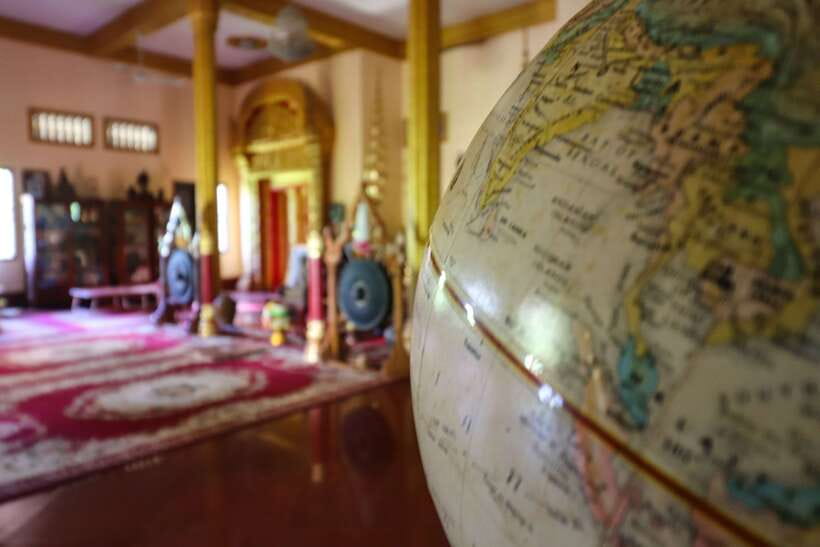
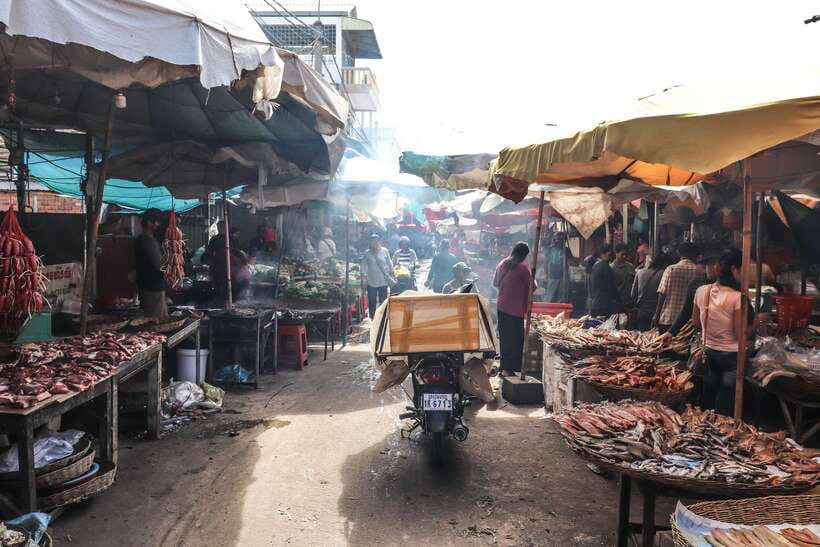
You kick off at Psar Leu, Siem Reap’s main marketplace. This is one of those places where your senses get busy immediately—food, produce, textiles, and yes, jewelry all show up in the same browsing energy.
Why I like starting here: it gives you “local context” before the more formal stops. You’ll get a sense of what people buy day to day, and you’ll be better at reading the city once you leave the market.
Even if you’re not there in the morning peak, you won’t be short on things to watch. Cambodia markets run on momentum, not just clock time. In the afternoon, you’ll still find motion—vendors sorting items, customers moving through lanes, and the smells of cooking drifting from stall to stall.
Two practical tips for this part:
- Bring cash if you want to look at jewelry or small items, because shopping isn’t included.
- Keep your expectations flexible. You’re there to see the market rhythm, not to “finish” it like a museum.
Wat Bo and the monk blessing: a meaningful stop with clear rules
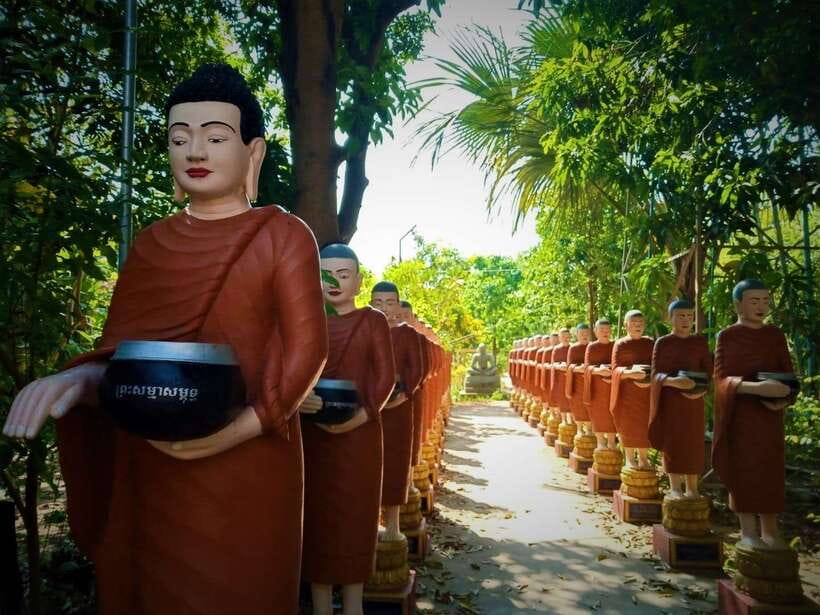
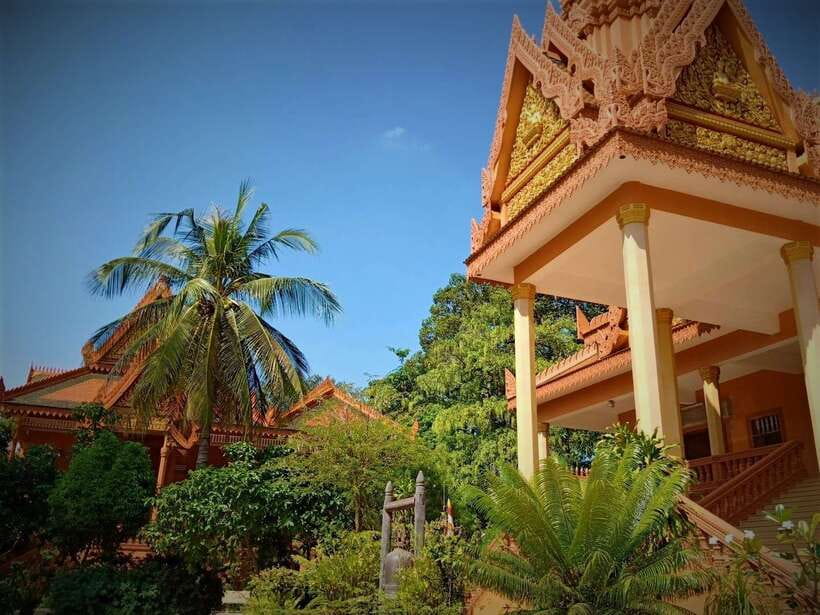
Next up is Wat Bo, widely known as the city’s oldest pagoda. This is where the tour shifts tone. The setting is calmer, and you’ll slow down enough to notice details you might miss if you came only for photos.
The tour includes the chance for a monk blessing. You’re there for a traditional blessing for safe travel and prosperity, and it comes with the expected pagoda donation. It’s one of those moments that feels personal because it’s part of local daily practice, not a staged performance.
Important manners note (because it affects what you can do):
- Women are forbidden in Cambodia to touch monks.
- Keep interactions respectful and follow what your guide advises on where to stand and when to move.
If you’re visiting with kids, this can be a good education stop—just be ready to lower voices and follow the guide’s pace.
The riverside tree-planting park: good vibes with real community intent
After Wat Bo, you’ll head to greener surroundings with a stop at a riverside tree planting park. This park was designed and executed by a local philanthropic hotel for community use.
That detail matters. It’s not just a pretty photo stop. You’re seeing a small example of how tourism dollars and local organization can shape public spaces—not always on a huge scale, but often in ways people will use daily.
What to look for here:
- How the space is laid out for community access, not just for visitors
- The calm break from the city noise before you continue to more hands-on craft stops
Even if you’re not “a park person,” this stop gives your day breathing room.
Riverside conservation + Khmer Ceramics: where craft meets place
From the tree-planting area you move through a riverside conservation area, then you visit Khmer Ceramics. This is the part of the tour that helps you understand the city as a living work-in-progress, not only as a sightseeing circuit.
At Khmer Ceramics, the value is simple: you get to see skilled work created by local artisans. It’s the kind of stop that makes your market browsing feel more grounded—suddenly jewelry and crafts aren’t just “things for sale,” they’re part of an ecosystem of local making.
What to do if you want to make this stop pay off:
- Watch how the work is explained—your guide’s job is to translate the maker’s perspective.
- If you’re tempted to buy, don’t rush. Look, compare materials and workmanship, and decide later. Shopping isn’t included, so treat purchases as optional.
Theam’s House: an artist’s collection in a garden setting
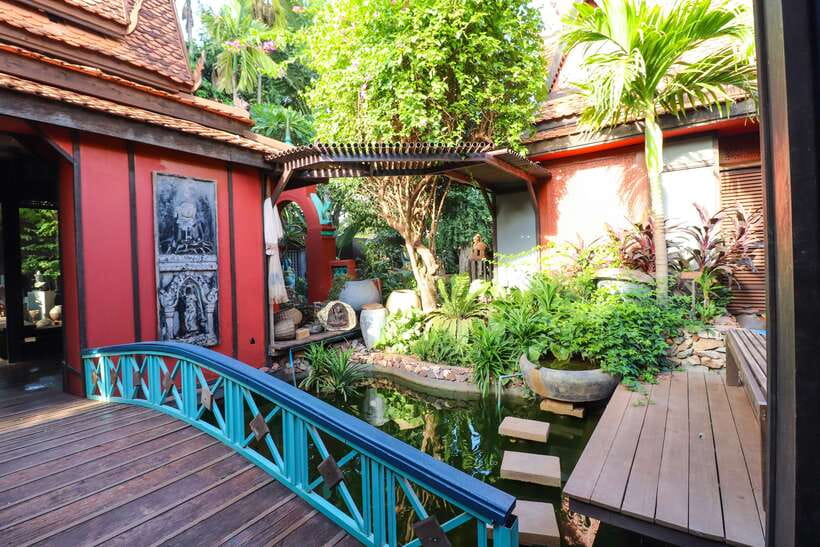
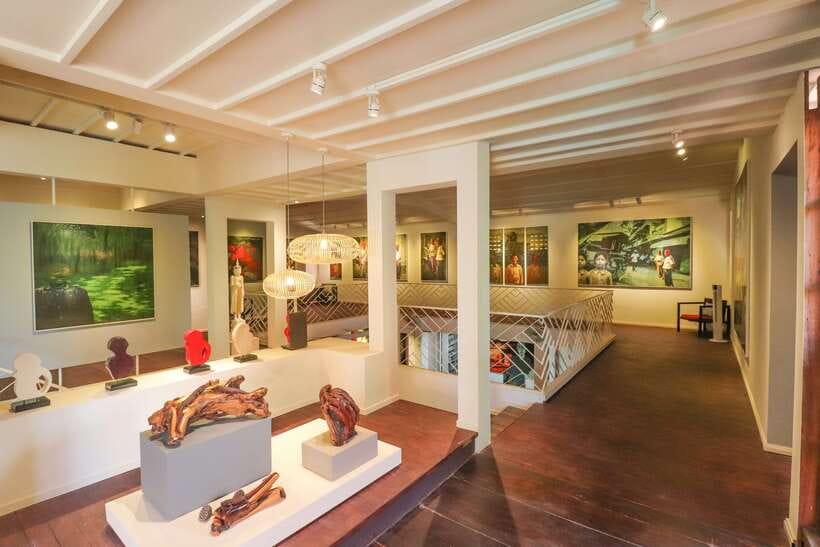
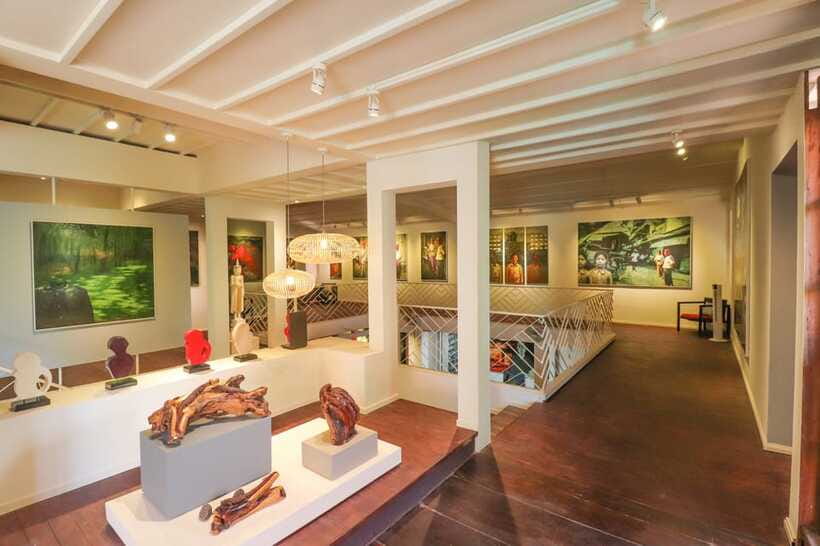
Next comes Theam’s House and its gallery space, Theam’s Gallery. You’ll tour the personal collection of a highly regarded local artist in a wistful garden setting.
I like this stop because it gives a different angle on art. You’re not stuck in a white-box showroom. The garden setting changes the way you experience the collection—you tend to slow down, observe, and connect what you see with the mood of the place.
This stop also works as a “story pause” in the middle of the day. Markets and religious spaces are active; a garden gallery helps you recalibrate so the rest of the route—architecture and neighborhood wandering—feels easier.
French-Colonial streets and Siem Reap South Side: your last taste of the city
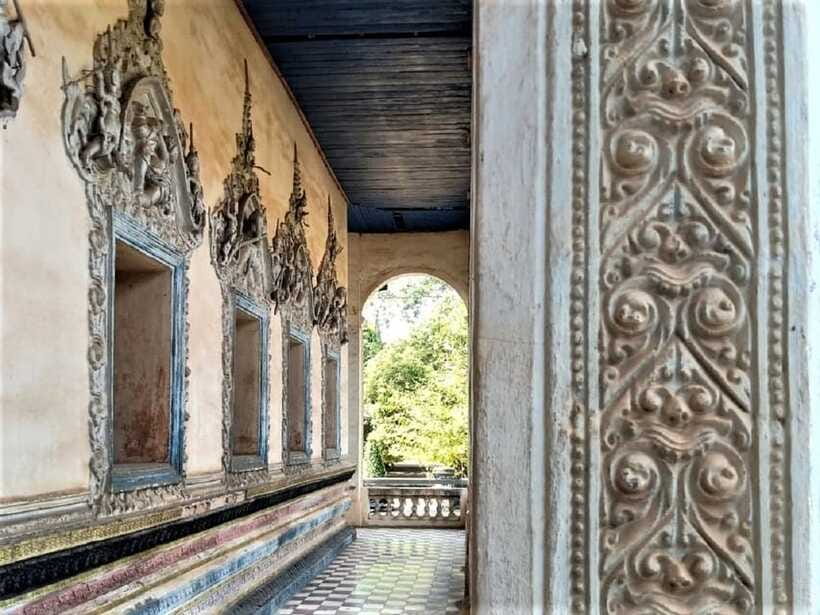
After the gallery, the route takes you through the heart of the French-Colonial era, admiring architecture that remains from that period. Then you finish with a tour of Siem Reap’s South Side.
This final stretch is where you get the most “life in the city” feeling. Architecture gives you visual anchors—streets, styles, and lingering influence you can recognize later. Ending on the South Side helps you see that Siem Reap isn’t only around the Angkor spotlight.
A quick mindset shift helps here: treat this portion like you’re learning the city map. You’re looking for patterns—street layout, building style, how people move—so you can navigate on your own later.
Price and value: what $35 buys you in real terms
At $35 per person for about 3 hours, this tour is priced like a focused experience, not a long full-day excursion. What makes it feel worth considering is that a lot of the cost drivers are included:
- Hotel pickup and drop-off
- An English-speaking guide
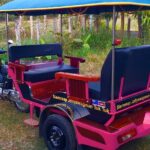
- Tuk-tuk transportation
- Monk blessing (with pagoda donation)
- Gallery entrance
- Water throughout the tour
Food isn’t included, but there is an option to take the tour including lunch. If you’re trying to keep your day efficient and you don’t want to plan meals around multiple stops, that lunch add-on could be helpful.
Where the value gets strongest:
- You want a route that mixes spirituality, crafts, and local life
- You prefer not to negotiate transport between scattered locations
- You want a guide to help you interpret what you’re seeing—especially in religious and community-focused settings
Where value might be weaker:
- If you’re only interested in one type of stop (say, only pagodas or only shopping), this route is more “varied by design.”
Dress code and monk etiquette: small details that can change your day
This tour has clear clothing rules, and they aren’t optional.
Not allowed:
- Shorts
- Short short skirts
- Sleeveless shirts
Practical guidance that matters on-site:
- Ensure your shoulders are covered.
- Wear pants that you’re comfortable to kneel in (no short shorts or skirts).
- Women should not touch monks.
If you pack light, that’s still workable. Think of this as a “temple-ready” outing. Long pants and a shirt with sleeves are the easiest fix, and they’ll also keep you cooler than heavy fabric if you choose breathable material.
Timing, pickup, and how to protect yourself from a missed ride
This is the one place where you should be a bit cautious. The tour relies on a hotel pickup and a tuk-tuk driver. When pickup plans don’t line up, the experience can start off messy.
Here’s how to protect your day:
- Read your pickup email carefully for the specific pickup time.
- Screenshot it and keep it offline in case your phone loses service.
- If you don’t receive clear pickup confirmation close to departure, it’s smart to contact your provider using the contact method you were given at booking time.
Most outings like this run smoothly. But when something goes wrong, you’ll feel a lot better if you’ve already done the “check twice” step before leaving your hotel.
Who should book this tour (and who should skip it)
This tour fits best if you want:
- A 3-hour overview of Siem Reap beyond the obvious
- A mix of market + pagoda + art/craft
- A guide to help you navigate rules and local context
- A comfortable pacing that avoids a full-day grind
It’s not suitable for people with mobility impairments or wheelchair users. That matters because kneeling-friendly clothing is requested and the route involves multiple stops by road and walking.
If you’re traveling with limited mobility, you’ll likely find it frustrating rather than relaxing.
Should you book the Siem Reap behind-the-scenes tuk-tuk tour?
I’d book it if you like your Siem Reap days structured but not rigid—market energy first, a calm spiritual moment second, and then craft and art spaces that feel connected to local life. The included monk blessing, gallery entrance, and transport make it easier to justify the price than a “pay for everything separately” day.
I’d think twice if you’re strict about convenience timing and hate the possibility of a pickup glitch. If you take one precaution—confirm that pickup time by email and keep it handy—you’ll reduce that risk a lot.
Finally, if you’re the type who enjoys understanding a place through how people trade, pray, and make art, this tour matches that style.
FAQ
How long is the Siem Reap behind-the-scenes tuk-tuk tour?
The tour lasts 3 hours.
Where does the tour start and end?
It includes hotel pickup and drop-off in Siem Reap Province, with specific pickup times sent by email.
Is food included?
Food is not included. There is an option to take the tour including lunch.
What’s included in the price?
The price includes hotel pickup and drop-off, an English-speaking guide, tuk-tuk transportation, monk blessing (pagoda donation), gallery entrance, and water during the tour.
What language is the guide?
The tour has an English speaking guide.
What should I wear?
You should wear clothes with shoulders covered and pants you can kneel in. Shorts, short skirts, and sleeveless shirts are not allowed.
Are women allowed to touch monks?
No. In Cambodia, it’s forbidden for women to touch monks.
Is the tour suitable for wheelchair users?
No. It is not suitable for wheelchair users or people with mobility impairments.
Can I cancel for a refund?
Yes. You can cancel up to 24 hours in advance for a full refund.