REVIEW · SIEM REAP
Siem Reap: 1 Day Angkor Wat + Sunrise Private Tour with Tuk-Tuk
Book on Viator →Operated by Siem Reap Angkor Airport Taxi transfer ( from airport to hotel ) · Bookable on Viator
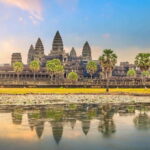
Angkor Wat looks different when the sun is still low. This private Siem Reap day trip gives you smart timing options (including a sunrise start) and a flexible route with an English-speaking driver who keeps things moving.
What I especially like is the private tuk-tuk/car setup with hotel pickup and drop-off, so you’re not stuck waiting around with strangers. You’re also handed the basics that make temple days easier, like a cold bottle of drinking water during the ride.
One thing to consider: temple entrance tickets and a formal tour guide are not included, and you’ll be doing a full-day circuit that’s best if you’re comfortable with walking and heat.
In This Review
- Key highlights at a glance
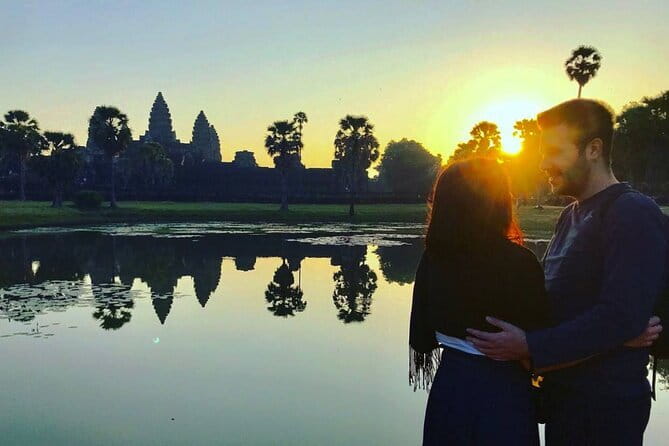
- Sunrise-first Angkor Wat: what the early start really buys you
- Private tuk-tuk pickup: control beats crowds
- The temple circuit in 6–8 hours: how to pace it
- Stop 1: Angkor Wat (about 2 hours)
- Stop 2: Ta Keo (about 1 hour)
- Stop 3: Ta Prohm (about 1 hour)
- Stop 4: Banteay Kdei (about 1 hour)
- Stop 5: Srah Srang (about 30 minutes)
- Stop 6: Bayon Temple / Angkor Thom (about 2 hours)
- Final stop: Siem Reap return (about 30 minutes, admission free)
- Price and value: the real budget math
- What’s included (and what you’ll need to plan)
- Best fit: who this Siem Reap private Angkor Wat day works for
- Should you book this private Angkor Wat sunrise tour?
- FAQ
- How long is the Siem Reap 1 Day Angkor Wat tour?
- What is the departure time if I want to see sunrise?
- Does the price include temple entrance tickets?
- Is a tour guide included?
- What transport do I use during the day?
- How much is the tour for a group?
- What happens if weather is poor?
Key highlights at a glance

- Sunrise departure option (around 4:30–5:00 AM) so you can see the famous morning light at Angkor Wat
- Private hotel pickup and drop-off to start when you want, not when a bus needs to leave
- English-speaking driver, not a guide meaning you get a local driver but you’ll explore on your own with the temple pass
- Full-day temple timing (about 6–8 hours total) with several major stops packed in
- Bottled water included, and one popular driver (Bun Chhoeun) is known for extra comfort touches like cold wet towels
- Mobile ticket provided, which helps if you don’t want to juggle paper paperwork
Sunrise-first Angkor Wat: what the early start really buys you
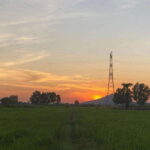
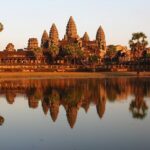
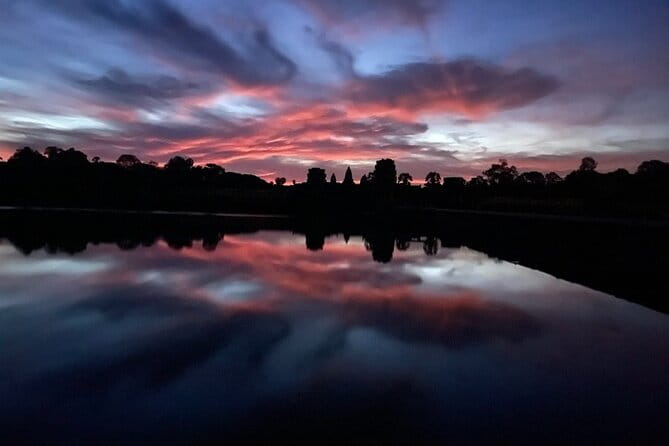
If you choose the sunrise slot (typically 4:30–5:00 AM), you’re paying in early-morning energy for a payoff in atmosphere. Angkor Wat is iconic any time of day, but the morning light changes how the stone reads—so shadows feel sculpted instead of flat.
The big practical win is simple: you get your first major photo and first major walk before the day crowds build momentum. A sunrise schedule also makes the rest of the circuit feel smoother, because you’ve already checked off the hardest-to-time stop.
If you skip sunrise and start later, you still cover the key temples. You just miss that early stillness and cooler-feeling start that makes the first climb feel less like a workout.
You can also read our reviews of more tours and experiences in Siem Reap.

Private tuk-tuk pickup: control beats crowds
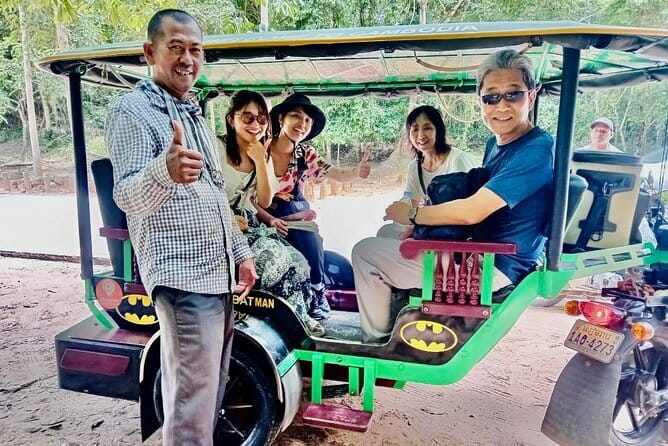
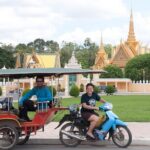
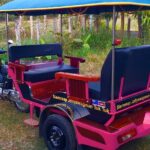
This tour is built around private transportation, usually a tuk-tuk and/or car depending on your group and day. Your driver picks you up at your hotel, which matters in Siem Reap because temple traffic and waiting time can chew up daylight.
You’re also traveling with an English-speaking driver, which is useful for real-world help like where to go, how long to stay, and when to shift to the next temple. In a full Angkor day, the person behind the wheel can be the difference between feeling rushed and feeling paced.
A nice detail from the reviews: driver Bun Chhoeun is praised for keeping things comfortable—cold water, cold wet towels, and a steady, upbeat attitude. That might sound small, but during a hot temple day, comfort details genuinely change your mood.
The temple circuit in 6–8 hours: how to pace it
You’ll spend roughly 7–8 hours in and around the temples during the day, then return to your hotel. That’s long enough to enjoy each site, but not so long that you’re stuck in one place for the entire day.
You’ll hit a classic sequence: Angkor Wat first, then Ta Keo and Ta Prohm, then Banteay Kdei and Srah Srang, and finally Bayon at Angkor Thom. It’s a smart arc because each stop has a different look and scale, so your eyes don’t get tired of the same type of carvings.
A flexible itinerary is part of the deal, so if you find a corner you love (or you’re moving slower due to heat), you’re not locked into a minute-by-minute script. Still, it helps to have a plan for your own pace—wear shoes you trust, and don’t treat this as a sit-and-stroll day.
Stop 1: Angkor Wat (about 2 hours)
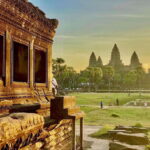
Angkor Wat is the largest religious structure in the world and the anchor of any Angkor day. It was built in the first half of the 12th century (1113–1150), and once you’re inside, the place rewards you for looking slowly rather than sprinting for the next viewpoint.
With about 2 hours here, I’d use your time in two stages: first, get oriented and walk the main areas without stressing about perfect angles. Then, if you feel the flow, return to your favorite view spots and linger.
One practical note: entrance tickets are not included, so you’ll want to make sure you’ve got the 1-day pass sorted before you arrive. That way you don’t lose time to ticket lines or having to re-check what you’re holding.
Stop 2: Ta Keo (about 1 hour)
Ta Keo is one of the tallest monuments in Angkor, and it has that strong “mountain temple” feel. It’s located just east of Angkor Thom, and it was built under Jayavarman V—so it helps you feel how Angkor temple design evolved beyond the most famous silhouette.
This stop is shorter (about 1 hour), which is actually a benefit. Ta Keo is worth it, but if you overstay early in the day, you’ll run out of energy for the later sites that many people remember longest.
If you like climbing and symmetry, you’ll probably enjoy Ta Keo more than you expect. If you’re trying to conserve energy, treat this as your “good views, not a long sit” temple.

Stop 3: Ta Prohm (about 1 hour)
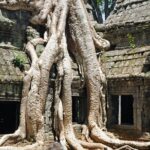
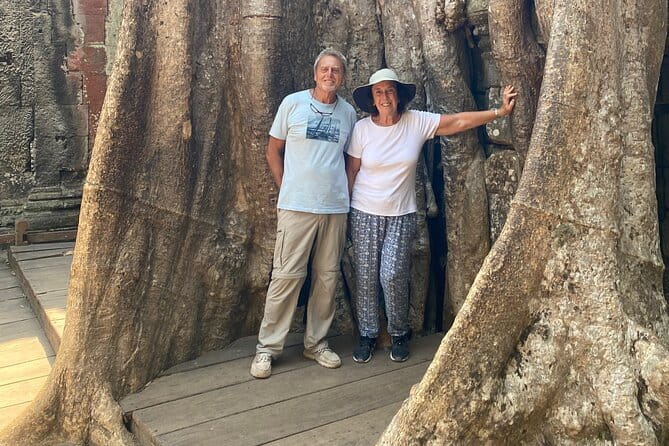
Ta Prohm is known worldwide from movie fame, and it’s easy to see why. The big draw is the way the ruins and trees grow together, creating that instantly recognizable look people came to see.
You’ll have about 1 hour here. That’s enough time to walk the key areas and stop for photos without turning it into a marathon. If you love slow exploration, you can keep circling back to framing shots where roots and stone overlap.
If you’re traveling without a formal guide, this is the spot where you might want to rely on your own curiosity—what you notice is what you’ll take home. The good news is you don’t need a lecture to appreciate Ta Prohm’s strange beauty.
Stop 4: Banteay Kdei (about 1 hour)
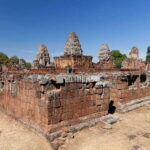
Banteay Kdei is a Buddhist temple, and it’s often described as the citadel of monk cells. It sits southeast of Ta Prohm and east of Angkor Thom, so it makes geographic sense in the day’s route.
With about 1 hour, this works well as a “different flavor” stop. Compared to the blockbuster attention of Ta Prohm, Banteay Kdei can feel more relaxed, which lets you look at details like doorways and interior layouts without feeling chased by time.
This is also a good temple to visit if you prefer architecture and structure over big scenic moments. If stone and layout are your thing, you’ll likely enjoy the calmer tempo.
Stop 5: Srah Srang (about 30 minutes)
Srah Srang is a reservoir area often linked to the idea of a royal bath. It’s surrounded by greenery and sits near the East Barray, so it gives your day a breather between temple interiors.
You only get about 30 minutes, so treat it as a reset. I like using it to step back from climbing and stairs and just let the eye rest. It’s also a good spot to take a few photos without the pressure of being inside a crowded courtyard.
Because admission is not included for this stop (per the info), your main focus should be on the scenery and the pacing rather than ticket logistics.
Stop 6: Bayon Temple / Angkor Thom (about 2 hours)
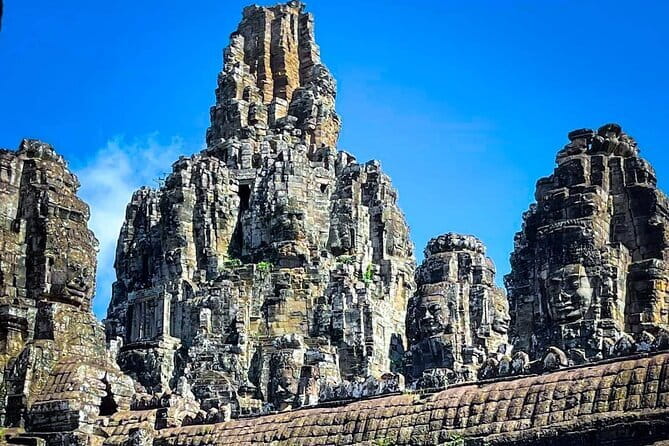
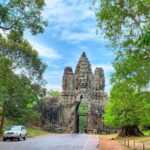
Bayon Temple is inside Angkor Thom and it’s where the famous smiling faces start to take over. It’s a richly decorated Khmer temple related to Buddhism, built in the late 12th to early 13th century as a state temple under King Jayavarman.
You’ll have about 2 hours here, which is perfect. Bayon rewards patient looking, because you can’t really absorb the carvings and faces while rushing. Use the time to walk sections in a loop so you see how the temple’s different faces appear from different angles.
If you’re tired by the end of the day, Bayon can still be worth it, but you’ll enjoy it more if you pace yourself and take breaks when you need them.
Final stop: Siem Reap return (about 30 minutes, admission free)
After Bayon, you return to Siem Reap. There’s a short stop noted with free admission, which effectively functions as a buffer before your ride back.
Think of this portion as your decompression time. If you need water, a snack, or just a moment to cool down, this is where that fits naturally.
Price and value: the real budget math
The tour price is listed at $23 per group (up to 4), and it’s private. That’s a strong deal on the transportation side, because you’re not sharing a vehicle with random people and you’re getting hotel pickup plus an English-speaking driver.
But the big budget item is the temple pass: a 1-day pass is $37 per person and is not included. That means your final cost will depend on how many people you bring and whether you need multiple tickets.
Here’s the practical way to judge value:
- If you’re going with up to 4 people, you’re spreading the transport cost across the group.
- Your main fixed expense is still the temple pass per person.
- The tour’s value comes from reducing wasted time—pickup, private routing, and an efficient sequence of major sites.
Also, the tour includes local tax, parking, and gasoline. Those add-ons can surprise you on day tours where the base price looks cheap but the total climbs fast. Here, that “stuff” is already handled.
What’s included (and what you’ll need to plan)
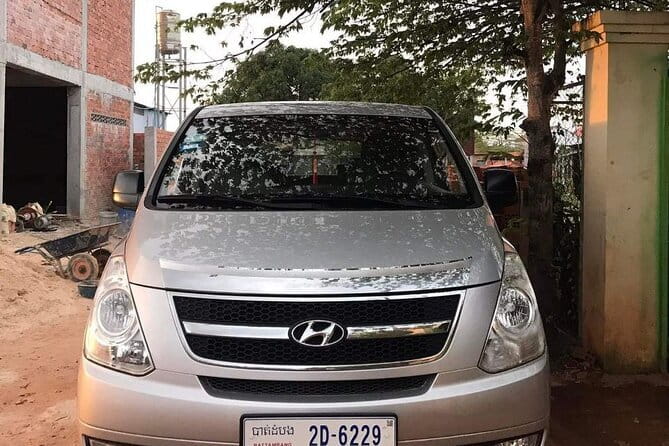
Included is the core comfort and logistics package: English speaking driver, hotel pickup & drop-off, a cold bottle of drinking water, and travel in a private vehicle (tuk-tuk/car/van). You also get local tax, parking, and gasoline, plus a mobile ticket.
Not included is the stuff you need to prepare for:
- Temple entrance tickets (the pass is $37 per person for one day)
- Food and beverages
- A tour guide (you’re exploring without a guided commentary)
That last one is important. Without a guide, you’re responsible for your own context—using whatever you’ve prepared ahead of time, or just letting the temples speak through sight and scale. Some people prefer that freedom, and the reviews suggest this tour works well for budget-minded visitors who don’t want to pay extra for formal guiding.
The tour notes also call for strong physical fitness level. Since the day involves multiple temple stops with walking and stairs, it’s wise to treat this as an active day rather than a casual stroll.
Best fit: who this Siem Reap private Angkor Wat day works for
This is a great match if you want a private Angkor day without paying for a full guide. You’ll get the driver, the vehicle, and the structure of a major-temple circuit, then you can set your own pace inside each stop.
It also fits well if you’re traveling with a small group and can share the per-group price. If you’ve got up to 4 people, the math gets especially attractive because the base price is per group.
And if you care about sunrise at Angkor Wat, the early departure option makes this tour more than just another “see the temples” package. Sunrise is different enough that timing is a big part of the experience.
If you strongly rely on a detailed, spoken explanation at every site, you might feel a guide would have helped. Since a formal guide isn’t included, bring your questions or do a bit of reading so you know what you’re looking at.
Should you book this private Angkor Wat sunrise tour?
I’d book it if your priorities are private transport, hotel pickup convenience, and a full circuit that hits Angkor Wat, Ta Prohm, and Bayon without losing half your day to logistics. The combination of a good route, water included, and a sunrise option gives you more control than typical bus-style tours.
I would hesitate if you need a guide for historical context, or if you’re not comfortable buying and managing the $37 per-person temple pass on your own. Also, if you’re sensitive to early mornings or physical effort, pick the departure time that matches your energy level.
If you’re aiming for value and flexibility, this is a smart way to do Angkor in one day—especially with the comfort touches some drivers add, like cold wet towels from Bun Chhoeun.
FAQ
How long is the Siem Reap 1 Day Angkor Wat tour?
The tour runs about 6 to 8 hours total, with around 7 to 8 hours spent exploring in the temple areas during the day.
What is the departure time if I want to see sunrise?
If you want sunrise, you should choose an early departure time around 4:30–5:00 AM.
Does the price include temple entrance tickets?
No. The 1-day temple pass is $37 per person and is not included in the tour price.
Is a tour guide included?
No. The tour includes an English-speaking driver, but a tour guide is not included.
What transport do I use during the day?
You travel in a private vehicle such as a tuk-tuk / car / van, with hotel pickup and drop-off included.
How much is the tour for a group?
The price is $23 per group (up to 4), and it is a private experience with only your group participating.
What happens if weather is poor?
This experience requires good weather. If it’s canceled due to poor weather, you’ll be offered a different date or a full refund.