REVIEW · NEW DELHI
Delhi City Tour: Old Delhi, Markets, Monuments & Street Food Walk
Book on Viator →Operated by india arrival tours · Bookable on Viator
Old Delhi hits fast, and you’re not wasting a minute. This tour strings together Old Delhi markets and New Delhi monuments with a rickshaw/tuk tuk ride, plus street food tastings that focus on safe, hygienic bites. I really like the way the day mixes big-photo stops with the small stuff you can actually smell, see, and taste.
I also like that you get a private AC car with an expert English-speaking guide, so the chaos of Delhi feels organized instead of random. The one drawback to plan for: you’re moving through crowded lanes and doing short walks, so comfortable shoes matter, especially at peak market hours.
In This Review
- Key highlights worth planning around
- Old Delhi first: why this route works
- Pickup, private AC comfort, and a guide that keeps it simple
- Red Fort façade: Mughal scale without a ticket headache
- Jama Masjid area: start Old Delhi with a guided walk
- Chandni Chowk: food lanes, temples, and the market rhythm
- Khari Baoli spice market: shopping with your nose
- Kinari Bazaar: wedding-market crafts and textiles
- Chawri Bazaar and the tuk tuk/rickshaw ride: small streets, big energy
- India Gate: photo stop, open space, and war memorial context
- Rashtrapati Bhavan drive-past: grand government architecture
- Street food tastings: how this tour keeps it safe
- Duration and pacing: 4 to 8 hours means plan your day, not your whole life
- Price and value: what $48 actually buys you
- Who this tour suits best (and who should rethink it)
- Should you book this Delhi city tour?
- FAQ
- What’s the duration of the Delhi City Tour?
- Where can pickup and drop-off happen?
- Is this tour private or shared?
- Are entrance tickets included for monuments and mosques?
- Is the rickshaw/tuk tuk ride included?
- What about street food: is it included and is it safe?
- What’s included in the price, and what isn’t?
- What’s the cancellation policy?
Key highlights worth planning around
- Pickup from airport or multiple Delhi-area hubs so you don’t have to figure out transport on arrival
- Rickshaw/tuk tuk ride through Old Delhi lanes that turns chaos into a guided route
- Street food tastings that are meant to be safe and hygienic, with optional extra ordering
- Khari Baoli spice bazaar + Kinari wedding market for shopping that’s about ingredients and crafts, not just souvenirs
- Monuments with clear timing: some are photo stops, so you’re not stuck in ticket lines
Old Delhi first: why this route works

Delhi can feel like two cities in one day. This tour is built around that idea: you start in Old Delhi, where the sights and smells hit immediately, then you shift to the wider boulevards and iconic memorials of New Delhi. The payoff is contrast. You see how people trade, worship, and snack up close—then you get the grand, open views for photos and context.
The day’s pace is also practical. You’re not trying to “do everything” in a single morning. Instead, you hit a series of anchor places—Jama Masjid area, Chandni Chowk, Khari Baoli spices, and the wedding-market streets—then connect them with short drives and a rickshaw/tuk tuk ride. That structure helps you stay oriented, even when lanes narrow and signage gets chaotic.
You can also read our reviews of more tours and experiences in New Delhi.



Pickup, private AC comfort, and a guide that keeps it simple
You can be picked up from the airport or from hotels across Delhi, Noida, Gurugram, and Faridabad. That matters because the biggest travel mistake in Delhi is spending your energy figuring out logistics. Here, you start with a private air-conditioned car and a professional English-speaking guide, so you can focus on people-watching, learning, and eating instead of negotiating traffic.
You also get drop-off back to your hotel at the end. And because it’s a private tour for your group, the guide can slow down when markets get packed and speed up when things are moving smoothly. Many people enjoy that because Delhi can swing from smooth to jammed quickly.
A nice detail: the tour uses a mobile ticket, and confirmation happens at booking time. Small things like that reduce stress.
Red Fort façade: Mughal scale without a ticket headache
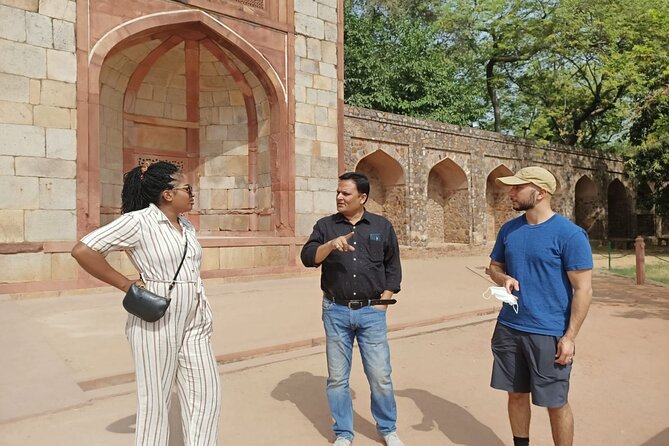
Your first stop is a short look at the Red Fort façade. The timing is tight—about 10 minutes—and the ticket for entry isn’t included. That’s actually a good fit for some travelers because it gives you the iconic starting image of Mughal Delhi without committing to a full Red Fort visit.
Why it works:
- You get instant visual context for everything you’ll see later in Old Delhi.
- You don’t lose time to long entry processes (since the ticket isn’t part of this plan).
What to watch for: because it’s a photo-style stop, you’ll want to keep your camera ready and your expectations realistic. Think “first look,” not “full interior tour.”
Jama Masjid area: start Old Delhi with a guided walk
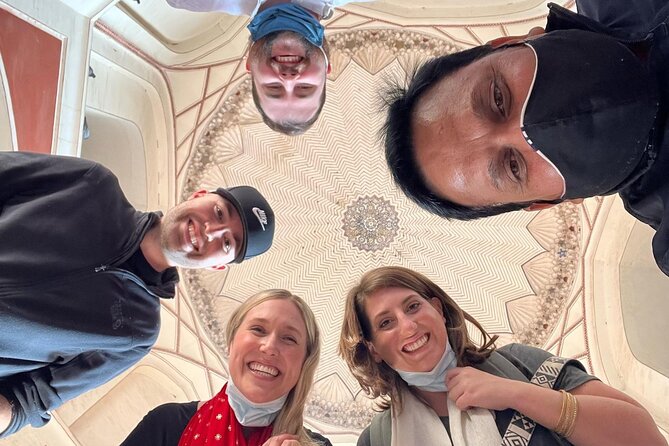
Next you move into the Jama Masjid zone. Expect around 30 minutes of walking and orientation around the mosque area. Again, admission isn’t included, so you’re using this as a neighborhood and history introduction rather than a full-ticket visit.
This stop is valuable because it sets the tone. Jama Masjid sits in the middle of Old Delhi’s human geography—people moving, vendors working, and lanes funneling traffic. With a guide, you’re more likely to notice what matters: why certain lanes feel “purpose-built,” how religious sites shape surrounding streets, and how the market world overlaps with daily life.
Practical note: this is an active area, so dress respectfully and keep an eye on your belongings while you’re surrounded by foot traffic.
Chandni Chowk: food lanes, temples, and the market rhythm
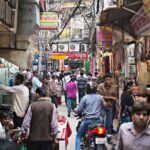
Then you hit Chandni Chowk, usually the most famous name in Old Delhi shopping. You’ll get about 45 minutes here, and it’s a free admission stop. What you’re really doing is learning how to read the market.
Chandni Chowk isn’t just shopping—it’s a working network of:
- food stalls and vendors
- temple-adjacent daily life
- colorful goods moving fast through narrow lanes
This is also where street food starts to make sense. After you’ve seen the market rhythm, the tastings feel more connected to what’s around you. You understand what ingredients people use and why certain items show up again and again.
Possible slowdown: markets can be crowded at peak times. If you’re visiting during the busiest hours, expect your group walking speed to drop. The upside is you still get the full sensory experience.


Khari Baoli spice market: shopping with your nose

Khari Baoli is where the tour turns aromatic. This is the spice bazaar stop, around 30 minutes, and admission is free. The highlight is that you’re not just looking at piles of products—you’re learning the logic of Indian ingredients and how people buy them.
Khari Baoli is known as Asia’s largest spice bazaar, and that reputation isn’t just marketing. You can expect shelves and stalls focused on spices, teas, nuts, and ingredients that get used in everyday cooking. It’s also a place where you’ll notice how people describe flavor in terms of ingredients and uses—something a guide can translate so it doesn’t stay mysterious.
How to enjoy this stop more:
- Let the guide point out common spice blends and uses.
- If you’re buying, compare weights and prices quickly before you commit.
- Take a moment to smell different stalls—your brain starts sorting what you’re seeing.
Tip: you’ll likely leave with more spice on your mind than in your luggage. That’s fine. Even a small bag can make the memory last.
Kinari Bazaar: wedding-market crafts and textiles
Next is Kinari Bazaar, about 30 minutes. It’s free admission, and the focus is the wedding-market world: jewelry, handcrafted décor, and traditional textiles.
This stop is more interesting than it sounds if you approach it like a craft lesson. Instead of buying a random souvenir, you learn what makes these items special—how decorations are built, how materials are chosen, and why the colors and details matter for ceremonies.
You also get a sense of how business works here. Many shops cater to specific needs (and dates), which means you’ll see items presented with purpose rather than generic tourist display.
If you like shopping, bring patience. If you don’t, still go. Kinari Bazaar is one of the best places to understand the “why” behind Old Delhi markets.
Chawri Bazaar and the tuk tuk/rickshaw ride: small streets, big energy
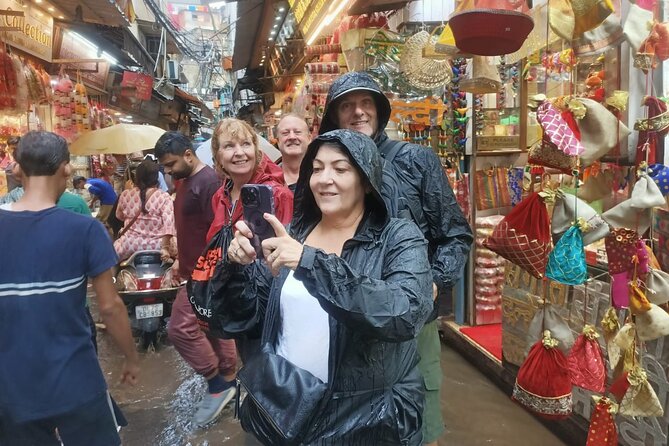
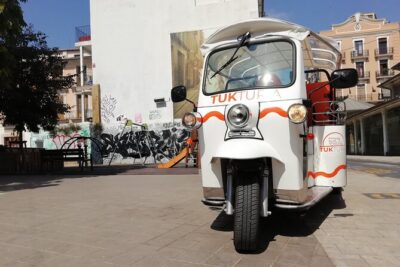
Now comes a short transportation moment that changes the whole feel of the day. You’ll take a tuk tuk/rickshaw ride through Chawri Bazaar areas and narrow historic streets, about 20 minutes.
Why this matters:
- It helps you cover ground without over-walking.
- It shows you how the lanes are connected, so later stops feel less like separate places.
- It gives your legs a break while still keeping the Old Delhi energy.
This is also where the tour earns its “city tour” label. You’re not just parking outside landmarks; you’re riding into the texture of daily life.
India Gate: photo stop, open space, and war memorial context
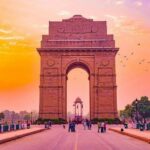
After Old Delhi’s density, the tour shifts to New Delhi with India Gate. You’ll have a short stop (about 15 minutes) for pictures at the national war memorial.
This part is refreshingly simple: you’re getting the iconic view and a quick sense of what the memorial represents—enough context to make your photos feel meaningful. The open space is also a mental reset. After crowded lanes, you’ll feel your breathing slow down.
Take this moment for photos, but don’t treat it like an all-day museum. The value here is contrast and context within a day.
Rashtrapati Bhavan drive-past: grand government architecture
Next is a drive past of Rashtrapati Bhavan (President House). Expect about 10 minutes and photo stops from the boulevard.
This isn’t a deep ticket visit. It’s a street-level look at New Delhi’s monumental planning—wide roads, big buildings, and the symmetry that makes this city feel intentionally designed.
Even if you don’t care about government buildings, this stop helps anchor the rest of New Delhi in your mind. It’s hard to describe New Delhi’s scale until you see it from a moving car with stops set up for photos.
Street food tastings: how this tour keeps it safe
Food is a main character on this tour, but it’s handled in a way that’s meant to be sensible for visitors. You get street food tastings, described as safe and hygienic. You’ll also have the option to buy extra food and drinks if you want, but tastings are included.
Here’s how to think about it as a traveler:
- Tastings are a controlled way to sample without committing to one full meal.
- A guide can help you choose what’s appropriate and where to eat.
- You’ll probably taste familiar categories (snacks and small plates) rather than huge restaurant courses.
My practical advice: pace yourself. Delhi food comes in waves, and it’s easy to keep saying yes. If your stomach is sensitive, tell your guide early. They can steer your selection toward what’s safest for you.
Duration and pacing: 4 to 8 hours means plan your day, not your whole life
The tour runs about 4 to 8 hours, depending on timing and how the day flows in traffic and crowds. That wide range is normal for Delhi. If you’re landing the same day, the structure helps because you can still get a meaningful Old-to-New Delhi overview without committing to a full-day food marathon.
If you’re sensitive to heat or crowds, picking a pickup time that avoids the worst rush can make the walking sections more comfortable. Still, markets may be busy during peak hours, so pack flexibility.
Price and value: what $48 actually buys you
At $48 per person, the value comes from how much is included for a single day. You’re paying for:
- a private AC car with driver
- a professional English-speaking guide
- pickup and drop-off
- rickshaw/tuk tuk ride in Old Delhi
- street food tastings
- photo stops at India Gate and the President House area
Monuments and ticketed sites are not included for places where tickets would normally apply (like Red Fort and Jama Masjid entry). The tour also doesn’t include meals beyond the tastings, and gratuities are typically suggested at $5 per person.
So who wins at this price? People who want guidance through crowded markets and don’t want to piece together transport, timing, and where to eat. If you were to do this on your own, the biggest cost isn’t just money—it’s lost time. Here, the route compresses that thinking for you.
Who this tour suits best (and who should rethink it)
This tour fits well if you:
- want a first-time Delhi introduction with both Old and New Delhi
- like markets, spices, and street food (with guidance)
- prefer not to negotiate transport across neighborhoods
- want a day with photo stops and real-world walking
You might consider skipping or adjusting if you:
- dislike crowded spaces or don’t like street-level walking
- want long, inside-the-building monument time (this plan is more photo and neighborhood based)
- have mobility limits that make narrow lanes hard
The tour notes most travelers can participate, but the reality is Old Delhi is active and compact. Plan to walk short distances and stay aware.
Should you book this Delhi city tour?
If your goal is to get a smart, guided cross-section of Delhi in one go, this is a strong bet. The mix of Old Delhi markets, Khari Baoli spice atmosphere, a tuk tuk/rickshaw ride, and then the India Gate/Presidential area contrast is exactly the kind of itinerary that makes a short trip feel longer and more meaningful.
Book it if you want comfort plus street energy—private car, guide, and food tastings that aim to be safe. Pass or modify if you’re chasing long indoor monument time or you want a slower, less crowded shopping pace.
FAQ
What’s the duration of the Delhi City Tour?
The tour runs about 4 to 8 hours, approximately. The exact timing can vary with traffic and crowd levels.
Where can pickup and drop-off happen?
Pickup is offered from anywhere, including the airport or hotels in Delhi, Noida, Gurugram, and Faridabad. Drop-off returns you comfortably to your hotel in a private air-conditioned vehicle.
Is this tour private or shared?
It’s a private tour/activity, and only your group participates.
Are entrance tickets included for monuments and mosques?
Admission tickets are not included for Red Fort and Jama Masjid. Other stops like Chandni Chowk, Khari Baoli, Kinari Bazaar, and Chawri Bazaar are listed as free admission, and India Gate plus the President House photo/drives are also free.
Is the rickshaw/tuk tuk ride included?
Yes. A tuk tuk/rickshaw ride is included in Old Delhi as part of the route.
What about street food: is it included and is it safe?
Street food tastings are included and described as safe and hygienic. Additional food and drinks beyond the tastings are optional.
What’s included in the price, and what isn’t?
Included: private air-conditioned car with driver, professional English-speaking guide, pickup/drop-off, Old Delhi walking and spice market visit, rickshaw ride, street food tastings, and visits/photo stops at India Gate and President House. Not included: meals and gratuities (suggested at $5 per person).
What’s the cancellation policy?
You can cancel up to 24 hours in advance for a full refund. If canceled within 24 hours, the amount paid won’t be refunded. The tour also requires good weather; if it’s canceled due to poor weather, you’ll be offered a different date or a full refund.