REVIEW · LISBON
Mon Ami Vadio – Lisbon Old City Private Tuk Tuk Tour
Book on Viator →Operated by Mon Ami Tours · Bookable on Viator
Five stops. One tidy loop.
This private tuk-tuk tour is a fast way to learn Lisbon’s early Christian sites and snap photos over the Tagus River. I like that it’s built for short visits and still feels personal—especially if you end up with a guide like Thiago, who’s funny and pays attention to what you want to see. The main thing to think about is comfort: the tuk-tuk type (and its roof height) can make climbing in and out trickier, and it may block sightlines for some riders.
You also get a guide-led story that connects the dots across centuries—plus two viewpoints that do a lot of work in just a few minutes. The ride itself is private, with pickup available in central areas, so you spend your time looking up instead of asking strangers for directions. Still, this is a tight schedule, so if you want long museum-style hangs, you’ll likely want a second day.
In This Review
- Key Points to Know Before You Ride
- Getting Your Bearings in Lisbon’s Old City
- Price and Value: Is $83.88 Worth It?
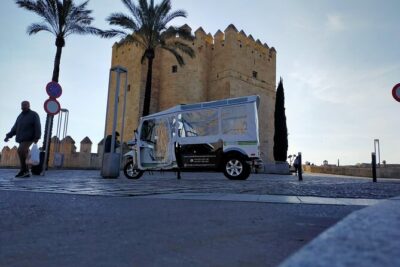
- Tuk-Tuk Reality Check: Comfort, Roof Height, and Steps
- Stop 1: Lisbon Cathedral (Se Cathedral) and the Crusader-Era Story
- Stop 2: Mosteiro de São Vicente de Fora and Saint Vincent’s Pull
- Stop 3: Panteão Nacional and the Meaning of Endless Work
- Stop 4: Miradouro das Portas do Sol for Alfama and the Tagus
- Stop 5: Senhora do Monte’s Panoramic Finish in Graça
- Your Guide: Humor, Story Focus, and Staying On Your Timing
- Timing Tips for a Smooth, Photo-Friendly Hour
- Who This Tour Fits Best (And Who Should Think Twice)
- Should You Book Mon Ami Vadio?
- FAQ
- How long is the Mon Ami Vadio Lisbon Old City Private Tuk Tuk Tour?
- What does the tour cost?
- Is the tour private?
- Is pickup included?
- Does the tour run in English?
- Is lunch included?
- Are admission tickets needed for the stops?
- Is the vehicle air-conditioned?
- What about kids and age limits?
- Can I cancel for a full refund?
Key Points to Know Before You Ride
- Private by default: only your group goes, so the pace can match your energy
- A quick 1-hour plan: five short stops, each about 5 minutes
- Iconic sights, free entry listed: Se Cathedral, Mosteiro de São Vicente de Fora, and Panteão Nacional
- Viewpoints you’ll remember: Portas do Sol and Senhora do Monte for Alfama roofs and the Tagus
- Pickup in the city center: easier start, less wandering
- Tuk-tuk comfort varies: the roof and step-in height can matter for mobility
Getting Your Bearings in Lisbon’s Old City
Lisbon can feel like a puzzle at first. Hills. Tight streets. Views that tempt you to stop every 20 steps. This tour is designed for the moment when you want a “good enough to navigate later” orientation.
The plan is simple: you ride a short distance, then pause long enough to see what matters, then move on. Each stop runs about five minutes, which means you’ll cover more ground than you would if you tried to do it alone, on foot, without getting stuck in a dead end. It’s a smart choice if your time is limited and you still want the big-name landmarks.
And because it’s private, you’re not stuck with a one-size-fits-all pace. If you’re the type who likes quick context before a photo, this format works.
You can also read our reviews of more tours and experiences in Lisbon.



Price and Value: Is $83.88 Worth It?

At $83.88 per person for about an hour, this isn’t a budget bus deal. You’re paying for three things you can’t always get cheaply in Lisbon’s center: privacy, a guide who talks, and transport that saves your legs on steep streets.
You also get practical extras that add value. Pickup is included for addresses in the city center, and the service includes private transportation plus an air-conditioned vehicle. Even if the ride itself is short, air-conditioning is a big deal in Lisbon heat, especially when you’re stopping for photos in bright sun.
There’s also a small win if you’re traveling as a group of friends. The offering lists group discounts, which can make the per-person cost feel less steep if you share the ride.
What you should not expect: a slow, linger-in-every-chapel style experience. This is built for efficiency.
Tuk-Tuk Reality Check: Comfort, Roof Height, and Steps

Tuk-tuks are fun. They’re also physical. One review highlighted that the specific tuk-tuk model matters for comfort and ease of entry. If you’ve got mobility limits, take that seriously.
Two practical issues to watch for:
- Step-in and step-out height: some bench-seat designs can be hard if you need more leverage getting up or down
- Roof height and sightlines: a low plastic roof can block part of the view, which is annoying when you’re trying to photograph rooftops or the river
The good news is you’re on a private tour, so it’s easier to speak up early. If you know you’ll need extra help getting in, tell the provider at the start. The tour description also says it’s not recommended for children age 6 and under, which is another hint to think carefully about who will be most comfortable with the ride setup.
Stop 1: Lisbon Cathedral (Se Cathedral) and the Crusader-Era Story
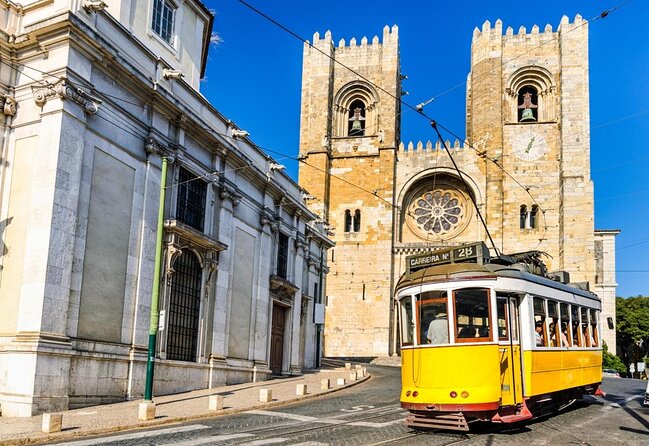
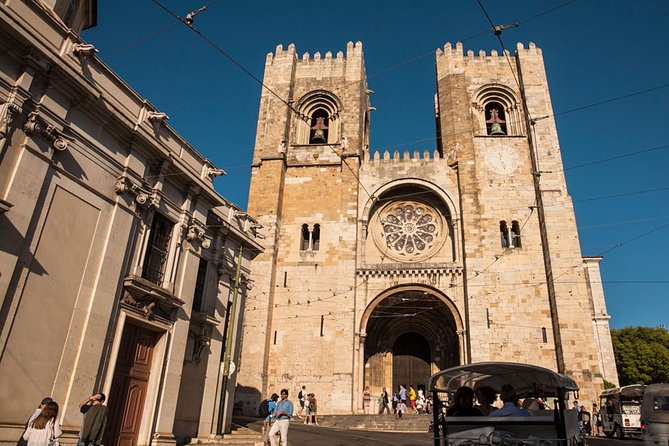
Your first big landmark is the Lisbon Cathedral, also called Se Cathedral. It’s one of the city’s most recognizable religious buildings, and it’s tied to Portugal’s early history. The key detail here is timing: it dates to the 12th century, and it links to the first religious building built by Christian Crusaders during that early period.
This stop works well because you’re not just looking at a pretty facade. You’re getting a timeline anchor for the rest of the trip. Lisbon’s past is layered, and starting with the Cathedral helps you understand why later stops feel like they’re reacting to earlier eras—earthquake rebuilding, new chapels, and long construction timelines.
The stop time is short (about five minutes), so aim for one good exterior look and one focused photo. If you want a deep interior visit, you’ll need extra time later.
Stop 2: Mosteiro de São Vicente de Fora and Saint Vincent’s Pull
Next is Mosteiro de São Vicente de Fora, a monastery connected to Lisbon’s patron story. The place was first founded in the 12th century by King Afonso Henriques. It’s dedicated to Saint Vincent of Saragossa, which matters because saint devotions shaped how cities organized their religious identity.
A major historical turn happened after Lisbon’s famous 1755 earthquake. The original site was badly damaged, and the building you see today largely comes from the 16th century. In other words, you’re seeing a site rebuilt after disaster—so it’s not just medieval for medieval’s sake.
Since this is a quick stop, you won’t get a full architecture lecture. But you will get the human story: a royal connection, a patron saint connection, and a rebuilding moment that ties Lisbon’s religious life to the city’s own survival.
The tour lists free admission for this stop, which is nice. Still, keep an eye on lighting and crowds, because getting good photos in a short window is all about timing.






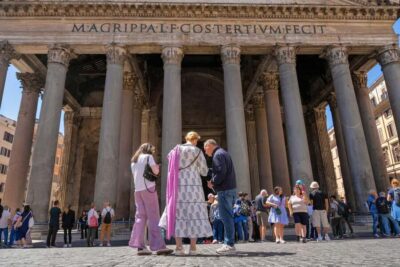
Stop 3: Panteão Nacional and the Meaning of Endless Work

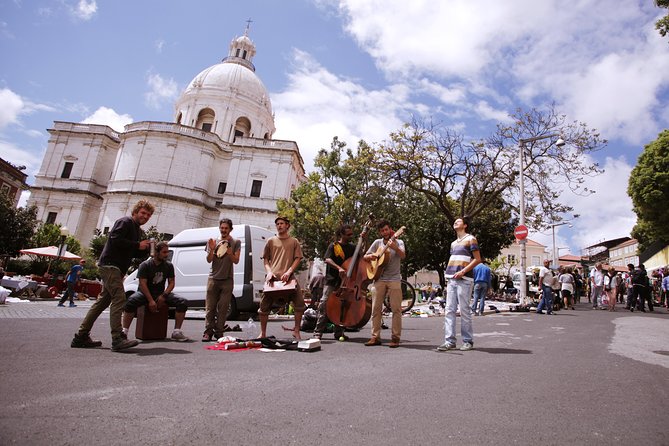
Then you hit Panteão Nacional. Here’s why it’s memorable: construction began in 1628 and didn’t finish until the 20th century. That’s a long gap, even by Lisbon standards.
The standout detail is the nickname-like idea tied to its history. The works associated with it—often described as Obras de Santa Engrácia—became a Portuguese synonym for an endless construction project. It’s the kind of detail a guide can use to make a dry timeline feel like real life.
This stop is perfect for people who like story bits. In a short tour, these small, specific facts help your brain file the city into categories: early Christianity here, monarchy-and-saints there, and long-running building drama everywhere else.
Stop 4: Miradouro das Portas do Sol for Alfama and the Tagus
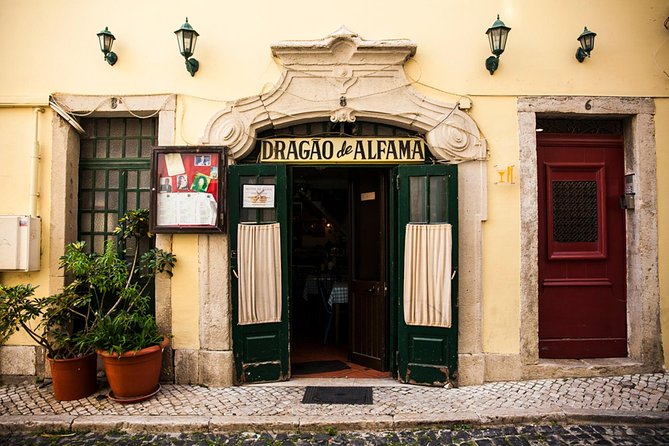
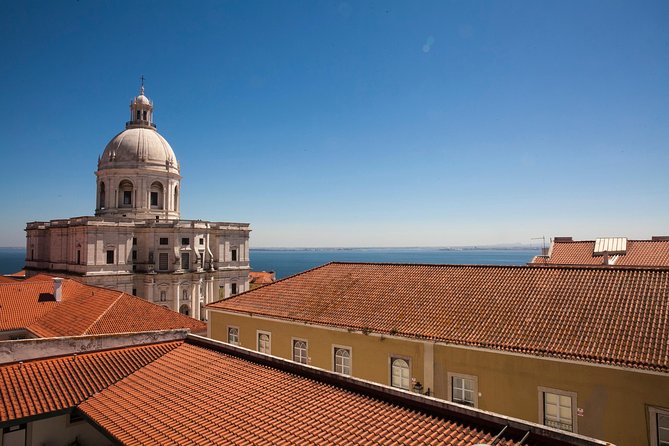
Now you get the payoff. Miradouro das Portas do Sol is the viewpoint that lets you see Lisbon’s rooftops spread into the distance, with the Tagus River in the frame. It’s close to São Jorge Castle, but what you’re really viewing is the texture of Alfama—the stacked homes and street layers that make the city feel like it grew upward instead of outward.
This is where photos happen. It’s also where you finally feel the “Lisbon is a viewpoint city” idea click. Portas do Sol is only a short stop, so don’t aim for five minutes of scrolling through settings while others take their shot.
If you’re deciding when to book, consider golden-hour light. That timing can make the rooftops look more dimensional and the river brighter without turning everything into harsh glare.
Admission is listed as free for this stop, so the value is tied to the view, not the ticket.
Stop 5: Senhora do Monte’s Panoramic Finish in Graça
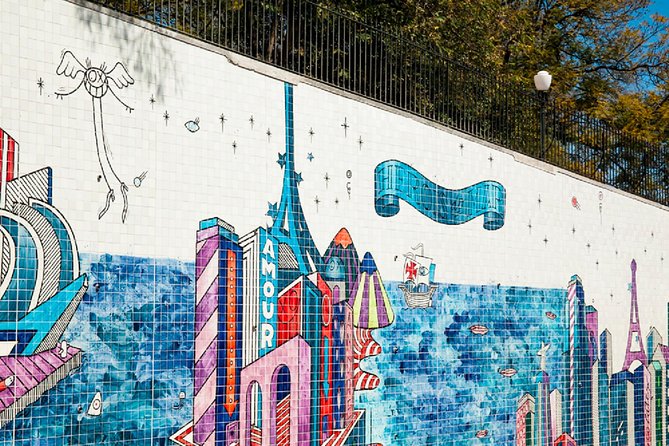
The final viewpoint is Miradouro da Senhora do Monte in the Graça neighborhood. The tour description calls it one of Lisbon’s most beautiful panoramas and notes it’s among the highest points in the city. That height matters because your view covers more distance than you’d expect if you only explored from lower streets.
If Portas do Sol gives you charm and closeness to Alfama, Senhora do Monte gives you the big-picture version. In a short tour, that makes a difference. You end with context: where the river runs, how the neighborhoods sit across hills, and why Lisbon keeps drawing eyes upward.
Again, this is a quick stop. The goal is one strong photo set, a few minutes of looking, then back to the road.
Your Guide: Humor, Story Focus, and Staying On Your Timing
Here’s the part that can make or break this kind of tour: how the guide balances story time with actual sight time.
One review specifically praised Thiago as super funny and someone who showed exactly what the person wanted to see. That’s a big deal, because this route can feel like a highlight reel or like a rapid-fire lecture, depending on the guide’s style.
You’ll likely hear about Lisbon’s early Christian roots, the Crusader-era link at Se Cathedral, the royal founding of São Vicente de Fora, earthquake rebuilding, and the long construction of Panteão Nacional. That’s a lot of information for an hour. The best approach is to treat the guide’s story as a menu: listen for the details that grab you, ask one follow-up question, then refocus on photos and the view.
If you’re the type who gets bored when history goes on too long, say so politely at the start. A private tour can adapt.
Also, because this is a physically paced ride, choose guides who keep the narration moving rather than slowing down for every fact. That’s less about intelligence and more about pace.
Timing Tips for a Smooth, Photo-Friendly Hour
Since this tour is around an hour and each stop is short, your success comes down to simple planning.
Bring a few basics:
- Good walking shoes for slopes and viewpoint access
- A small water bottle if you’re going in warm weather
- Your phone charged, but don’t wait until the viewpoint to start fiddling
At viewpoints, plan for two rounds: first, quick overview shots; second, a more deliberate angle once you’ve figured out where the skyline sits. Portas do Sol and Senhora do Monte both reward this two-step approach.
If there’s a city event happening (a review mentioned a race), the route may shift and you might not hit exactly the usual spots. That’s normal in a live city, but it’s smart to ask at pickup whether anything is affecting traffic or access. Being flexible will save frustration.
Who This Tour Fits Best (And Who Should Think Twice)
This is a great pick if you:
- Have limited time and want a Lisbon sampler that still hits key places
- Like viewpoints and want them packaged without planning every step
- Prefer a private format over crowded walking tours
- Enjoy short historical context before you explore more on your own
It’s not the best match if you:
- Want long indoor visits or museum-level detail
- Have mobility needs and would struggle with step-in/out tuk-tuk seating
- Are sensitive to information density and need slower pacing
For families, the tour notes that children must be accompanied by an adult and that it’s not recommended for a child age 6 and under. If you’re traveling with small kids, you’ll want to consider whether the ride and the viewpoint stairs will be comfortable.
Should You Book Mon Ami Vadio?
If your goal is to get oriented, see Lisbon’s famous old-city religious sites, and end with views over the Tagus in just about an hour, I’d book it. The value comes from private transportation, free-entry stops listed in the route, and two viewpoints that are worth the whole experience.
I’d only hesitate if comfort and mobility are a priority for you. The tuk-tuk setup can vary, and one clear downside from a past rider was the difficulty climbing in and out, plus the roof affecting sightlines. If that might be you, message the provider ahead of time and ask what the specific vehicle setup is like.
This tour is at its best when you treat it like a guided highlights reel: absorb a few memorable facts, take the photos, and then use your new mental map to explore deeper on your own time.
FAQ
How long is the Mon Ami Vadio Lisbon Old City Private Tuk Tuk Tour?
It’s about 1 hour (approx.).
What does the tour cost?
The price is $83.88 per person.
Is the tour private?
Yes. It’s a private experience, and only your group participates.
Is pickup included?
Pickup is included for addresses located in the city center. If you’re outside the pickup reach, the provider contacts you to set a meeting point.
Does the tour run in English?
Yes, it’s offered in English.
Is lunch included?
No. Lunch is not included.
Are admission tickets needed for the stops?
The stops listed are marked as having free admission in the tour details.
Is the vehicle air-conditioned?
Yes. The experience includes an air-conditioned vehicle as part of the transportation.
What about kids and age limits?
Children must be accompanied by an adult, and the tour is not recommended for child age 6 and under.
Can I cancel for a full refund?
Yes. There’s free cancellation and you can cancel up to 24 hours in advance for a full refund.