REVIEW · BANGKOK
Bangkok Tuk Tuk Night Tour with Chinatown visit
Book on GetYourGuide →Operated by Quality Thai Guide by Quality Experiences · Bookable on GetYourGuide
Night Bangkok by tuk tuk feels like a feast. I love the Chinatown street-food portion (dim sum, mango sticky rice, and more), and I also love how the English guide connects what you’re eating to what you’re seeing. The only real catch: tuk tuk pickup and drop-off are limited, so you might need public transport if your hotel is far from the city center.
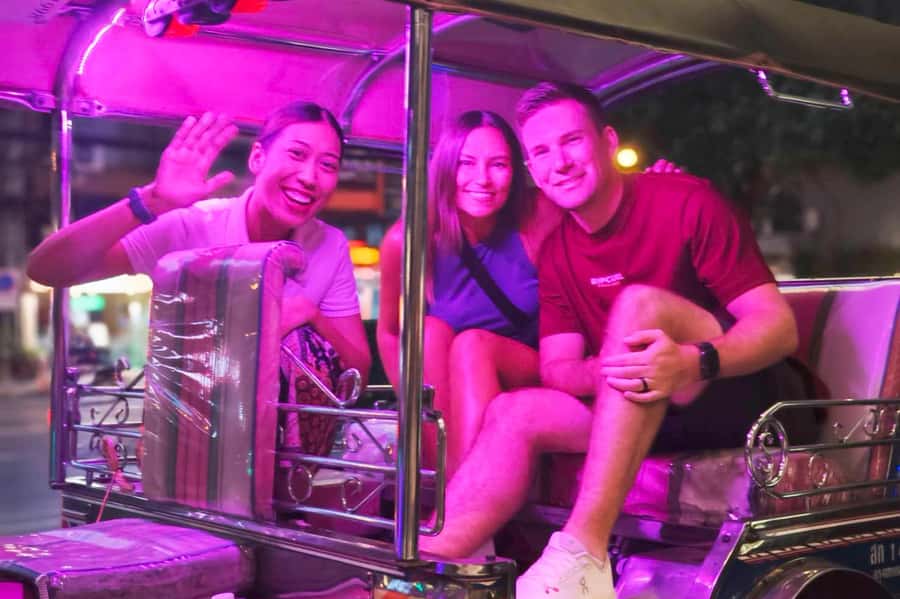
You start at 18:00 from your hotel (with exceptions), then ride into the city after dark when Bangkok is at its most playful. This is a 4-hour loop built around night markets and major landmarks, with guide-led tasting so you don’t waste time guessing what’s worth trying.
Because the tour is mostly outside and involves walking at markets, it’s not for everyone—especially if you have mobility issues, motion sickness, serious health concerns, or food allergies (including lactose and nuts). Bring insect repellent and cash, and you’ll be in a good place to enjoy it.
In This Review
- Key things that make this tour work
- The 18:00 tuk tuk plan: how the evening flows
- Chinatown at night: Michelin-style street food you can follow
- Flower market and local routine: Bangkok outside the postcard
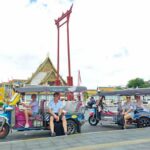
- Giant Swing: a famous Bangkok landmark with a real story behind it
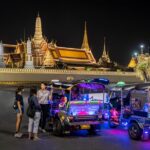
- Wat Ratchanadda: the temple stop on Ratchadamnoen road
- Khaosan Road as an optional finale (if you want energy)
- Price and value: is $83 a smart use of your 4 hours?
- Practical tips that make the difference on tuk tuk night rides
- Who this tour fits best (and who should skip it)
- Should you book the Bangkok Tuk Tuk Night Tour with Chinatown visit?
- FAQ
- What time does the tour start?
- How long is the tour?
- Does the tour pick me up from my hotel?
- What happens if my hotel is too far for tuk tuk pickup?
- What will I taste in Chinatown?
- Is the tour available every day?
- Are alcohol and strollers allowed?
Key things that make this tour work
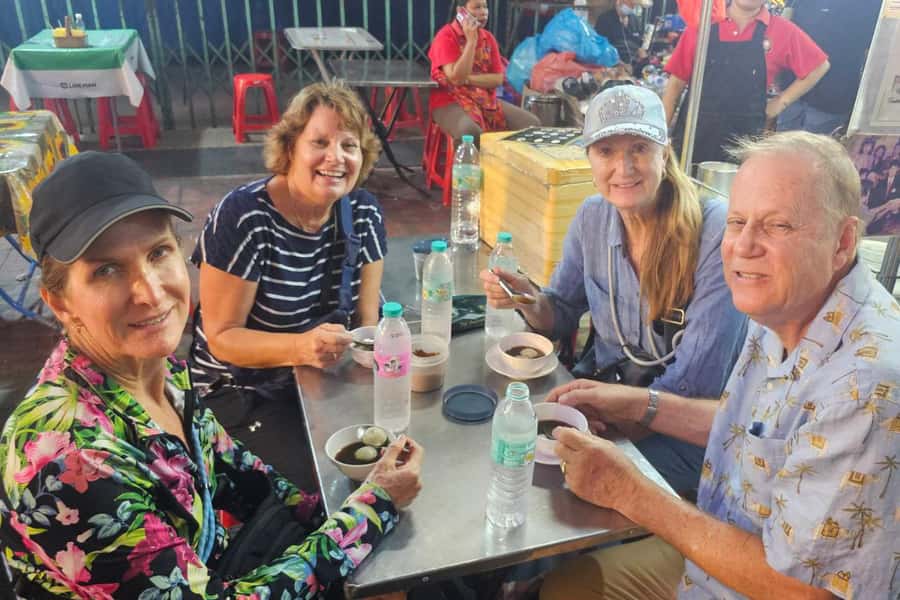
- Chinatown night food stops with Michelin Guide-style local favorites you can actually eat as you go
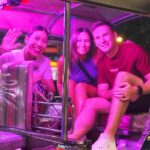
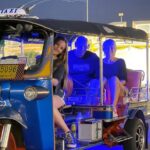
- Tuk tuk transport that turns transfers into part of the experience, not dead time
- Flower market and Giant Swing so you see daily life and landmark Bangkok in one evening
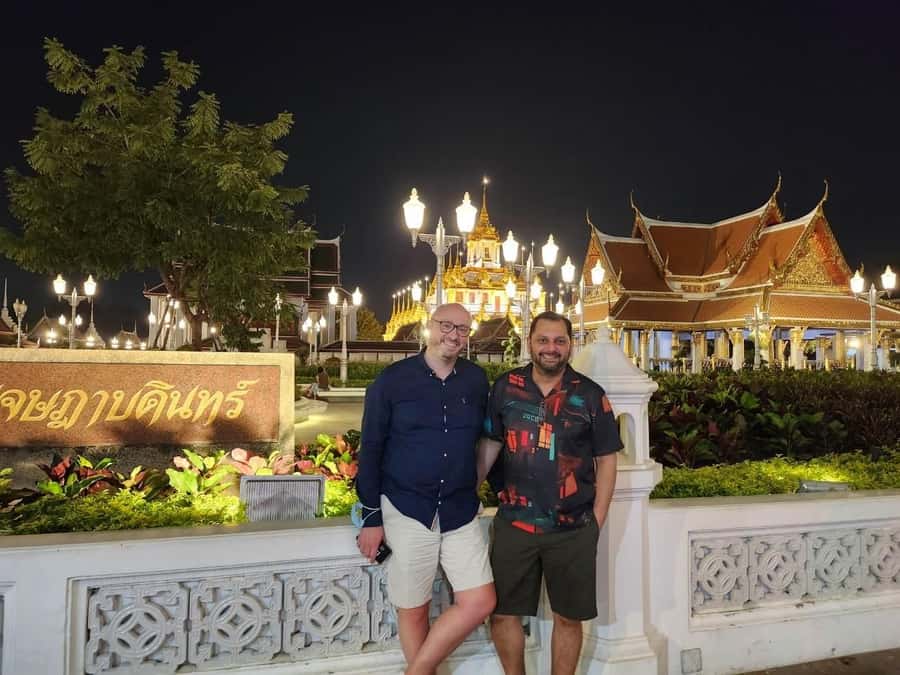
- Wat Ratchanadda for a memorable temple visit on Ratchadamnoen road
- Optional Khaosan Road if you want a last burst of nightlife energy
The 18:00 tuk tuk plan: how the evening flows
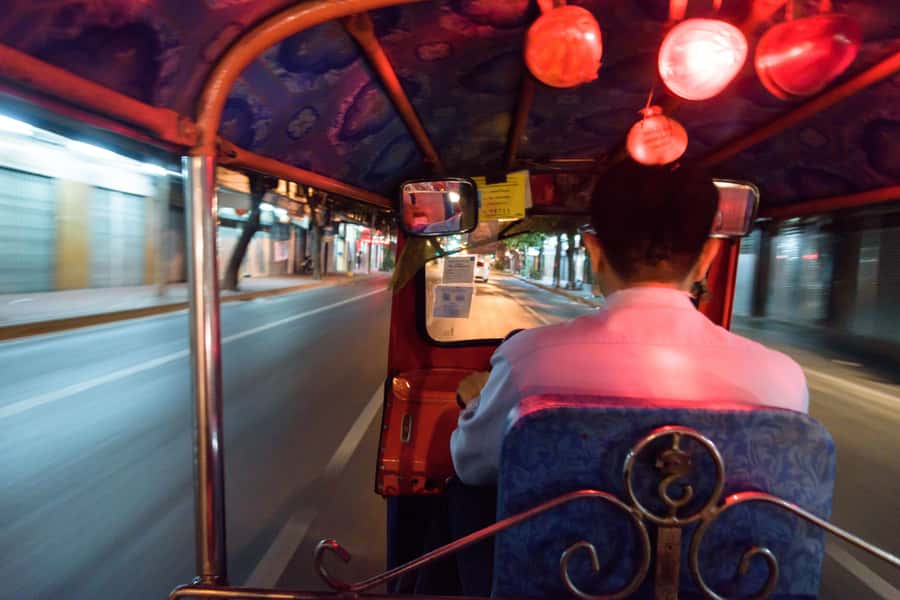
This tour is built like a proper night out, not a long museum crawl. You begin at 18:00 with pickup from your hotel in Bangkok, then head toward Chinatown by tuk tuk. The timing matters because street food and night markets come alive after dark, when you’ll see locals eating, shopping, and moving through narrow lanes.
The route also keeps you from getting bogged down with transfers. Tuk tuks are quick, but they don’t stop everywhere. The operator notes that tuk tuk pickup/drop-off areas are limited, and if your hotel is too far from the city center (or around the airport), you’ll take public transport to a meeting point and then continue by tuk tuk. It’s not a deal-breaker, just plan for a little extra coordination.
For me, the best part of this setup is that it protects your time. In 4 hours, the tour aims to pack in Chinatown food, a flower market stop, major sights, and an optional walking street finale. You’re not just hopping from one spot to another—you’re getting a guided storyline while you move.
If your hotel is far out, do yourself a favor: map your exact pickup point and ask the tour operator what meeting-point transfer looks like. That way you won’t feel rushed when the tuk tuk can’t get right to your door.
You can also read our reviews of more tours and experiences in Bangkok.
Chinatown at night: Michelin-style street food you can follow
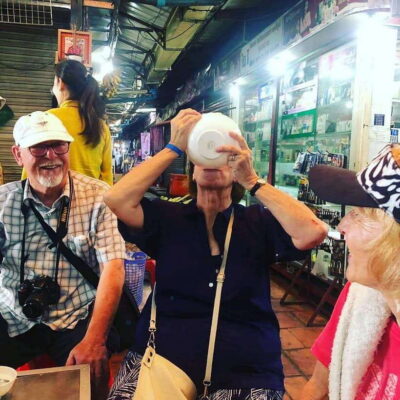
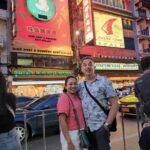
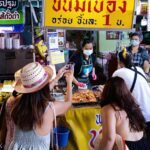
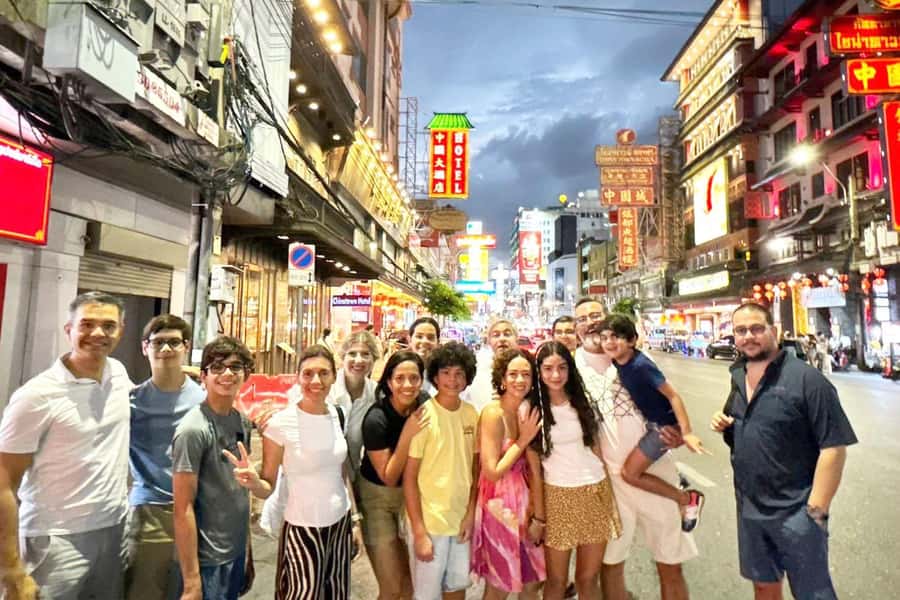
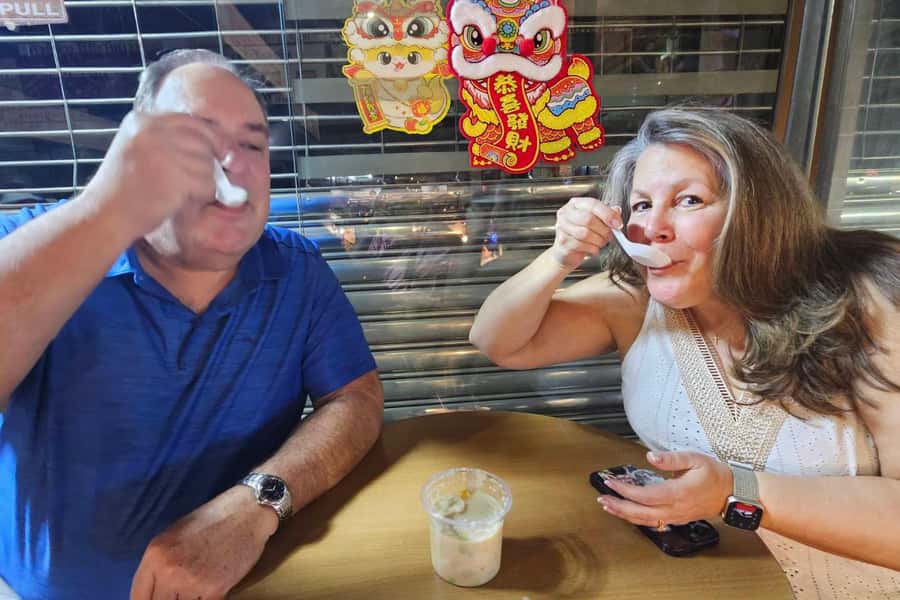
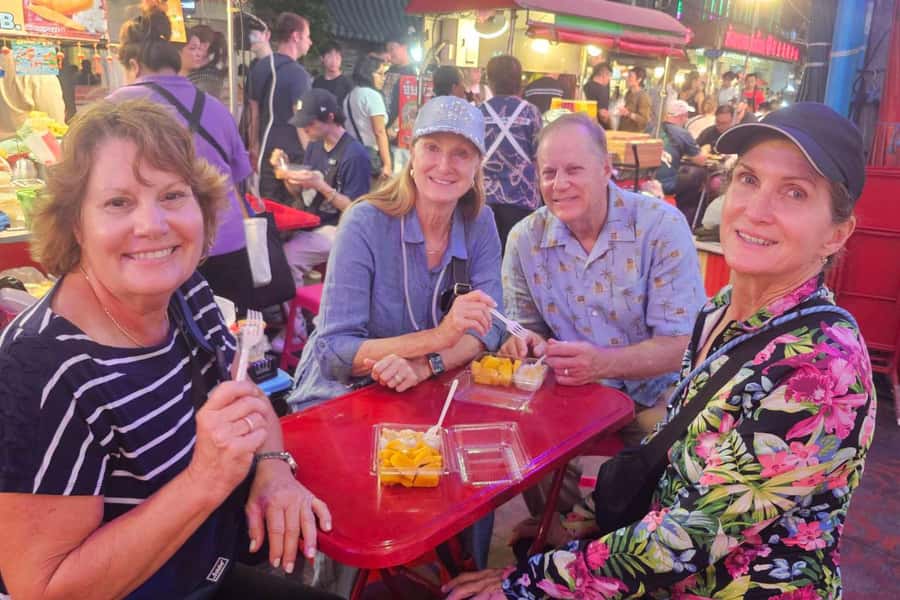
Chinatown is the star of the show, and the tour is designed to keep it fun and manageable. The guide brings you to famous street food areas where you can taste well-known local dishes and desserts without spending the whole evening staring at menus.
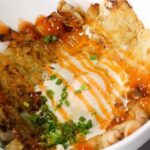
You’ll get tastings that include items like:
- dim sum
- mango sticky rice
- PaTongGo
- bualoi namkhing (the tour calls out this dessert by name)
What I like about this style of tasting is that it gives you a baseline. You’ll try classic choices that people order again and again, then you’ll learn what to pay attention to—texture, sweetness level, and even how food is built for eating quickly in street settings. It also helps you avoid the common mistake of eating only one thing in a huge food zone and missing the rest.
Chinatown at night also brings sensory details you can’t really replicate in daylight. You’ll see storefronts, queues, and people chatting while they eat. The guide’s job is to point you toward places where the food is worth it and to explain the local culture around why certain items show up here, night after night.
One caution: the tour is not suitable for food allergies, and it specifically lists lactose intolerance and nut allergies as not recommended. Street food can include dairy or nut ingredients depending on the stall and recipe. If you fall under those categories, don’t gamble—choose a different tour that can guarantee ingredients.
Also, go in hungry but ready for variety. The tasting portion isn’t an all-you-can-eat meal, so pace yourself. Take smaller bites, then move with the group.
Flower market and local routine: Bangkok outside the postcard
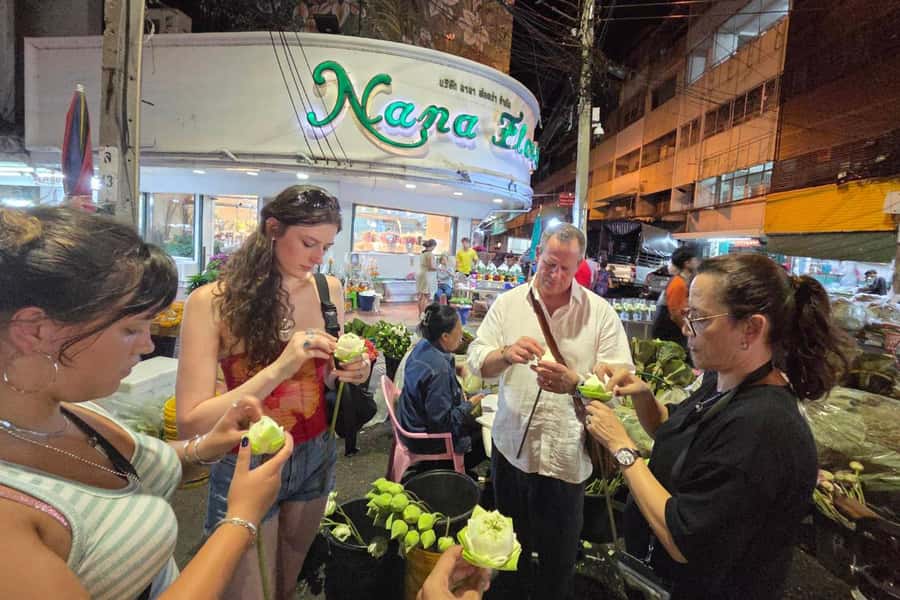
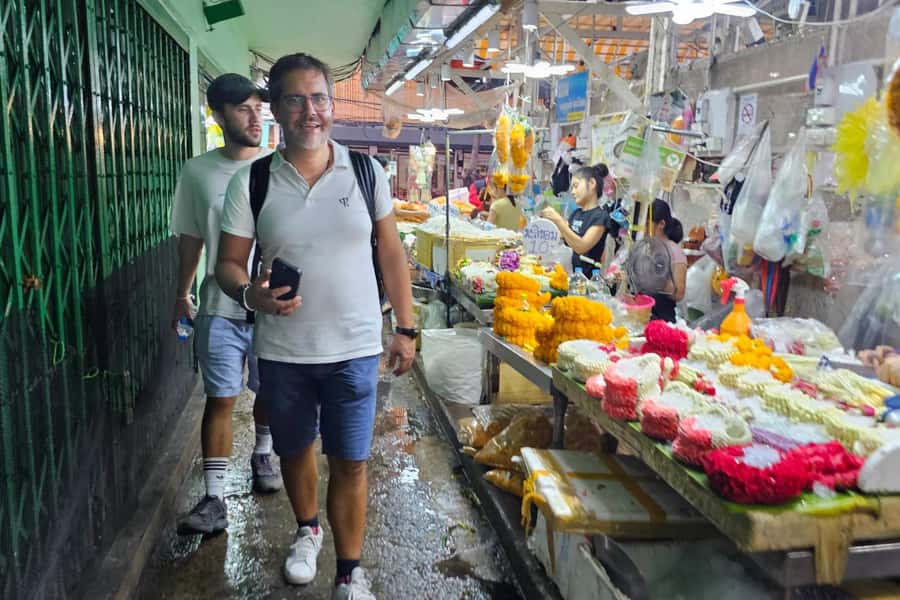
After Chinatown, the tuk tuk ride continues to stops that feel more “local life” than “tourist highlights.” One of the first is the Flower market, where you’ll learn and observe everyday rhythms of people in the area. This isn’t about buying a souvenir as much as it is about seeing Bangkok’s working side.
Flower markets in Thailand connect directly to ceremonies and daily rituals. Even if you don’t know the background yet, the sight of colors and the way vendors handle arrangements makes it clear that flowers aren’t just decoration. They’re part of the city’s social and spiritual routine.
In practical terms, this stop can be a short breather between busier food lanes and larger landmark visits. It’s also a nice contrast: Chinatown is about flavor and night crowds; the flower market is about preparation and purpose.
If you’re sensitive to heat or bothered by insects, this is where insect repellent becomes a must. The tour reminds you to bring it for a reason—these are outdoor, active areas.
And one more thing: wear comfortable shoes. You’ll likely do more walking than you expect because markets and streets aren’t spaced like museum galleries.
Giant Swing: a famous Bangkok landmark with a real story behind it
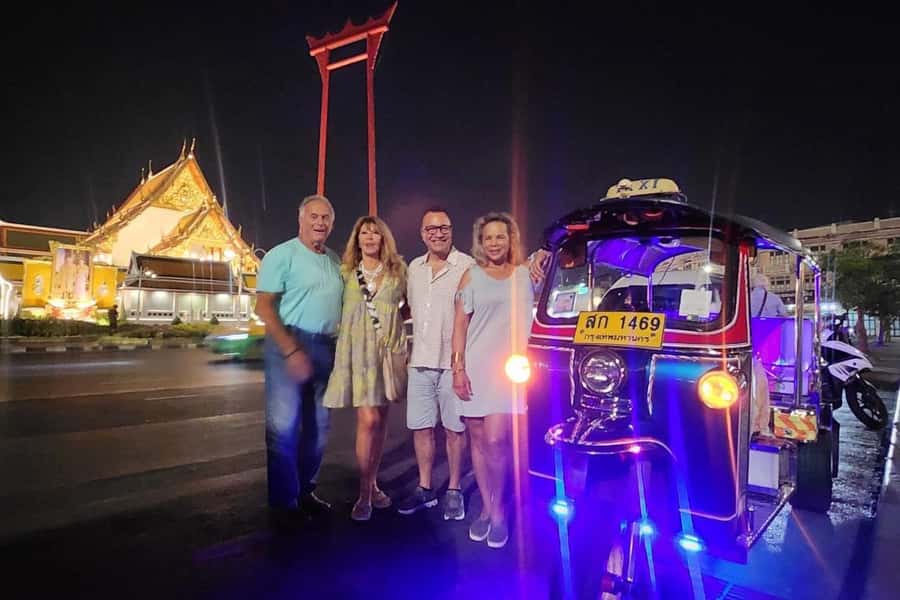
Next up is Giant Swing, one of Bangkok’s well-known attractions. The tour includes historical background, which matters here. Without context, it’s easy to see a big landmark and move on. With context, you start noticing the design and what the site represents in the city’s past.
This is also a photogenic stop at night, because you get a mix of illuminated details and the feeling of a living city. You’re not just looking at architecture—you’re watching people flow through the space, taking pictures, and using the area as a transit point.
If you’re the type who likes to understand why something matters, this part is a good use of your time. It gives meaning to the sights so the evening feels connected instead of like a random checklist.
Practical tip: bring your camera, but don’t get stuck chasing the perfect shot. The group pace is part of the value—you’re meant to keep moving so you don’t lose the night-food window.
Wat Ratchanadda: the temple stop on Ratchadamnoen road
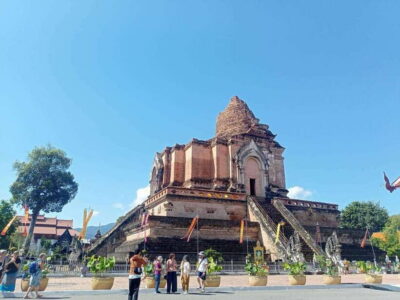
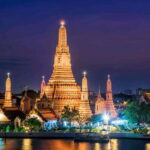
Then you reach Wat Ratchanadda, described as a beautiful temple on Ratchadamnoen road, and the stop lives up to that promise. Temples in Bangkok aren’t just “pretty buildings.” They’re active places, and visiting with a guide helps you understand what you’re looking at and why it’s significant.
What makes this temple stop worth doing on a tuk tuk night tour is timing. By the time you arrive, your evening already feels like Bangkok in motion—street food energy, market colors, and landmark momentum. The temple gives you a shift in pace, a calmer pause within the same 4-hour window.
This is also a good opportunity to slow down and observe respectfully. If you’re unsure about temple etiquette, let the guide set the tone. The tour is designed to be informative, and a good guide will help you avoid accidental disrespect.
Because the tour isn’t listed as suitable for everyone with mobility or vision limitations, you should also consider your comfort with uneven ground and outdoor walking. If that might be an issue, ask yourself whether you can comfortably handle temple surroundings after dark.
Khaosan Road as an optional finale (if you want energy)
There’s an optional stop for Khaosan road, the famous nightlife walking street. It’s a classic move for an evening tour: you’ve done Chinatown and big landmarks, and now you can decide how much “party-street” energy you want at the end.
The optional nature is smart. Khaosan can be loud, busy, and overwhelming if you prefer calm. If you do enjoy people-watching and want that late-night Bangkok feel, this is the time to say yes.
Just know the practical reality: Khaosan is a walking street. That means more time on your feet and more crowd proximity. If you’re already tired from earlier market walking, you might prefer to skip it and get back to your hotel feeling satisfied instead of drained.
Price and value: is $83 a smart use of your 4 hours?
At $83 per person for a 4-hour night tour, the price looks “reasonable” mainly because the inclusions are doing real work. You’re not just paying for a ride. The tour includes an English-speaking guide, hotel pickup and drop-off in Bangkok (with the far/airport exception), admissions and activity fees as listed in the itinerary, local street food tastings, and bottle water.
It also includes accident insurance, which is a small but meaningful safety layer for an outdoor, street-level activity.
What’s not included is where you might spend extra: optional activities or extra meals, and alcohol beverages (also not allowed). So you can keep your costs predictable if you stick to the included tasting.
If you compare this to doing Chinatown on your own, the value comes from three things:
- the guide’s ability to translate food choices into what’s worth trying
- avoiding wasted time hunting for the best stalls
- getting structured landmark stops without long planning
For me, the biggest value driver is the food guidance. Chinatown can be a lot to navigate at night. This tour gives you a path and a sequence, so your evening stays fun instead of stressful.
Practical tips that make the difference on tuk tuk night rides
A few details can make or break your experience, so here’s how to set yourself up.
Bring and wear smart
- Cash: the tour asks for it. Even though tastings are included, cash helps if you want extra snacks or small purchases later.
- Insect repellent: markets and outdoor lanes are active at night.
- Comfortable shoes: you’ll walk more than you’d expect from a “tuk tuk tour.”
- A camera: night photos are a big part of the fun.
Diet and allergies
Tell dietary requirements before the trip starts. The tour also states it’s not suitable for people with food allergies, lactose intolerance, or nut allergies. If you have restrictions, be honest upfront. A good night out shouldn’t turn into a panic about ingredients.
How physical comfort affects the experience
This isn’t marketed for wheelchair users or people with mobility impairments. It’s also not recommended for people with heart problems, diabetes, motion sickness, low fitness, or visual impairment. If any of those apply, you’ll likely feel it during night walking and movement.
Strollers and age considerations
Baby strollers aren’t allowed, and people over 75 are not recommended. If you’re traveling with anyone whose mobility is limited, consider whether an evening market tour is the right fit.
Who this tour fits best (and who should skip it)
This tour is best for people who want a night in Bangkok that feels like the city, not a checklist. You’ll enjoy it if:
- you like street food and desserts and want structured tastings
- you want a guide who can explain both food and landmarks in a practical way
- you don’t mind walking through lively areas at night
You might want to skip it if you:
- have significant mobility limitations, heart or diabetes concerns, or motion sickness
- have food allergies, lactose intolerance, or nut allergies
- need wheelchair access or rely on stroller-friendly routes
- prefer a calm, low-crowd night out
One more thing I appreciate: the tour runs with a minimum of 2 people per group and doesn’t operate on Monday. That helps manage group dynamics and makes it easier to plan a consistent Bangkok itinerary.
Should you book the Bangkok Tuk Tuk Night Tour with Chinatown visit?
Book it if you want Chinatown street food with guidance, plus iconic night landmarks in a single evening. The value is strongest when you’re hungry for variety and you’d rather let an English-speaking guide handle the timing, the food sequence, and the landmark context.
Skip it if you’re allergy-prone, have mobility or health limitations, or you know you’ll struggle with night walking and crowded streets. This tour is lively and active by design.
If your goal is an authentic Bangkok night—food first, then sights—this is a solid pick.
FAQ
What time does the tour start?
The tour starts at 18:00, with hotel pickup in Bangkok.
How long is the tour?
The duration is 4 hours.
Does the tour pick me up from my hotel?
Yes, pickup and drop-off are included for Bangkok hotels, except for hotels around the airport or far from the city center.
What happens if my hotel is too far for tuk tuk pickup?
The tour notes that tuk tuk has limited pickup and drop-off areas. You may need to take public transport to the meeting point, then continue by tuk tuk.
What will I taste in Chinatown?
The tasting includes famous Chinatown street food and desserts such as dim sum, mango sticky rice, PaTongGo, and bualoi namkhing.
Is the tour available every day?
No tour is scheduled on Monday.
Are alcohol and strollers allowed?
Alcohol beverages are not included, and alcohol and drugs are not allowed. Baby strollers are also not allowed.