REVIEW · BANGKOK
Ayutthaya Elephant Village ATV and Floating Market by Tuk Tuk
Book on Viator →Operated by Sightseeing Chiang Mai · Bookable on Viator
Ancient temples. River snacks. ATV dust.
This Ayutthaya day tour strings together UNESCO temples, an elephant village, and a floating market stop, then adds a proper off-road break with a 2-hour ATV ride through the countryside.
I like how the day stays well-paced—you get time to look, not just pose and move on. I also really value the English-speaking guide, who helps you make sense of what you’re seeing at each temple.
One thing to consider: the ATV portion is active, and the day is about 7 to 8 hours total. If you have limitations with riding or uneven ground, think carefully before you book.
In This Review
- Key highlights to know before you go
- Ayutthaya in one full day: temples, boats, and a real ATV ride
- Pickup, timing, and how this 9:30am start works in real life
- Ayutthaya Elephant Village: close-up elephant time in the middle of the day
- Floating market by boat: Thai snacks and boat-side shopping (45 minutes)
- Sun Leisure ATV Palace and the 2-hour off-road ride through temple countryside
- Temple stop 1 on the ATV route: Wat Samana Kottharam
- Wat Kudi Dao: a temple renovated in 1711
- Wat Dusitaram: riding into consecrated grounds
- Wat Maheyong: ending the ATV stretch with ancient monastery ruins
- After ATV: tuk-tuk to the main temple icons
- Wat Mahathat: the Buddha head in tree roots moment
- Wat Yai Chai Mongkhon: the chedi climb and panoramic views
- Wat Chaiwatthanaram: river views and Khmer-Ayutthaya style symmetry
- What’s included, what’s not, and how to prepare like a pro
- Price and value check: what $88.42 buys you
- Should you book this Ayutthaya ATV and Floating Market tour?
- FAQ
- What time does the tour start?
- How long is the Ayutthaya ATV and Floating Market tour?
- Is this tour private?
- What hotel transport is included?
- What’s included in the ticket price?
- Is lunch included?
- What fitness level do I need for the ATV?
- What if the weather is bad?
- Can I cancel for a full refund?
Key highlights to know before you go
- Elephant Village time (1 hour): close-up viewing and interactive moments with elephants as part of Thai tradition
- Floating Market by boat (45 minutes): shop and snack while you float past vendors on the waterways
- 2-hour ATV circuit: off-the-road ride plus temple stops that keep it from feeling repetitive
- Temple lineup that hits the photo spots: Wat Mahathat’s Buddha head-in-tree roots and the chedi views at Wat Yai Chai Mongkhon
- Private format: only your group participates, so the guide can keep the pace comfortable
Ayutthaya in one full day: temples, boats, and a real ATV ride
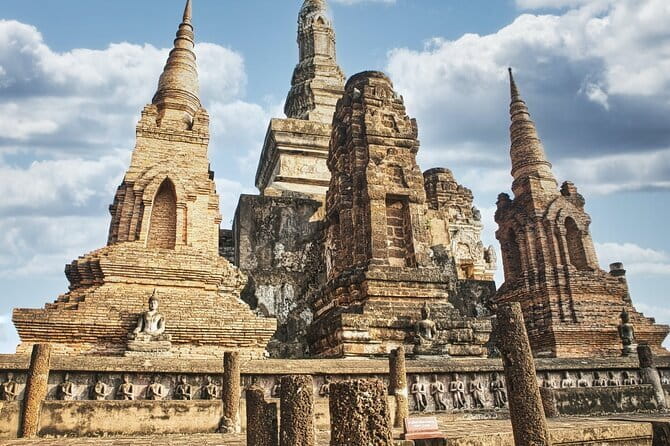
Ayutthaya is Thailand’s former royal capital, and the ruins still have a big wow factor. This tour mixes three different sides of Ayutthaya—temples, waterways, and the countryside—so your day doesn’t feel like one long sightseeing blur.
You start with hotel pickup in Ayutthaya, then work your way through the classic sights. The big fun twist is the ATV section, which breaks up the temple schedule with dirt roads, open air, and countryside views.
Even if you’ve seen temple photos online, Ayutthaya hits differently in person. The structures are spread out, the details are sharp, and you get multiple angles of the same theme: power, faith, and time.
You can also read our reviews of more tours and experiences in Bangkok.

Pickup, timing, and how this 9:30am start works in real life
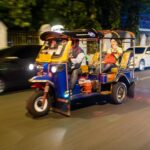
The tour begins at 9:30 am, and you should plan for a long, active day. There are multiple stops, but the schedule is built around short temple visits (often 30 minutes) so you can actually look without rushing every minute.
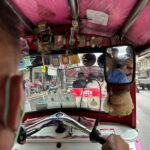
You’ll get tuk-tuk transfers between hotel and key points in Ayutthaya, and after the ATV you’ll ride back to continue with the remaining temples. That keeps logistics simpler than doing everything by yourself, especially if you’re not familiar with local routes.
Because it’s private, the timing tends to feel more flexible for your group. That said, it’s still a full-day plan, so bring water, wear decent shoes, and save your best energy for the mid-day ATV.
Ayutthaya Elephant Village: close-up elephant time in the middle of the day
The elephant village stop runs for about 1 hour, which is long enough to watch elephants up close and get a feel for how the site operates. The experience is described as a chance to learn about Thai cultural heritage and see elephants tied to local history and tradition.
There are also interactive experiences mentioned, so you may have opportunities beyond just standing and watching. I’d treat this as a “check before you commit” moment. If you care deeply about how animals are treated, ask what interaction means in practice before you join anything hands-on.
Even with that caution, this stop can be a strong emotional highlight because elephants are such memorable animals. If you want one part of the day that feels distinctly Ayutthaya, this is it.
Floating market by boat: Thai snacks and boat-side shopping (45 minutes)
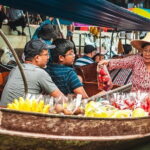
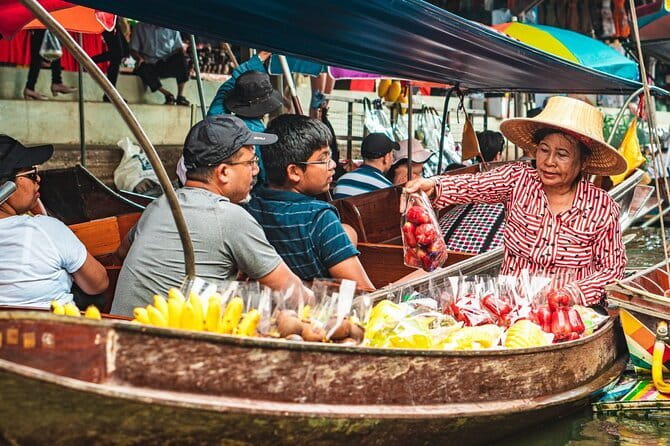
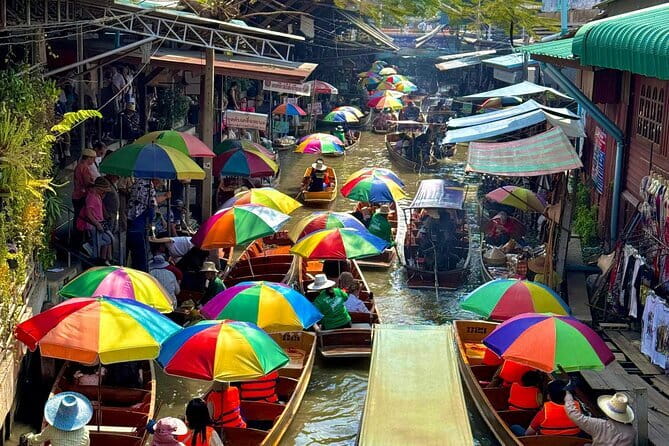
After the elephant village, you head to the Ayothaya Floating Market for about 45 minutes. You’ll be cruising through the waterways while vendors sell local goods, handicrafts, and what sounds like the best part: Thai street food.
This is one of those experiences where the details matter. You don’t just browse from a land market stall. You watch the rhythm of boat vendors moving through the canals, and you’ll have a chance to haggle in the friendly, normal way that floating markets are known for.
For photography, this stop is great because you’re moving. You also get that “real Ayutthaya” feeling—people doing daily commerce, not just staged souvenir shopping.
Quick tip: buy small and snack-friendly items during this time. Your next blocks of the day are temples and the ATV, so you don’t want anything fragile or bulky.
Sun Leisure ATV Palace and the 2-hour off-road ride through temple countryside
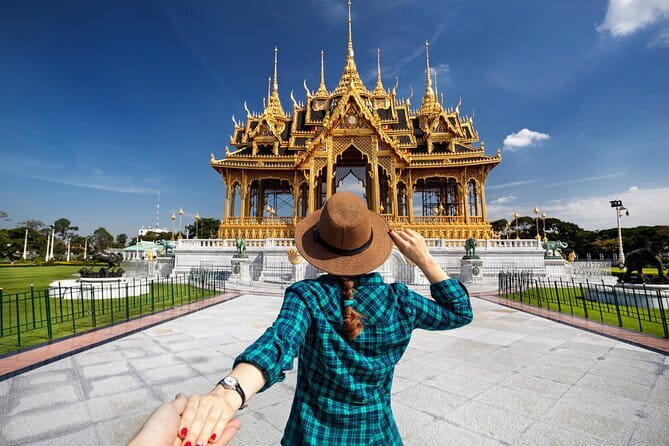
Here’s the section that turns this from a standard day tour into a story you’ll actually remember: the ride to Sun Leisure ATV Palace and a 2-hour ATV adventure.
The route is designed as an off-the-road countryside experience, not just a short loop. And you don’t do it in isolation. Along the ATV circuit, you visit several historical temple sites, turning the ride into a moving viewpoint on Ayutthaya’s past.
What to expect physically: this requires moderate physical fitness. Even if you’re not hiking long distances, you’ll likely handle uneven ground, mounting/dismounting, and time seated while driving.
And yes, you should expect dust. Plan your photos accordingly and bring something that can handle a little mess.

Temple stop 1 on the ATV route: Wat Samana Kottharam
During the ATV ride, you’ll visit Wat Samana Kottharam for about 30 minutes. It’s an ancient Buddhist temple tied to the Ayutthaya Kingdom era, known for preserved structures and details that reflect Thai craftsmanship.
This stop works well because it’s not just a quick photo. You get enough time to notice the layout—main hall areas, stupas, and a calmer courtyard vibe. That break in tempo helps after the adrenaline of riding.
Wat Kudi Dao: a temple renovated in 1711
Another ATV-route stop is Wat Kudi Dao, also about 30 minutes. This one’s notable because it was renovated by King Thai Sa in 1711.
That date detail matters. It means you’re seeing a site that didn’t just survive—it was cared for and updated. If you like tying architectural details to timelines, this is a good stop to pay attention at.
Wat Dusitaram: riding into consecrated grounds

Next you’ll go to Wat Dusitaram for around 30 minutes. It’s described as a consecrated location built during the Ayutthaya era and tied to religious importance.
From a traveler perspective, this is a chance to slow down. You switch from driving and moving quickly to walking around sacred spaces where the pace changes naturally.
Wat Maheyong: ending the ATV stretch with ancient monastery ruins
Your final ATV-route temple stop is Wat Maheyong, about 30 minutes. It’s described as ancient monastery ruins in the eastern area of Ayutthaya.
Ruins can be hit-or-miss on tours, but here it’s paired with the ride, so it feels like part of the countryside story rather than a random stop. This can be especially good for photos that show scale—when temples sit within a wider landscape.
After ATV: tuk-tuk to the main temple icons
Once you finish riding, you return to the ATV place and then continue with temple visits by local tuk-tuk. This matters because it keeps the second half of the day from feeling like one long “ride then rush then ride” cycle.
The remaining stops focus on Ayutthaya’s best-known landmarks, with each place getting about 30 minutes. That’s enough time to see what everyone comes for, plus scan the details that make the photos work.
Wat Mahathat: the Buddha head in tree roots moment
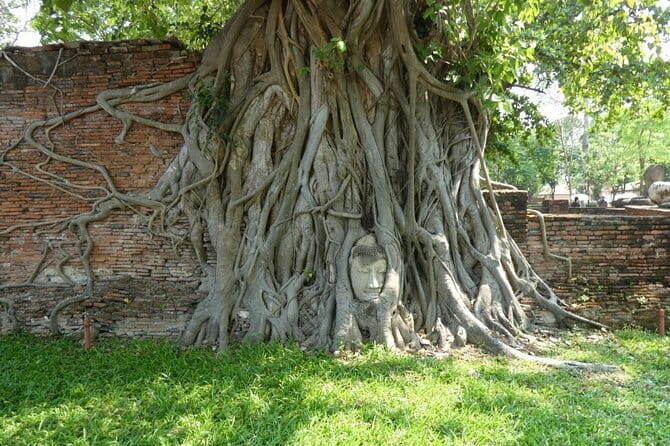
Wat Mahathat is the big name, and for good reason. It dates back to the 14th century and is famous for the Buddha head entwined in tree roots.
This is one of those sights where you really should take a slow lap. The first glance is wow. The second glance is context—how the prangs and sculptures sit around the central visual, and how nature and ruin overlap.
Try to check different angles while you have time. If you rush, you miss the way the roots change the mood of the whole scene.
Wat Yai Chai Mongkhon: the chedi climb and panoramic views
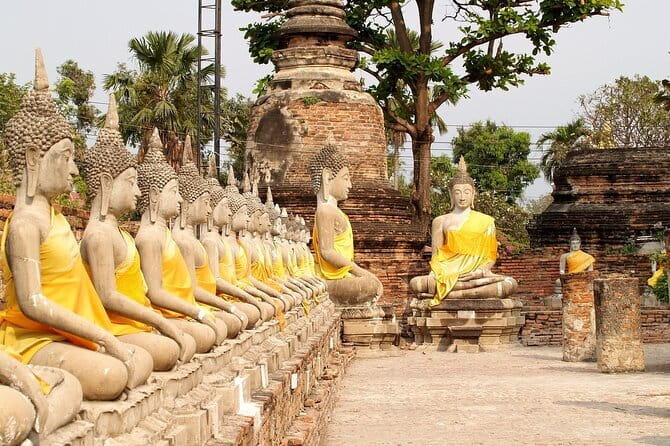
Next is Wat Yai Chai Mongkhon for about 30 minutes. The star here is the towering chedi, built to commemorate a victorious battle, and the grounds are lined with seated Buddha images.
A key bonus: you can climb to the top for panoramic views. That climb gives you a different perspective on Ayutthaya than the ground-level ruin photos.
If you like scenic rewards, this is your payoff stop. Even if you don’t climb high, the architecture still carries strong visual impact.
Wat Chaiwatthanaram: river views and Khmer-Ayutthaya style symmetry
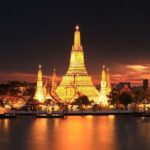
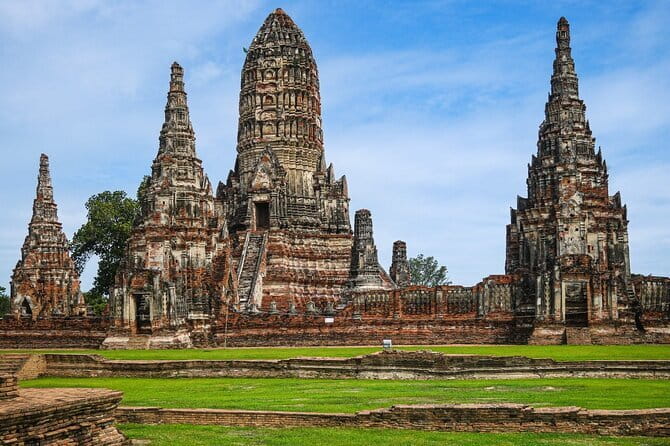
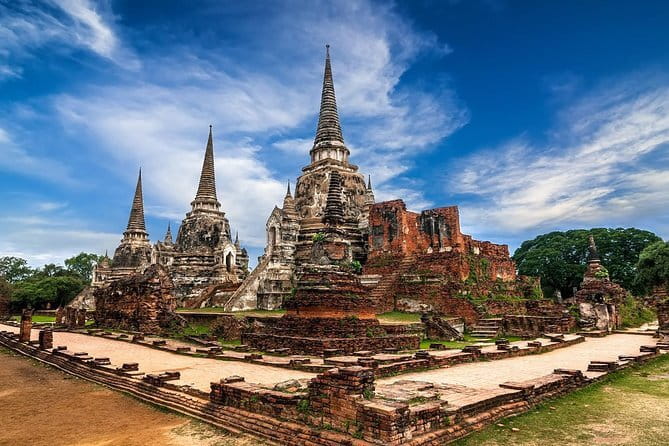
Your last major temple visit is Wat Chaiwatthanaram, also around 30 minutes. It’s on the west bank of the Chao Phraya River and built in the 17th century, with a mix of Khmer and Ayutthayan styles.
This place is known for its prangs, chedis, and symmetrical layout. It’s the kind of site that looks great from multiple distances, so you can keep adjusting your shot without feeling like you’re wasting time.
If you’re trying to understand how the Ayutthaya Kingdom used temples for both religion and royal display, this is a strong “read the room” stop.
What’s included, what’s not, and how to prepare like a pro
Most of the “ticket” part is handled for you: admission is included for the elephant village, floating market, and the listed temple sites. You also get an English-speaking guide plus the ATV ride and the ATV-area temple visits.
Not included: lunch and personal spending. Since you’ll be moving from market to temples to ATV, plan on buying snacks or eating somewhere before or after this tour.
If you want fewer headaches, bring:
- Water (temples plus ATV can dry you out)
- Sunscreen and sunglasses (Ayutthaya sun is not subtle)
- Shoes you can handle outdoors (not slick sandals)
- A light layer for shade breaks
Also, the experience depends on good weather. If conditions are poor, you’ll be offered a different date or a full refund, so keep an eye on the forecast for the day you book.
Price and value check: what $88.42 buys you
At $88.42 per person, the value is mostly about what’s rolled into the price. You’re getting a guided day with multiple admissions, a 2-hour ATV ride, and tuk-tuk transfers tied to the Ayutthaya hotel area.
A DIY version would mean juggling transport, ticket lines, and figuring out how to sequence elephant, boat market, and an ATV circuit. Here, the schedule is bundled so you spend less time coordinating and more time actually seeing.
The “private tour” format helps value too. You’re not stuck waiting for a mixed group pace.
If you’re an active person who likes both culture and a little chaos, this price feels fair. If you prefer slow temple wandering only, you might find the day long and the ATV distracting—but you can decide quickly based on your comfort level.
Should you book this Ayutthaya ATV and Floating Market tour?
Book it if you want a day that mixes iconic temple stops with two very different experiences: elephants up close and a real off-road ATV ride. I also think it’s a great fit if you like schedules that don’t feel frantic, because each temple gets enough time to actually look.
Skip it (or at least ask questions first) if the ATV sounds stressful for your body or if you’re strongly opposed to any kind of animal interaction. And if you hate long days, remember this is still about 7 to 8 hours, starting at 9:30 am.
If you land in the middle—curious, active, and okay with a full itinerary—this is a solid, fun way to experience Ayutthaya without turning it into a puzzle.
FAQ
What time does the tour start?
The tour starts at 9:30 am.
How long is the Ayutthaya ATV and Floating Market tour?
It runs about 7 to 8 hours.
Is this tour private?
Yes. It’s listed as a private tour/activity, so only your group participates.
What hotel transport is included?
You get tuk-tuk transfer to and from your hotel in Ayutthaya.
What’s included in the ticket price?
Included items are Ayutthaya Elephant Village admission, Ayutthaya Floating Market admission, the ATV ride for 2 hours, English-speaking guide, and admission for Wat Samana Kottharam, Wat Maheyong, Wat Dusitaram, Wat Kudi Dao, Wat Mahathat, Wat Yai Chai Mongkhon, and Wat Chaiwatthanaram, plus tuk-tuk transfer to and from the hotel.
Is lunch included?
No. Lunch is not included.
What fitness level do I need for the ATV?
You should have a moderate physical fitness level.
What if the weather is bad?
This experience requires good weather. If it’s canceled due to poor weather, you’ll be offered a different date or a full refund.
Can I cancel for a full refund?
Yes. You can cancel up to 24 hours in advance of the experience start time for a full refund.