REVIEW · BANGKOK
Authentic Thai Cooking with the Largest market visit &TukTuk ride
Book on Viator →Operated by Sabieng Thai Cooking School · Bookable on Viator
Eat your way through Bangkok in 3.5 hours. I like the Khlong Toei Market stop for seeing (and choosing) real Thai ingredients, and the Tuk-Tuk ride that keeps the whole morning feeling like an adventure, not just a class. One drawback to consider: the meeting point is a coordinate near public transport, so arrive early and give yourself a little buffer to find your group.
The cooking is taught by a pro with deep Thai roots and serious international experience, and you’ll typically be in a small group (max 12). Chefs you may work with in this format include Chef Pim and Chef Alex, and feedback keeps coming back to clear explanations, a clean school kitchen, and hands-on steps that make you feel capable fast.
For $44, you’re really buying the whole arc: market browsing, Tuk-Tuk transfer, guided prep, cooking, and the meal you make. If you want authentic Thai flavor and skills you can use at home, this is one of the most practical ways to spend a half day in Bangkok.
In This Review
- Key things that make this tour work
- Why this Bangkok class feels different from a typical cooking demo
- Khlong Toei Market: how the market visit actually helps your cooking
- A quick drawback to keep in mind
- The included Tuk-Tuk ride: fun, but also a logistics win
- Inside Sabieng Thai Cooking School: clean kitchen, real prep work
- Group size helps you get answers
- The dishes: what you can expect to cook (and why they’re great choices)
- Vegetarian and dietary adjustments
- Chef style: Chef Pim, Chef Alex, and the approach that makes you feel confident
- Why the price can make sense if you care about outcomes
- Timing and what to plan around on your Bangkok day
- Who should book this class (and who might not love it)
- Practical tips so you get better results at home
- Should you book this Bangkok market + Tuk-Tuk + cooking class?
- FAQ
- Where does the experience start and end?
- How long is the tour?
- How much does it cost?
- Is there a mobile ticket?
- What is the maximum group size?
- When will I get confirmation after booking?
- What is the main market stop?
- Is the tour near public transportation?
- Who teaches the cooking class?
- Can I cancel or change the booking?
Key things that make this tour work
- Khlong Toei Market first: you get the food shopping context before you cook, so flavors make sense.
- Tuk-Tuk ride is included: the transfer feels like part of the experience, not a gap in the plan.
- Small group cooking: max 12 people means more time with the instructor and fewer hands-off moments.
- Real Thai dishes, cooked by you: from classic stir-fried noodles to curry and mango sticky rice-style dessert.
- Clean, comfortable cooking space: multiple reviews call out the clean school kitchen and good atmosphere.
- Take-home recipes: you come away with instructions you can follow again later.
Why this Bangkok class feels different from a typical cooking demo
Bangkok has cooking classes everywhere, but this one’s built around three things you can feel immediately: market knowledge, guided technique, and food you eat in full, not just taste. The timeline is straightforward. You start out at Khlong Toei Market, then you ride by Tuk-Tuk back to the school, and you cook several dishes during the session.
That structure matters because Thai cooking is not just about ingredients. It’s about building flavor in the right order—fresh herbs, balanced sweet-salty-sour notes, and curry pastes or noodle seasoning that doesn’t happen by magic. When you see the ingredients at the market first, you understand what you’re actually buying and why.
Also, the instruction isn’t casual. The program is described as taught by professional instructors from a culinary family background, with experience that includes well-known global culinary settings and even recipe development tied to Master Chef Thailand. Even if you’re not a confident cook, that background usually shows up in how the class is paced and how substitutions and questions are handled.
You can also read our reviews of more tours and experiences in Bangkok.



Khlong Toei Market: how the market visit actually helps your cooking
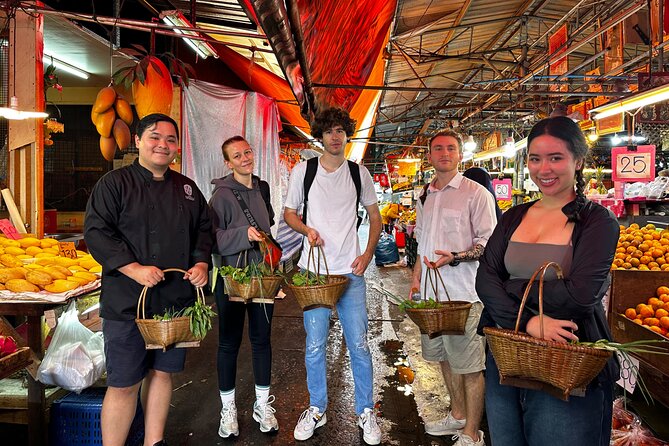
Khlong Toei Market is the main stop on this experience, and it’s where the class earns its authenticity. Instead of jumping straight into a kitchen, you’re set up to learn how Thai cooks think about ingredients. You’re likely to notice the contrast between what looks similar at a grocery store versus what you find in a working market.
Here’s what’s useful about doing the market part up front:
- You learn what to look for in fresh produce and herbs, not just what dish names to memorize.
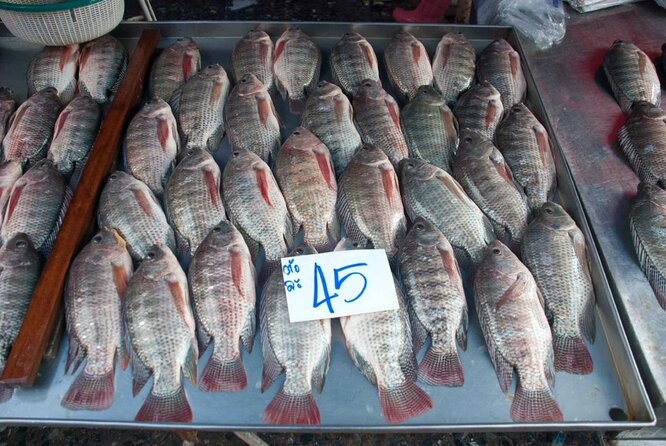
- You get context on seafood, aromatics, and spices that show up repeatedly in Thai favorites.
- You hear ingredient explanations in the same language the class later uses in prep time.
In feedback from similar sessions, people describe walking through a busy market and getting practical product details, not just sightseeing. One reviewer even highlighted how the trip helped them understand local products in a way that made later steps easier.
Practical note for your day: market areas can be crowded and busy. Wear comfortable shoes and keep your phone handy for translating spice/ingredient names into something you can search later at home.
A quick drawback to keep in mind
One mismatch that can happen is timing at the meeting point. Since the meeting location is given as a coordinate near public transportation, it’s easy to lose track if you arrive late or if you’re using the wrong nearby exit or landmark. Arrive early, and double-check the exact spot before you start walking.
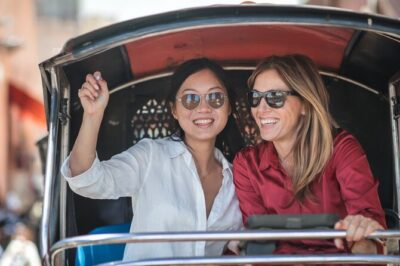
The included Tuk-Tuk ride: fun, but also a logistics win
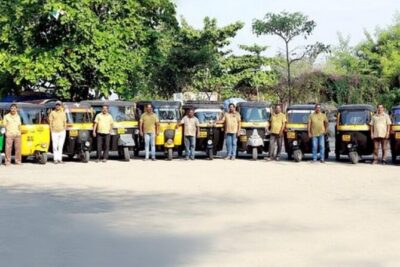
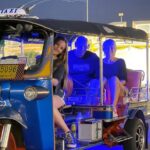
The Tuk-Tuk ride is more than a photo moment. It’s the bridge between two different parts of your day—street-level market shopping and a controlled cooking environment. That matters because it keeps you on schedule and gets you to the school without the headache of figuring out transport mid-activity.
In reviews, the ride gets called out as a charm factor, especially because you’re not stuck sitting around. It’s also part of why the class feels like a mini tour, even though the focus is cooking.
What you should know:
- The Tuk-Tuk ride is included in the planned flow of the experience.
- Your day is designed to stay relaxed, not frantic.
If you’re the type who enjoys Bangkok’s street energy, this included ride adds a little thrill without turning the rest of the class into chaos.
Inside Sabieng Thai Cooking School: clean kitchen, real prep work
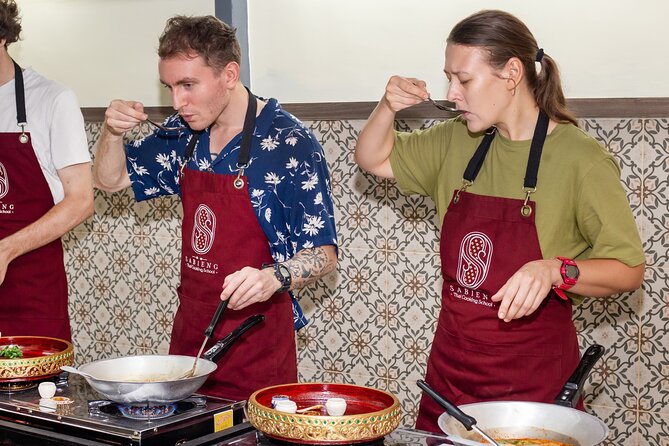
After the market stop, you’re brought to Sabieng Thai Cooking School for the main event: hands-on cooking. Multiple reviews emphasize the school as clean and well kept, including mentions of a brand-new or very tidy kitchen and air-conditioned comfort. That’s not a minor detail. When you’re cooking curries, chopping herbs, and tasting as you go, you want a kitchen where you feel comfortable and not distracted.
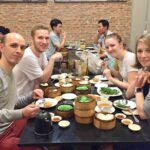
The class format is also a big part of why it feels worth the money. Reviews repeatedly describe a cycle of:
1) get ingredients and prep guided step-by-step
2) cook each dish
3) sit down and eat what you made
Then move on to the next course.
That sequence works well for two reasons:
- You’re not waiting hours for food. You cook, you taste, you learn.
- If your flavor isn’t quite right, the instructor can correct the process while it’s still fresh in your head.


Group size helps you get answers
This experience caps at 12 travelers, which is a sweet spot. It’s small enough that questions don’t get ignored, but big enough that the class feels lively. In feedback, chefs like Chef Pim and Chef Alex are described as patient, approachable, and clear.
If you’re worried about language, take comfort from the fact that multiple reviews mention clear English instruction and deliberate explanations of ingredients and steps.
The dishes: what you can expect to cook (and why they’re great choices)
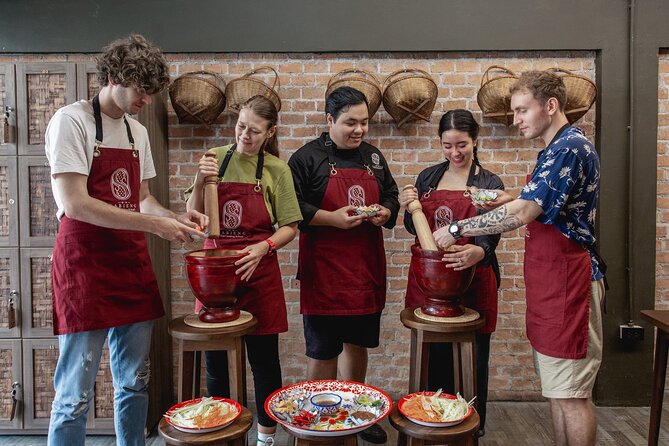
The course is built around authentic Thai flavors, and the menu varies by class, but the pattern is consistent: you’ll cook classic Thai dishes with real technique, not just reheated shortcuts.
Based on the feedback available, common dishes include:
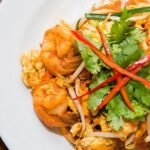
- Pad Thai (often described as one of the best people ate during the trip)
- Red curry and green curry, including at least one curry paste-style component
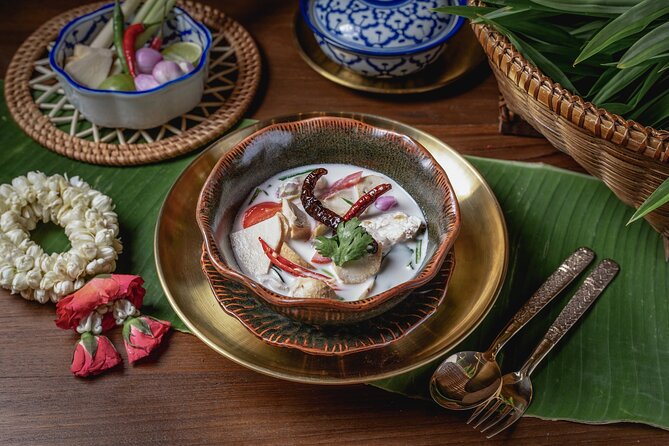
- Tom Yum soup in some sessions
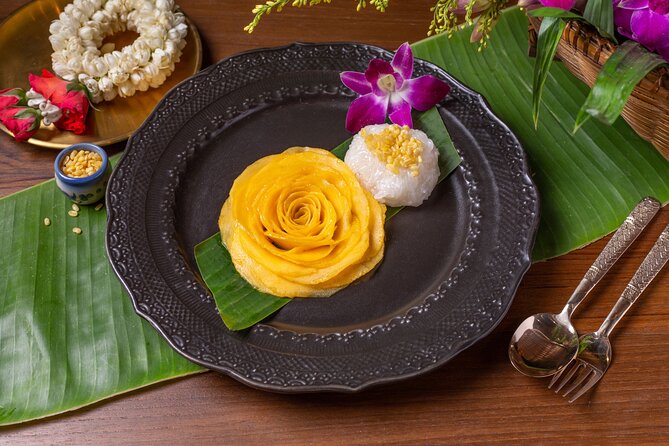
- Sticky rice with mango for dessert
What I like about these choices (as a learning set) is that they cover Thai cooking fundamentals:
- Noodle dish seasoning teaches you balance and timing.
- Curry introduces paste building and flavor depth.
- Soup and dessert show you how Thai cuisine can be both sharp and comforting.
Also, the class often includes a mix of cooking skills: chopping, blending (for curry paste steps when applicable), stir-frying, simmering, and tasting adjustments. That’s how you end up leaving with usable technique rather than just a memory of a meal.
Vegetarian and dietary adjustments
Not every cooking class can handle dietary needs without turning into a compromise. Here, feedback specifically mentions vegetarian substitutions being provided, and that instructors were able to adjust things for taste and needs. If you eat vegetarian or have specific concerns, tell the team when you arrive so they can plan substitutions.
Chef style: Chef Pim, Chef Alex, and the approach that makes you feel confident
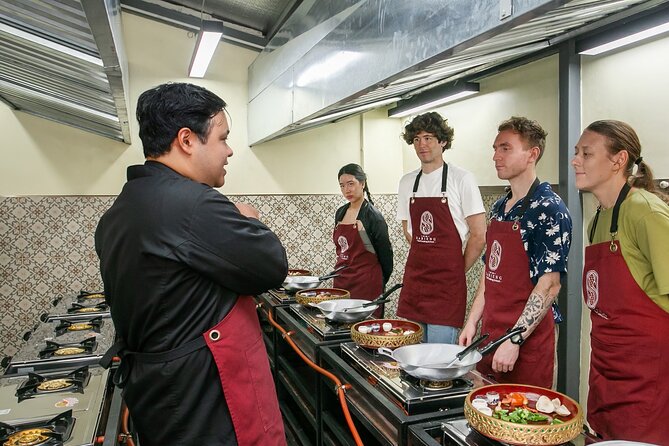
Chef Pim and Chef Alex come up again and again in the class feedback, and the consistent theme is instruction style. People describe them as:
- clear in explanations
- personable and approachable
- hands-on during cooking
- able to answer questions without making you feel rushed
Chef Pim especially is singled out for being personable and helpful, with one review noting that people followed her recipe at home and it turned out delicious. Chef Alex is also praised for walking people through market-to-kitchen flow and teaching technique in a deliberate way.
There’s a subtle but important difference between cooking lessons where you mostly watch and lessons where you actually cook. This format makes you active. Prep is guided, but you still do the work. Cooking is structured, but you’re not stuck in a rigid script either—taste adjustments happen during the process.
Why the price can make sense if you care about outcomes
At $44 for about 3 hours 30 minutes, it’s not the cheapest activity on your Bangkok list, but it can be strong value if you measure it by what you get at the end.
You’re paying for:
- a professional instruction experience
- a largest local market visit (Khlong Toei Market)
- a Tuk-Tuk ride included in the plan
- multiple dishes cooked and eaten during the session
- recipes you can take home (online recipes are mentioned in feedback)
If you compare that to paying for ingredients and trying to recreate Thai dishes from scratch, the lesson portion becomes the real bargain. Even a simple shift in understanding—like how curry flavors build or how pad thai seasoning should taste—can save you multiple failed attempts later.
One more value point: the class format reduces stress. You’re not trying to figure out which market items to buy, when to use them, or how to sequence steps. The class already gives you that structure.
Timing and what to plan around on your Bangkok day
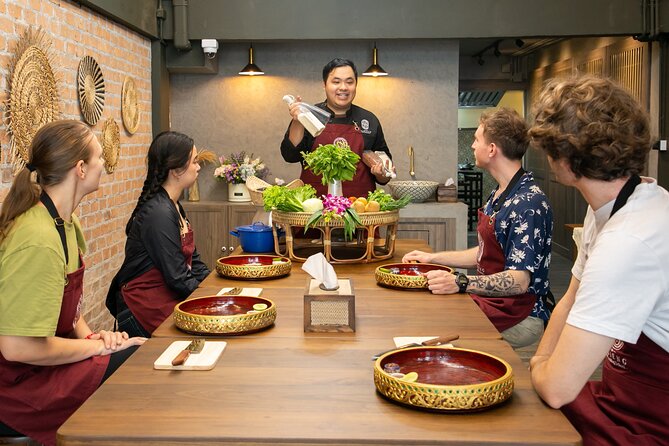
The experience runs about 3 hours 30 minutes. Because it includes both a market stop and cooking (with eating what you make), it works best as a half-day anchor.
To plan your day smoothly:
- Put it earlier rather than later. You’ll likely want time afterward to explore Bangkok without feeling fully cooked out.
- Eat lightly beforehand. Reviews repeatedly encourage coming hungry, and the class leaves you well fed.
- Keep your phone charged and bring a reliable map app. The meeting location is a coordinate near public transit, and that can be tricky if you’re arriving while tired or rushed.
If you’re combining multiple activities, treat this as one complete block.
Who should book this class (and who might not love it)
This experience fits best if you want:
- authentic Thai cooking with practical, repeatable steps
- a market-to-kitchen learning setup
- a small-group experience with instructor interaction
- Thai dishes that you’ll actually want to make again
It might feel less ideal if:
- you hate getting out in crowded market spaces
- you want a purely sightseeing-focused tour (this is first and foremost a cooking class)
- you’re very sensitive to schedule tightness near the meeting point
If you’re traveling with kids or teens, feedback suggests that the structured cooking and quick cycles can keep picky eaters engaged—because they’re more willing to try food they helped make.
Practical tips so you get better results at home
A cooking class is only as good as what you can reproduce later. Here are a few ways to turn this into real skill:
- Take notes while prepping. Even simple steps like how herbs are handled or when you add seasoning can change the final flavor.
- Watch the tasting moments. Thai cooking relies on adjustment, not just following a recipe once.
- If you have dietary needs, plan ahead. Reviews mention vegetarian substitutions, but you’ll get the best outcome when the instructor knows your preferences clearly.
Also, don’t underestimate curry and noodle dishes as a home-cooking win. Pad Thai and curries are exactly the kind of meals people want to master, and this format is built to get you closer to that goal.
Should you book this Bangkok market + Tuk-Tuk + cooking class?
I think you should book it if you want a half-day in Bangkok that turns into something tangible: recipes, technique, and a meal that’s tied to real Thai ingredients. The combination of Khlong Toei Market first, a included Tuk-Tuk ride, and hands-on cooking in a clean school kitchen is a rare blend of fun and learning that feels practical for everyday cooks.
If you’re worried about finding the meeting point, just arrive early and use the coordinate carefully. Otherwise, this is one of those experiences that’s easy to recommend because it delivers exactly what it promises: authentic Thai cooking, taught by an instructor with real background, with the ingredients and flavors explained where they actually come from.
FAQ
Where does the experience start and end?
The start location is PHC5+JVH, Bangkok, Thailand. The activity ends back at the meeting point.
How long is the tour?
The experience lasts about 3 hours 30 minutes.
How much does it cost?
The price is $44.
Is there a mobile ticket?
Yes, this tour/activity offers a mobile ticket.
What is the maximum group size?
The class has a maximum of 12 travelers.
When will I get confirmation after booking?
Confirmation is received within 48 hours of booking, subject to availability.
What is the main market stop?
The itinerary stop is Khlong Toei Market.
Is the tour near public transportation?
Yes, it is listed as near public transportation.
Who teaches the cooking class?
A professional cooking instructor from a third-generation culinary arts and food preparation family teaches the course.
Can I cancel or change the booking?
This experience is non-refundable and cannot be changed for any reason.