REVIEW · SIEM REAP
Angkor Wat Sunrise Private Tour by Tuk Tuk
Book on Viator →Operated by Green Era Travel · Bookable on Viator
Waking up before dawn for Angkor Wat makes the whole day feel like a quest. This private tuk tuk sunrise tour in Siem Reap is built for fewer headaches: hotel pickup, an early arrival mindset, and live English commentary that turns temple stones into something you can actually picture. I especially liked the practical pacing—enough time at each key stop to ask questions—plus the comfort touches like chilled bottled water. One thing to consider: the big Angkor National Park ticket is not included, so you’ll budget extra on top of the tour price.
You’ll leave around 4:30 to 4:40 am (seasonal timing), ride out in the dark, and aim for the best light at Angkor Wat before the crowds really swell. The route also hits the headline temples around Angkor Archaeological Park—Angkor Thom South Gate, Bayon, Ta Prohm—with a guide to connect the dots. If you don’t love early mornings or you’re not keen on some temple walking, this tour may feel like a lot before breakfast.
In This Review
- Key Things I’d Prioritize on This Angkor Sunrise Tour
- Why the 4:30 am Start Feels Like Smart Travel
- Getting to Angkor Wat in the Dark: Transport and Timing
- Angkor Wat Sunrise: The Headline Moment and the Ticket Reality
- Angkor Thom South Gate: Where the Route Gets Real
- Bayon Temple: The Faces, the Layout, and the Why
- Ta Prohm: Ruin as Beauty, and Why You Should Slow Down
- The Rest of the Day: Dropping Back to Siem Reap
- Price and Value: What You’re Really Paying For
- Who This Tour Fits Best (and Who Might Skip It)
- Book It or Pass? My Decision Guide
- FAQ
- Is pickup and drop-off included?
- What time does the tour start?
- How long is the tour?
- Is the Angkor National Park admission ticket included?
- What temple stops are included?
- Is food included?
- Is the tour private?
- What is the cancellation policy?
- Is bottled water provided?
Key Things I’d Prioritize on This Angkor Sunrise Tour
- Pre-dawn start from your hotel (around 4:30 am) for cooler temps and less crowd pressure
- Tuk tuk transport keeps the day moving without constant tuk tuk hunting on your own
- English guide commentary helps you read what you’re seeing instead of just snapping photos
- Big temple highlights in one loop: Angkor Thom, Bayon, Ta Prohm, plus Angkor Wat
- Chilled bottled water and small comfort wins that matter at sunrise
- Private group experience means you can ask questions and set the pace
Why the 4:30 am Start Feels Like Smart Travel
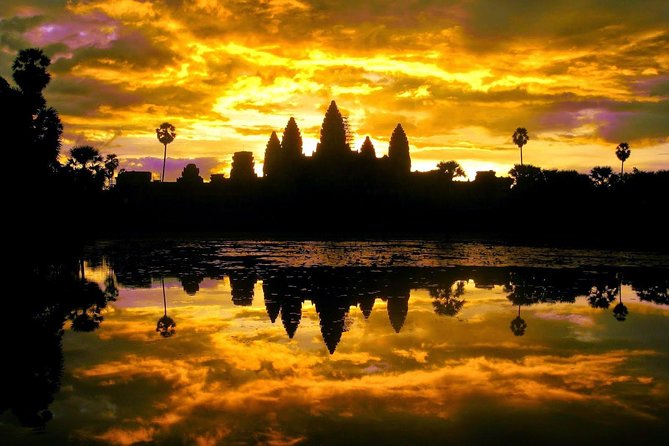
Angkor Wat sunrise tours can turn into a circus if you do them badly. This one avoids that. You’re picked up early enough that you’re not scrambling at the gate, and the timing is designed for the light and the atmosphere—temples first, crowds later.
The other win is how the day flows. Starting early often means you get the most time with the least stress, instead of feeling like you’re constantly “catching up” with your own itinerary. You also get cooler morning conditions, which matters because even when temple visits aren’t long on paper, they still add up in legs, stairs, and standing time.
This is also a private tour, so you’re not stuck with a pace that suits someone else’s knees or attention span. That flexibility is a real quality-of-life upgrade at Angkor.
You can also read our reviews of more tours and experiences in Siem Reap.

Getting to Angkor Wat in the Dark: Transport and Timing
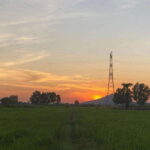
Your morning begins with tuk tuk pickup from your hotel. The departure window is 4:30 am, and it can shift slightly with the season. Either way, you’re rolling out before sunrise, which can feel wild the first time you do it in Siem Reap—but it’s also the point.
The tuk tuk ride is part of the experience. It’s not just transportation; it’s how you keep the schedule on track while traveling between multiple temple zones. It also helps you avoid the “where do I go next?” confusion that can crop up when you’re managing a sunrise plan alone.
In one standout case, the tuk tuk driver for the experience—Sid (listed with the tuk tuk name Tim)—showed up prepared, supplying cold cloths and cold water after each stop. That’s exactly the kind of small comfort that makes a pre-dawn plan feel easier, not harder.
What to keep in mind: you’ll need an Angkor National Park ticket (the tour doesn’t include it). So you’ll want to arrive ready to handle entry efficiently once you’re in the right place.
Angkor Wat Sunrise: The Headline Moment and the Ticket Reality
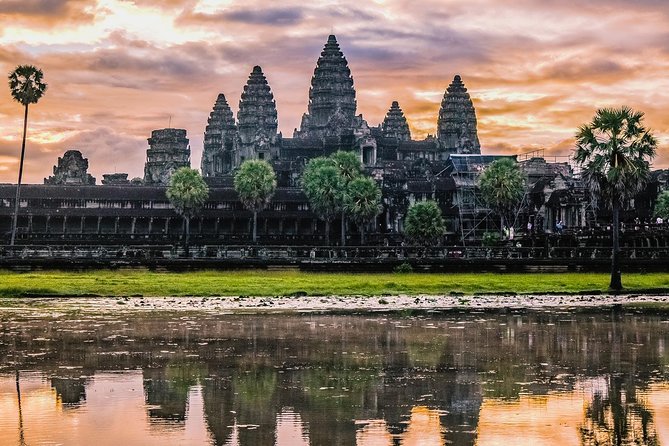
Angkor Wat is the reason most people come to this area. Here’s what you should expect from a sunrise-style plan like this one.
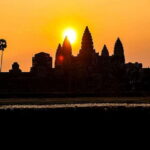
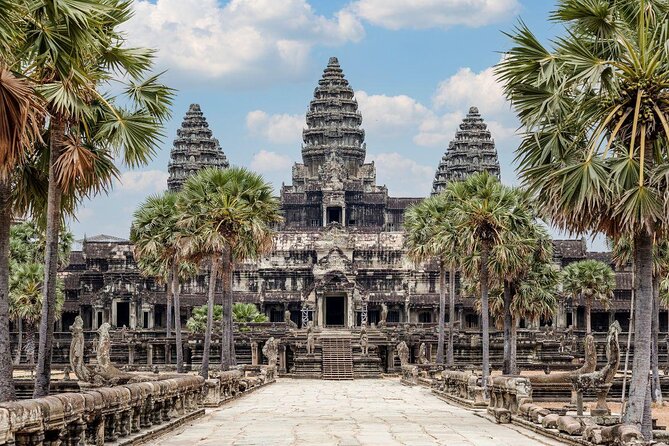
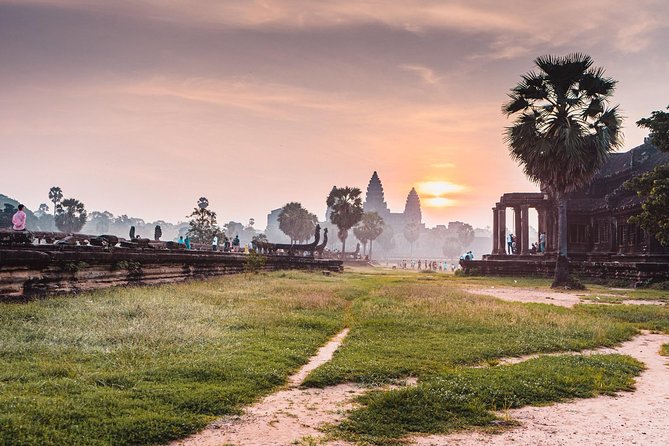
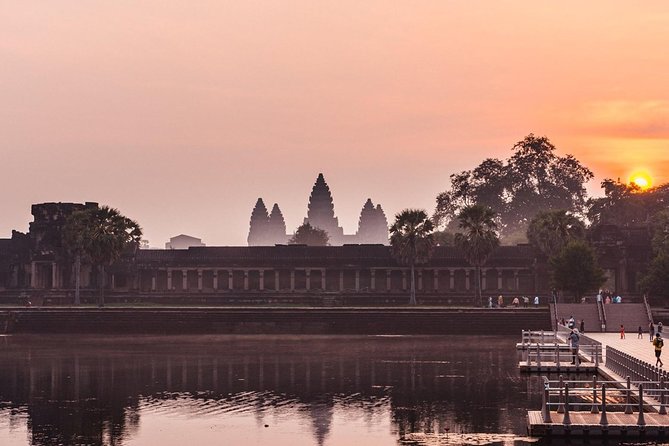
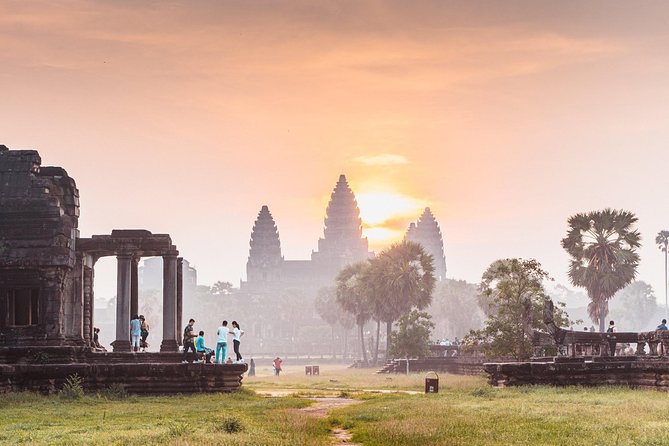
First, you head to Angkor Wat pre-dawn. Depending on timing and how the schedule lands, you may watch sunrise from outside the great temple or enter early in the dark. Either way, the goal is the same: catch the morning light before the scene becomes a full-on photo lineup.
Second, the guide’s role is important. Sunrise at Angkor Wat can feel abstract if you don’t know what you’re seeing. With commentary from your English-speaking guide, you get context that turns what could be a quick look into a more meaningful visit—where the temple sits in the bigger Angkor story and what to notice as daylight changes.
Finally, budget for admission. The Angkor National Park ticket is $37 per person and is not included in the tour price. The tour itself costs $48.72 per person, so your all-in cost will be higher once the ticket is added. I like being clear about this up front because it helps you compare “apples to apples” with other sunrise options.
Angkor Thom South Gate: Where the Route Gets Real
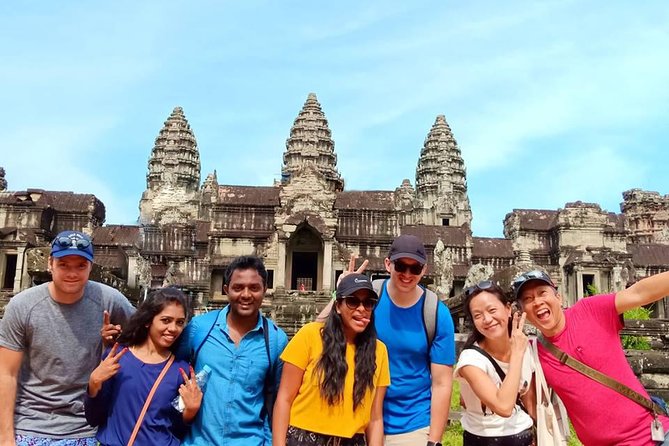
After Angkor Wat, the tour moves to Angkor Thom South Gate. This is the kind of stop that feels small on paper—about an hour—but it’s a key hinge in the whole day.
Angkor Thom is the capital city of the Khmer empire, built at the end of the 12th century, and it’s positioned north of Angkor Wat between the West Baray and East Baray. That’s the type of detail your guide can turn into a mental map: why you’re moving where you’re moving, and what each zone was meant to represent.
This stop is also a great time to reset your bearings. If you’re standing at a massive entrance like this with no context, it can look impressive but still feel confusing. With the guide’s commentary, you start connecting the layout to the broader Khmer story—less randomness, more understanding.
Possible drawback: the South Gate is an early stop after sunrise, and you’ll likely still be in “sleepy mode.” Plan to be patient with yourself. Drink the water, take a breath, and let the guide build your orientation before you push into the next temple.
Bayon Temple: The Faces, the Layout, and the Why
Next is Bayon Temple, a richly decorated Khmer temple connected to the Mahayana Buddhist King Jayavarman VII. The temple dates to the late 12th or early 13th century, and Bayon sits at the center of Angkor Thom.
This is a stop that rewards attention. Even if you’ve seen photos before, being there in person can shift how you see the carvings. The guide helps you focus on what matters in the visual design and explains why Bayon is so closely tied to Jayavarman VII.
I like Bayon on tours like this because it’s not just a “walk around and take pictures” stop. With commentary, you start noticing patterns and structure instead of just looking at faces. And because the tour keeps moving, you don’t waste the best energy of your morning staring at random corners.
Time on Bayon is about an hour. That’s enough for a first proper look without turning the visit into a marathon.

Ta Prohm: Ruin as Beauty, and Why You Should Slow Down
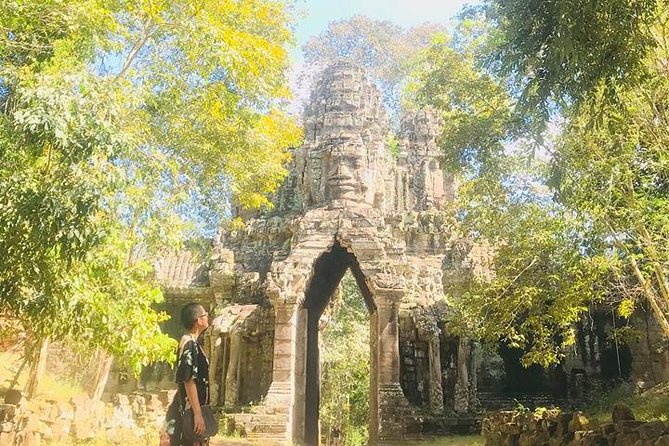
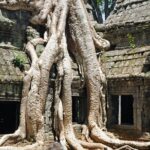
Then comes Ta Prohm Temple. This is described as a state of ruin that is also a state of beauty. That phrasing matters because Ta Prohm is one of those places where the power is in the contrast—what time has done to the stone, and how the setting still creates meaning.
The value of this stop in a sunrise circuit is timing. You’ve already built a mental picture of Angkor Wat and Angkor Thom. By the time you arrive at Ta Prohm, you’re not just seeing another temple—you’re comparing styles, moods, and how different eras show up in the same landscape.
You’ll spend about an hour here. I recommend using that hour to take your time with viewpoints. Stand back first, get a full frame, then come closer for details. The guide’s commentary helps you read the site without turning it into a checklist.
Practical consideration: Ta Prohm is a place where footing and walking habits matter. The tour lists a moderate physical fitness level requirement, so if you’re someone who dislikes stairs and uneven ground, you may feel it here more than at smoother flat areas.
The Rest of the Day: Dropping Back to Siem Reap
After the temple loop, you return to Siem Reap and are dropped off at your hotel in the city. The schedule shows about 45 minutes for the Siem Reap segment, and the focus is clearly on getting you back comfortably after the morning’s big effort.
This timing works well because most of the heavy lifting—sunrise, then major temple highlights—happens in the earlier hours. Later in the day, you’re free to do your own thing: lunch, rest, or additional exploring if you still have energy.
Price and Value: What You’re Really Paying For
Let’s talk money in a way that helps you choose.
You pay $48.72 per person for the tour. What you get in that price is not just a tuk tuk ride and a driver. Included is hotel pickup and drop-off by tuk tuk, an experienced English speaking guide, and chilled bottled water during the tour. Transport by tuk tuk is also included.
The big extra cost is the Angkor National Park ticket ($37 per person). That means a realistic planning budget is roughly the tour price plus the park admission. Food and drinks are not included unless specified, so factor in meals on your own.
Why I think this can still be good value: private sunrise timing without the hassle of figuring out transport and sequence on your own. You’re essentially paying for (1) an early start handled for you, (2) a guide who helps you understand what you’re looking at, and (3) comfort support at the right moments (cold water and a driver who knows the flow).
Could you find cheaper? Maybe. But if you value your time and you want someone to explain what you’re seeing while you move efficiently between the big sights, the price starts to make sense.
Who This Tour Fits Best (and Who Might Skip It)
This tour is a strong match if you want a private, structured sunrise plan and you like learning as you walk. The moderate fitness note means you don’t need athlete legs, but you should be comfortable with temple walking and some uneven surfaces.
You’ll likely enjoy it most if:
- you’re visiting Angkor for the first time and want a clean highlights path
- you prefer early mornings to avoid crowd stress
- you like guide commentary to give you context (not just photos)
You might think twice if:
- you hate pre-dawn starts and fear you’ll feel miserable by mid-morning
- you want a more flexible, stay-as-long-as-you-like kind of schedule without a set route
- you want food included, because meals aren’t part of this plan
Book It or Pass? My Decision Guide
If you’re choosing between an easy, well-paced sunrise plan and a DIY version, I’d lean toward booking this. The early pickup timing, tuk tuk convenience, and English commentary do the heavy lifting for you. Add chilled water support, and it turns sunrise from a risky idea into a smoother morning.
I’d only hesitate if you’re sensitive to early starts or you know you’ll struggle with uneven temple ground. In that case, you might prefer a later-start itinerary or a route that reduces walking.
Overall, this is the kind of experience that works best when you treat it like the morning event it is. If you wake up, show up, and let the guide do the translating from stone to story, you’ll come away feeling like you really understood what you saw.
FAQ
Is pickup and drop-off included?
Yes. The tour includes hotel pickup and drop-off by tuk tuk.
What time does the tour start?
Start time is around 4:30 am, with pre-dawn departure depending on the season.
How long is the tour?
It runs about 6 to 7 hours.
Is the Angkor National Park admission ticket included?
No. The Angkor National Park ticket is $37 US$ per person and is not included.
What temple stops are included?
You’ll visit Angkor Wat, Angkor Thom South Gate, Bayon, and Ta Prohm, then return to Siem Reap.
Is food included?
No. Food and drinks are not included unless specified.
Is the tour private?
Yes. It’s private, so only your group participates.
What is the cancellation policy?
You can cancel for a full refund up to 24 hours in advance of the experience start time.
Is bottled water provided?
Yes. The tour includes chilled bottled water during the ride and stops.