REVIEW · SIEM REAP
The Angkor Temples from Sunrise by Tuk Tuk
Book on Viator →Operated by Asian Trails LTD · Bookable on Viator
Angkor looks different at sunrise, and it changes how you see everything after. This 5:00 a.m. tuk-tuk day is built around watching the sun rise behind Angkor Wat, then continuing through major and lesser-known temples with a guide who keeps the focus on meaning, not just sight-seeing.
What I especially like is how the early start turns the crowd-energy down and the views up—seriously, that first light framed by the towers is the kind of moment you remember later. I also like that you’re not left piecing together logistics: you get hotel pickup/drop-off in Siem Reap, a professional English-speaking guide, transport, and a 1 Day Angkor pass. One consideration: it’s a long, hot, and sometimes walking-heavy day, so pack for the heat and accept that rain or clouds can affect how spectacular the sunrise looks.
In This Review
- Key Things That Matter
- The 5:00 a.m. Advantage at Angkor Wat
- What You’re Paying for: Value in a Single Day
- The Day Plan, Stop by Stop (and What Each One Does for You)
- Stop 1: Angkor Wat at Sunrise
- Stop 2: Angkor Thom and the Return-Break Rhythm
- Stop 3: Bayon Temple (Those Faces)
- Stop 4: Preah Khan, The Sacred Sword
- Stop 5: Ta Nei and Tao Keo near the Eastern Baray
- Stop 6: Ta Prohm, Left Like It Was
- Practical Comfort: Shoes, Heat, Water, and Dress Code
- Photo Timing and Photo Etiquette (How to Get the Shots)
- Guide Quality Makes or Breaks the Day
- Should You Book This Sunrise Tuk-Tuk Tour?
- FAQ
- FAQ
- What time does this tour start?
- How long is the Angkor sunrise tuk-tuk tour?
- Is pickup and drop-off included?
- What’s included in the price?
- Is lunch included?
- Is this tour private?
- What’s the dress code for the temples?
- How much walking should I expect?
- Can I cancel for a full refund?
Key Things That Matter
- 5:00 a.m. start with the sunrise-first plan so you’re inside before most people even think about breakfast.
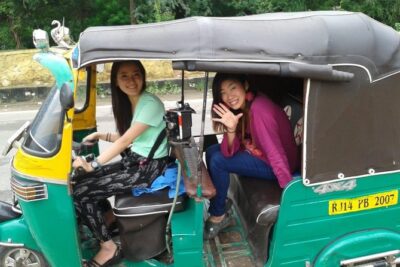
- Tuk-tuk transport keeps things moving without the stress of transfers and parking.
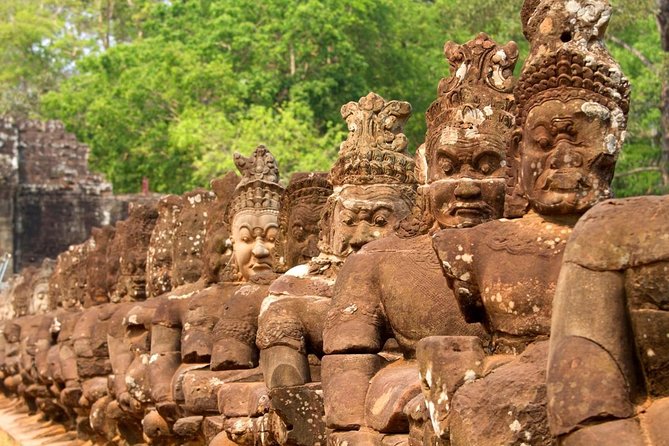
- A guided, meaning-focused route through Angkor Thom, Bayon, Preah Khan, and Ta Prohm.
- Time at smaller sites like Ta Nei and Tao Keo near the Eastern Baray for a breather from the biggest crowds.
- Dress code is real in this complex—plan clothes that cover shoulders and fall below the knees.
The 5:00 a.m. Advantage at Angkor Wat
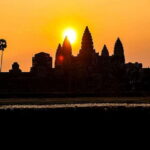
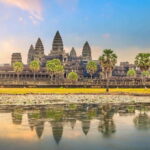
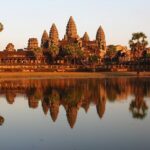
Starting before sunrise is the whole point, and it’s worth it. You roll out around 5:00 a.m. and head straight to the main gate area, where the timing helps you catch that soft, orange light as Angkor Wat wakes up. Even when the morning gets chilly, the payoff is quick: you’re standing in the right place before the most chaotic crowd waves hit.
Here’s a practical tip that matters: one strong recommendation from past guests is to stand on the left side of the main walkway (closest to the souvenir market area) for a classic view where the sun comes up between the towers. Also, if you can, ask your guide about the option to access an upper level walkway for extra angles near Angkor Wat’s pond-side area.
And yes, sunrise weather can be unpredictable. On a rainy morning, you may not get the full show of the sun breaking through. The good news is that a skilled guide can still make the early hours productive by shifting the emphasis to indoor walking and explanations until conditions improve.
You can also read our reviews of more tours and experiences in Siem Reap.

What You’re Paying for: Value in a Single Day
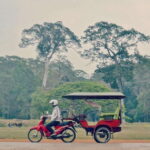
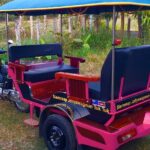
At $104 per person, the price feels more reasonable when you see what’s included. You’re getting a professional English-speaking guide, open-air tuk-tuk transportation with a driver, and a 1 Day Angkor pass. Plus, the tour is set up as private for your group, which usually means you’re not stuck waiting around for strangers who want different pacing.
The trade-off is also clear: lunch isn’t included, so you’ll need to plan your own meal. The best approach is to treat lunch as a “between-temples reset,” not a big sit-down event. Some groups have eaten breakfast at small places just opposite the temple area before entering, and others have had a hotel-packed to-go breakfast because the early start makes returning to the hotel awkward.
Also factor in that this is a long day—about 13 hours on paper. In practice, some groups report finishing earlier (depending on pace and conditions). Either way, you’ll want energy and water—Angkor can get humid fast, even in the dry season.
The Day Plan, Stop by Stop (and What Each One Does for You)
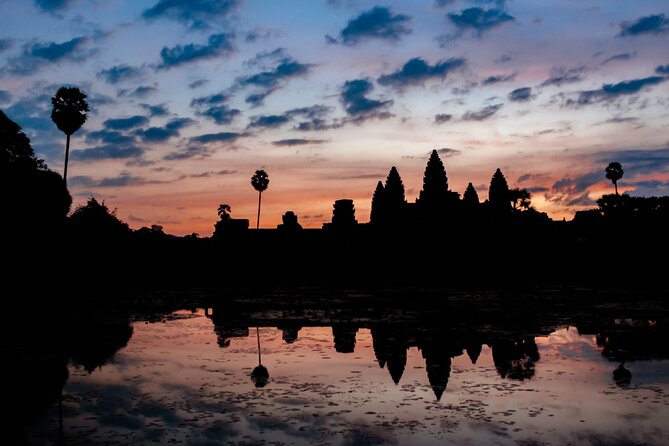
This is a temple route that blends the headline sites with a few quieter breaks. You’ll start with the sunrise at Angkor Wat, then move on to Angkor Thom, the Bayon, and Preah Khan, with Ta Nei/Tao Keo and Ta Prohm rounding out the day.
Stop 1: Angkor Wat at Sunrise
This is your “before crowds and before heat” moment. You’ll go in early, and you’ll likely see the photo/ticket workflow at the ticket office area—one tip from a previous group is that the guide timed that part well so they avoided the worst lines and could get straight into Angkor Wat with minimal delay.
During this phase, your guide’s job is more than pointing. Good guides explain the layout and symbolism so the carvings stop being random stone decoration and start feeling like a language. If you’re a photo person, ask your guide where they recommend positioning yourself—sunrise angles change with even small shifts in location.
One small but real comfort detail: some guides bring a flashlight for the early walking, which can help a lot when it’s still dark.
Stop 2: Angkor Thom and the Return-Break Rhythm
After sunrise, you’ll go back toward your hotel area for breakfast. Then you re-enter the Angkor zone to continue. This break matters because temples run on a different clock than city life; without a pause, you burn out before the best parts of the afternoon.
Angkor Thom is where the “big picture” of the complex starts clicking. Think of it as the city core—massive, planned, and full of gateways and walls that set the stage for what comes next. Even if you’re tired, this is the kind of place that feels clearer when you’ve had someone explain the layout.

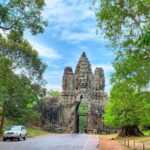
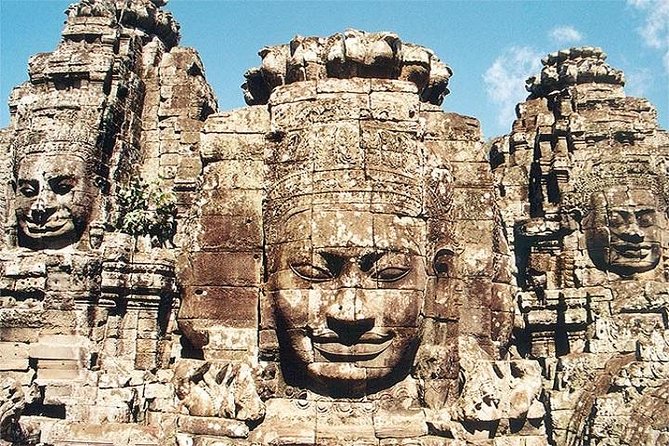
Stop 3: Bayon Temple (Those Faces)
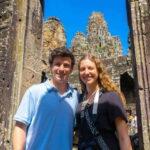
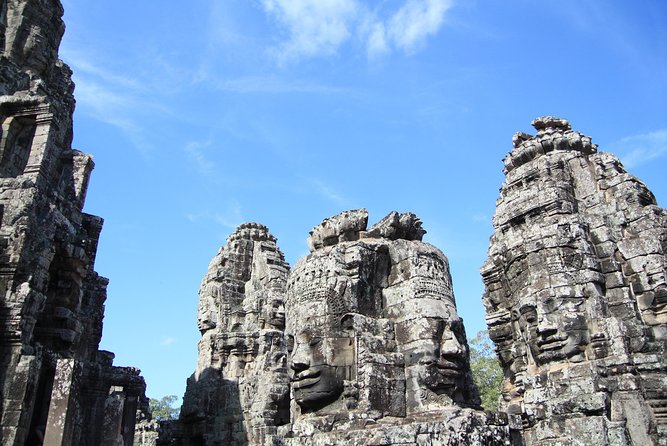
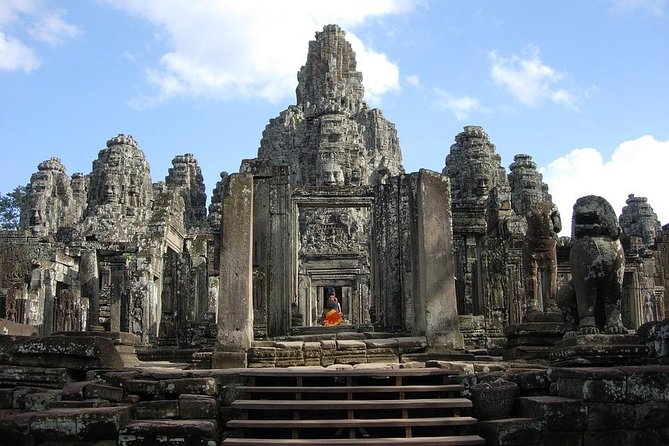
Bayon is hard to miss because it has that signature look: towers covered in faces. What makes it special is how it sits at the center of Angkor Thom, with lots of symmetry and visual geometry around you.
This is also where a good guide can make your visit feel less like walking through rooms and more like understanding a deliberate design. One group highlighted learning about Khmer religion and how the culture connected to both Hindu and Buddhist ideas over time. Whether you care about religion deeply or just want the stories behind the stone, Bayon is where those themes become obvious.
Stop 4: Preah Khan, The Sacred Sword
Preah Khan feels different from the “showstopper” sites. It’s extensive and monastic in character, built by King Jayavarman VII as a monastery and teaching complex over a large area. That scale changes how you walk through it—you notice corridors, courtyards, and structural rhythm more than single-photo moments.
If you’re the type who loves temples that feel lived-in by time (not just posed for postcards), this stop is usually a win. Just keep in mind it’s still outdoors, so heat management stays important.
Stop 5: Ta Nei and Tao Keo near the Eastern Baray
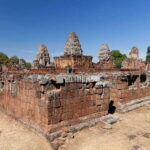
This is one of the reasons I like this tour pattern: you get at least a couple of lesser-known temples, including Ta Nei, and also Tao Keo near the Eastern Baray. These places give you a breather from the most crowded routes and can feel more personal—less “everyone stop here” and more “slow down, notice what’s different.”
They also help you understand how Angkor functioned as a whole system. Water management and the baray (water reservoir) context can make temple shapes and positions feel intentional rather than random.
Stop 6: Ta Prohm, Left Like It Was
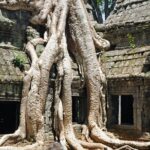
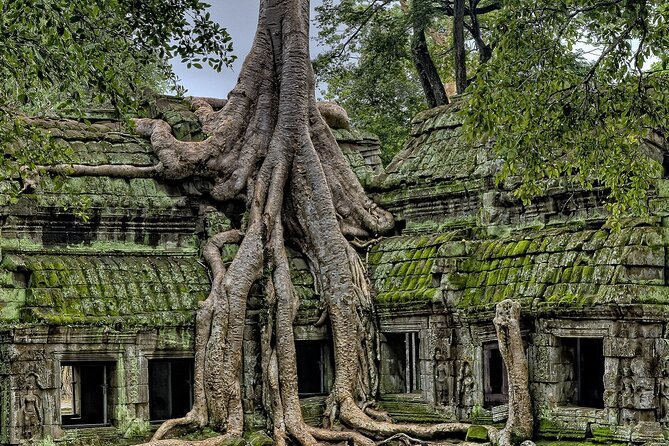
Ta Prohm is famous for one reason: trees and roots tangled into the ruins. Even if you’ve seen it in photos before, it’s one of those sites where the scale hits you in person.
This is also the stop where guides often help you understand the story behind the conservation approach—how forest growth was managed but the ruins were largely left to show how nature reclaimed the area. You’ll typically get enough time here to walk, pause, and take photos without feeling rushed.
Practical Comfort: Shoes, Heat, Water, and Dress Code
Angkor tours are simple in theory and tough in practice. The “simple” part is that you’re seeing temples. The tough part is humidity, sun exposure, and walking across uneven stone.
Wear comfortable shoes with grip. One important note from prior guests: this can be walking-intensive, and it’s easy to underestimate how much you’ll cover.
Also plan your clothing for the strict dress code. Shoulders must be covered and clothing should fall below the knees. Bright clothes and disrespectful prints can lead to refusal of entry at some temple sites—so choose neutral, practical outfits. I’d rather you look slightly less stylish than risk getting turned away.
Bring sunglasses, a hat/cap, and sunscreen with high SPF. Cloudy mornings still deliver sun power, and your skin will feel it after a few hours outdoors.
Water is another real factor. Some past groups reported being given plenty of water during the day. You should still keep an eye on your own intake and pace, especially if you’re not used to Cambodia’s heat.
Photo Timing and Photo Etiquette (How to Get the Shots)
If you care about pictures, sunrise is your best chance to get clean shots with fewer people in the frame. The left-side walkway tip is especially useful because it helps align the sun’s path with the towers.
For midday sites, expect crowds at the headline temples. Your advantage here is having a guide who knows where to position you and how to move through quickly without skipping the meaningful parts. Some groups specifically praised guides for identifying secret or less obvious photo angles.
If it rains, protect your devices. The tour info flags that electronics should be properly wrapped and protected from the elements, and it’s on you to take care of your own gear.
Guide Quality Makes or Breaks the Day
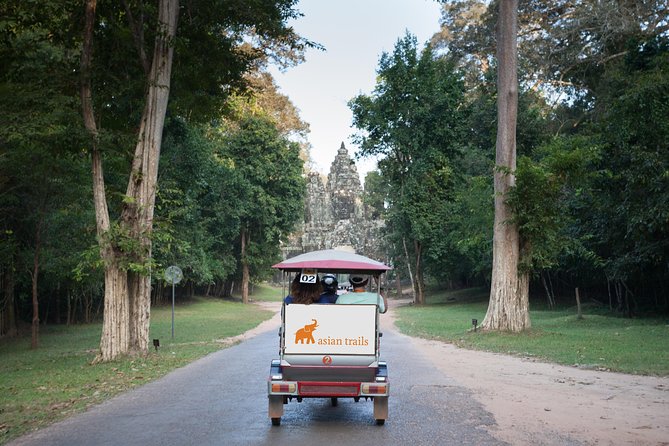
This tour’s biggest difference is the human factor. Past guests have named guides like Nob, Duong, Socheat, Savery, Savin, and Mr. Sorin Mut—and the common thread is that guests felt the guides turned Angkor into something you understand.
Not every guide’s English level will be perfect. One group mentioned English could be harder to follow at times, though they still found the knowledge and help strong enough to make the day fun. If you’re picky about language, this is still the kind of tour where you’ll benefit from asking questions early, especially about carvings and the Hindu/Buddhist context.
The best guides also manage the little realities: getting your group into the right spot, managing ticket/pass steps efficiently, and keeping a steady pace without making you feel like you’re sprinting. In rainy conditions, guides may shift plans—one group described choosing a drier route and spending more time on inside walking paired with lots of verbal explanation.
Should You Book This Sunrise Tuk-Tuk Tour?
Book it if:
- You want the real Angkor feeling that only happens early in the morning.
- You’d rather have a private guide + pass + transport than assemble Angkor logistics yourself.
- You care about meaning—who built what, why it matters, and what you’re looking at beyond the obvious.
Skip it or reconsider if:
- You hate very early starts and long days. This starts at 5:00 a.m. and keeps moving.
- You’re sensitive to heat and walking on uneven temple ground.
- You’re hoping for sunrise photos at any cost. Clouds or rain can change what you see, even with the best timing.
FAQ
FAQ
What time does this tour start?
The tour start time is 5:00 a.m.
How long is the Angkor sunrise tuk-tuk tour?
The duration is about 13 hours.
Is pickup and drop-off included?
Yes. Hotel pickup and drop-off are included for stays in and inside Siem Reap. Transfers outside that area aren’t included.
What’s included in the price?
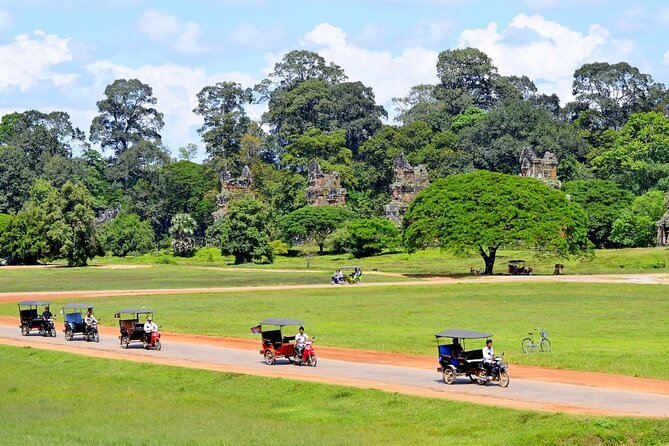
You get a professional English-speaking guide, transportation by open-air tuk-tuk, and a 1 Day Angkor pass. A mobile ticket is listed as part of the offering too.
Is lunch included?
No. Lunch is excluded, and you’ll arrange it yourself.
Is this tour private?
Yes. It’s described as private, with only your group participating.
What’s the dress code for the temples?
You should wear clothes that cover shoulders and fall below the knees. Bright clothing and disrespectful prints may lead to refusal of entry.
How much walking should I expect?
Some walking is required, and it can feel walking-intensive, so comfortable shoes help a lot.
Can I cancel for a full refund?
Yes, you can cancel for a full refund if you cancel at least 24 hours before the experience’s start time. If you cancel less than 24 hours before, the amount paid won’t be refunded.