REVIEW · PHNOM PENH
Silk Island & countryside of Phnom Penh by Tuk Tuk
Book on Viator →Operated by Vana Adventure Travel · Bookable on Viator
A day trip can feel like a reset. This tuk tuk ride takes you from Phnom Penh’s edges to Silk Island across the Mekong, with farms, weaving, and a Khmer meal that’s far calmer than the city.
I especially like the ferry start at the river confluence and the slow rhythm once you’re out among plantations and tiny villages. I also love how the day mixes crafts (sedge mats and silk) with food stops like the bean-curd/tofu-skin production you can actually see up close.
One heads-up: it is rural. Expect rustic settings and the occasional insect at dinner because the restaurants sit near river and fields.
In This Review
- Key highlights worth clocking
- Why Silk Island Feels Like a Reset From Phnom Penh
- Tuk Tuk Pickup and the Mekong Ferry Start
- Phsar Areyksat Market, Village Walk, and River-Edge Life
- What I like about this section
- What to watch for
- Sedge Mat Weaving and Farm Country: Craft You Can Understand
- Mekong Silk Island: Farms, Weavers, and Silk Making
- Silk Island walking pace
- Bean Curd / Tofu Skin Production: Why This Stop Matters for Food Lovers
- Buddha Monastery and Temple Stops: Quiet Spiritual Stops
- A heads-up on dress
- The Khmer Meal by the River: Lunch or Dinner That Feels Local
- What you should expect
- Price and Logistics: Is $45 Good Value?
- Not included
- Who This Tuk Tuk Tour Suits Best
- Who might want something different
- Small Drawback to Keep in Mind: Rustic Comfort and the Heat Factor
- Should You Book Silk Island and Phnom Penh Countryside by Tuk Tuk?
- FAQ
- How long is the Silk Island tour?
- What does the $45 price include?
- Is hotel pickup and drop-off included?
- Do I get to ride a ferry?
- Are vegetarian meals available?
- How large is the group?
- Is the tour morning or early evening?
- Is alcohol included with lunch or dinner?
- What are the dress expectations?
- Can I cancel and get a full refund?
Key highlights worth clocking
- Mekong ferry ride plus tuk tuk travel over water routes, so the whole day feels like motion through real Cambodian life
- Silk weaving workshops tied to family businesses, not big showrooms
- Bean curd / tofu skin production stop, with a staple ingredient behind Khmer flavors
- A riverside lunch or dinner with tropical fruits, and vegetarian options if you request them
- Maximum group size 12, which keeps it conversational rather than chaotic
Why Silk Island Feels Like a Reset From Phnom Penh
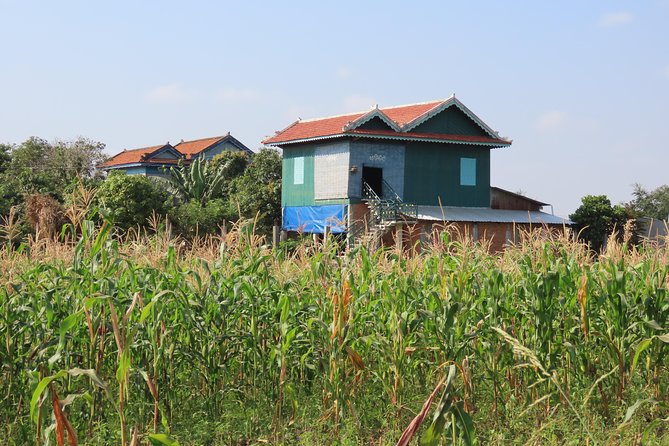
Phnom Penh can hit you fast: traffic, noise, heat, and constant motion. This tour is built around getting you out of that stream. You start with a river crossing, then you move north to islands and countryside where the pace drops and you can hear everyday life again.
The big reason it works is the mix. You’re not only watching crafts—you’re walking through village areas, passing farms, and ending with a meal in a setting that feels tied to the water. If you want a Cambodian day that’s quiet in the right places and hands-on where it matters, this one fits.
And at $45, it’s not just transport to a single stop. You’re paying for the full chain: pickup, ferry fees, tuk tuk driving, an English-speaking guide, and meals with locals.
You can also read our reviews of more tours and experiences in Phnom Penh.
Tuk Tuk Pickup and the Mekong Ferry Start
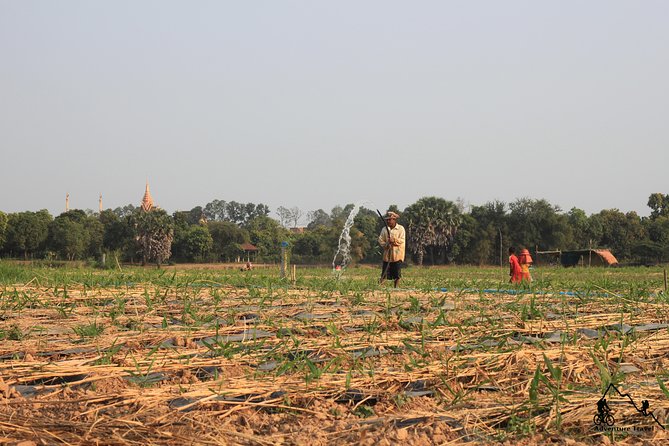
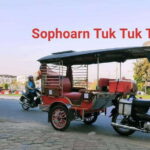
You’ll get hotel pickup and drop-off, and the vehicle depends on group size—tuk tuk in smaller groups, or a minivan when the group needs more space. Either way, the day starts by steering away from Phnom Penh and toward the rivers.
Right away, you’re in for one of the most memorable parts: a ferry crossing over the Mekong. The route also ties in the wider river geography at the confluence of major waterways (Mekong, Tonle Sap, and Bassac). Even if you’re not a “boat person,” this is the moment where the city switches off in your brain.
In practical terms, it’s also good tour design. Ferry rides spread the day out so you’re not stuck in a hot vehicle for hours. Plus, it gives you a natural break before you start walking in markets and village lanes.
Phsar Areyksat Market, Village Walk, and River-Edge Life
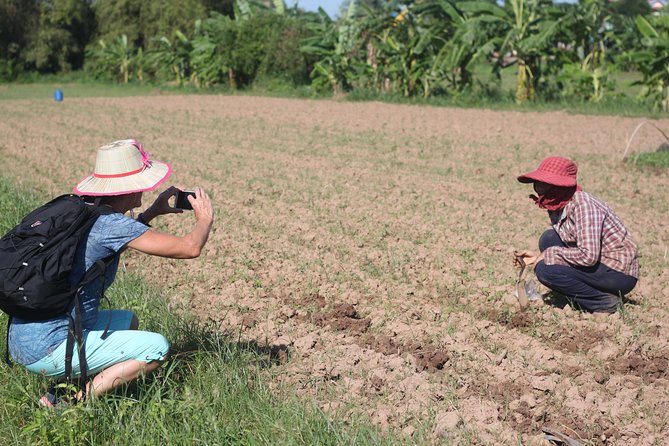
The day’s first land-based moment is the area around Phsar Areyksat, where you follow a guide through local villages and into a wet market. This is not a staged craft lane. It’s everyday commerce—smells, produce, and small-scale routines you’d miss if you only stayed inside Phnom Penh’s main sights.
From there, you do a leisurely stroll through village life. The point isn’t speed. It’s getting your bearings on how people live when the nearest “attraction” isn’t a museum sign—it’s a farm road, a river dock, and neighbors who recognize each other.
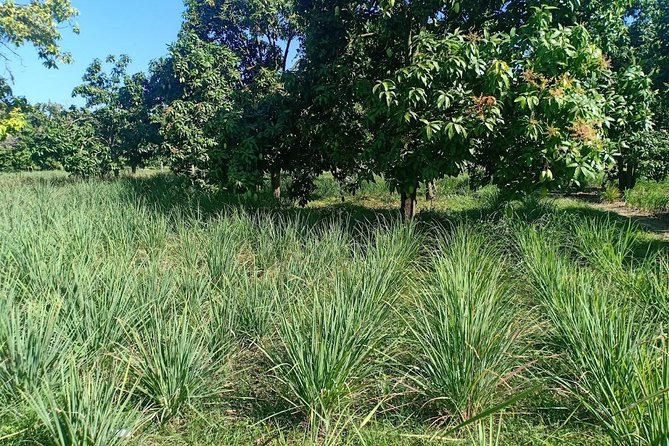
Next comes a string of countryside visuals from the tuk tuk: plantations and crops like mango, banana, corn, and lemongrass. You’ll also get little stops along the way, including a break at a village and time to watch a traditional craft process on the river edge.
What I like about this section
You get both movement and stops. You’re not only sitting in the tuk tuk looking out the window. You step out for market and village wandering, then ride again to see how farmland lines up with waterways.
What to watch for
Markets and village streets can be uneven. Wear shoes that handle dirt and small gaps, and keep water handy. The tour includes drinking water, but you’ll still feel better with the basics sorted early.

Sedge Mat Weaving and Farm Country: Craft You Can Understand
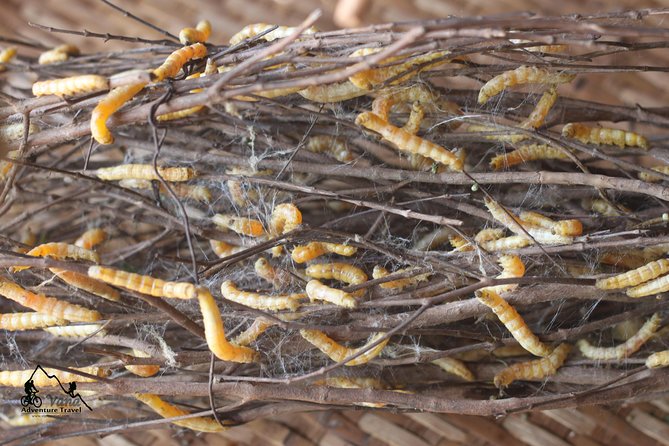
A standout craft stop in this part of the day is sedge mat weaving—a traditional craft practiced by villagers along the Mekong. The value here is simple: once you see the materials and the work involved, the product stops being a random souvenir and becomes a piece of local technology.
This is also where the tour’s rural focus pays off. Phnom Penh has plenty of shopping. This is different. You’re seeing how everyday tools and household items come from local plant materials and patient hands.
Then the countryside continues in between stops, with plantations giving you a sense of how cropping rotates through the year. One reason this day gets strong ratings is that the guide doesn’t just point out farms. They explain how the land supports daily needs—food, fiber, and small-scale production.
Mekong Silk Island: Farms, Weavers, and Silk Making
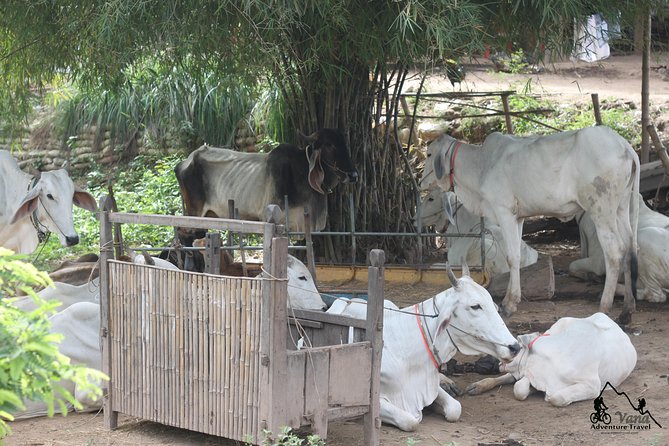
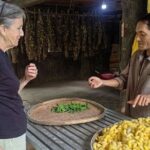
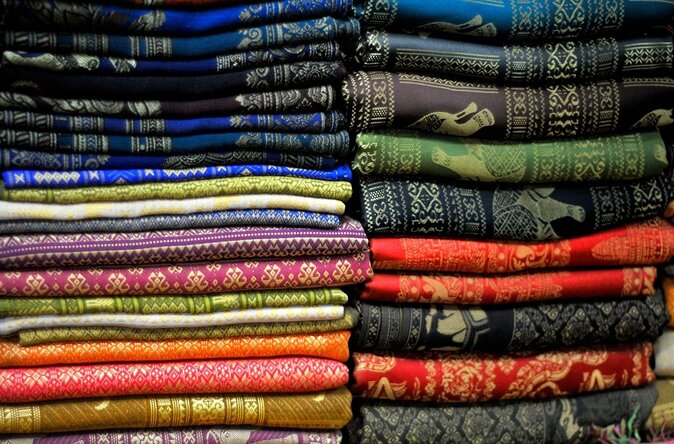
Once you reach Silk Island, the tour shifts from “rural scenery” into “rural work.” You’ll explore ginger and vegetable farms, then head to a silk weaving workshop where you learn how silk is produced and turned into woven pieces.
If you’ve only seen finished scarves and table runners, this is the part that changes your view. You’ll get to see the process and understand why silk production takes patience. In multiple guide-led experiences, people also mention hands-on moments like trying weaving. You don’t need to be artistic. The point is to understand the steps.
From a practical standpoint, this portion is also why the tour works for a range of interests:
- If you love crafts: silk weaving plus weaving-related stops.
- If you love food culture: ingredient production later in the day.
- If you like slower travel: the island walking feels calmer than city tours.
Silk Island walking pace
You explore at your own pace on the island, with a private guide supporting you. That makes it easier to ask questions without a loud group crowd driving the schedule.
Bean Curd / Tofu Skin Production: Why This Stop Matters for Food Lovers
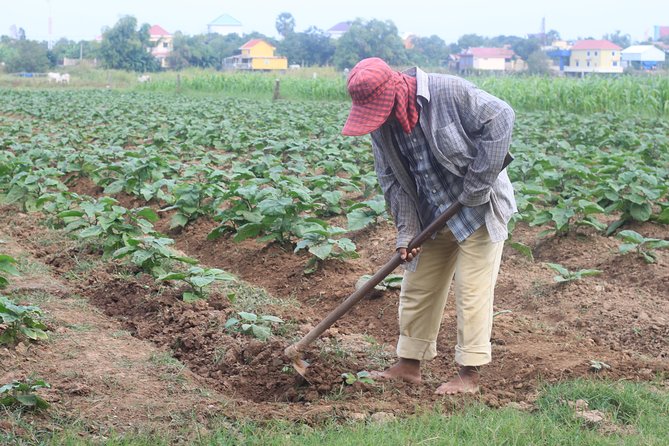
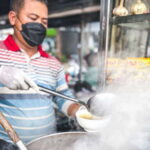
Another very specific highlight is the visit to a local business producing bean curd, which is tied to Cambodian dishes like soups and stir-fried noodles. In many places, this ingredient shows up only as a menu item. Here, you can see the process behind it.
This stop is one of the best value-added moments in the whole day because it connects directly to what you’ll taste later. When the guide links what grows, what gets processed, and what ends up in Khmer meals, you start recognizing the logic behind local flavors.
It’s also a rare kind of tour stop: not just “watch someone sell,” but watch someone produce a staple food component.
Buddha Monastery and Temple Stops: Quiet Spiritual Stops
You’ll visit a Buddhist monastery on Silk Island during the day. The tour also includes time near temples and a nun temple in some routes, with glowing mentions of a painted nun temple from guide-led experiences.
Even if you’re not religious, these stops add context. They show how spiritual life is tied to community rhythm, not just to tourist photography. They also give you shade breaks and a calmer pause between production and meal time.
A heads-up on dress
The tour has a formal dress code. That matters for temple behavior and basic respect. In hot Cambodia, formal can feel tricky—pack light layers and plan something that covers appropriately without cooking your shoulders.
The Khmer Meal by the River: Lunch or Dinner That Feels Local
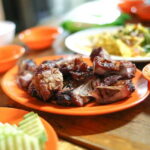
The tour includes lunch or dinner with the locals, plus tropical fruits. You’ll eat at a local Khmer restaurant, with vegetarian options available if you request them at booking.
One detail that stands out from guide-led experiences is the riverside atmosphere. People describe peaceful meal moments as the sun shifts and the scenery stays simple: water nearby, families eating, no big show.
What you should expect
- Meals are included in the price.
- Alcoholic drinks are not included, but you can purchase them on-site.
- If you’re sensitive to insects, remember: places near river and farmland can have them, especially when lights come on.
I’d treat this as part of the real setting, not a dealbreaker. Just go in with the right mindset: simple dining, local flavors, and the quiet of being away from city streets.
Price and Logistics: Is $45 Good Value?
At $45 per person for a 3–5 hour half-day, this tour is a decent value if you want more than a quick ride. You’re paying for:
- Hotel pickup and drop-off
- An English-speaking guide
- Ferry crossing fees and a contribution to villagers
- Tuk tuk transportation with an experienced driver
- Tropical fruits plus lunch or dinner
A big reason this feels fair is the structure. You’re not only paying for entry into a single attraction. You’re paying for time, transportation, and multiple cultural stops tied to rural life.
Not included
You’ll want to budget separately for:
- Alcoholic drinks
- Souvenir photos (available to purchase)
Who This Tuk Tuk Tour Suits Best
This is a strong fit if you want:
- A calm break from Phnom Penh traffic and noise
- Real countryside rhythm—farms, weaving, and village markets
- Craft and food connections (silk plus bean curd production)
- A small group size (maximum 12) so you can ask questions
It’s also a good choice for families, including teens, because the day is varied: ferry, walking, craft stops, and a relaxed meal. In multiple guide-led experiences, the tone is described as friendly and low-pressure, with no hard sell vibe.
Who might want something different
If you only want polished, museum-style sites, rural settings may feel too plain. And if insects bother you a lot, you’ll want to be mindful during evening dining near water.
Small Drawback to Keep in Mind: Rustic Comfort and the Heat Factor
Rural travel is not the same as hotel sightseeing. You may find areas that feel informal—family-run workshops rather than large commercial studios. That’s part of the point, but it’s worth knowing in advance.
Also, Cambodia heat and evenings near water can mean insects. The tour does provide drinking water, and you can usually manage this with basic habits: wear breathable clothes, keep skin covered where appropriate, and plan for the lighting conditions at dinner.
Should You Book Silk Island and Phnom Penh Countryside by Tuk Tuk?
I’d book it if you want a half-day that feels like Cambodia in motion: ferry crossing, market walking, island villages, silk work, bean-curd production, and a riverside Khmer meal. The best part is the combination—craft plus food plus countryside, all tied together by a guide who explains what you’re seeing.
Skip it if you’re chasing only big-name attractions, or if you need strict comfort standards that don’t work with rural dining and outdoor craft settings. This tour is authentic. That’s the trade.
If your goal is to leave Phnom Penh with more than photos—if you want stories you understand, from silk making to tofu skin/bean curd—you’ll likely find this one worth the $45.
FAQ
How long is the Silk Island tour?
It runs about 3 to 5 hours, depending on the schedule and how the day flows.
What does the $45 price include?
Hotel pickup and drop-off, a professional English-speaking guide, ferry crossing fees (plus a villager contribution), tuk tuk/romork transport, and tropical fruits plus lunch or dinner.
Is hotel pickup and drop-off included?
Yes. Transfers are included, and the vehicle is a tuk tuk or minivan depending on group size.
Do I get to ride a ferry?
Yes. The tour includes a ferry crossing over the Mekong River, and you’ll also take a scenic ferry ride back.
Are vegetarian meals available?
Vegetarian options are available. You should advise at booking so they can plan your meal.
How large is the group?
The tour has a maximum of 12 travelers.
Is the tour morning or early evening?
It can run in the morning or in the early evening.
Is alcohol included with lunch or dinner?
No. Alcoholic drinks are available to purchase, but they’re not included.
What are the dress expectations?
The dress code is formal.
Can I cancel and get a full refund?
Free cancellation is available up to 24 hours in advance for a full refund. If you cancel less than 24 hours before the start time, it isn’t refunded.