REVIEW · SIEM REAP
Personalised Angkor Wat Sunrise Tour by TukTuk
Book on Viator →Operated by Cambodia Overland Travel · Bookable on Viator
Early light over Angkor is addictive. What I like most is the 5:00 AM pickup that gets you to Angkor Wat before the day heats up, and the English-speaking guide who explains what you’re actually looking at instead of just naming temples. The one thing to plan for is cost: the $45 tour price doesn’t include the Angkor temple pass (about $37 per person), so your budget needs a little extra.
This is a private format with a tuk tuk, so you’re not stuck in a big bus crowd. You’ll spend roughly 6 to 7 hours moving through the big hits—Angkor Wat at first light, then Angkor Thom, Bayon, and Ta Prohm—ending with that iconic jungle-overgrown vibe.
In This Review
- Key highlights at a glance
- Sunrise starts with logistics: the 5:00 AM tuk tuk plan
- Angkor Wat at first light: what you get (and what you pay extra for)
- Angkor Thom: South Gate to the heart of the Khmer capital
- Bayon Temple’s faces: why the 40 minutes feels short
- Ta Prohm: roots, ruins, and that Tomb Raider energy
- The guide and driver: where value really shows
- Tuk tuk vs. bus mindset: why the small vehicle works at Angkor
- Price and value: $45 tour vs. the temple pass reality
- How long is enough? Managing a 6 to 7 hour morning
- Who this tour suits best in Siem Reap
- After the sunrise: how to keep the rest of your day painless
- Should you book this Angkor Wat sunrise tour?
- FAQ
- What time does the tour start?
- How long does the tour take?
- Is hotel pickup and drop-off included?
- What’s included in the tour price?
- Do I need to buy the Angkor temple pass?
- Are admission tickets included for the temples?
- Is this tour private?
- Do they provide a ticket on my phone?
- Is free cancellation available?
Key highlights at a glance
- Angkor Wat sunrise timing: arrive around 5:00 AM with real time to explore the main grounds
- Private group feel: only your group participates, with a tuk tuk setup that keeps things flexible
- English guide explanations: guides like Lao, Sen, Rain, and Li-On are mentioned often in shared experiences
- Water and small comforts: bottled water comes with the tour, and some guides/drivers also provide cold towels
- Big architecture in one run: Angkor Thom, Bayon’s faces, and Ta Prohm’s roots and carvings
Sunrise starts with logistics: the 5:00 AM tuk tuk plan
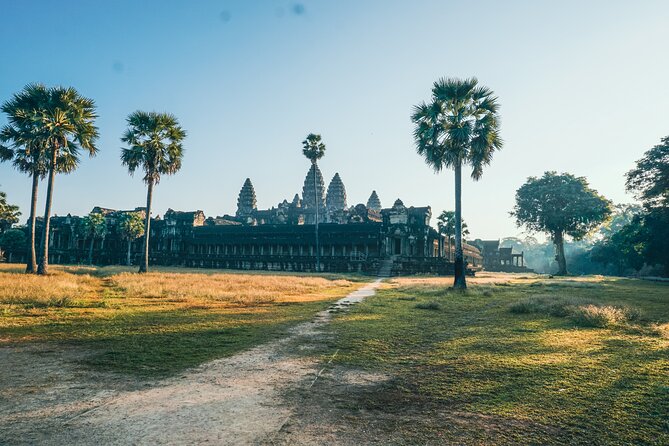
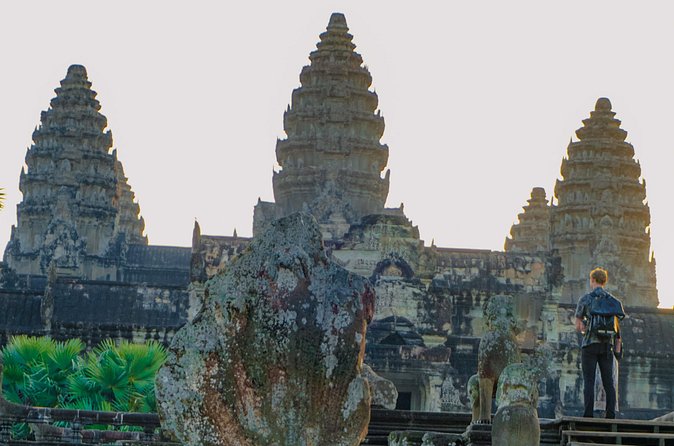
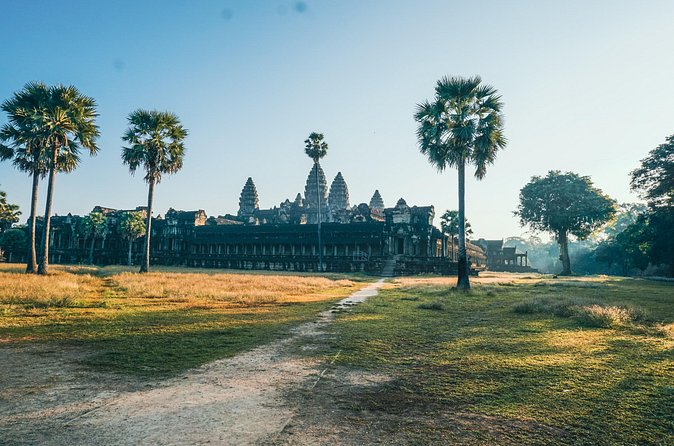
Angkor Wat at sunrise isn’t just a view. It’s a whole rhythm—dark sky fading, temple towers emerging, and then the crowds gradually arriving right after you’ve already gotten oriented. This tour’s timing matters because you’ll be moving in the sweet spot when the light is best and the heat hasn’t fully kicked in.
Pickup is included, and the meeting start is 5:00 AM. That early hotel collection is the difference between enjoying the morning and spending it hunting for the right entrance and walking in the dark.
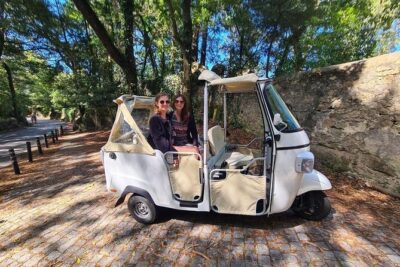
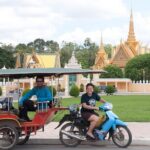
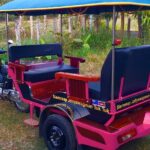
You’ll be traveling by tuk tuk, not a large vehicle. That sounds small, but it changes how the morning feels. You’re more likely to stop where it’s practical for photos, to shuffle timing when your group is slower/faster, and to keep everyone together without the same waiting-around problem you get with bigger group rides.
You can also read our reviews of more tours and experiences in Siem Reap.


Angkor Wat at first light: what you get (and what you pay extra for)
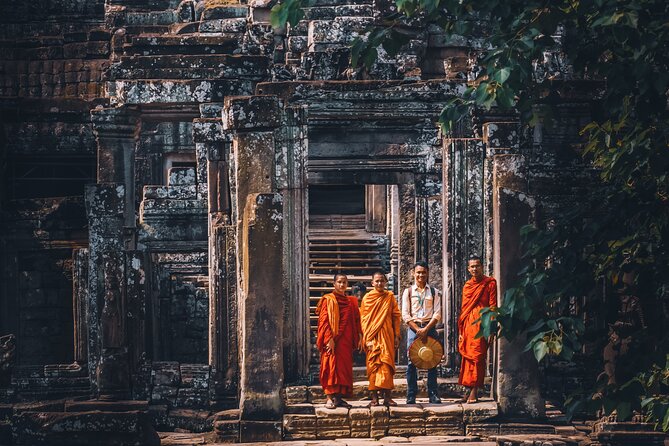
Your first stop is Angkor Wat, arriving around 5:00 AM, when the temple looks almost ghostly before the sun fully climbs. The tour gives you time on the main temple grounds—enough to walk around, find good viewpoints, and take pictures without feeling like you’re sprinting from one spot to the next.
Two practical notes, both important:
- The Angkor temple admission pass is not included in the tour price. The tour lists the temple passes as $37 per person.
- Each stop is handled around temple time and walking zones, so comfort and footwear matter more than you might expect.
If you’re the type who wants more than just photos, this is where a good guide pays off. In past experiences shared with the provider, English-speaking guides such as Lao, Sen, Rain, and Li-On have been praised for explaining what you’re seeing—like the symbolism behind carvings and the layout choices the Khmer builders made.
You’ll also want to bring your eyes. Angkor rewards attention: look at the stone textures, doorways, and how light hits the steps. Sunrise makes the surfaces feel different every few minutes.
Angkor Thom: South Gate to the heart of the Khmer capital
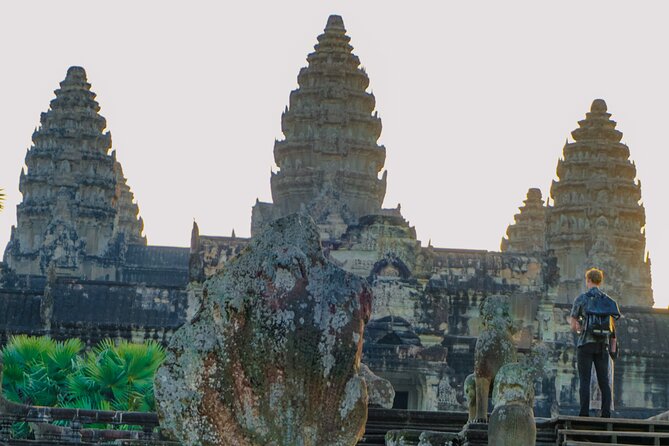
After Angkor Wat, you head to Angkor Thom, the walled city that served as the Khmer Empire’s capital in the 12th century. This part is all about scale. Even if you’ve seen Angkor photos before, seeing the city plan in person makes the whole place feel like a living blueprint, not just a postcard scene.
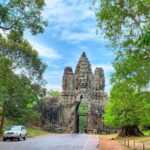
You’ll stop at the South Gate first. That gate isn’t just an entrance; it’s an introduction to the way Angkor Thom was designed and how visitors were guided into the city. A quick stop like this works well in the overall schedule because it gives you context before you jump into the next temple.
The time here is shorter—around 15 minutes—so if you love stopping to read every plaque, you may want extra time on your own after the guided portion. But for most people, it’s the right amount: enough to orient, not enough to lose your morning momentum.
Bayon Temple’s faces: why the 40 minutes feels short
Next up is Bayon Temple, the famous one with giant stone faces—often described as the Temple of a Hundred Faces. Whether you’ve seen it in books or on social media, the first time you stand near those faces you realize the photos don’t show how much they dominate the space.
Bayon is also a temple where a guide’s explanations help you make sense of the details. The faces are repeated from different angles, and the temple’s design makes you rotate your perspective naturally as you walk. That’s why the guided time tends to feel productive: you’re not just wandering, you’re getting pointers on what to notice.
You’ll have about 40 minutes at Bayon. For many people, it’s enough to see the main structures, understand the symbolism, and get photos without burning out. If you’re a slower photographer or you want to sketch, plan to spend a bit more time on your own later.
Ta Prohm: roots, ruins, and that Tomb Raider energy
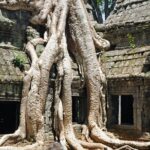
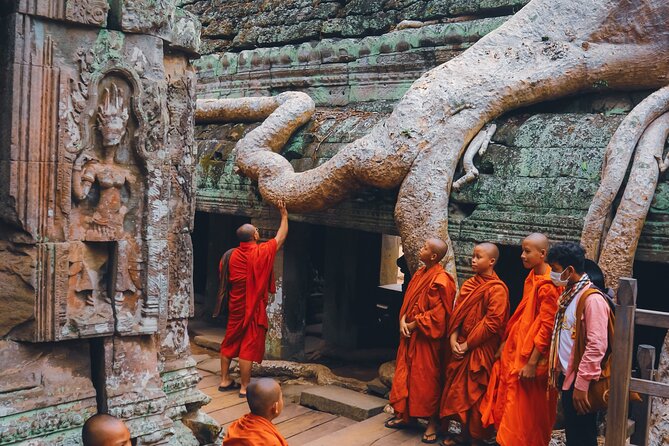
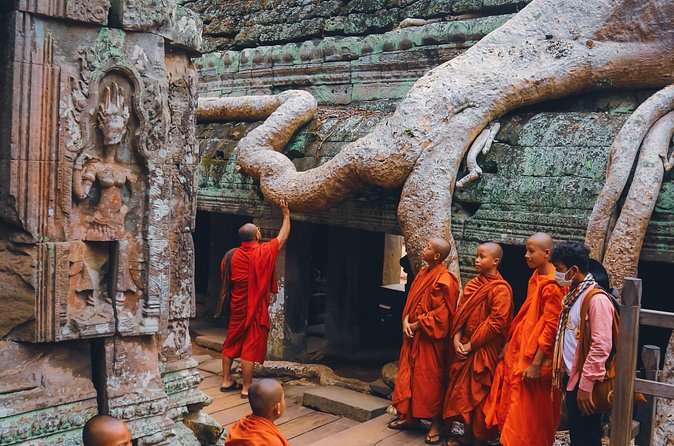
Then you’ll reach Ta Prohm, the temple people connect with its overgrown vegetation and weathered stonework. It’s famous for its carved figures and for the sense that nature is reclaiming the site, with trees growing through and around the architecture.
This stop lasts about 1 hour. That’s a good chunk because Ta Prohm isn’t one viewpoint—it’s a series of moments. You’ll want to look up at the way roots hold shape, then look down at worn carvings, then turn around to catch another composition.
A lot of the appeal here is visual mood. Even if you’re not into movies, people often associate Ta Prohm with that screen-style ruin atmosphere. The honest way to think about it is this: it’s not a theme park. It’s a real temple with real wear, and the mix of stone and plant growth gives it a strong sense of mystery without needing dramatic storytelling.

The guide and driver: where value really shows
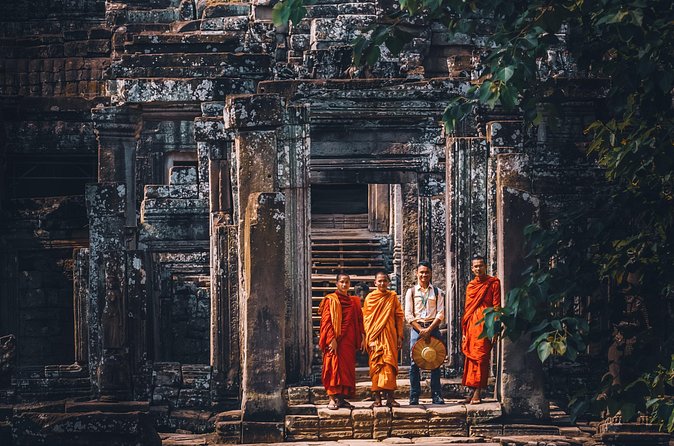
Here’s where this tour often wins for people: the English guide isn’t just reciting temple names. The experiences linked to this provider commonly mention guides like Lao, Sen, Rain, and Li-On for being sharp on Khmer temple explanations and for helping with photo timing.
Guides also bring a human touch. Some experiences highlight guides who are funny, others stress that they’re professional and careful with explanations. A good guide helps you do two things fast:
1) get oriented in a huge site, so you don’t feel lost
2) know what to look for, so your photos and memories mean more than location names
Your driver also matters in early mornings. Cold water and towels came up in shared experiences, and a driver who stays on schedule reduces the stress that comes with sunrise tours.
And because this is private for your group, you get more direct attention than you would in a crowd. You can ask questions when something catches your eye instead of waiting for a guide to finish the script.
Tuk tuk vs. bus mindset: why the small vehicle works at Angkor
Angkor is big, and timing is everything. A tuk tuk helps because it’s built for short hops and flexible movement through the area. It’s also easier to manage group pacing—if your group is a bit more photo-focused, the driver can often adapt within reason.
I like this setup early in the day because it keeps the experience from turning into a long transport shuffle. You’re spending your limited morning time on temples, not transit.
You should still expect walking. Angkor Wat, Bayon, and Ta Prohm are not short stop-and-stare points. You’ll be on your feet, moving between viewpoints and temple sections. If you know you get tired quickly, it’s worth bringing water (it’s included) and planning your breaks.
Price and value: $45 tour vs. the temple pass reality
The tour price is $45 per person, and it covers key essentials:
- English-speaking tour guide
- tuk tuk tour
- bottled water
- hotel pickup and drop-off
What it does not cover is the Angkor Temple Pass (listed as $37 per person). So a realistic budgeting mindset is:
- $45 tour + about $37 temple pass
- then add meals and drinks you’ll buy on your own
That still compares well to “sunrise + multiple major temples” formats because the value isn’t just admission—it’s the early start, guide interpretation, and transportation that gets you organized before the crowds. You’re also paying for convenience. Hotel pickup removes a lot of friction from a 5:00 AM start.
One more practical angle: this is described as a private tour, only your group participates. That tends to reduce the frustration of waiting, losing time, or trying to keep pace with someone who treats Bayon like a rest stop.
How long is enough? Managing a 6 to 7 hour morning
The tour runs about 6 to 7 hours. That’s long enough to feel like you’ve done the essentials without turning your whole day into temples.
A good way to think about the schedule is: each site gets targeted attention.
- Angkor Wat is your sunrise anchor, with time to explore the main grounds
- Angkor Thom gives quick city context
- Bayon delivers one of the most recognizable temple experiences
- Ta Prohm closes with the most atmospheric, photo-friendly ruin/roots stop
If you love temples and you hate rushing, you might wish for more time at Bayon or Ta Prohm. But if you want a smart overview and you plan to return later for deeper exploration, this duration is well matched to first-time Angkor planning.
Who this tour suits best in Siem Reap
This works especially well for:
- Solo travelers who want the guidance and structure without a big-group feel
- couples who want an efficient sunrise plan and a calmer ride
- groups of friends who want private pacing and direct guide attention
It’s also a strong option if you’re short on time in Siem Reap and you want Angkor’s headline temples in one morning block.
If you’re the type who loves reading every inscription and you can spend hours in one courtyard, you might find some stops a little timed. For you, consider this as the orientation tour, then add extra temple time afterward on a separate day.
After the sunrise: how to keep the rest of your day painless
Once you finish Ta Prohm, you’ll likely be ready for food, shade, and a break. The morning format can be tiring even when you’re excited—sunrise means early wake-ups, and walking means your legs notice it.
If you want to make the day feel smooth, plan a slower second half. Avoid scheduling something that requires too much back-and-forth transit right after the tour. The hotel drop-off helps, but you’ll still want time to recharge.
Also, remember your temple pass situation. Since the pass isn’t included, make sure you handle it so you’re not stuck at the entrance. A mobile ticket is mentioned as part of the experience setup, which can reduce waiting if you come prepared.
Should you book this Angkor Wat sunrise tour?
If you want a first-time Angkor morning that feels organized, you should strongly consider booking. The biggest reasons are the early pickup that gets you to Angkor Wat around 5:00 AM and the English guide experience that helps you see more than shapes and stone.
The main reason to hesitate is money planning. With the temple pass (about $37 per person) added on top of the $45 tour, your all-in cost is higher than the headline price. Still, for what you get—sunrise timing, tuk tuk transport, and multiple major temples—it’s usually a solid use of time in Siem Reap.
FAQ
What time does the tour start?
The tour starts at 5:00 AM, with pickup arranged from your hotel.
How long does the tour take?
It runs about 6 to 7 hours.
Is hotel pickup and drop-off included?
Yes. Hotel pick up and drop off are included.
What’s included in the tour price?
The tour includes an English speaking tour guide, a tuk tuk ride, bottled water, and hotel pickup and drop off.
Do I need to buy the Angkor temple pass?
Yes. The Angkor Temple Passes are not included, listed at $37 per person.
Are admission tickets included for the temples?
No. Temple admissions are listed as not included for the stops.
Is this tour private?
Yes. It’s a private tour/activity, so only your group participates.
Do they provide a ticket on my phone?
A mobile ticket is mentioned as part of the experience.
Is free cancellation available?
Yes. Free cancellation is offered up to 24 hours before the experience start time for a full refund.