REVIEW · MUNSTER
Münster-Highlights-Tour with Rickshaw-Guide
Book on GetYourGuide →Operated by Leezen Heroes · Bookable on GetYourGuide
Münster turns into a movie when you ride by rickshaw. This tour is built for short attention spans and big sights: you glide past the old city walls feel, hear funny local dönekes, and get to the Aasee for sculpture views without doing a long walking slog.
I particularly like the human touch. Guides such as Toby, Barbara, and Stefan use humor plus context, so famous buildings land in your head faster than with a standard “here’s the plaque” stop.
The one thing to plan for: entry to attractions isn’t included. That means you’ll mostly appreciate major sights from outside, and you may need extra time or tickets if you want interiors.
In This Review
- Key highlights at a glance
- Why Münster looks better from a rickshaw
- The route starts at Old City Hall and finds your bearings fast
- Prinzipalmarkt: the classic center you can actually use
- Schloss Münster: where the city’s power becomes visible
- The guide’s dönekes: the fastest way to remember landmarks
- Aasee sculpture shore: a calm break with great visual payoff
- Erbdrostenhof baroque architecture: details you can spot quickly
- Zwinger: seeing the city walls as a system
- Münster Cathedral outside: admire first, decide later
- What the 30–90 minutes really means for planning
- Transportation included: comfort is part of the value
- Price and value: why $40 can be a good deal
- What you’ll get (and what you won’t) at each key stop
- Who this tour suits best
- Practical tips so the ride stays pleasant
- Should you book Münster Highlights by rickshaw?
- FAQ
- How long is the Münster highlights rickshaw tour?
- Where does the tour start and end?
- What’s included in the price?
- Are attraction tickets included?
- What languages are available for the guide?
- What should I bring?
- What’s the cancellation and payment flexibility?
Key highlights at a glance
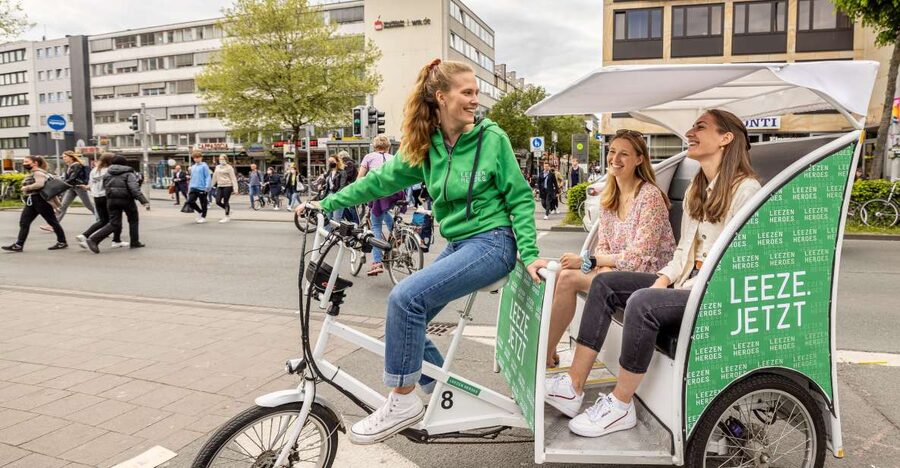
- Rickshaw pace that keeps the tour comfortable and easy to follow
- Dönekes (little stories) that connect what you see to how Münster thinks
- Aasee sculpture shore stops that turn a lake walk into photo-worthy history
- Baroque Erbdrostenhof views that don’t require you to stand in ticket lines
- Zwinger wall segment moments that help you understand the city’s defenses
Why Münster looks better from a rickshaw
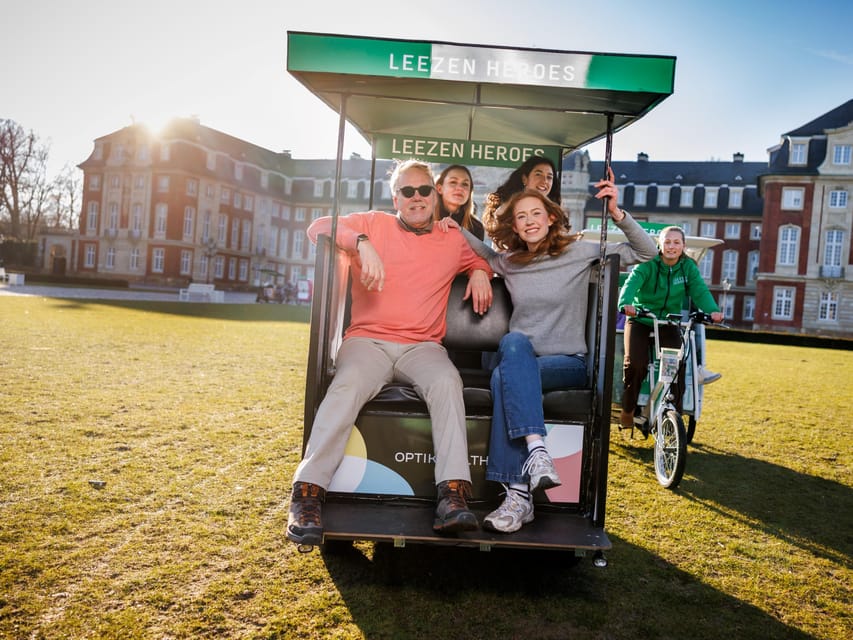
Münster’s highlights can feel spread out, especially if you arrive cold, tired, or on a tight schedule. A rickshaw solves the “where do I even start?” problem because it gives you a guided route with constant visual payoff.
You also get a different angle on the city. Passing the old walls by road, rather than trying to hunt down viewpoints on foot, helps you see the city as one connected place, not a list of landmarks.
The route starts at Old City Hall and finds your bearings fast
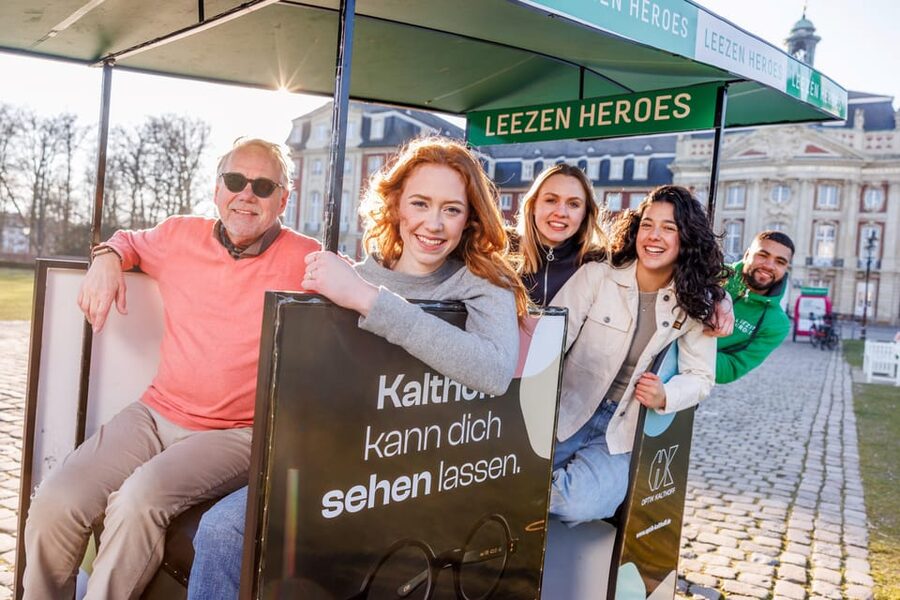
The tour begins at the Old City Hall area, then heads toward the Prinzipalmarkt. That’s a smart opening because it puts you in the heart of Münster quickly, so you can orient yourself before the route widens.
From Prinzipalmarkt, the tour’s motion matters. Instead of lingering too long in one spot, you get to watch the city change character as you travel—medieval edges giving way to more grand civic and court architecture.
If you like city highlights that make sense in sequence, this approach works. You’re building a mental map while you go, not after.
Prinzipalmarkt: the classic center you can actually use
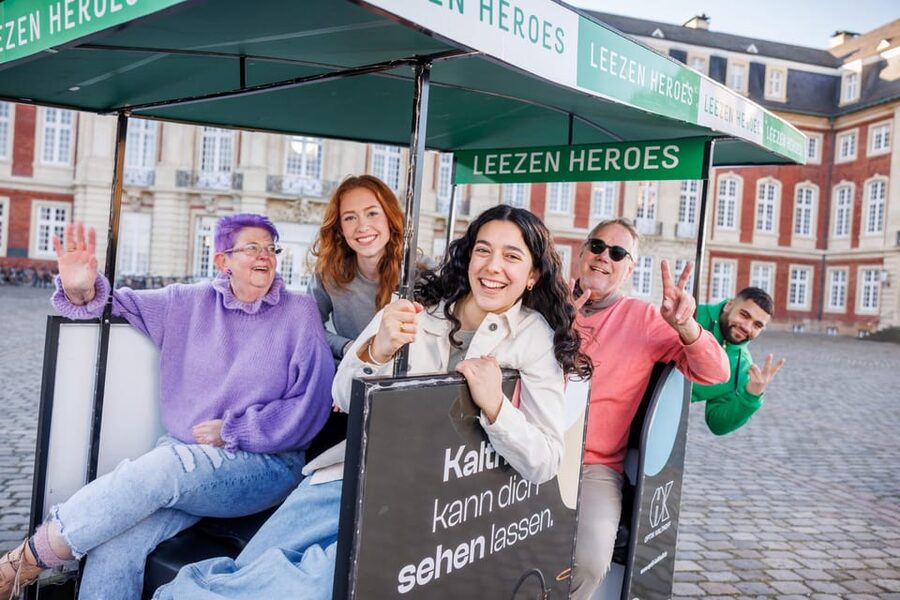
I like Prinzipalmarkt because it’s both iconic and practical. You’re in the central zone where Münster’s public life makes sense: a place for markets, meetups, and the kinds of buildings that shaped daily rhythms.
Even if you don’t go inside anywhere, the exterior experience helps. With a guide pointing out what to notice, you start seeing proportions, styles, and street patterns as clues—not just scenery.
And because the ride keeps moving, you don’t get stuck in the “I’m hungry and nothing is happening” zone that can happen on slow sightseeing plans.
Schloss Münster: where the city’s power becomes visible
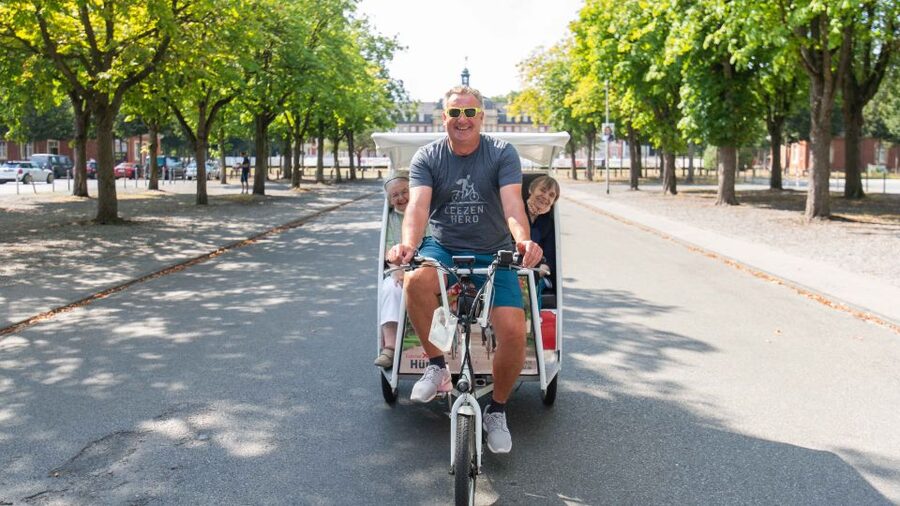
Next up is Schloss Münster, and this stop is about scale and storytelling. Your guide ties the site to the way the city developed, so you’re not just looking at a building—you’re understanding why it belongs in the highlight set.
A castle or palace stop can be hit-or-miss on guided tours. Here, the value is the context plus the fact you can see it without turning your day into a checklist of ticketed entries.
This is also one of those stops where your timing pays off. You’re not racing to fit it in; you’re arriving as the story is already building.
The guide’s dönekes: the fastest way to remember landmarks
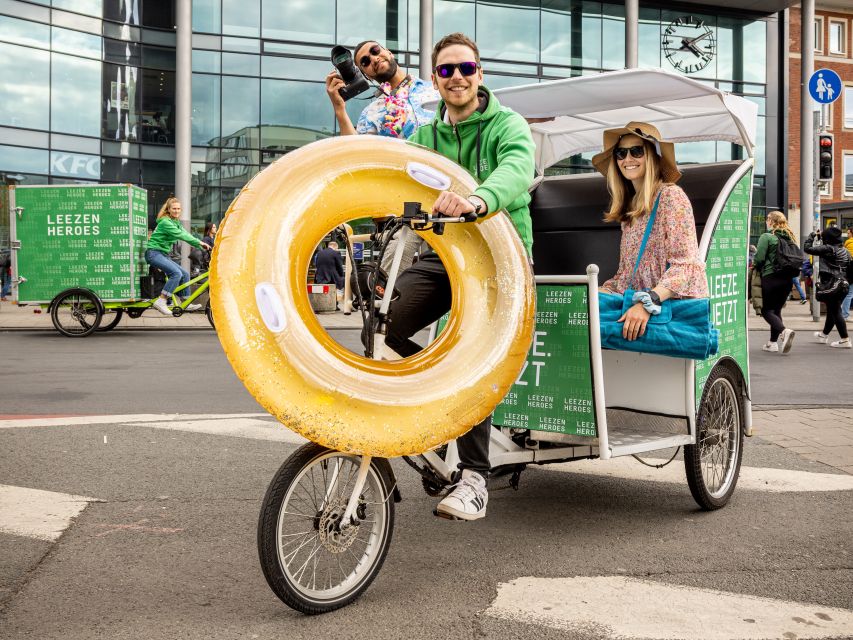
The tour’s secret sauce is the dönekes—short, funny little stories that your guide drops as you drive past sights. They’re the kind of details that make places stick, because they connect what you’re seeing to something human and specific.
Guides named in recent experiences include Toby, Barbara, and Stefan. What stands out in their styles is not just humor—it’s the mix of humor with background. That combination keeps you entertained while your brain quietly files away the important bits.
If you’re someone who finds facts dry, this is the way to get them. You’ll still learn, but in a way that feels light and natural.
Aasee sculpture shore: a calm break with great visual payoff
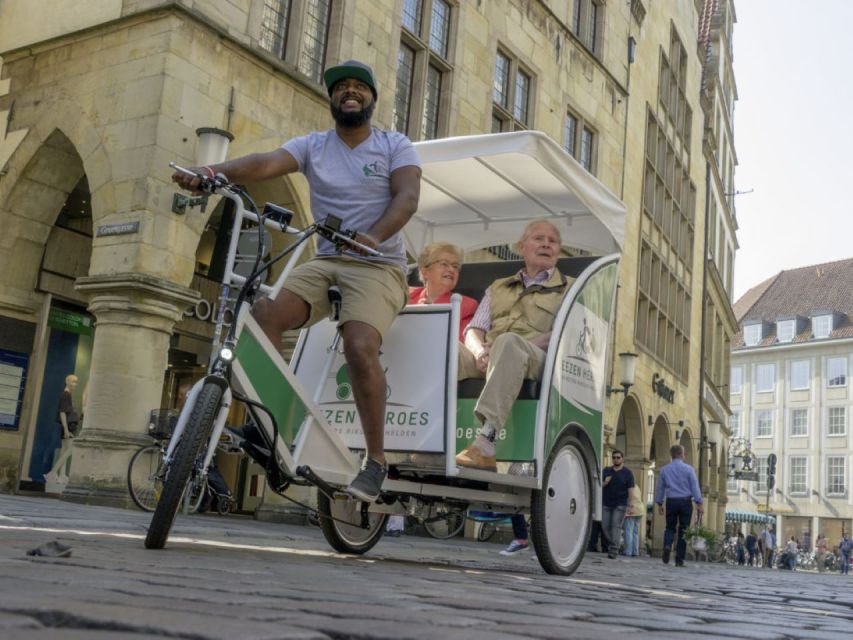
Then you reach the Aasee, and this is where the tour widens your sense of Münster. The lake shore is known for sculptures, and stopping here turns a sightseeing loop into something more relaxed—like a little outdoor gallery with a breeze.
I like that the stop is about observation. You’re not rushing from one major monument to another; you’re looking at art placed around water, where reflections and open space make photos easier.
This is also a good moment if you’ve been traveling all day. The Aasee provides a mental reset without derailing the tour’s overall pace.
Erbdrostenhof baroque architecture: details you can spot quickly
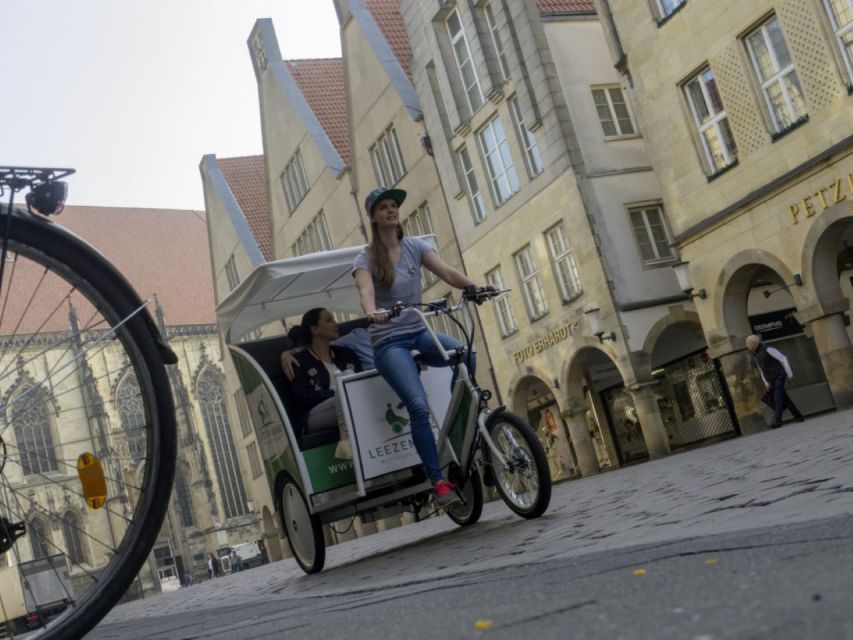
The Erbdrostenhof building brings baroque architecture into the mix, and that matters because it shows Münster isn’t trapped in medieval vibes. Baroque design tends to reward quick attention: forms, rhythm, and decorative style are easier to notice when your guide cues what to look for.
From a practical standpoint, this stop works well because you can appreciate the look of the building even if entry isn’t included. You’re not losing the core value if you don’t plan to go inside.
If you’re traveling with someone who thinks baroque means boring columns and complicated terms, a good guide changes that. You’ll get a straightforward explanation plus time to look.
Zwinger: seeing the city walls as a system
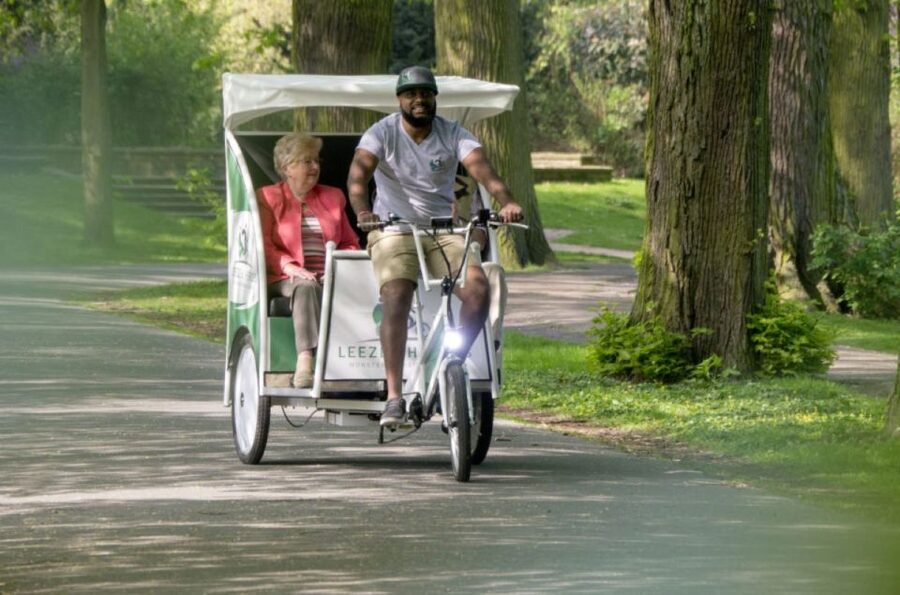
One of the most “Münster-specific” parts of this tour is the Zwinger segment. It’s part of the ancient city walls, and that’s a key distinction—this isn’t just a wall as a backdrop. You get a sense of how the city protected itself and how walls shaped movement.
Walls can feel like dead stone if you don’t have context. With your guide explaining what you’re seeing, the Zwinger stops being random historic texture and becomes a readable city feature.
This is also where the rickshaw helps again. You can move along the relevant stretches without turning your day into an all-day wall hunt.
Münster Cathedral outside: admire first, decide later
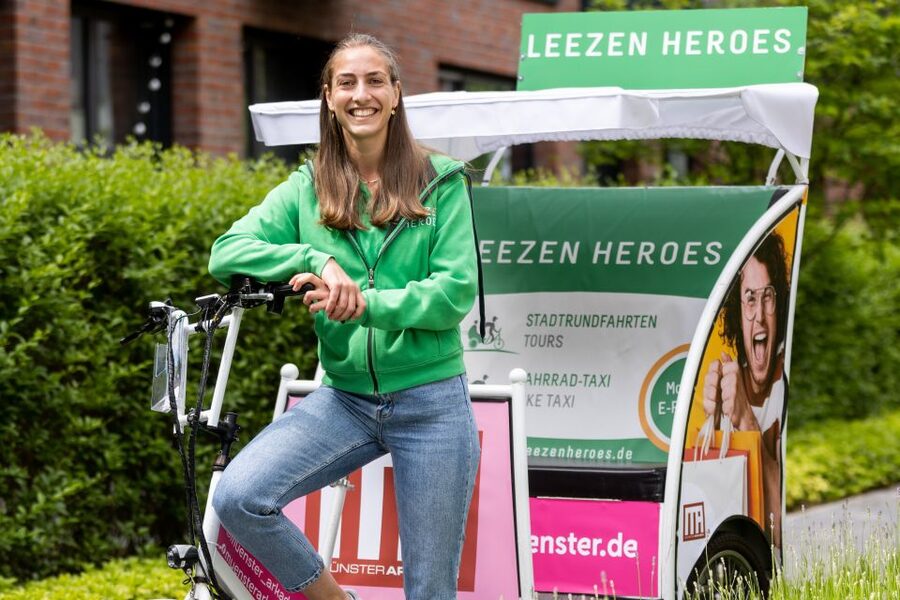
You finish with a stop outside the Münster Cathedral. That ending is practical because it leaves you with a major landmark you can decide how to experience next—linger, take photos, or return later for an interior visit if you want.
Cathedrals work differently from castles and palaces. They’re symbols as much as buildings, and outside viewing gives you the big-picture feel: the scale, setting, and the way the cathedral anchors the city’s visual center.
Because entry isn’t included, think of this as a “taste and orientation” finale. If interiors are important to you, I’d plan separate time after the tour.
What the 30–90 minutes really means for planning
The duration is listed as 30 to 90 minutes. That range is your biggest planning variable, so I treat it as a “light tour” in terms of schedule impact. It should fit well into a morning or early afternoon, especially if you’re stacking other activities.
This is also why you’ll feel it in the comfort level. A short ride with multiple stops means you’re getting more highlights without spending your whole day walking and re-navigating streets.
If you’re on a tight timetable—train later, dinner reservation, or kids who need a reset—this kind of compact highlights tour is a smart tool.
Transportation included: comfort is part of the value
Transportation is included, and that’s more important than it sounds. Münster’s center can be easy to navigate on foot, but a rickshaw reduces the mental load: fewer route decisions, less “where are we now?” stress.
One small detail I really like from recent experiences: on colder days, guides have offered a blanket and a warm water bottle. That can make a short tour feel genuinely cozy instead of “cute but freezing.”
Even if you’re not freezing, it’s a good reminder to come weather-ready. A simple jacket can turn a comfortable ride into a pleasant memory.
Price and value: why $40 can be a good deal
At about $40 per person, you’re paying for two things: guiding and transportation. Both are included, so you’re not paying extra each time you want someone to steer the story.
This tour is also value-focused because it hits several high-recognition sights in a short time: Schloss Münster, Aasee sculpture areas, Erbdrostenhof, Zwinger, and a cathedral finish. When you add up the opportunity cost of time—especially if you’re only in Münster for a day—this becomes easier to justify.
The only “value caution” is the entrance point. Since entry to attractions isn’t included, the fee is best seen as paying for a guided route and sightseeing access, not for a full museum or cathedral interior experience.
If you want interiors included, treat this as the perfect warm-up. If you’re happy with exteriors and context, it’s a strong stand-alone highlights tour.
What you’ll get (and what you won’t) at each key stop
Here’s how I’d mentally budget the experience:
- Old City Hall → Prinzipalmarkt: getting oriented fast, with center-stage sights you’ll recognize later.
- Schloss Münster: scale plus historical context, without needing you to buy a bunch of tickets.
- Aasee sculpture shore: visual variety and calmer pacing, good for photos and a breather.
- Erbdrostenhof: baroque style cues you can actually spot during short viewing moments.
- Zwinger city walls: a built-in explanation so the walls mean something.
- Outside Münster Cathedral: a strong finish that sets you up for optional deeper visits.
That’s a nice balance: you get both “big-name Münster” and a couple of details people often skip when they rush.
Who this tour suits best
This works especially well if you want a guided overview without spending hours planning. It’s great for first-time visitors, couples, and anyone who likes humor in the learning mix.
It’s also a good choice if you have limited time and want the feel of medieval Münster plus a modern-lake pause. The Aasee stop is a nice contrast to stone architecture.
If you’re the type who needs to go inside every major building to call it a day, you might find the lack of included entry frustrating. In that case, I’d still consider it as a pre-booked route to build context, then add your own ticketed visits afterward.
Practical tips so the ride stays pleasant
You don’t need to overthink it, but these small choices help:
- Wear weather-appropriate clothing. Cold, wind, and drizzle can turn a short outdoor segment into a complaint session.
- Bring a sense of flexibility with viewing. Some of the best moments here are quick exterior looks plus the guide’s explanation.
- If you’re sensitive to cold, ask about warmth options. Recent experiences include blankets and a warm bottle, which is a thoughtful touch.
Finally, lean into the guide’s humor. The dönekes are meant to be listened to, not tolerated.
Should you book Münster Highlights by rickshaw?
Yes—if your goal is a fast, guided, high-payoff introduction to Münster. The mix of medieval walls, Schloss Münster, the Aasee sculpture shore, baroque Erbdrostenhof views, and a cathedral finish is a strong combination for the time you invest.
Skip or adjust expectations if you’re primarily chasing indoor museum time. This is about moving through highlights and understanding them, not about guaranteed entry to every attraction.
If you want an easy day with a local voice, plus the kind of stories that make landmarks stick, this is a solid booking.
FAQ
How long is the Münster highlights rickshaw tour?
It lasts between 30 and 90 minutes. Starting times depend on availability.
Where does the tour start and end?
The meeting point can vary depending on the option booked. The tour begins at the Old City Hall area and includes stops such as Prinzipalmarkt, then finishes with a stop outside Münster Cathedral.
What’s included in the price?
The price includes a guide and transportation by rickshaw.
Are attraction tickets included?
No. Entry to attractions is not included.
What languages are available for the guide?
The live guide offers German and English.
What should I bring?
Bring weather-appropriate clothing, since you’ll spend time outdoors during the stops.
What’s the cancellation and payment flexibility?
Free cancellation is available up to 24 hours in advance for a full refund. You can also reserve now and pay later to keep plans flexible.