REVIEW · LISBON
Lisbon: Old Town Tour by Tuk Tuk
Book on Viator →Operated by Lisbon’s historical oldtown tour by Tuk Tuk · Bookable on Viator
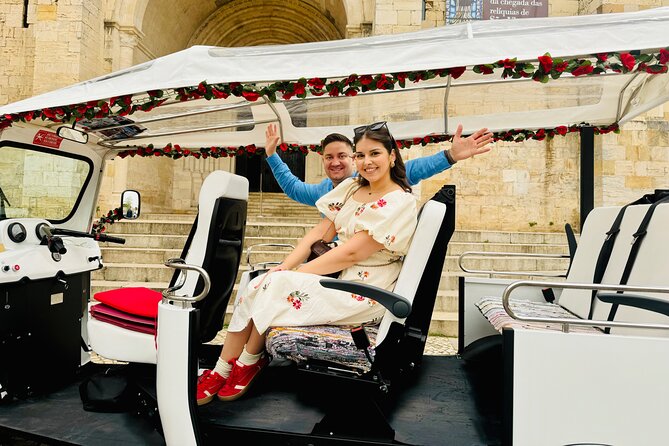
Lisbon’s hills feel smaller in a tuk-tuk. This 1.5-hour Old Town ride is built for speed and great sightlines, taking you into corners of Lisbon cars can’t reach. I especially like how the route mixes classic landmarks with short, easy breaks for photos and views—so you don’t waste time hunting streets on your own.
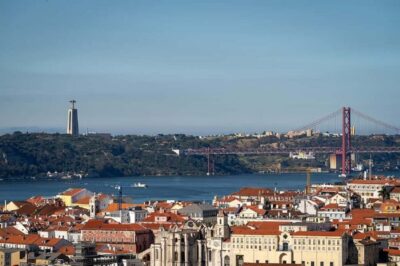
I love the viewpoint strategy here: you hit several miradouros in a row, including Alfama’s best angles over the river and the tiled scenes people come to Lisbon for. I also like that the stops stay tight and practical, with brief moments at places like Lisbon Cathedral and major churches so you can see a lot without feeling stuck in a line all morning.
One heads-up: the ride is part sightseeing, part street reality. Some Portuguese lanes are cobblestoned and a bit rough, so expect some jostling, especially if it’s crowded or if the driver hits uneven sections quickly.
In This Review
- Key highlights worth planning for
- Price and logistics: what you really get for about $37
- How the tuk-tuk route works in Lisbon’s tightest neighborhoods
- Stop 1: Lisbon Cathedral and why it survived the worst
- Alfama viewpoint run: Santa Luzia, Portas do Sol, and Senhora do Monte
- Miradouro de Santa Luzia: Alfama and river views with tile details
- Miradouro das Portas do Sol: one of the best city viewpoints
- Miradouro da Senhora do Monte: a 180-degree panorama
- Church stop: São Vicente de Fora’s monastery setting
- Santa Engracia (Panteão Nacional): architecture first, details second
- Alfama on foot: narrow streets, fado culture, and street art
- The oldest public fountain: a 13th-century water moment
- Praça do Comércio: the big harbor square and Tagus views
- The evening-lively street stretch (and how to time it)
- Guides matter: the names behind the smoothest parts
- Pacing and value: how to make 90 minutes feel like more
- Who should book this tuk-tuk Old Town tour?
- Should you book this Lisbon Old Town Tour by Tuk Tuk?
- FAQ
- How long is the Lisbon Old Town Tour by Tuk Tuk?
- How much does the tour cost?
- Where does the tour start?
- Does the tour offer tickets on a phone?
- What languages is the tour offered in?
- Is this a private tour?
- Are service animals allowed?
- Are there entry fees at the stops?
- Can I cancel for a full refund?
- What kind of travelers can join?
Key highlights worth planning for

- A fast Old Town sweep in about 90 minutes, with short photo breaks
- Three standout Alfama viewpoints, including a 180-degree panorama at Senhora do Monte
- Church-and-monument stops with quick interior/photo moments (Cathedral, São Vicente de Fora, Santa Engracia)
- Time on foot inside Alfama’s tight lanes, where fado culture and street art show up fast
- A classic riverside finish at Praça do Comércio with Tagus views
- Handy meeting point at Time Out Market, near public transit and easy to find
Price and logistics: what you really get for about $37

At about $37.57 per person for roughly 1 hour 30 minutes, this tour is priced for one thing: letting you cover a lot of Lisbon’s center without doing a full walking day. That matters because Lisbon’s “best” areas are often spread across hills and narrow streets. A tuk-tuk cuts the travel friction and keeps the outing focused.
It’s also private for your group, which is a big quality-of-life upgrade in Lisbon’s Old Town. Fewer voices on the radio, fewer people crowding a viewpoint next to you, and it’s easier for your guide to set the pace.
One more practical note: the tour is listed as English and uses a mobile ticket, so you’re not juggling paper. And since the meeting point is at Time Out Market (more on that next), it’s straightforward to plug into the rest of your day.
If you’re thinking about timing, note that it’s often booked about 12 days in advance on average. That’s usually a sign the schedule fills, especially for morning starts when the streets are calmer.
You can also read our reviews of more tours and experiences in Lisbon.



How the tuk-tuk route works in Lisbon’s tightest neighborhoods

This tour starts and ends back at Time Out Market (Mercado da Ribeira), Av. 24 de Julho. It’s a smart pick because it’s a major hub, so you can arrive by foot, metro, tram, or bus. It also makes the end of the tour easy: you’re not stranded across town after you’re tired of hills.
On the road, the big benefit of a tuk-tuk is access. You get to narrow lanes and hilltop viewpoints that aren’t practical by car. That’s why the itinerary can stack multiple miradouros close together. You’re not spending half the outing relocating.
The trade-off is the street feel. One review callout was to be prepared for jostling because cobblestones aren’t smooth. I’d take that as normal Lisbon texture, not a dealbreaker—just sit steady and be ready for a few bumps.
Stop 1: Lisbon Cathedral and why it survived the worst

Your first major stop is Lisbon Cathedral, a mix of Roman and Gothic architecture. The standout idea here is endurance: the church is described as one of the few buildings that survived Lisbon’s major earthquakes. That’s a big deal in a city where older structures are often scarred by the past.
You get a short window to go inside for a few minutes. That timing is intentional—enough to register the interior and architecture, not so long that the day drags before you reach the views.
If you want a quick strategy: look up and take a slow scan of the space before you rush to photos. Cathedrals are one of those places where the details can fade fast if you treat it like a checklist.
Alfama viewpoint run: Santa Luzia, Portas do Sol, and Senhora do Monte
After the cathedral, the tour pivots to what Lisbon does best: views. And it doesn’t just do one viewpoint—it strings together multiple angles over Alfama and the river.
Miradouro de Santa Luzia: Alfama and river views with tile details
At Miradouro de Santa Luzia, the focus is the sweeping look over Alfama and the Tagus river. The stop also highlights great tile artwork, which is one of Lisbon’s visual signatures. You’ll get a brief time to take photos and soak in the angle without feeling stuck.






Miradouro das Portas do Sol: one of the best city viewpoints
Next is Miradouro das Portas do Sol, described as one of the best viewpoints in the entire city. This is another quick stop, built for maximum payoff: you arrive, grab your pictures, and get back in motion.
Pro tip: if you care about photos, this is where you slow down for a minute. The views change depending on where you stand, and it’s worth walking 10–20 steps to find a clearer framing.
Miradouro da Senhora do Monte: a 180-degree panorama
Then comes the big one: Miradouro da Senhora do Monte at Lisbon’s height point. Expect a 180-degree panoramic view. The guide also explains what you’re looking at from a historical perspective, which is useful because Lisbon’s skyline can feel random if nobody puts it into context.
The tour notes mention group picture time at this viewpoint. That’s not just a tourist gimmick—it’s a practical way to capture the tour without everyone scrambling around at the same time. If the group photo isn’t your thing, you can still take your own shots while the driver handles the timing.
Church stop: São Vicente de Fora’s monastery setting

After the viewpoints, you shift back to architecture and older Lisbon religious life.
At Igreja de São Vicente de Fora, you’ll see a church with a monastery feel, and it’s described as the largest church in the city. The key clue is that it was built outside the city wall, which is exactly why the name includes do fora. That detail helps you understand why this church sits where it does in the city fabric.
You get a quick chance to go inside for a short visit and take pictures when you can.
If you’re the type who likes to learn by looking, this is a good stop. The building’s setting explains the older urban layout faster than a map ever will.
Santa Engracia (Panteão Nacional): architecture first, details second
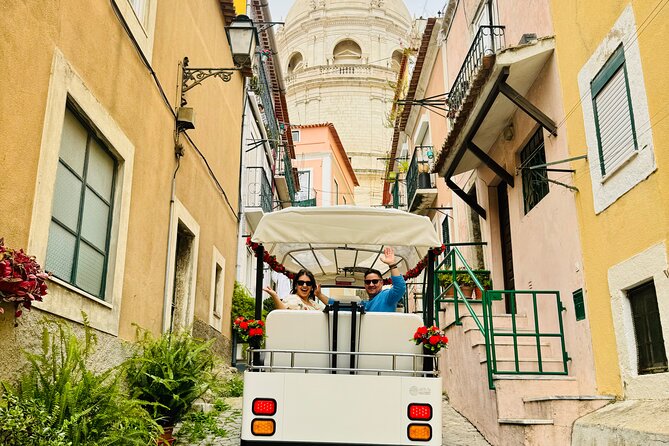
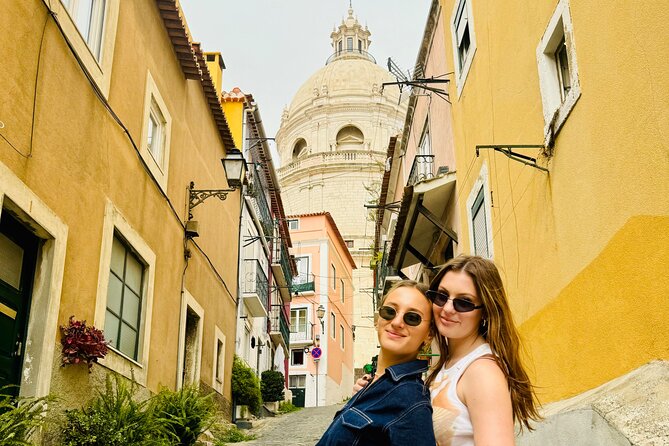
One stop you’ll want to note is Igreja de Santa Engracia, also known as the Panteão Nacional. It’s framed as a must-see for architecture and history buffs.
The tour describes it as originally built as a church in the 17th century, later converted into a national pantheon in the 20th century. It’s also called out as the final resting place of some of Portugal’s famous figures.
For your visit here, the emphasis is on taking photos of the architecture. Even with limited time, the main goal is to get a clear sense of the structure and the transformation story—religious space to national memorial.
Alfama on foot: narrow streets, fado culture, and street art

After churches and viewpoints, you move into the part of Lisbon that feels most like Lisbon.
You’ll spend time to discover the narrow streets of Alfama, where the description explicitly points to fado music and the general atmosphere of heritage. Alfama is one of those neighborhoods where the “vibe” isn’t a marketing trick. It shows up in the street layout, the buildings, and the small signs of music and daily life.
The tour also flags traditional Portuguese cuisine and street art as part of what you’ll notice while you wander. Even if you don’t stop for a full meal, it’s a good reality-check on what Lisbon culture looks like outside the main squares.
This is also where a guide’s timing helps. Your group gets time to walk without turning the tour into a long detour, and you can still return to the tuk-tuk before you lose the energy.
The oldest public fountain: a 13th-century water moment
Another Alfama-related stop is a special one: the oldest city spring and the first public fountain in Lisbon. It’s described as built in the 13th century, using waters from the Alfama slope.
This isn’t just a pretty stop. Water sources shaped where people lived and how neighborhoods functioned. So it’s a history moment you can actually see and photograph, not something locked behind a plaque.
You’ll get an explanation and time to take photographs. If you like architecture-adjacent stories, this one connects Lisbon’s street-level life to older engineering.
Praça do Comércio: the big harbor square and Tagus views
As you head out of Alfama’s hills, you arrive at Commercial Square (Praça do Comércio). This is described as a large harbour-facing plaza and one of the biggest in Portugal, with an area of 175 by 175 meters. That scale is a big change from the tight lanes—more space, more sky, and a clearer view of the riverfront.
It’s also highlighted as a great place to enjoy the Tejo (Tagus) river. This is a nice “reset” point near the end of the tour because your eyes can finally rest after lots of slopes and close-up sights.
The evening-lively street stretch (and how to time it)
The itinerary also includes an iconic street known for an energetic evening atmosphere, with trendy bars and clubs lining it. The key practical takeaway is this: Lisbon changes by time of day.
If you’re doing this earlier in the day, you might see more day-to-day life around the street. If you’re doing it later, it’s more nightlife-focused. Either way, you’ll get the contrast between historic Lisbon and the modern social scene.
Guides matter: the names behind the smoothest parts
One of the strongest signals from the experience details is that the guide can make the tour feel easy. Several guide and driver names are specifically mentioned: Shovon, Belal, Anik, and a driver listed as Al.
What gets praised most: arriving on time, handling Lisbon’s tricky streets, and setting up good photo moments. One guide style described is being patient and offering to take pictures, which sounds small, but it’s a real quality-of-life thing in Lisbon. Another theme is navigation done with confidence—like they know how to keep the tour moving even when streets feel chaotic.
If you want the best shot at a stress-free day, choose a time slot when you’re least likely to be rushed later. These tours work best when you can enjoy the stops without racing to a reservation right after.
Pacing and value: how to make 90 minutes feel like more
Because the tour is about 1 hour 30 minutes, the pace stays tight. Stops are generally short—often around 5 minutes at key sights, with a longer 10-minute viewpoint at Senhora do Monte.
That sounds brief, but it’s intentional. You’re not meant to “live” inside any one site. You’re meant to get an efficient introduction: architecture, views, cultural neighborhood feel, and a river finale.
Where the value really comes in is decision help. After a tour like this, you usually know what to revisit on your own—maybe an Alfama lane for a meal, a viewpoint for sunset, or a church for longer reading time.
Also, note the group discounts angle. If you’re traveling with friends or family, this is the sort of activity that often becomes cheaper per person than a bunch of separate attractions.
And it’s got a high rating: 4.9 out of 5 with 9 ratings listed. That doesn’t guarantee a perfect day, but it does suggest consistent guide quality and route satisfaction.
Who should book this tuk-tuk Old Town tour?
This tour fits best if you:
- Have limited time and want the highlights of Lisbon’s historic center
- Want a guided shortcut through steep, narrow areas (tuk-tuk access is the point)
- Prefer short, structured stops over long, unplanned wandering
- Like photos but don’t want to plan viewpoint logistics yourself
- Are traveling with a group and want the comfort of a private experience
If you’re the kind of traveler who loves spending hours inside museums and reading every plaque, you may find the time at each stop is brief. That’s not a failure—just a mismatch in pace.
Should you book this Lisbon Old Town Tour by Tuk Tuk?
I think this is a smart booking when your Lisbon plan has crowded days. For about $37 and a little over an hour, you get a focused loop: cathedral, the Alfama viewpoint stack, two big church moments, a taste of fado neighborhood streets, a fountain history stop, and a riverside finish at Praça do Comércio.
Book it if you want efficiency plus real neighborhood texture. Skip it if you hate cobblestones and rougher street rides, or if you want slow travel with lots of downtime at one single site.
One extra planning thought: if you can choose your start time, consider going earlier. The city can feel calmer, and you’ll have an easier time with viewpoints and photo angles.
In short, this is the kind of tour that helps you see Lisbon in fast-forward, then decide what deserves your slower attention afterward.
FAQ
How long is the Lisbon Old Town Tour by Tuk Tuk?
The tour runs about 1 hour 30 minutes.
How much does the tour cost?
The price is listed as $37.57 per person.
Where does the tour start?
The meeting point is Time Out Market (Mercado da Ribeira), Av. 24 de Julho, 1200-479 Lisboa, Portugal.
Does the tour offer tickets on a phone?
Yes, the tour includes a mobile ticket.
What languages is the tour offered in?
The tour is offered in English.
Is this a private tour?
Yes. It’s described as private, meaning only your group participates.
Are service animals allowed?
Yes, service animals are allowed.
Are there entry fees at the stops?
The notes list admission ticket free for several stops including Lisbon Cathedral and the viewpoints (and also Igreja de São Vicente de Fora). For other stops, the details provided focus on pictures and short visits.
Can I cancel for a full refund?
Yes. Free cancellation is available up to 24 hours in advance for a full refund.
What kind of travelers can join?
The tour notes say most travelers can participate, and it is near public transportation.