REVIEW · LISBON
Lisbon: Half-Day Private Guided Tuk-Tuk Tour
Book on GetYourGuide →Operated by Live Portugal - Tours & Tales · Bookable on GetYourGuide
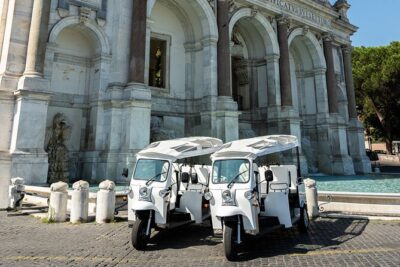
Lisbon feels like it was built for short rides and big views. This half-day private electric tuk-tuk tour threads through the old neighborhoods you’d normally fight for on foot or with traffic, with a local storyteller guiding you past scenic terraces, churches, and river landmarks. You also get context on street art history, so the city stops feeling like just pretty postcards.
I particularly love how efficiently it hits the areas that define Lisbon—Alfama, Graça, Baixa, Chiado, and Belém—without forcing you to do steep uphill walking all day. I also like the human touch: the guide storytelling style, plus optional flexibility for what you want to linger on, makes it feel less like a checklist. The built-in food and drink choices help too, whether you pick a Pastel de Nata or a Portuguese liqueur style treat.
One consideration: the ride can be bumpy, especially on cobblestone streets in older districts, and you need enough mobility to climb into the tuk-tuk. If you have back issues or limited mobility, this is likely not the right fit.
In This Review
- Key Things That Make This Tuk-Tuk Tour Worth Your Time
- Why Lisbon Works So Well on a Tuk-Tuk (Especially for a First Pass)
- The Start: Pickup, Your Private Ride, and How the Stories Begin
- Baixa de Lisboa and Lisbon Cathedral: The City’s Old Main Stage
- Portas do Sol and Graça: Terraces, Narrow Streets, and the Lisbon Mood
- Miradouro da Senhora do Monte and Mouraria: Views Plus Street Art Context
- São Vicente de Fora and Santa Engracia: Churches You’ll Actually Remember
- Alfama: Wine Tasting, Quick Walking, and Real Old-Town Energy
- Chiado and Carmo Convent: A Change of Pace Without Losing the Story
- Igreja de São Roque and Miradouro de São Pedro de Alcântara: More Views, Better Angles
- Lapa, Estrela Basilica, and the 25 de Abril Bridge: Lisbon Beyond the Old Streets
- Belém: Jerónimos Monastery, Pastéis de Belém, and the Riverfront Finale
- What You’re Drinking and Eating: Sour Cherry Liqueur and Pastel Stops That Actually Matter
- Comfort, Bumps, and Safety: When the Tuk-Tuk Is Perfect (and When It Isn’t)
- Price and Value: Is $99 per Person a Good Deal?
- Choosing Your Best Time: How to Make This a Smart First Day
- Should You Book This Private Lisbon Tuk-Tuk Tour?
- FAQ
- How long is the Lisbon Half-Day Private Guided Tuk-Tuk Tour?
- Is this tour private?
- What neighborhoods and sights does the tour cover?
- What food and drinks are included?
- Are monument entrance fees included?
- Does the tour include hotel pickup and drop-off?
- What languages are available for the guide?
- Will I be on cobblestones?
- Is the tuk-tuk suitable for wheelchair users or limited mobility?
- Is oversized luggage allowed?
Key Things That Make This Tuk-Tuk Tour Worth Your Time

- Electric tuk-tuk comfort for steep hills and narrow streets big buses can’t reach
- Local storyteller narration that ties landmarks to people, habits, and Lisbon street art context
- Iconic viewpoints on a tight schedule: Portas do Sol, Senhora do Monte, and more
- Photo-stop routing plus short walk time in Alfama, so you get views without nonstop hiking
- Included treats: sour cherry liqueur and Pastéis de Belém, with an option for Pastel de Nata or liqueur
- Small group format (max 6; most comfy with up to 4 adults and 2 children)
Why Lisbon Works So Well on a Tuk-Tuk (Especially for a First Pass)
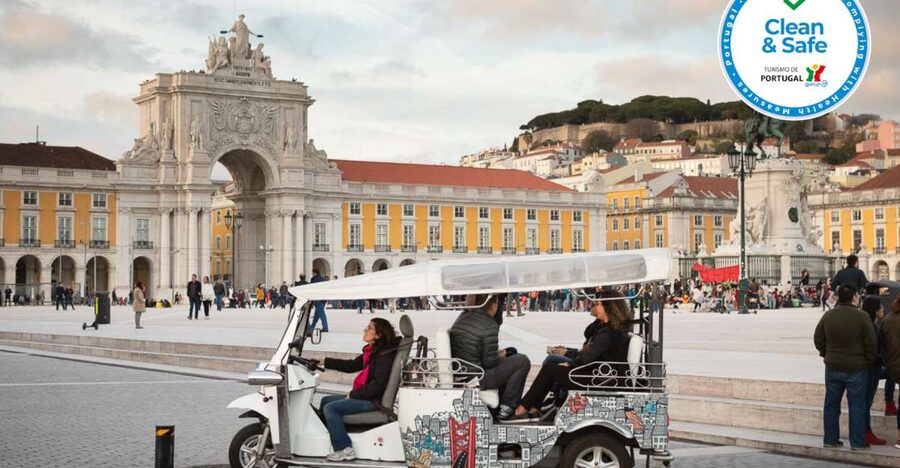
Lisbon is a city of angles—hills, terraces, stairways, and sudden views. A tuk-tuk fits the way Lisbon really moves: short segments, quick stops, and quick perspective changes, so you get the city’s rhythm without exhausting yourself.
This one is also genuinely practical because it’s designed for the neighborhoods that are hard to reach by bus. You’ll wind into the older streets, pop out for photos, and then keep rolling before the crowds or the heat take over.
Most importantly, the tour isn’t only a drive-by. You’re getting a live local guide who can explain what you’re seeing and why it matters, so you leave with a mental map you can use later.
You can also read our reviews of more tours and experiences in Lisbon.



The Start: Pickup, Your Private Ride, and How the Stories Begin
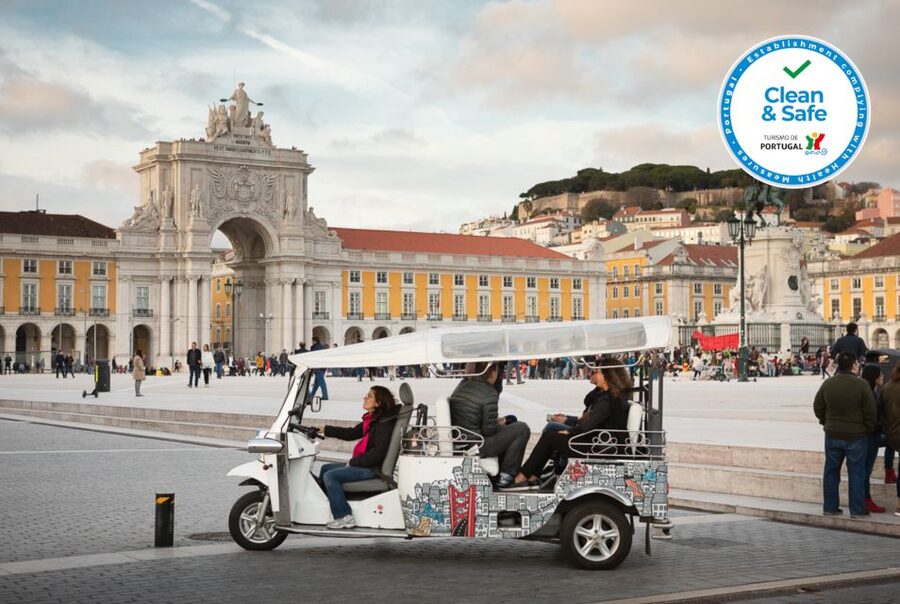
You can choose hotel pickup from locations within the city center, which helps a lot if you’re landing with limited time or you just don’t want to figure out transport right away. Once you meet your guide, you’re not stuck waiting around—this tour is built to move efficiently across multiple districts.
Since it’s private or small-group, you should expect the pace to match your group. Several guides mentioned in real-world feedback (like Diana, Margarita, Tiago, and Margarida) are praised for being flexible with timing and stop choices, which is exactly what you want in a city where one viewpoint can steal your whole afternoon.
One more thing I like about this format: it sets you up for the rest of the trip. After seeing key viewpoints and learning what’s worth going back for, you’ll know where to aim your energy on day two.
Baixa de Lisboa and Lisbon Cathedral: The City’s Old Main Stage
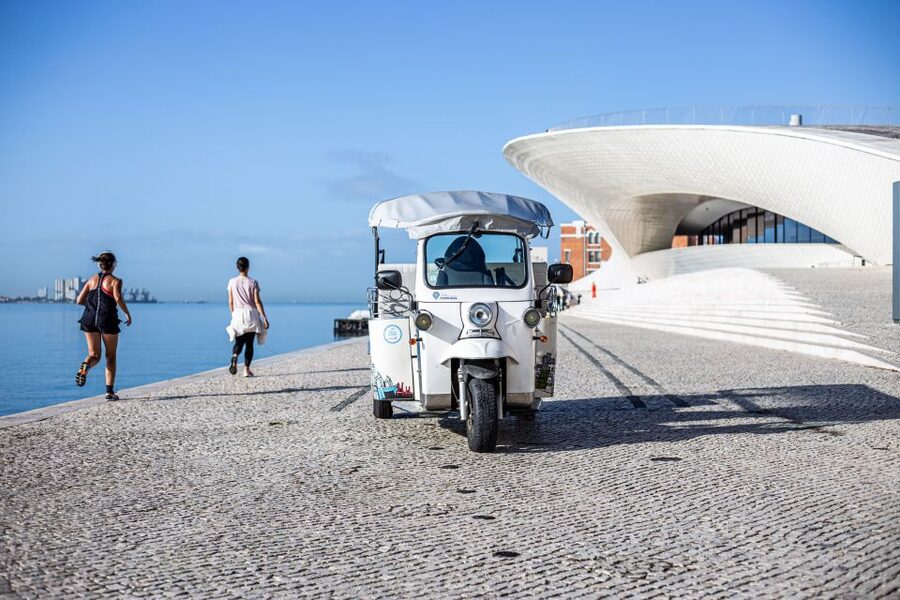
Your tour typically begins in Baixa de Lisboa, the part of town that feels like Lisbon’s stage set—wide streets, major landmarks, and an easy starting point for orientation. This is the right opening neighborhood because it’s a “reset” area before you start climbing into the older hillside districts.
From there, you’ll make your way to the area around Lisbon Cathedral for a guided visit and photo time. It’s a useful stop because it grounds you in the layered history of the city’s center, and it gives you a point of reference for the views you’ll see later from higher ground.
If you like planning ahead, pay attention here. The guide can point out what you might want to revisit, based on how much time you have and what kind of sights you prefer.
Portas do Sol and Graça: Terraces, Narrow Streets, and the Lisbon Mood
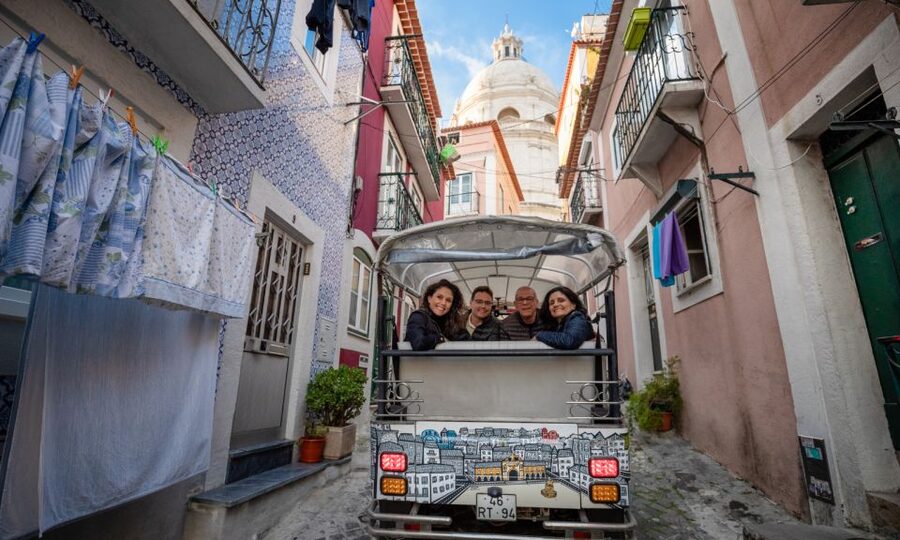
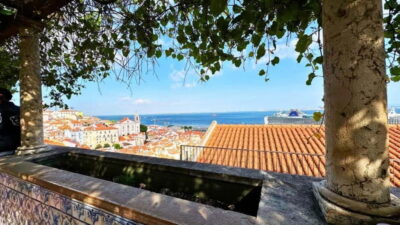
Portas do Sol Terrace is the kind of viewpoint that makes you understand why people fall for Lisbon. You get sweeping views and that classic “everywhere is made of hills” feeling in minutes, and it’s an excellent place for photos without a long walk.
After the terrace, you head toward Graça, a historic district where the streets get tighter and the vibe turns more local. This part of the tour works well because the tuk-tuk can help you reach corners that are just not worth fighting for on foot.
Graça is also where the tour’s narration becomes more than trivia. You’ll get stories connected to Lisbon’s street life and street art history, which makes later graffiti, murals, and painted facades feel intentional rather than random.
Miradouro da Senhora do Monte and Mouraria: Views Plus Street Art Context
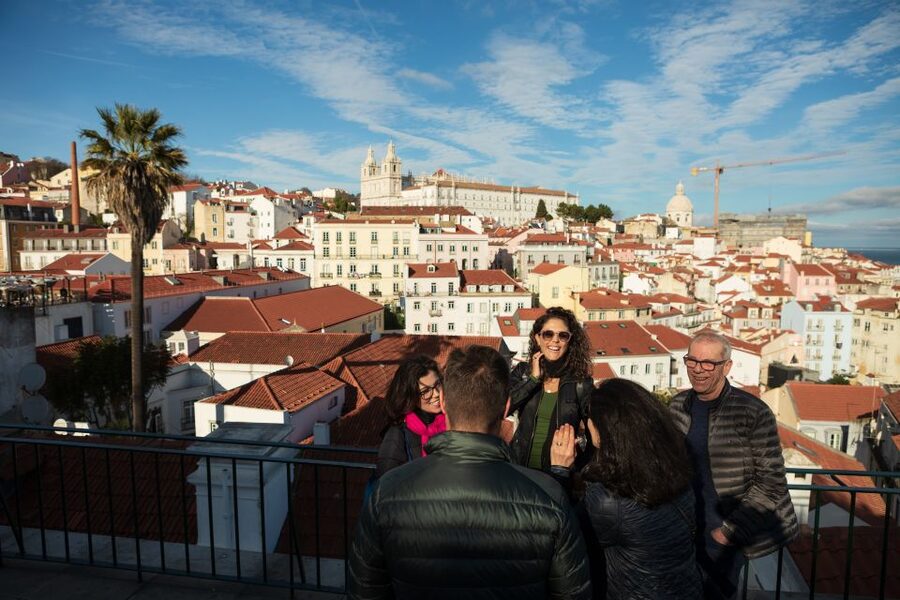
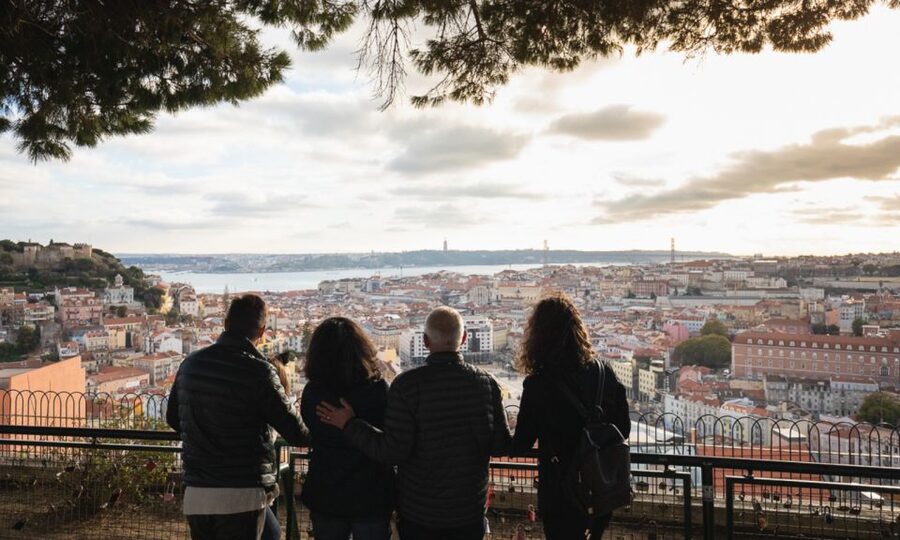
Miradouro da Senhora do Monte is another viewpoint stop that rewards good timing. Even if you’ve seen Lisbon photos before, this is one of those places where the city’s geometry hits differently—especially when the light is changing.
Then you move into Mouraria, an area known for character and history, and it’s a strong match for a guided explanation format. A storyteller helps you read the neighborhood as more than a backdrop, and you’ll get better at spotting what’s old, what’s repurposed, and what the community wants to show.
You’ll also hear the tour’s street art history angle with your guide guiding the narrative. That matters because street art in Lisbon often connects to identity and neighborhoods, not just decoration.






São Vicente de Fora and Santa Engracia: Churches You’ll Actually Remember
Stops around the Monastery of São Vicente de Fora include a guided visit and time to look closely. This kind of religious site can feel “standard” if you’re only passing through, so I like having a guide explain what to notice.
Next is the National Pantheon of Santa Engracia area for photo time and guided context. This pairing is useful because it gives you variety: monumental religious architecture, plus the chance to understand the city’s larger story through specific buildings.
If you care about architecture or you want your Lisbon trip to feel more than viewpoint hopping, these stops provide a real payoff.
Alfama: Wine Tasting, Quick Walking, and Real Old-Town Energy

Alfama is the neighborhood most people imagine when they think of Lisbon. You’ll get photo stops plus a guided segment, and there’s even a short walk (about 10 minutes) and a wine tasting moment.
That tiny walk is a good trade. It’s long enough to feel like you stepped into a street-level world, but short enough that you’re not spending your half-day exhausted. It’s also a strong way to break up the driving so the tour doesn’t blur into one long ride.
If you’re sensitive to crowds, this structure helps. You’re not trying to follow a huge group through the tightest lanes for hours—you’re getting targeted stops with the ability to linger where you care.
Chiado and Carmo Convent: A Change of Pace Without Losing the Story

Chiado is where Lisbon starts to feel more “city” than “labyrinth.” The tuk-tuk helps you reach key points efficiently, and you’ll get guided commentary and scenic stops along the way.
Carmo Convent is another stop that tends to stick in your memory because it’s visually dramatic. You’ll get guided sightseeing here, which is the difference between seeing a landmark and understanding what it means.
I like that this mid-tour segment helps you shift from older quarters into a different mood while still staying in the Lisbon core.
Igreja de São Roque and Miradouro de São Pedro de Alcântara: More Views, Better Angles

Igreja de São Roque is another guided visit stop with photo time and sightseeing around the area. Places like this can feel dense, so having a guide point out what’s worth your attention improves your experience a lot.
Then you head to Miradouro de São Pedro de Alcântara for photos and panoramic views. This viewpoint isn’t just about the scenery—it also helps you connect the dots between neighborhoods you visited earlier and the river direction you’ll see later.
If you’re the type who likes to collect angles for future visits, this portion gives you strong visual reference.
Lapa, Estrela Basilica, and the 25 de Abril Bridge: Lisbon Beyond the Old Streets
As the tour moves forward, you’ll pass through areas like Lapa for photo stops, and then reach Estrela Basilica for a guided visit. These stops widen your sense of Lisbon beyond just the oldest center, which helps your overall understanding of the city.
After that, you’ll cross into views associated with the Tagus River area and then toward the 25 de Abril Bridge. This is a useful change because it reminds you Lisbon’s city story is also a maritime story.
The bridge stop offers a big-picture moment. Even if you’re not a “bridge person,” it’s a great way to end the old-city emphasis and transition into Belém.
Belém: Jerónimos Monastery, Pastéis de Belém, and the Riverfront Finale
Belém is where the tour’s last stretch becomes pure Lisbon flavor. You’ll have photo stops around Jerónimos Monastery and move into Pastéis de Belém for dessert time.
Pastéis de Belém is short but well placed. It’s not a random snack; it’s a cultural moment you can taste, then use as a launch point for deciding what else to do in Belém after your tour ends.
You’ll also visit or stop near major Belém sights like Belém Tower and landmarks tied to Portugal’s Discoveries story. This gives your half-day a satisfying arc: old neighborhoods up top, then a riverfront ending with iconic national context.
What You’re Drinking and Eating: Sour Cherry Liqueur and Pastel Stops That Actually Matter
This tour includes a sour cherry liqueur, and you’ll also get a local treat choice—either Pastel de Nata or a traditional Portuguese liqueur style option. That’s a nice way to avoid the common tour problem where food feels like an afterthought.
A separate highlight in the route is wine tasting in Alfama. Again, it’s not just about trying something; it’s about experiencing how Lisbon ties food and drink into neighborhood identity.
In real feedback, guides often treat guests with extra care around preferences. One example: a guide was noted for helping with lactose intolerance when choosing a Pastel de Nata option, which suggests you should feel comfortable mentioning dietary needs when you meet your guide.
Comfort, Bumps, and Safety: When the Tuk-Tuk Is Perfect (and When It Isn’t)
The tuk-tuk is designed for narrow streets, but it comes with the reality of Lisbon roads. Some bumpiness is expected, especially around cobblestones, and a few reviews mention the ride can feel like a massage—fun word choice, but the point is: don’t expect smooth pavement.
Seating comfort can vary. One review flagged that the seating/footboard setup felt uncomfortable because legs had to be folded, so if you’re tall or have mobility limitations, you may want to ask about the exact seat setup before going.
The tour also requires some mobility to climb into the vehicle. It’s not suitable for wheelchair users, people with mobility impairments, pregnant women, or people with back problems, and children must be at least 4 years old.
If you fit the general profile—comfortable with steps and short walking breaks—this is one of the best ways to see Lisbon’s hills without burning your legs.
Price and Value: Is $99 per Person a Good Deal?
At $99 per person for a 3–6 hour experience, the value comes from what’s bundled. You’re paying for a private (or small-group) electric tuk-tuk ride, hotel pickup/drop-off from central areas, live storytelling, and included food/drink moments.
Entrance fees for monuments are not included, so you’ll want to bring extra cash or plan for ticket costs if you decide to go inside anything you see. But the route includes multiple guided sightseeing moments where you can still appreciate the exterior and interior context even when you’re not paying for every site.
This pricing makes the most sense if you want a first-pass overview. Several guides were praised for helping people figure out where to return later, which is exactly the kind of value you get when you start your Lisbon trip with a clear plan.
Choosing Your Best Time: How to Make This a Smart First Day
This tour works especially well early in your trip. You’ll see the key districts, get viewpoint orientation, and collect names of places to target later on your own schedule.
If you’re travel-light, you’ll also appreciate the no-oversize-luggage rule. Bring only what fits comfortably, and you’ll keep the ride smooth and easy.
If your schedule is tight, aim for the half-day window that still leaves you energy for dinner plans and maybe one more neighborhood walk later. The tour is relaxed, with scheduled and unscheduled stops, so you’ll likely move at a pace that feels human rather than rushed.
Should You Book This Private Lisbon Tuk-Tuk Tour?
Book it if you want an efficient, fun way to cover Lisbon’s biggest districts—especially if you don’t want to spend your whole day climbing hills on foot. The combo of private tuk-tuk transport plus live storytelling and included treats is built for people who like their sightseeing with context and a little taste of local life.
Skip it if mobility is an issue for you, or if you know you’ll be uncomfortable with bumpy cobblestones and getting into the vehicle. Also consider skipping if you only want a fully indoor, monument-ticket-heavy day, because entrance fees aren’t included and the tour is more about viewpoints, neighborhoods, and guided sightseeing than a ticket binge.
If you’re somewhere in the middle—wanting a great overview, photo moments, and a guide who can explain what you’re looking at—this is a strong choice.
FAQ
How long is the Lisbon Half-Day Private Guided Tuk-Tuk Tour?
The duration is listed as 3 to 6 hours. Availability and starting times vary, so check the options for your date.
Is this tour private?
Yes. It’s offered as private or small groups, with a maximum occupancy of 6 people total.
What neighborhoods and sights does the tour cover?
You’ll visit areas including Graça, Alfama, Baixa, Chiado, Bairro Alto, and Belém, with stops such as Lisbon Cathedral, Portas do Sol Terrace, Miradouro da Senhora do Monte, Monastery of São Vicente de Fora, National Pantheon of Santa Engracia, Carmo Convent, Igreja de São Roque, Estrela Basilica, 25 de Abril Bridge, Jerónimos Monastery, and Belém Tower.
What food and drinks are included?
You’ll get sour cherry liqueur. You can also choose between Pastel de Nata or a traditional Portuguese liqueur style treat, plus dessert at Pastéis de Belém. Wine tasting is included in Alfama.
Are monument entrance fees included?
No. Entrance fees in monuments are not included.
Does the tour include hotel pickup and drop-off?
Hotel pickup and drop-off are included from locations within the city center. Pickup is optional, and you should be ready at the hotel lobby 5 to 10 minutes before pickup.
What languages are available for the guide?
The live guide is offered in German, English, Portuguese, Spanish, Italian, and French.
Will I be on cobblestones?
Expect some bumpiness. The tour notes cobblestone streets in certain historical areas that may be less well-maintained.
Is the tuk-tuk suitable for wheelchair users or limited mobility?
No. It is not suitable for wheelchair users or people with mobility impairments, and some level of mobility is required to climb into the vehicle.
Is oversized luggage allowed?
No. Oversize luggage is not allowed.