REVIEW · JOHANNESBURG
Johannesburg: Soweto Tour by Tuk Tuk
Book on GetYourGuide →Operated by One Day Africa · Bookable on GetYourGuide
Soweto on a tuk-tuk feels like a shortcut. This is a fast, street-level way to see major anti-apartheid sites and real neighborhoods in one go, without relying on long walks. I love the tuk-tuk access that gets you to places other tours often skip, and I also love the live English guide pace that helps the stops actually make sense.
One possible drawback: the day covers heavy topics, and it usually includes a visit to an informal settlement where you may want to bring cash for a small gratuity at your discretion.
In This Review
- Key things that make this Soweto tour work
- Why a tuk-tuk is such a smart way to see Soweto
- Getting started at One Day Africa in Orlando West
- Hector Pieterson Museum: where the Soweto uprising becomes real
- Vilakazi Street and the Mandela and Tutu connections
- Orlando East and Orlando Towers: shifting neighborhoods, shifting stories
- Regina Mundi Catholic Church and women behind the movement
- The Kota sandwich stop: included food that actually fits the tour
- Small-group pace, real guide value, and how questions work
- Price and value: is $59 fair for 150 minutes in Johannesburg?
- Should you book the Johannesburg Soweto Tuk-tuk Tour?
- FAQ
- How long is the Soweto tour by tuk-tuk?
- What does the tour cost?
- Where do we meet for the tour?
- What are the main stops included?
- Is food included in the price?
- Is there an informal settlement visit?
- Will I need cash for the informal settlement visit?
- Is the tour guide English-speaking?
- How big is the group?
Key things that make this Soweto tour work
- Tuk-tuk routes that reach beyond the usual tourist stops
- Local English guides like Mulalo and Thabo, who explain what you’re seeing
- Mandela House and Vilakazi Street in the same historical arc
- Hector Pieterson Museum for context on the Soweto uprising
- Regina Mundi Catholic Church plus key anti-apartheid stories
- Kota sandwich included to end the tour on a real local note
Why a tuk-tuk is such a smart way to see Soweto
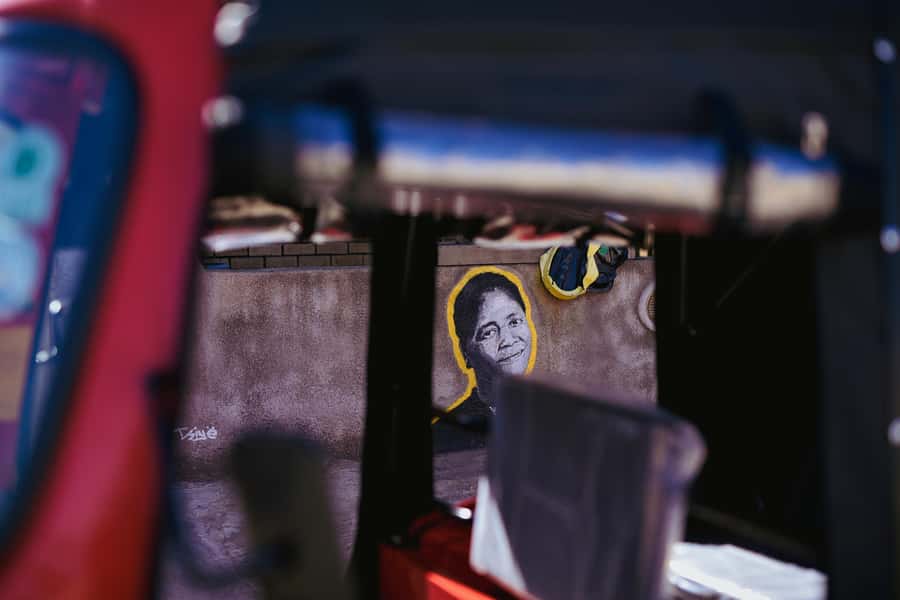
Soweto is big, and you feel it once you’re there. A tuk-tuk changes the math. In about 150 minutes, you can cover more ground than most walking-heavy tours, and you still get stops for photos and guided explanations.
This style also helps with comfort. You’re not stuck in a rigid coach seat for hours, and the open-air feel can make the heat easier to handle. The small group format (up to five people) matters too. You’ll spend less time waiting around, and the guide can adjust the route when questions pop up.
The big idea here is flow: you’re moving through different types of places—memorial sites, landmark streets, and residential areas—so the history lands in context, not just as a list of names.
Getting started at One Day Africa in Orlando West
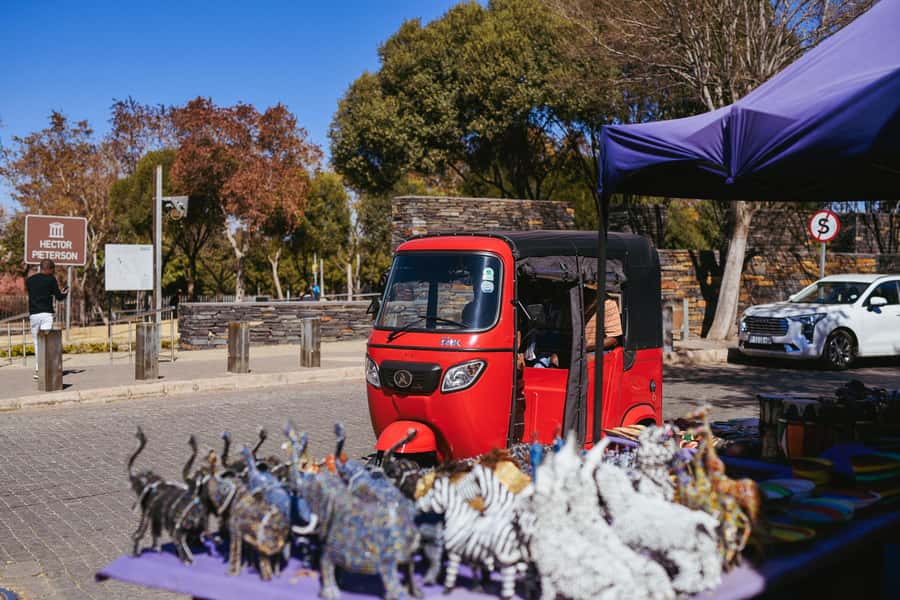
You’ll meet at One Day Africa, right at the corner of Rampa and Moema Street in Orlando West. That location is helpful because it puts you in Soweto already, so you don’t waste time on awkward transfers across town.
Before you go, have a simple plan for the basics: water, sunscreen, and comfortable shoes for short stretches. Even though you’re on a tuk-tuk, some stops still involve walking a bit or moving through public spaces. If you want to keep the day smooth, arrive a few minutes early so the group forms up quickly.
One practical tip: if you’re coming from Johannesburg, many people find Uber can be an easy way to reach the start point and return afterward. It’s not required, but it can reduce stress on timing.
Hector Pieterson Museum: where the Soweto uprising becomes real

Your tour kicks off with a guided visit at the Hector Pieterson Museum (about 30 minutes). This stop is the emotional center of the day. The museum focuses on the Soweto uprising—often described as one of the turning points of apartheid—and it gives you the background that helps the rest of the tour click.
What I like about putting this first is the order of understanding. You’re not just hopping from landmark to landmark. You’re learning why the people, streets, and buildings you’ll see later mattered.
Because it’s a guided visit, you’re not left to guess at meaning. You can ask questions as you go, and the guide can connect what you’re seeing to the bigger story of Johannesburg and South Africa.
How to make the most of this stop: listen closely early, then let the later sites feel like chapters you’re already ready for.
Vilakazi Street and the Mandela and Tutu connections
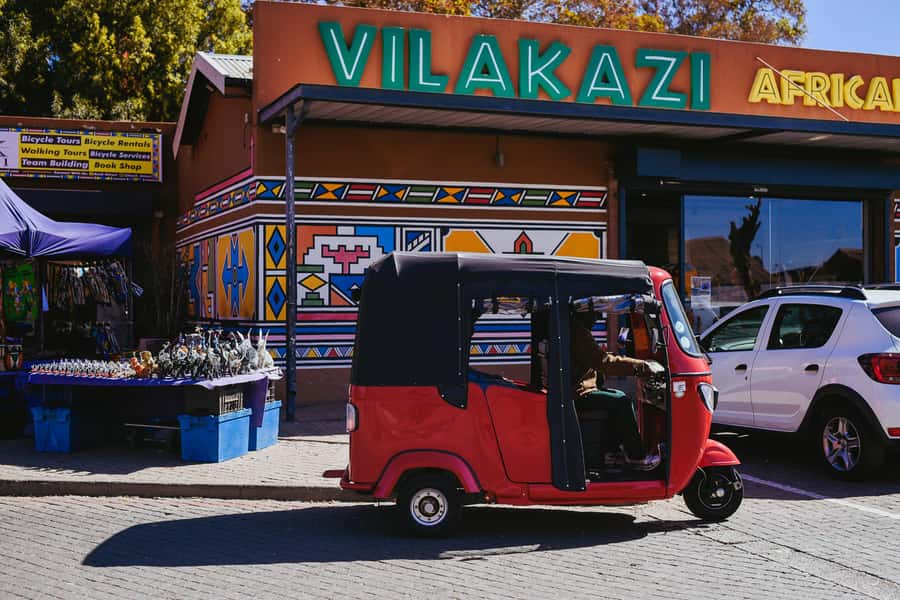
Next up is Vilakazi Street in Orlando West, where Mandela House and Desmond Tutu House sit within the same famous corridor. You get time on this street for guided viewing and photos, plus an explanation of how these key figures and their communities contributed to the dismantling of apartheid.
Vilakazi Street is one of those places where the history isn’t far away—it’s right in the street pattern, the structures, and the sense of legacy. Seeing it as part of a guided circuit helps you connect the dots. Instead of memorizing names, you understand why these homes and neighborhoods became symbolic.
You’ll also feel the difference between a memorial stop and a neighborhood stop. The museum teaches you what happened. Vilakazi Street helps you feel why it matters in daily life and public memory.
If you’re the type who likes to learn by asking questions, this is where you’ll get good answers. Bring curiosity. You’ll use it here.
Orlando East and Orlando Towers: shifting neighborhoods, shifting stories
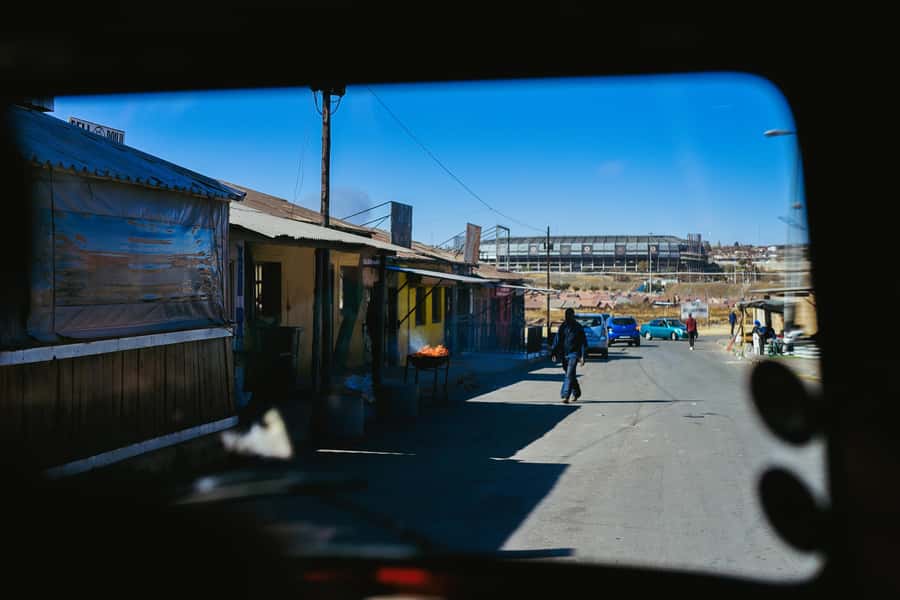
After the famous names, the tour moves into the layered geography of Soweto. You’ll visit Orlando East for a photo stop and short sightseeing. This area is described as having the first formal houses in Soweto, and it also comes with an honest look at challenges. That mix is important: it keeps the story from turning into “good old days” nostalgia.
Then you’ll head to Soweto Towers for another guided visit with time for photos (about 20 minutes). Towers can sound like just another viewpoint, but in a neighborhood tour context, the point is different. It helps you orient yourself geographically—so you can better understand how communities spread out, how people live, and how the city’s layout shapes daily life.
The main trade-off here: some stops are photo-heavy. If you want long explanations at every single location, you might wish you had more time. But the structure is designed to give you a broad overview, not a single-site day.
Regina Mundi Catholic Church and women behind the movement

One of the most meaningful stops is Regina Mundi Catholic Church (about 30 minutes). In South Africa’s anti-apartheid story, churches weren’t just places of worship. They often became meeting points, support spaces, and symbols—so a guided visit helps you see the role the community played beyond politics headlines.
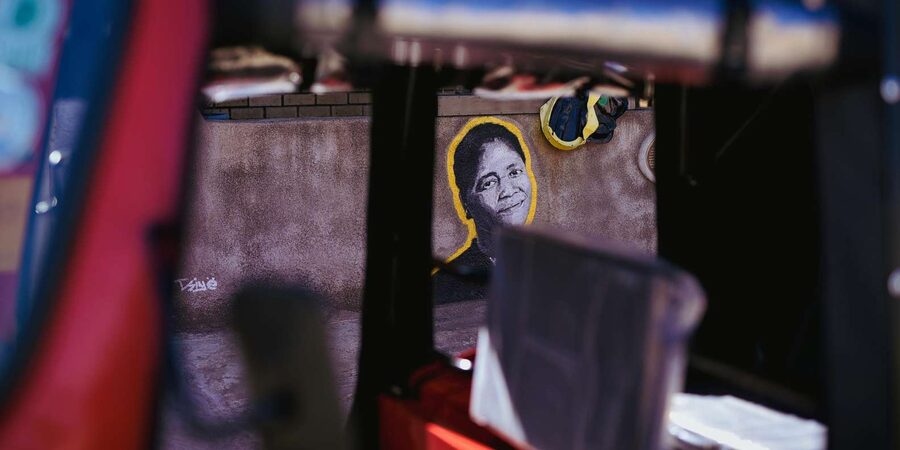
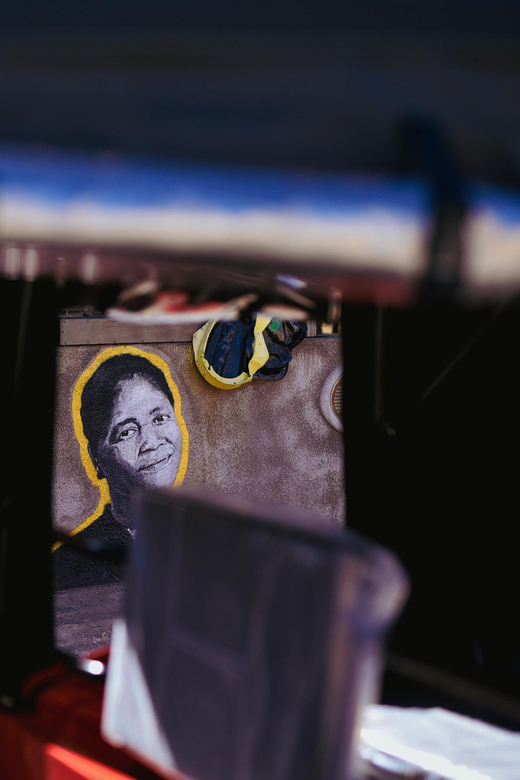
Along the route, the tour also includes stories tied to anti-apartheid women, including a former women’s hostel and the family home of Mama Lilian Ngoyi. That matters because so much of what people learn about resistance focuses only on a handful of famous men. Here, the tour brings in other voices and makes the struggle feel broader and more human.
What you’ll likely notice: you’re not only learning dates. You’re seeing how different spaces supported people—through organizing, caring, and persistence.
If you want to understand Soweto as more than a “site of tragedy,” this is a strong part of the day. It reframes what resistance can look like in real community settings.
The Kota sandwich stop: included food that actually fits the tour
At the end, you’ll get a taste of a local sandwich called Kota, and food and drinks are included. This is a practical win. After spending hours looking at history, your brain needs a reset.
Even better, it’s not a random snack stop. It’s treated like part of the day’s experience—one last way to taste Soweto rather than just observe it.
How to approach it: eat with the same attention you gave the stops. Ask the guide about what makes the sandwich local, or just take a moment to enjoy how ordinary life continues even when you’ve spent the day in heavy context.
Small-group pace, real guide value, and how questions work
This tour runs with a small group capped at five participants, and it’s guided in English. That combo makes a difference. You get more conversation, less waiting, and more chance to ask follow-ups when something catches your eye—like a building, a street layout, or a name you keep hearing.
In the field, guide quality is usually the make-or-break factor on tours in places with complex history. Here, the tour’s own design supports that. You’re not just dropped at a site and told to explore. You’re riding from stop to stop with a local guide and driver who can steer the day.
You may also find the guide keeps a flexible rhythm for photos and questions. Some guides have even worked around time needs so the group can still fit in personal priorities after the tour. That kind of responsiveness can turn a standard tour into a smoother day.
Price and value: is $59 fair for 150 minutes in Johannesburg?
$59 for 150 minutes isn’t a low-ticket bargain, but it also isn’t priced like a private chauffeur extravaganza. What you’re paying for is transportation on a tuk-tuk, a live English guide, and food and drinks—plus multiple guided stops across key Soweto locations.
Here’s why I see it as decent value for the format:
- You cover several major stops without spending half the day commuting
- The guide is built in, which matters a lot for places tied to apartheid history
- Food and drinks are included, so you’re not scrambling for meals
- Small group size helps you get more conversation per person
The drawback is the same as with most “best-of” neighborhood tours: you’ll get an overview, not endless time at one location. If you want deep, slow museum time or extended walking through every neighborhood, you might feel slightly rushed.
For first-timers, though, this is the right kind of structure: smart coverage with context.
Should you book the Johannesburg Soweto Tuk-tuk Tour?
Book it if you want a practical, fast way to see the must-see places in Soweto while still getting explanations from a local guide. It’s also a good pick if you don’t want a long, exhausting day on your feet, since the tuk-tuk helps you cover ground and keep the pace manageable.
Skip it (or pair it with extra time) if you know you prefer slow, self-paced wandering or if you’re hoping for extended stays at fewer locations. This tour is designed to move.
My take: if you’re visiting Johannesburg and you want Soweto to feel like a real place—not just a checklist—you’ll get good value from this format.
FAQ
How long is the Soweto tour by tuk-tuk?
The tour lasts 150 minutes.
What does the tour cost?
The price is $59 per person.
Where do we meet for the tour?
You meet at the corner of Rampa and Moema Street, Orlando West, Soweto (One Day Africa).
What are the main stops included?
The tour includes the Hector Pieterson Museum, Vilakazi Street, Mandela House, Soweto Towers, and Regina Mundi Catholic Church, plus additional local area visits described by the provider.
Is food included in the price?
Yes. Food and drinks are included, and you’ll also get a Kota sandwich.
Is there an informal settlement visit?
Typically, there is an informal settlement visit conducted with a local guide.
Will I need cash for the informal settlement visit?
You may want to bring cash for a gratuity. The suggested range is R20–R50 or more at your discretion.
Is the tour guide English-speaking?
Yes. The live tour guide speaks English.
How big is the group?
The group is limited to 5 participants.