REVIEW · JOHANNESBURG
Soweto Tuk-Tuk Food & Beer Tour
Book on GetYourGuide →Operated by Soweto Experience · Bookable on GetYourGuide
Beer, food, and history on a tuk-tuk. This Soweto tour ties local tastings to the kind of street-level storytelling that helps the township feel real fast, not like a checklist. I like that it’s built around short stops you can actually enjoy, with time to talk and look around.
My two favorite parts are the food lineup and the guide-led pacing. You’ll start with amgwinya (fat cakes), move into the classic Soweto Kota for lunch, and then keep sampling street snacks later. Add shared beers at multiple stops, and the whole thing feels more like hanging out with locals than rushing between attractions.
One consideration: it’s not a long day, but it does pack eating and drinking into the full 4 hours. If you’re not comfortable with beer stops or you prefer quiet sightseeing, you might want to think twice.
In This Review
- Key things to know before you go
- Where You Start on Kumalo Street, and Why It Sets the Tone
- How the 4 Hours Actually Flow (Stop by Stop)
- Hector Pieterson Museum: Food Tasting First, Then Shared Beer
- Food Lineup: Amagwinya, Kota Lunch, and Street Snacks
- Morning: Amagwinya (Fat Cakes)
- Pre-lunch: Another Township Snack
- Lunch: The Classic Soweto Kota Sandwich
- Later: Street Food at a Local Restaurant
- What you should bring your taste buds for
- Beer Stops and the Social Rhythm of the Tour
- A quick etiquette reality check
- The 2 Hours of Soweto Sightseeing: Time for Stories, Not Just Photos
- Guides, Conversation, and the Township Human Side
- Price at $49: Why It Can Be a Good Deal
- Practical Tips That Make the Tour Smoother
- Bring small bills for extras
- Plan around the food schedule
- Wear comfortable shoes
- If you’re driving
- Who This Soweto Tuk-Tuk Tour Fits Best
- Should You Book This Soweto Tuk-Tuk Food and Beer Tour?
Key things to know before you go

- Start by Hector Pieterson Museum (and Vilakazi Espresso Café) for an easy first landmark and a smart cultural context.
- Amagwinya, pre-lunch snacks, and a Soweto Kota keep your food stops varied instead of repetitive.
- Beer at each main tasting point means you’re not waiting until the end to get into the local rhythm.
- Two hours of Soweto sightseeing gives time for conversations that don’t feel rushed.
- Bring small bills if you want souvenirs or to support street performers with tips.
- Tuk-tuk transport is part of the fun, and the day is guided in English.
Where You Start on Kumalo Street, and Why It Sets the Tone
The tour begins at 7346 Kumalo St on Kumalo Street, right by the Hector Pieterson Museum. If you’re meeting near Vilakazi Espresso Café, you’ll be in the right spot—easy for anyone who likes to arrive and get oriented without guessing.
What I like about starting here is the grounding. Before you even get rolling, you’re in a place that connects Soweto to bigger South African stories, not just food and nightlife. Then the day shifts into something more human: conversations, shared tastings, and a slower pace than a typical bus tour.
You’ll get a warm welcome and a traditional drink right at the start. That’s a small detail, but it helps you slip into the day instead of treating it like a timed ticket.
How the 4 Hours Actually Flow (Stop by Stop)
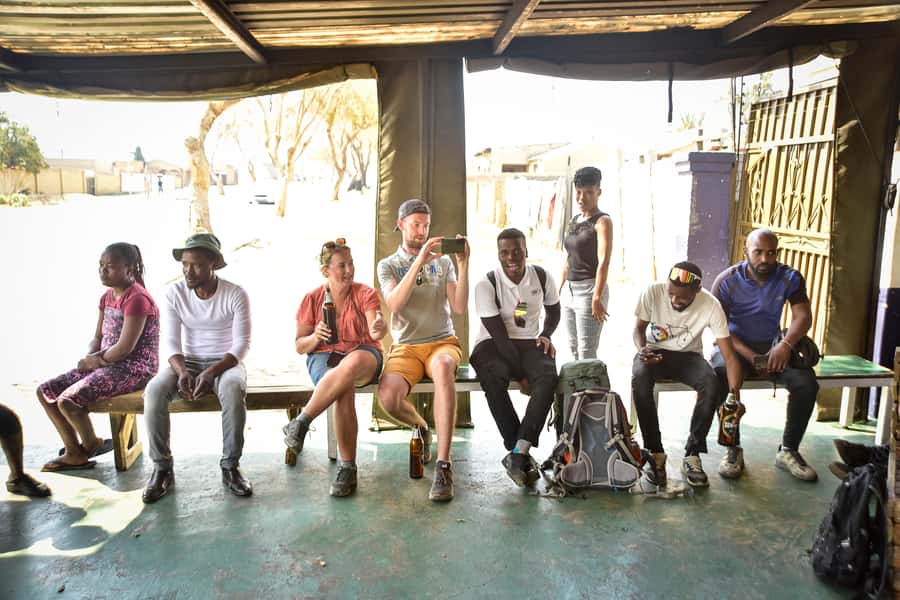
This is a 4-hour tour with a tight structure. The schedule gives you multiple “mini-moments” rather than one long sit-down meal, which keeps energy up and questions easy.
It moves like this:
- Two quick stops at the museum area (food, then beer)
- A longer stretch of sightseeing across Soweto
- A street-food and bar sequence to close out the experience
- Back to the start point on Kumalo Street
Timing-wise, it lands around 15–20 minutes for each tasting setup, plus about 2 hours dedicated to seeing and learning your way around. That’s a good balance for a first visit: enough time to get a feel, not so long that you’re stuck in one place.
Hector Pieterson Museum: Food Tasting First, Then Shared Beer

The first stop is at the Hector Pieterson Museum, and the tour starts with food tasting for 20 minutes. This works well because you’re not just walking around with no plan—you’re sampling something local while your guide shares context.
Then there’s another 20 minutes on beer at the same museum area. Doing beer early might sound surprising, but it sets the tone. Beer here isn’t just a drink; it becomes part of the social flow, and you’ll have a natural moment to ask questions and talk with your guide while everyone’s relaxed.
Practical note: if you have cash plans for later (souvenirs, street performers), consider doing that once you’ve settled in. You’ll likely feel more confident and less rushed once the first tasting is done.
Food Lineup: Amagwinya, Kota Lunch, and Street Snacks
This tour is built for people who want to eat like they’re meant to be in the neighborhood—not like they’re window-shopping for dishes.
Morning: Amagwinya (Fat Cakes)
You’ll start with amagwinya (fat cakes). These are the kind of food that makes street-level sense: simple, filling, and perfect for getting underway. If you’re arriving hungry, this is a smart opener because it hits early and doesn’t require you to know local ordering tricks.
Pre-lunch: Another Township Snack
Before the main lunch, you’ll have another township snack. The idea is variety. Instead of saving all the food highlights for one meal, you get smaller tastes that build momentum.
Lunch: The Classic Soweto Kota Sandwich
Lunch is the classic Soweto Kota sandwich. Even if you’ve eaten a lot of sandwiches while traveling, this one is a reason to stay in Soweto for a full day. It’s handheld, practical, and easy to enjoy while the tour moves between stops.
What I appreciate is that the lunch choice keeps the day grounded in local identity. You’re not chasing something trendy—you’re eating something that locals treat as normal, which is usually the best kind of “experience.”
Later: Street Food at a Local Restaurant
After the sightseeing block, you’ll hit street food at a local restaurant for about 35 minutes. That timing matters: by then you’ll be ready for more, not just nibbling out of politeness.
What you should bring your taste buds for
Because you’re eating across multiple stops, you’ll get a broader sense of Soweto food culture than if the tour only served one meal. It also helps with dietary reality: you can decide how adventurous you want to be at each part of the route, rather than committing to one big, uncertain dish.
Beer Stops and the Social Rhythm of the Tour
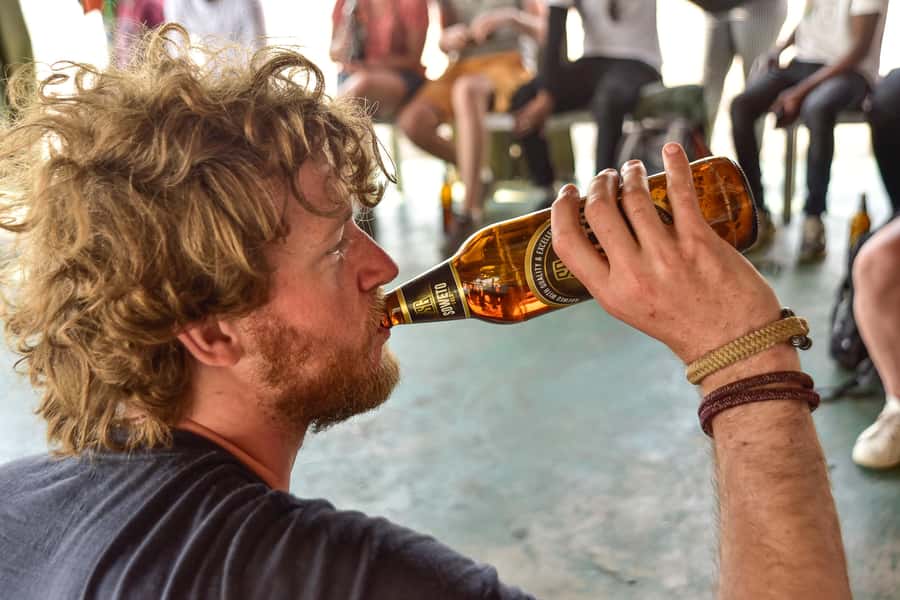
Beer is a core ingredient here, and it shows up more than once. You’ll share beers at multiple stops, including after the museum tasting and again near the end at a local bar (about 30 minutes).
I like how this is handled: it’s not framed as a party bus thing. It feels more like a way to keep conversation flowing. Shared drinks at each stop lower the awkwardness of being a first-time visitor, and it gives your guide a chance to talk in a relaxed setting.
A quick etiquette reality check
You’ll be in local spaces, not a themed bar in a tourist district. Be polite, keep your voice friendly, and follow your guide’s lead if a table or space has rules. If you plan to take photos, do it when it feels natural, not when people are busy.
Also, bring a mindset that you’re there to listen. The strongest moments of this tour tend to come when you set your phone down for a bit and focus on what the guide is explaining.
The 2 Hours of Soweto Sightseeing: Time for Stories, Not Just Photos
After the food and early beer stops, you’ll get about 2 hours of sightseeing across Soweto. This is where the tour shifts from eating to understanding.
The route is guided, and your guide’s personality matters a lot here. The best part is how the day mixes straightforward orientation (where things are, what they mean) with personal storytelling. The tone often centers on resilience, hardship, and hope, plus the idea that change is happening slowly.
One thing I think you’ll appreciate: the sightseeing time gives space for back-and-forth. You’re not stuck in a lecture. You can ask questions, react, and get clarifications while you’re moving around.
And yes, you’ll still get plenty of chances to capture the spirit of the township—through streets, everyday details, and the way people live and laugh along the way. The photos won’t feel staged if you keep your expectations flexible.
Guides, Conversation, and the Township Human Side
The standout across experiences like this is almost always the guide. Here, the guides are described as friendly, professional, and informed, with a knack for making history feel like something you can talk to—not something you just read.
You’ll hear a quick intro to South Africa, but the real value is how that context links to daily life. In conversations, guides connect bigger events to what people feel now: progress, but slowly. You’ll also hear about community efforts and opportunities, including how the work around the tour helps create pathways for others.
One detail worth noting: in at least some cases, the route can go beyond typical bar stops. A past experience included a visit to someone’s home. That’s not something you should demand, but it’s a reminder that this tour can feel personal. Treat it like a shared community moment, not an attraction.
I’d also consider this a good tour if you like hearing explanations in plain language. The best guides don’t just drop facts—they help you understand what those facts mean on the ground.
Price at $49: Why It Can Be a Good Deal
At $49 per person for about 4 hours, the value depends on what you’d otherwise pay for on your own. The big savings here is that tuk-tuk transport, food, and beer are included.
If you’re planning a day in Soweto anyway, you’d likely need:
- transport (and the hassle of coordinating it)
- at least one good meal
- drinks and snacks across multiple stops
This tour packages those pieces into one predictable day. It’s also not just about convenience. Eating and drinking at the right local places is often the hardest part to get right when you’re new in town.
Also, your guide takes care of the “where do we go next?” problem. Even if you’re a confident navigator, you’ll spend a lot less time guessing and more time actually enjoying.
Practical Tips That Make the Tour Smoother
A few things can make a noticeable difference.
Bring small bills for extras
If you want to buy small souvenirs or tip street performers, the tour suggests bringing small bills. It’s one of those tiny travel moves that prevents awkward moments later.
Plan around the food schedule
The tour includes multiple snacks plus lunch and street food. You don’t need to eat a big breakfast to match the day, but you also shouldn’t assume you’ll feel totally light by the end. Bring water and pace yourself, especially during the beer segments.
Wear comfortable shoes
You’ll be out for sightseeing time and moving between locations. Choose shoes that handle uneven sidewalks and lots of standing and chatting.
If you’re driving
The info says safe parking is available for those driving. If you’re staying nearby and plan to drive in, that can simplify the day.
Who This Soweto Tuk-Tuk Tour Fits Best
This tour is a strong match for:
- First-timers who want an easy entry into Soweto
- People who learn best through food and conversation
- Anyone who likes guides who explain context while you walk and ride
- Groups who enjoy beer and want a social rhythm built into the itinerary
It may be less ideal for:
- People who want quiet, do-it-yourself sightseeing
- Folks who don’t want alcohol involved at multiple stops
- Travelers who need long museum time with minimal talking
If you fall in the middle, it’s still a good choice. The day’s structure keeps it from getting too heavy or too hectic.
Should You Book This Soweto Tuk-Tuk Food and Beer Tour?
I’d book it if you want a first taste of Soweto that’s guided, social, and practical. The combination of tuk-tuk transport, multiple food stops (including amgwinya and a Soweto Kota), plus shared beer at several points makes it feel like a complete outing, not a rushed sampler.
Skip it only if you’re mainly chasing quiet sights or you’d rather control every detail yourself. In that case, you may prefer a different format.
For most visitors, though, this is one of the smartest ways to get oriented fast, eat well, and hear real stories while you’re on the move.