REVIEW · KYOTO
Higashiyama | Kyoto: Sakura Season Private Rickshaw Tour
Book on GetYourGuide →Operated by Ebisuya Rickshaw · Bookable on GetYourGuide
Sakura season in Kyoto gets real fast. This private rickshaw glides you through Higashiyama’s old streets for cherry blossom sky views without the stress of squeezing through crowds. I love the slow, photogenic pace and the guide’s small, story-filled details about the area—especially around Gion. The one drawback to plan for: you can’t count on full-bloom blossoms every year.
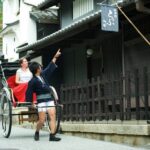
You’ll meet your guide at Ichinenzaka and Nene Street, then ride through traditional streets lined with wooden townhouses and river-side scenery. I also like that it’s flexible: you can pick a 70-minute or 120-minute option, including a walk in the cherry blossoms at World Heritage Kiyomizu-Dera Temple when available. If you’re traveling with mobility or back issues, it’s worth checking fit and comfort before you book.
In This Review
- Quick hits: what makes this rickshaw tour worth it
- Why a private rickshaw works so well in Higashiyama sakura season
- Meeting at Ichinenzaka and Nene Street: getting started without stress
- Gliding past wooden townhouses and the river side
- Gion’s geisha district pass-through: what you’ll actually see
- Cherry blossom photo stops: chasing that pink-sky effect
- Kiyomizu-Dera Temple stroll option: timing and bloom reality
- Rickshaw comfort, fit, and who should think twice
- Price and value: is $125 worth it?
- Tips for making the most of your 70–120 minutes
- Should you book this Higashiyama Sakura Private Rickshaw Tour?
- FAQ
- How long is the Higashiyama Sakura Private Rickshaw Tour?
- Where is the meeting point?
- Is the tour private?
- What’s included in the price?
- Are selfie sticks allowed?
- Can you guarantee cherry blossoms will be in full bloom?
- How many people can ride per rickshaw, and are children allowed?
Quick hits: what makes this rickshaw tour worth it
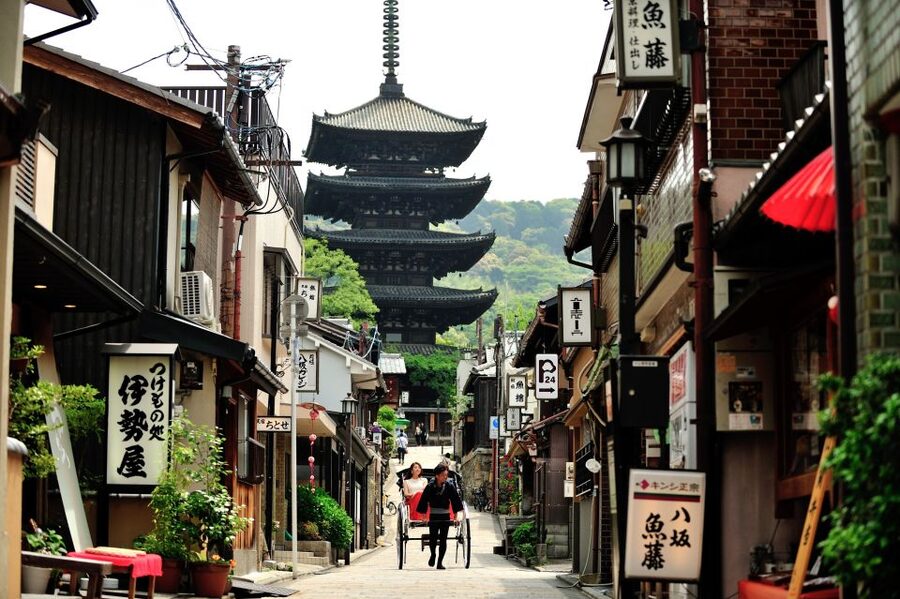
- Private ride, not a cattle-car group: 1 rickshaw covers 1–2 adults for up to 70 minutes or longer options
- Photo stops built in: you get pauses at the best spots for sakura views, not just pass-by snapshots
- Higashiyama and Gion in one flow: traditional streets plus a pass through the geisha district
- Wooden townhouses and river side scenes: classic Kyoto atmosphere that looks good from the rickshaw
- Kiyomizu-Dera walk option: for a chance to see cherry blossoms among the temple grounds
Why a private rickshaw works so well in Higashiyama sakura season
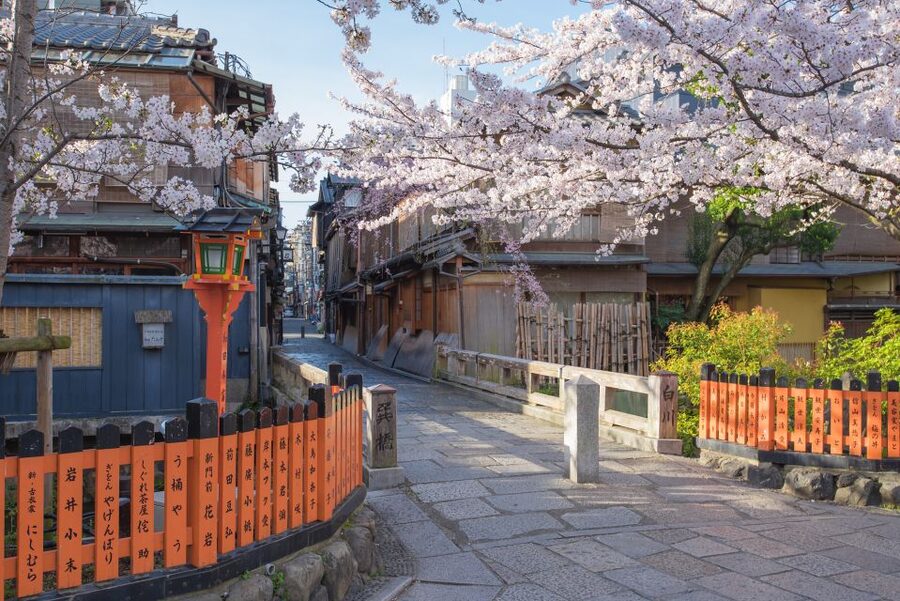
In sakura season, Kyoto is gorgeous and slightly chaotic. Streets fill up, sidewalks tighten, and the best viewpoints can feel like a three-ring circus. A private rickshaw is a smart antidote. You’re not trying to “win” the crowd. You’re moving at a Kyoto pace—slow enough to look up, not just forward.
What I like most is the rhythm. The experience is timed for viewing: you ride, you stop, you photograph, you move again. That’s the difference between seeing cherry blossoms as decoration and seeing them as part of the city picture. You’ll get that pink-and-white feeling where blossoms seem to float across rooftops and sky.
And because it’s private, you can match the vibe to your group. Want more time at a viewpoint? You’re not trapped in someone else’s agenda. The guide can also read your energy—useful when you’re combining photo time with walking time at the optional temple stop.
The guide also gives context while you travel. It’s not just, Look at the pretty thing. It’s why this neighborhood looks the way it does, and how the area connects to Kyoto’s cultural identity.
Meeting at Ichinenzaka and Nene Street: getting started without stress
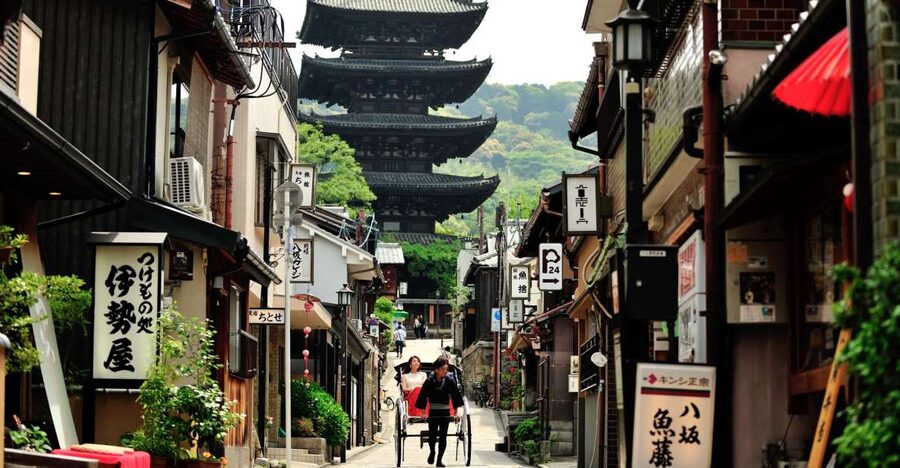
Your guide meets you standing on the corner of Ichinenzaka and Nene Street. You’ll want to check your email for the jpg map and a photo of the meeting spot. That small step matters because this is one of those areas where every street looks like it belongs to the same storybook.
For navigation, you can search Ebisuya Higashiyama Rickshaw on Google Maps. Do it before you arrive, not while you’re rushing with cherry blossom crowds around you.
Plan to be there a few minutes early. The tour starts from that exact corner, and a private experience runs on a tight handoff. Once you find your guide, you’ll get settled and then glide into Higashiyama—no need to figure out your route on your own.
Gliding past wooden townhouses and the river side
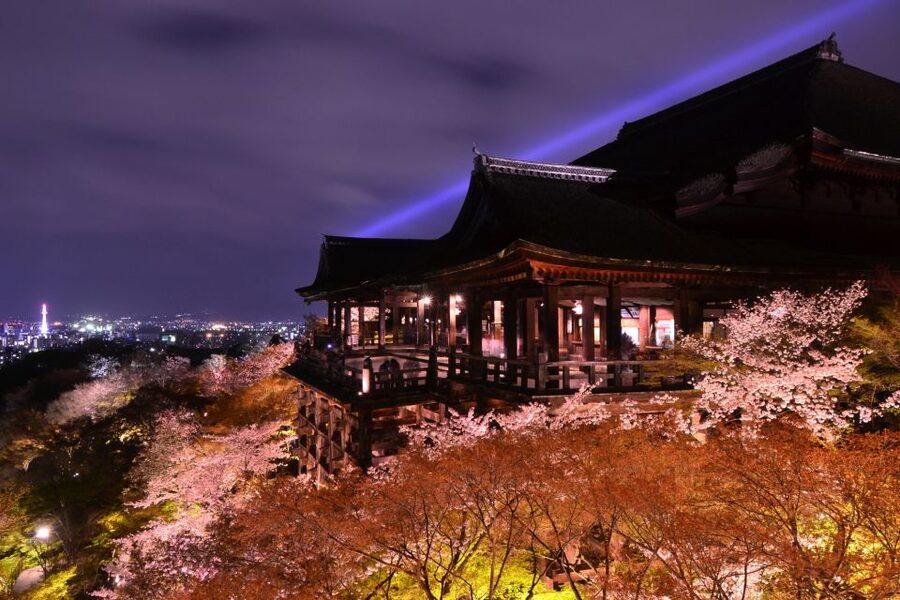
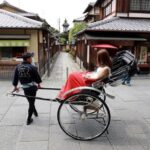
The core of the experience is the neighborhood itself. Higashiyama is full of preserved, traditional streetscapes—wooden townhouses, historic-looking lanes, and river-side views that look especially soft in spring light. From a rickshaw, you get an “up-close-but-relaxed” angle. You’re not wrestling your body through narrow sections or dodging shoulder-to-shoulder crowds.
Riding also helps with camera framing. You can look left, right, and upward without losing your place. That’s important because sakura in Kyoto often looks best when you’re not just staring straight ahead. The blossoms can form those pink-and-white clouds across the scene, and the rickshaw position makes it easier to catch that effect.
You’ll likely notice how the streets feel layered—shops and small facades at eye level, then older structures and rooflines above. It gives you that sense of Kyoto continuing in the background, even while you’re focused on the blossoms.
If you’re the kind of traveler who likes “atmosphere time” (not only landmark time), this part is a big win. It’s one of the few ways to slow down without feeling like you’re behind schedule.
Gion’s geisha district pass-through: what you’ll actually see
The tour route includes a pass through Gion, including the geisha district area. This is one of those places where people often walk in expecting a performance. In reality, it’s mostly about streets, culture, and traditional urban shape.
From the rickshaw, you’ll see the neighborhood look and feel—architecture, street layout, and the sense of a district with its own rhythm. The guide also shares stories about the area and how geisha culture fits into the broader Kyoto picture.
This is also where a guide becomes more valuable than a phone audio guide. A good guide can point out what to look for and explain why it matters, while you’re simply letting the ride carry you forward.
You should still keep your expectations realistic. You’re there to observe the district and its atmosphere, not to force an encounter. If you treat it like a cultural street walk paired with sakura views, you’ll enjoy it more.
Cherry blossom photo stops: chasing that pink-sky effect
This tour is built around photography moments. You get stop-and-go photo stops at the most beautiful spots. That matters because in sakura season the “best” view can be quick—someone pauses for five seconds, then moves on, and suddenly your angle is gone.
The guide helps you get to those spots at the right time while you’re still in the mood to photograph. You’ll see cherry blossoms painting parts of the sky and cityscape pink, which is exactly what you came for.
Also, remember the blossoms aren’t constant. Even within a single day, lighting changes as clouds drift and the sun shifts. Having scheduled stops helps you catch those brief windows without constantly moving your feet around.
One practical note: selfie sticks aren’t allowed. Plan on using your phone normally, or a compact camera held steadily. If you need a tripod, check with your operator ahead of time since the policy specifically bans selfie sticks.
Kiyomizu-Dera Temple stroll option: timing and bloom reality
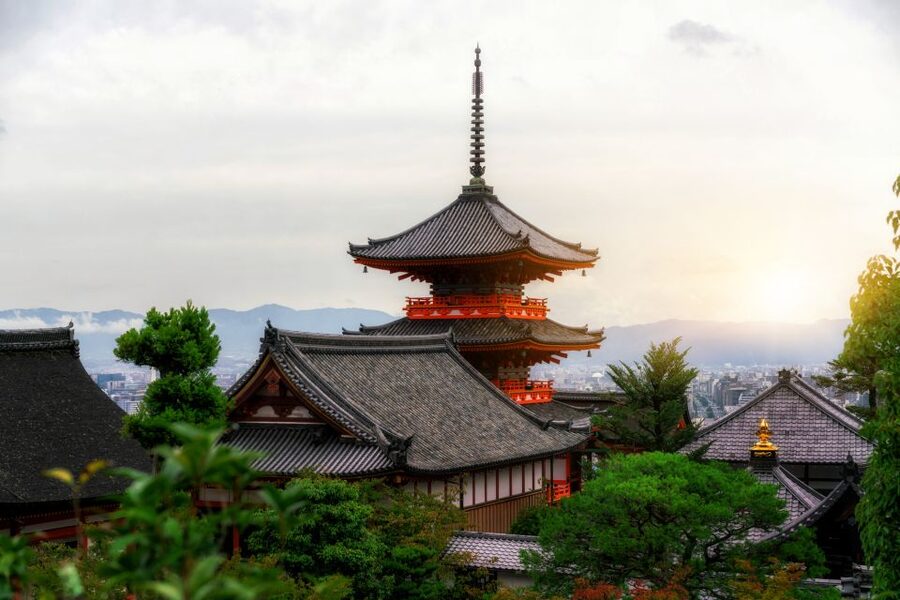
A key feature is that you can choose between tour lengths, including a stop to walk amidst the cherry blossoms at World Heritage Kiyomizu-Dera Temple on the longer option. This turns your tour from mostly ride-and-view into a “ride plus a short walk” mix.
Kiyomizu-Dera is a natural cherry blossom magnet, so combining it with sakura season makes sense. You’re not just looking at blossoms through streets. You’re experiencing them in a temple setting, which changes the whole mood. It’s also a great place to slow down because it’s built for standing, looking, and photographing.
The only big reality check: the operator can’t guarantee full bloom. Dates are picked using past years and estimates, and spring is spring—weather happens. So you should treat cherry blossom timing as a chance, not a promise.
If you’re traveling at the tail end of bloom windows, you can still get beautiful pink color on trees and in street reflections. If it’s peak bloom, you’ll get that “clouds of blossoms” feeling in a stronger way. Either way, the temple stop adds a cultural anchor to the ride.
Rickshaw comfort, fit, and who should think twice
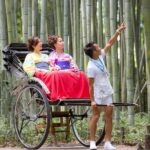
Riding in a rickshaw is fun, but it’s not an office chair. The rickshaw is 21.1 inches (74 centimeters) wide, so some people may feel more comfortable booking individual rickshaws if you have more than one passenger who wants extra space.
This tour is designed for small groups:
- Maximum of 2 adults per rickshaw
- Up to 2 children age 5 and under can ride with 2 adults, seated on an adult’s lap
- If a child 5 and younger uses one of the two seats, that child must book as an adult/participant (full fare)
That lap-seat detail matters for family planning. If you’re bringing young kids, think about who will have the lap seat and how long you’re comfortable sitting in one position.
Safety and comfort notes are also important:
- Not recommended for expecting mothers in the first 16 weeks
- Not suitable for people with back problems
- Wheelchair and stroller-friendly are listed, but if you have specific mobility needs, you’ll want to ask questions before booking so you’re confident it fits your situation
If you’re someone who gets uncomfortable sitting still, plan for that. This tour is 70 minutes to up to 2 hours, and a big part of the magic is that you’re not rushing.
Price and value: is $125 worth it?
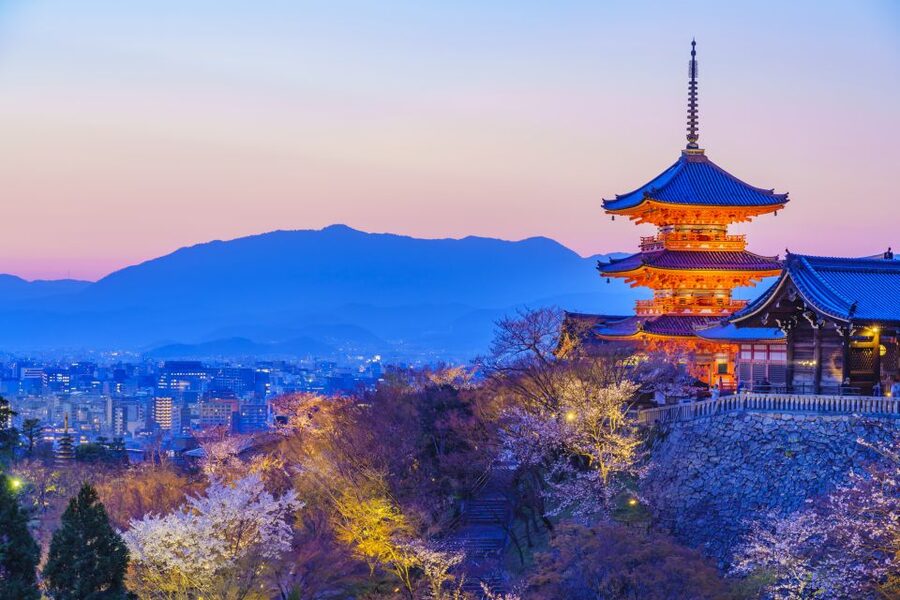
The price is $125 per group up to 1 with options up to longer durations depending on availability. For many people, the value isn’t the base dollar amount. It’s what you’re buying: a private guide, a rickshaw ride through a high-demand area, entrance fees included for the attractions used on the tour, plus built-in photo stops.
Here’s how I think about it:
- If you’d otherwise pay for a guide plus tickets plus taxis plus entrance time, the package starts to feel efficient.
- If you’re traveling with a small group (couple, friends, or family), the privacy is the biggest win. You’re not standing in someone else’s line plan.
- If you care about sakura photos but hate sprinting between crowded viewpoints, the scheduled stops are what make the experience feel “worth it,” not just pretty.
Is it cheaper than doing it on your own? Usually no. But it’s not trying to be. It’s trying to save you time, energy, and mental effort during peak sakura chaos.
One more money-smart point: if the rickshaw width could be tight for your group, it may be worth paying for separate rickshaws for more comfort (the operator notes this possibility). Comfort can turn a “nice tour” into a “wow, I’m glad I did this.”
Tips for making the most of your 70–120 minutes
Keep your plan simple. The tour already handles the pacing, but you can make it smoother with a little prep.
First, decide what matters most: ride-and-view time or ride-and-temple time. The longer option includes the walk at Kiyomizu-Dera, which is great if you want that temple-and-sakura atmosphere. If you only want the neighborhood and photo stops, the shorter option can feel perfect—enough time for beauty without overcommitting.
Second, bring layers. Sakura season days can be comfortable and then cool down fast at night, and you’ll be outside for the duration. A light jacket helps.
Third, think about your camera setup. With no selfie sticks, use a steady hand or a normal phone grip. If you plan on shooting video, clear your storage before you go so you’re not scrambling mid-stop.
Fourth, manage expectations about blossoms. Since full bloom can’t be guaranteed, I’d treat the whole day as “sakura beauty plus Kyoto streets,” not “exactly peak bloom or nothing.” That mindset keeps you happy even if trees are only partly in flower.
Finally, remember you’re in a historic neighborhood. That means there may be more foot traffic and tighter passages than other parts of Kyoto. Your rickshaw takes care of the hard part—being in the right place—so you can focus on what you came for.
Should you book this Higashiyama Sakura Private Rickshaw Tour?
I’d book it if you want sakura season Kyoto with less stress and more photos—especially if you’re traveling as a couple or a small group and you value a private experience with a guide who tells you what you’re actually looking at.
It’s also a great choice if you like traditional neighborhoods and want to see Higashiyama’s wooden townhouses and river-side mood without turning your day into a navigation puzzle. The pass through Gion and the optional Kiyomizu-Dera walk add variety without forcing you to plan your entire route.
Hold off or ask more questions if you’re dealing with back issues, if someone in your group is in the first 16 weeks of pregnancy, or if your group needs very specific comfort accommodations. And keep one mindset in place: blossoms are spring luck. You’re booking the experience of the neighborhood during cherry season, not a guarantee of perfect bloom.
If that fits you, this is the kind of Kyoto day that feels like you slowed time—pink blossoms, classic streets, and a guide who makes the scenery make sense.
FAQ
How long is the Higashiyama Sakura Private Rickshaw Tour?
The tour runs from 70 minutes up to 2 hours, depending on the option you choose and availability for starting times.
Where is the meeting point?
The guide stands on the corner of Ichinenzaka and Nene Street. You’ll receive a jpg map and a photograph showing the meeting place by email.
Is the tour private?
Yes. It’s a private group rickshaw tour.
What’s included in the price?
Included are the private rickshaw tour, a guide, entrance fees to attractions, and photo stops.
Are selfie sticks allowed?
No. Selfie sticks are not allowed.
Can you guarantee cherry blossoms will be in full bloom?
No. The operator cannot guarantee full bloom. Dates are chosen based on previous years and estimates for the current year.
How many people can ride per rickshaw, and are children allowed?
There are up to 2 adults per rickshaw. Up to 2 children aged 5 and under can ride with 2 adults (children must sit on an adult’s lap). If a child 5 and younger uses one of the two seats, they must book as an adult/participant at full fare.