REVIEW · COLOMBO
Colombo City Tour by Tuk Tuk – Private & All Inclusive
Book on GetYourGuide →Operated by Zoom Lanka Tours · Bookable on GetYourGuide
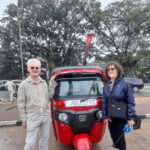
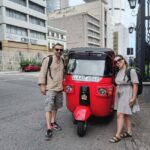
Colombo’s streets feel like a living postcard. A private tuk-tuk makes it easy to see the big landmarks fast, with personal touches from guides like Mohamed and Fasmin, plus stops built around temples, colonial buildings, and local market life. I love that you taste King coconut water right away, and then finish with Ceylon tea and coffee so the day feels practical, not just sightseeing.
My favorite part is the people: the driver-guides don’t just point. They explain what you’re looking at and help you plan your route around your wishes, even if you want more photos or extra time at a market. In my view, the best value is when your guide turns a short ride into a mini education, like Mohamed tailoring the stops and Ravi keeping the story moving at each monument.
One thing to consider: the route is packed with 18+ key stops, so you’ll want to keep your pace flexible and accept that traffic and timing can affect how long you linger at any one place.
In This Review
- Key things to know before you go
- Why a private tuk-tuk works so well in Colombo
- Pickup, timing, and how to think about the day
- Galle Face Green: start with sea air and a simple view
- Old Parliament, Colombo Fort, and Clock Tower: the colonial spine of the city
- The Lighthouse, maritime museum, and why the coast matters
- Pettah Market and floating market: the city’s everyday energy
- Red Mosque (Jami Ul-Alfar): architecture you can’t ignore
- Old Town Hall and White House (Town Hall): two looks at civic power
- Lotus Tower and Viharamahadevi Park: modern skyline and a breather
- Sri Kailawasanathan Swami Devasthanam and Gangaramaya Temple: where Colombo shows its faith
- Independence Square: symbolic finale
- The taste stops: King coconut, then tea and coffee
- Precious-stone and jewelry stop: what it is, and how to handle it
- Guides make the difference: Mohamed, Fasmin, Fizar, and Ravi
- Languages and communication: helpful if English isn’t your first language
- Is this good value at about $22 per person?
- Who should book this Colombo tuk-tuk tour
- Quick cautions so you don’t feel rushed
- Should you book this tour?
- FAQ
- What’s included in the Colombo City Tour by tuk-tuk?
- Do you get picked up from hotels or the cruise port?
- Which places does the tour cover?
- Are tea and coffee tastings part of the experience?
- How long does the tour take?
- What languages are available with the guide?
- Is smoking allowed during the tour?
Key things to know before you go
- Private tuk-tuk: you get your own vehicle, not a crowded group jam.
- Pickup where you are: hotel, cruise port, or other Colombo location pick-up and drop-off.
- Temple and colonial stop mix: Buddhist, Hindu, and Islamic sites alongside old civic buildings.
- Tastes built in: King coconut welcome drink plus tea and coffee tasting, including Ceylon tea.
- Photo-friendly guidance: many guides help you get good angles at each stop.
- A precious-stone jewelry stop: included as part of the experience, with an eye toward Sri Lanka’s stone heritage.
Why a private tuk-tuk works so well in Colombo
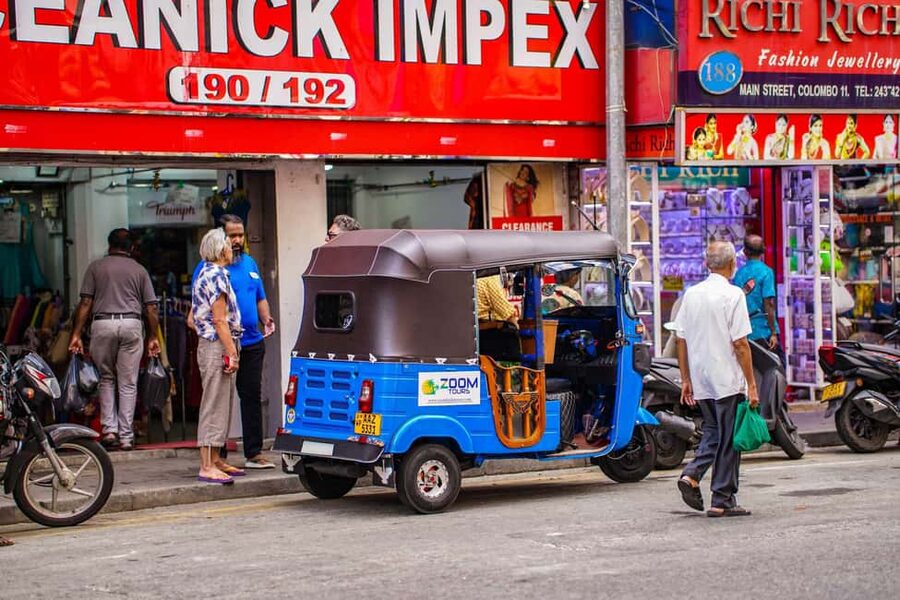
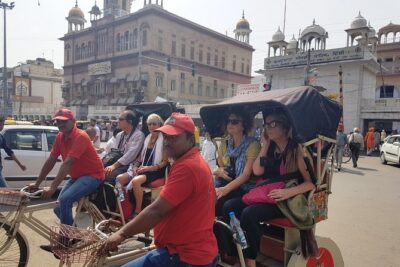
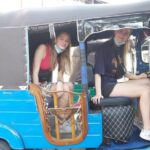
Colombo can feel like two cities at once: modern roads and old streets side by side. A private tuk-tuk is a smart way to handle that mix because you’re not stuck waiting on other people’s plans. You can move at the pace of your day—quick photo stops when you’re eager, slower moments when you want to read details on a facade or watch life at street level.
And tuk-tuks are not just a cute ride. They make the city feel close. You’re rolling past landmarks in real time rather than viewing them from a distance, and the route can pivot based on what you care about most—temples, markets, sea views, or the colonial-era architecture that shaped much of downtown Colombo.
That control is what I’d chase here. Many guides, including Mohamed and Fizar in different experiences, are reported to be friendly, on time, and good at answering questions without making you feel rushed.
You can also read our reviews of more tours and experiences in Colombo.
Pickup, timing, and how to think about the day
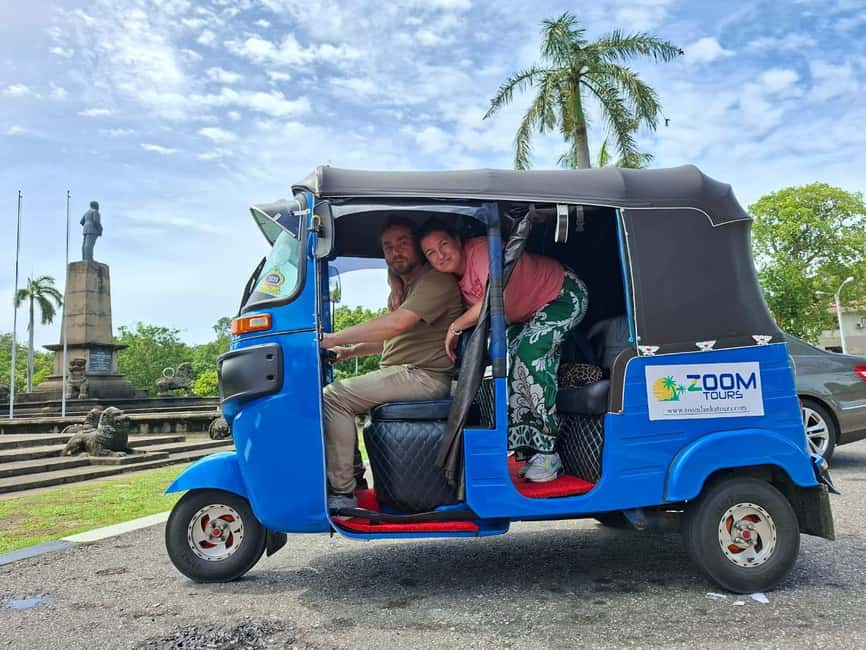
This is set up as a private, all-inclusive style city tour inside Colombo. You can usually meet your driver where you’re staying—or at the cruise port—and then finish back where you started. That matters because Colombo’s center is spread out enough that getting a driver who understands the flow of the city can save you time, stress, and backtracking.
The exact length of the tour isn’t stated, but at least one ride was described as wrapping up the main sights in about three hours. You should assume you can cover a lot in one morning or afternoon, but also know the route includes 18+ stops. If you want a slower, deeper visit, plan for more time and be ready to let one or two places become quick photo moments.
Practical tip: pick one priority before you go. Is it temples? Colonial buildings? A strong market stop? Then tell your driver your preference early. The best experiences come when the guide uses that to shape the day.
Galle Face Green: start with sea air and a simple view
You begin at Galle Face Green, Colombo’s well-known seaside promenade area. It’s a good opener because it gives you an instant sense of scale. You see the ocean edge, get an orientation for where the coastline sits, and then you head inland toward denser city sights.
I like this kind of start because it helps you later when you’re looking at forts, lighthouses, and waterfront structures. It’s easier to connect the dots when you’ve already stood near the water.
Old Parliament, Colombo Fort, and Clock Tower: the colonial spine of the city
After the sea, the tour turns toward the city’s older core.
- Old Parliament Building: you’ll see an architectural landmark tied to Sri Lanka’s political story. Even if you don’t go in anywhere, the exterior design gives you something to look at and compare with newer buildings nearby.
- Colombo Fort: this is the historical heart area. Fort-zone streets help you understand why certain civic buildings were built where they are—close to power, trade, and administration.
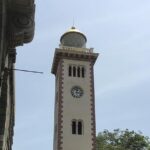
- Clock Tower: described as a former lighthouse centerpiece. That detail helps you look at it with context rather than just treating it as a random landmark.
If you like walking through cities by reading their layers, these stops do the job quickly. They set up Colombo’s “before and after” theme, where modern life continues but old structures still frame the skyline.
The Lighthouse, maritime museum, and why the coast matters
You’ll also visit the Colombo Lighthouse for sweeping coastal views, plus the Colombo Port Maritime Museum to learn about the city’s maritime past.
In plain terms: Colombo grew with trade and ships. Seeing the coastline and then shifting to maritime context helps you understand why you’re surrounded by port infrastructure and why the city’s identity is so tied to the sea.
A tip if you’re short on time: watch for signs of maritime history before you go inside (if any access is available during the stop). Even without long reading, you’ll get enough to make the museum visit feel connected.
Pettah Market and floating market: the city’s everyday energy
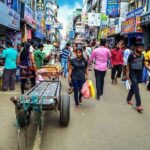
Next comes Pettah Market, one of Colombo’s best-known areas for local shopping and street-level life. You’ll get close to the rhythm of the city—people moving, stalls set up, and constant conversation around products.
Then there’s a Pettah Floating Market stop described as seasonal and focused on photos with waterfront views. That’s a practical add-on. You’re not relying on it always being there year-round; you’re using it when conditions allow.
If you’re someone who gets a little overwhelmed in busy markets, this part can still work because you’re with a guide. You’re not wandering blindly; you’re stopping intentionally, asking questions, and stepping away when you want to.
Red Mosque (Jami Ul-Alfar): architecture you can’t ignore

The tour includes the Red Mosque, officially listed as Jami Ul-Alfar Mosque, known for its red-and-white design. This is a strong stop for two reasons:
1) it’s visually distinctive, and
2) it’s a clear example of Colombo’s religious variety.
You’ll be in photo territory here. Even if you’re not a photographer, it’s one of those spots where the building shape and color give you something to remember.
Old Town Hall and White House (Town Hall): two looks at civic power
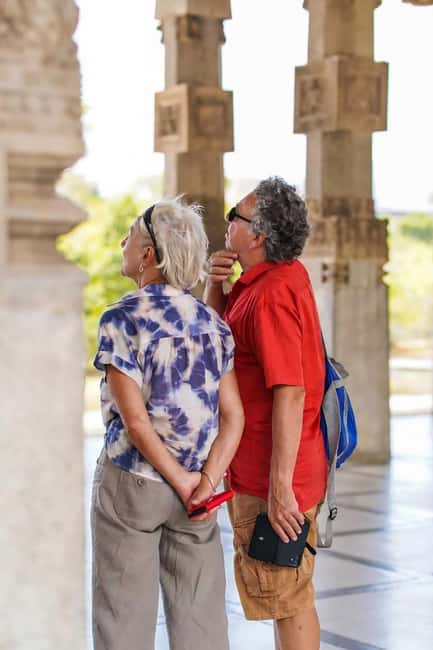
You’ll make a stop at Old Town Hall, described as a fusion of Dutch and British colonial design. Then you’ll also see the White House (Town Hall), noted for classic colonial elegance.
These are good for travelers who like architecture but don’t want a heavy museum schedule. You can learn the city’s grammar by comparing buildings: materials, symmetry, and civic scale. It’s not abstract—these shapes reflect who built the city’s administrative identity and how they wanted public buildings to signal authority.
Lotus Tower and Viharamahadevi Park: modern skyline and a breather
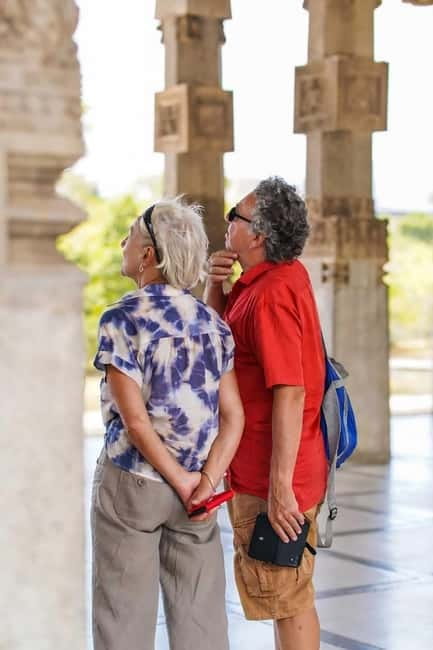
Colombo isn’t only old structures. The Lotus Tower stop gives you a modern focal point, and it’s described as South Asia’s tallest tower. Even if you just pause and look, that comparison with older landmarks helps you feel how the city has changed over time.
Then you get a break at Viharamahadevi Park, noted as Colombo’s oldest urban park and a good place for photos and relaxation.
This is important with a packed day. Without at least one open, calm pause, a 18+ stop route can start to feel like a checklist. A park stop gives your eyes a reset and helps you enjoy the rest rather than rushing through it.
Sri Kailawasanathan Swami Devasthanam and Gangaramaya Temple: where Colombo shows its faith
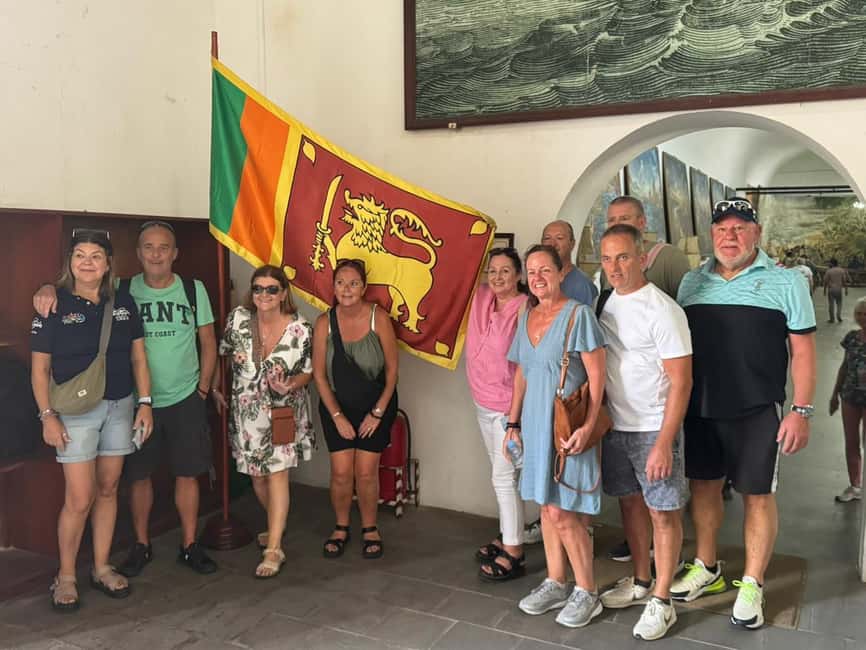
If you want Colombo to feel real—not just historical—this section does it. You’ll visit:
- Sri Kailawasanathan Swami Devasthanam, listed as Colombo’s oldest Hindu temple, and
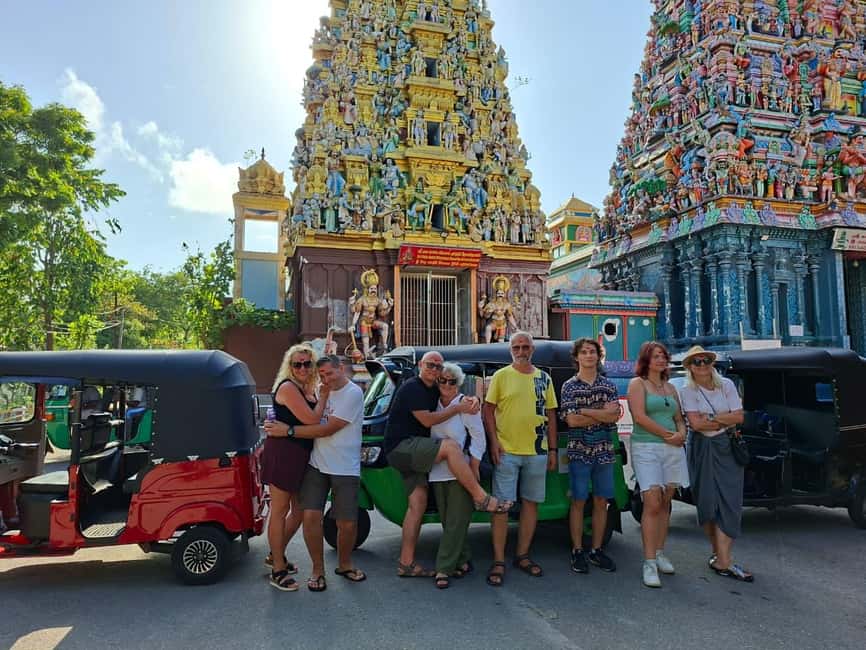
- Gangaramaya Temple, described as a blend of traditional and modern Buddhist architecture.
Two temples in one tour gives you a more complete picture of religious life in the city. You’re also moving between different styles of worship and different architectural storytelling. It’s a strong way to understand that Sri Lanka’s cultural identity shows up in multiple ways, often within short distances.
A practical note: temples are places people treat with respect. Dress accordingly and keep your expectations flexible about time spent at each stop. Your guide can help you navigate what to look for and where photography is appropriate.
Independence Square: symbolic finale
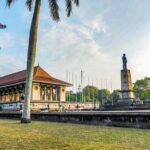
Later you’ll reach Independence Square, framed as a national symbol of Sri Lanka’s freedom and heritage.
I like ending major sightseeing here because it’s not just a scenic stop—it’s a meaning stop. After colonial and market moments, you get a shift toward modern national identity. It helps the day feel like more than just photos.
The taste stops: King coconut, then tea and coffee
This tour cleverly uses food and drink as breaks. You’re not only transporting yourself across the city; you’re also getting small moments of comfort.
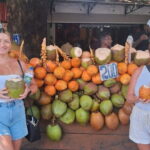
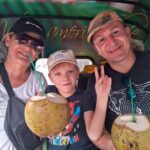
- Welcome drink: King coconut water is included.
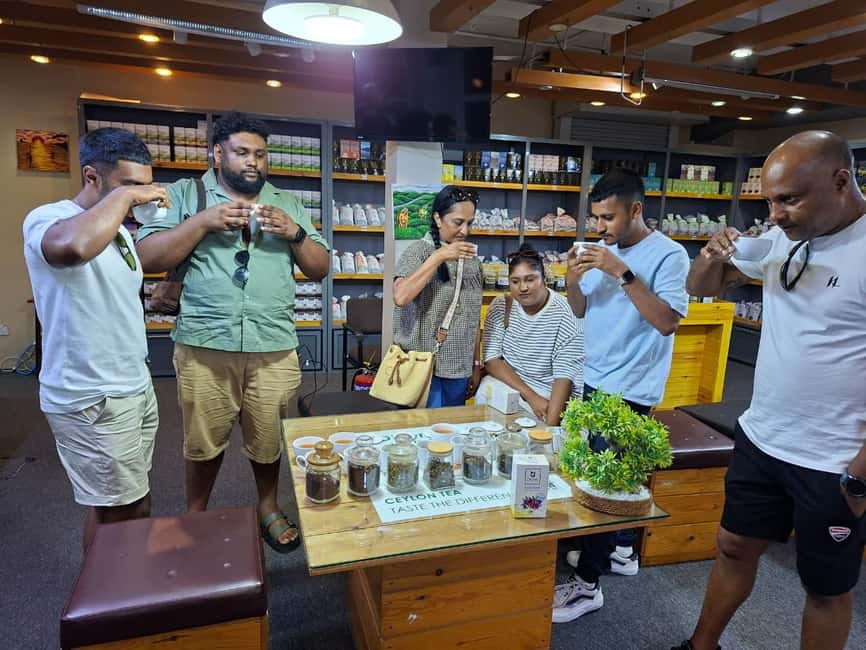
- Tea and coffee tasting: included as part of the experience.
- Ceylon Tea Experience: you’ll taste authentic Sri Lankan tea and learn about the culture behind it.
In multiple experiences, King coconut shows up as a highlight, and tea tasting gets described as a standout moment. It’s also a smart way to learn without a classroom. Tea in Sri Lanka is not an abstract product—it’s tied to daily life and to the island’s identity.
Precious-stone and jewelry stop: what it is, and how to handle it
The final experience is a precious-stone jewelry stop, described as discovering Sri Lanka’s famous stone and jewelry heritage. One reported stop involved sapphire jewelry manufacturing, and the structure of the experience seems aimed at helping you understand the material side of the heritage.
Here’s how I’d approach it as a buyer:
- Treat it as part of cultural context, not a must-buy shopping trap.
- If you’re not interested in purchasing, still ask questions. You’ll likely learn how the process is presented and what kinds of stones are emphasized.
- If you do want to buy, compare quality and pricing carefully on the spot, and don’t feel pressured to decide instantly.
This section can add value if you’re curious. If you’re not, you can keep it short mentally: learn what you came to learn, then move on.
Guides make the difference: Mohamed, Fasmin, Fizar, and Ravi
One clear pattern across strong experiences is guide quality. Names that come up include Mohamed, Fasmin, Fizar, and Ravi—and the common thread is confidence, kindness, and practical help.
What you’ll feel in the moment:
- Guides explain landmarks so you understand why a building matters.
- They answer questions instead of throwing you out onto the street.
- They take photos and help with angles, so you leave with more than blurry memories.
- They sometimes adjust the day around your wishes, which is a big deal when you’re traveling with specific preferences or limited time.
Also, you may notice guides offering small extras like fruit and drinks beyond the included coconut and tastings. That’s not guaranteed in the brochure sense, but it shows up in real rides often enough to be worth expecting a friendly touch.
Languages and communication: helpful if English isn’t your first language
The tour list notes multiple languages: English, Tamil, Arabic, Malayalam, Urdu, and Hindi. That’s a big practical advantage. Even if you book in English, having options for communication helps you get more from temple stops and historical explanations without feeling lost.
Is this good value at about $22 per person?
At $22 per person, the value comes from packing a lot into one private ride.
You’re not just paying for transportation. You’re paying for:
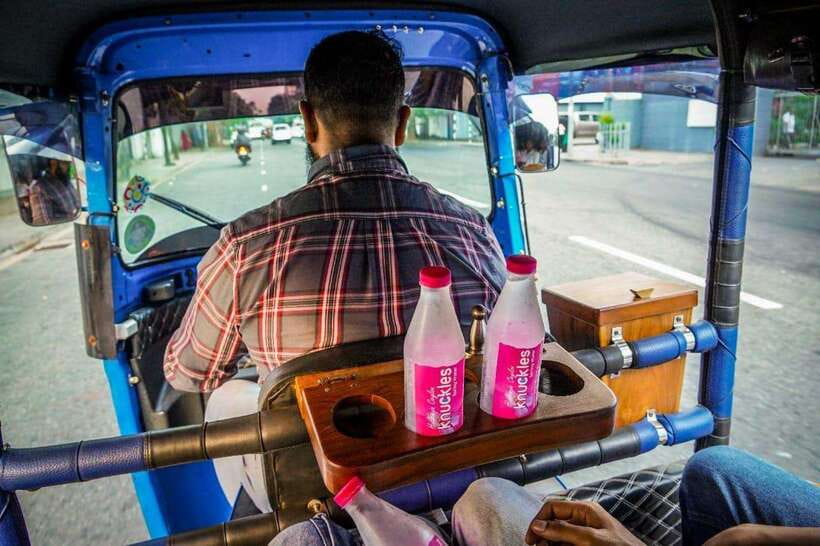
- a private tuk-tuk,
- an English-speaking driver-guide,
- bottled water,
- King coconut water welcome drink,
- tea and coffee tasting (plus the Ceylon tea experience),
- and all parking charges.
The biggest reason this feels like good value: you’re saving the time you’d spend coordinating multiple taxis or walking segments across districts. In Colombo, that time adds up fast, and one well-planned half day can make your overall trip smoother.
Who should book this Colombo tuk-tuk tour
I think this tour is a strong fit if:
- it’s your first time in Colombo and you want orientation fast,
- you prefer a private setup over a group schedule,
- you like mixing temples and colonial architecture with local market flavor,
- you want tastings built into the day, not as an afterthought,
- you’re traveling with kids or anyone who benefits from frequent stops rather than long walks.
It’s also a good choice if you’re on a cruise and want something structured, with pickup handled.
Quick cautions so you don’t feel rushed
Because the route includes 18+ stops, you should go in expecting:
- short visits for some sites,
- photo stops that might be quick,
- and flexibility around timing due to traffic.
If you want slow temple time with lots of space to sit and watch, pick one or two priorities and communicate that early so your guide doesn’t try to “cover everything” at your expense.
Should you book this tour?
Yes, if you want Colombo in one organized, human-guided day. The included tastings, the private tuk-tuk convenience, and the fact that guides like Mohamed, Fasmin, Fizar, and Ravi are repeatedly praised for explanation and friendliness add up to a tour that feels more like a local day out than a bus schedule.
Book it especially if you value variety: seaside views, colonial landmarks, religious sites, market energy, and a tea experience that gives you something to take home besides photos.
If you’re someone who hates structured routes and wants total freedom, you might prefer a do-it-yourself day. But if you want the city to make sense quickly, this is a smart way to do it.
FAQ
What’s included in the Colombo City Tour by tuk-tuk?
The tour includes a private tuk-tuk, an English-speaking driver, bottled water, King coconut water as a welcome drink, all parking charges, and tea and coffee tasting.
Do you get picked up from hotels or the cruise port?
Yes. Pickup and drop-off are available in Colombo, including hotel or cruise port pickup.
Which places does the tour cover?
It includes a long list of key Colombo stops such as Galle Face Green, Old Parliament Building, Colombo Fort, Colombo Lighthouse, Clock Tower, Colombo Port Maritime Museum, Pettah Market, Red Mosque (Jami Ul-Alfar Mosque), Old Town Hall, Pettah Floating Market (seasonal photo stop), Lotus Tower, Sri Kailawasanathan Swami Devasthanam, Gangaramaya Temple, Viharamahadevi Park, White House (Town Hall), Independence Square, a Ceylon tea experience, and a precious-stone/jewelry heritage stop.
Are tea and coffee tastings part of the experience?
Yes. Tea and coffee tasting are included, and there’s also a Ceylon tea experience where you taste Sri Lankan tea and learn about it.
How long does the tour take?
The exact duration isn’t listed, but one experience described seeing the main sights within about three hours, depending on pace and conditions.
What languages are available with the guide?
The tour lists English, Tamil, Arabic, Malayalam, Urdu, and Hindi.
Is smoking allowed during the tour?
No. Smoking is not allowed.