REVIEW · COLOMBO
Colombo: City Sightseeing Tour by Tuk-Tuk with Pickup
Book on GetYourGuide →Operated by Apple Vacations Sri Lanka · Bookable on GetYourGuide
A tuk-tuk tour is the fastest kind of sightseeing. This 3-hour ride threads past Colombo’s big landmarks and working neighborhoods, with an English-speaking guide and the freedom to stop for photos. I especially like the convenient hotel pickup/drop-off and the chance to see major religious and colonial-era sites like Jami Ul-Alfar Mosque and Independence Square without juggling buses or taxis. One thing to plan for: the day includes moderate walking and you’ll need shoulders/knees covered and remove shoes at places of worship.
If you get a good driver-guide team, the whole experience feels smooth and safe. Many tours in this format come down to comfort in traffic, and the best guides (I saw names like Naveen and Chathu pop up) are the ones who explain what you’re looking at, help with photos, and keep the pace realistic in the heat. The one drawback to keep in mind is that some shopping stops can feel sales-heavy, so decide what you want to buy before you arrive at any emporium.
In This Review
- Key Things I’d Watch For Before You Go
- A 3-Hour Colombo Loop on a Tuk-Tuk: Fast, Local, and Practical
- Pickup, Timing, and What the Tuk-Tuk Ride Feels Like
- Old Parliament, Colonial Streets, and the Sea-Facing Views
- Red Mosque (Jami Ul-Alfar Mosque) and Fort Area Pass-By Moments
- A Temple-Heavy Segment: Kailawasanathan Kovil, Viharamahadevi Park, and Gangaramaya
- Sambodhi Chaityha and the City’s Religious Architecture Highlights
- Independence Square and Town Hall: Modern Sri Lanka’s Symbols
- Bandaranaike Memorial International Conference Hall and Big-Stage Architecture
- Price and Value: Is This $30-Per-Group Tuk-Tuk Worth It?
- Shopping Stops and Street Food Time: How to Keep It Your Trip
- What to Wear, Expect, and Avoid at Temples
- Should You Book This Tuk-Tuk Tour of Colombo?
- FAQ
- How long is the Colombo city sightseeing tuk-tuk tour?
- What is the price for this tour?
- What’s included in the price?
- Are entry tickets included for the attractions?
- Will I need to remove my shoes and cover up?
- Is the tour suitable if I have motion sickness or mobility issues?
Key Things I’d Watch For Before You Go
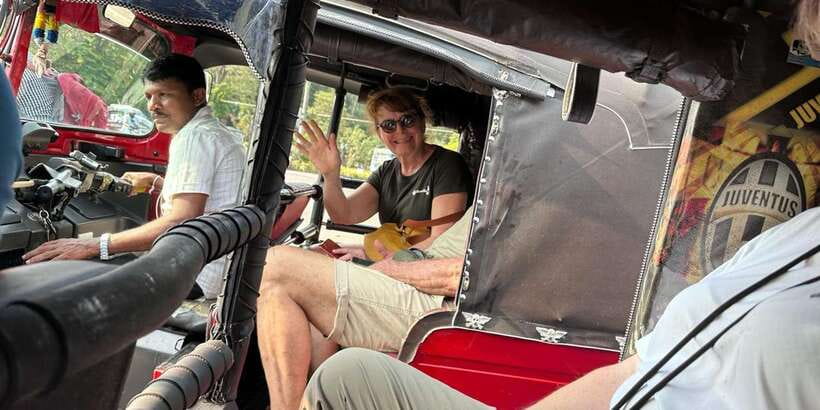
- Tuk-tuk time beats traffic stress: hotel pickup means you spend sightseeing hours, not figuring out routes.
- Religious etiquette is part of the deal: shoes off and covered shoulders/knees at temples/mosques.
- Gangaramaya Temple gets more time: you’ll have a longer visit window for a calmer look.
- Independence Square and major monuments: you’ll see the symbolism of modern Sri Lanka in a short loop.
- Shopping is optional, but stops may happen: decide in advance to avoid feeling pressured.
- English guidance matters: guides like Naveen or Chathu are specifically praised for explaining sites clearly.
A 3-Hour Colombo Loop on a Tuk-Tuk: Fast, Local, and Practical
This tour is built for people with limited time—maybe one day in Colombo, maybe a cruise stop, or maybe you just want a high-hit overview without overplanning. You start at your hotel and finish back there, and that matters more than it sounds. In a city like Colombo, getting in and out of traffic the “right” way can save your energy for the sights that actually take your attention.
The big win is the mix of Colombo’s eras. You’ll look at colonial-era buildings near the sea, then shift into religious landmarks—mosques and temples—plus the national monuments around Independence Square. It’s a compact way to understand why Colombo feels both historic and very much alive today.
You’re also not stuck in a long, exhausting all-day program. Three hours keeps it from turning into a blur, but you still get several serious stops, not just quick photo pulls.
You can also read our reviews of more tours and experiences in Colombo.
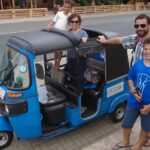
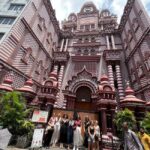
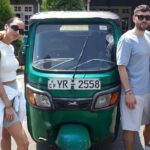
Pickup, Timing, and What the Tuk-Tuk Ride Feels Like
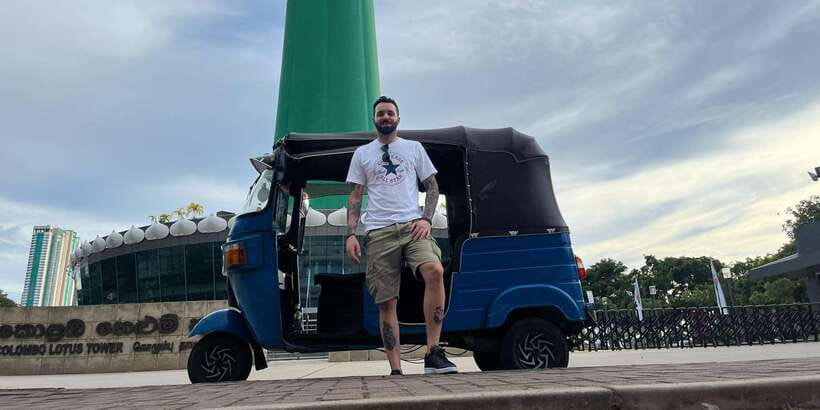
The tour includes hotel pickup and drop-off by tuk-tuk, plus bottled water. That “starter kit” is more helpful than it sounds: you avoid walking to a meeting point in the heat, and you’re not immediately scrambling for refreshments.
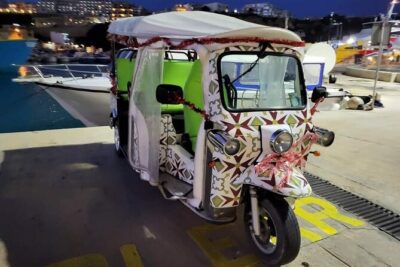
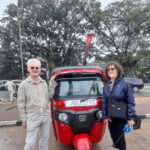
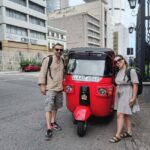
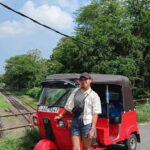
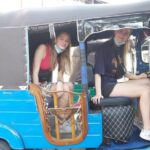
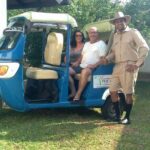
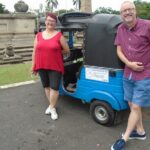
The ride itself is part of the charm. Tuk-tuks are small, open-air in spirit, and they let you watch the street life go by. In the feedback I reviewed, drivers were repeatedly described as careful and courteous in traffic. Names like Danish and Chathu came up for patient driving, and at least one guide also offered practical help like an umbrella when rain showed up.
One caution: the day includes short transfer rides between sites, plus some walking at stops. If you have back issues, heart problems, motion sickness, or you’re pregnant, this may feel like too much. The tour also isn’t suitable if you need a wheelchair-friendly experience, even though it’s marked wheelchair accessible—because the actual schedule involves walking and temple procedures.
Old Parliament, Colonial Streets, and the Sea-Facing Views
You’ll begin moving through central Colombo with a route that focuses on major landmarks you’d miss if you tried to DIY it. One highlight is the Old Parliament area—described as a colonial building facing the sea. Even if you’re not a history person, that perspective helps you “read” the city: Colombo’s waterfront and government buildings sit in a very different architectural language than the temples and markets.
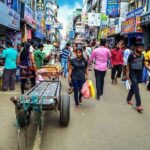
Along the way, you also pass through more affluent residential areas. This isn’t just scenic; it gives you a reality check on how varied Colombo is. The point is to see the city as it operates daily, not only as a parade of monuments.
Expect photo moments rather than long museum-style detours here. The guide’s role is to point out what you’re seeing and why it matters—so you don’t end up with a pile of pictures and no context.
Red Mosque (Jami Ul-Alfar Mosque) and Fort Area Pass-By Moments
A key early landmark is Jami Ul-Alfar Mosque, also known locally as the Red Mosque. You’ll pass by it first, and it’s the kind of stop that works even if you’re short on time—because the building is visually distinctive, with red-and-white minarets that make it easy to orient yourself.
You’ll also roll past Fort Railway Station. This is one of those “in-between” moments where you get a glimpse of everyday Colombo—rail, streets, and the energy of a central district—without turning it into a big commitment.
If you’re sensitive to crowds, mosque areas can be busy depending on the time of day. The best approach is to let your guide decide the safest and least disruptive spots for photos. That’s also where having English guidance helps: you can quickly ask what’s allowed and what’s best to avoid.
A Temple-Heavy Segment: Kailawasanathan Kovil, Viharamahadevi Park, and Gangaramaya
This portion of the tour is where Colombo becomes more personal. You’re shifting from landmark exteriors to places people actually use for worship, prayer, and community life.
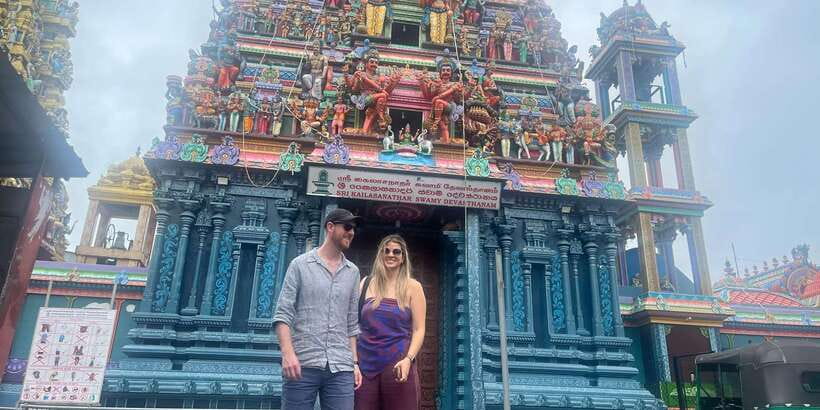
First up is Sri Kailawasanathan Swami Devasthanam Kovil. You’ll have a photo stop and a short visit. The big practical detail here: you’ll need to plan for shoe removal. The tour also sets expectations clearly—shoulders and knees covered—so you’re not scrambling for clothing at the door.
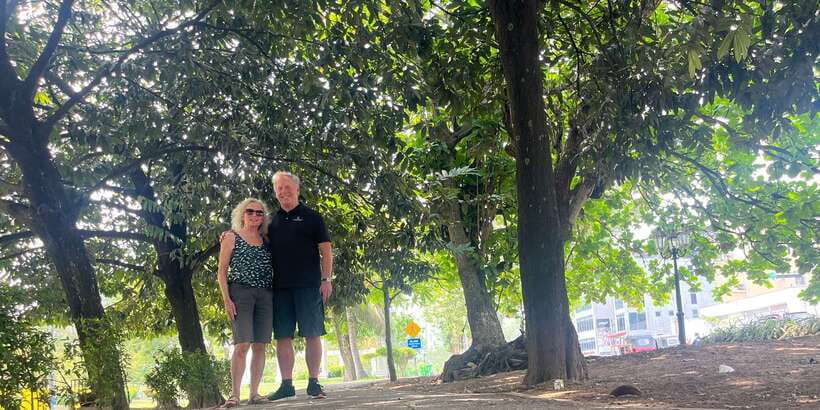
Then you’ll spend time around Viharamahadevi Park. You get photo stops and time to visit and walk, plus shopping opportunities there. This is a useful stop because it’s not only religious; it’s open-air and gives your legs a break between more structured sites. It’s also a good chance to pick up small items before you hit the more formal souvenir areas.
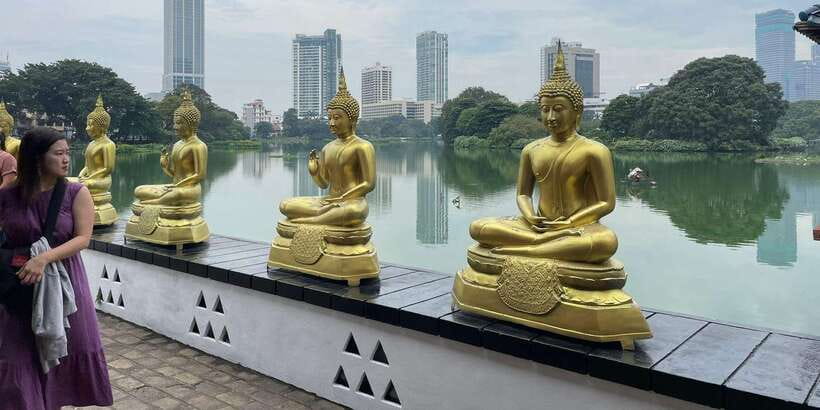
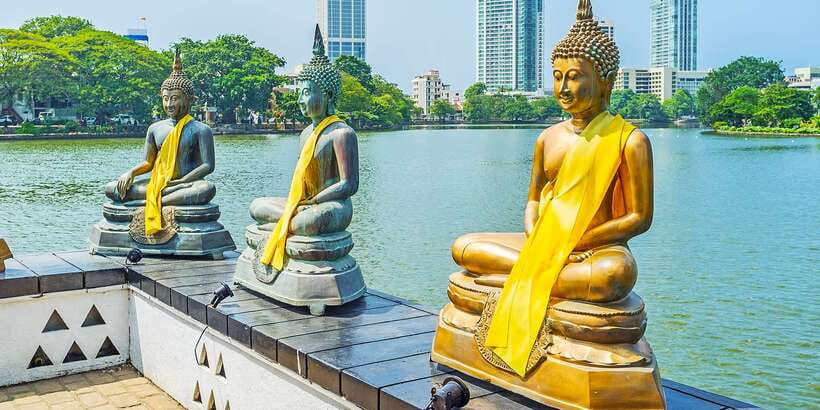
Finally, the biggest temple moment is Gangaramaya Temple, where you’ll get roughly 45 minutes for sightseeing and a self-guided-style visit. This longer time window matters. Temples take time to “see properly,” especially when you’re following rules like shoe removal and respectful behavior. The extra minutes give you room to wander at your own pace rather than rushing for the next driver cue.
Sambodhi Chaityha and the City’s Religious Architecture Highlights
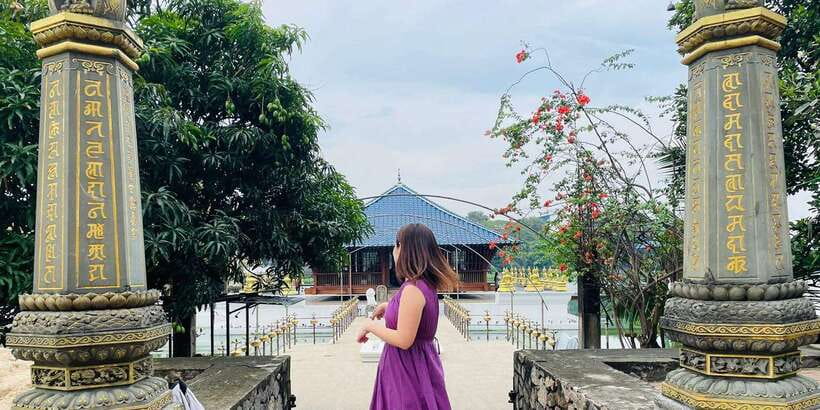
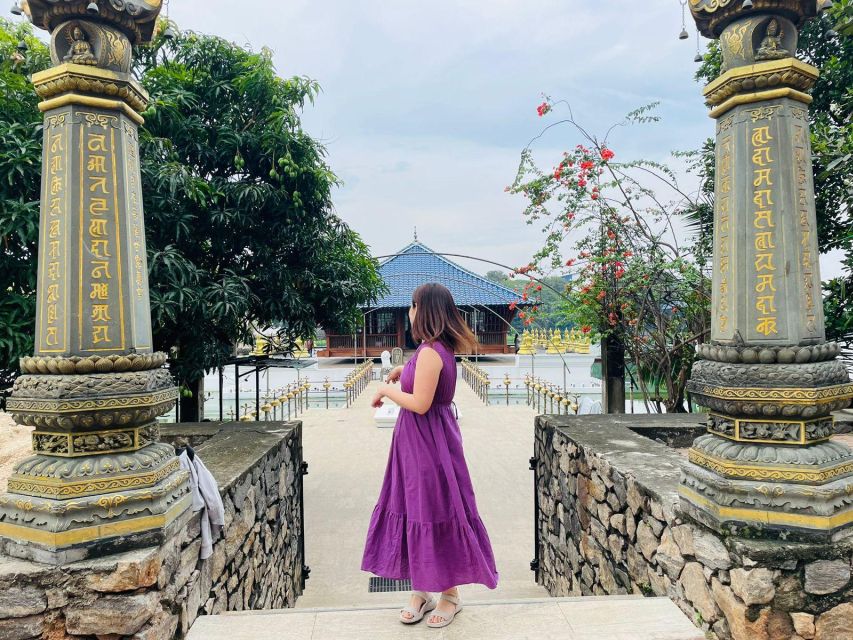
The tour includes a look at Sambodhi Chaityha Buddhist Shrine, described as standing on two concrete arches. That’s a helpful detail because it gives you a mental image before you even arrive. It’s also the type of site that rewards a slower glance, even if you’re not spending hours there—because religious architecture often has layered meanings you miss if you treat it like a quick roadside stop.
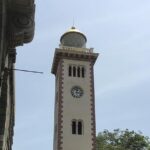
You’ll also see other notable viewpoints along the route, including the lighthouse area. In a short tour, it’s smart that the program mixes “you can photograph it from the road” moments with “you should step inside and look” moments. That balance keeps the day from becoming one long commute.
Independence Square and Town Hall: Modern Sri Lanka’s Symbols
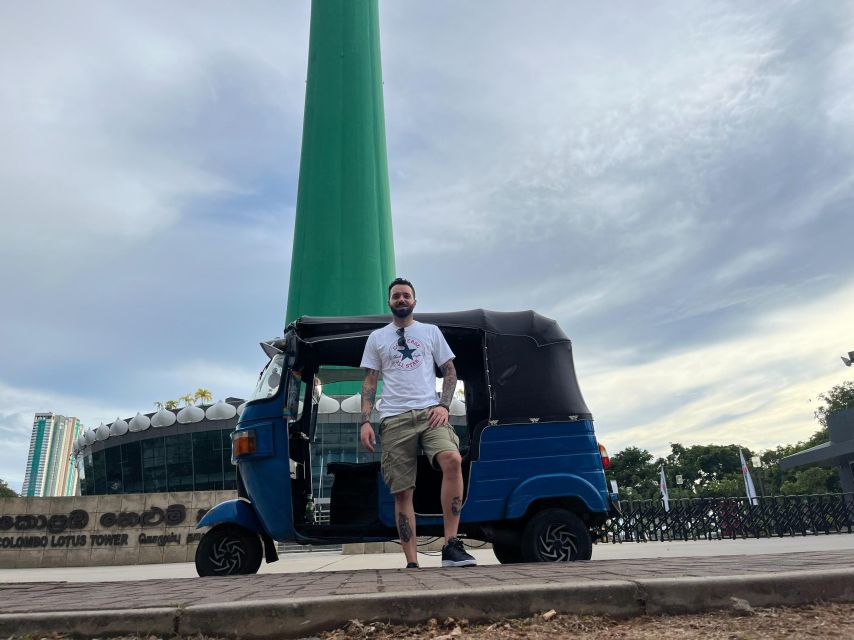
The tour then moves into national landmarks. You’ll admire the Town Hall and spend time at Independence Square. This is your chance to connect Colombo’s past and present. Independence Square is the kind of location where buildings and open space matter, not just the individual structures.
You’ll have about 15 minutes for photo stops and sightseeing here. Fifteen minutes doesn’t sound like much until you’re standing on a wide public square and realizing you’re waiting for the right angle, the right light, and a clear moment to move through without blocking anyone.
If you want the easiest way to get meaning out of the stop, ask your guide to point out what the monument area represents and how the surrounding buildings fit into the story of the city.
Bandaranaike Memorial International Conference Hall and Big-Stage Architecture
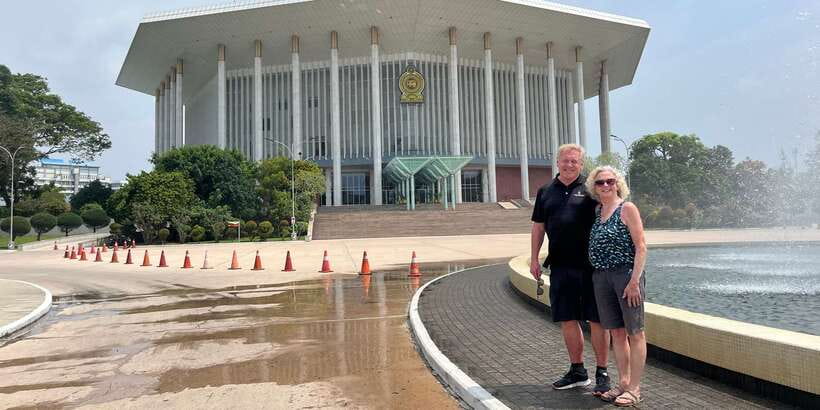
Another standout stop is the Bandaranaike Memorial International Conference Hall. You’ll pass by for a photo stop and a visit, and the program highlights an interesting fact: it was a gift from the People’s Republic of China. That kind of detail changes the experience from seeing a big building to understanding why it’s there.
You’ll also encounter major institutional architecture during this segment, which helps you complete the city picture. Earlier you looked at religious sites; now you’re seeing national-scale venues—spaces designed for public events, speeches, and international gatherings.
If you like architecture, this is where the tour feels more than a checklist. The guide’s explanations help you notice the design choices and their purpose.
Price and Value: Is This $30-Per-Group Tuk-Tuk Worth It?
At $30 per group up to two for a 3-hour tour, this is priced for value over luxury. The cost makes sense when you factor in what’s included: hotel pickup and drop-off by tuk-tuk, the tour itself, and bottled water. You’re also getting an English instructor, which can save time if you’re trying to understand religious and historical landmarks on your own.
What’s not included is just as important: entry tickets for attractions and additional food/drinks. The tour does include time that fits street food and souvenir shopping, but you’ll pay for what you choose to eat or buy.
So the value equation is simple:
- If you want a guided overview that saves you planning time, the price works.
- If you’re the type who plans every stop independently and doesn’t want shopping stops or guide time, you might feel like you’re paying for convenience you won’t use.
Shopping Stops and Street Food Time: How to Keep It Your Trip
Souvenirs are part of the experience. The tour mentions an emporium option for handicrafts shopping, and the overall highlights include street food time and shopping for take-home items.
Here’s my practical advice: if you want to buy tea, spices, or small crafts, great—just set a budget before you arrive. There’s evidence of at least one end-of-tour shopping stop that felt more sales-focused than expected, including pressure from sellers. That doesn’t mean shopping is bad; it just means you should stay in control. Ask questions, compare prices quickly if you can, and skip anything that doesn’t match what you came for.
Street food works best when you treat it as a choose-your-moment experience, not a requirement. If you’re hungry, use the time to try something small. If you’re not, use the time to look, breathe, and keep moving.
What to Wear, Expect, and Avoid at Temples
This is one of the few “rules” that can make or break your comfort level. Plan on:
- Shoes off at temples and places of worship
- Shoulders and knees covered for entry
Also keep in mind that the tour notes moderate walking. It’s not an all-day hike, but you will move between sites and spend time standing, watching, and walking inside certain areas.
If you’re juggling a fragile itinerary, this is still manageable. The tuk-tuk rides help you reset between stops, and the schedule keeps visits short enough that you’re rarely trapped for too long in one place.
Should You Book This Tuk-Tuk Tour of Colombo?
I’d book this if you want a smart, time-efficient introduction to Colombo with hotel pickup, English guidance, and a good mix of religion, monuments, and architecture. It’s also ideal if you like photos and want help finding the best angles—many guides are praised for taking photos and making the route feel stress-free.
Skip it or think twice if you’re sensitive to walking, have mobility/back/heart issues, get motion sick, or you know you hate shopping pressure. Also consider that entrance tickets and most food purchases are on you, so set expectations and carry what you’ll need.
If you want Colombo in three hours without turning it into a logistics puzzle, this is a solid way to do it—just go in with a plan for your shopping and dress ready for temples.
FAQ
How long is the Colombo city sightseeing tuk-tuk tour?
It runs for about 3 hours, with hotel pickup and return included.
What is the price for this tour?
The price is $30 per group, up to 2 people.
What’s included in the price?
Hotel pickup and drop-off by tuk-tuk, the tuk-tuk tour itself, and bottled water are included.
Are entry tickets included for the attractions?
No. Entry tickets for attractions are not included.
Will I need to remove my shoes and cover up?
Yes. You must remove your shoes in temples and places of worship, and shoulders and knees should be covered when entering.
Is the tour suitable if I have motion sickness or mobility issues?
The tour is not suitable for people with motion sickness, pregnant women, back problems, heart problems, altitude sickness, or mobility impairments. It is also not suitable for wheelchair users, even though it’s marked wheelchair accessible—so check your needs carefully.