REVIEW · SIEM REAP
Angkor Wat Private Tour in a Tuk Tuk
Book on Viator →Operated by Green Era Travel · Bookable on Viator
Angkor in a tuk-tuk feels like time travel. This private full-day route from Siem Reap moves you through big, spread-out ruins with hotel pickup/drop-off and live English commentary. You’ll stop at the main highlights—then get the context that helps the carvings and temple layouts make sense.
Two things I really like: the tuk-tuk format keeps the day from turning into a long slog, and the guide focus is practical, explaining what you’re looking at as you go. The mineral water also helps when the temples and sun team up for a sweaty afternoon.
One thing to consider: the Angkor National Park ticket ($37 per person) is not included in the $45 tour price, so your total cost is higher than the headline number. Also, it’s still a long day at a large outdoor site, so plan for heat and walking on temple ground.
In This Review
- Key Points You’ll Care About
- Tuk-Tuk Tempo: Why This Private Angkor Day Feels Easier
- Your Guide Is Part of the Value (Not Just the Driver)
- Morning Start: Siem Reap Pickup and How the Day Sets Up
- Angkor Thom: Capital-City Scale and the Power of Detail
- Bayon Temple: Faces, Symbolism, and Why Explanations Matter
- Terrace of the Elephants: Victory, Power, and Two Stops in One
- Ta Prohm: The Famous Ruins Feel (and Sometimes That’s Enough)
- Angkor Wat: The Main Event, the Best-Preserved One
- Price and Logistics: Is $45 Good Value?
- How to Prepare for a 6–7 Hour Temple Day
- Who This Tour Fits Best
- Should You Book This Tuk-Tuk Angkor Tour?
- FAQ
- What is included in the tour price?
- What is not included?
- What temples and sites are included in the itinerary?
- How long is the tour?
- Do I get hotel pickup and drop-off?
- Is this tour private?
- Is there a guide?
- Do I need an admission ticket?
- What is the cancellation policy?
Key Points You’ll Care About
- Private tuk-tuk convenience for narrow lanes inside Angkor and less time in transit
- Hotel pickup/drop-off so you don’t waste your morning figuring out logistics
- Stop-by-stop temple context, including Hindu legends shown in carvings
- Core sights in one day: Angkor Thom, Bayon, Terrace of the Elephants, Ta Prohm, Angkor Wat
- Bottled mineral water included to stay steady in the heat
- Strong guide performance, with known guides like Soydy, Vantha, Phy, Long, and Nak appearing in top-rated experiences
Tuk-Tuk Tempo: Why This Private Angkor Day Feels Easier
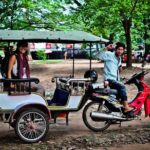
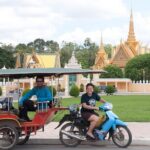
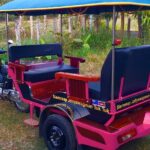
A tuk-tuk is the right tool for Angkor. The site is huge, and the best temples are spread out in a way that can burn hours. With this private tour, you’re not fighting with schedules or getting shuffled around by a group. You’re simply using a vehicle that can handle the flow of the park and the inner routes, while still letting you get close enough to the monuments to keep the day moving.
The private setup also matters for comfort. You can settle into a rhythm: ride between stops, pause at each temple, listen, take photos, then move on before the crowds fully stack up. On a day that’s roughly 6 to 7 hours, that rhythm helps. And because hotel pickup and drop-off are included, you’re not adding another layer of transport stress to your plans.
One small but real plus: there’s a mobile ticket option. It can make entry prep smoother when you’re trying to keep your day tight and organized.
You can also read our reviews of more tours and experiences in Siem Reap.

Your Guide Is Part of the Value (Not Just the Driver)
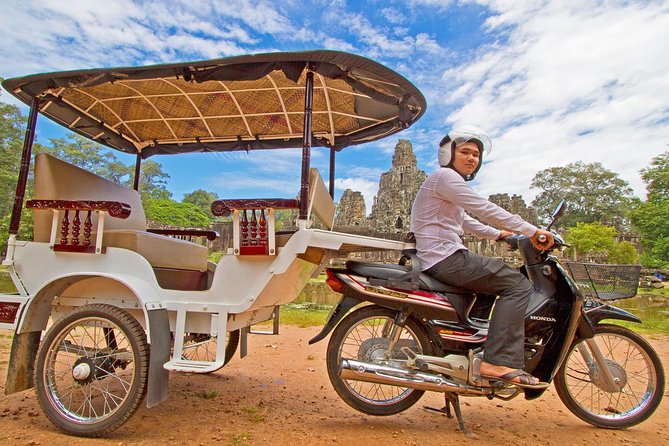
This is a tour built around understanding what you’re seeing. You’re getting a local live English-speaking guide who gives commentary on Angkor’s story and the meanings behind major carvings. You’ll learn about how Hindu legends show up in the temple detail, not just as decoration, but as part of the spiritual and royal worldview that shaped the Khmer-era monuments.
At stops like Angkor Thom and Bayon, carvings and iconography can feel like visual noise if you don’t know what to look for. With a good guide, the same details become readable. You start noticing patterns, symbols, and why certain places were designed the way they were.
The guide names that show up in the strongest experiences include Soydy, Vantha, Phy, Long, Voath Vinh, Phuy Phy, and Nak. That’s useful because you can sense the kind of day you’ll likely get: clear explanations, solid English, and a focus on temple specifics like inscriptions and decorative elements. It’s also reassuring that the guide and driver operate as a team, which matters when you’re moving quickly between distant points.
Morning Start: Siem Reap Pickup and How the Day Sets Up
You start at 8:00 am with pickup from your hotel in Siem Reap. That early start is a smart choice in Cambodia heat, because the temples don’t care what time you planned. Once you’re out of the city rhythm, the park feels different right away—more space, more atmosphere, and a lot more walking surfaces.
There’s a short initial stop right after pickup (listed at about 10 minutes in Siem Reap). Think of that as your mental warm-up. The ride begins, the guide starts framing what you’ll see, and your pacing for the day starts to click.
This is also where you’ll want to do a quick checklist:
- water in reach
- sunscreen and hat ready
- shoes that can handle uneven stone
Even with tuk-tuk support, Angkor still involves steps, paths, and some uneven ground.
Angkor Thom: Capital-City Scale and the Power of Detail
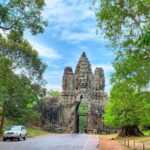
Angkor Thom is your first major temple zone, and it’s built like a statement. It was the capital city of the Khmer empire, created at the end of the 12th century, associated with King Jayavarman VII. Even if you don’t memorize dates, you’ll feel the planning: this place is about authority, order, and ritual space.
The stop is around 40 minutes, and that’s a good length to get the overview without rushing every corner. Angkor Thom is also one of those areas where a guide can help you connect the layout to meaning—why the city form looks the way it does, and how the temple functions within that larger world.
A practical note: this is a stop where you may want to ask questions while you’re still moving, not after you’re surrounded by stone. The best temple understanding happens right as you notice features, when they’re fresh in your mind.
Bayon Temple: Faces, Symbolism, and Why Explanations Matter
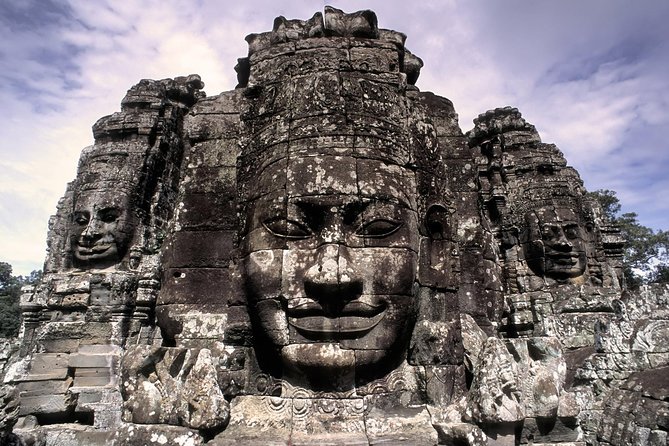
Bayon Temple is one of Angkor’s most famous scenes, and it can also be one of the most confusing if you just treat it as a photo stop. You’ll spend about 40 minutes here, and the payoff is in the details.
Bayon is tied to King Jayavarman VII and built around the late 12th or early 13th century as a state temple of the Mahayana Buddhist tradition. While the outward style is Khmer and eye-catching, the carvings and temple logic benefit from commentary. That’s where your guide turns “I see stuff” into “I know why it’s there.”
This is also a place where the earlier explanation of Hindu legends and iconography can pay off. When symbols and storytelling appear across different temples, you begin to recognize themes instead of treating each stop like a separate show.

Terrace of the Elephants: Victory, Power, and Two Stops in One
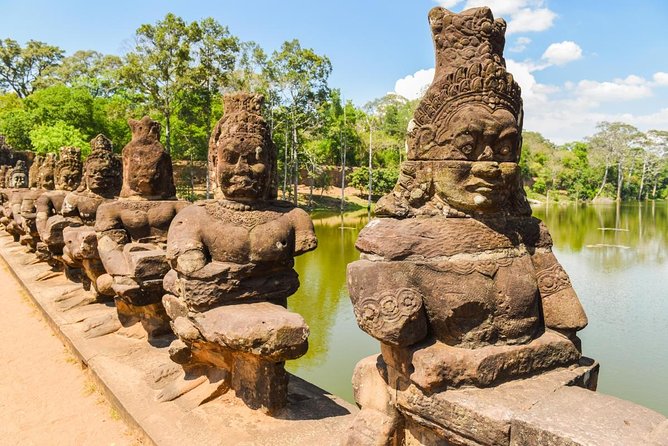
Next comes the Terrace of the Elephants, with a listed stop of about 30 minutes. This terrace isn’t just scenic; it’s historically framed as a platform where the king viewed the victorious return of his army. That means it’s not only about architecture. It’s about pageantry and political theater.
After that, you’ll also visit the Terrace of the Leper King. You’ll get time for both, and the guide can help you interpret the carvings so you’re not only standing and guessing. If you’re the type who likes knowing what scenes mean—who’s doing what and why—it’s a strong stop.
The practical side: terraces mean exposed surfaces. If you’re doing sunscreen right, you’ll still want water and shade breaks, because the heat can sneak up even with a vehicle waiting nearby.
Ta Prohm: The Famous Ruins Feel (and Sometimes That’s Enough)
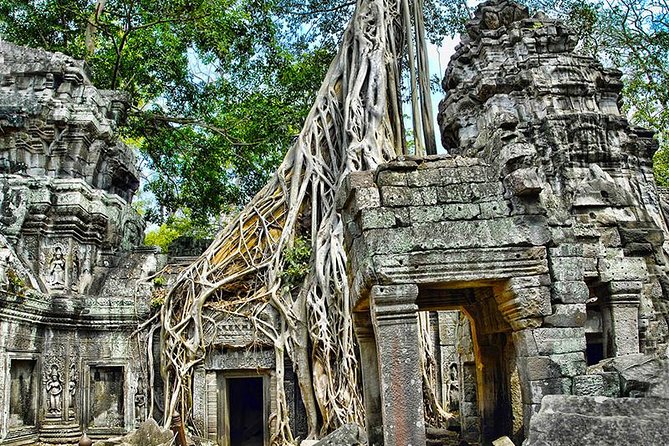
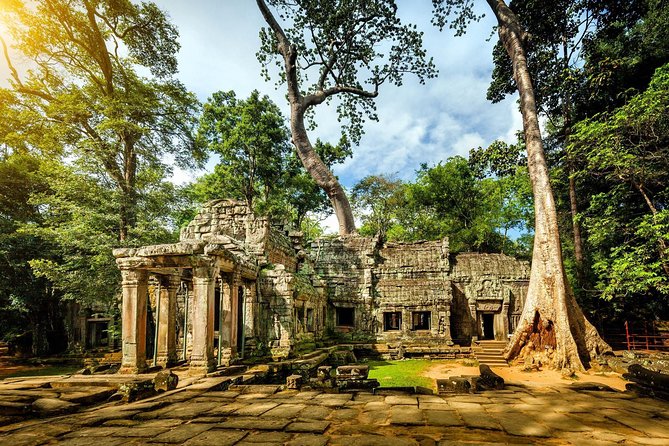
Ta Prohm is known for its state of ruin, described as a beauty that leaves you both delighted and a little sad. You’ll have about 1 hour at this stop, which is the right amount of time to see why it’s such a magnet for photographers.
This temple was built around the mid-12th to early 13th century (listed around 1186), also associated with Jayavarman VII. Ta Prohm’s “ruin” look is part of its identity, but you’ll get more value from your hour if your guide connects what you’re seeing to why the temple holds together in its damaged form.
A helpful way to enjoy Ta Prohm: treat it like a walking storytelling route. Pause at key angles where tree roots and stone frames create natural compositions. Then keep moving, so your brain updates its focus as the scene changes.
Angkor Wat: The Main Event, the Best-Preserved One
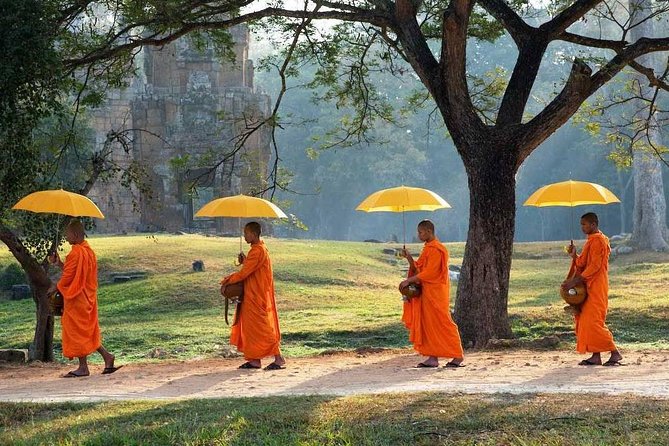
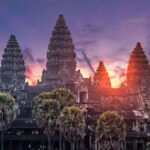
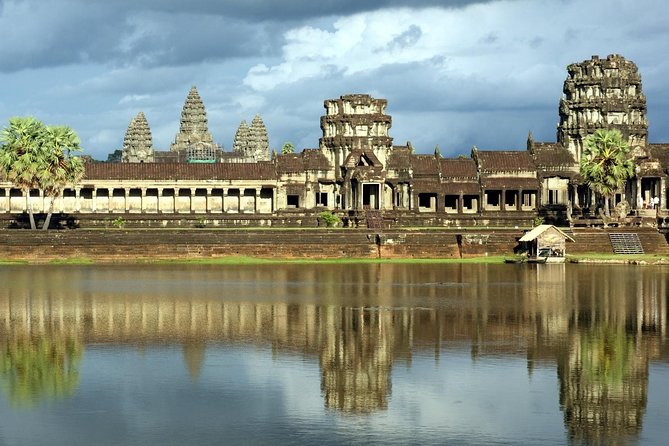
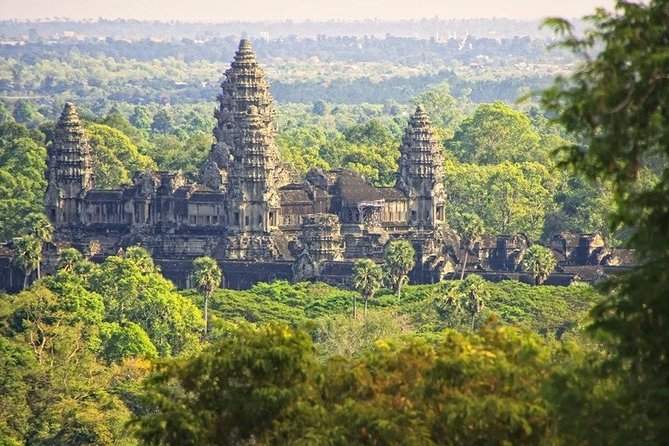
Then you reach Angkor Wat, and this is the big finish: about 2 hours here. Angkor Wat is built in the early 12th century for King Suryavarman II, and it’s described as the best-preserved temple at the site. That matters. You’re not just seeing ruins. You’re seeing a monument that still clearly communicates its design.
You’ll have time to notice the difference between Angkor Wat’s more intact grandeur and the more weathered feel of earlier temples. The carvings and layout are likely to feel more readable because they’ve endured with less distortion. Your guide’s commentary helps you understand how the site’s purpose and layout relate to royal and religious power.
If you like a structured plan, this is where you’ll appreciate the private format. Two hours is enough to see the highlights without turning it into a sprint, and it’s long enough for your guide to explain key features while you’re still in position to look.
Price and Logistics: Is $45 Good Value?
The tour price is $45 per person, which includes:
- tuk-tuk full-day tour
- local live English-speaking guide
- hotel/airport pickup and drop-off
- bottled mineral water during the tour
What’s not included is the Angkor National Park ticket: $37 per person.
So your realistic budget is closer to $82 total per person before you add food, drinks, or anything else you might want. That’s still a fair amount for a private tuk-tuk with a guide, especially when you factor in hotel pickup and the number of major temple stops packed into a single day.
Where the value gets stronger: if you care about the meanings behind carvings and the story connecting multiple temples, a guided day reduces the mental load. You spend less time trying to interpret details on your own and more time appreciating what the Khmer builders intended.
Where the value can feel weaker: if you’re only looking for basic sightseeing and you already know the stories or prefer audioguides, you might question the extra cost of a private guide. But if you want context on-site, the guide portion is the main reason this tour is worth it.
How to Prepare for a 6–7 Hour Temple Day
Even with tuk-tuk help, you’ll still spend time on uneven stone and in sun. Think of this as an outdoor marathon in layers, not just a casual stroll.
I’d plan around:
- Heat management: drink water from the bottle provided and bring a hat
- Footwear: choose shoes that can grip and handle small steps
- Pacing: use each stop’s time wisely; don’t save all your questions for the car ride later
- Timing expectations: it’s roughly 6 to 7 hours, and that includes rides and temple moments, not just time at Angkor Wat
If you have mobility limits, the private tuk-tuk can be a big help because it can get you closer and reduce the amount you have to walk between points. The best experiences you’ll find mention guides working well with different needs, including support for someone using a walking pole to steady themselves.
Who This Tour Fits Best
This works especially well if you want:
- a private day with your own group, not a big shuffle
- major Angkor highlights in one visit
- commentary that ties temples to legend and meaning
- hotel pickup so you start the day calm
It’s also a great fit for first-time Angkor visitors. The stops are the classic lineup, and the guide can help you avoid the common mistake of treating each temple like an unrelated photo backdrop.
If you’re a hard-core explorer who likes long solo wandering and extra niche sites, you might want a different format. This tour is built to hit the big names and explain them well—not to spend all day chasing the less obvious corners.
Should You Book This Tuk-Tuk Angkor Tour?
If your priority is a smooth, guided day that hits the core temples and gives you the meanings behind what you’re seeing, I’d book it. The combination of hotel pickup/drop-off, tuk-tuk convenience, and a live English-speaking guide makes it a strong value, even with the separate $37 ticket.
I’d hesitate only if you’re trying to keep costs ultra-low or you prefer to self-navigate without guide context. In that case, you could do something cheaper, but you’d trade away the stop-by-stop explanations that make carvings and layouts click.
One last nudge: treat this as a day to understand, not just a day to photograph. When you do that, Angkor Wat and the rest stop being a checklist and start feeling like a connected story.
FAQ
What is included in the tour price?
The $45 per person tour includes a full-day tuk-tuk tour, a local live English-speaking guide, hotel/airport pickup and drop-off, and bottled mineral water during the tour.
What is not included?
Food and drinks, travel insurance, and the Angkor National Park ticket fee are not included. The ticket fee listed is $37 per person.
What temples and sites are included in the itinerary?
You’ll visit Angkor Thom, Bayon Temple, the Terrace of the Elephants (and the Terrace of the Leper King), Ta Prohm Temple, and Angkor Wat.
How long is the tour?
The duration is listed as 6 to 7 hours (approx.).
Do I get hotel pickup and drop-off?
Yes. Hotel/Airport pickup and drop-off are included, with pickup scheduled for 8:00 am from your hotel in Siem Reap.
Is this tour private?
Yes. It’s listed as a private tour/activity, and only your group participates.
Is there a guide?
Yes. The tour includes a local live English-speaking guide.
Do I need an admission ticket?
Yes. The Angkor National Park ticket fee is $37 per person and is not included in the tour price.
What is the cancellation policy?
You can cancel for a full refund if you cancel at least 24 hours in advance. If you cancel less than 24 hours before the start time, the amount paid is not refunded.