REVIEW · NEW DELHI
3-4 Hour Old Delhi Heritage Walk Tour with Tuk Tuk Ride Wherever Required
Book on Viator →Operated by TravExcel India Tours & Travel · Bookable on Viator
Old Delhi can feel like a living maze, fast. This half-day heritage walk is built for that exact challenge, with an air-conditioned car for the longer stretches and short tuk-tuk and rickshaw hops where the streets demand it. I like the small-group limit of 15, because it keeps the pace human and the guide able to answer your questions. You also get door-to-door pickup and bottled water, so your energy stays where it should be: in the lanes.
My other favorite part is how the route mixes major monuments with real market streets. You start at Jama Masjid, then move into Chandni Chowk, Gali Paranthe Wali, Khari Baoli, and the older spice-and-crafts lanes around Dariba Kalan. The one drawback to weigh is that Jama Masjid admission (and possible camera fees) are not included, and the tour runs best in good weather since the streets can be more difficult when conditions turn.
In This Review
- Key points to know before you go
- Old Delhi in 3–4 Hours: How This Loop Fits the Time Crunch
- Getting Oriented at Jama Masjid (and Why It Matters First)
- Chandni Chowk Lanes: Shopping Streets with a Story Behind Them
- Khari Baoli, the Spice-Wholesale Reality Check
- Naughara and Dariba Kalan: The Street Names That Carry Meaning
- Tuk-Tuk and Rickshaws: Comfort, Speed, and Staying Sane
- Price and Value: Why $24 Can Work Here
- Who This Tour Is Best For (and Who Should Rethink It)
- Should You Book This Old Delhi Heritage Walk?
- FAQ
- How long is the Old Delhi Heritage Walk with tuk-tuk rides?
- What is the price per person?
- Is pickup from my hotel included?
- What group size should I expect?
- Which places are included in the route?
- Is admission to Jama Masjid included?
- Are meals included?
- What’s included besides the guide?
- What if the weather isn’t good?
Key points to know before you go
- Small group cap (15) keeps the experience personal, not chaotic
- A/C transport plus tuk-tuk/rickshaw hops helps you cover ground without tiring out
- Jama Masjid start gives you the Mughal-era context right away
- Real market streets like Chandni Chowk and Khari Baoli bring the senses along
- Guide-led logistics in crowds is a big part of why this feels smooth
- Extra costs are mostly at Jama Masjid (admission and camera fees)
Old Delhi in 3–4 Hours: How This Loop Fits the Time Crunch
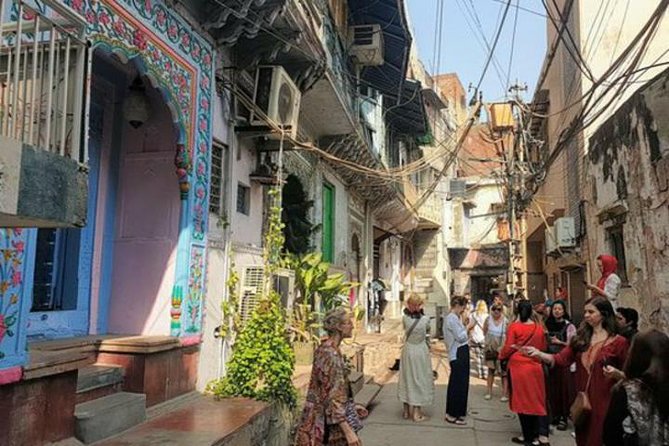
Old Delhi rewards curiosity, but it can also chew up time. This tour makes a smart promise: you’ll see a lot of key places in a short window, without trying to sprint through them like a checklist.
The timing is practical. You’re out for about 3 to 4 hours, which is long enough to get the history and the market atmosphere, but not so long that you’ll feel destroyed after. The route also uses an A/C vehicle between stops, then switches to tuk-tuk and rickshaw when the lanes get too tight for comfort.
If you’re visiting New Delhi for the first time, or you only have half a day to spend in Old Delhi, this is the right kind of plan. You’ll get a guided story thread from Mughal roots through spice-market commerce and the dense street trading that still defines the area.
One more thing: the price is set at $24 per person, and that matters because it’s positioned as a guided, transportation-supported experience rather than just a walk. You’re paying for a guide, a small-group format, and that A/C ride piece that can make or break your day in Delhi heat.
You can also read our reviews of more tours and experiences in New Delhi.



Getting Oriented at Jama Masjid (and Why It Matters First)
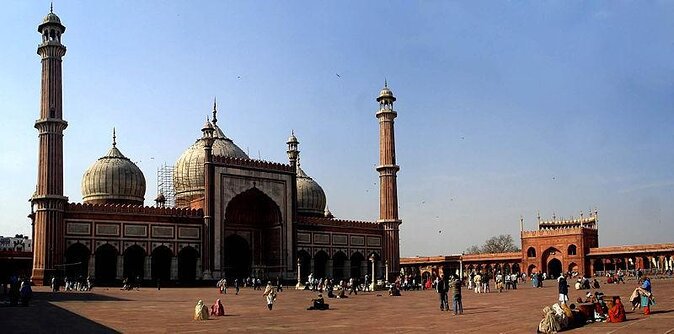
You begin at Jama Masjid, one of India’s largest mosques. It was built by Mughal Emperor Shah Jahan between 1644 and 1656, at a cost reported as 1 million rupees. Starting here works well because it gives you the big historical anchor before you get pulled into the smaller stories of street markets.
You’ll spend about 45 minutes there, and it’s the part of the tour where you should expect the most “destination” feeling. The admission ticket isn’t included, and camera fees are also noted as possible extras. That’s not a deal-breaker, but it’s worth planning for so you aren’t surprised halfway through.
Also, think of this stop as your orientation session for Old Delhi. The guide can help you understand what you’re looking at—why this building matters, and how the surrounding city energy developed around it. When you start at a major monument like this, the rest of the lanes don’t feel random.
Chandni Chowk Lanes: Shopping Streets with a Story Behind Them
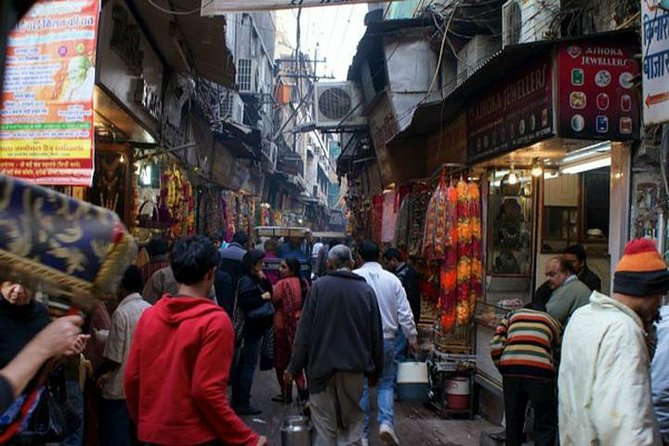
After Jama Masjid, you shift into Chandni Chowk, and the atmosphere changes immediately. You get around 30 minutes here, focused on the market ecosystem: spices and dried fruits, silver jewelry, vivid saris, and side streets where small shops sell things like essential oil.
This is where a guide earns their keep. Old Delhi’s market streets are dense, and without context you can lose time just trying to decide where to look next. With a planned stop, you get a short window to understand how different streets specialize and how the market rhythm works.
You’ll also stop at Gali Paranthe Wali for about 15 minutes. This narrow street is known for shops selling paratha—simple in concept, but it’s a great way to feel Old Delhi as everyday life, not just monuments. Even if you don’t buy anything, the energy of a food-focused lane teaches you how the city eats and shops on the same grid.
A practical note: because this area is built for people on foot and vendors, your comfort depends on pacing. The tour is designed to keep the time tight, so you don’t end up stuck in one spot while everyone else moves on.
Khari Baoli, the Spice-Wholesale Reality Check
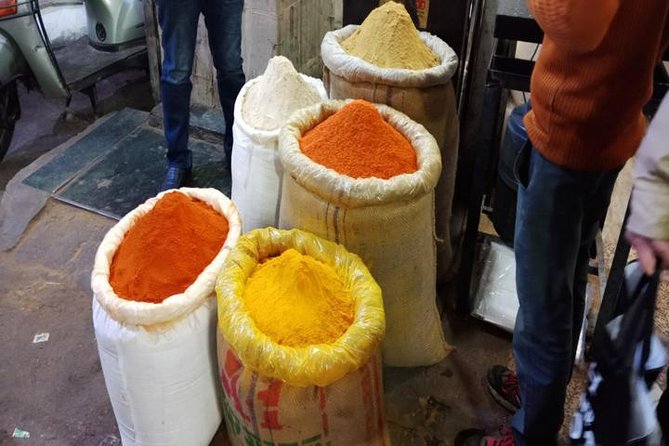
Then comes Khari Baoli, about 30 minutes, and this is one of those stops that redefines what you mean by a market. It’s known as a wholesale grocery street and is described as Asia’s largest wholesale spice market, with spices, nuts, herbs, and food products like rice and tea.
This stop feels powerful because it isn’t only about sightseeing. It’s about supply chains you can see. You’re not just looking at spices as souvenirs; you’re seeing the scale and variety that supports the rest of Delhi’s cooking and trade.
If you like photo opportunities, this is often where people want them most. Just remember that certain costs (like camera fees) are mentioned for Jama Masjid, not necessarily the markets, so it’s best to keep an eye on what’s allowed where you are.
Naughara and Dariba Kalan: The Street Names That Carry Meaning

You’ll spend about 25 minutes at Naughara. The name points to nine homes (nau ghar), though another explanation links it to nine pots of water kept out for travellers. Either way, it signals how these streets thought about visitors and survival long before modern tourism arrived.
That kind of small historical detail changes how you experience the place. Instead of seeing a random street corner, you start noticing that the city was built with human needs in mind—rest, food, supplies, and safe movement through crowds.
Next is Dariba Kalan for about 30 minutes. The name is connected to Persian roots: Dur-e be-baha is translated as unparalleled pearl, and Kalan means big. The area is known for gold and silver stalls, and there’s also a nearby smaller counterpart referred to as Dariba Khurd or Chhota Dariba.
In practice, this stop gives you a crafts-market angle after the spice intensity. It’s a useful contrast. You get trade in edible goods first, then trade in metalwork and jewelry, both of which shaped Old Delhi’s wealth and reputation.




Tuk-Tuk and Rickshaws: Comfort, Speed, and Staying Sane
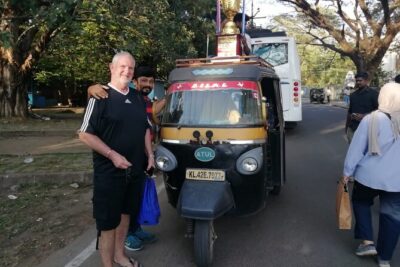
One reason this tour works is that it doesn’t treat transportation as an afterthought. You use an A/C car between sites, then the plan switches to tuk-tuk and rickshaw “wherever required.” That wording is key, because Old Delhi streets aren’t built for regular cars to move freely.
The benefit for you is simple: you spend your walking energy on the areas that are best on foot, and you don’t waste it fighting traffic or trying to squeeze through lanes too narrow for your sanity.
The guide also plays a behind-the-scenes role. Multiple guides associated with this experience have been praised for handling crowds and logistics, plus keeping things on time without rushing you. In a place like Old Delhi, that crowd navigation can be more valuable than any single building.
You’ll also get bottled water, which sounds small until you’re standing in heat with spices and crowds nearby.
Price and Value: Why $24 Can Work Here
At $24 per person, this is priced like a guided half-day with real transport support, not a bare-bones walking tour. You’re paying for:
- a small group (up to 15),
- an A/C vehicle for transfers,
- bottled water,
- a guide through major Old Delhi stops,
- GST included.
Where you might spend extra is clear. Lunch isn’t included, and Jama Masjid admission is not included. Camera fees in Jama Mosque are also called out as possible extras. So your best value comes when you budget for that one main entrance and keep snacks and drinks optional.
Also, note the booking rhythm: it’s commonly reserved about a month in advance. That’s usually a sign the tour has limited capacity and solid demand, so if you’re traveling in peak weeks, I’d book earlier rather than hoping for last-minute luck.
Who This Tour Is Best For (and Who Should Rethink It)
This tour fits you if you want Old Delhi’s highlights without building a full-day itinerary yourself. It’s ideal for first-timers who need context, and for anyone who likes markets but wants a guide to prevent time-wasting and confusion.
It also suits you if you prefer a structured pace. The tour length is controlled, stops are timed, and transportation reduces fatigue. Reviews tied to this experience often mention feeling safe and not rushed, which is exactly what you want when you’re walking dense streets with lots of momentum around you.
If you hate crowds or you need long stretches of quiet, you might find the market sections challenging. This is a city area designed for movement and trade, so it won’t feel calm.
Should You Book This Old Delhi Heritage Walk?
If you’re weighing options, I’d book this when you want a guided half-day that hits the core: Jama Masjid, Chandni Chowk, the paratha lane, Khari Baoli spices, and the craft and street-name history around Naughara and Dariba Kalan. The small group size and the A/C plus tuk-tuk approach are the practical reasons it tends to feel manageable.
I’d pause only if you’re trying to avoid any paid entry at Jama Masjid or you’re traveling in weather that might make outdoor walking less pleasant. Otherwise, for the time and the mix of monuments plus real commerce streets, this is good value—and it helps you leave Old Delhi with a map in your head, not just photos on your phone.
FAQ
How long is the Old Delhi Heritage Walk with tuk-tuk rides?
It runs about 3 to 4 hours.
What is the price per person?
The price is $24.00 per person.
Is pickup from my hotel included?
Pickup is offered, including door-to-door hotel transfers.
What group size should I expect?
The tour is capped at 15 visitors, keeping it small-group.
Which places are included in the route?
You’ll visit Jama Masjid, Chandni Chowk (Pasar Chandni Chowk), Gali Paranthe Wali, Khari Baoli, Naughara, and Dariba Kalan.
Is admission to Jama Masjid included?
No. Admission tickets for Jama Masjid are not included, and camera fees in Jama Mosque may also apply.
Are meals included?
Lunch is not included.
What’s included besides the guide?
You get bottled water, an A/C vehicle, private transportation, and GST.
What if the weather isn’t good?
The experience requires good weather. If it’s canceled due to poor weather, you’ll be offered a different date or a full refund.