REVIEW · LISBON
Private Eco Tuk Tuk Tour of Lisbon’s Center Essential Landmarks
Book on Viator →Operated by Cronotours · Bookable on Viator
Lisbon from a tuk tuk makes perfect sense. This private eco tuk tuk route strings together the city’s best miradouros and landmark churches without turning your day into a marathon. You also get a feel for distinct neighborhoods, from Alfama viewpoints to Chiado’s shopping streets, all in about 1 to 2 hours.
Two things I especially like: first, the way the stops are timed so you can see a lot of Lisbon without feeling rushed—think short, focused visits with plenty of viewpoint time. Second, you end up with a smart mix of iconic sights plus real street life, including Chiado around Rua Garrett and Praça Luís de Camões. One drawback to plan around: if you want long museum-style visits, this isn’t built for deep ticketed time, since some churches have an extra entrance cost.
If you are traveling with a small group (up to 5), a private format can be a real win for pacing. And based on feedback, the guide can adapt if your day runs late or you hit minor travel snags—so you do not lose the best viewpoints to time pressure.
In This Review
- Key highlights worth knowing
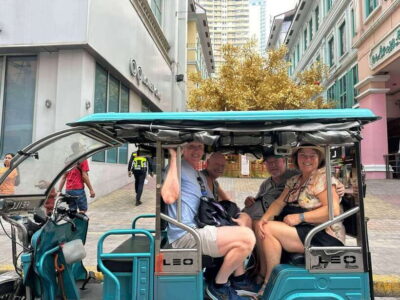
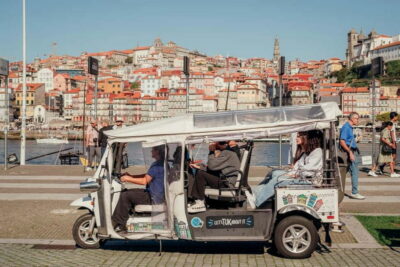
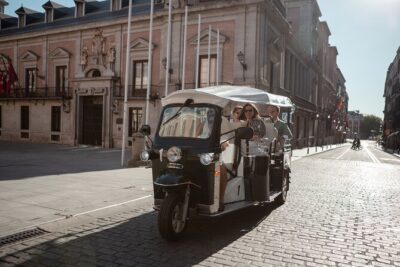
- Eco tuk tuk in central Lisbon: why this format works
- Starting at Lisbon Cathedral (Sé): the city’s oldest anchor point
- Miradouro Das Portas do Sol: Alfama views without the exhausting climb
- Miradouro da Senhora do Monte: the highest viewpoint moment
- São Vicente de Fora and São Roque: big Portuguese monastery energy
- Igreja de São Vicente de Fora
- Igreja de São Roque
- Panteão Nacional (Santa Engrácia): a ticketed stop to budget
- Chiado and Praça Luís de Camões: shopping streets with real café energy
- Miradouro São Pedro de Alcântara and Bairro Alto: viewpoints meet fun streets
- São Bento Palace and Baixa: parliament views and post-1755 planning
- São Bento Palace
- Baixa
- Parque Eduardo VII and the Hot Greenhouse break
- Price and value: when €95.86 makes sense
- Who this Lisbon eco tuk tuk tour fits best
- Should you book this tour?
- FAQ
- How much does the Private Eco Tuk Tuk Tour of Lisbon’s Center cost?
- How long is the tour?
- Is this a private tour?
- What is included and what should I pay for myself?
- Where does the tour start and is hotel pickup available?
- Does the tour run in any weather?
Key highlights worth knowing
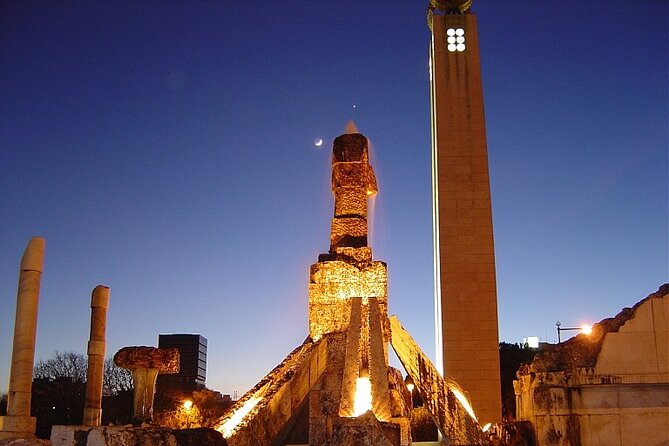
- Private group, small size (up to 5): easier conversations and a pace that fits your group.
- Top viewpoints in a short run: Portas do Sol, Senhora do Monte, and São Pedro de Alcântara are built in.
- A strong church-and-city mix: Sé, São Vicente de Fora, São Roque, and the National Pantheon area.
- You get one local drink included: a ginja liqueur is part of the experience.
- Some entrances are extra: plan for about €11 per person for ticketed sites.
- Hotel pickup is available: pickups can be arranged at the lobby or right at the hotel door.
Eco tuk tuk in central Lisbon: why this format works

Lisbon’s center is famous for hills and tight streets. A tuk tuk doesn’t just save steps—it keeps you near the places you came to see, so you spend your energy on views and photos instead of constant stair battles.
This is a private tour, which matters more than you might think. With up to 5 people, the guide can adjust timing, parking time, and stop order when needed. If you are trying to fit Lisbon into a busy itinerary, that flexibility can make the difference between a great day and a slightly chaotic one.
Timing is also realistic. The day runs about 1 to 2 hours, with most stops around 10 to 15 minutes. That’s ideal for first-time orientation: you see the big landmarks, you learn how neighborhoods stack up, and you leave knowing where you want to return later on your own.
You can also read our reviews of more tours and experiences in Lisbon.



Starting at Lisbon Cathedral (Sé): the city’s oldest anchor point
You begin at Lisbon Cathedral, officially the Cathedral of Saint Mary Major, commonly called Sé. It dates to 1147 and is described as the oldest church in the city. That alone gives you a strong baseline for the day: you start with something deeply rooted, not just a modern viewpoint.
This first stop is quick and efficient—about 10 minutes—with admission ticket listed as free. The value here is not a long interior visit. Instead, it’s the feel of the older Lisbon fabric—stone, scale, and a sense of the layers that build the city today.
Practical note: since this is Lisbon’s older core, expect uneven ground around major sites. If you are sensitive to steps, bring comfortable, grippy shoes even if you are on a tuk tuk for the connecting parts.
Miradouro Das Portas do Sol: Alfama views without the exhausting climb
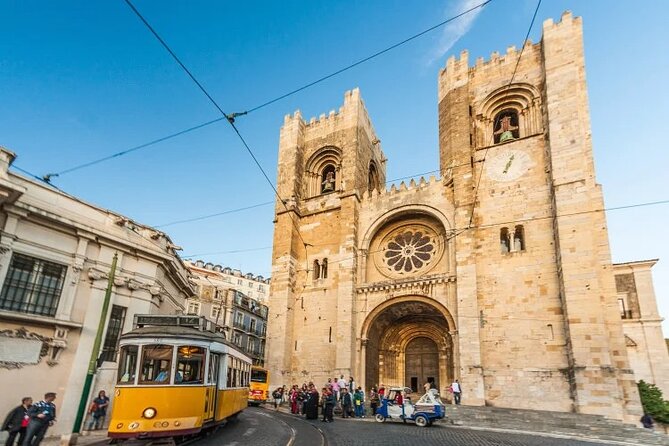
Next comes Miradouro das Portas do Sol. This is a scenic viewpoint known for panoramic views of traditional Alfama houses, including the red roofs and the churches that sit throughout the neighborhood.
The genius of this stop is the payoff versus the effort. You do not need to spend hours hunting for the perfect angle. The visit is about 15 minutes, with free admission, so you can take in the view, snap photos, and still move on while your energy is high.
If you are the type who likes to understand a place visually, this viewpoint helps you connect the dots. You see how Alfama rises and folds, which makes later walking around the area feel more logical.
Miradouro da Senhora do Monte: the highest viewpoint moment

After Portas do Sol, you head to Miradouro da Senhora do Monte, another classic Lisbon viewpoint. This one is positioned in a churchyard and described as the highest point in the neighborhood, with panoramic city views.
Again, it’s built for quick clarity: about 15 minutes, free admission. The view is the star, but the atmosphere matters too. Being in a churchyard makes it feel like more than a tourist photo spot—it’s a place with local stillness, where people pause and look.
Tip for photos: shoot in short bursts. The light can shift fast in open viewpoints, and you’ll spend less time waiting for the perfect moment and more time just enjoying Lisbon’s sprawl.
São Vicente de Fora and São Roque: big Portuguese monastery energy
Now the tour turns from viewpoints back toward major landmarks—specifically monasteries and standout churches.






Igreja de São Vicente de Fora
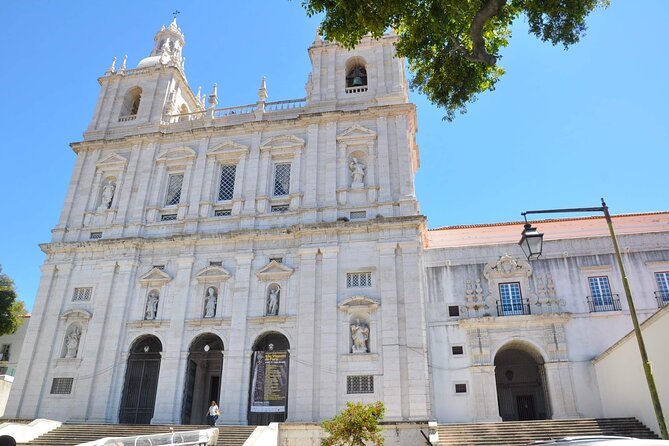
Igreja de São Vicente de Fora is described as a 17th-century monastery and mannerist building and one of the country’s important sites of this type. It’s a brief stop (about 10 minutes) with free admission.
This stop is valuable because it shows Lisbon’s cultural depth beyond postcards. Even in a short visit, you can pick up the feel of Portuguese religious architecture and how monasteries shaped life long before modern tourism.
Igreja de São Roque
Then you move to Igreja de São Roque, described as the earliest Jesuit church in the Portuguese world. It also served as the Society’s home church in Portugal for over 200 years.
This is another short stop (about 10 minutes) with free admission. The payoff here is context: Lisbon’s religious landscape is not one-style, one-era. You start seeing different traditions and timelines, and that makes later self-guided visits easier to interpret.
One small consideration: both are quick stops. If you love architecture, plan to return later on your own with more time. This tour gives you the headlines and direction, not hours of slow study.
Panteão Nacional (Santa Engrácia): a ticketed stop to budget
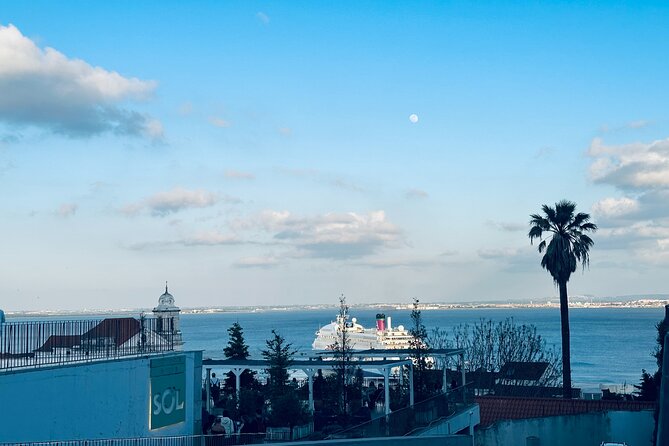
One church stop is not free: Panteão Nacional, connected to the Church of Santa Engrácia. It’s a 17th-century monument and has been converted into the National Pantheon, with important Portuguese personalities buried there.
This is listed as about 10 minutes, but admission here is marked as not included, with an estimated €11 per person for entrances and museums to be paid directly on site.
Here’s how to think about this cost. You are not paying because you have to. You are paying because this is one of the most meaningful interiors on the day—so budgeting ahead keeps it stress-free. If you arrive with a plan for the fee, you can enjoy the stop instead of counting minutes waiting for a refund conversation.
Chiado and Praça Luís de Camões: shopping streets with real café energy
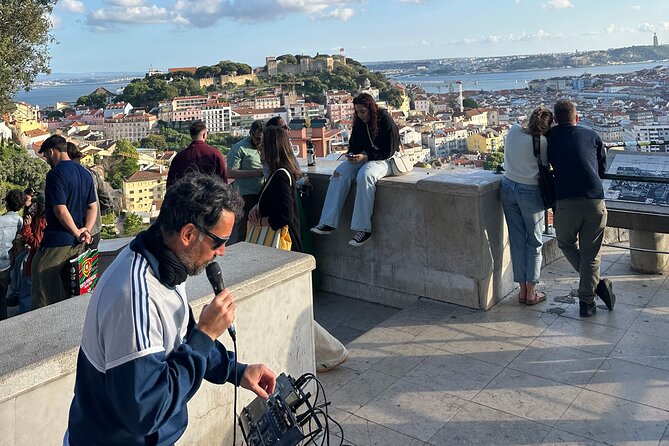
After the landmark stops, the tour reaches Chiado, described as Lisbon’s shopping and theater hub. You’ll pass by Rua Garrett, home to shopping and the well-known Bertrand Bookstore.
Then you swing near Praça Luís de Camões, a square tied to a 16th-century poet statue. This is also described as a popular alfresco dining area, shaded by ancient jacaranda trees. The history reaches back from before 1755 to the Carnation Revolution, which gives the neighborhood extra depth when you are sitting outdoors and people-watching.
This is a great section for what I call travel context. You stop seeing Lisbon only as viewpoints and churches, and you start seeing it as a living city with everyday culture—shopping, cafés, and public life.
If your day is short, Chiado is one of the best places to get oriented. You learn where to go if you want a relaxed stroll later without needing a full day of planning.
Miradouro São Pedro de Alcântara and Bairro Alto: viewpoints meet fun streets
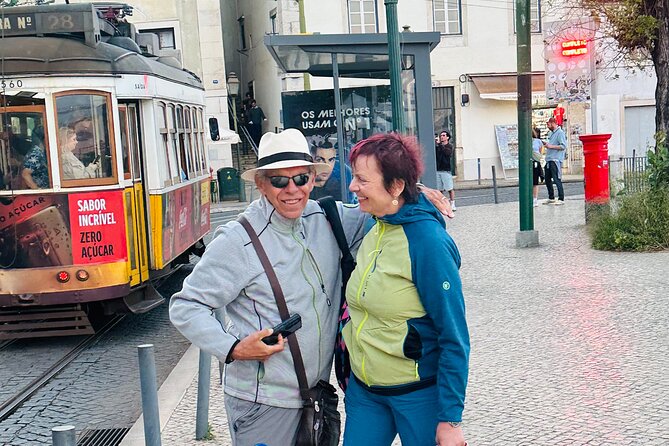
Next comes Miradouro de São Pedro de Alcântara, described as a sizable landscaped terrace with a fountain and panoramic city views. This stop runs about 15 minutes, free admission.
From there, you also get the sense of Bairro Alto, with its steep cobbled streets. The tour description specifically connects this area with riding the Bica Funicular, and pairing that with visits around São Roque Church and the viewpoint.
Even if you do not ride the funicular exactly the same way you expect, the value is the neighborhood connection. Lisbon’s neighborhoods feel steep and disconnected until you see how the viewpoints, churches, and funicular routes link them together.
Plan your footwear accordingly. Even with a tuk tuk, you may walk a bit on cobbles.
São Bento Palace and Baixa: parliament views and post-1755 planning
Then you shift toward government and the city’s core streets.
São Bento Palace
São Bento Palace is described as the seat of the Assembly of the Portuguese Republic (Portugal’s parliament) since 1834. It was originally constructed in 1598 as a monastery of the Benedictine Order. After the Liberal Wars, the order was dissolved, and the building’s role changed.
This stop is a smart mental reset after viewpoints. You see the kind of institutional Lisbon that shaped modern Portugal, not only the older religious city.
Baixa
Baixa is Lisbon’s historic heart and commercial center, rebuilt after the 1755 earthquake with neoclassical architecture around Commerce and Rossio squares. The streets are pedestrianized and packed with activity.
The value here is simple: you get the “city at street level” feel. It’s where Lisbon looks organized and planned, contrasted against hill neighborhoods like Alfama and Bairro Alto.
If you are trying to choose a neighborhood to explore next, this is a great moment to decide. Baixa is often easier to navigate than the older hills, especially if you want a relaxed walk.
Parque Eduardo VII and the Hot Greenhouse break
Finally, you finish at Parque Eduardo VII, Lisbon’s central park named as a tribute to English monarch Edward VII. The park’s grassy central strip is flanked by long Portuguese paved walkways, dividing the park into two green, tree-lined zones.
There’s also a standout feature mentioned in the park: the greenhouse in the northwest corner, built on the site of an old basalt quarry. It includes a variety of exotic plants and even streams, waterfalls, palm trees, fuchsias, banana trees, and a Hot Greenhouse with lush plants, cacti, and tropical birds.
This ending is a nice change of pace. After churches, squares, and viewpoints, a park gives you a breather and helps your brain reset before you head back to your next meal or evening plan. Admission is listed as free for the park stop.
If you love plants or you have kids with you, this last section can feel more interesting than it sounds on paper. Even a short pause in a greenhouse setting breaks up the day in a good way.
Price and value: when €95.86 makes sense
The price is $95.86 per group, up to 5 people, for about 1 to 2 hours. That pricing structure is actually what makes this tour practical: the cost scales with group size, not per solo traveler.
What’s included is also a thoughtful touch—alcoholic beverages include ginja liqueur. That’s a classic Lisbon flavor, and it turns a sightseeing tour into something a bit more local without needing extra planning.
The one clear cost you should plan for is entrance fees. Museums and churches to be paid directly on site are listed as about €11 per person. Since at least the National Pantheon stop is ticketed, it’s smart to arrive prepared.
So, is it good value? For first-time Lisbon visitors, yes. You get a tight loop of viewpoints, major churches, Chiado street culture, a parliament area stop, and a central park finish—without coordinating transit or wasting time figuring out which hill to tackle first.
Who this Lisbon eco tuk tuk tour fits best
This tour fits best if you want a smart first pass through central Lisbon. It’s ideal for couples or small groups who:
- want big-name sights without a full-day walking plan
- like mixing viewpoints with architecture and neighborhood streets
- value a private pace and hotel pickup options
- are okay with short stops and paying a small entrance fee for at least one ticketed site
It may not fit you as well if you love slow museum time, deep guided lectures, or long indoor stops. This is a sampler with strong direction, not an all-day immersion program.
Should you book this tour?
I would book it if your priority is seeing Lisbon’s key landmarks quickly and clearly, with the convenience of a private eco tuk tuk and hotel pickup. The stop lineup gives you the best of multiple Lisbon personalities: old-city churches, famous viewpoints, Chiado’s shopping-and-square life, Baixa’s post-earthquake core, and a park finish with greenhouse details.
Book it soon if your dates are tight—this kind of tour often gets planned in advance. And do it with one realistic mindset: you are paying for momentum. You will come away with a lot of places to revisit later, and that is a very good way to start a trip in Lisbon.
FAQ
How much does the Private Eco Tuk Tuk Tour of Lisbon’s Center cost?
It costs $95.86 per group, up to 5 people.
How long is the tour?
The duration is about 1 to 2 hours.
Is this a private tour?
Yes. It is private, and only your group participates.
What is included and what should I pay for myself?
Included: alcoholic beverages (ginja liqueur). Not included: entrance fees for museums and churches, paid directly on site, listed as €11.00 per person.
Where does the tour start and is hotel pickup available?
The meeting point is Av. da Liberdade 3, 1250-147 Lisboa, Portugal. Pickup can be arranged at hotels at the lobby or at the hotel door.
Does the tour run in any weather?
This experience requires good weather. If it is canceled due to poor weather, you will be offered a different date or a full refund.