REVIEW · PHNOM PENH
Phnom Penh: Private City Tour by Tuk-Tuk/Full or Half Day
Book on GetYourGuide →Operated by Visal Tuk-Tuk Tours in Phnom Penh · Bookable on GetYourGuide
Phnom Penh can hit you fast. This private tuk-tuk day mixes major temples and monuments with the hard, necessary story of the Khmer Rouge. You get the best of both worlds: photo-worthy architecture on quieter streets, then serious stops that Cambodia still carries in public memory.
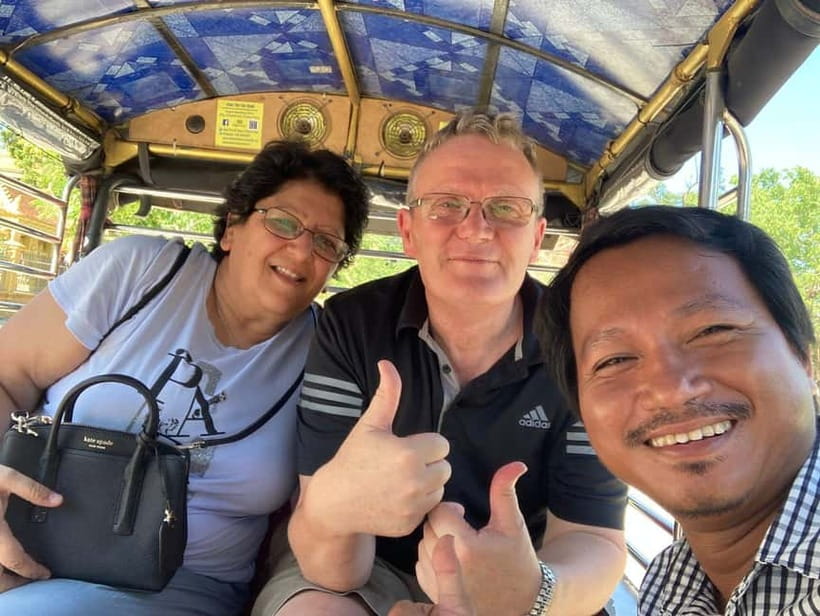
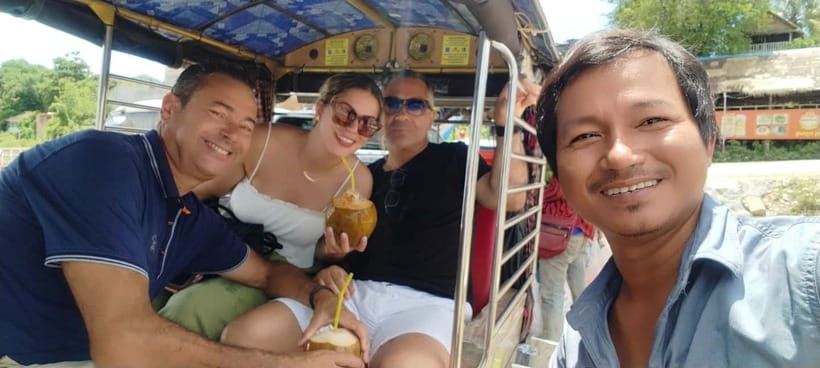
I like that the tour is truly private, so you can set your pace and ask questions in plain English (and usually in Cambodian too). I also love the practical setup: you’re in a tuk-tuk with cold water, towels, and even umbrellas if it rains, so you can keep moving through the heat.
One thing to think about: the genocide sites are emotionally heavy, and the full-day version is packed. If you want less of the emotional load or you’re easily overwhelmed by graphic history, you’ll want to choose your option carefully and talk to your guide about pacing.
In This Review
- Key Things I’d Watch For
- The Big Picture: Why This Phnom Penh Tuk-Tuk Route Works
- Genocide Museum (Tuol Sleng / S-21): Where the Story Starts
- Killing Fields (Choeung Ek): History With No Distance Factor
- Back Into the City: Park Strip Monuments and Photo Stops
- Royal Palace: The Beautiful Complexity (and the Added Cost)
- National Museum: Photo Stop Outside, Big Payoff in Timing
- Temples in the Afternoon: Wat Ounalom and Wat Phnom
- Money and Value: What the $20 Price Really Buys
- How Guides Shape the Day (In Real Terms)
- Rain, Heat, and Pacing: The Practical Stuff That Saves Your Day
- Who This Tour Suits Best
- Should You Book This Phnom Penh Tuk-Tuk Tour?
- FAQ
- What’s included in this private tuk-tuk tour?
- Is this tour full day or half day?
- How long does the tour take?
- Which sites require extra entry fees?
- Is lunch included?
- Do I get an audio guide?
- Is the tour affected by rain?
- What should I bring and wear?
- Can I cancel and get a refund?
- What language will the guide use?
Key Things I’d Watch For
- Choose full-day vs half-day carefully: the half-day option focuses only on the two genocide sites.
- Audio guides are built in at the Genocide Museum and Killing Fields, but your guide won’t go inside with you.
- Royal Palace costs add up: entry is $10 plus another $10 for a guide.
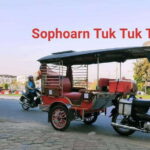
- Tuk-tuk comfort matters in Phnom Penh heat, and your driver can keep the ride practical (rainproofing and water included).
- You’ll walk a bit more than you expect at the memorial sites, so wear shoes that can handle it.
The Big Picture: Why This Phnom Penh Tuk-Tuk Route Works
If you’re doing Phnom Penh for the first time, this tour is smart because it doesn’t only show you the “pretty” parts. It also threads you through the places where Cambodia remembers its darkest chapters—then brings you back to the capital’s symbols of independence, Buddhism, and national rebuilding.
The tuk-tuk format is more than just fun. It helps you cover distance efficiently without feeling stuck in a rigid bus schedule. You also get to stop for photos at the places you’d normally zoom past on your own—especially along the Park Strip where monuments are meant to be seen from the street.
And yes, you’ll likely feel the contrast: palm trees and palace spires outside, then quiet rooms and memorial ground that don’t let you look away. That mix is exactly why this day trip is so often considered “worth it.”
You can also read our reviews of more tours and experiences in Phnom Penh.

Genocide Museum (Tuol Sleng / S-21): Where the Story Starts
Most Phnom Penh tours start with temples or markets. This one starts with the reality of the Khmer Rouge regime at the Genocide Museum, also known as Tuol Sleng (S-21).
Here’s what makes this stop different from a casual museum visit: you’re not just looking at objects. You’re walking through a former girls school that later became a site of imprisonment and torture. That context gives everything a sharper edge, and the building itself does the work.
Practical details you should plan for:
- Entry is $10, and it includes an audio guide.
- Your private guide typically helps you get oriented, then you go inside with the audio.
- The visit can be guided by the audio timing, but you’ll still want to slow down where you feel you need to.
If you’re sensitive to distressing content, this is the moment to decide how you want to handle it. A few guests have adjusted their day—like spending less time at the Killing Fields or changing the pacing—because once you’re there, you can better judge what you can emotionally take in.
Killing Fields (Choeung Ek): History With No Distance Factor
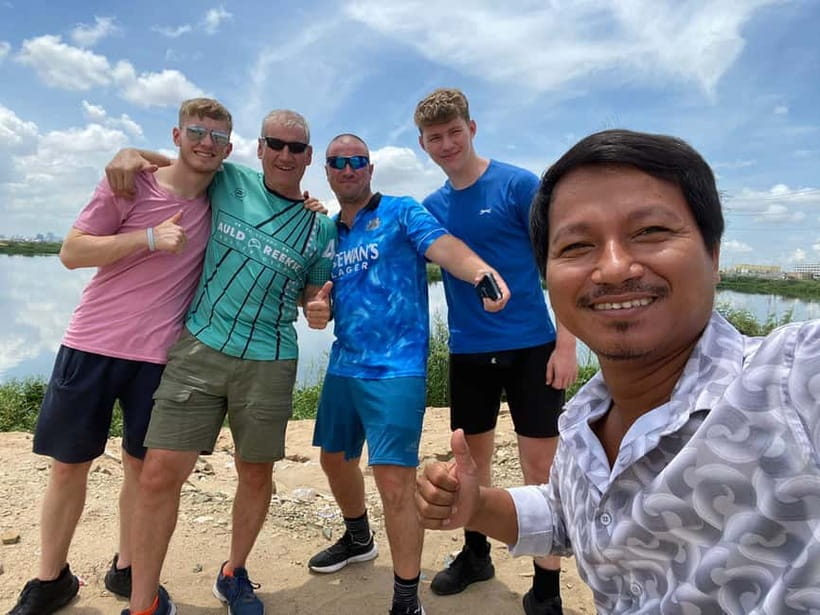
After the museum, you head about 45 minutes away to Choeung Ek, one of the most significant sites tied to the Khmer Rouge genocide in Phnom Penh.
This stop isn’t “about information.” It’s about confronting what happened and how Cambodia has chosen to memorialize it. The audio guide (included with entry) is helpful because it guides you through the meaning of what you’re seeing, without forcing your guide to rush you through.
Practical details:
- Entry is $6, and it includes an audio guide.
- Expect some walking, and plan on it taking longer than you think if you stop often for your own pace.
- This is where the emotional weight often peaks for first-timers.
If you choose the full-day tour, the Killing Fields are one piece of a longer day. If you choose the half-day option, you still do both genocide sites—but you remove the extra monuments and temple stops that can feel like whiplash afterward. Either way, you’ll want water and patience with your own emotions.
Back Into the City: Park Strip Monuments and Photo Stops
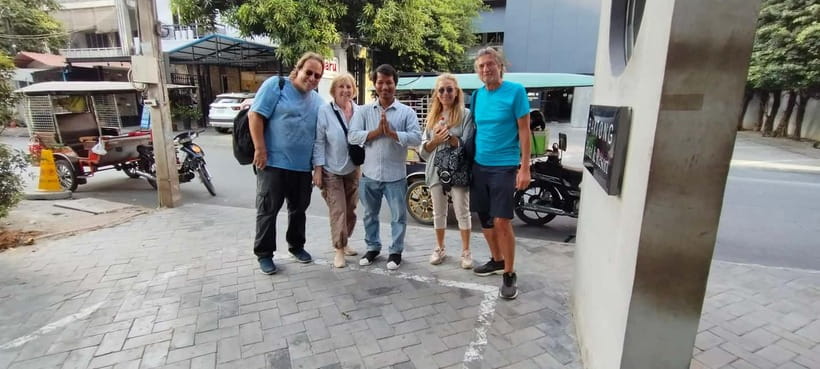
Once you return to central Phnom Penh, the tour shifts gear into public landmarks—the kind of places Cambodians encounter as part of everyday city life.
First up is the Independence Monument, designed to represent Cambodia’s independence from French colonisation, a long period stretching from the mid-1800s to the early 1950s. Even if you don’t know the full political timeline, the monument gives you a clear visual hook.
Then you’ll pass key sights along the Park Strip, including:
- the Norodom Sihanouk Statue (built in 2013 to honor King Norodom Sihanouk)
- the Cambodia–Vietnam Friendship Monument, which marks the alliance between the two countries
These stops are usually quick—think 10 to 15 minutes each—but they’re the kind of quick that helps you get your bearings fast. They also give your photos context: you’re not just taking pictures of metal and stone, you’re capturing Cambodia’s modern identity on display in open space.
Royal Palace: The Beautiful Complexity (and the Added Cost)
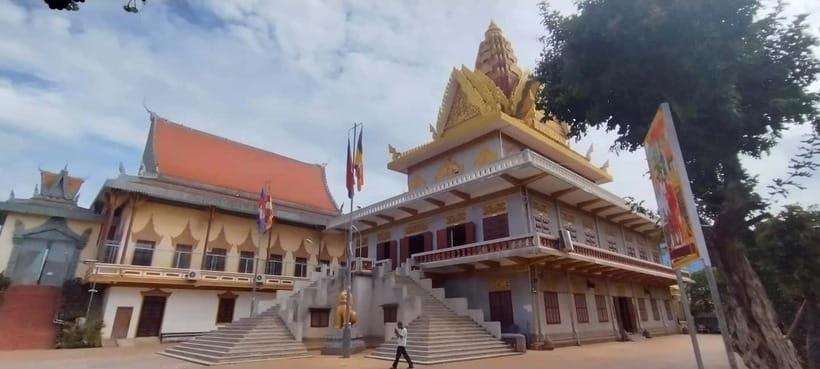
The Royal Palace is one of Phnom Penh’s most impressive visual draws. Even from the outside, it’s packed with detail; inside, the architecture and layout are part of what you’re paying for.
Here’s the part you should budget for:
- Royal Palace entry is $10 per person
- You also pay $10 for a guide
- There’s no audio guide at this stop
That guide fee matters because it shapes the experience. You’re not just drifting through galleries. You’re looking at a living symbol of Cambodia’s royal heritage with a human explaining what you’re seeing.
Also, plan for possible limits. One guest noted that some garden areas weren’t accessible during their visit. That doesn’t mean you’ll have the same issue, but it’s smart to keep expectations flexible and treat the palace as a “what you can see today” experience rather than a checklist that must be completed perfectly.

National Museum: Photo Stop Outside, Big Payoff in Timing
After the palace, you’ll go by the National Museum of Cambodia. You’ll typically only visit the outside for this part of the day, since the tour keeps the pace.
Why I still like this stop: the museum building itself is worth photographing, and it ties the morning’s history to Cambodia’s ongoing cultural identity. Even without going inside, you’ll leave with better context for why the country protects its artistic heritage.
If you’re the type who wants maximum “inside time,” you might add a visit of your own later (but in a single-day plan, this quick stop works).
Temples in the Afternoon: Wat Ounalom and Wat Phnom
After so much seriousness, these Buddhist temple stops can feel like a breath. Not because they’re “lighter,” but because they bring you back to everyday spirituality and Cambodia’s living religious traditions.
You’ll visit:
- Wat Ounalom Monastery (one of Phnom Penh’s important temples, originally built in 1442). Entry is free.
- Wat Phnom, with its Lady Penh Statue story attached (Wat Phnom entry is $1).
Wat Ounalom is usually about a 30-minute pause. It’s a good moment to slow your mind down a bit. Wat Phnom is shorter, but it’s memorable because you’ll get the background for who Phnom Penh is named after—Lady Penh—before the tour ends.
The final handoff matters: you’re dropped back at your hotel after learning the meaning behind the city’s name, so the day closes with a bit of narrative, not just transportation.
Money and Value: What the $20 Price Really Buys

The headline price is $20 per person for a private tuk-tuk tour. That’s a good deal because most of what you’re paying for is:
- private guide time
- hotel pickup/drop-off
- roundtrip transport
- cold drinking water
- towels and umbrellas (if it rains)
But you should budget separately for entrances:
- Genocide Museum: $10 (with audio guide)
- Killing Fields: $6 (with audio guide)
- Royal Palace: $10 entry + $10 for the guide
- Wat Phnom: $1
- Lunch: not included
If you add that up, your “real” day cost is more than $20, especially because the Royal Palace guide fee is extra. Still, the overall value stays strong because you’re not just buying entry tickets. You’re buying someone to connect the dots—between Khmer Rouge history, Cambodia’s independence story, and the temples and monuments you’d miss without context.
Also note something practical: fee-based sites can sometimes require cash. One guide reportedly lent money when a guest was short at the Royal Palace, and another commented on cash-only expectations for paid stops. So bring cash for entries so you don’t rely on anyone else’s last-minute rescue plan.
How Guides Shape the Day (In Real Terms)
The experience can stand or fall based on your guide, and this one tends to have guides who are doing more than reciting facts.
Names you may get include Visal, Mr. Vann, Bin, Elvis, Pum, Sony, Nick, and Cow. Across the board, the pattern is consistent:
- clear English explanations
- helpful pacing (not rushing you out the door)
- photo support—so you don’t have to hunt your own angles
- comfort care, like cold drinks ready during the day
One useful detail: at sites with audio guides (the genocide museum and Killing Fields), the tour guide typically does not go inside with you. That’s not a problem. It means you’re free to focus on the audio pacing without your guide talking over it. Just make sure you’re emotionally ready for that kind of self-guided reflection inside a very heavy site.
If you want a more personal tone, guides who share context in a human way can make the day feel less like a checklist and more like understanding a place. That can be intense, but it’s often what makes people feel the trip was truly worth the time.
Rain, Heat, and Pacing: The Practical Stuff That Saves Your Day
Phnom Penh weather can be relentless. This tour is built for it:
- it runs rain or shine
- the tuk-tuk can be made rainproof
- you’re provided with umbrellas when it’s wet
You’ll also do some walking at the genocide sites. It’s not a marathon, but it’s real. Wear comfortable shoes you trust on uneven ground, and avoid restrictive clothing. Sleeveless shirts aren’t allowed, so bring something you feel comfortable in that also follows that rule.
Timing can also affect what you see. If it gets very hot and you’re tired by the afternoon, you might feel the temptation to shorten temple visits or skip the palace garden areas if they’re not accessible. That’s not failure. That’s good travel judgment.
Who This Tour Suits Best
This is a strong fit if:
- you want a private day with minimal hassle
- it’s your first time in Phnom Penh and you want major landmarks in one run
- you’re willing to take on difficult history, not just photo stops
It may not be ideal if:
- you only want “light” sightseeing
- you’re sensitive to distressing content and don’t want two memorial sites in one day
- you’re hoping for lots of free time to wander at your own pace without guided interpretation
A smart strategy is to choose the half-day genocide option if you want the memorial visits to be the focus, then save temples and monuments for another day when your head is clearer.
Should You Book This Phnom Penh Tuk-Tuk Tour?
Yes, if you want a first Phnom Penh day that connects the city’s icons to its history, without making you plan a complicated route. The private tuk-tuk setup, the built-in audio at the genocide sites, and the fact that you also hit the Royal Palace and major temples make it strong value at the entry price.
I’d book this with one mindset: you’re not only sightseeing. You’re learning how Cambodia presents memory and identity side by side. If you’re ready for that—and you bring cash for the extra paid stops—you’ll likely feel like you “get” Phnom Penh by the time you’re back at your hotel.
FAQ
What’s included in this private tuk-tuk tour?
Hotel pickup and drop-off, roundtrip transportation, a private tour guide, cold drinking water, towels, and umbrellas if it’s raining.
Is this tour full day or half day?
Both options exist on the booking page. The full-day tour includes all city sites plus the two genocide sites. The half-day option visits only the two genocide sites. You choose during booking.
How long does the tour take?
The duration is listed as 5 hours to 1 day, depending on the schedule and what you spend time on.
Which sites require extra entry fees?
You pay separately for the Genocide Museum ($10), Killing Fields ($6), Royal Palace ($10 entry plus $10 for the guide), and Wat Phnom ($1). Lunch is also not included.
Is lunch included?
No. You’ll have a lunch break, but the meal cost is on you.
Do I get an audio guide?
Yes at the Genocide Museum and at the Killing Fields. The Royal Palace does not have an audio guide on this tour. At audio-guide sites, the tour guide won’t enter with you.
Is the tour affected by rain?
It runs rain or shine. The tuk-tuk can be made rainproof, and umbrellas are provided so you can still visit outdoor stops.
What should I bring and wear?
Bring comfortable shoes and a camera. Wear comfortable clothes, and note that sleeveless shirts aren’t allowed.
Can I cancel and get a refund?
Yes. Free cancellation is available up to 24 hours in advance for a full refund.
What language will the guide use?
The tour is hosted by an English-speaking Cambodian guide.