REVIEW · PHNOM PENH
Phnom Penh | Food & Street Art Half Day Tour by Tuk Tuk
Book on GetYourGuide →Operated by Urban Forage Food and Art Tours · Bookable on GetYourGuide
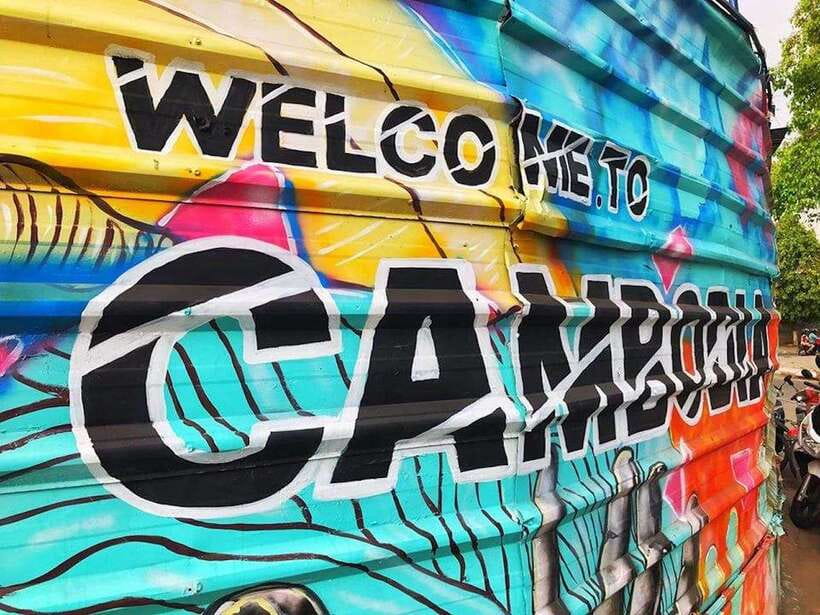
Phnom Penh has a mouthful of art. This half-day tour mixes two Cambodian breakfast stops with guided street-art walks so you understand what you’re seeing and what people are eating. I like that the route is built for the morning market crowd and that the murals come with social commentary, not just pretty pictures.
One standout: the market walk feels practical and local, from vegetables and sauces to the snacks you’ll actually want again later. I also appreciate that guides keep explaining the meaning behind the murals in plain language, and several guides you might meet (JB, Jackson, Miss Kanha, and Monyca show up in recent bookings) bring a warm, chatty style.
One consideration: it’s very food-forward. If you don’t want to be offered a lot to taste, plan for the possibility of leaving a bit full, and remember that some alley murals are harder to photograph well in real life.
In This Review
- Key things I’d put on your radar
- Morning Markets and Murals: Why This Tour Works in Phnom Penh
- Boeng Keng Kang Market: Your First Breakfast and Local Food Sense
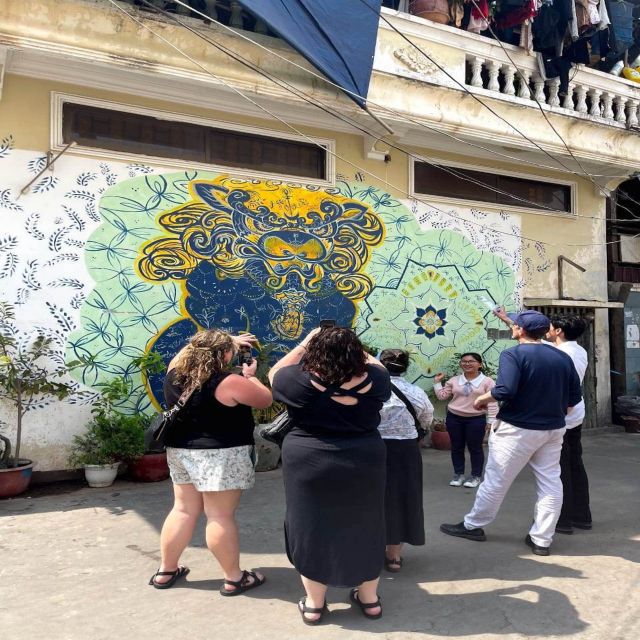
- Street Art Down Back Alleys: Murals with Meaning in Boeung Kak
- Wat Botum Park: When the Tour Adds a Religious Lens
- BKK1 Stop: Second Breakfast Energy with Tea, Lunch-Style Bites, and BBQ
- Independence Monument Snacks and the Small Surprise Finish
- Tuk Tuk Comfort and a Walk That’s Real, Not Punishing
- Price and Value: Is $55 for Four Hours Worth It?
- Who This Tour Fits Best (and Who Might Want a Different Morning)
- Guides You Might Meet: What Their Style Adds
- Should You Book This Street Art and Breakfast Tour?
- FAQ
- How long is the Phnom Penh food and street art tour?
- Where do you get picked up and dropped off?
- Is the tour walking-heavy?
- What’s included in the price?
- How many street art murals will we see?
- Do you get food beyond the breakfasts?
- Can you accommodate vegetarian diets or allergies?
- What languages are the guides speaking?
- Does the tour run in bad weather?
- Who is this tour best for?
Key things I’d put on your radar
- Two breakfasts plus snacks keep you from getting hangry while you hunt murals on foot
- Back-alley murals teach you how Khmer street art works as social commentary
- Tuk tuk transport helps you cover ground without making your legs do all the work
- Morning market energy means you see daily shopping and eating, not just tourist stalls
- Diet swaps are possible if you tell the team about vegetarian needs or allergies in advance
- The end surprise is short, but it’s part of why people remember the tour
Morning Markets and Murals: Why This Tour Works in Phnom Penh
This is one of those Phnom Penh ideas that makes sense once you try it conceptually: food first, then stories. You start in a market where people buy and eat in the same spaces, and that sets the tone for everything else—daily life, not staged sightseeing.
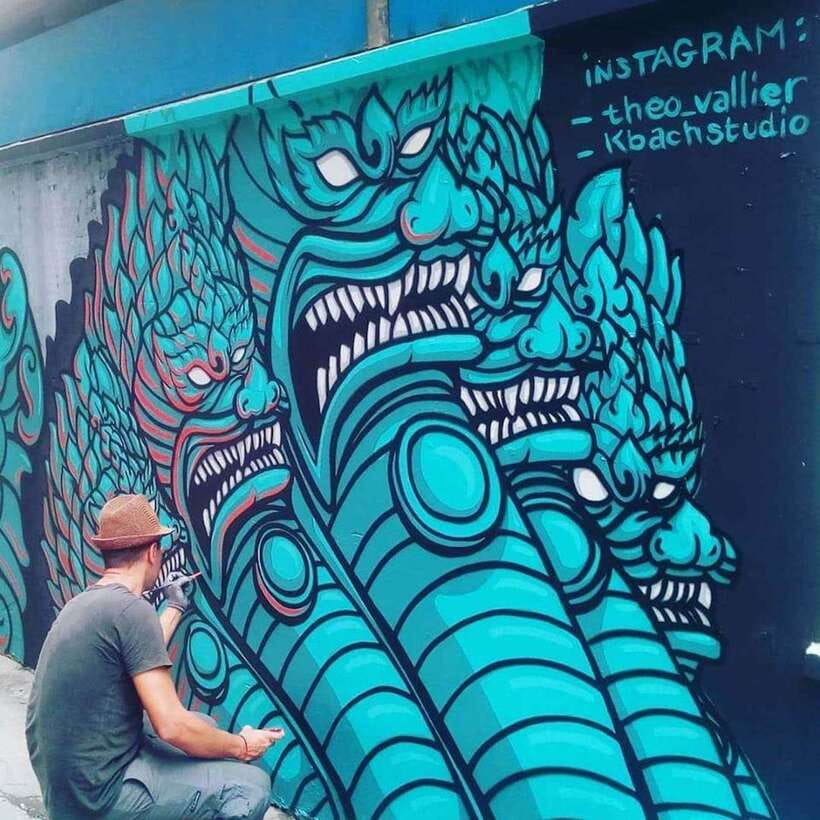
Then you move into street art. The mural focus isn’t only about style. You get help reading the messages, including how artists use walls to talk about society. By the time you’re done, you’re not just collecting photos of color—you’re understanding why the paintings exist at all.
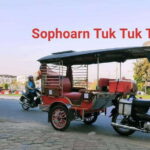
And yes, you’ll ride a tuk tuk between stops. That matters here because the goal is to keep you moving through neighborhoods without burning the full four hours on long commutes.
You can also read our reviews of more tours and experiences in Phnom Penh.
Boeng Keng Kang Market: Your First Breakfast and Local Food Sense
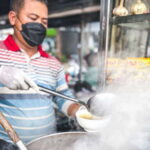
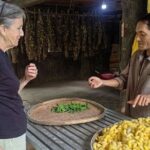
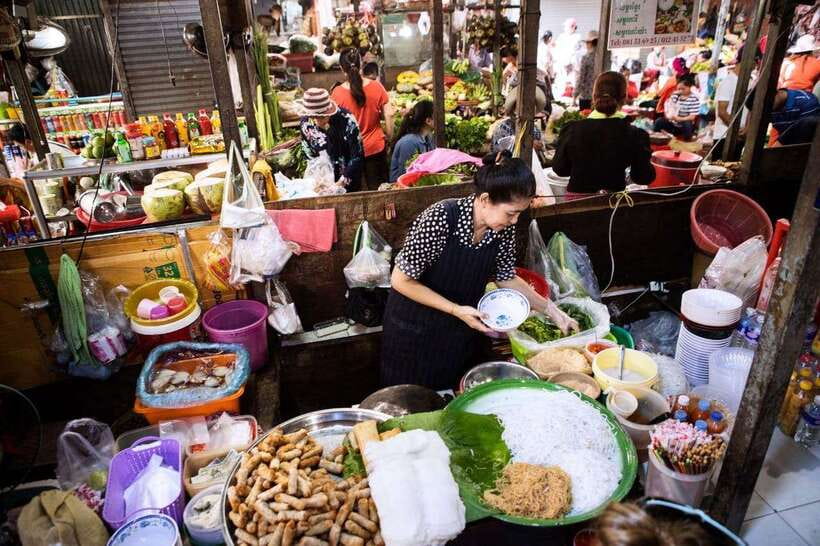
Your tour kicks off with hotel pickup from central areas and a short ride to Boeng Keng Kang Market. This is where you get oriented fast. You’ll walk with a guide, taste your first round of Cambodian food, and learn how ingredients show up in everyday meals.
Expect a guided market rhythm: look, ask, sample, repeat. It’s the kind of walk that helps you notice things you’d miss if you just wandered—what’s sold for cooking versus what’s sold for snacking, and how different textures and flavors fit together.
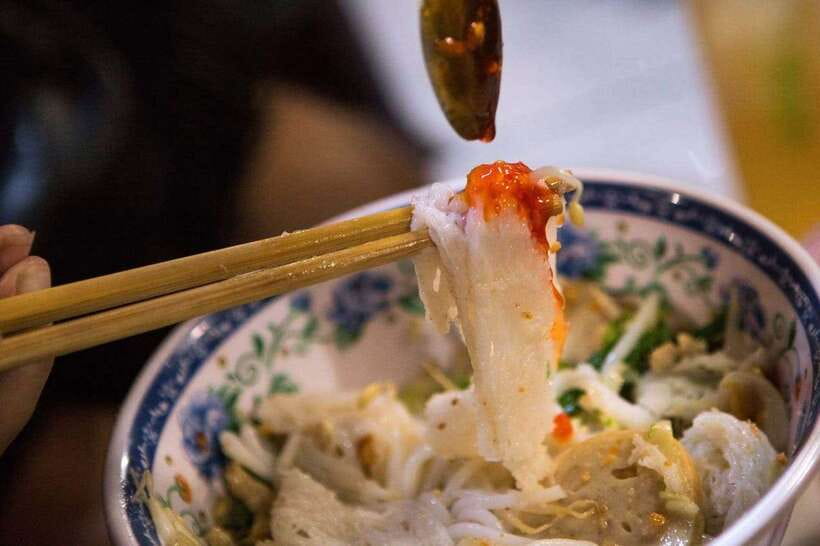
The food part is a big reason this works. People consistently highlight that the breakfast choices are filling and made for real taste, not just tourist-friendly bites. If you’re the type who likes to ask what something is and why it’s prepared that way, this stop gives you an easy setup.
Street Art Down Back Alleys: Murals with Meaning in Boeung Kak
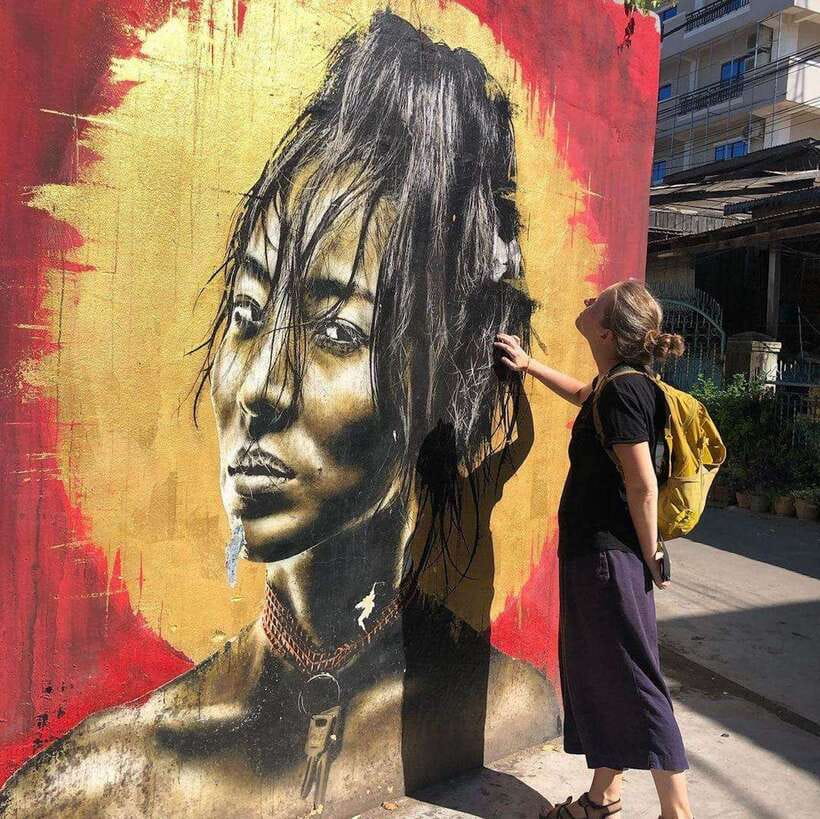
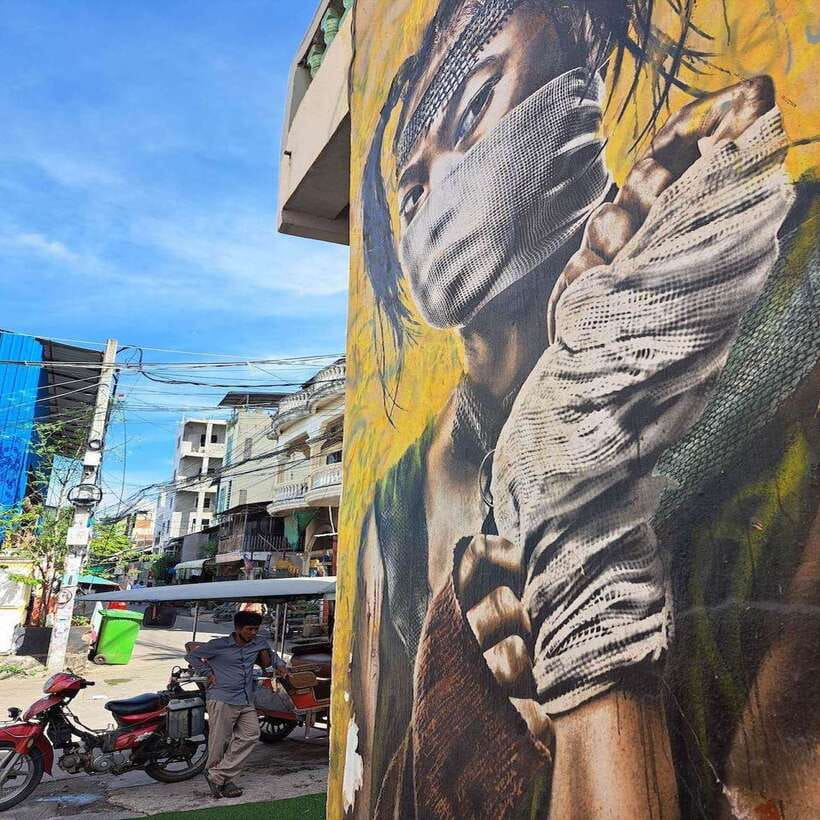
After breakfast, you shift from eating to seeing—still on foot, still with a guide. The tour’s street art focus centers on neighborhoods such as Sangkat Boeung Kak 1, where you’ll look at murals and learn how they connect to the city.
This is not a long museum-style lecture. It’s walk-and-talk. Guides point out visual details and explain the cultural significance, including how the street art scene has grown over the past decade and fits into Cambodia’s cultural renaissance.
One practical benefit: you’re going to areas most people don’t naturally route themselves through. The alley approach is part of why the tour feels like Phnom Penh rather than a highlights loop. People also describe the guides as good at building in time for photos, so you’re not stuck rushing every stop.
Wat Botum Park: When the Tour Adds a Religious Lens
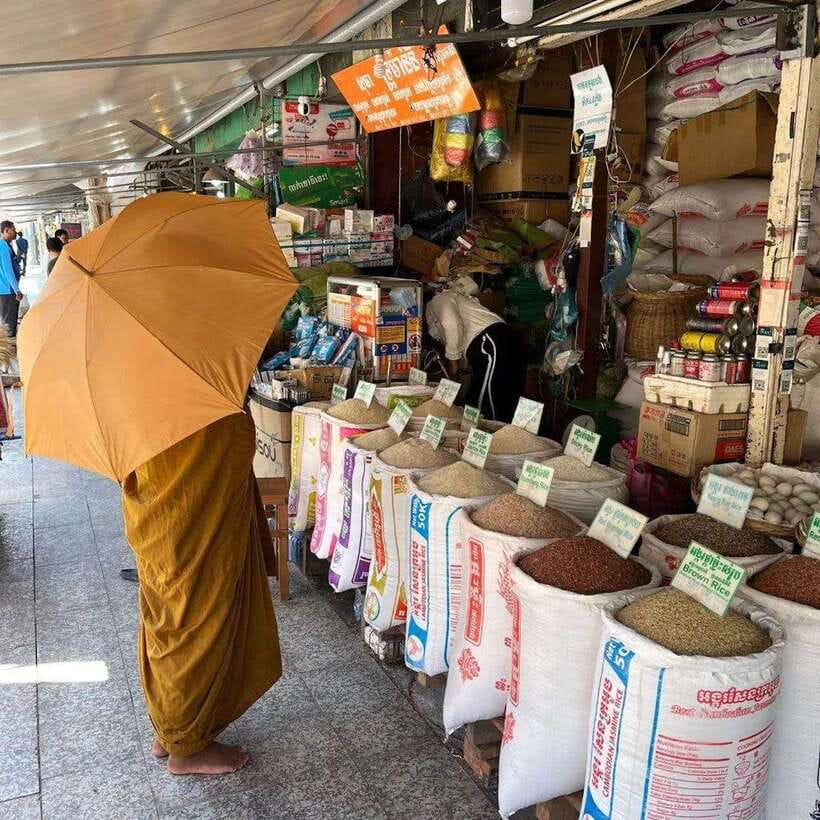
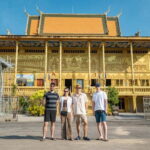
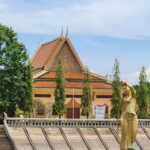
Next comes Wat Botum Park with a guided stop that lasts around 45 minutes. This adds a different layer to the morning. You get a chance to connect how Phnom Penh’s spiritual and cultural life influences what you’re seeing around the city.
Even if you’re not a hardcore temple visitor, this stop helps balance the pace. Breakfast and murals are both urban energy. A park-and-temple setting gives you a moment to slow down and reset your eyes before the next food run.
For people who enjoy history and meaning behind places, this part lands well because it broadens the conversation beyond art. It’s also a good moment to cool off a bit, since Phnom Penh mornings can turn warm quickly.
BKK1 Stop: Second Breakfast Energy with Tea, Lunch-Style Bites, and BBQ
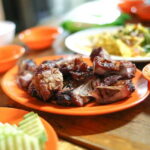
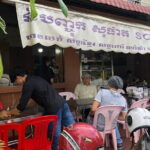
One of the best things about this tour is that it doesn’t treat food as a one-off. You get a second, meal-feel stop in the Bkk1 (BKK1) area, with tea plus street food and lunch-style options.
This is the point where a lot of people go from sampling mode to full-on eating mode. Some descriptions call the amounts generous, and one person even mentioned there might be too much food for them. So if you’re the kind of eater who prefers smaller tastings, pace yourself. You’ll still get the experience without forcing yourself to finish everything offered.
There’s also an early afternoon feel starting to creep in, and that’s where the crowd factor matters. This stop is described as working with the local university crowd vibe, which generally means you’re seeing food culture that isn’t aimed only at tourists.

Independence Monument Snacks and the Small Surprise Finish
Near the end, you head toward Independence Monument for local snacks and food tasting. It’s a short stop, but it’s positioned like a payoff—something to keep you interested after the walking and mural reading.
Then comes the memorable part: a culinary surprise at the end. It’s not described in detail here, but multiple booking notes mention that the surprise lands well and is part of why they remember the tour as more than just breakfast plus photos.
If you like tours that end with a little story or a last taste that makes you go, I didn’t expect that, you’ll probably enjoy this.
Tuk Tuk Comfort and a Walk That’s Real, Not Punishing
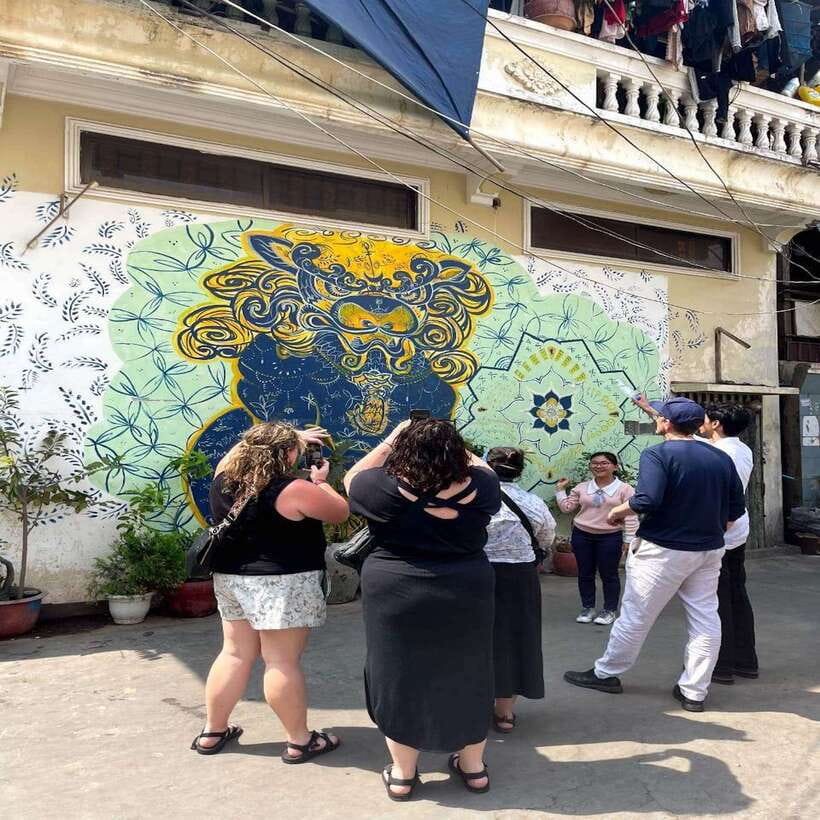
The tour is designed as a true half-day experience: about four hours total, with pickup and drop-off to centrally located hotels. You’ll also walk roughly the equivalent of one city block across the morning.
That’s important because some food tours sound light on paper and then turn into a whole-day trek. Here, the walking is intentional and broken up by food and photo stops.
The tuk tuk rides help you keep energy. People in recent feedback repeatedly mention drivers being friendly and attentive with water, which matters in Phnom Penh heat. Also, since you’re not walking between far-apart points, you get more time for the real “why” behind what you’re doing: eating and learning.
Price and Value: Is $55 for Four Hours Worth It?
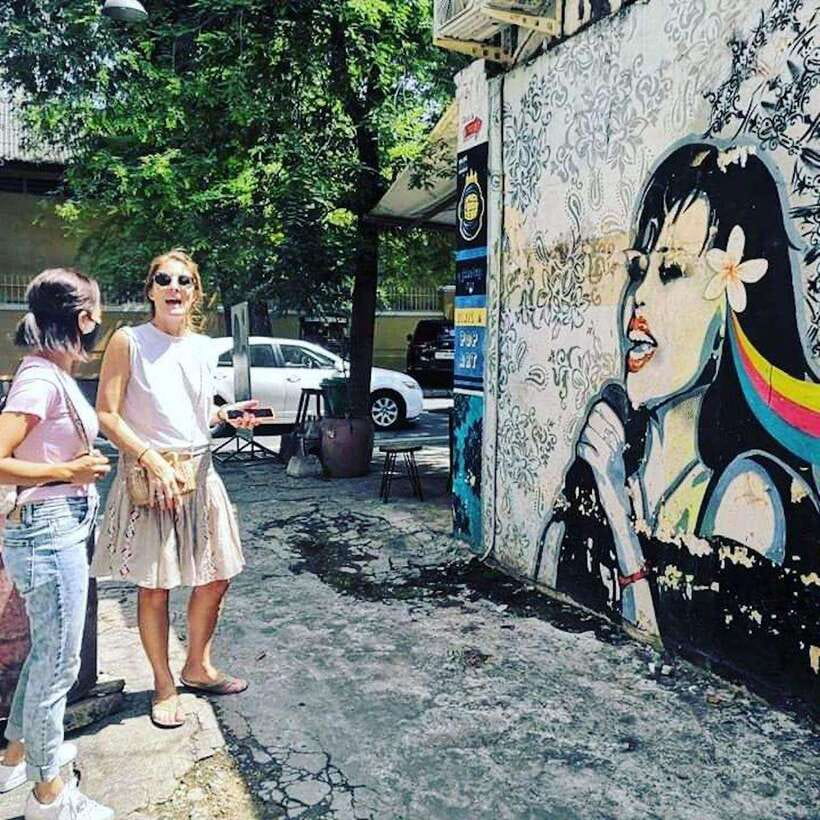
At $55 per person, you’re paying for three things at once: expert guidance, transport, and food that’s more than a snack.
This isn’t just you getting dropped at a market. You’re getting a guided market walk, two breakfast-style stops, drinks, additional snack tasting, and a street art explanation that’s meant to give context (not just point at murals).
Value also shows up in the pacing. You’re spending four hours with a tight structure—market, mural areas, a cultural site, more food, then a snack and surprise. If you were trying to assemble this yourself, you’d likely spend time figuring out routes, plus you’d miss the meaning that makes the street art side click.
One fair warning: since the food is extensive, it can feel like a lot if you’re tiny appetite or picky about variety. But even that can be read as value—you’re being fed while you’re learning.
Who This Tour Fits Best (and Who Might Want a Different Morning)
This works especially well if you fall into one of these buckets:
- You want Phnom Penh street life beyond the postcard spots
- You like food tours where the tasting connects to culture, not just flavor
- You’re interested in street art as a form of social commentary, not graffiti for decoration
It may be less ideal if you:
- Hate the idea of eating in multiple rounds and prefer one sit-down meal
- Have strict limits on what you can taste beyond vegetarian needs or allergies (though the tour says they can cater to most special diets if you tell them in advance)
If you’re a solo traveler, there’s another practical plus. One recent note called out feeling safe during the tour, including with a tuk tuk driver. That’s the kind of comfort factor you can care about even when you’re just out for four hours.
Guides You Might Meet: What Their Style Adds
The experience depends a lot on the guide, and you can see that in the names that show up. JB and Jackson get praise for connecting ingredients and mural stories, and several booking notes highlight that the guide’s explanations help you take better pictures because you know where to look and what to focus on.
Other guides mentioned include Miss Kanha and Monyca, both described as friendly, accommodating, and good at making the whole morning feel easy. One note also mentions Ducky as a sweet, helpful presence during the ride and tour.
In short: this is one of those tours where the guide’s personality and clarity really matters—and the feedback points to that being consistent.
Should You Book This Street Art and Breakfast Tour?
Book it if you want a morning that combines two of Phnom Penh’s best ways to understand a city: what people eat and what people say on walls. The structure keeps it efficient, the food stops are substantial, and the street art context turns pictures into something you can explain.
Skip it or consider a lighter-food approach if you know you don’t like being offered multiple tastings. Also, if your goal is only the easiest-to-photograph murals, know that alley art can be tricky for shots depending on angles and light.
FAQ
How long is the Phnom Penh food and street art tour?
It runs for about 4 hours.
Where do you get picked up and dropped off?
Pickup and drop-off are included for centrally located hotels and hostels in Phnom Penh.
Is the tour walking-heavy?
You’ll walk about the equivalent of a city block total across the morning.
What’s included in the price?
Hotel pickup and drop-off, an English-speaking local guide, 2 breakfasts plus local snacks and drinks, and visits to murals across the city are included.
How many street art murals will we see?
You’ll visit over 20 murals across Phnom Penh, with the tour planned around many mural stops.
Do you get food beyond the breakfasts?
Yes. You’ll have local snacks and drinks, plus a final culinary surprise near the end.
Can you accommodate vegetarian diets or allergies?
The tour says they can cater to most special diets or allergies if you let them know in advance.
What languages are the guides speaking?
Guides are available in English and French.
Does the tour run in bad weather?
It takes place rain or shine.
Who is this tour best for?
It’s a strong fit if you want both breakfast food culture and street art context, and you’d like to see parts of Phnom Penh you might not find alone.