Otaru by rickshaw feels like going at the city’s pace, not yours. This ride is a great shortcut to the Otaru canal area plus a real stop inside the Former Nippon Yusen Kaisha Otaru Branch (old post office). I love how the guides like Koto and Kuma share practical local context as you roll past the canal, old buildings, and working-town details. One thing to think about: rickshaws are narrow, so if your group is larger in body size, you may need to book separate rickshaws for comfort.
You’ll also get the fun factor that comes with the vehicle itself. It’s a private tour for just your group, so it’s easier to ask questions and take photos without feeling rushed by crowds.
If you’re traveling with kids or you’re in early pregnancy, check the participation rules first. Rickshaws have specific seating and pregnancy limits, and those details matter for planning.
In This Review
- Key highlights you will feel fast
- Why Otaru is perfect for a short rickshaw ride
- Price and what you’re really paying for ($42.90)
- Meeting at Chuo Bridge: the start is simple
- How the ride flows: canal views, then the side streets
- Former Nippon Yusen Kaisha Otaru Branch: the old post office stop
- North Otaru canal: the viewpoint is the lesson
- Old rail tracks and a small alley: the in-between moments
- The most popular bridge: the warehouse-canal perspective
- Otaru Marina stroll: sea air at the end
- Guides like Koto and Kuma: what good guiding changes
- Getting the rickshaw right: seating, comfort, and group size
- Who this tour suits best (and who might want a different plan)
- Tips to make the most of your ride
- Should you book the Otaru rickshaw tour?
- FAQ
- How long is the Otaru rickshaw tour?
- Where do we meet for the tour?
- Is hotel pickup and drop-off included?
- What’s included in the tour price?
- Is the admission ticket included for the Former Nippon Yusen Kaisha Otaru Branch?
- How do child rates work for the rickshaw?
- Are pregnant travelers allowed to ride?
- Can I cancel for a full refund?
Key highlights you will feel fast
- Canal first, history second: you get the big Otaru view angles early, then the stories click as you go.
- Old post office visit (ticket extra): you can step inside a preserved building tied to Otaru’s commercial past.
- Narrow-ride reality check: the rickshaw width can make two-person comfort tricky, especially for larger passengers.
- Guides bring the city to life: guides such as Koto and Kuma are noted for strong, often self-taught English and photo help.
- The walk-to-water ending: a short stroll through the Otaru Marina helps you finish with sea-breeze context.
- Easy meeting point: you start and end at Chuo Bridge in central Otaru, near public transportation.
Why Otaru is perfect for a short rickshaw ride
Otaru is compact in the way that helps you travel smarter. The canal area and the old warehouse streets are close enough that a rickshaw can connect the key sights without turning your day into long, uneven walking.
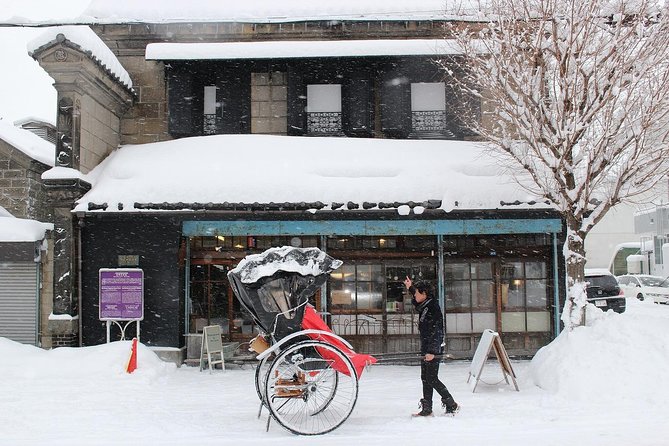
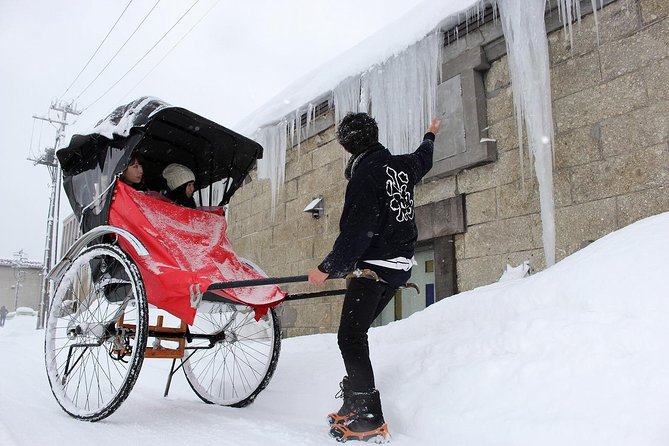
A rickshaw also changes how you see the city. Instead of scanning from street level, you’re carried along the lines of the canal and streets, so the angles make sense as you move. In summer you’ll catch that cool sea breeze; in winter, the colder air and snow-covered views bring a totally different mood to the same streets.
For me, the best value here is time. You pay for a guide plus a ride, and you get your bearings fast. That makes the rest of your Otaru day easier—especially if you plan to wander afterward on your own.
Price and what you’re really paying for ($42.90)
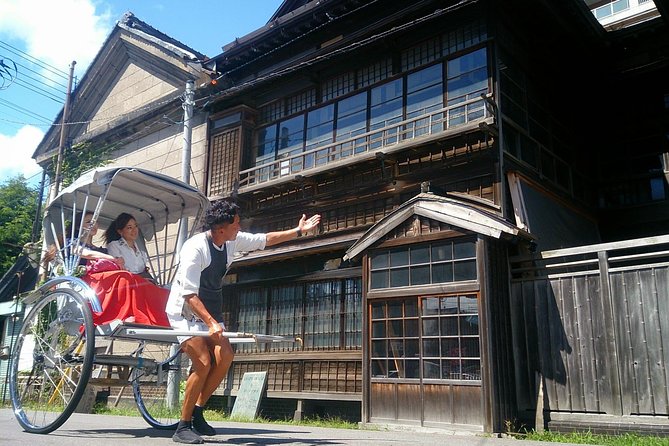
At $42.90 per person, this isn’t a “cheap and cheerful” activity, but it’s also not priced like a big-city private car. The price includes a local driver/guide and the rickshaw ride itself, which is the core of the experience.
The “watch-outs” are about what’s not included:
- Food and drinks (unless specified)
- Hotel pickup and drop-off (you’ll meet at Chuo Bridge)
- Admission ticket for the Former Nippon Yusen Kaisha Otaru Branch (the visit is built in, but the ticket isn’t)
That admission detail matters. You should budget a little extra for the old post office stop if you plan to go in. Still, even with that add-on, the combination of a guided ride and an interior heritage stop tends to feel fair because you’re not just taking photos from outside.
Also keep in mind that this is a private tour for your group. That usually means better conversation and smoother pacing than you’d get in a crowded group setting.
Meeting at Chuo Bridge: the start is simple
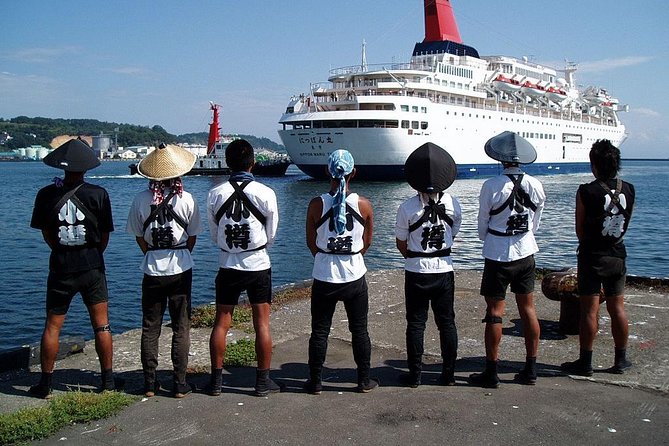
The meeting point is Otaru Chuo Bridge (中央橋). The end point is back at the same spot, which is handy if you don’t want to reorganize your plans afterward.
It’s also listed as near public transportation, so you’re not forced into a taxi situation to get there. If you’re using transit or arriving by cruise on the same day, it’s worth arriving with a little buffer so your group can find the rickshaw stand calmly.
One timing note: your selected start time isn’t automatically guaranteed. You’ll get an email confirmation within 24 hours of booking. That’s a good heads-up because Otaru days can get busy, and you want your plans to match the confirmed time.
How the ride flows: canal views, then the side streets
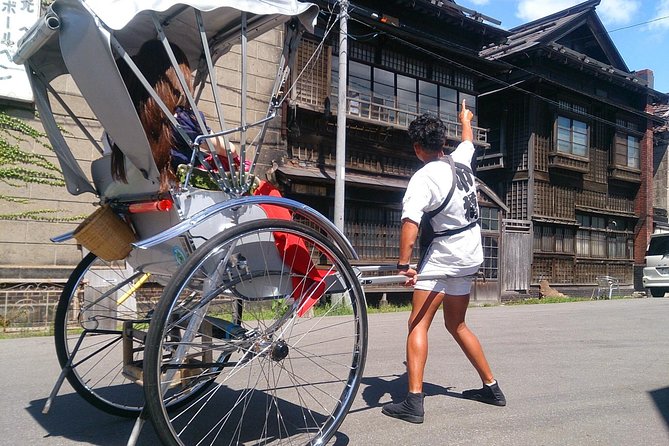
The tour moves through Otaru in a logical order: you begin with iconic scenery, then work through the canal area, and finally branch into older streets and the marina. The stops are short and designed to keep you moving, not stuck for long periods.
A rickshaw ride like this is also “eyes-on learning.” You’ll see the old warehouses along the canal, then you’ll understand why they mattered. The guide’s explanations connect the physical sights—piers, canals, and preserved buildings—to how Otaru used to work as a port city.
Duration runs from about 30 minutes to about 2 hours (approx.). That range is useful to know because if you’re cramming Otaru into a half day, you’ll want to choose the timing that fits your schedule and energy level. Either way, the ride is focused rather than sprawling.
Former Nippon Yusen Kaisha Otaru Branch: the old post office stop
One of the strongest parts of this tour is the interior visit to the Former Nippon Yusen Kaisha Otaru Branch. You’ll spend about 15 minutes there, and it’s an admission-ticket stop that isn’t included in the base price.
Why that matters: seeing a building from the outside is one thing, but Otaru’s old commercial architecture often hits differently inside. You get more sense of the scale and the “workroom” feel of a historic postal and shipping-linked era.
Practical tip: plan for a quick, efficient visit. Don’t expect long wandering. If you’re especially interested in architecture or the original purpose of the space, go in ready to look, not read for an hour.
If you’re not sure you’ll want the ticket, you can still use the guided ride to cover the surrounding canal and warehouse views. But if you do want the heritage stop, budget for that admission cost up front.
North Otaru canal: the viewpoint is the lesson
The tour includes time in the north part of the canal, which is where a lot of Otaru’s identity lives. The canal isn’t just a pretty water feature—it’s tied to port activity, storage, and the flow of goods.
This stop is valuable because it helps you “read” the canal area. When you’re later walking on your own, you’ll recognize where you are and why the warehouse lines and pier edges look the way they do. It’s the kind of orientation that makes your self-guided wandering more satisfying.
Also, the canal is one of those places where weather changes everything. In cool months, the air can make the visuals sharper. In warmer months, you’ll feel that lighter sea breeze that makes Otaru feel coastal rather than just historic.
Old rail tracks and a small alley: the in-between moments
After the big canal scenes, the ride threads through older infrastructure and smaller streets. That includes old rail tracks and a small alley stop.
These aren’t “big photo set pieces” in the same way as the main canal bridge view, but they’re often the most interesting for understanding daily life. Port cities don’t function only at the waterline. They need storage, movement routes, and side streets for the parts of life visitors usually miss.
The alley stop is also where the rickshaw format helps. Narrow streets can be hard to navigate on foot if you’re also trying to take photos and keep your group together. On a rickshaw, you get a guided pass through without constant stop-start walking.
The most popular bridge: the warehouse-canal perspective
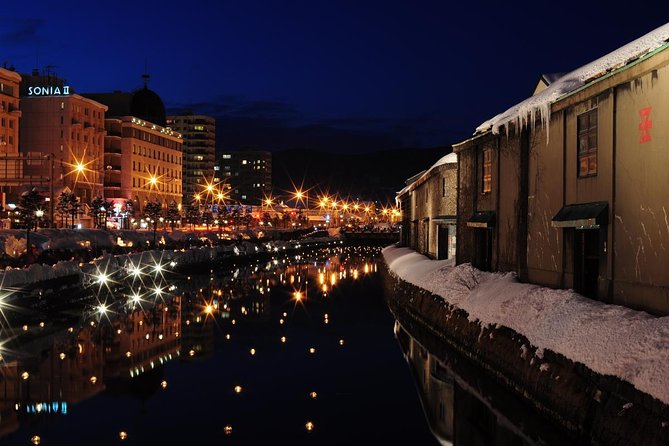
The tour includes a stop at Otaru’s most popular canal bridge for a fantastic view of the canal lined with old warehouses. This is your “postcard moment,” and it’s not just about the bridge.
The real value is that you get the wide canal perspective with the warehouse line in frame. Once you’ve seen that angle, you’ll understand what makes the canal area special. The guide’s explanation turns it from scenery into a story about trade, storage, and the way Otaru built itself around the waterfront.
If you’re into photography, this is one of your best opportunities. In the guides’ style described in past rides, some will even help with picture timing and setup so you get cleaner compositions than you’d manage solo while also looking for the best spot.
Otaru Marina stroll: sea air at the end
The tour finishes with a quick stroll through the Otaru Marina, which is tied to the fishing town side of Otaru. This is a nice way to end because it shifts you from heritage visuals to working-town texture.
Even if you’re mostly here for canal views, the marina stop gives you a sense of where the city’s food and maritime life fits in today. It’s also a low-pressure finale. You’ve done the major sights, and now you can take a few slow steps and breathe out.
In a place with strong seasonal contrasts, the marina feel can be especially noticeable. That sea-adjacent air can make winter seem sharper and summer more comfortable.
Guides like Koto and Kuma: what good guiding changes
The biggest repeat praise in this tour category is about the guiding. Names like Koto and Kuma come up with the same theme: clear English, lots of local context, and a sense of pacing that keeps the ride fun.
A strong guide does two jobs at once:
- They explain what you’re seeing so it sticks.
- They make the time feel smooth, not like a checklist.
If your guide has photo as a hobby, you’ll likely benefit from extra attention to angles and timing. That can help you get great shots without you hunting around while the group is waiting.
Also, because you’re riding rather than walking the entire time, the guide can stop you at useful moments instead of losing time to traffic or steep, uneven streets. That’s a big part of why this can feel like more value than a longer, slower stroll.
Getting the rickshaw right: seating, comfort, and group size
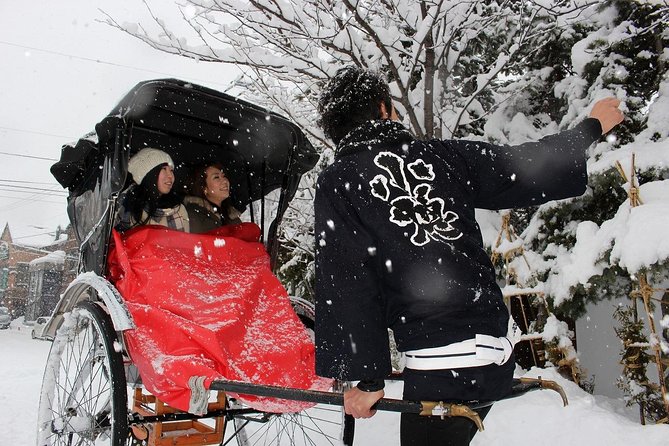
Here’s the practical reality: a rickshaw can fit two adults, but it’s still a narrow ride. Each rickshaw is about 29.1 inches (74 cm) wide, and comfort can vary by body size and how much space you need.
For some groups, the best move is booking individual rickshaws for each passenger. If you don’t and two adults don’t both fit comfortably, you may need an additional rickshaw. The rule is straightforward, but the planning can be tricky if you wait too long.
Child rules are also specific:
- Adult pricing applies to age 6 and over
- A child rate applies only when a child sits on an adult’s lap without occupying a seat
- Up to 2 children (age 5 or under) can ride with 2 adults, but children must be on an adult’s lap
Pregnancy has a hard limit: expecting mothers in their first 16 weeks of pregnancy aren’t permitted to ride. If that applies, you’ll want to plan a different activity for that day.
If you’re traveling with someone who needs extra comfort or space, build that into your booking from the start. It’s not just about fitting; it’s about enjoying the ride without feeling squished.
Who this tour suits best (and who might want a different plan)
This is an excellent fit if you want a guided shortcut through the canal area and historic side streets in limited time. It’s especially useful if you’re mixing Otaru with other stops on the same day and you don’t want to spend half of it walking between sights.
It’s also a smart choice if you like photo moments but don’t want to spend your energy searching for the perfect angle while coordinating with your group. The bridge and warehouse views plus the old post office stop are built to give you those photo-ready moments with context.
You might consider something else if:
- You strongly prefer long, self-paced wandering without stops
- Your group setup doesn’t work well with rickshaw seating rules (and you’d rather not think about additional rickshaws)
- You’re not interested in the old post office interior visit, since that’s a ticket add-on
Tips to make the most of your ride
A few small choices can make your rickshaw experience smoother:
- Wear layers. Otaru can swing from cool to colder, and you’ll be outside part of the time.
- Plan on short, efficient stops. The tour moves, so keep water ready but don’t expect long breaks.
- Bring a phone or camera charged and ready for the bridge and warehouse view.
- If you care about language, ask for a driver who speaks your language at the departure point. The ride may be operated by a multi-lingual driver depending on availability.
Also, since it’s a private tour, you can often shape the vibe. If you want more time on views or more explanation about the buildings, speak up early so the guide can pace the ride that way.
Should you book the Otaru rickshaw tour?
Book it if you want the fastest path to understanding Otaru’s canal-side character, and you value a local guide who can explain what you’re seeing in clear English. The combination of canal orientation, a heritage interior stop at the Former Nippon Yusen Kaisha Otaru Branch, and a marina ending makes it feel like a complete slice of the city in a short window.
Skip it (or switch to something else) if you’re expecting a long, unhurried city walk, or if your group likely won’t fit comfortably in the rickshaw setup without extra bookings. Seating comfort can change the whole experience, so factor that in.
If your schedule is tight and you want to make the most of Otaru in one day, this is one of the better ways to do it—especially at a time when you want fewer logistical headaches and more good stories tied to real places.
FAQ
How long is the Otaru rickshaw tour?
The tour duration runs from about 30 minutes to about 2 hours (approx.), depending on the schedule and pace.
Where do we meet for the tour?
The meeting point is at 中央橋 (Chuo Bridge) in Otaru, and the tour ends back at the same meeting point.
Is hotel pickup and drop-off included?
No. Hotel pickup and drop-off are not included.
What’s included in the tour price?
The price includes a local driver/guide and the rickshaw ride.
Is the admission ticket included for the Former Nippon Yusen Kaisha Otaru Branch?
No. The visit is part of the tour, but admission ticket is not included.
How do child rates work for the rickshaw?
Adult pricing applies to age 6 and over. A child rate applies only when a child (age 5 or under) sits on an adult’s lap without occupying a seat.
Are pregnant travelers allowed to ride?
Expecting mothers in their first 16 weeks of pregnancy are not permitted to ride a rickshaw.
Can I cancel for a full refund?
Yes. You can cancel for free up to 24 hours in advance for a full refund. If you cancel less than 24 hours before the experience start time, the amount paid is not refunded.