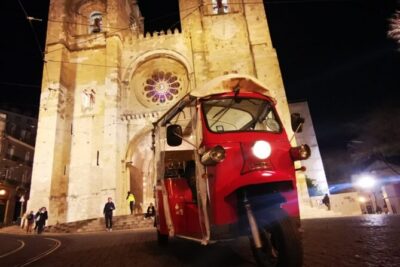
Tuk-tuk time saves Lisbon legs. This historic city tour strings together viewpoints, medieval streets, and Belém highlights so you can cover far more than a walk in just 90 minutes to 4 hours, with easy photo stops built in.
I especially like that you get a clear city overview across Alfama, Baixa, and Belém, plus a real guide who explains what you’re seeing as you go. One thing to consider: some major stops list admission as not included, so you may want to budget for tickets if you plan to go inside.
In This Review
- Key points to know before you ride
- Lisbon’s hills are the real reason to choose a tuk-tuk
- Price and value: what $26.62 gets you
- Where you meet: Time Out Market on the Sophia side
- The route starts with Lisbon Cathedral, then jumps to the best viewpoint fix
- Lisbon Cathedral: medieval Lisbon at the beginning
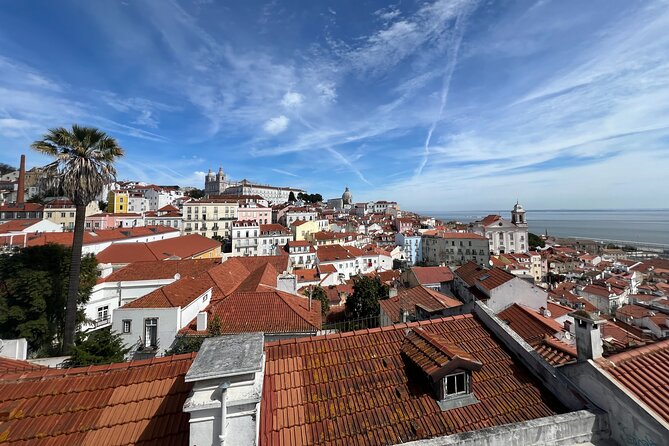
- Miradouro de Santa Luzia and Portas do Sol: Alfama views that sell you on Lisbon
- Miradouro da Senhora do Monte: the high point perspective
- Alfama and the river: where the city’s past actually feels close
- Miradouro da Graça (Sophia de Mello Breyner Andresen): a calmer photo break
- Panteão Nacional: monument scale and a grand interior moment
- Alfama: narrow streets, old soul, and Fado energy
- Chafariz D’El Rei: a fountain with a city function
- Pink Street, Time Out Market, and LX Factory: a modern break without losing the plot
- Pink Street: red-light history turned nightlife color
- Time Out Market Lisboa: eat without logistics
- LX Factory: creative reuse in a former industrial shell
- President’s residence and the Praça do Comércio feel
- Belém: iconic monuments grouped for smarter touring
- Pastéis de Belém: one of Lisbon’s must-taste classics
- Jerónimos Monastery: Manueline architecture and Vasco da Gama’s tomb
- Torre de Belém: fortress looks and river-watcher vibes
- Padrão dos Descobrimentos: climb for a wide Belém view
- MAAT and São Vicente de Fora: modern museum plus tiled calm
- MAAT: contemporary art and a striking building
- Mosteiro de São Vicente de Fora: Mannerist monastery and royal pantheon
- How long should you choose: 90 minutes vs 4 hours
- Guide quality: what to expect from the people behind the wheel
- Who this tuk-tuk tour fits best
- Should you book this Lisbon Historic City Tour by Tuk-Tuk?
- FAQ
- How long is the Lisbon Historic City Tour by Tuk-Tuk?
- What does the tour cost?
- Is pickup included?
- Is this a private tour?
- Are entrance tickets included for major sights?
- Can I cancel and get a refund?
Key points to know before you ride

- Short, well-spaced viewpoints that work for photos without turning into a marathon
- Private tuk-tuk touring that’s designed for Lisbon’s narrow, cobbled, hilly streets
- A guide-led route that connects monuments, neighborhoods, and the Tagus river story
- Extra time to walk at key places like Alfama and major viewpoints
- Some entry tickets aren’t included, so check which stops you’ll want to enter
- Photo help included, and many guides also take great shots at viewpoints
Lisbon’s hills are the real reason to choose a tuk-tuk
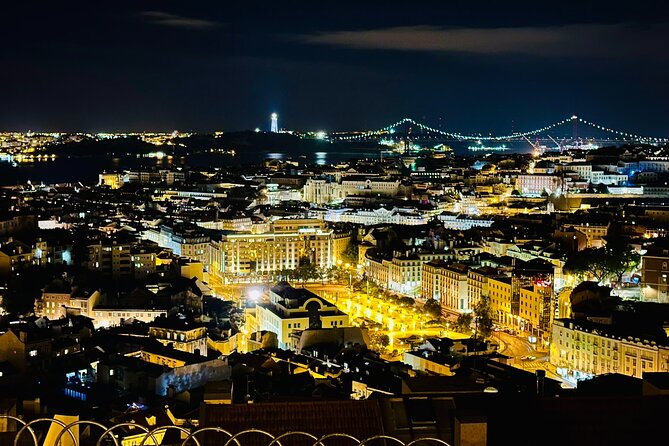
Lisbon is gorgeous, but it can be a workout. Tuk-tuks are built for the tight streets and steep grades where buses and even lots of pedestrians struggle. This tour uses that advantage to move you quickly between neighborhoods, then slows down when it matters for views, photos, and short walks.
The other big win is pacing. Instead of spending hours commuting between far-flung areas, you get a route that links medieval Lisbon to the Age of Discoveries corridor on the Tagus. Pick the tour length that fits your day: 90 minutes if you want highlights, closer to 3–4 hours if you want more strolling time.
You can also read our reviews of more tours and experiences in Lisbon.



Price and value: what $26.62 gets you

At $26.62 per person, this isn’t priced like an all-day museum pass. It’s closer to paying for logistics plus interpretation. You’re getting a professional guide, insurance coverage, all fees/taxes, and a private tuk-tuk experience for your group, with free photos included.
Where the value really shows is in the mix of stops:
- viewpoints that are great even if you don’t buy tickets
- neighborhood walking moments (especially Alfama)
- major Belém icons clustered in one stretch, instead of you stitching together transport yourself
And it’s not just “see stuff.” Guides often explain the why: who built what, why certain places matter, and how Lisbon’s story shifts from medieval rule to maritime exploration.
Where you meet: Time Out Market on the Sophia side
You start near Time Out Market Lisboa. The meeting point is in front of the Sophia Restaurant, directly opposite the market. Your guide picks you up about 5 minutes before the tour starts, so I’d plan to be there early with your phone charged and your camera ready.
The tour ends back at the meeting point. That matters because it keeps your afternoon from turning into a late-day transit puzzle.
The route starts with Lisbon Cathedral, then jumps to the best viewpoint fix
Lisbon Cathedral: medieval Lisbon at the beginning
You begin at Lisbon Cathedral, Lisbon’s oldest church, connected to the city’s takeover in the mid-1100s after Moorish rule. The Romanesque architecture gives you a medieval anchor before the tour swings into modern-looking city views.
Admission is listed as not included here. So think of this stop as either:
- a short exterior-and-context stop, or
- a spot you may want to add ticket time if the inside matters to you
Either way, it sets the tone. You’re not just taking photos; you’re building a mental map of the old city.






Miradouro de Santa Luzia and Portas do Sol: Alfama views that sell you on Lisbon
Next come two of Lisbon’s classic viewpoint moments:
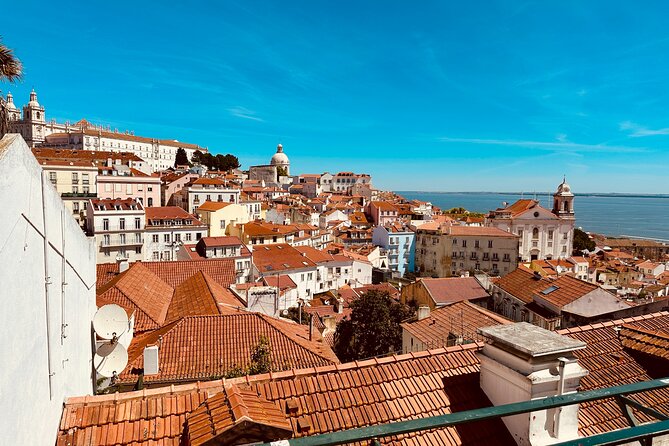
- Miradouro de Santa Luzia: a romantic viewpoint over Alfama and the Tagus, with azulejo tiles and a calm, garden-like feel.
- Miradouro das Portas do Sol: another Alfama-facing viewpoint where you can frame rooftops and look toward São Vicente de Fora.
Both are listed as free, and each stop is brief (roughly 5–10 minutes). That’s perfect if you want the big view without losing half your tour waiting for the next bus somewhere else.
Pro tip for photos: if you’re serious about pictures, use the tuk-tuk pause to check the angle first, then step into the view area. Don’t rush straight for the perfect spot—Lisbon’s best shots come from tiny adjustments.
Miradouro da Senhora do Monte: the high point perspective
Then you go up again to Miradouro da Senhora do Monte, the highest viewpoint in Lisbon. It gives panoramic city views, including the castle and river, and it’s often a go-to for sunset energy.
This stop is also listed as free and short (about 5 minutes). Even in a brief window, you’ll understand where you are in relation to the castle and the river, which makes later neighborhood exploring feel less random.
Alfama and the river: where the city’s past actually feels close
Miradouro da Graça (Sophia de Mello Breyner Andresen): a calmer photo break
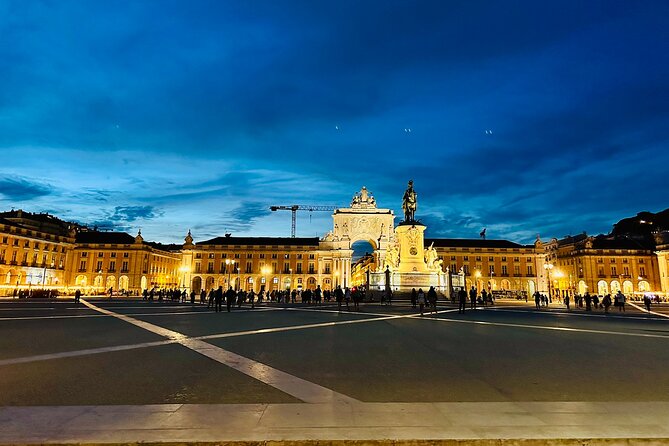
At Miradouro da Graça, you get a wide panorama over Lisbon, including São Jorge Castle and the Tagus River. The setting includes a peaceful garden and a historic church nearby, so it feels less like a crowded pull-off and more like a breather.
Listed as free and around 15 minutes, this is a good place to slow down. Use the extra time to stand back from the edge and let the city “come into focus.”
Panteão Nacional: monument scale and a grand interior moment
Next is Panteão Nacional, a striking 17th-century monument with a grand dome and a marble interior, plus panoramic views over Alfama and the Tagus.
Admission is marked as not included. Since this is one of the most architecturally specific stops, you’ll want to decide quickly whether you’re a “quick exterior and move on” person or you want to spend more time inside.
Alfama: narrow streets, old soul, and Fado energy
Then you hit Alfama, Lisbon’s oldest and most iconic neighborhood. Expect narrow streets, colorful houses, and the feeling that the city is still living in its historic rhythm. This is where short walks pay off.
This stop is listed as free. The best way to enjoy it is to do two things:
1) walk slowly for 5–10 minutes, not just to get to the next photo spot
2) pause at small viewpoints you notice while walking
That’s how Alfama teaches you its layout.
Chafariz D’El Rei: a fountain with a city function
You also pass Chafariz D’El Rei, a 16th-century fountain that once served as a vital water source. Now it’s a landmark with a medieval echo near the riverfront.
It’s listed as free and short, so treat it like a “touch of old Lisbon” more than a long stop.
Pink Street, Time Out Market, and LX Factory: a modern break without losing the plot
This tour doesn’t keep you stuck in the past. It also helps you see how Lisbon layers modern life onto older streets.
Pink Street: red-light history turned nightlife color
Pink Street used to be associated with the city’s red-light history and has become a lively nightlife zone. It’s famous for its pink pavement, plus bars and cafés nearby.
Listed as free and brief (about 5 minutes), this is more of a “check it out and take it in” stop than an all-out hang.
Time Out Market Lisboa: eat without logistics
Next is Time Out Market Lisboa, where you can pick Portuguese dishes and desserts from multiple places under one roof. If you’re the type who wants food but hates the hunt, this is convenient.
It’s listed as free, and the stop is short. I’d treat it as your taste-and-recharge moment, especially if you’re doing a longer tour and still have Belém icons ahead.
LX Factory: creative reuse in a former industrial shell
Finally in the Lisbon mixed-era stretch, you go to LX Factory, a creative hub inside a former industrial complex. Expect shops, street art, and cultural spaces—good for quick shopping, a coffee pause, and a look at Lisbon’s modern design energy.
Listed as free with about 10 minutes. If you’re the kind of traveler who loves browsing, this is enough time to enjoy it without shopping becoming your entire trip.
President’s residence and the Praça do Comércio feel

You also stop at the official residence of the President of Portugal, with historic architecture and gardens. The interior is mostly closed to the public, but the exterior and grounds still give you a feel for the site’s importance in Portuguese civic life.
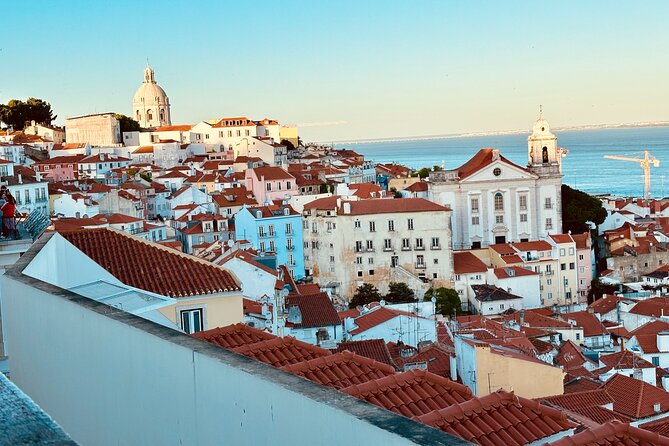
You then reach the big riverside square that symbolizes Lisbon’s rebirth after the 1755 earthquake—with elegant arcades and the Arco da Rua Augusta nearby. This is the kind of stop where the city looks planned and formal, right by the Tagus.
The key value here is emotional contrast: Alfama feels intimate and medieval; this riverside square feels ceremonial and forward-looking.
Belém: iconic monuments grouped for smarter touring

If you only do one “big sights” area in Lisbon, Belém is it. This tour brings a lot of Belém highlights into one ride, so you don’t waste time deciding what to see first.
Pastéis de Belém: one of Lisbon’s must-taste classics
You stop at Pastéis de Belém, home of Lisbon’s famous custard tarts baked fresh since 1837. Even if you’re not a dessert person, this is one of the few food stops in Lisbon that functions like a cultural landmark.
Listed as free, with about 10 minutes. You’re not buying an all-day bakery experience here; you’re getting the original taste and moving on.
Jerónimos Monastery: Manueline architecture and Vasco da Gama’s tomb
Next is Jerónimos Monastery, a Manueline masterpiece built to honor Portugal’s Age of Discoveries. You’ll see ornate cloisters and a grand church, plus the tomb of Vasco da Gama.
Admission is marked as not included, so plan your time based on your interest in interiors. If you care about architecture and symbolism, this is the kind of place where a ticket can be worth it.
Torre de Belém: fortress looks and river-watcher vibes
You also reach Torre de Belém, a 16th-century fortress guarding Lisbon’s harbor. It’s iconic for Manueline style and gives scenic Tagus river views.
Admission is listed as not included. If you don’t want to spend time inside, you can still get a strong sense of the tower from the outside and surrounding area.
Padrão dos Descobrimentos: climb for a wide Belém view
Then comes Padrão dos Descobrimentos, the monument celebrating Portugal’s explorers. If you’re up for it, you can climb to the top for panoramic views over Belém and the Tagus.
It’s listed as free. The climb is the sort of effort that feels worth it once you’re above the street-level crowd energy.
MAAT and São Vicente de Fora: modern museum plus tiled calm
This is a nice late-tour pairing: contemporary art/design at the river, then historic religious architecture back in Lisbon’s old fabric.
MAAT: contemporary art and a striking building
At MAAT (Museu de Arte, Arquitetura e Tecnologia), you see cutting-edge art, architecture, and technology housed in a bold modern structure on the Tagus. The building itself is a photo magnet.
Listed as free and short (about 10 minutes). If you’re a design lover, you’ll appreciate the contrast after all those Manueline details.
Mosteiro de São Vicente de Fora: Mannerist monastery and royal pantheon
Finally, you visit Mosteiro de São Vicente de Fora, a 16th-century monastery dedicated to Saint Vincent, Lisbon’s patron saint. It includes cloisters, tiled galleries, and the royal pantheon tied to the Braganza dynasty, plus city panorama views.
Listed as free and around 5 minutes. That’s tight, but it still works for getting the “why it mattered” feeling without burning your whole day.
How long should you choose: 90 minutes vs 4 hours
This tour works best when you match time to your goal.
- 1.5 hours: Choose this if you’re arriving for the first time and want a fast hit of viewpoints and neighborhood orientation. It’s ideal for day one.
- Half-day (roughly 3–4 hours): Choose this if you want time for photos, a real look at Alfama, and more breathing room for Belém stops and optional ticketed interiors.
A lot of guides build in flexibility, including time to explore at stops. Many people also mention not feeling rushed and getting enough time to step out and take photos.
If you’ve got a packed schedule, don’t try to force the entire city into one day on foot. This is designed for doing more with less walking.
Guide quality: what to expect from the people behind the wheel
One of the biggest reasons this tour scores so well is guide performance. In feedback, names that come up include Raj, Tushar, Mahmudul, Belal Hosan, Suman, and Mohamed, plus others. What’s consistent is good communication and history context as you move.
You should also expect driving skill. Lisbon roads are narrow and cobbled, and a good driver makes the route feel smooth instead of scary. Several people mention the experience staying comfortable even on tight turns and steep areas.
And yes, the photo help matters. Free photos are included, and multiple guides are described as taking photos at viewpoints so you’re not just photographing alone.
Who this tuk-tuk tour fits best
This tour is a strong match if you:
- want a first-day orientation so Lisbon feels less confusing later
- prefer short stops with photo time instead of long guided museum marathons
- want to cover neighborhoods like Alfama and Belém without planning transit between them
- like having a guide translate what you’re seeing into context
It might be less ideal if you’re the type who wants deep interior time at every big monument. Some of the top sites here have admission not included, and the stops are timed to keep the whole route moving.
Should you book this Lisbon Historic City Tour by Tuk-Tuk?
If you want a smart, efficient way to see the “greatest hits” across Lisbon’s medieval core and Belém’s Age of Discoveries coast, I’d book it. The price is reasonable for what you get: a private tuk-tuk ride, an English-speaking guide, photo support, and a route that makes the geography click.
I’d skip or downshift your expectations on this style of tour only if you plan to go deep into every interior monument. For most people, this is a fantastic way to get your bearings fast and still taste Lisbon along the way.
If you can pick your timing, try to do it early in your trip. Views and viewpoint orientation you learn here will help you enjoy the rest of Lisbon more, because you’ll understand where everything sits in relation to the river.
FAQ
How long is the Lisbon Historic City Tour by Tuk-Tuk?
The tour duration is listed as approximately 1 hour 30 minutes to 4 hours, depending on the option you choose.
What does the tour cost?
The price is listed at $26.62 per person.
Is pickup included?
Pickup is offered. You’re instructed to wait in front of the Sophia Restaurant opposite Time Out Market, and your guide picks you up about 5 minutes before the start time.
Is this a private tour?
Yes. It’s described as a private tour/activity, meaning only your group participates.
Are entrance tickets included for major sights?
Not always. Some stops list admission ticket not included (for example Lisbon Cathedral, Panteão Nacional, Jerónimos Monastery, and Torre de Belém), while many viewpoints and other stops are listed as free.
Can I cancel and get a refund?
Yes. Free cancellation is available up to 24 hours in advance for a full refund. If you cancel less than 24 hours before the start time, the amount paid is not refunded.