REVIEW · BATTAMBANG
Morning Tuk tuk: City, Handicrafts, Killing field, Temples
Book on GetYourGuide →Operated by Battambag full day city and countryside Tuk Tuk tour · Bookable on GetYourGuide
Rice smells, brick stupa stories, and big Buddha views. In a 5-hour morning tuk-tuk loop around Battambang, you bounce from city icons to local food-making stops that show how rice becomes almost everything here.
I especially like watching families make rice noodles and rice paper with their own hands, then sampling what they produce as they explain how it fits daily life. The guide’s storytelling stays practical, so you’re not just looking—you’re understanding.
The main heads-up is the visit tied to the killing field area at Wat Samrong Knong, which is emotionally heavy and not ideal if you get overwhelmed easily.
In This Review
- Key moments to look forward to
- Battambang’s morning route: from 7:20 pickup to city icons
- City landmarks and the Battambang symbol: getting your bearings first
- Khmer rice noodle factory: breakfast you can watch being made
- Bamboo sticky rice production: a sweet snack with a farming link
- Wat Samrong Knong: the oldest temple and Cambodia’s painful past
- Rice paper production: where spring rolls start
- Rice wine plant: tasting a tradition still used for everyday needs
- Ek Phnom temples: a 25m Buddha, a 1991 temple, and older ruins
- Price and logistics: what $20 buys you in real terms
- Who this Battambang food-and-temple tuk-tuk tour fits best
- Should you book this morning tuk-tuk in Battambang?
- FAQ
- What is the duration of the Battambang city and countryside tuk-tuk tour?
- What time does pickup happen?
- Where is pickup and drop-off located?
- Is the tour offered in English?
- What is included in the price?
- What kinds of food or drinks will I get to try?
- Are admissions and donations included?
- Are sleeveless shirts allowed?
- Is the tour suitable for older travelers or people with high blood pressure?
- Can I cancel for free?
Key moments to look forward to
- Rice-first living: Khmer rice noodles, bamboo sticky rice, rice paper, and rice wine in one morning route
- Wat Samrong Knong details: a 1707 temple, a brick stupa from 1887, and the site’s Khmer Rouge story
- Real hands-on production: watching locals make food and packaging it for everyday use
- Spring rolls, explained: rice paper production linked directly to the spring rolls people love
- Ek Phnom scale: a 25m giant Buddha plus a 1991 temple and older ruined Hindu temple remains
- Value for money: admissions, donations, water, and tasting snacks are included in the price
Battambang’s morning route: from 7:20 pickup to city icons
This is a morning tour that starts with pickup at 7:20 AM from your accommodation or a restaurant. If you’re staying within about 5 km of Battambang town, it’s straightforward. If you’re farther out, you’ll likely need to meet at the closer pickup point the tour uses.
Once you’re in the tuk-tuk, your guide sets the tone with stories about Khmer religion, local agriculture, and folk tales. That matters because it turns the stops into a connected picture. Instead of seeing temples and workshops as random dots, you start to understand why rice farming, water, and faith shape daily life here.
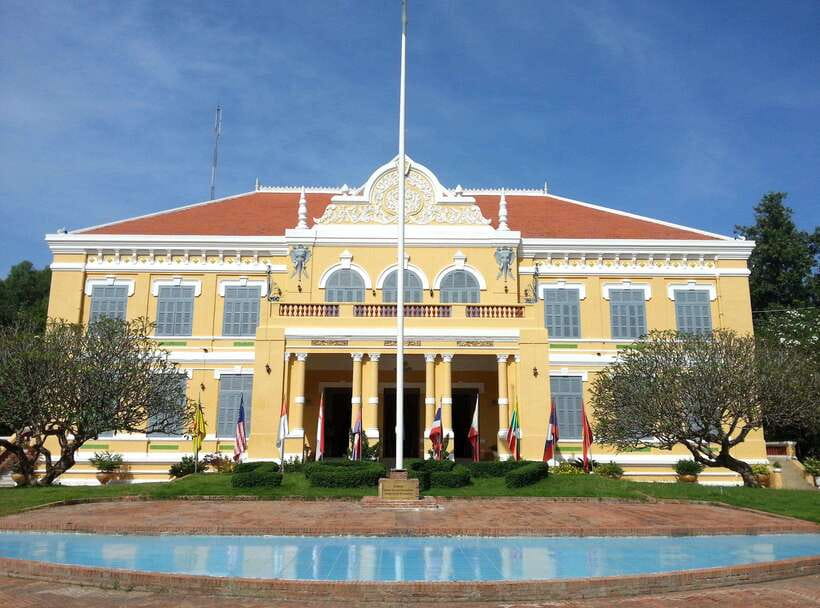
In the city portion, you’ll cover several key landmarks: the central market, the provincial hall, and Battambang’s symbol statue, Ta Dambong Kranhoung. It’s not a museum day. It’s more like getting your bearings fast—seeing what people use, what people trade, and what people honor.
You also get cold bottled water and wet wipes along the way, which is a small detail that makes a big difference when you’re moving between sunlit stops.
City landmarks and the Battambang symbol: getting your bearings first
Battambang has a way of feeling both calm and quietly important. The city stops on this route help you understand that balance.
The central market is useful because it shows what locals actually do day to day. Even if you’re not shopping, you get the rhythm: people moving, goods stacked, and daily needs being handled in public.
Then you’ll move to the provincial hall and the Ta Dambong Kranhoung statue, which acts like a shorthand for local identity. It’s the kind of landmark that’s easy to miss if you only follow major temple circuits. Here, it’s part of a wider story: Battambang as a province with its own culture, not just a stop on the way somewhere else.
If you like your travel with context, this part works well. You’ll get explanations about religion and local history before the tour turns more rural and hands-on.
Khmer rice noodle factory: breakfast you can watch being made
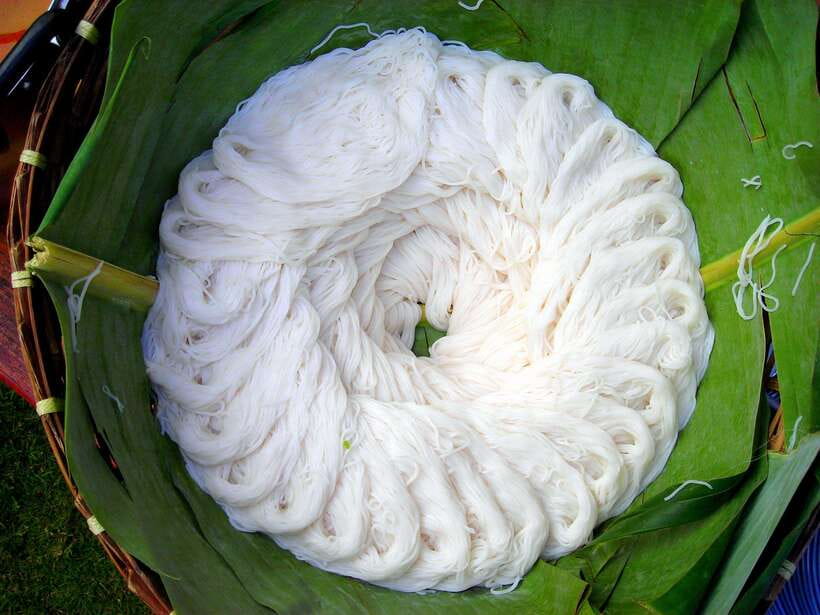
One of the most satisfying parts of this tour is how it centers Khmer rice noodles. This is food people eat for breakfast, lunch, and dinner, not just a tourist snack. So when you see the process, it makes sense why it’s so common.
At the noodle stop, you’ll learn what Khmer rice noodles are and how locals produce them. Then you get to try them. That tasting is key: you’ll notice texture, how the noodles hold flavor, and what fresh versions taste like compared with the dried, packaged versions you might be used to.
This is also where the guide’s explanations help. Rice noodles aren’t just an item; they’re a solution for how families make meals from local ingredients. Watching production gives you a practical respect for the skill involved.
If you’re the type who reads menus at home but loves understanding how a dish exists in real life, this stop lands well.
Bamboo sticky rice production: a sweet snack with a farming link
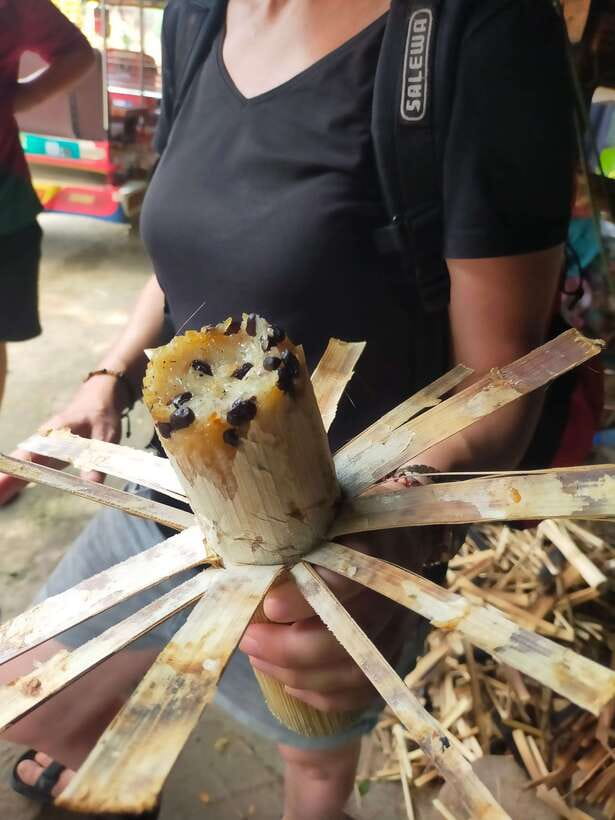
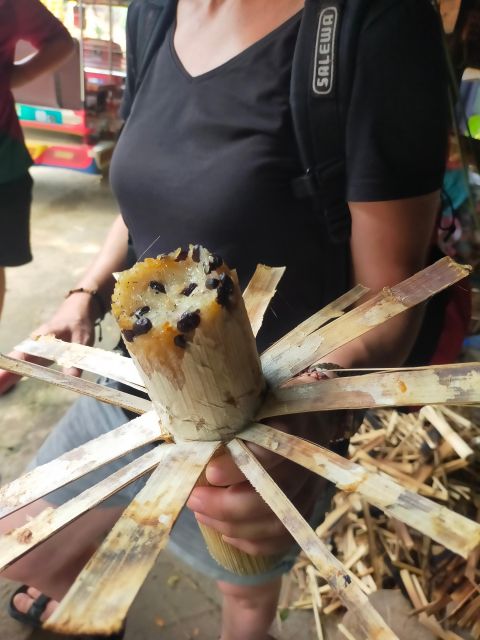
After noodles, the route shifts toward bamboo sticky rice. This is prepared as a dessert or sweet snack, and the tour shows how locals cook it.
Bamboo sticky rice has a special “wait for it” quality: it looks simple, but the method and timing matter. When you watch it being made, you understand why this is a favorite both for tourists and for locals—it’s portable, sweet, and tied to local cooking rhythms.
You also get another reminder that rice here isn’t a side dish. It’s the base ingredient that can become breakfast noodles, spring roll wraps, and a sweet treat in the same region.
Wat Samrong Knong: the oldest temple and Cambodia’s painful past
Wat Samrong Knong is the stop that turns the day serious.
This is the oldest Buddhist temple on the route, built in 1707. You’ll also see a brick stupa built in 1887. Those are impressive facts on paper, but what hits harder is the site’s later use.
The pagoda area was used to house Khmer Rouge soldiers and later served as a detention area for victims. You’ll see references on the site to a torture house and the killing field, where approximately 10,008 victims were killed.
Take this part slowly. Even if you’ve learned about the Khmer Rouge before, being here in person changes the pace of your thoughts. This isn’t the kind of stop you rush through for photos.
It’s also a clear reason why the tour isn’t listed as suitable for everyone. If you have high blood pressure, you’ll want to skip anything that can feel physically stressful. If you’re sensitive to emotional sites, plan your expectations and pace.
Rice paper production: where spring rolls start
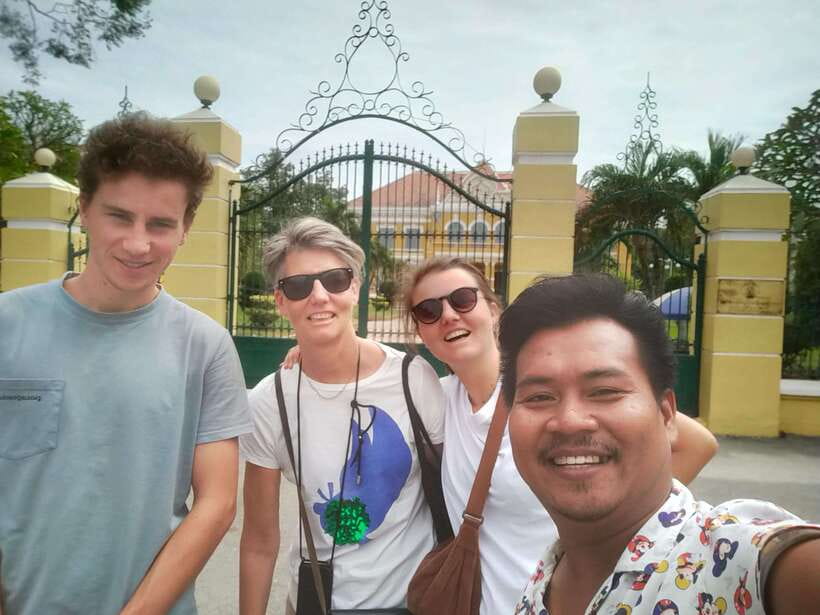
Rice paper sounds like a product, but the tour treats it like a process.
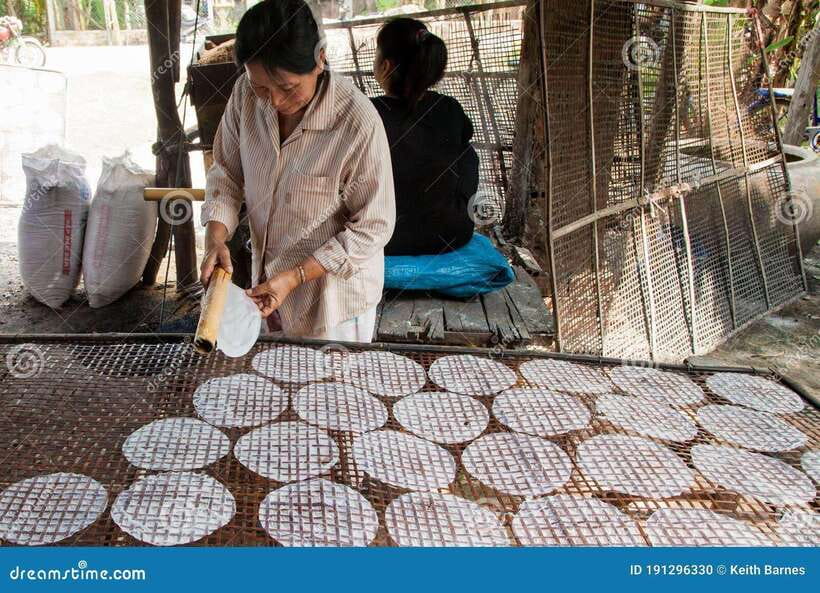
At the rice paper stop, you’ll see how it’s produced and you’ll hear why it matters. Rice paper is used for making spring rolls, and this is where the tour gives you the “before you eat” context that most people never see.
The scale is also striking. Villagers can make at least 1,500 pieces per day, and you’ll get to watch the daily work behind that output. That number isn’t just trivia. It helps you grasp that this isn’t a hobby craft—it’s labor supporting family income.
If you’re hungry after the noodle and sticky rice tastings, this part sets you up to understand exactly what’s happening in those classic spring roll bites. The tour’s snacks tasting and photo opportunities also help you turn learning into something you can remember with your senses, not just your phone camera.
Rice wine plant: tasting a tradition still used for everyday needs
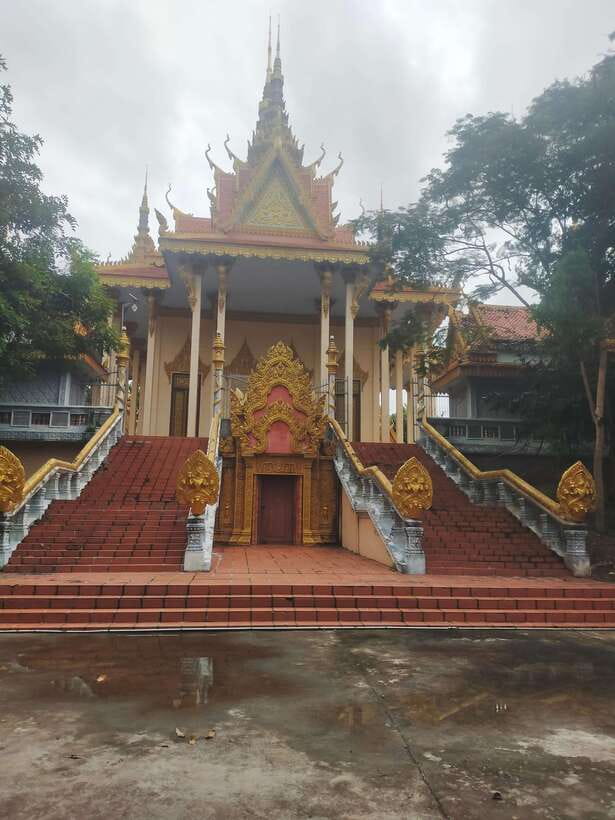
Next comes rice wine production at a plant that has been in use since the 1980s. You’ll learn how rice wine is made and then sample some.
What makes this stop more than a quick sip is the explanation of how rice wine has been used beyond drinking. The tour shares that it was used for medication and to soak plants, fruits, and even poisonous animals like cobras and tarantulas.
That information changes how you think about alcohol in cultural context. It’s not framed only as celebration; it’s described as a working ingredient in local practices. Still, use your common sense when sampling. If alcohol doesn’t agree with you, you can simply take the smallest tasting.
This stop also fits the theme of the day: rice-based traditions that keep living because they solve real problems in local life.
Ek Phnom temples: a 25m Buddha, a 1991 temple, and older ruins
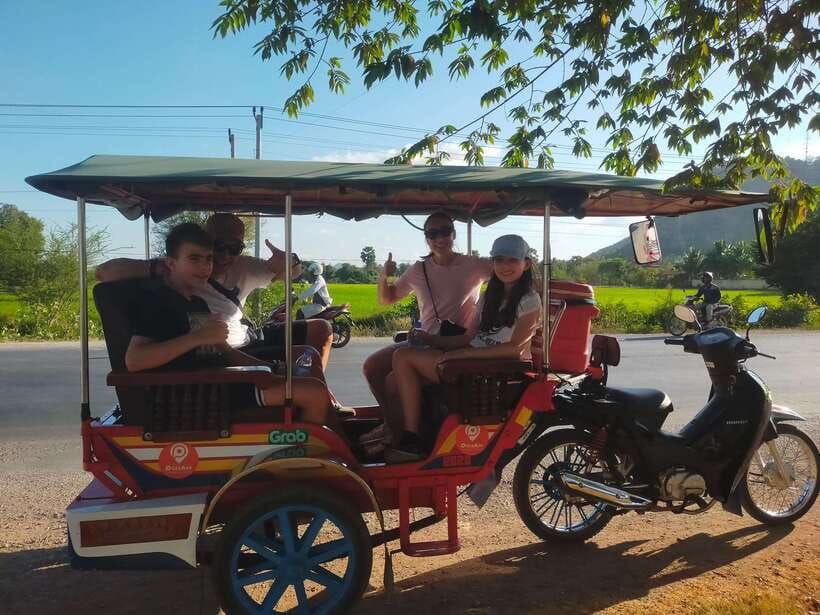
The day finishes with temple scale.
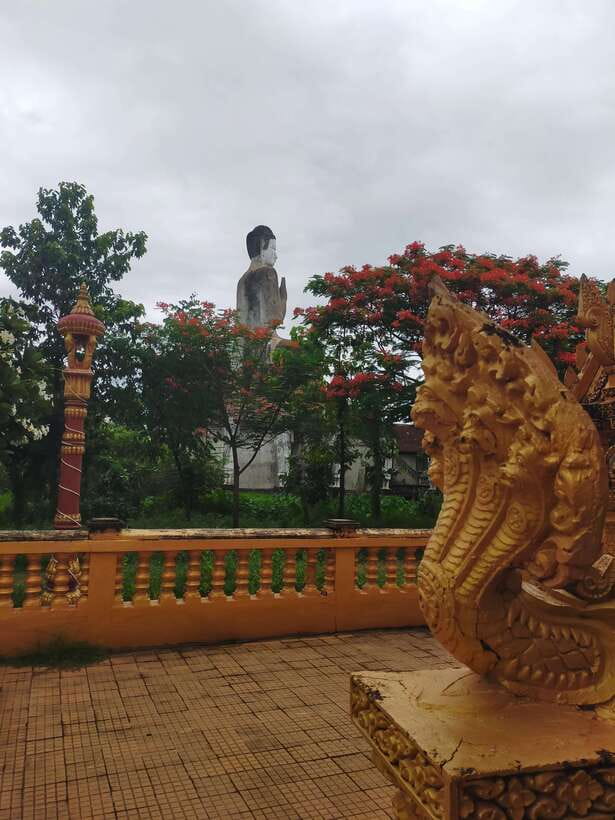
At Ek Phnom, you’ll see a 25m-high giant Buddha surrounded by standing Buddha statues on either side. The height matters here because it changes the way you look at the space—you’re not scanning details up close; you’re taking in structure and intention.
Then you’ll walk to a Buddhist temple built in 1991. Going inside is worth it for the way it tells Buddha’s story on the wall. Even if you’re not a religious expert, wall storytelling is an easy way to connect the symbols to a narrative you can follow.
Finally, you’ll also see ruins of an Angkorian Hindu temple built in the 11th century under King Suryavarman I. That mix—Buddhist worship nearby with older Hindu remains—reflects how Cambodia’s religious layers overlap in the same geography.
It’s a strong finish: your senses have already been trained by the rice-making stops, so the temple visit feels like a cultural mirror—different subject, same attention to how people build meaning.
Price and logistics: what $20 buys you in real terms
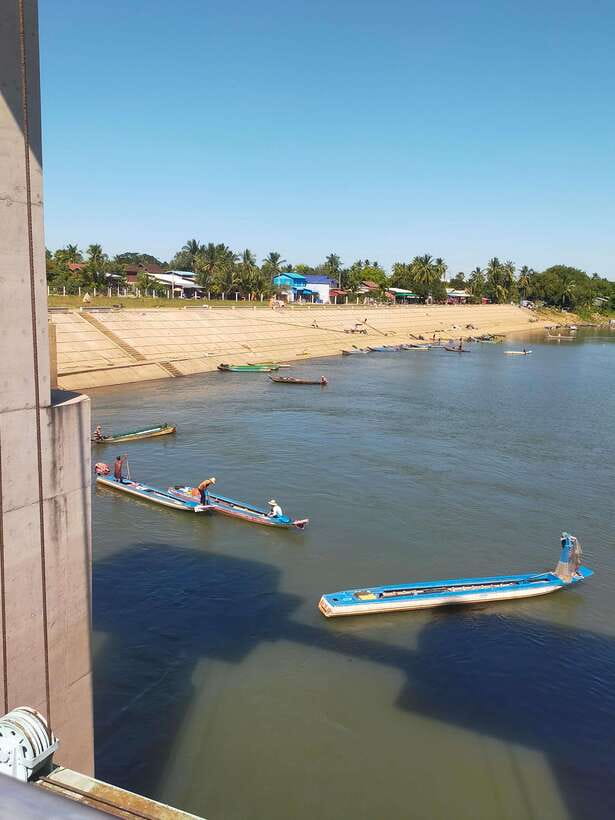
At $20 per person for about 5 hours, this tour is priced like a practical way to hit a lot of meaningful ground without constantly figuring out transport. The best value part is what’s included: hotel pickup and drop-off, a live English guide, cold bottled water, wet wipes, photo opportunities, snacks tastings, all admissions, and donations.
That matters because admissions can add up when you’re hopping between sites. Here, you don’t have to do that math mid-day.
Two practical considerations to keep in mind:
- Pickup and drop-off are set around 5 km from Battambang town. If you’re in a remote hotel, confirm the meeting point before you go.
- The tour isn’t suited for everyone. It’s not recommended for people with high blood pressure, and it’s also stated as not suitable for people over 70. You’ll also want to dress appropriately since sleeveless shirts aren’t allowed. Baby strollers aren’t allowed either.
You’ll be in a tuk-tuk for movement and you’ll do walking at temples. If you want a calmer pace, you might feel more comfortable with shorter walks and shade breaks than what this route offers.
Who this Battambang food-and-temple tuk-tuk tour fits best
This tour is a good fit if you like travel with real local work behind it—especially food production. The rice noodle factory, bamboo sticky rice, rice paper making, and rice wine plant are the core “why” of the experience. You get to see how ingredients become daily culture.
It’s also a good match if you want history that isn’t only dates. Wat Samrong Knong is included with specific details about what happened there, so you’ll leave with a clearer understanding of the Khmer Rouge period and its human cost.
You might want to skip it if:
- you can’t handle emotionally heavy historical sites,
- you have health concerns that make mornings of movement tough (high blood pressure is flagged),
- or you’re looking for a purely relaxing sightseeing day.
Should you book this morning tuk-tuk in Battambang?
I’d book this if you want a morning that feels like Battambang’s everyday life—rice in many forms, temples that connect religion across centuries, and a guide who explains things in clear English. It’s also a smart choice for value because admissions, tastings, water, and local donations are handled for you.
If the killing field stop feels like too much, or if your health makes temple walking and early movement difficult, choose a lighter option and save your energy. But if you’re ready for both hands-on food culture and serious history, this route is one of the best ways to understand Battambang in just 5 hours.
FAQ
What is the duration of the Battambang city and countryside tuk-tuk tour?
The tour lasts about 5 hours.
What time does pickup happen?
Pickup starts at 7:20 AM from your accommodation or a restaurant.
Where is pickup and drop-off located?
Pickup and drop-off happen 5 km away from Battambang town.
Is the tour offered in English?
Yes, the live tour guide speaks English.
What is included in the price?
The price includes hotel pickup and drop-off, a live guide, cold bottled water, wet wipes, photo opportunities, snacks tasting, all admissions, and donations.
What kinds of food or drinks will I get to try?
You’ll get tastings connected to Khmer rice noodles, bamboo sticky rice, rice paper used for spring rolls, and rice wine.
Are admissions and donations included?
Yes, admissions and donations are included.
Are sleeveless shirts allowed?
No, sleeveless shirts are not allowed.
Is the tour suitable for older travelers or people with high blood pressure?
It’s not suitable for people with high blood pressure, and it’s also stated as not suitable for people over 70.
Can I cancel for free?
Yes, you can cancel up to 24 hours in advance for a full refund.