REVIEW · LISBON
Lisbon: Historic City Tour by Tuk-Tuk
Book on GetYourGuide →Operated by Let´s Do Trip · Bookable on GetYourGuide
Lisbon is a city of hills, steps, and sudden viewpoints. This historic tuk-tuk tour is a practical way to cover a lot of ground without burning your legs on every incline. You zip through narrow streets, stop for photos, and get just enough guided context to know what you’re looking at.
Two things I like a lot: the quick photo-stop miradouros (the viewpoints are timed so you actually have time to shoot) and the way the guide helps you connect the neighborhoods. When you’re lucky enough to ride with guides like Mahmudul or Arif, you’ll feel like someone is steering you toward the best angles and explaining what matters as you go.
One drawback to plan for: sound can be a problem on a moving tuk-tuk. A couple of people noted it was hard to hear the guide sometimes, so if you can, aim for the front seats where you’ll catch more of the commentary.
In This Review
- Key highlights to know before you go
- Why a tuk-tuk makes sense in Lisbon’s hills
- Pickup, guides, and how the ride stays comfortable
- Stop-by-stop: from Lisbon Cathedral toward Santa Luzia
- Miradouros in Alfama and São Vicente: your best photo window
- Alfama streets, Fado Museum, and the Chafariz d’El-Rei moment
- Baixa and the riverfront: Commerce Square to Rua Augusta
- Drop-off choices near food and culture (and why that matters)
- Price and value: what you really get for about $1.02
- Who this tour suits best (and who should skip it)
- Should you book this Lisbon historic tuk-tuk tour?
- FAQ
- How long is the Lisbon Historic City Tour by Tuk-Tuk?
- What does the tour cost?
- What stops are included on the tour?
- What’s included in the price?
- Is food and drinks included?
- Can I add Belém to the sightseeing?
- Does the tour offer skip-the-line entry?
- What languages are the live guides available in?
- Is pickup available?
- Is the tour suitable for children, pregnancy, or wheelchair users?
Key highlights to know before you go

- Electric tuk-tuk comfort: breezy ride that still lets you hop out for short stops
- Miradouro timing built for photos: frequent viewpoint stops with time to stand, frame, and shoot
- Small-group feel (and private option): intimate sightseeing instead of a big group bus
- Indoor access with skip-the-line: separate entrance listed for faster entry
- Guides who take pictures: multiple guides are praised for snapping photos and helping with angles
Why a tuk-tuk makes sense in Lisbon’s hills
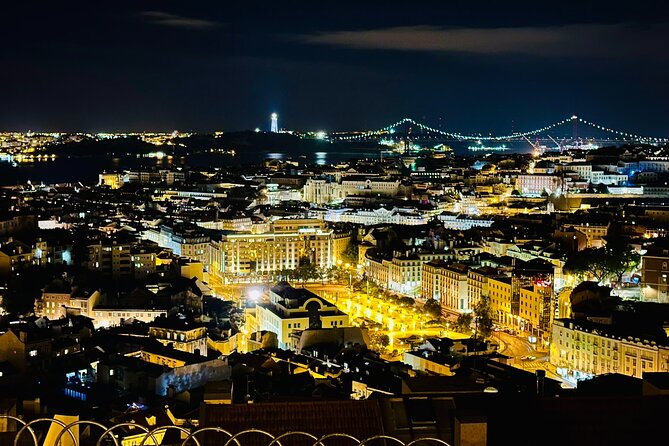
Lisbon can feel like it was built by a team of hill designers with a sense of humor. You’ll hit steep streets fast, and even if you’re in good shape, the wear adds up. That’s why I like a tuk-tuk approach for a first visit: it keeps you mobile while still letting you experience the old streets at street level.
This tour also feels efficient without feeling rushed in the wrong way. The schedule is structured around short moments: quick photo stops, brief guided looks, and then back onto the ride. The result is that you get a “great overview” style day, where you return to your favorite spots later on foot.
And the vehicle matters. You’re on an electric tuk-tuk, not a gas-powered contraption. It’s listed as comfortable and eco-friendly, and in real-world terms that usually means less noise and less hassle while you’re focused on the views.
You can also read our reviews of more tours and experiences in Lisbon.



Pickup, guides, and how the ride stays comfortable

The experience is built around a local guide on an open-air electric tuk-tuk (with insurance included). You’ll get narration while you travel, then you’ll pause for photos and quick visits. It’s the kind of format that works especially well when your day includes both viewpoints and classic neighborhoods.
Pickup is optional and depends on the option you select. If you choose the route linked to Fado, you wait in front of the Fado Museum, and the guide picks you up about 5 minutes before. They’ll also send you a message about 10 minutes before via WhatsApp or a direct phone call. If you choose the Time Out option, you meet at Sophia Restaurant behind the Time Out Market garden corner, using the same timing idea.
One small practical tip: if you care about hearing details, the best seats are usually near the front. People specifically noted that first seats were better for hearing. And if it’s a bit noisy outside, don’t worry—you still get plenty of visual moments and photo time at each stop.
Stop-by-stop: from Lisbon Cathedral toward Santa Luzia
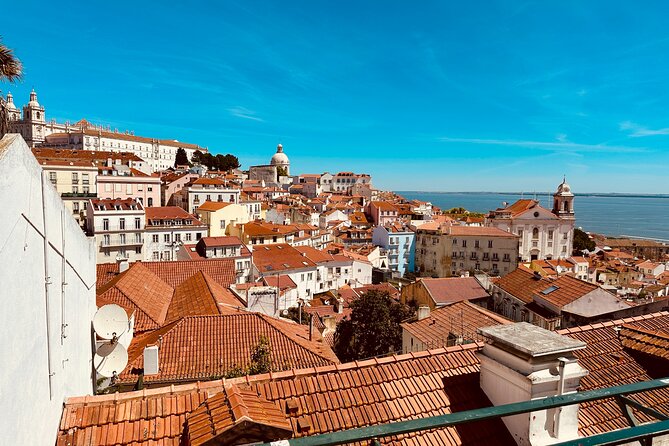
The tour’s early stretch is about getting you oriented. You start at your meeting point, then the day quickly moves into the historic center.
Stop 2: Lisbon Cathedral
This is listed as a photo stop with a short visit and a guided look (about 5 minutes). Even if you only get a brief moment, it gives you a recognizable anchor point—then the rest of the route makes more sense.
Stop 3: Museum of Lisbon – Roman Theater
Another short photo stop with guided time and sightseeing (about 5 minutes). The name alone signals you’ll be stepping into layers of Lisbon’s past, not just scenic streets.
Then the tour shifts into viewpoints—this is where many people start to feel the magic.
Stops 4–7: Miradouro de Santa Luzia, Miradouro das Portas do Sol, Miradouro da Graca, and Graça Historic District
You get a sequence of miradouros, each with a photo pause plus guided time and a brief chance to soak in the scene. These are short stops (often around 2–5 minutes), but they’re frequent, which is what helps you stack great views without losing the day to stair climbs.
Miradouro stops like Santa Luzia and Portas do Sol are especially useful on a first trip because they show you how the city folds around its hills. After a couple of these, you start recognizing the neighborhood layout, and walking later feels easier.
The Graça Historic District stop adds a bit more “place” feeling beyond just scenic viewpoints, again with guided time plus a short window to look around (about 3 minutes listed).
Miradouros in Alfama and São Vicente: your best photo window
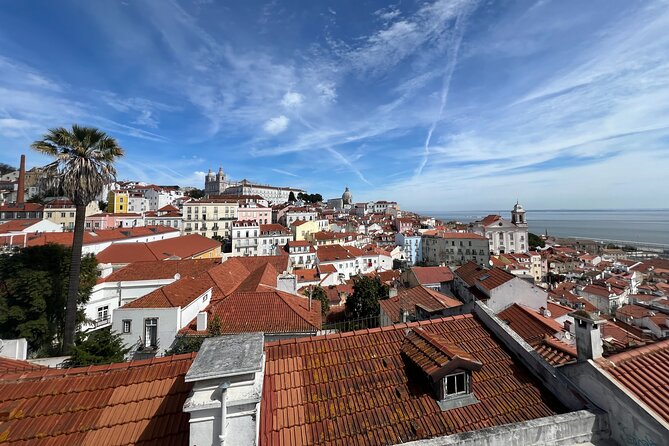
From here, the route leans further into Lisbon’s classic viewpoints and older streets. This section is where the tour earns its keep, especially if you want photos but don’t want to spend hours climbing.
Stop 8: Miradouro da Senhora do Monte
This one includes a photo stop, visit, guided time, and free time (about 5 minutes). That free window is important. It lets you step back from listening and just shoot—plus it’s often the stop where you get the most postcard-perfect angles.
Stop 9: São Vicente de Fora
You’ll get a photo stop, guided time, and sightseeing (about 5 minutes). It’s a brief “look and understand” stop, and the guided moments help you connect the tiles, architecture, or atmosphere to the stories your guide shares on the ride.
Stop 10: Lisbon Flea Market
Listed as a photo stop with visit and guided time (about 2 minutes). Flea markets are fun because they change the pace of the day. Even in a short stop, you get a feel for everyday Lisbon textures—more lived-in than museum-only sightseeing.
Stop 11: National Pantheon of Santa Engracia
Photo stop, visit, guided time, and sightseeing (about 5 minutes). People also called out the value of tile-focused sights on this kind of route. Here, you get enough time to actually look without it turning into a long detour.
Stop 12: Santa Apolónia
Another guided stop with sightseeing (about 3 minutes). Think of it as a transition point—enough time to reset your bearings and keep the day moving.
Alfama streets, Fado Museum, and the Chafariz d’El-Rei moment
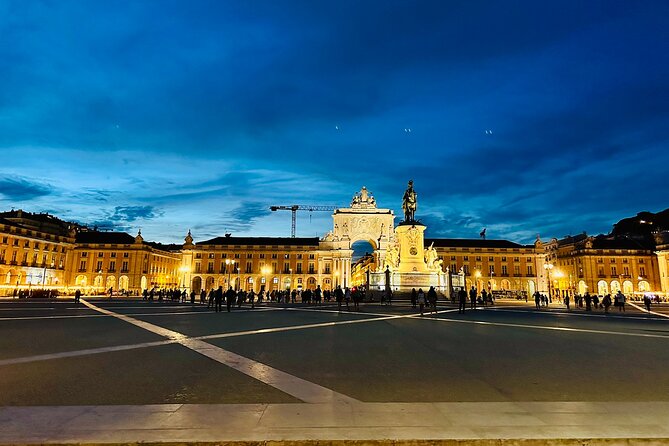
Now you hit the area people associate with Lisbon’s old soul. You’ll see more street character, plus stops tied to cultural storytelling.
Stop 13: Alfama
This is listed as a photo stop, visit, guided time, and sightseeing (about 5 minutes). A short stop here is ideal because it prevents “Alfama fatigue.” You get a taste of the neighborhood vibe and then move on, rather than spending your whole day lost in lanes.
Stop 14: Fado Museum
Photo stop plus visit and guided time (about 3 minutes). If Fado is on your mind, this stop is the one that ties your day together. It’s also one reason people choose options with Fado Museum pickup, so you’re in the right place from the start.
One listed perk is skip-the-line via a separate entrance. The tour doesn’t say which exact stop uses it, but having that option matters when you’re trying to keep your schedule tight.
Stop 15: Chafariz d’El-Rei
Photo stop, visit, guided time (about 2 minutes). This is a quick “look up and notice details” kind of stop, the sort you’ll appreciate later when you remember where you saw it.






Baixa and the riverfront: Commerce Square to Rua Augusta
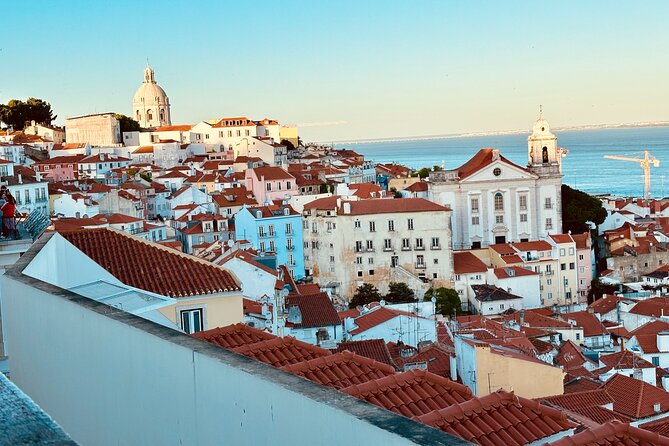
After the older neighborhoods and viewpoint sequence, the tour turns toward big-open spaces and famous central landmarks. This contrast is one reason the tour feels balanced instead of repetitive.
Stop 16: Commerce Square (Praça do Comércio)
Guided time plus sightseeing (about 5 minutes). Large squares help you reset your perspective. You’ll feel the shift from steep narrow streets to open space.
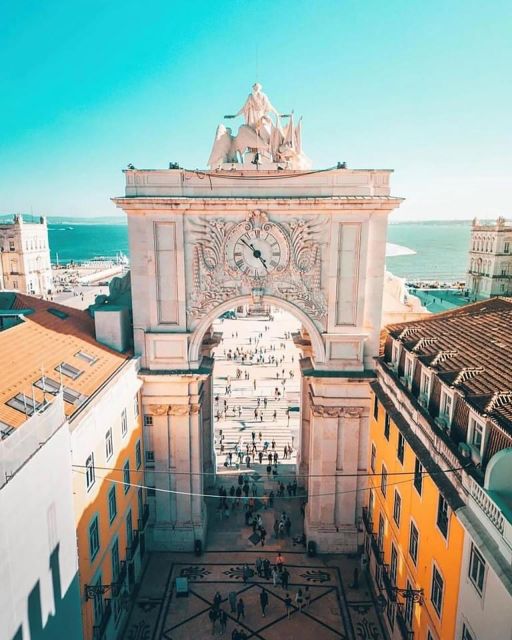
Stop 17: Rua Augusta Arch
Photo stop, visit, guided time (about 5 minutes). Even if you’re not planning a long climb or long stay here, the arch is a strong visual marker that makes the rest of the walking route easier to understand.
Stop 18: Mercado da Ribeira
Listed as a visit with guided time and sightseeing (about 2 minutes). This is a quick taste of the food-and-market energy. It’s short on purpose: you’re here for the vibe and for photos, not a full meal stop.
Stop 19: The Pink Street
A sightseeing stop (about 2 minutes). It’s one of those Lisbon elements that’s simple but memorable—perfect when you want a quick win that still feels like part of the city’s identity.
Drop-off choices near food and culture (and why that matters)

Instead of ending in the same place you started, the tour offers 5 drop-off locations:
Sophia – Natural Italian, Time Out Market, Rua do Cais de Santarém, Largo do Chafariz de Dentro 1, and Museu do Fado.
This is a smart detail. It saves you the “now what” moment at the end of a tour day. If you want to keep the momentum, picking a drop-off close to where you’d naturally go next—food, browsing, or a museum revisit—makes the afternoon feel smoother.
It also matches the tour’s overall rhythm: you do the fast orientation and the main viewpoints, then you decide where to linger.
Price and value: what you really get for about $1.02

The price listed is $1.02 per person, which is exceptionally low compared with what tuk-tuk sightseeing often costs. Since prices on these platforms can change by dates and starting times, treat this as a “watch for the deal” situation. Still, the included items are the part you should compare.
What’s included:
- Transportation by electric tuk-tuk
- Tour guide (and guided tuk-tuk tour)
- Insurance
- Private tuk-tuk tour (also notes private group availability)
- Free photos
What’s not included: food and drinks.
So the value isn’t just the vehicle. It’s that you’re paying for movement plus commentary plus structured stops. You’re not trying to figure out where to go alone in a city of hills. And because the stops are short, you reduce the risk of spending half your day stuck in one location that doesn’t click.
Also, the tour is designed for different traveler styles:
- Couples get a scenic loop with frequent viewpoint moments
- Solo travelers get local guidance without needing to navigate every turn
- Families benefit from less walking on steep streets (though it’s not suitable for kids under 6)
Who this tour suits best (and who should skip it)
This works best if you want a fast, guided overview of central Lisbon plus viewpoint time, without hiking up every hill just to reach the good angles.
It may not be the best match if you:
- Want long, unhurried museum time (this format is built on short guided stops)
- Rely on hearing every word and can’t sit where sound carries well (people noted occasional difficulty hearing the guide)
- Need accessibility accommodations: it’s listed as not suitable for wheelchair users
- Are traveling with children under 6, or you’re pregnant (not suitable per the activity rules)
Bad weather? The route still has strong odds. In one rain-day experience, the guide stayed helpful and the tuk-tuk kept things comfortable enough to finish the loop.
Should you book this Lisbon historic tuk-tuk tour?
Book it if your priority is getting your bearings fast and seeing the big viewpoints without turning your trip into a stair workout. The combination of electric tuk-tuk comfort, frequent photo stops at miradouros, and guided context is exactly what makes this kind of tour a smart first-choice activity.
Skip it if you’re expecting a long, slow, deep museum day, or if hearing the guide clearly matters more than the visuals and quick guided stops. Also, if your group includes someone who can’t use an open vehicle or needs wheelchair access, this is not the right option.
If you do book, I’d also plan your follow-up time. With drop-offs near spots like Time Out Market and the Fado Museum, you can turn the end of the tour into an easy next step—without wasting time figuring out transportation or direction.
FAQ
How long is the Lisbon Historic City Tour by Tuk-Tuk?
The duration is listed as 1 minute to 3.5 hours, with starting times based on availability.
What does the tour cost?
The price shown is $1.02 per person (check availability for the exact offering for your date and time).
What stops are included on the tour?
The tour includes a sequence of stops such as Lisbon Cathedral, Museum of Lisbon – Roman Theater, multiple miradouros (including Santa Luzia, Portas do Sol, Graca, and Senhora do Monte), São Vicente de Fora, Lisbon Flea Market, National Pantheon of Santa Engracia, Santa Apolónia, Alfama, Fado Museum, Chafariz d’El-Rei, Commerce Square, Rua Augusta Arch, Mercado da Ribeira, and The Pink Street.
What’s included in the price?
Included items are transportation by electric tuk-tuk, a tour guide, insurance, a private tuk-tuk tour, guided tuk-tuk tour time, and free photos.
Is food and drinks included?
No. Food and drinks are not included.
Can I add Belém to the sightseeing?
Yes. You can opt to extend your tour by adding Belém to your adventure.
Does the tour offer skip-the-line entry?
Yes. The tour includes skip-the-line through a separate entrance.
What languages are the live guides available in?
Live tour guide languages listed are English, Greek, and French.
Is pickup available?
Pickup is optional and depends on the option you choose. If you select Fado, you wait in front of the Fado Museum for pickup about 5 minutes before the start time. If you select Time Out, you wait in front of Sophia Restaurant behind the Time Out Market garden site corner. The guide sends a message about 10 minutes before via WhatsApp or direct call.
Is the tour suitable for children, pregnancy, or wheelchair users?
It is not suitable for children under 6 years, not suitable for pregnant women, and not suitable for wheelchair users.