REVIEW · KAVALA
Kavala: City Grand Tour by Eco Friendly Tuk Tuk
Book on GetYourGuide →Operated by Xplora City · Bookable on GetYourGuide
Kavala’s best views come with wheels. This eco-friendly tuk tuk tour strings together the city’s top landmarks in just 2 hours, plus it uses a multilingual audio guide app so you can understand what you’re seeing on the move. You get a driver, disposable headphones, and a route that’s designed for Kavala’s hills and tight old streets.
My favorite part is how fast you can get oriented without feeling rushed through everything. One thing to plan for: major sights have extra entrance fees paid in euros (and site access can depend on opening hours), so you’ll want some cash ready.
In This Review
- Key highlights worth your attention
- Why a tuk tuk is the smart move in Kavala’s hills
- Meeting at Xplora CitySpot and getting started smoothly
- Panagia, Old Town photo stops, and the Ottoman-to-neoclassical vibe
- Lighthouse, Halil Bey Mosque, and the fun of short stops
- Kavala Fortress walk: panoramic payoff without a full-day commitment
- Kamares aqueduct and the Ottoman glow around Imaret
- Tobacco Museum, Kapnergatis Square warehouse views, and why Kavala mattered
- Ending at Apostle Paul’s mosaic, then grabbing bougatsa or kurabie
- Price and value: what $82 really covers
- What the experience feels like with different guides
- Comfort and practical tips (so you enjoy every stop)
- Who should book this Kavala City Grand Tour (and who should skip it)
- Should you book Kavala’s City Grand Tour by Eco Friendly Tuk Tuk?
- FAQ
- How long is the Kavala City Grand Tour by eco-friendly tuk tuk?
- What is included in the tour price?
- Are entrance fees included for the main sites?
- Where do I meet the tour?
- Is hotel pickup included?
- What languages are available for the audio guide app?
- Is this tour suitable for wheelchair users?
Key highlights worth your attention
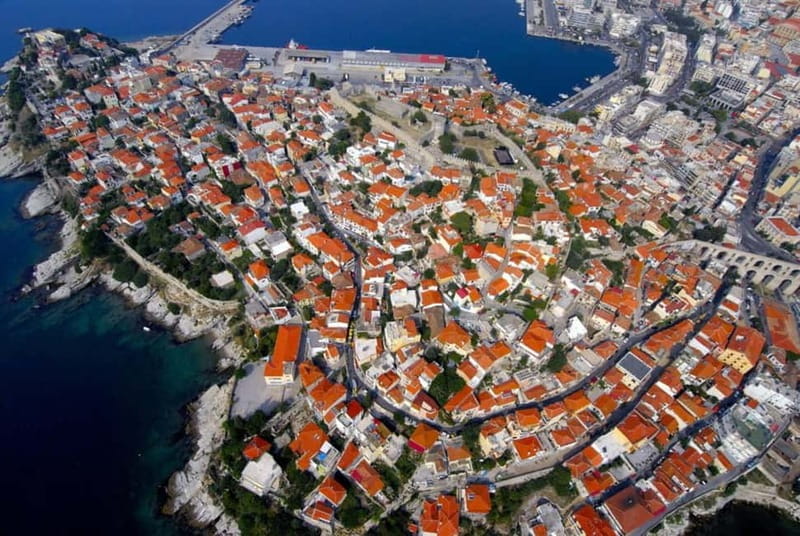
- Eco-friendly tuk tuk routing through hilly, narrow streets where buses can feel awkward
- Multilingual app audio (Bulgarian, English, Greek, Romanian, Russian, Turkish) plus disposable headphones
- Panoramic Fortress time with enough walking to actually appreciate the views
- Tobacco Museum and warehouse stops that explain why Kavala mattered
- Apostle Paul mosaic finish tied to Neapolis, the earlier name for Kavala
- Small-group feel with private or small-group options
Why a tuk tuk is the smart move in Kavala’s hills
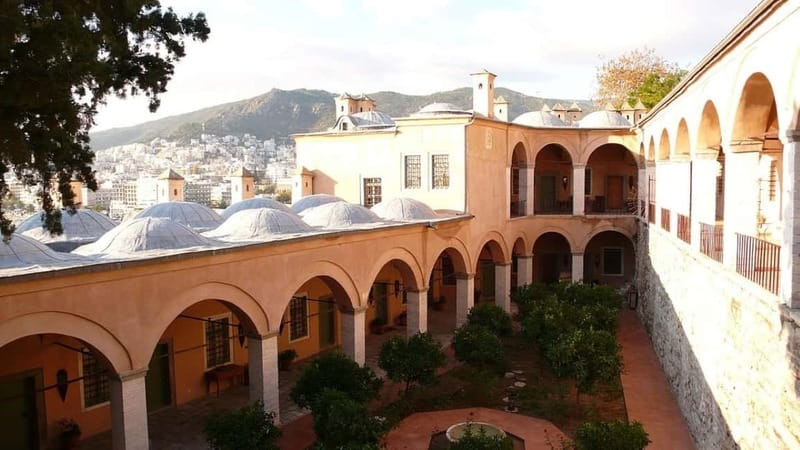
Kavala is pretty, but it’s also steep. That means the easiest way to see a lot without burning all your energy is to let a driver do the climbing while you focus on photos and short walks. The eco-friendly tuk tuk setup is built for exactly that kind of city sightseeing.
I also like the pacing. You’re not stuck waiting long between stops, and you get frequent chances to step out, look around, and take pictures. In a place where walking uphill can eat your time, this format helps you see more of what you came for.
The tour is designed around a mix of what’s viewable from streets and what’s worth short entrances. You’ll do a bit of walking (especially around the Fortress area), so bring comfortable shoes and plan for the weather.
Meeting at Xplora CitySpot and getting started smoothly
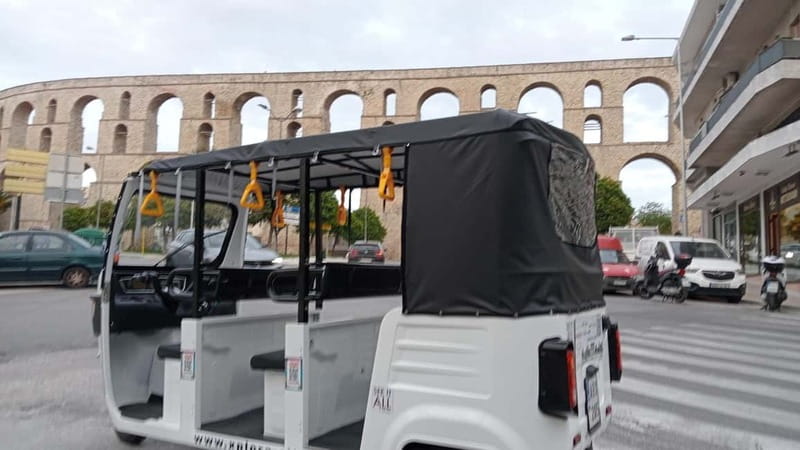
You start at CitySpot by Xplora, behind the old courthouses. It’s across the street from the Kamares, and there’s a large led sign to help you find the right spot.
From there, expect quick transfers by tuk tuk between areas. Most photo and sightseeing stops are short, so you’ll get in and out often. That can feel fast, but it’s also the reason the tour can cover so much ground in only 2 hours.
A practical tip: keep your phone charged. Even with an app and audio guide, you’ll want data or offline setup ready for the audio experience. If you’re the type who reads every sign, you may want extra minutes at the Fortress and the museums, because the route is tightly planned.
Panagia, Old Town photo stops, and the Ottoman-to-neoclassical vibe
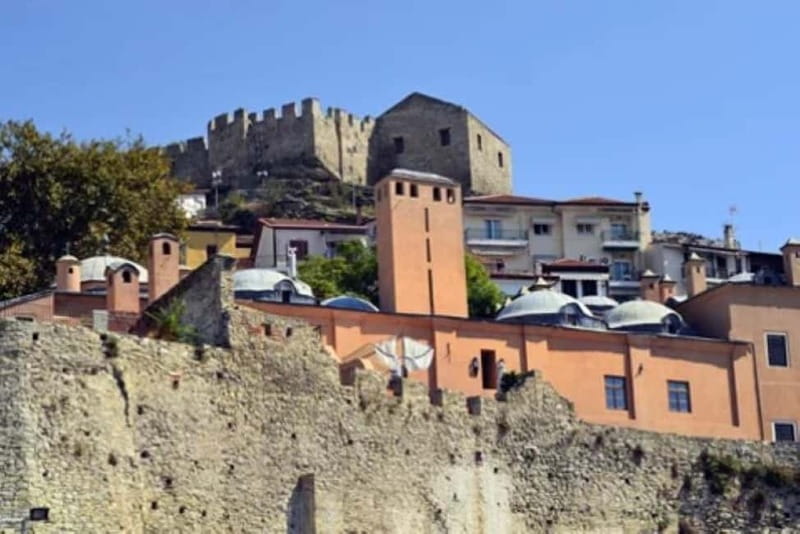
The tour begins in the older part of town with a quick photo stop at Panagia. It’s short, but it gives you a sense of how the historic core sits above the water and harbor area.
From there, you pass by the Imaret, an Ottoman-era complex now used as a boutique hotel. Even without going inside (depending on access and timing), it’s one of those buildings you’ll recognize as part of the city’s layered story: Byzantine-era foundations, Ottoman influence, and later neoclassical touches.
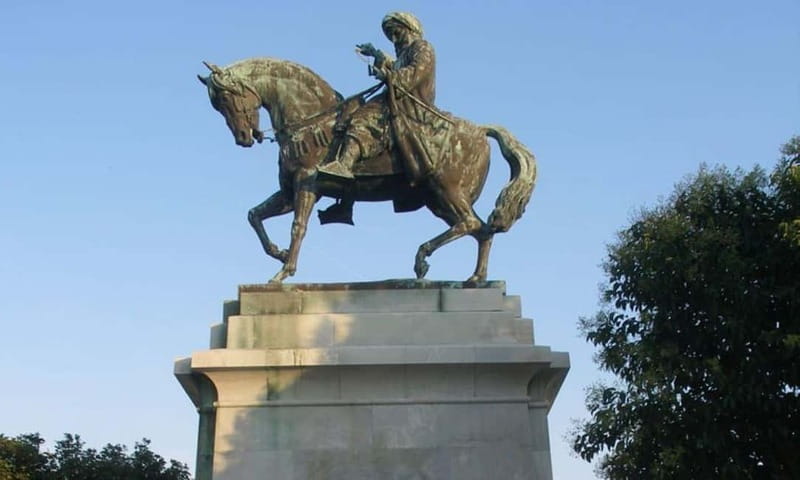
Next comes Square Mehmet Ali, where you get another focused photo stop and a brief self-guided look around the area. Then you visit Mehmet Ali’s Residence Museum (Mohamed Ali’s House). This is the connection to the Egyptian ruler’s birthplace, which adds extra meaning to the Ottoman-era sights rather than just treating them as scenery.
If you like context, this part is where the tour starts telling the bigger story. You’re not only seeing where things are, you’re learning how power, trade, and culture shaped Kavala.
Lighthouse, Halil Bey Mosque, and the fun of short stops
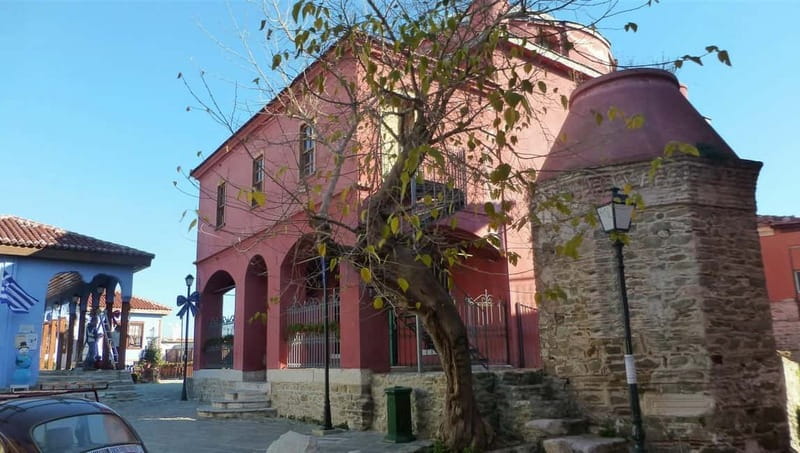
After the Ottoman connections, you head toward some of the city’s best quick-view moments. The Lighthouse of Kavala stop includes time to walk and look around briefly, plus it’s built for photos. Even with limited time, the viewpoints help you connect the dots between the old town, the harbor feel, and the higher fortress area ahead.
You’ll also stop at Halil Bey Mosque. The tour includes time to visit and sightseeing around the exterior and nearby area, again depending on what’s open when you arrive.
These shorter stops matter because they break up the route. They keep you from feeling like you’re only rushing between big-ticket sights. They also help you remember what the city feels like at street level, not just from castle walls.
Kavala Fortress walk: panoramic payoff without a full-day commitment
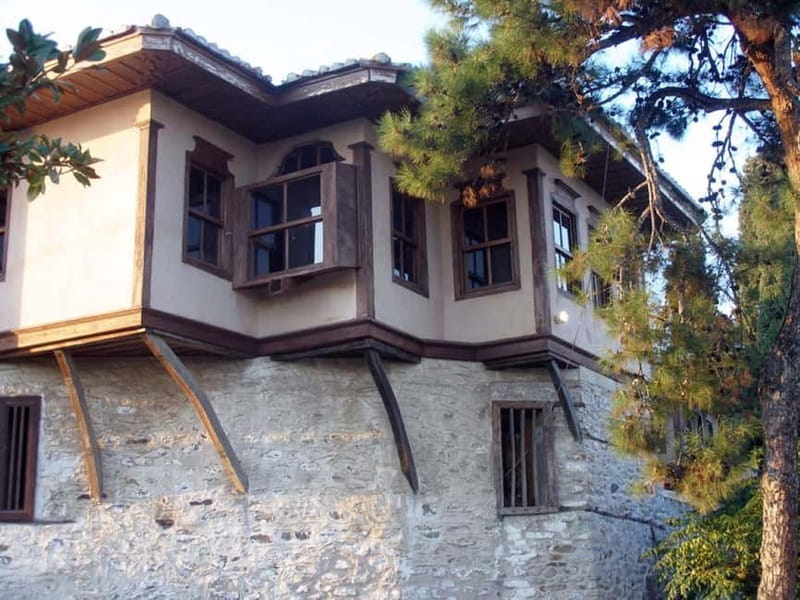
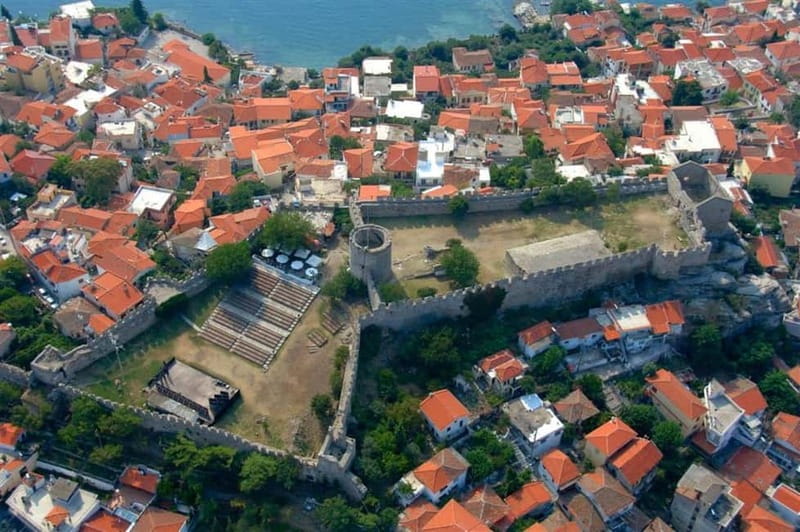
This is the main walk-and-view moment. You’ll reach the 15th-century Kavala Fortress, also known as the Acropolis. The tour schedules a longer stop here (around 30 minutes), which is important because the Fortress is where the city looks like it belongs on postcards.
You’ll explore well-preserved walls and towers and get the story of how the Fortress has carried meaning through centuries. There’s a reason it’s a go-to photo spot. The views cover the city and stretch out toward the Aegean.
A quick reality check: 30 minutes sounds like plenty until you’re standing in the wind, taking pictures, and pausing to read a few details. If you’re traveling with kids, or if heat is an issue, focus on viewpoints first, then do the rest of the walls after.
If you’re a repeat photo-maker, tell your driver you want a couple minutes more at one specific angle. Several guides (like George, Costas, and Konstantinos) are known for helping families frame shots and timing stops to keep everyone comfortable.
Kamares aqueduct and the Ottoman glow around Imaret
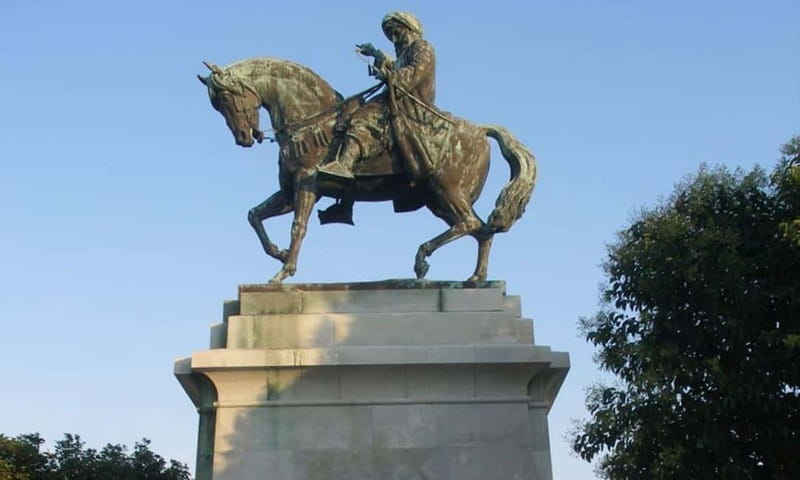
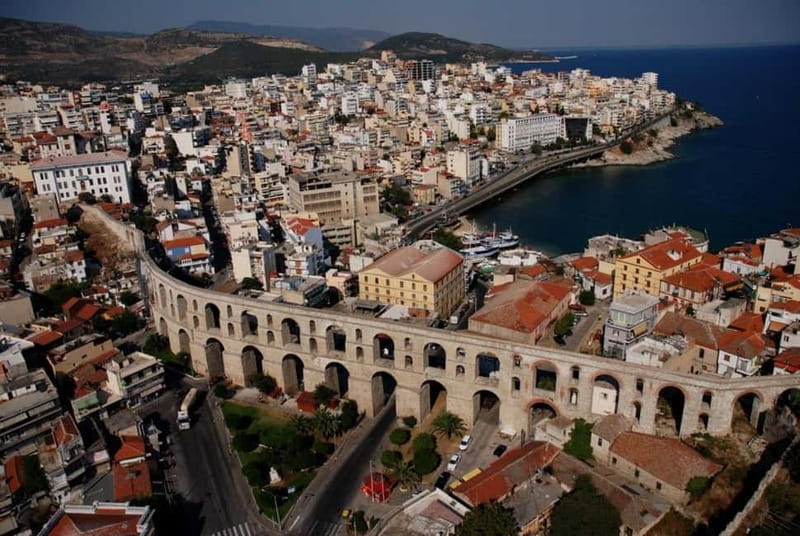
The route brings you to Kamares, Kavala’s famous historical site and aqueduct. It’s one of those places that’s short on time but big on impact. It gives you a clear visual of how water management and city planning worked long ago.
If you enjoy architectural details, this stop is a nice change from museums. You can step back, take a wide shot, and then zoom in for texture and shape.
The Imaret timing is mostly a pass-by, but it still counts. Seeing it from the street helps you connect the Ottoman-era complex to the surrounding neighborhoods. Even when access is limited, the external look gives you something to remember later when you compare the city’s old structures side-by-side.
Tobacco Museum, Kapnergatis Square warehouse views, and why Kavala mattered
You can’t tour Kavala without confronting its tobacco legacy. The tour includes the Municipal Tobacco Museum, plus the Municipal Tobacco Warehouse at Kapnergatis Square.
This section is where the city’s story becomes practical. Tobacco was not just an industry here; it shaped jobs, wealth, and hard times. The museum visit focuses on that economic boom and the struggles of tobacco workers, turning what could be a vague theme into something you understand.
Then you’ll see the Municipal Tobacco Warehouse area (including a pass-by). It’s a strong pairing: museum context inside, warehouse scale outside. Together they show how trade moved through the city.
If you’re a history fan, this is also a good place to slow down. Read the main explanations at your own speed using the audio app. If you’re just there for highlights, hit the biggest display points, then keep going to preserve the rest of your energy for the final stop.
And yes, Kavala can feel like a lot in 2 hours. But the tobacco stops are one of the reasons this tour feels worth the time instead of being a simple photo drive.
Ending at Apostle Paul’s mosaic, then grabbing bougatsa or kurabie
The tour finishes at the Apostle Paul’s mosaic, a work of art depicting the arrival of the apostle on what was the first European soil. Neapolis is what Kavala was called back then, so the stop ties the city’s ancient identity to its later name.
It’s a fitting finale because it shifts the story from local trade and Ottoman-era structures to a broader Mediterranean timeline. You’ll get time for a photo stop, visit, and sightseeing.
After you wrap up, plan to eat nearby. If you want the classic Kavala touch, consider local sweets like kurabie or bougatsa. This is where the city experience stops being educational and starts being delicious.
Price and value: what $82 really covers
The price is $82 per person for a tour lasting about 2 hours. For that you get the eco-friendly tuk tuk, a driver, a multilingual tour guide app, and disposable headphones.
The key value point is coverage. In a short time, you’re seeing an organized set of landmarks across different eras. That’s hard to replicate on your own unless you’re very comfortable navigating steep streets and planning entrance timing.
The main add-on cost is entrances. The Kavala Fortress, Mohamed Ali’s House (the museum), and the Municipal Tobacco Museum have extra entrance fees that you pay in euros. Since those fees aren’t included, you should carry cash to avoid stress.
Also keep in mind: some sites may only be viewed from the outside if access depends on opening hours or if operations are disrupted by things like strikes or national holidays. The route is still worth it for views and context, but your exact interior access can vary.
What the experience feels like with different guides
Guides can change the tone, and this tour seems to attract strong personalities. Names that have shown up include George, Kostas/Costas, and Konstantinos.
What I like about this pattern is consistency in approach. Many guides emphasize good driving through narrow streets, quick photo planning, and keeping people comfortable in heat. One review noted wet towels and water being provided, which matters in Kavala during warm weather.
If you’re traveling with kids or you’re traveling solo, this tour can feel reassuring because stops are structured and the driver is actively part of the sightseeing, not just transportation.
Comfort and practical tips (so you enjoy every stop)
This tour is built for short walks and frequent exits from the vehicle. Wear shoes you can trust on uneven old-town streets. Bring a sun hat, and consider sunscreen, especially if your Fortress climb happens mid-day.
The tour also has clear vehicle rules. Alcohol and food aren’t allowed in the vehicle, so plan your snack break outside.
If you’re bringing a stroller, or if you have limited mobility, read the fine print carefully. The tour is listed as not suitable for wheelchair users. Still, there’s at least one case where a traveler with a folding rollator reported it fit on the tuk tuk. If you use mobility aids, contact the provider ahead of time and ask what will work for your specific situation.
Who should book this Kavala City Grand Tour (and who should skip it)
I’d book this tour if you want an efficient highlights loop across Kavala’s Ottoman, neoclassical, and ancient layers in a short window. It’s a good choice when you only have a few hours and want to feel oriented fast, especially if hills would slow you down otherwise.
I’d reconsider if you need full wheelchair-friendly routes or if you want lots of time at each location. The timing is tight by design. You’ll get what you need for photos, key views, and main museum context, but it’s not a slow, hour-by-hour wander through one neighborhood.
It’s also a good fit for families who want movement without exhausting each person with a long uphill trek. Even if some site entrances cost extra, the route keeps your day from turning into a scavenger hunt.
Should you book Kavala’s City Grand Tour by Eco Friendly Tuk Tuk?
If you’re spending limited time in Kavala, this is one of the easiest ways to see a lot without fighting steep streets and tight lanes. The combination of tuk tuk transport plus audio-guided stories makes the stops more meaningful than a simple drive-by.
Book it if you can handle short walks, you’re okay paying entrance fees in euros, and you want a structured plan for a 2-hour window. Skip or choose a different format if you need long stays inside sites or you require wheelchair accessibility.
FAQ
How long is the Kavala City Grand Tour by eco-friendly tuk tuk?
The tour lasts about 2 hours.
What is included in the tour price?
It includes the eco-friendly tuk tuk, a driver, a multilingual tour guide app, and disposable headphones.
Are entrance fees included for the main sites?
No. Entrance fees are not included for the Kavala Fortress, Mohamed Ali’s House (museum), and the Municipal Tobacco Museum. You pay those fees in euros.
Where do I meet the tour?
You meet at CitySpot by Xplora, behind the old courthouses and across the street from the Kamares, near the provider’s large led sign.
Is hotel pickup included?
No. Hotel pickup and drop-off are not included.
What languages are available for the audio guide app?
The audio guide app includes Bulgarian, English, Greek, Romanian, Russian, and Turkish.
Is this tour suitable for wheelchair users?
No. The tour is not suitable for wheelchair users or people with mobility impairments.